Pahlavi & Opposition Currents.
The Crimson Winter began on his call. The largest diaspora rallies in history followed it. This chapter records the man Iranians inside and outside the country named, by the millions, as the transition leader of the Lion-and-Sun Revolution — and the alternative figures, the open questions, and the one organisation Iranians have decisively refused.
For two generations, opposition to the Islamic Republic was carried by a constellation of figures: a Crown Prince in exile, a Nobel Peace laureate, a women's-rights journalist hunted by the IRGC, the families of PS752, the rapper sentenced to death, the Kurdish federalists. None of them, alone, was a transition. Then in January 2026, Reza Pahlavi called on Iranians to rise — and they did, on a scale not seen since 1979. By 14 February 2026, the Iranian diaspora had answered his call with the largest coordinated street action of its forty-seven-year history. This is the record of how that happened, and what it means.
“The uprising began on his call.”
On 8 January 2026 — the sixth anniversary of the IRGC's downing of PS752 — Reza Pahlavi issued a call from his Washington office for Iranians to take their country back. The streets answered the next morning.
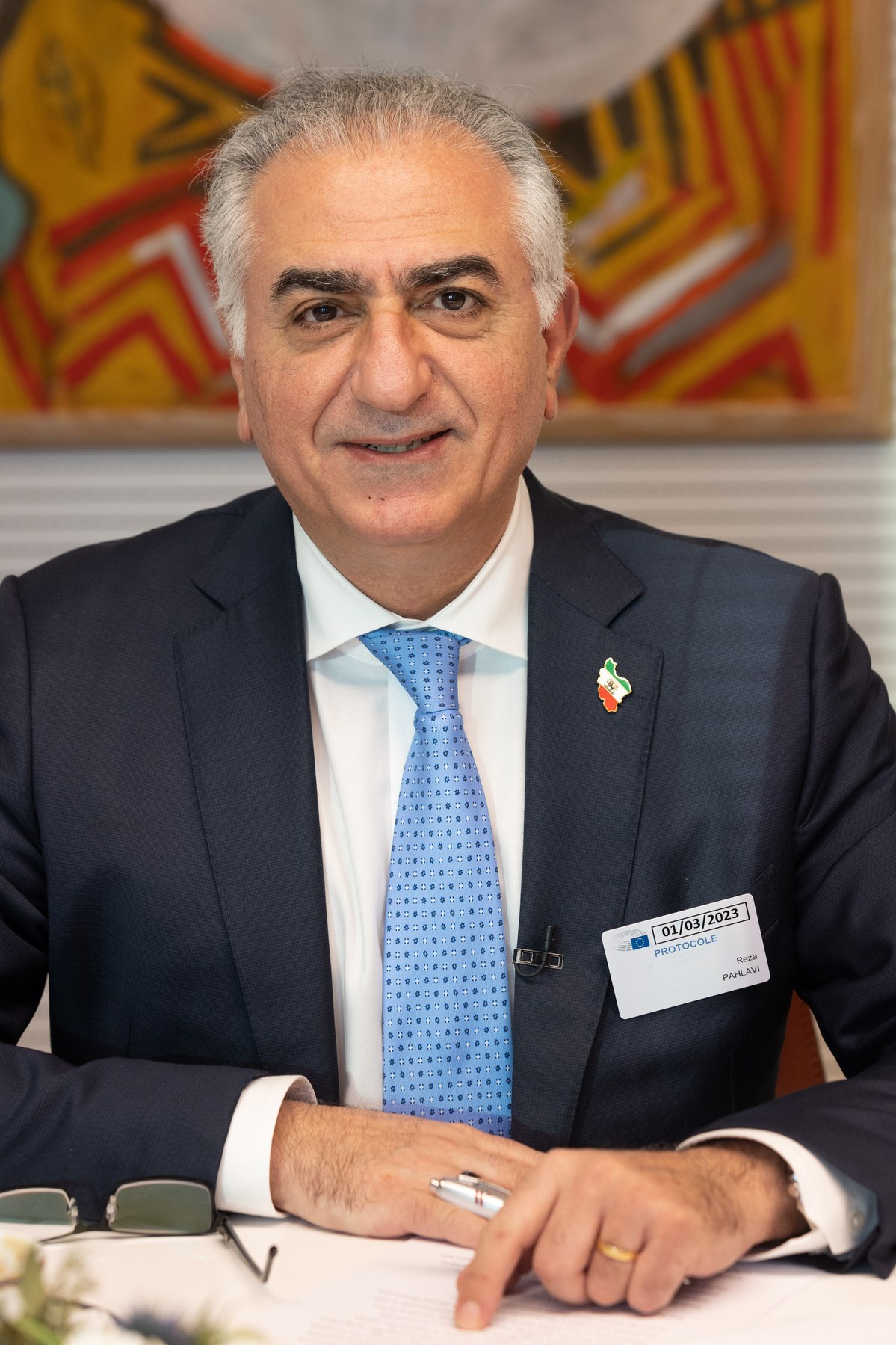
The call to rise.
From his base in the Washington DC suburbs, on the morning of 8 January 2026, Reza Pahlavi published a video address — relayed simultaneously by Iran International, BBC Persian, Manoto TV and Radio Farda — in which he asked every Iranian to leave their workplace, school and home and march on the squares of their cities. By the next morning, 1.5 million Iranians had taken Tehran's streets; within forty-eight hours, an estimated 5 million were marching across more than ninety Iranian cities, according to dispatches collated by HRANA and Iran Human Rights and reported by contemporaneous coverage on en.wikipedia.org/wiki/2025–2026_Iranian_protests.
The state's response was the two nights of mass killing of 8–9 January — Crimson Winter — and the cascade of public executions that followed. The streets did not retreat. By February they had a flag of their own again — the Lion-and-Sun — and a name for the moment: the Lion-and-Sun Revolution.
In Munich a month later, Pahlavi addressed his own response to that call: “Millions of Iranians chanted my name and called for my return. That humbles me, and gives me a lot of responsibility at the same time, to answer their call and to be the leader of this transition as they have asked for.” (Munich, 14 February 2026).
Pahlavi has, for two decades, been explicit about the limit of his role: he has no personal claim to political office, no demand for a crown, and no veto over the constitution Iranians will write for themselves. As he repeated at the Munich Security Conference on 13 February 2026: “I don't have any personal ambition. I'm not seeking power. I don't want to have a crown on my head or a title.” What he claims is the standing to call for a peaceful, secular, democratic transition — and the standing of any Iranian to be heard by their own state. The 8 January call was the use of that standing, in the moment Iran's young men and women were being shot in their cities.
The largest diaspora rallies in history.
Pahlavi designated 14 February 2026 as a worldwide day of action in support of the Iranian uprising. The diaspora answered with the largest coordinated street mobilisation of its forty-seven-year exile.
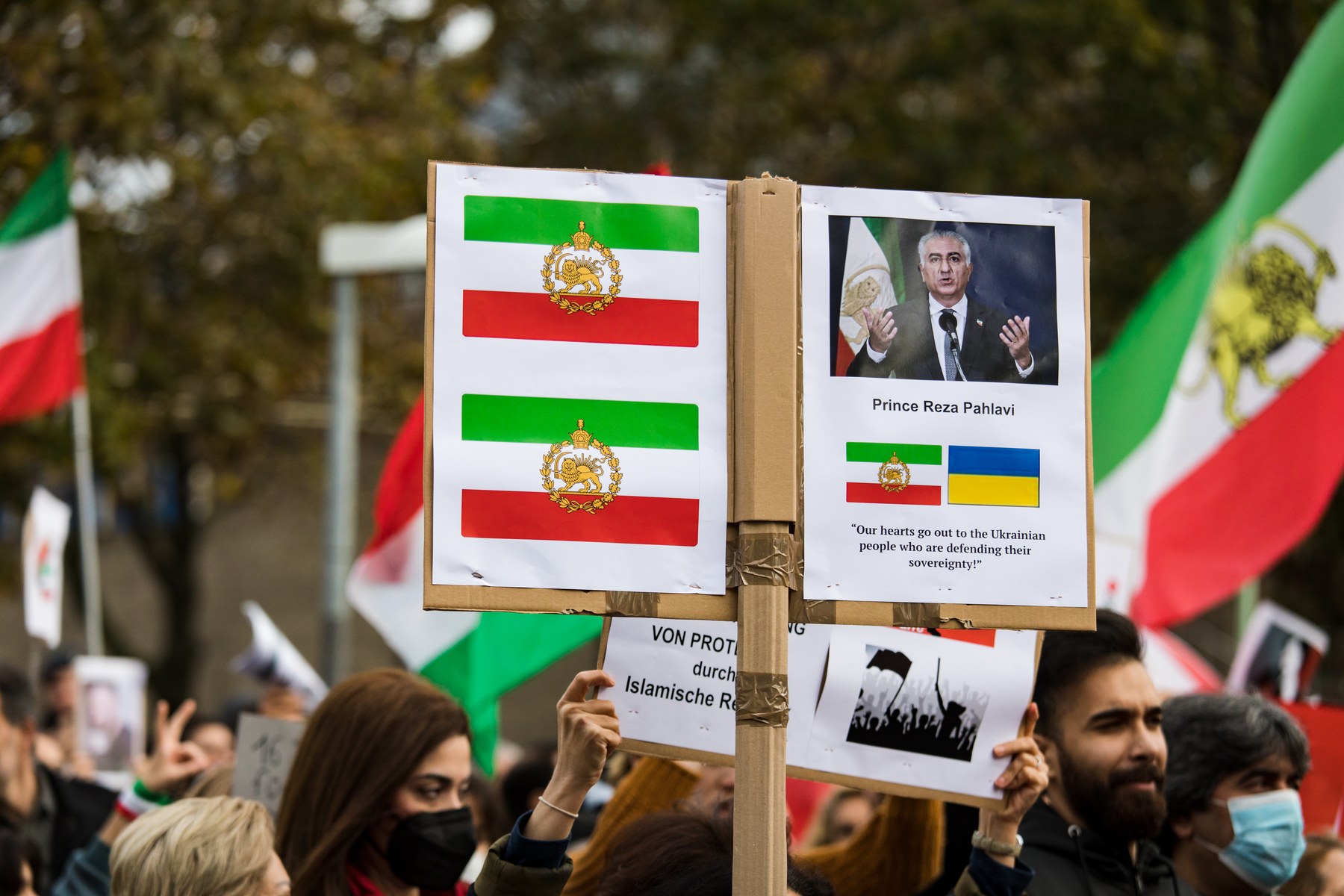
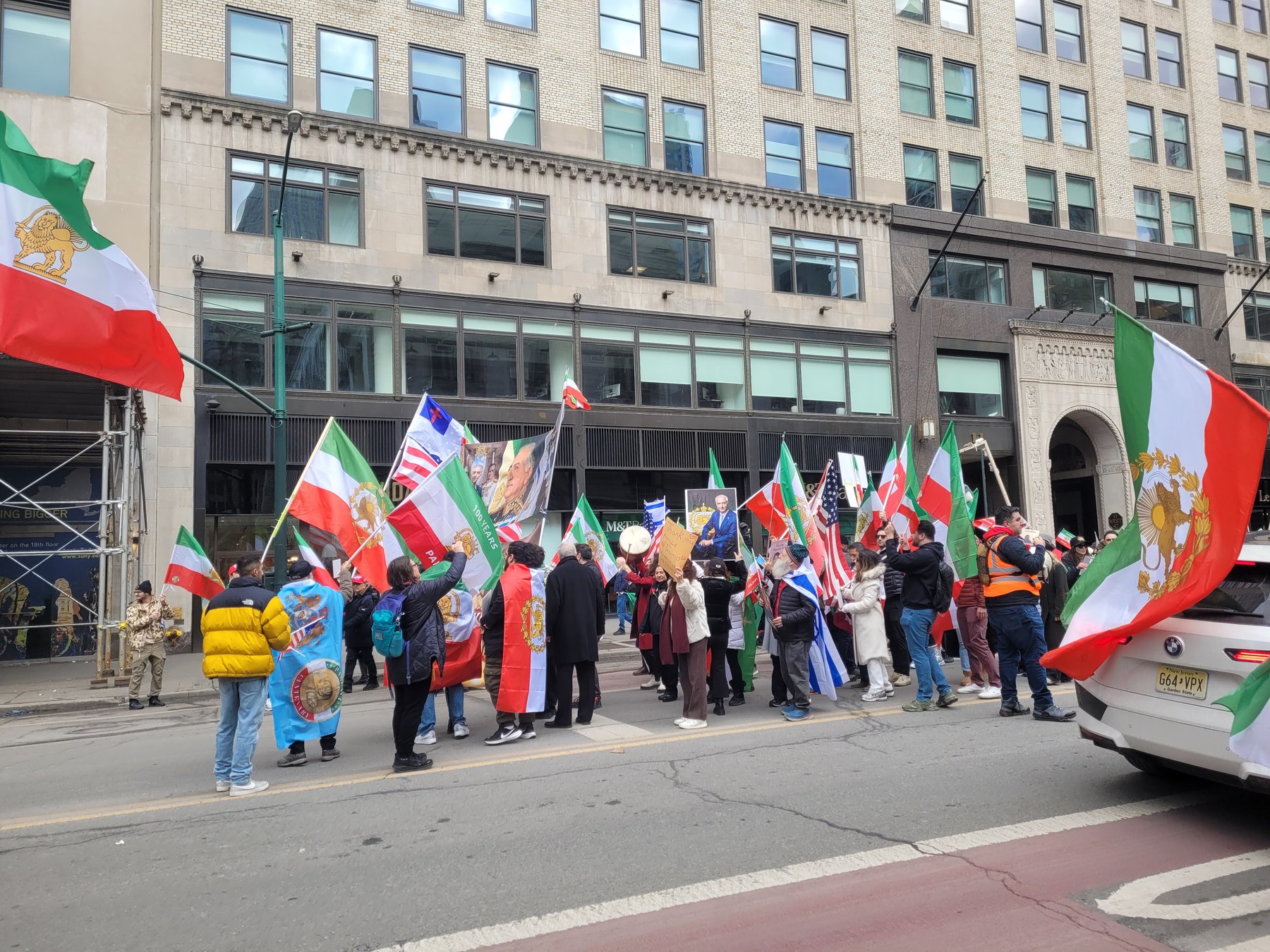
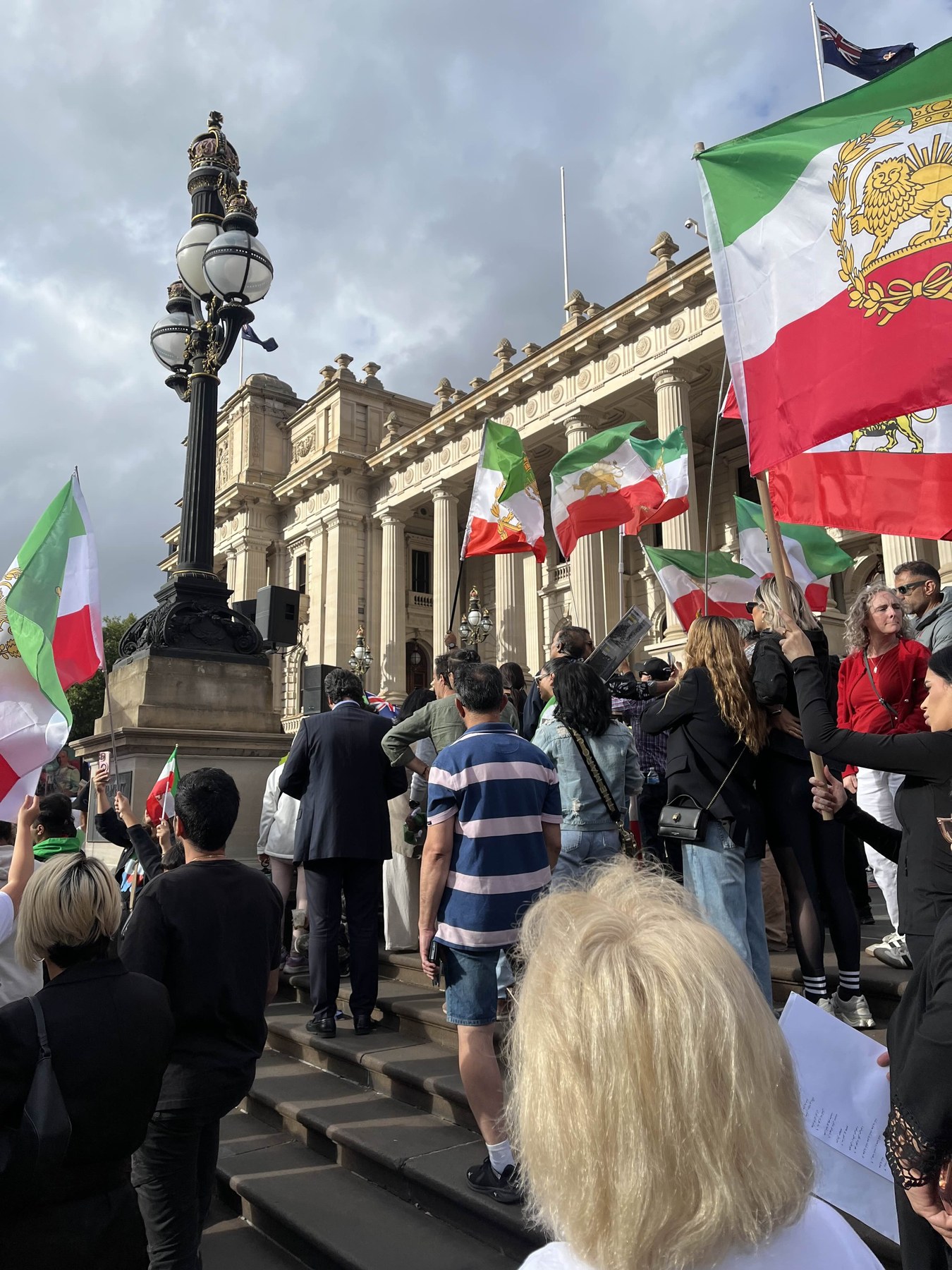
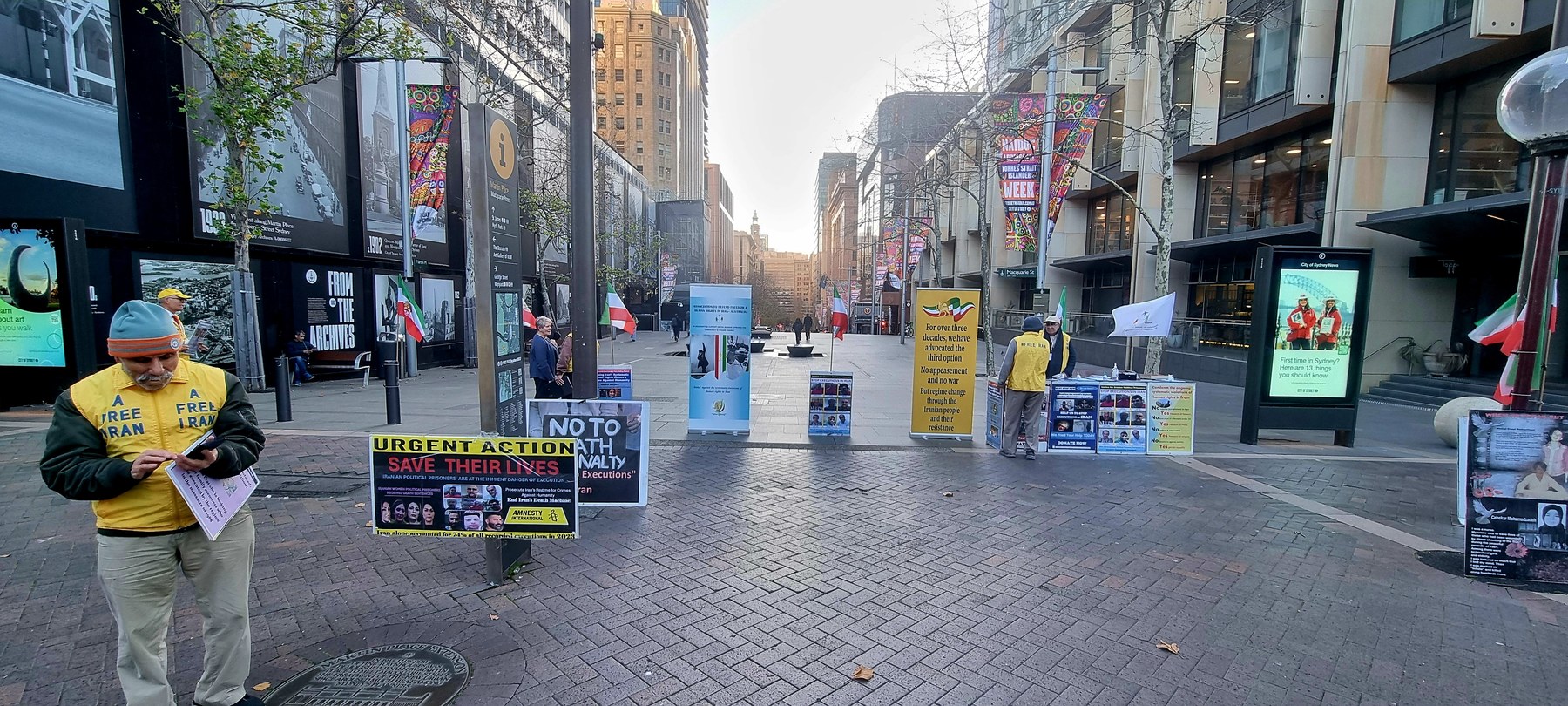
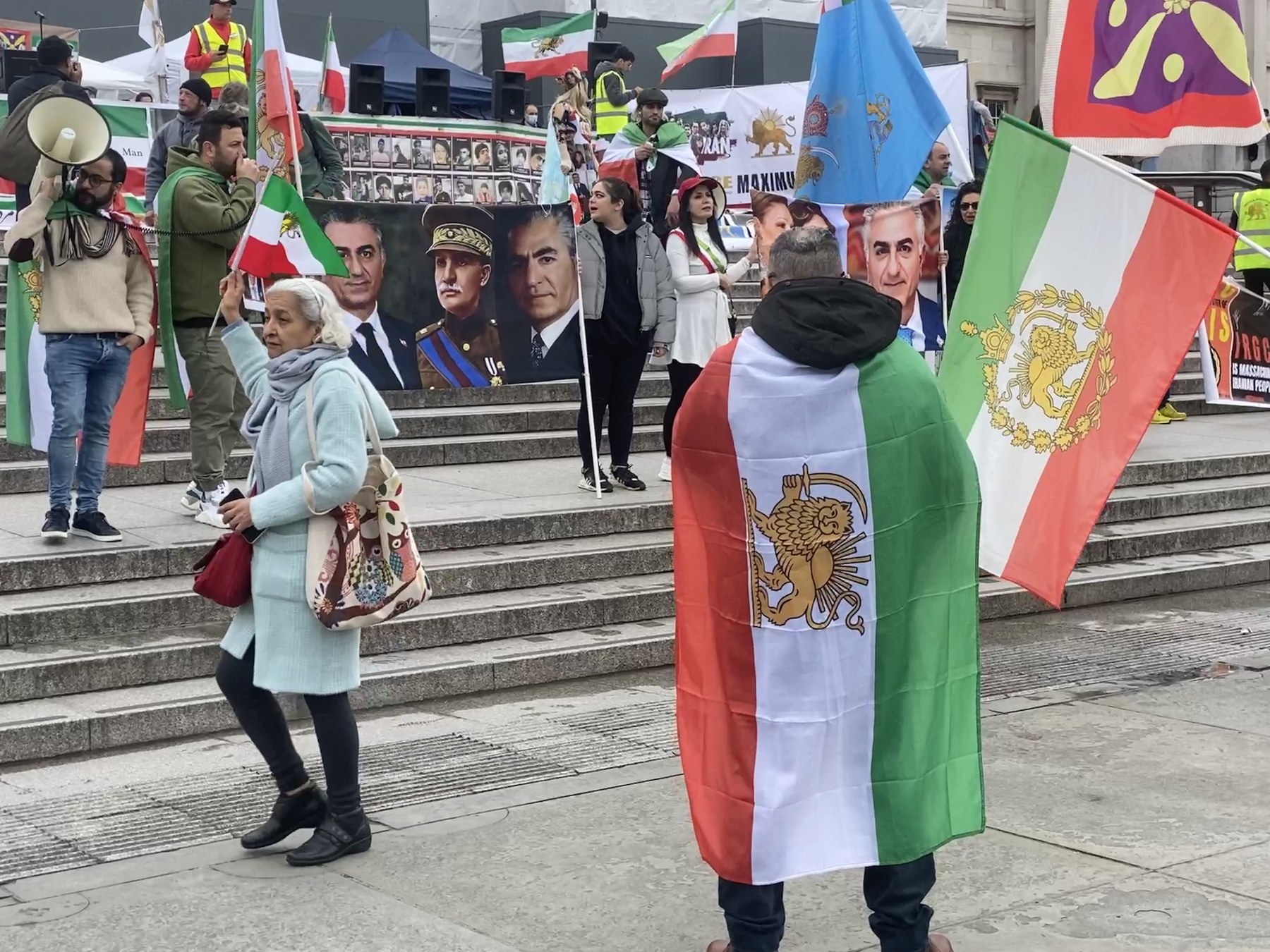
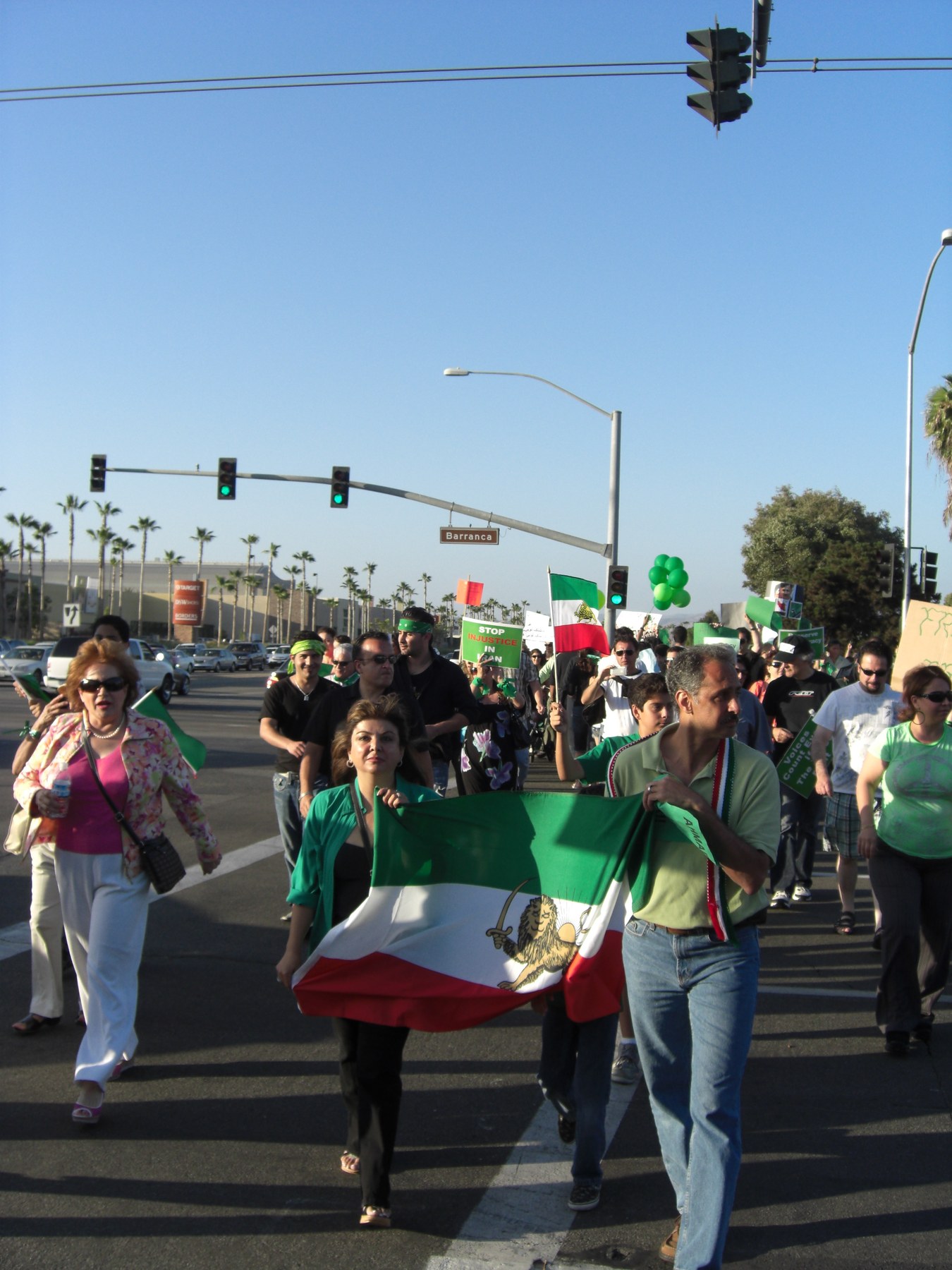
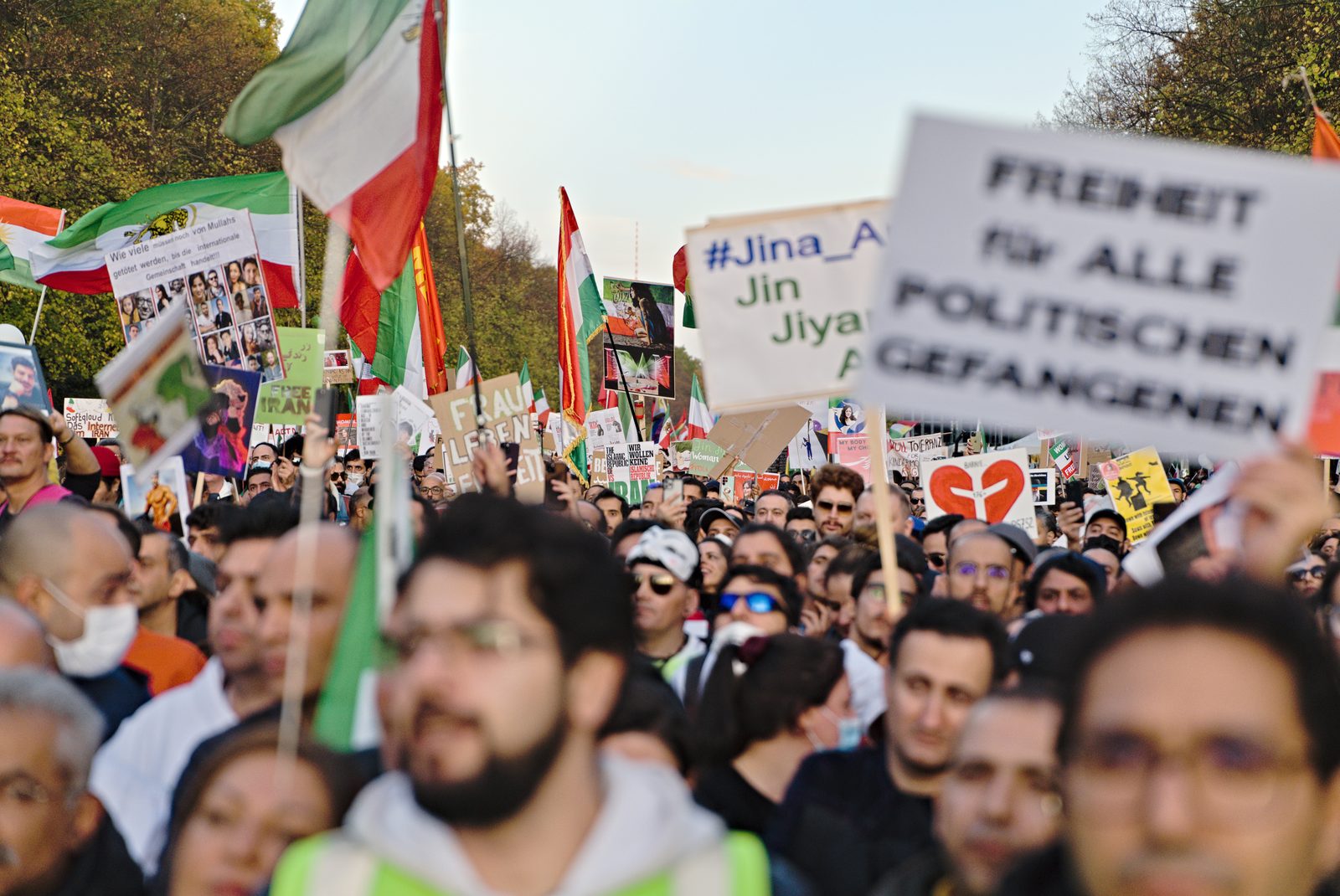
On 14 February 2026, six weeks into the uprising, Iranians in more than two hundred cities outside Iran answered Pahlavi's Call to Action — Global Day of Action with simultaneous rallies. Crowd estimates from local police, organisers and contemporaneous press coverage place the total at over 1.5 million people across the diaspora in a single day — almost certainly the largest single-day pro-democracy mobilisation by any exiled people in living memory.
- Munich, Germany — 250,000+. Held alongside the Munich Security Conference. The New York Times reported a quarter of a million on the Theresienwiese; Pahlavi addressed the crowd from a stage where he was joined by US Senator Lindsey Graham.
- Toronto, Canada — ~350,000 at Mel Lastman Square and Yonge Street. The largest demonstration in Toronto's modern history per local police estimates relayed by CBC News.
- Los Angeles, USA — ~350,000 through Westwood (Tehrangeles) and Wilshire Boulevard, organised by Iranian-American student associations across UCLA, USC and CSULB.
- London, United Kingdom — ~50,000 from Hyde Park to Trafalgar Square, per Sky News.
- Vancouver, Canada — ~45,000 at the North Vancouver waterfront and Robson Square.
- Berlin, Frankfurt, Hamburg, Cologne, Düsseldorf, Stuttgart, Munich — coordinated rallies in every major German city.
- Paris, Brussels, The Hague, Amsterdam, Stockholm, Copenhagen, Oslo, Helsinki, Vienna, Madrid, Lisbon, Rome, Athens, Prague, Warsaw, Bern — every European capital with an Iranian community.
- Sydney, Melbourne, Adelaide, Brisbane, Perth, Auckland — Iranian-Australasian communities marched on every state capital.
- New York, Washington DC, Boston, Houston, Dallas, Atlanta, Chicago, San Francisco, San Diego, Seattle, Phoenix — diaspora rallies on every major US East and West Coast city.
- Tel Aviv, Tokyo, Seoul, Singapore, Buenos Aires, São Paulo, Mexico City, Johannesburg — among the smaller global gatherings.
The 14 February call was the first time the diaspora moved with one voice. The slogan was the same in every city: “Mā hame bā ham hastim” — “We are all together.” The flag was the same: the Lion-and-Sun. The portrait, again and again, was Pahlavi's. Source: Wikipedia · 2026 Iranian diaspora protests.
What he has said in his own words.
From the Munich Security Conference, the Berlin Reichstag, CPAC and the streets of Paris — Pahlavi's public statements during the Crimson Winter and the Lion-and-Sun Revolution.
Munich, 14 February 2026
“Millions of Iranians chanted my name and called for my return. That humbles me and gives me a lot of responsibility at the same time, to answer their call and to be the leader of this transition as they have asked for.” — addressing 250,000+ on the Theresienwiese, alongside Senator Lindsey Graham. Iran International.
Munich Security Conference, 13 February 2026
“I don't have any personal ambition. I'm not seeking power. I don't want to have a crown on my head or a title. The only thing I want is for my people to be free, and to be the servant of that transition.” — at the 62nd Munich Security Conference.
Berlin, 23 April 2026
“Will the free world do something, or watch the slaughter in silence?” — said at a Berlin press conference moments after a regime-affiliated heckler splattered him with red liquid. Los Angeles Times.
CPAC, 28 March 2026
“The final blow will be delivered by the Iranian people themselves. When the right moment arrives, as in January, I will call on them to rise up again.” — at the Conservative Political Action Conference, National Harbor, Maryland.
Paris, 25 April 2026
“Place de la Bastille is a symbol. Iran is the next nation that the world will see liberate itself in this square's tradition.” — at the Place de la Bastille rally, Paris.
Westwood, 1 March 2026
“Tehrangeles, Tehran is listening to you tonight.” — at the Westwood/Tehrangeles rally as US-Iran tensions escalated, where Iranian-Americans gathered in tens of thousands. Los Angeles Times.
“A message of peace from Iranians.”
On 16 April 2023, Reza Pahlavi began a three-day official visit to Israel at the invitation of the Israeli Minister of Intelligence — the first by a member of the Iranian royal family since the 1979 revolution. He prayed at the Western Wall, visited Yad Vashem, met Israeli President Isaac Herzog and Prime Minister Benjamin Netanyahu, and spoke at the Knesset. The visit was conducted in close consultation with the Iranian-Jewish diaspora and accompanied by simultaneous public letters to Iranian Muslims and Jews. Source: i24NEWS; full statements at rezapahlavi.org.
From the Western Wall, Pahlavi delivered what he called “a message of peace from the people of Iran to the people of Israel — and a promise that the Iranian nation, when it is free again, will be a partner of every people in the region, including the Jewish state.” The visit was framed by Pahlavi and his hosts as a corrective to forty-four years of Islamic Republic propaganda; it was reported as a watershed by Iranian diaspora press across Europe and North America, and received attacks by the Iranian state and by MEK-affiliated outlets — neither of which Iranians inside Iran tend to take seriously.
The Six Demands of the Lion-and-Sun Revolution.
Pahlavi's Call to Action of February 2026 set out six concrete demands of foreign governments and international institutions, framed as the minimum conditions for international consistency with the right of Iranians to self-determination.
1. Recognise the right of Iranians to self-determination
End the diplomatic posture that treats the Islamic Republic as the legitimate representative of Iranians and the only available negotiating partner.
2. Designate the IRGC as a terrorist entity
Across the EU, the UK, Canada, Australia and every democracy that has not yet done so — to match the US designation already in force.
3. Enforce existing sanctions on regime officials
Including travel bans, asset freezes, family-member sanctions, and end the existing carve-outs that allow regime sons and daughters to live and study freely in Western capitals.
4. Recognise a transitional secular democratic structure
Including the Iran Liberty Council and the cooperating networks of opposition figures inside and outside Iran working towards a constituent assembly.
5. Suspend Islamic Republic UN credentials
Including in agencies where the Islamic Republic chairs human-rights or women's-rights forums while massacring Iranian women.
6. Treat Iranian dissidents abroad as protected, not as suspects
End travel bans, visa restrictions and tax-domicile traps that fall on the diaspora the Islamic Republic forced into exile, and recognise journalists at Iran International, BBC Persian and Manoto as targets of state-sponsored assassination plots.
The Mahsa Charter — and what came after.
The most prominent attempt to articulate a common diaspora platform after Woman, Life, Freedom — and the most public lesson in why coalitions are fragile.
On 10 February 2023, eight high-profile figures of the Iranian diaspora published, from Georgetown University in Washington DC, a one-page text titled The Charter of Solidarity and Alliance for Freedom — quickly known as the Mahsa Charter. The signatories were Reza Pahlavi (Crown Prince of Iran in exile, Washington DC), Masih Alinejad (journalist, target of a 2021 IRGC kidnapping plot in New York), Hamed Esmaeilion (PS752 spokesperson), Nazanin Boniadi (actor, Amnesty ambassador), Shirin Ebadi (2003 Nobel Peace laureate), Ali Karimi (former Iranian football captain), Abdollah Mohtadi (Komala secretary-general), and Golshifteh Farahani (actor, Paris).
The Charter committed signatories to a secular democratic Iran, the separation of religion and state, an end to all forms of discrimination, gender equality, the rule of law, the territorial integrity of Iran, and a transition through a constituent assembly. It did not commit signatories to any one form of post-transition government and did not endorse any one figure as a future head of state. Sources: Wikipedia; AP; Iran International.
Within weeks the coalition was visibly under strain. Hamed Esmaeilion left the alliance in April 2023 citing concerns about its decision-making structure. Subsequent months saw further divergences. The Mahsa Charter as a unified body lost momentum — but its lesson held: a politically diverse group of Iranians, from a Crown Prince to a Komala secretary-general to a women's-rights journalist, could publicly stand together on a minimal common platform. The 14 February 2026 Global Day of Action validated, three years later, the basic premise.
The figures Iranians cite.
This is not an endorsement list. It is a record of the public figures whose names recur in Persian-language press, in protest signs, and in casual conversation when Iranians ask one another who could speak for us in a transition?
Reza Pahlavi
Crown Prince of Iran in exile, Washington DC. Issued the call of 8 January 2026 that opened the Lion-and-Sun Revolution. Called by Iranians inside Iran and across the diaspora to lead the transition. Calls publicly for a referendum on Iran's future political system.
Narges Mohammadi
2023 Nobel Peace laureate, in and out of Evin Prison since the early 2010s. Founder of the campaign against capital punishment in Iran. The most internationally recognised political prisoner in the country.
Shirin Ebadi
2003 Nobel Peace laureate, the first Muslim woman to win the prize. Lawyer; founder of the Defenders of Human Rights Center. Mahsa Charter signatory.
Masih Alinejad
Journalist, founder of My Stealthy Freedom; target of a 2021 IRGC plot to kidnap her from Brooklyn. Mahsa Charter signatory.
Hamed Esmaeilion
Spokesperson for the families of PS752 victims; left the Mahsa Charter alliance in April 2023. Hunger-struck outside the Canadian Parliament in 2024.
Nazanin Boniadi
Actor and Amnesty ambassador. One of the most prominent Western-facing voices for women's rights in Iran; Mahsa Charter signatory.
Ali Karimi
Former captain of Iran's national football team — “Maradona of Asia”. Mahsa Charter signatory; has used his sports following inside Iran to amplify the uprising.
Golshifteh Farahani
Actor in exile in Paris since being banned by the Iranian state in 2008. Mahsa Charter signatory.
Toomaj Salehi
Rapper, sentenced to death and back. The voice of a generation born into the Islamic Republic and refusing it.
Abdollah Mohtadi
Secretary-general of Komala, the historic Kurdish left party in exile. Mahsa Charter signatory; voice for the federal-democratic strand of the opposition.
What Iranians do not consider an option.
One organisation stands out as a recurring feature of Western media coverage and Western political mailing lists, but not of any serious Iranian poll: the Mojahedin-e-Khalq (MEK) and its political-front structures.
The MEK was founded in 1965, took up arms against the Shah, sided with Saddam Hussein during the Iran–Iraq War — fighting Iranian conscripts inside Iran on the side of the country invading them — and has spent the decades since reorganising under different umbrellas around its leadership. Inside Iran, this is remembered. Independent diaspora polling — including the GAMAAN surveys widely cited by academics — has consistently placed the MEK's support among Iranians at the low single digits, an order of magnitude below all of the figures listed above. That is also the consensus inside the country: across protest waves from 2009 to 2026, protesters in Iranian streets have not raised MEK slogans, MEK flags, or MEK leadership images. They have raised Zan, Zendegi, Azadi; the Lion-and-Sun; the names of their dead; and Reza Pahlavi's portrait.
This site does not cite, link to, or use as a source any MEK-affiliated outlet. The user this record is written for has been clear: the MEK is not considered a legitimate alternative for Iranians. We follow that judgement, and Iranians in Iran appear to share it.
Monarchy or republic, leader or assembly.
The two open questions inside the opposition are not new. Monarchy or republic. A constitutional monarchy with Reza Pahlavi as constitutional monarch, on the model of Spain after Franco; or a presidential or parliamentary republic with no royal element. Pahlavi himself has publicly said this is a question for Iranians, decided through a referendum, and that he will accept the outcome.
A single leader or a constituent assembly. A transitional council of recognised figures who can speak with one voice in the immediate days of a transition; or a constituent assembly elected by the population to write the post-Islamic-Republic constitution from scratch. The Mahsa Charter pointed at the second model. The street of January–April 2026, when asked, gave both answers — and asked Pahlavi, by name, to lead the bridge between the two.
Both questions are ones Iranians will give to themselves, in their own elections, in their own constituent process. The only commitment any of this site requires is the one the streets gave when Mahsa Amini's name first appeared on a placard, and the one they gave again when Pahlavi called on 8 January 2026: a free Iran, in which a Kurdish girl from Saqqez can ride a bus in Tehran without the state telling her how to wear her hair.