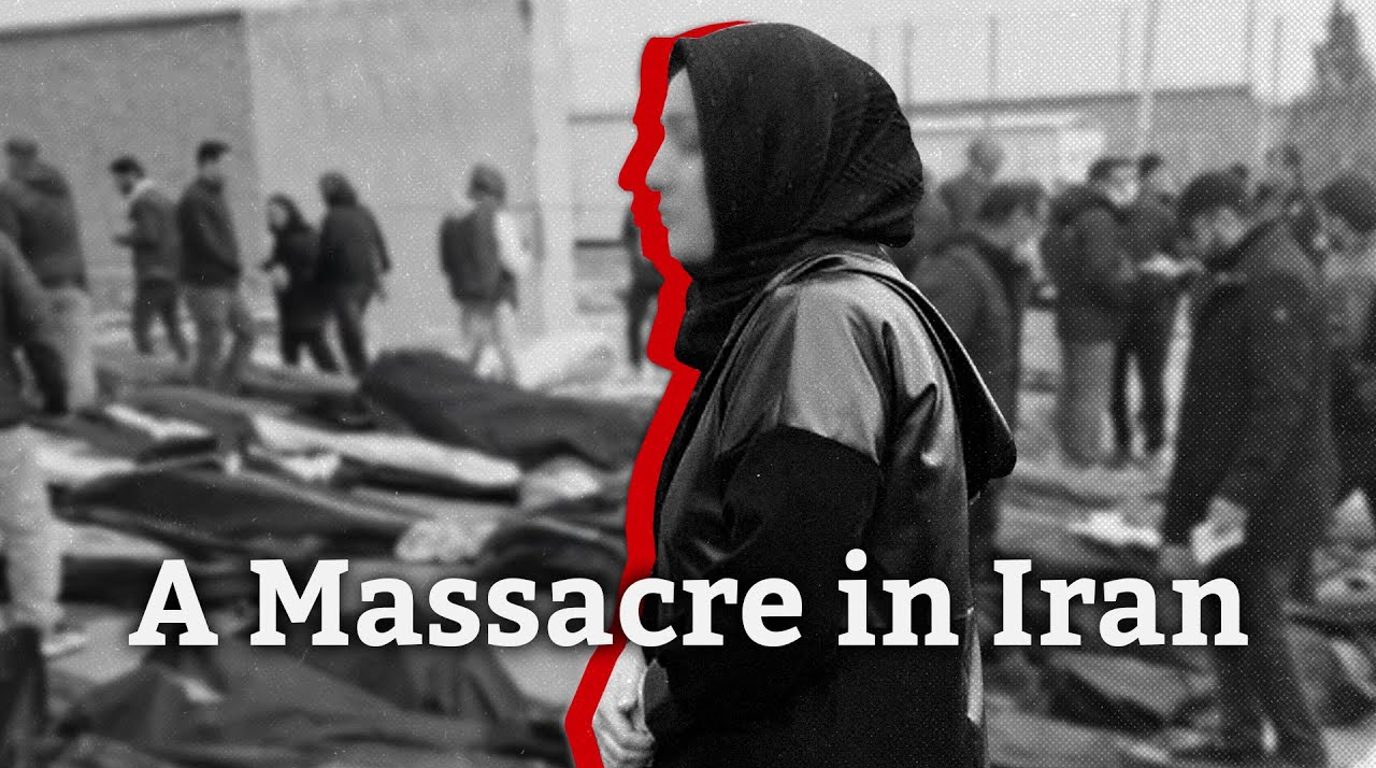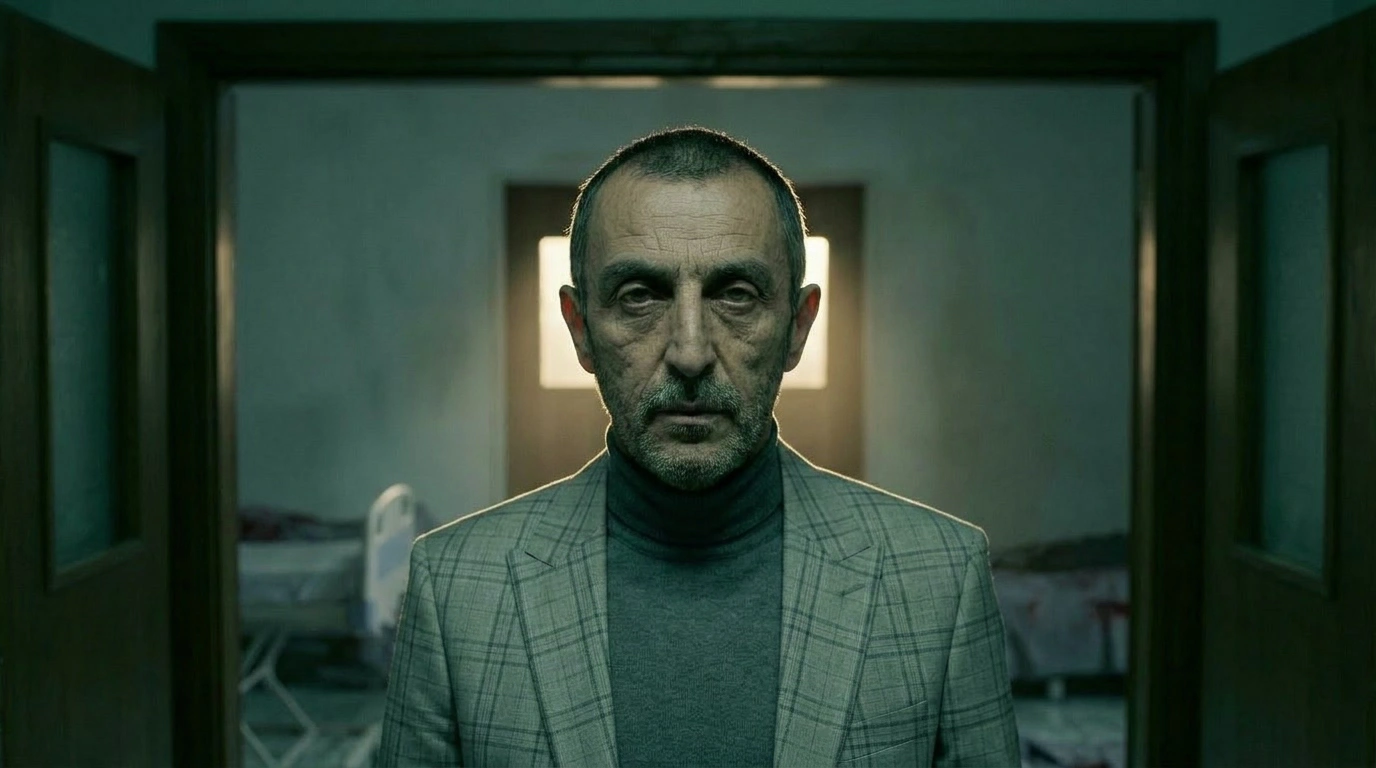
Featured film
77 Hours — the film about Iran's Two Nights
A psychological thriller by Vahid Mahdavi, set across the nights of 8 and 9 January 2026. Watch the trailers, read the story, and see the documented record behind it.
Named victims of Iran's 2026 crackdown — photos, ages, hometowns and stories of protesters killed by the Islamic Republic.
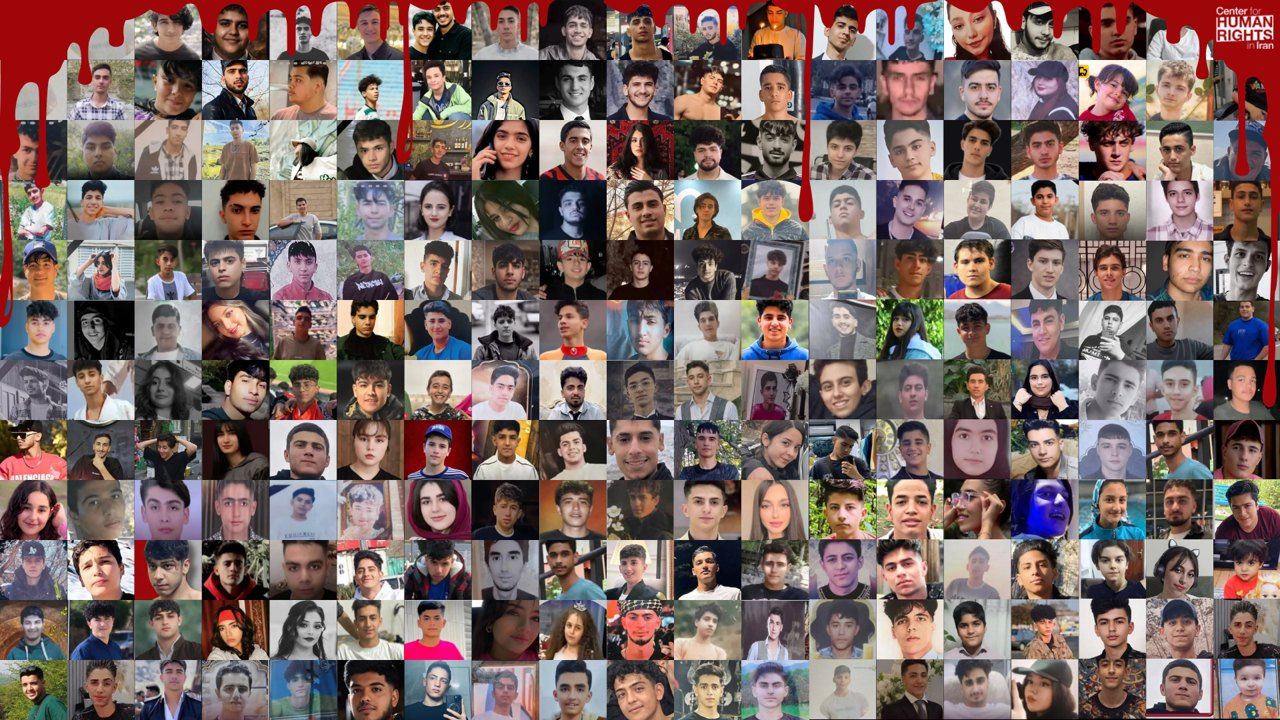
Each of these people was a single life inside the figure of more than forty thousand killed across the two-night strikes and the wider Woman, Life, Freedom uprising. The state preferred them counted; here they are recognised.
Content warning. The photographs below show victims of state killings, public executions and mass graves. They are documentary images from independent international press, Wikipedia/Wikimedia Commons, Iran Human Rights and Human Rights Watch, included so the dead are not abstractions.
This is a sample, not the full list of victims under 23: most of the dead are still unidentified, and many families have been threatened or silenced. The 290 portraits shown here are young victims whose names and photographs have been confirmed and released, and whose images were clear enough to publish. Names, ages, cities and dates of death are taken from the victim registry at iranprotests.com, cross-checked against its individual case files.
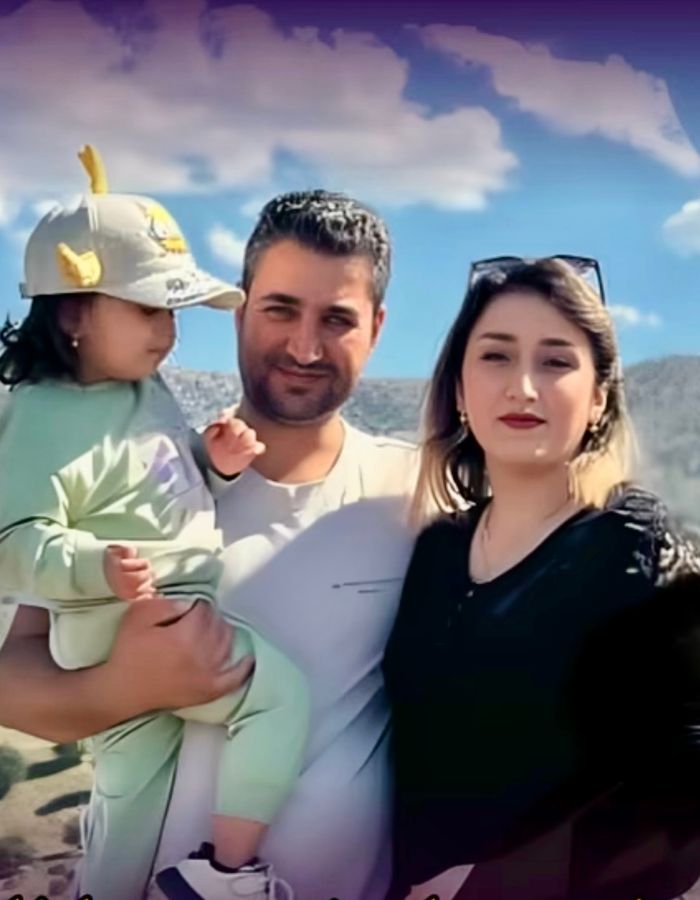
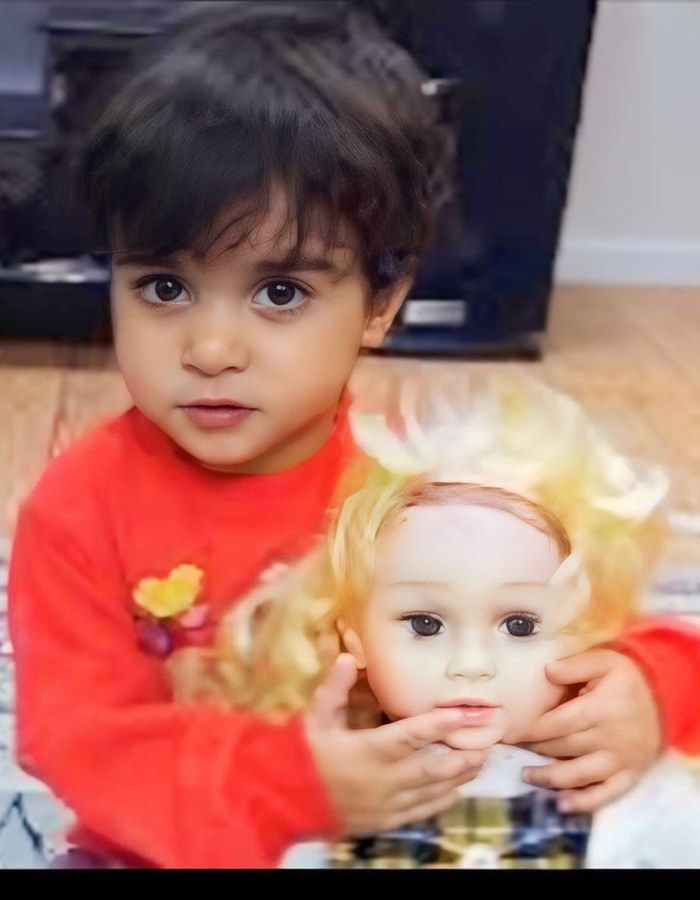
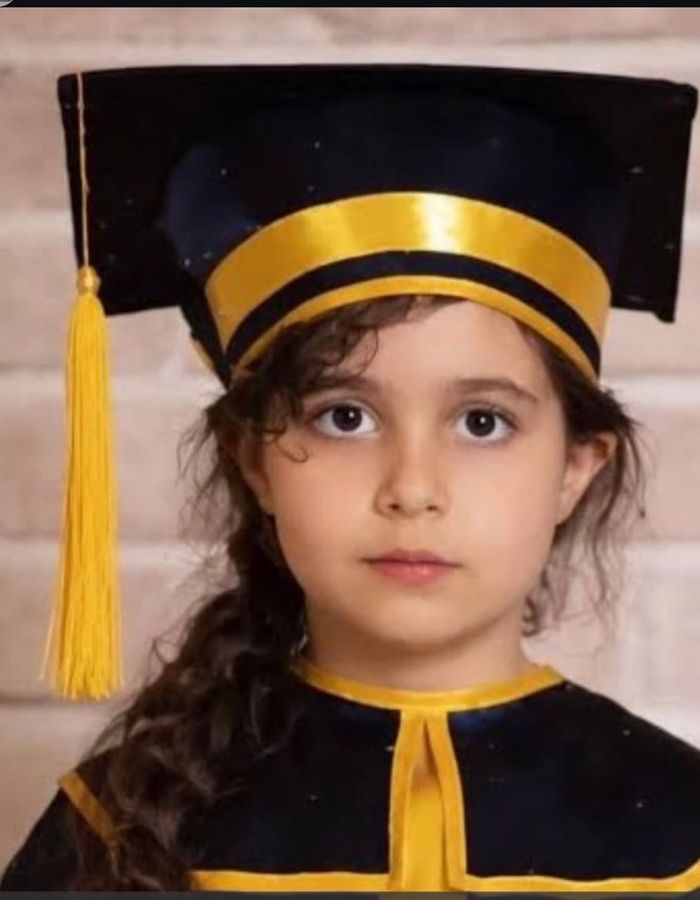
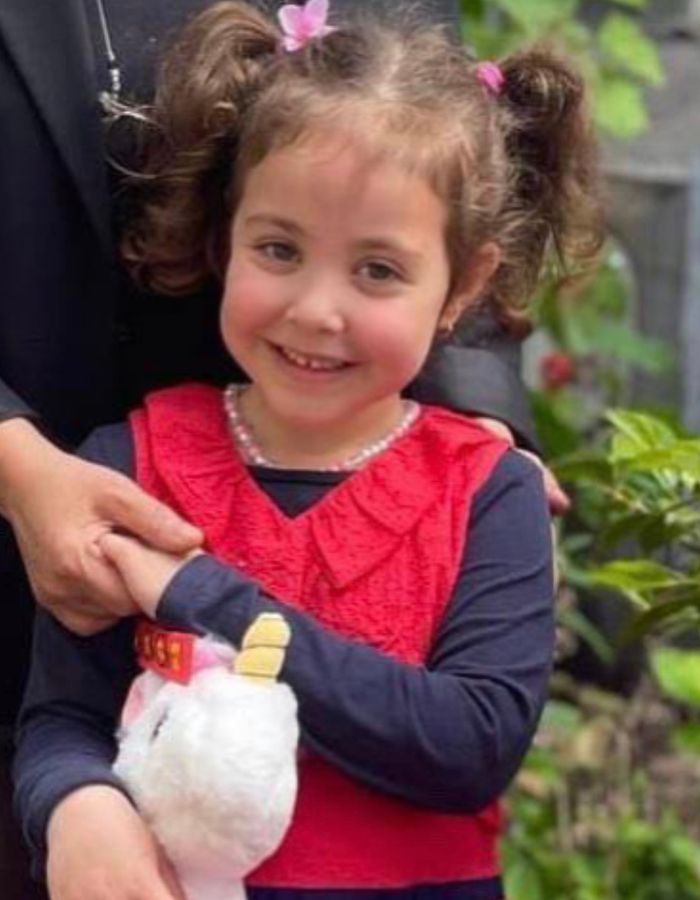
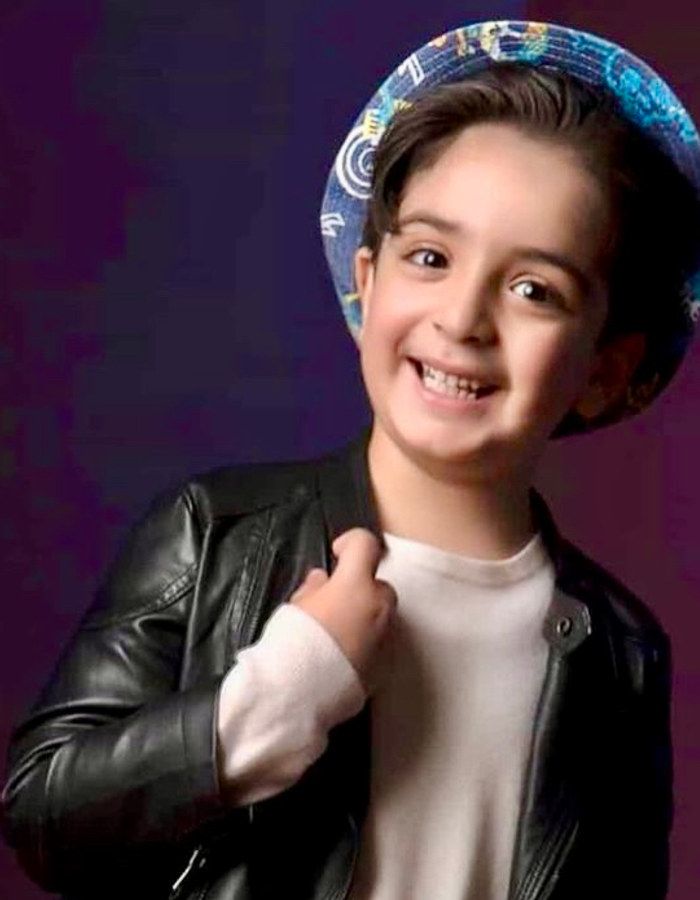
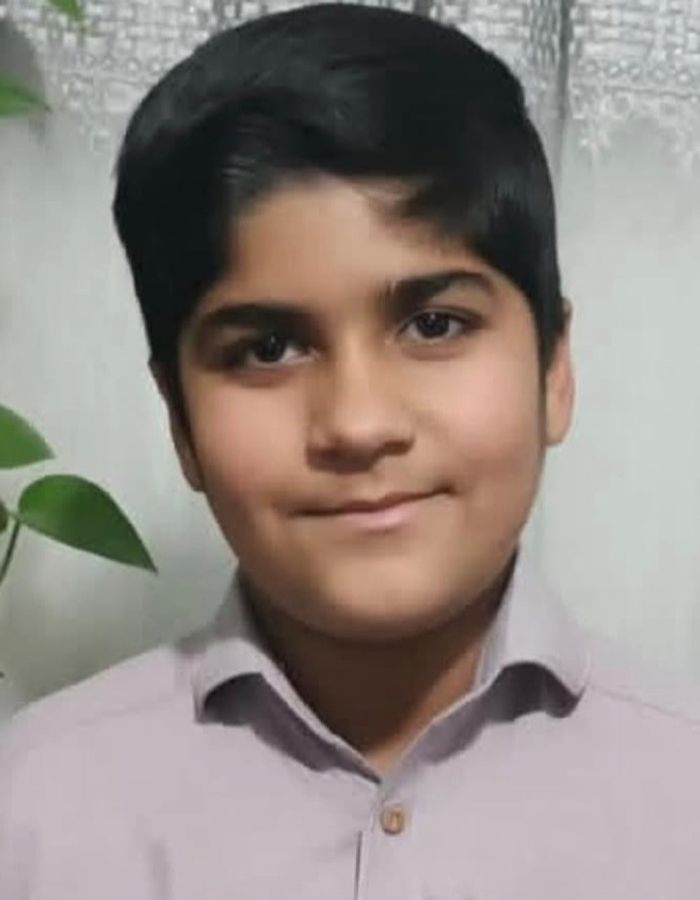
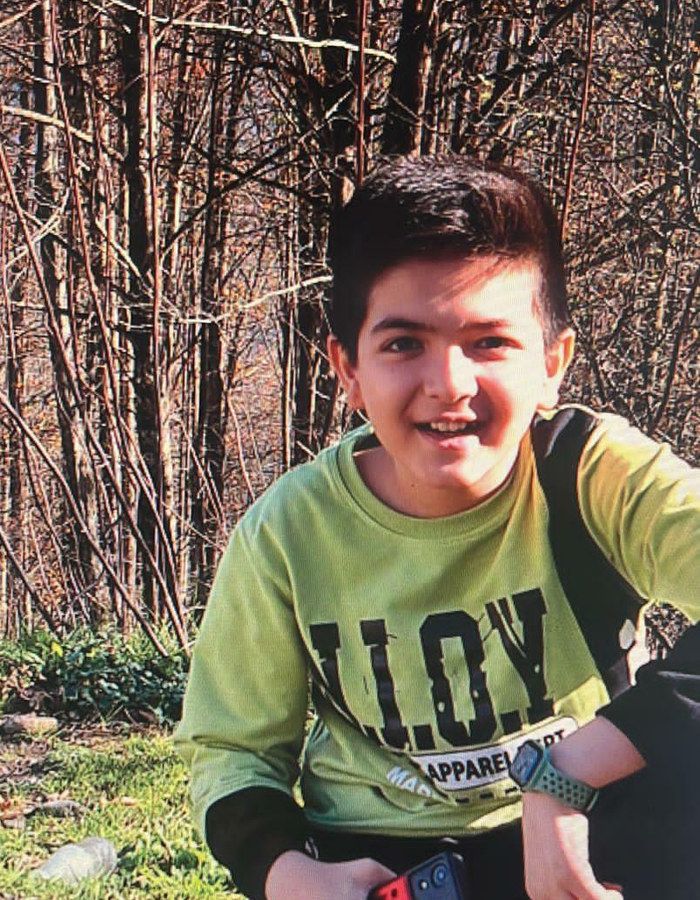
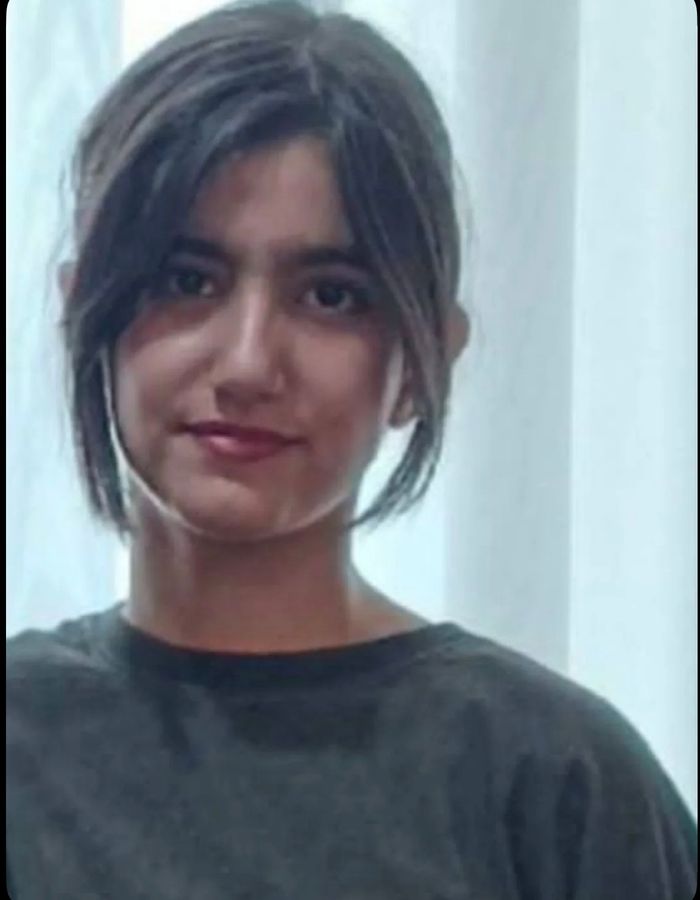
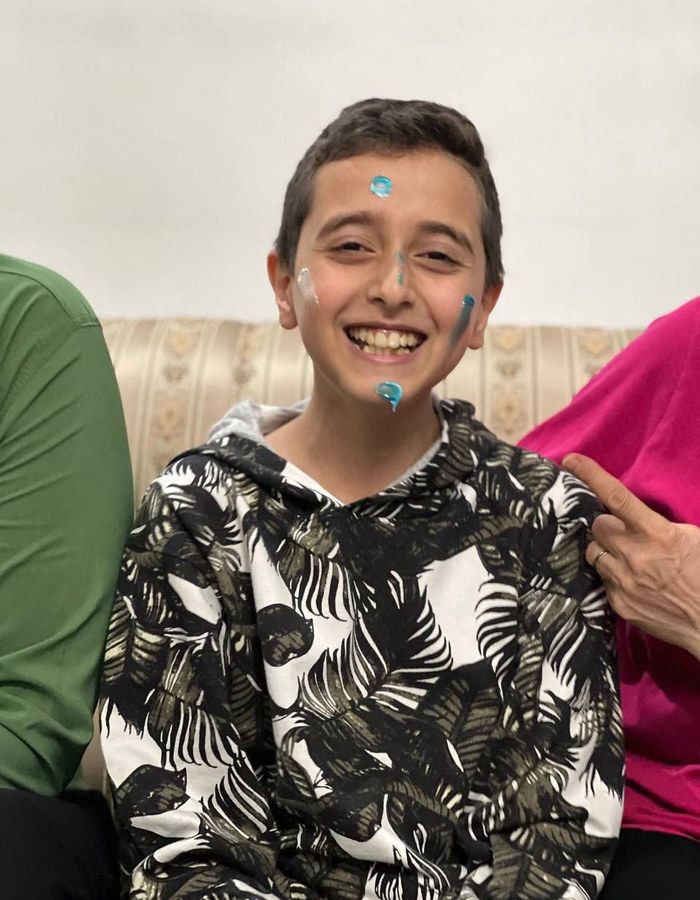
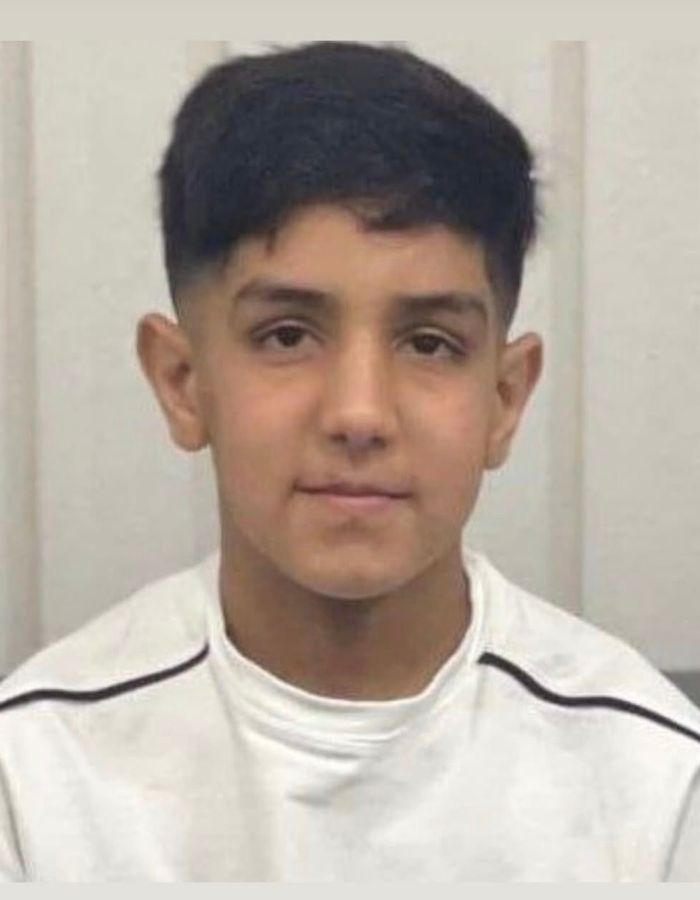
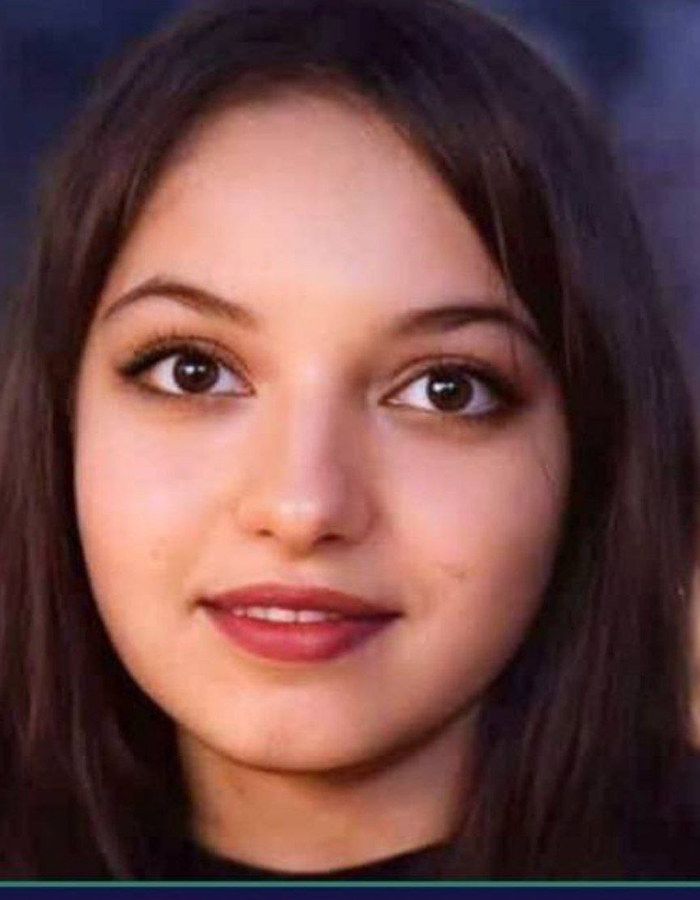
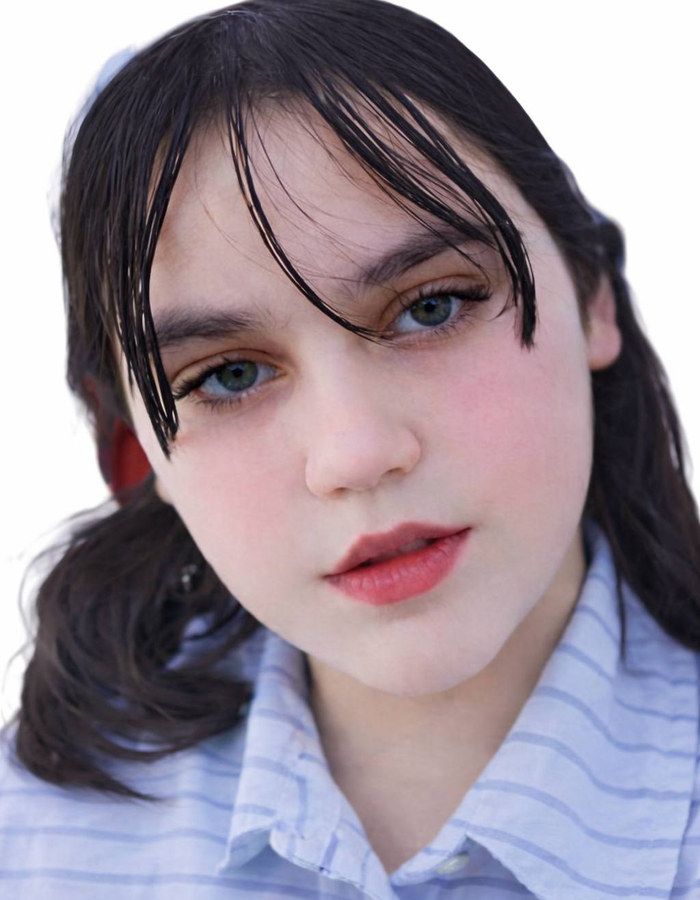
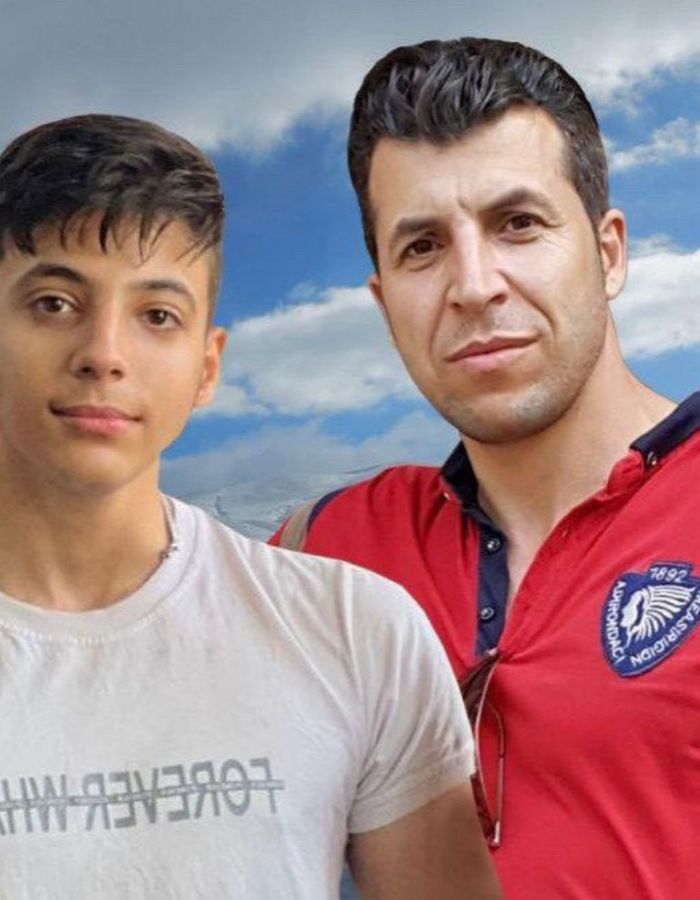
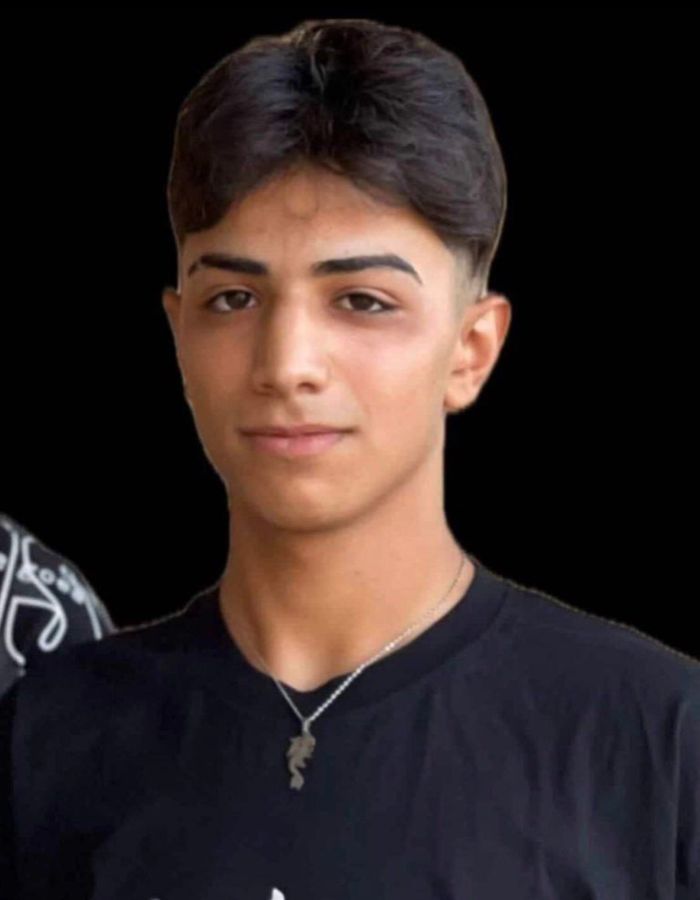
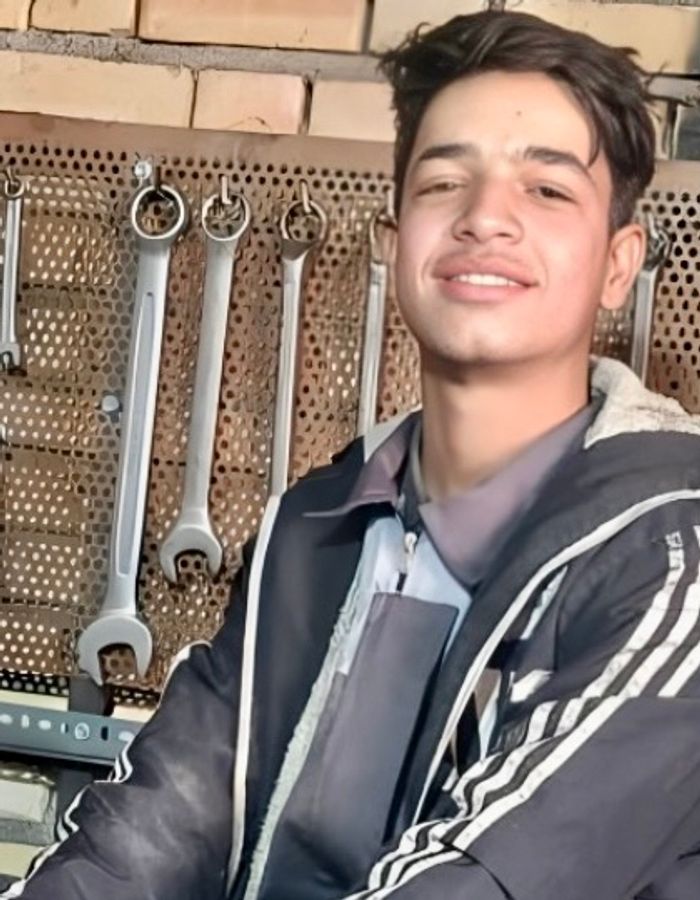
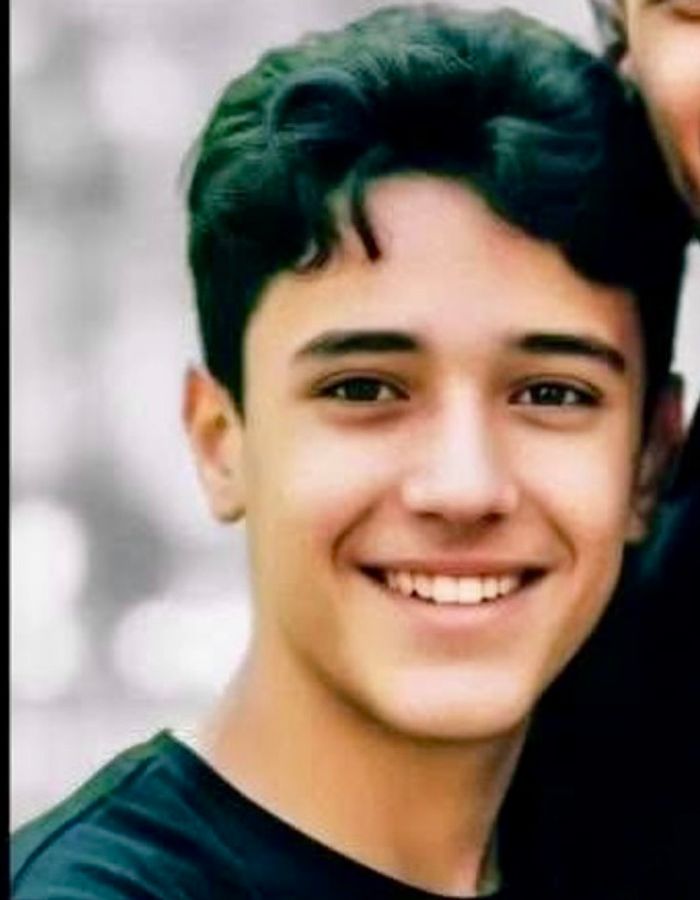
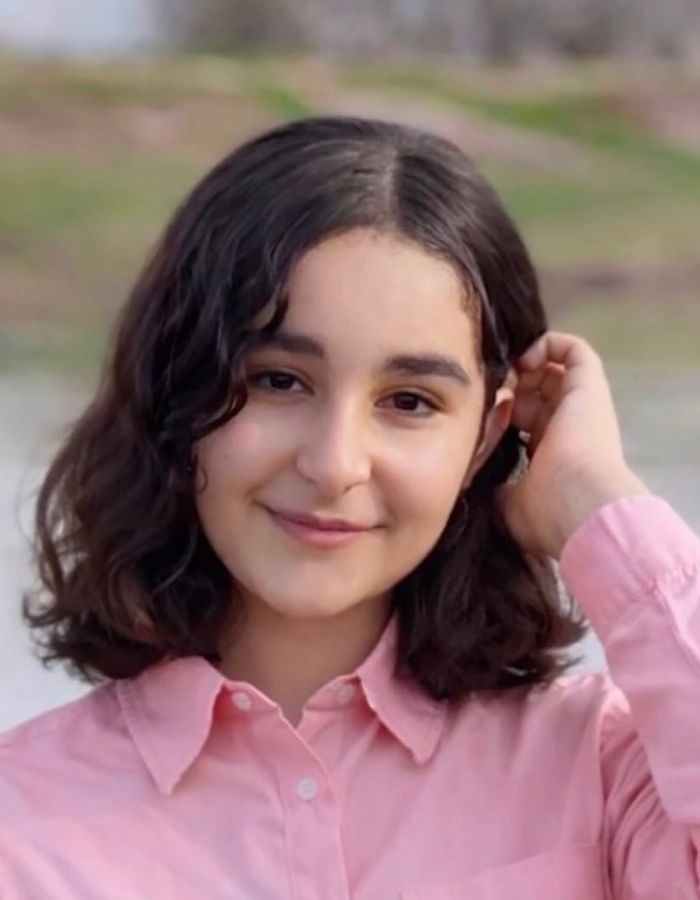
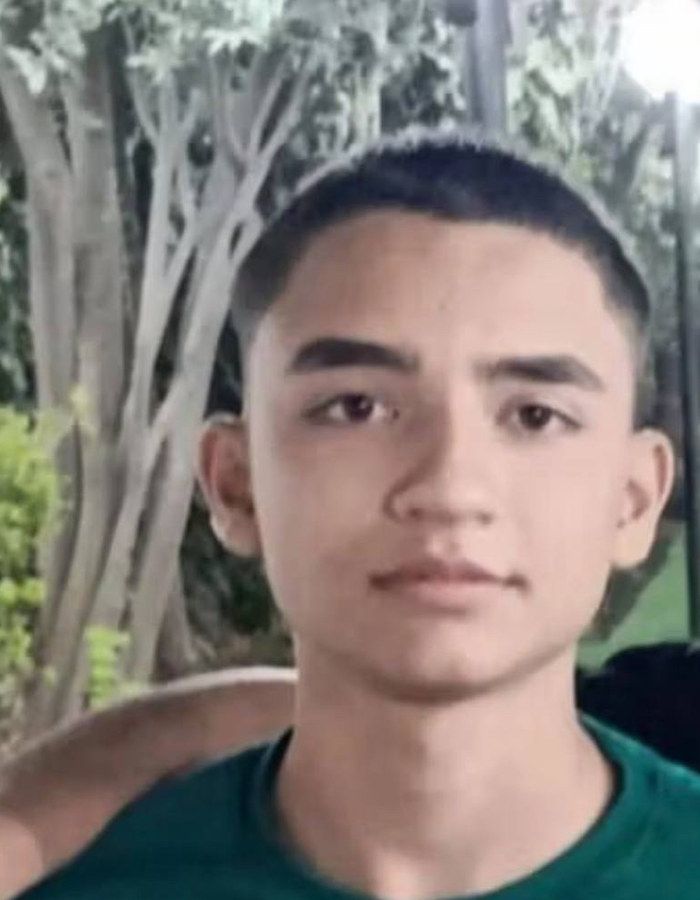
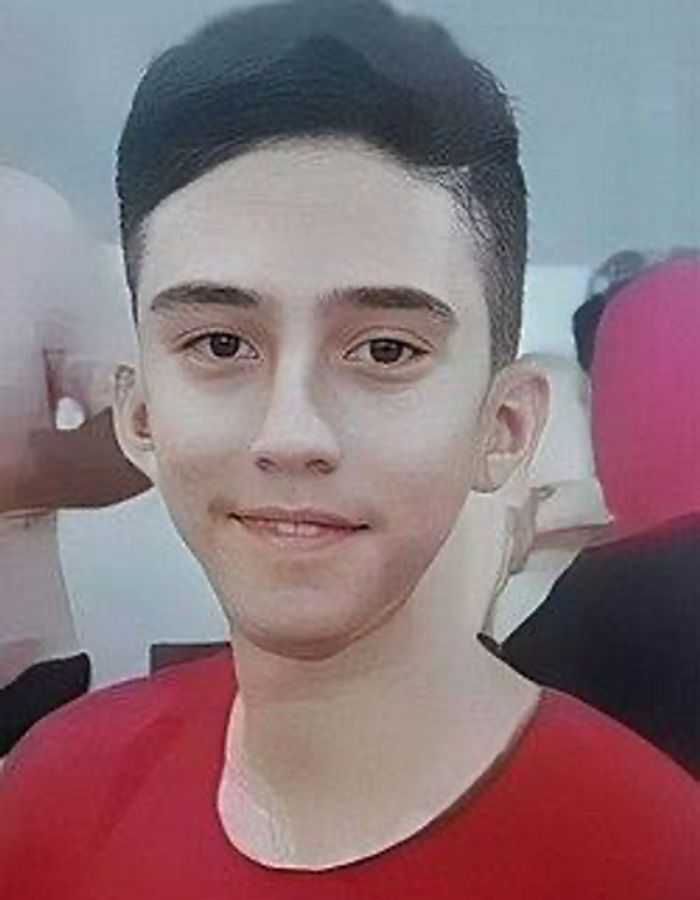
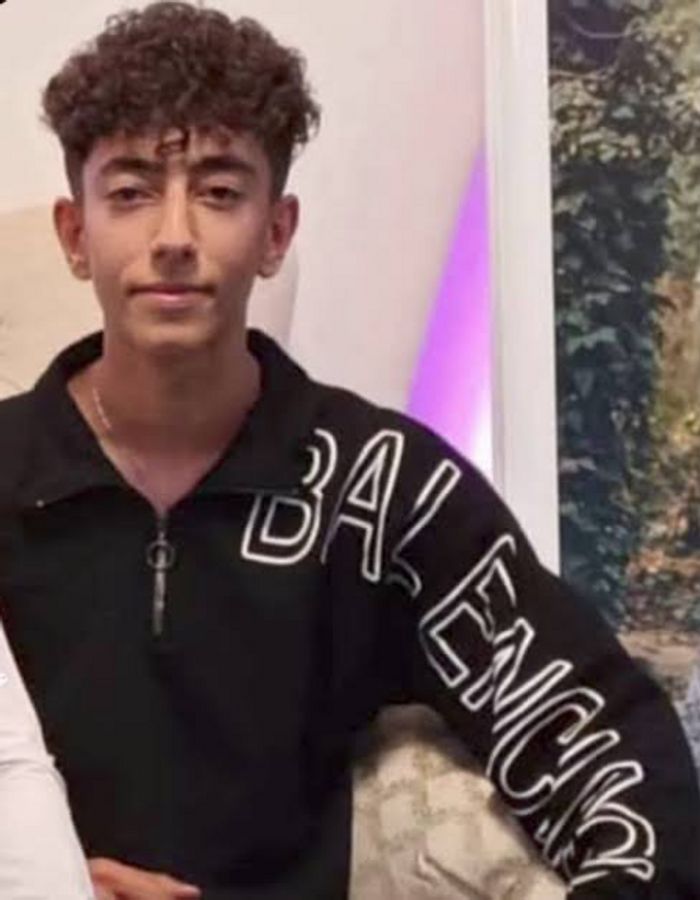
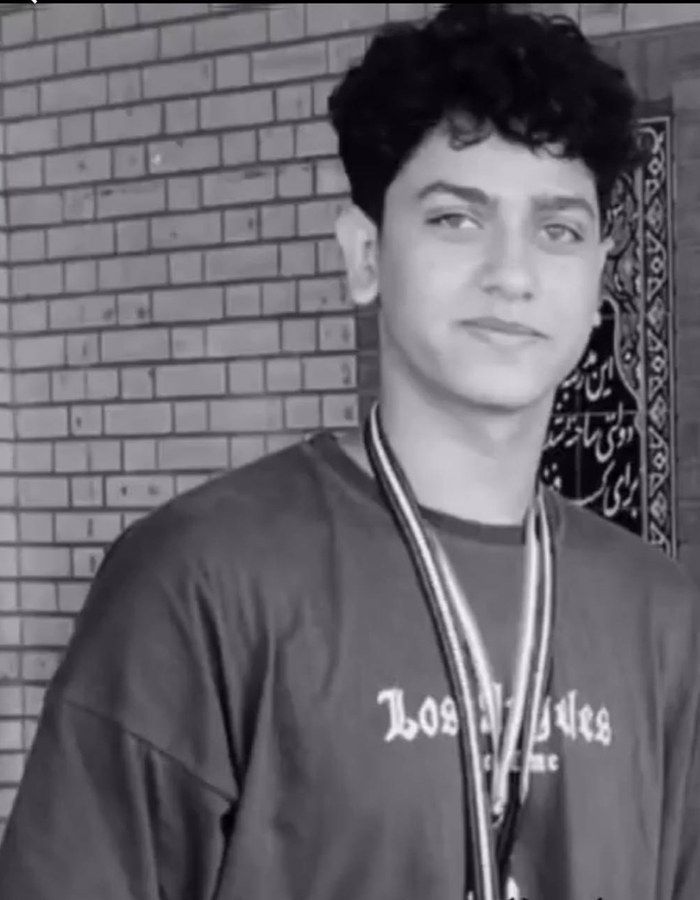

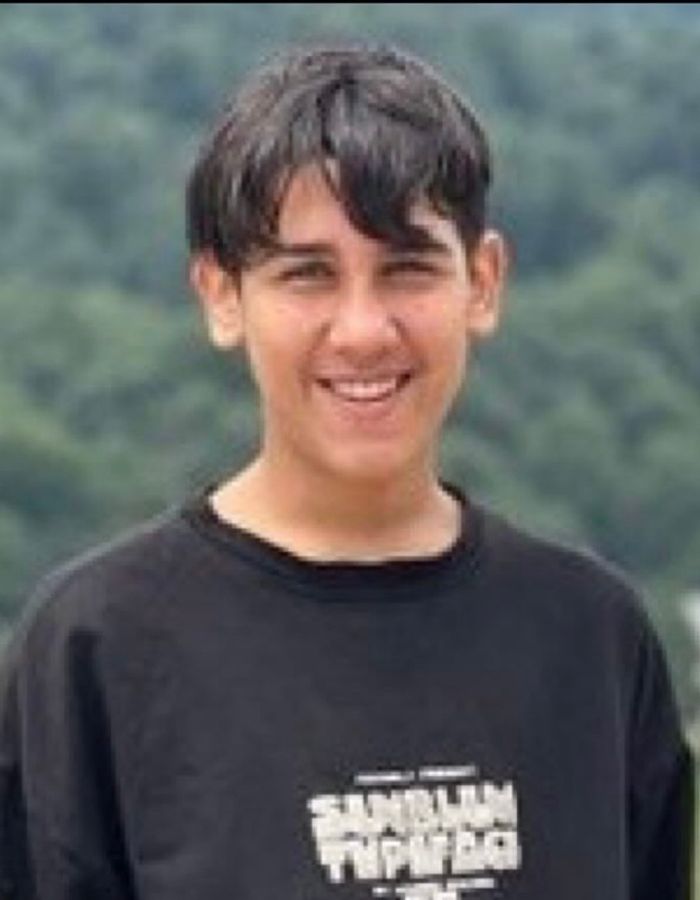
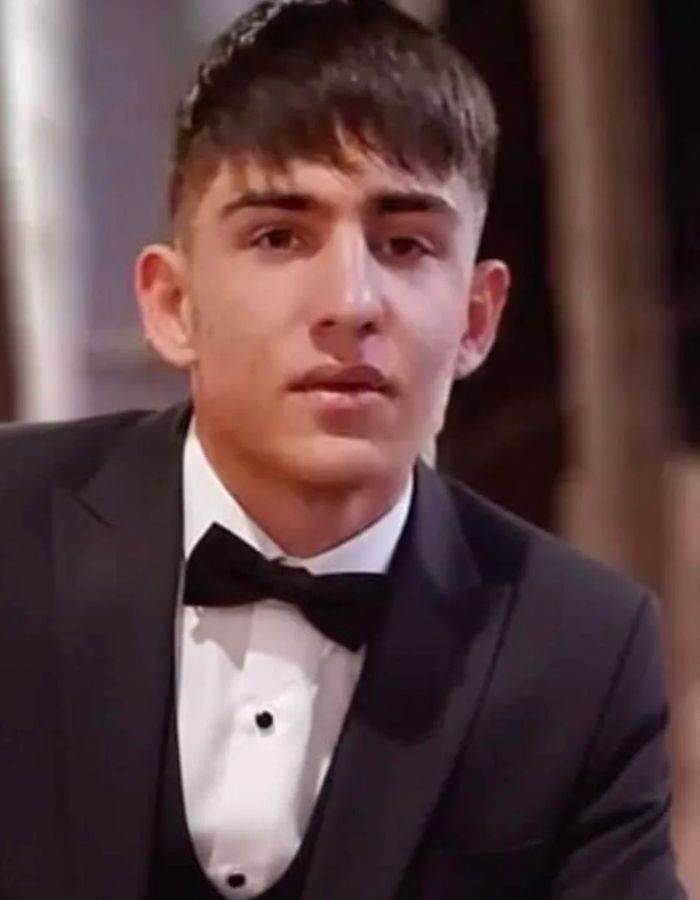
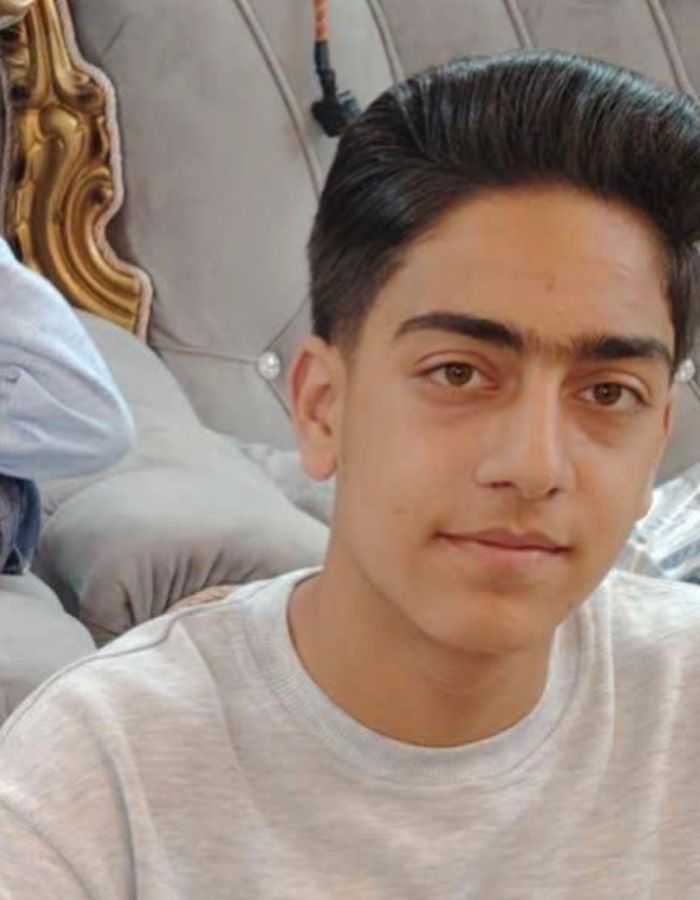
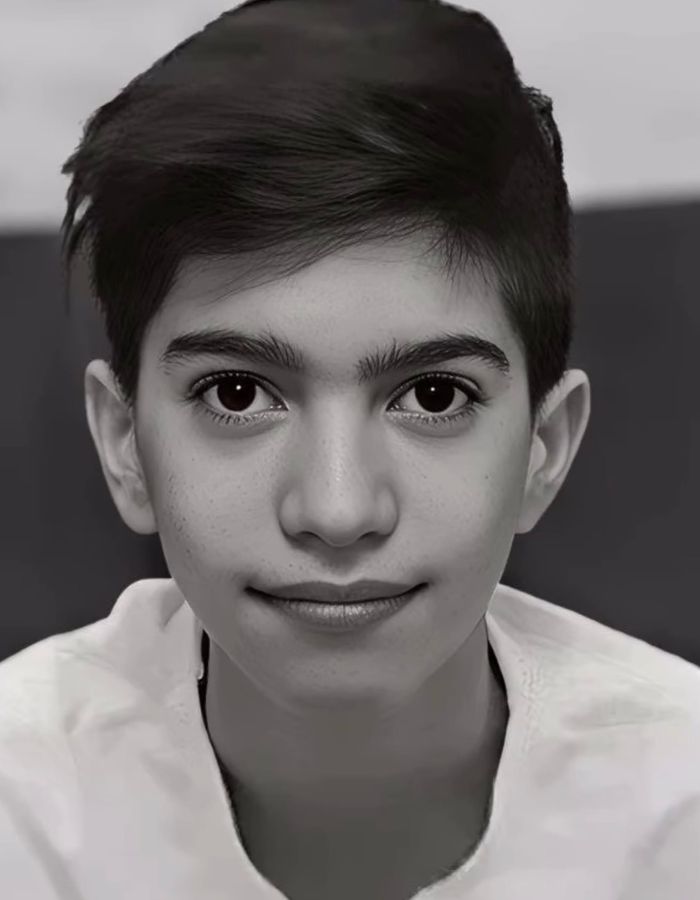
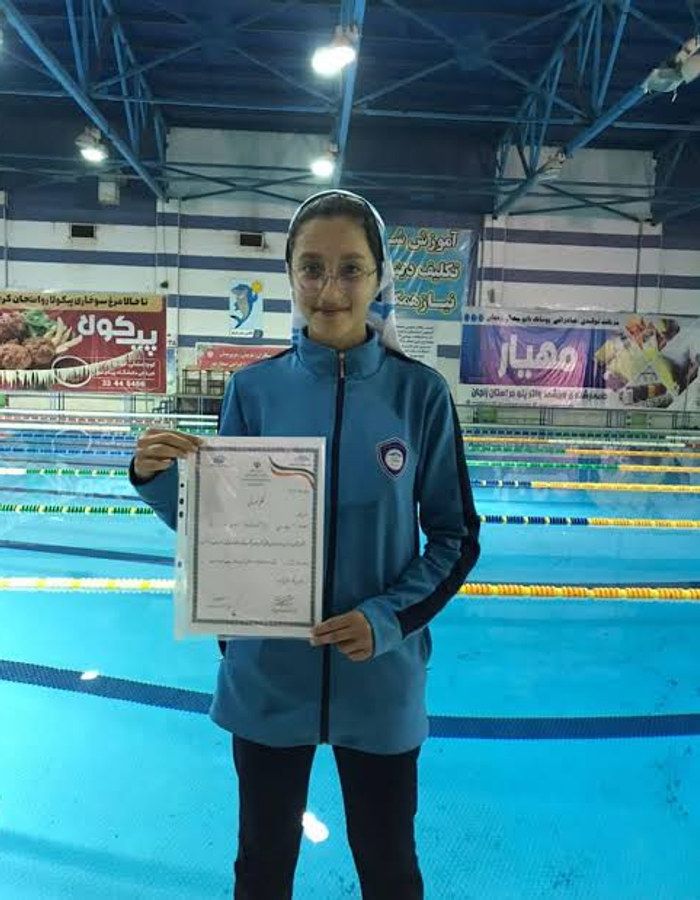
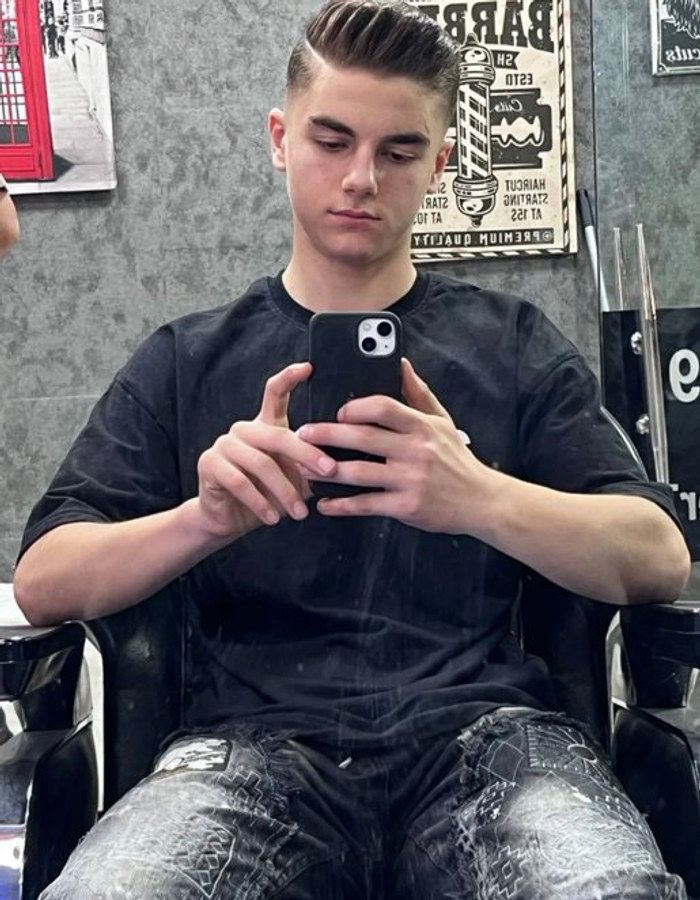
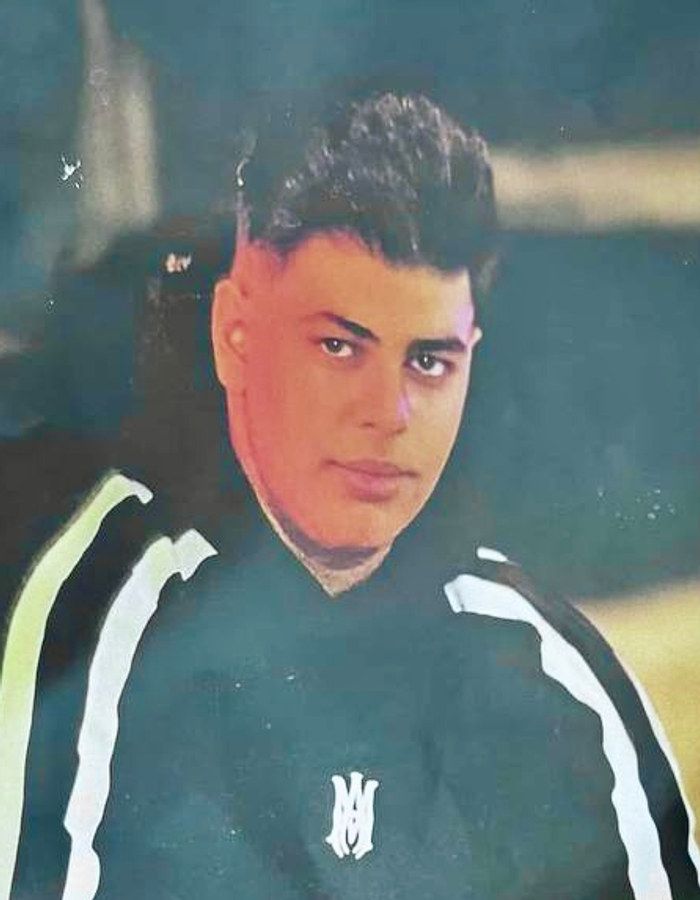
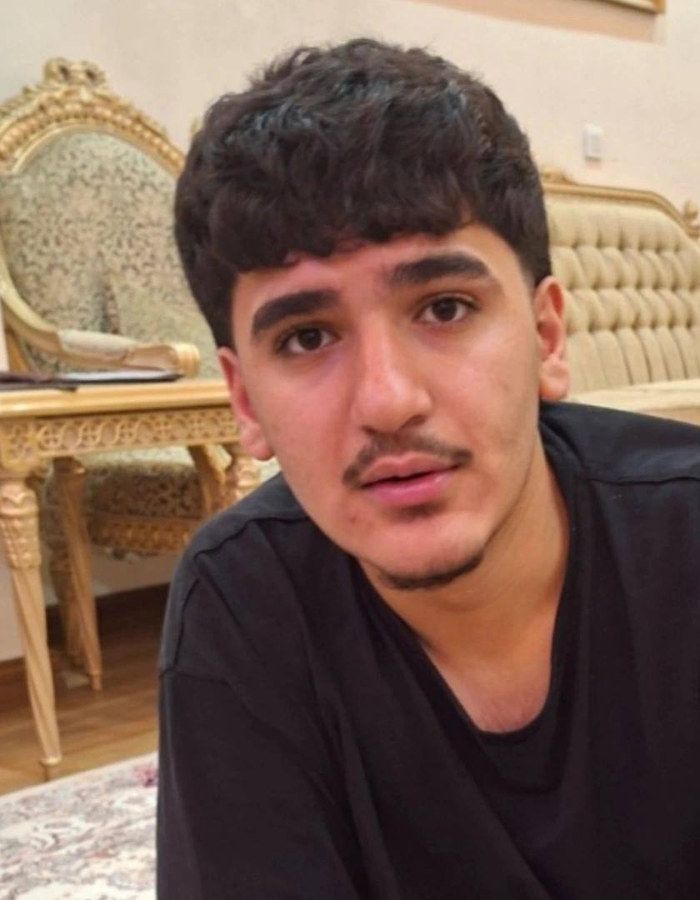
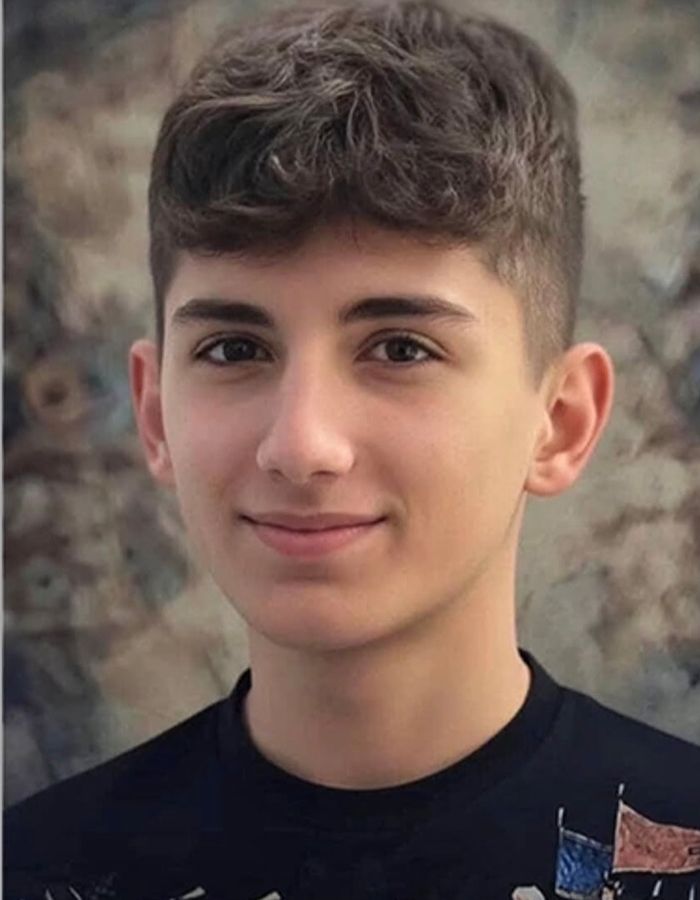
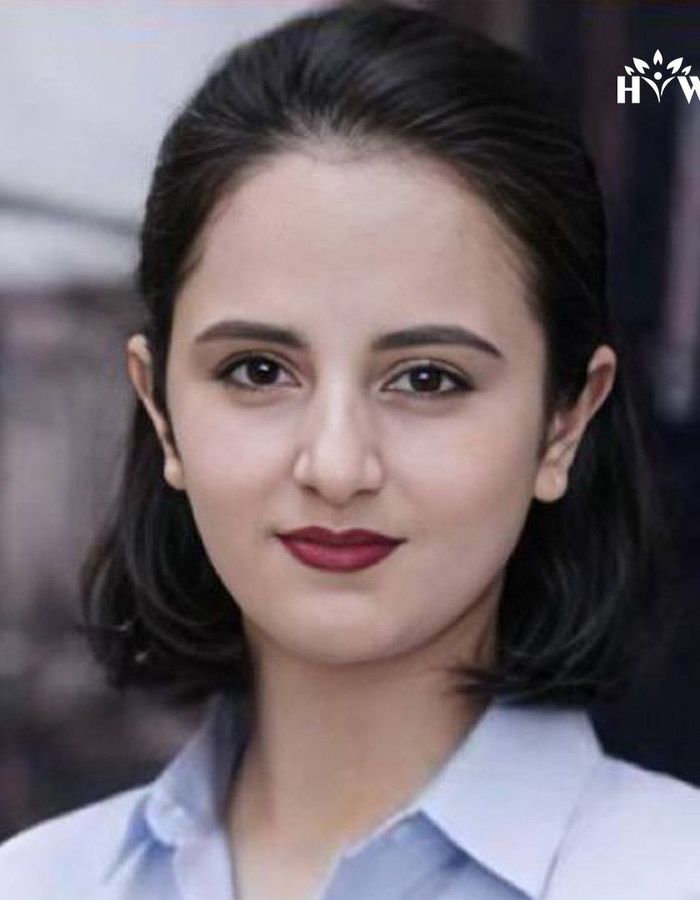
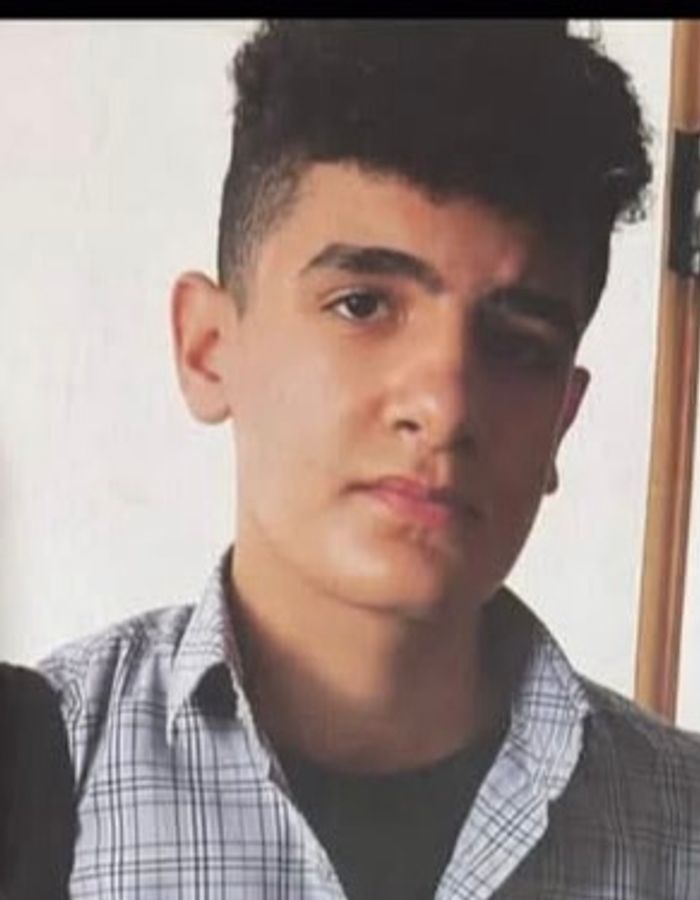
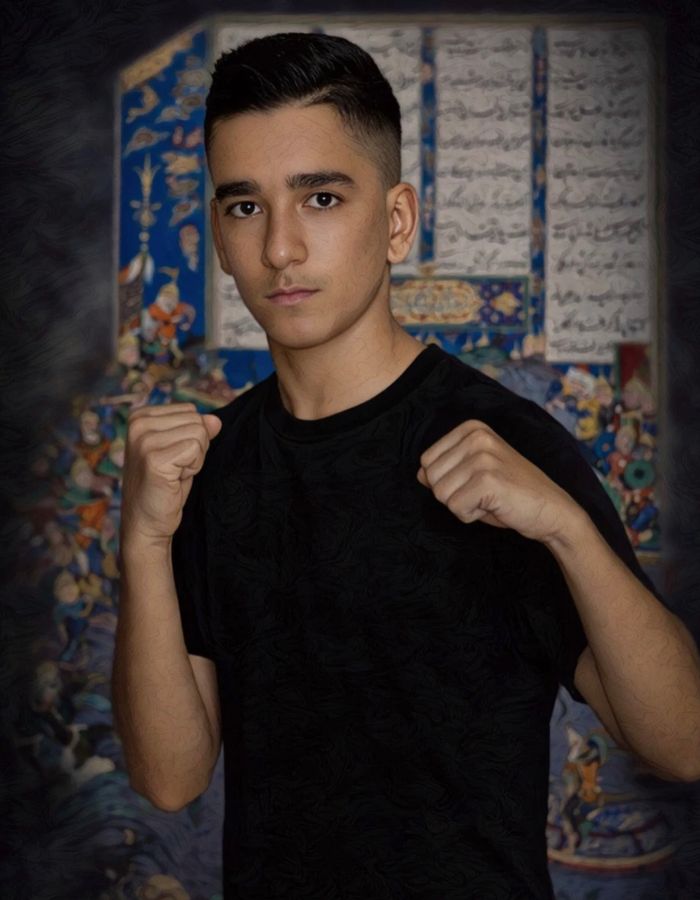
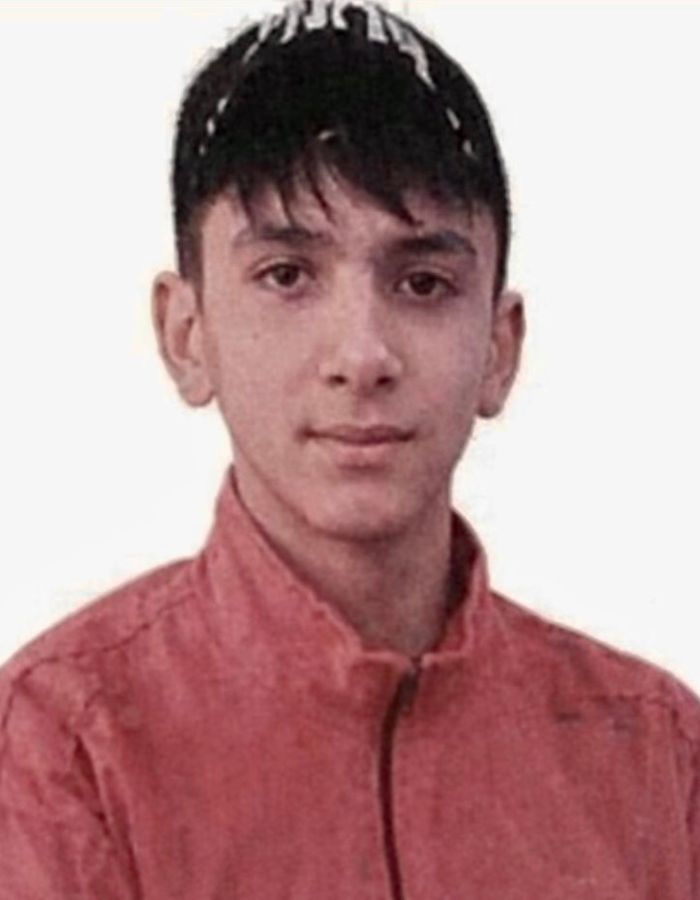
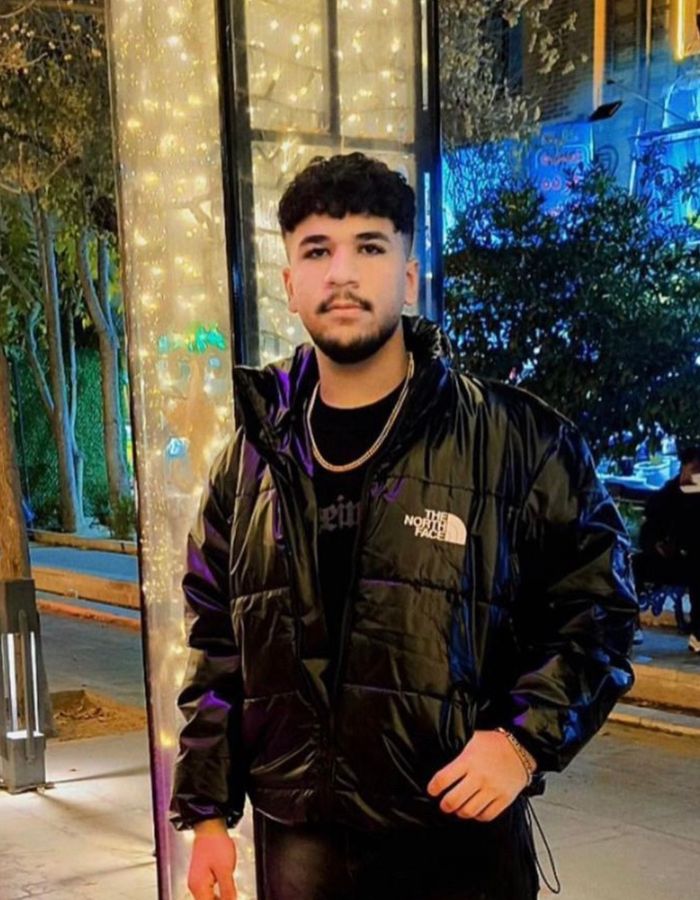
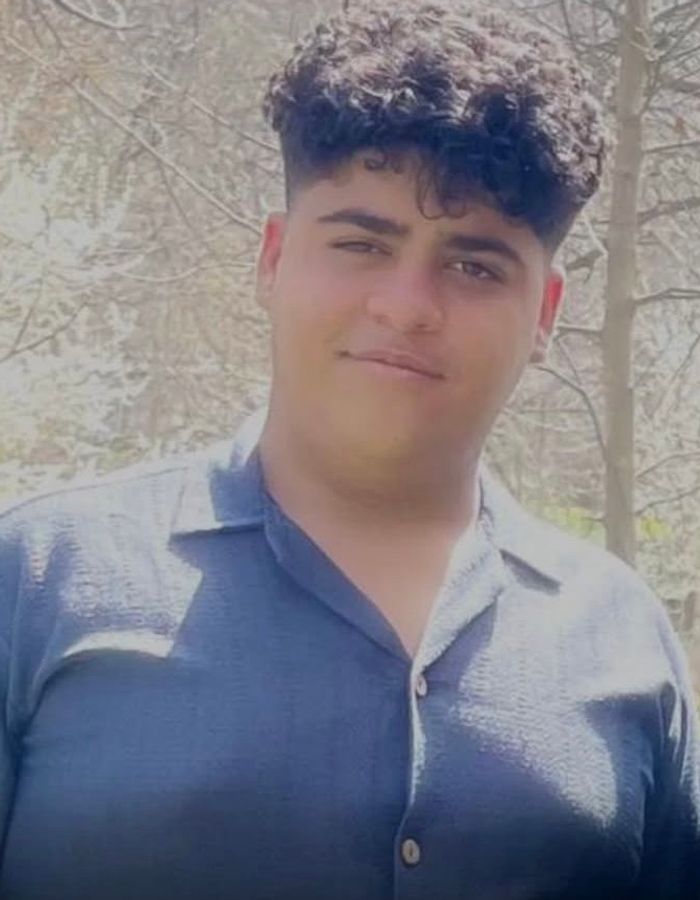
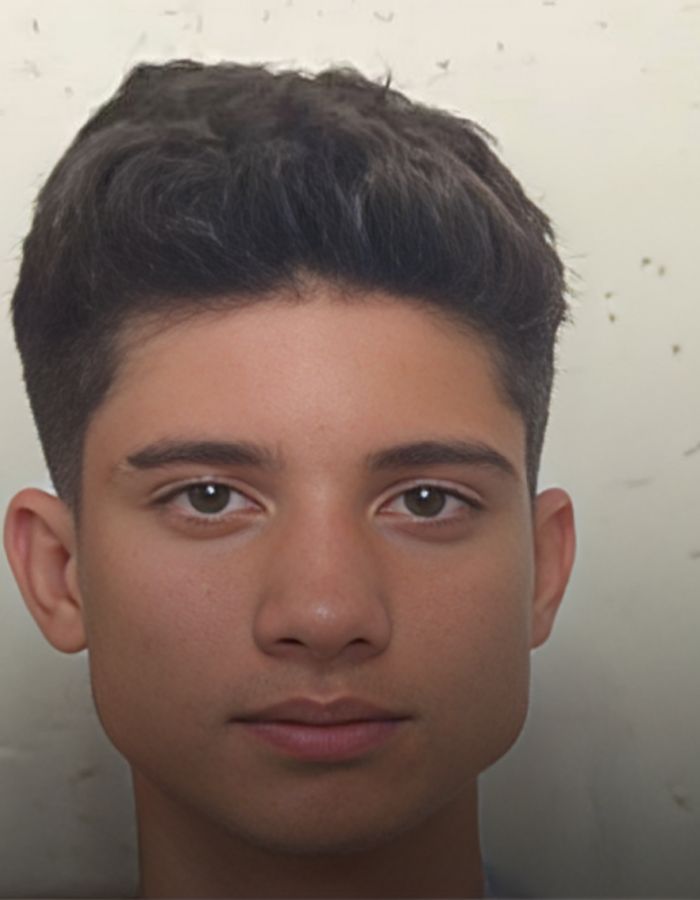
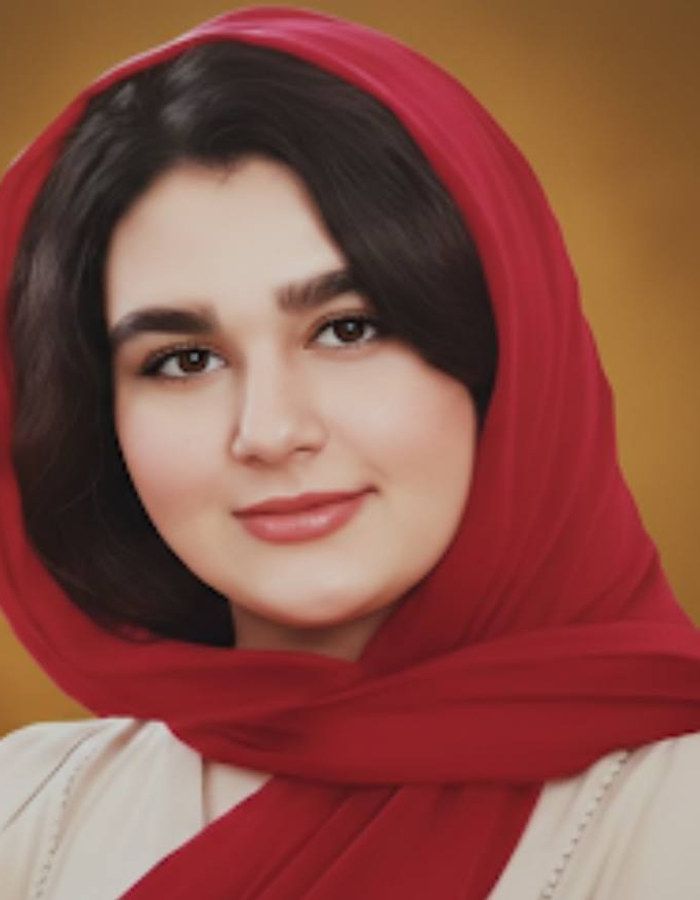
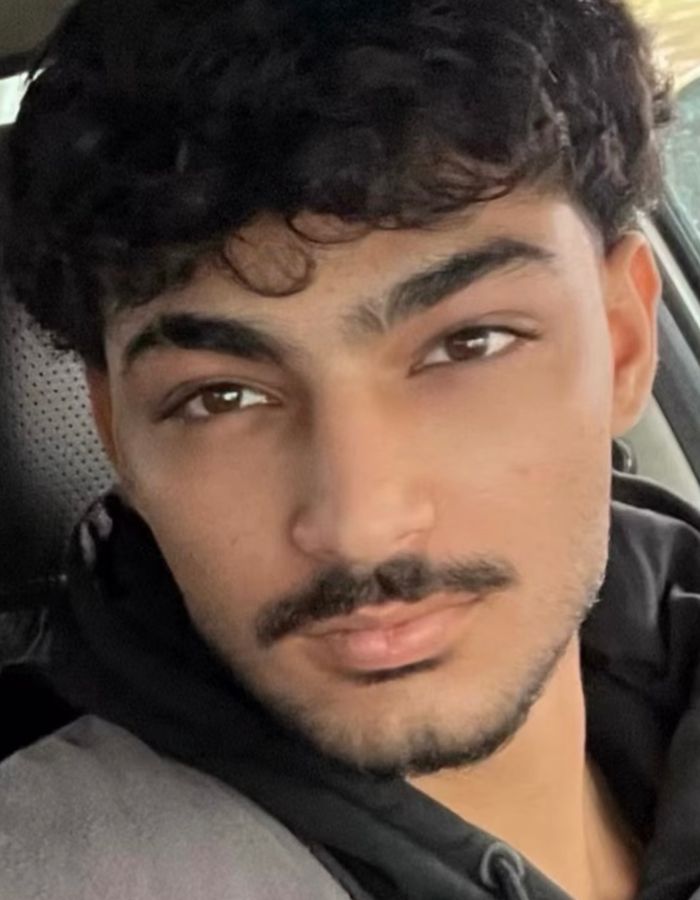
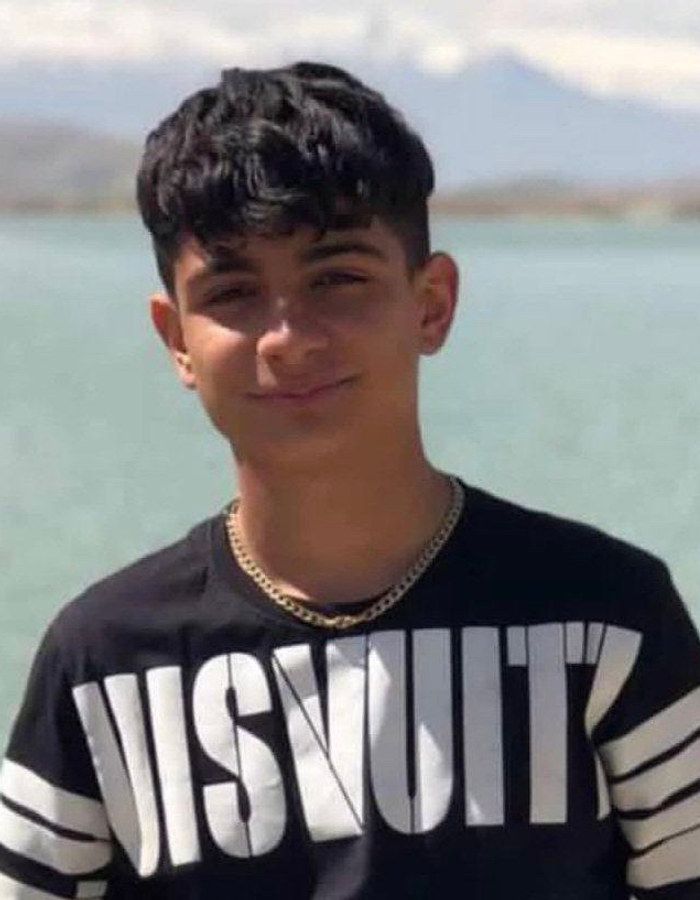
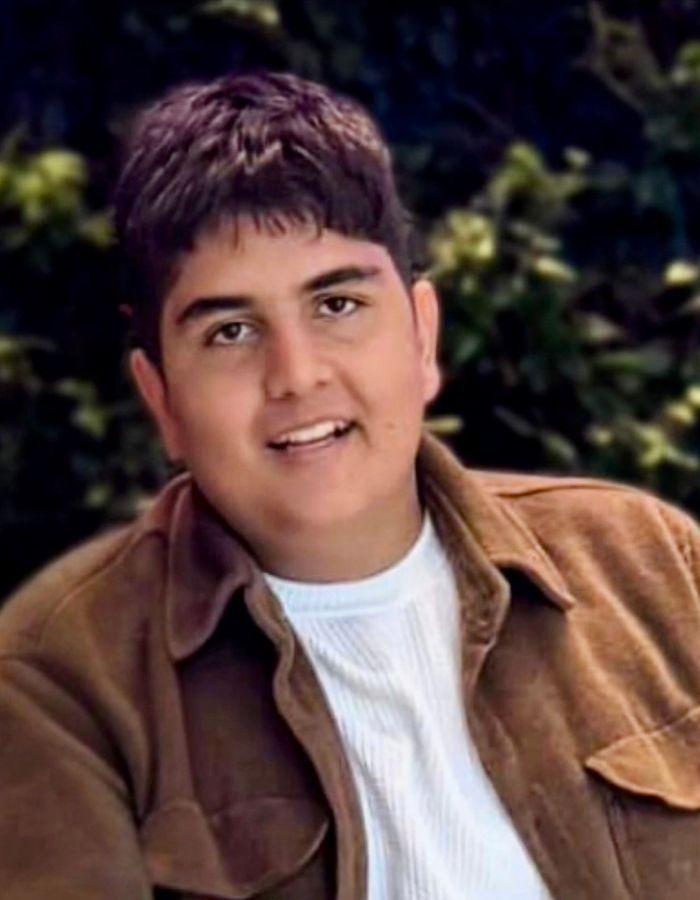
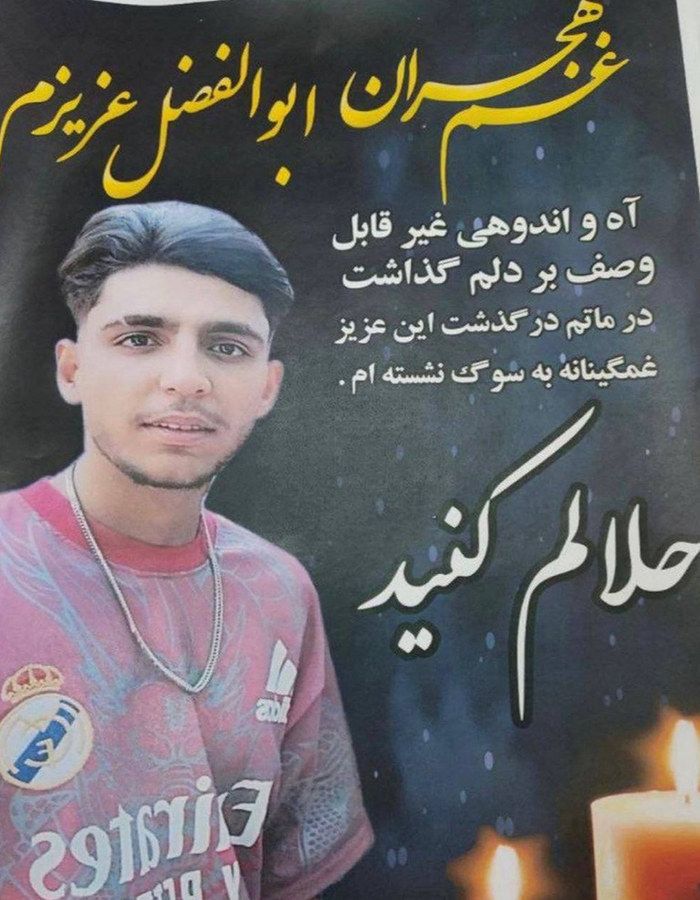
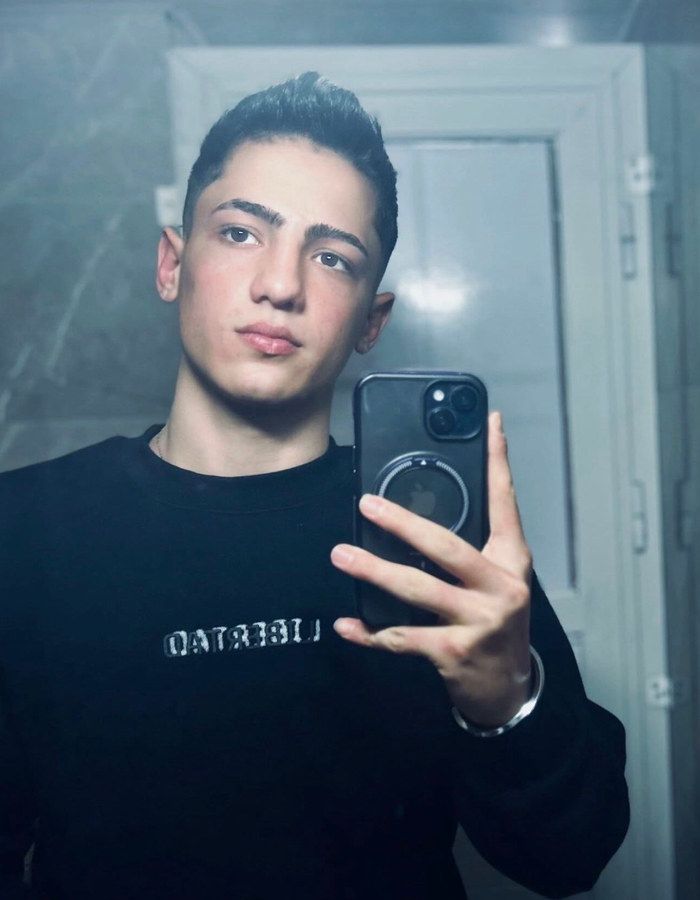
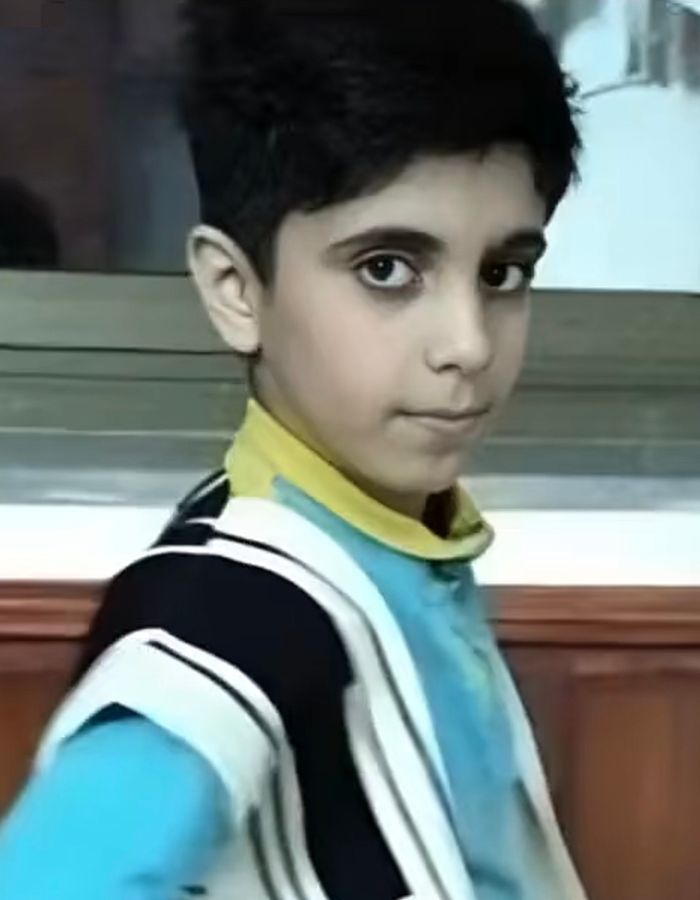
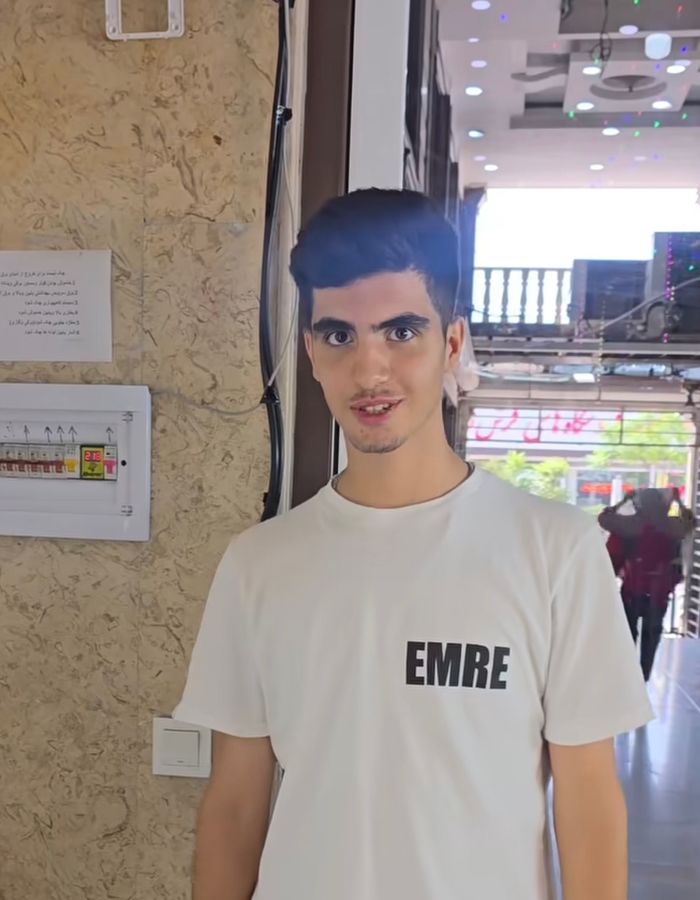
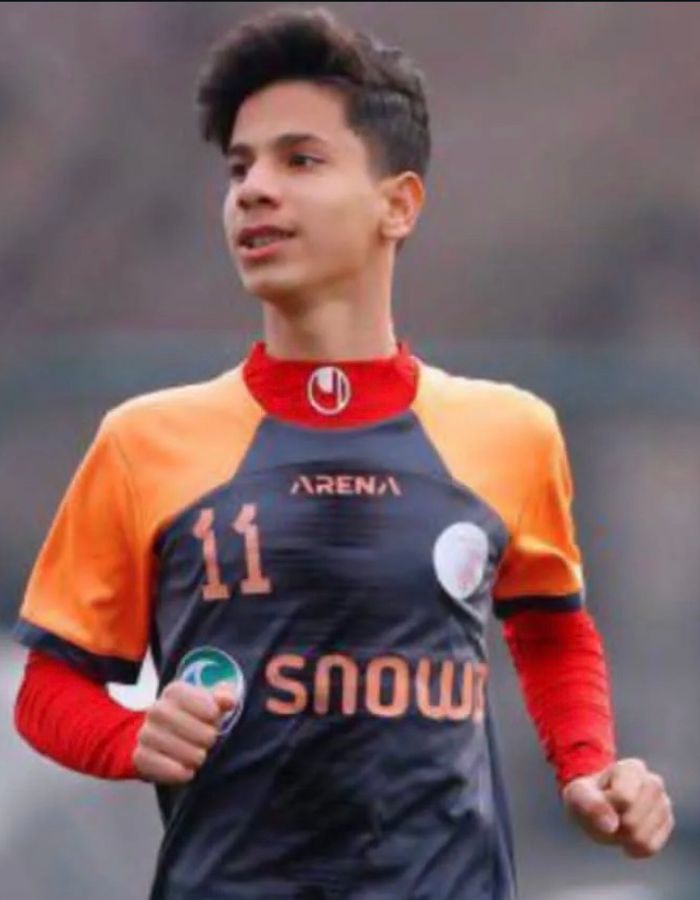
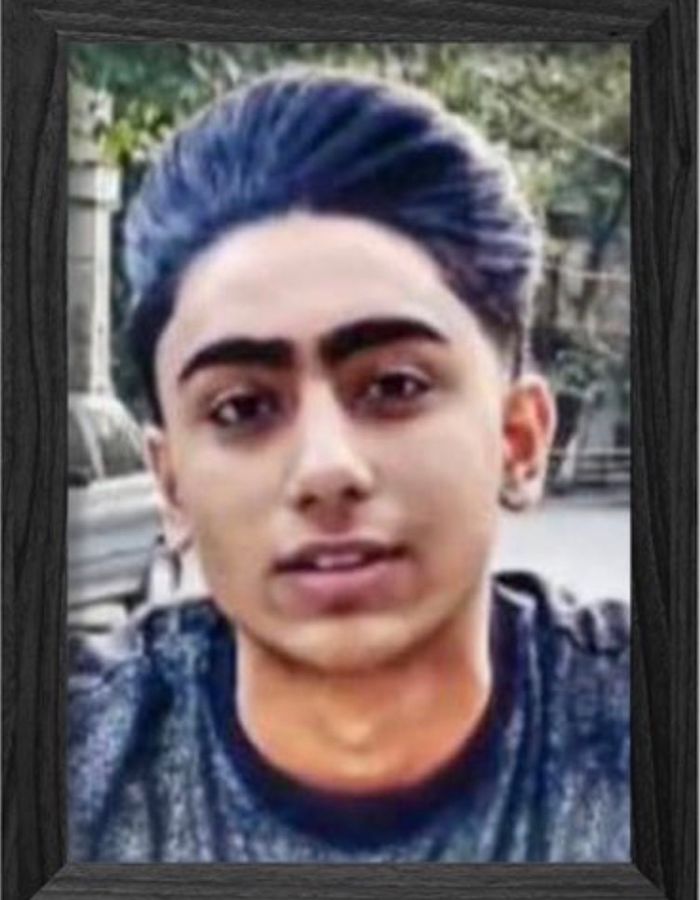
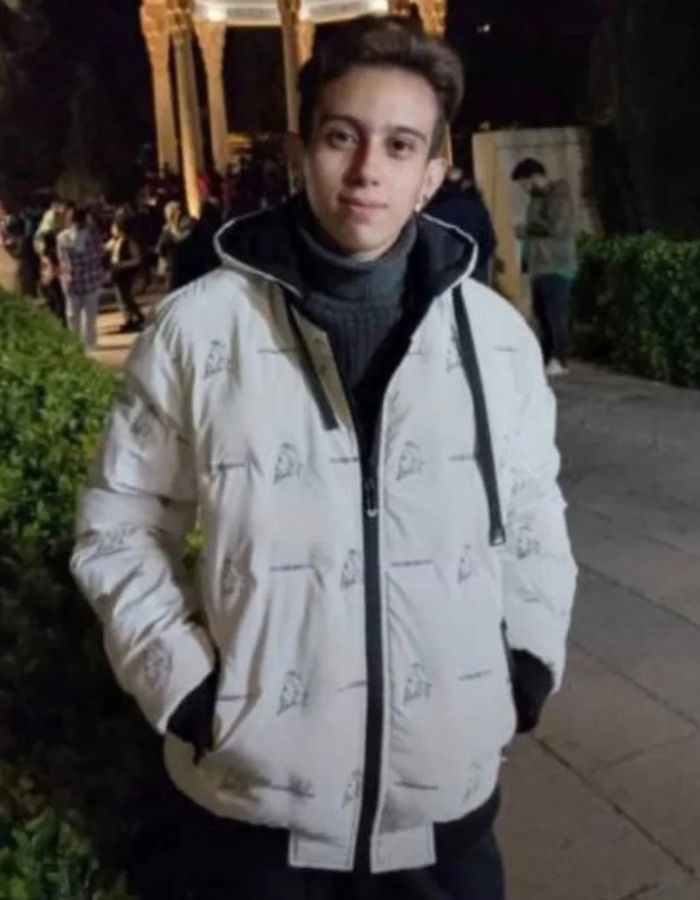

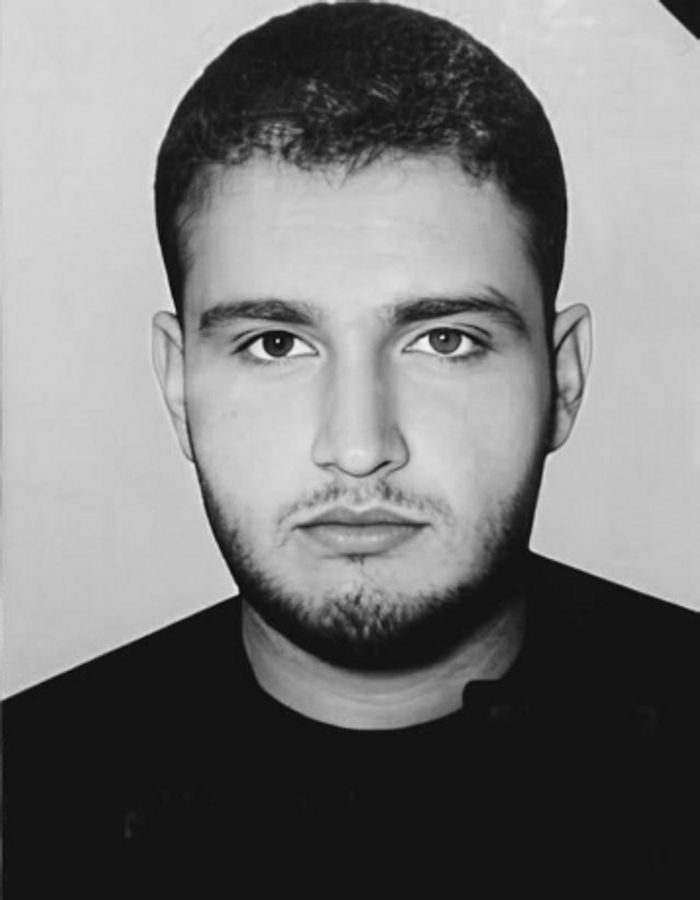
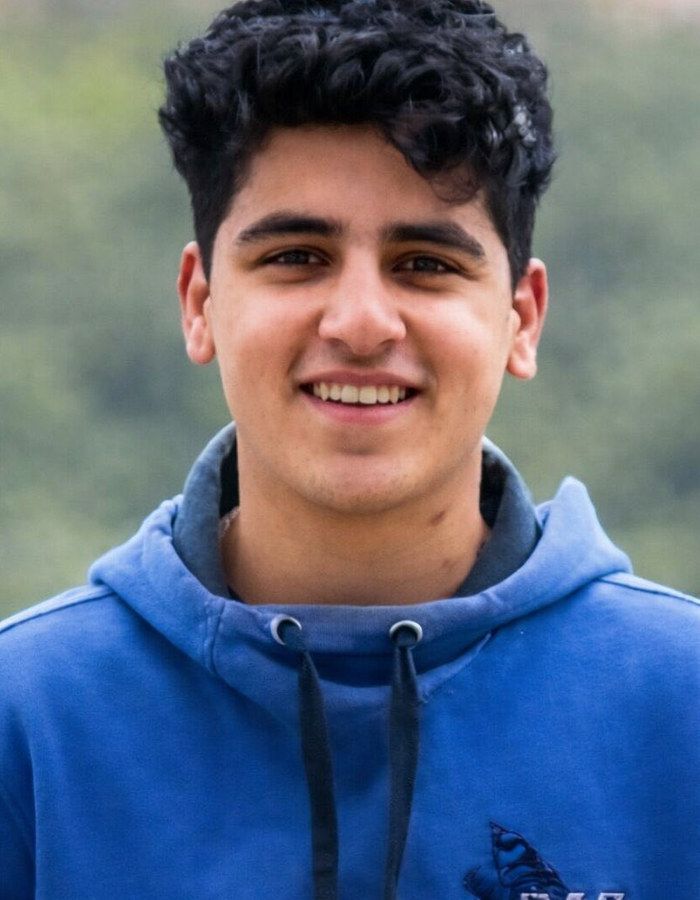
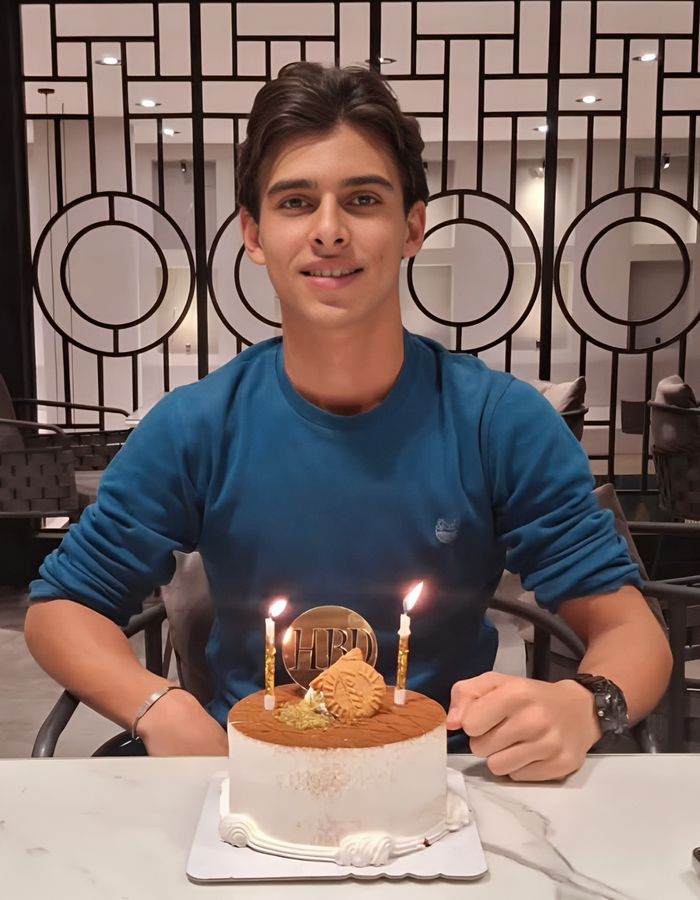
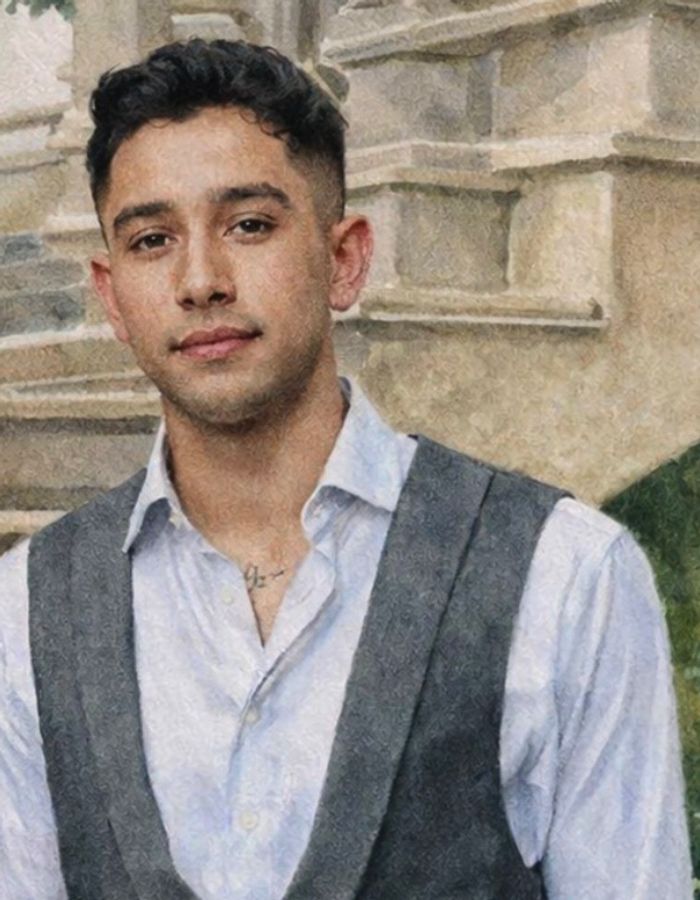
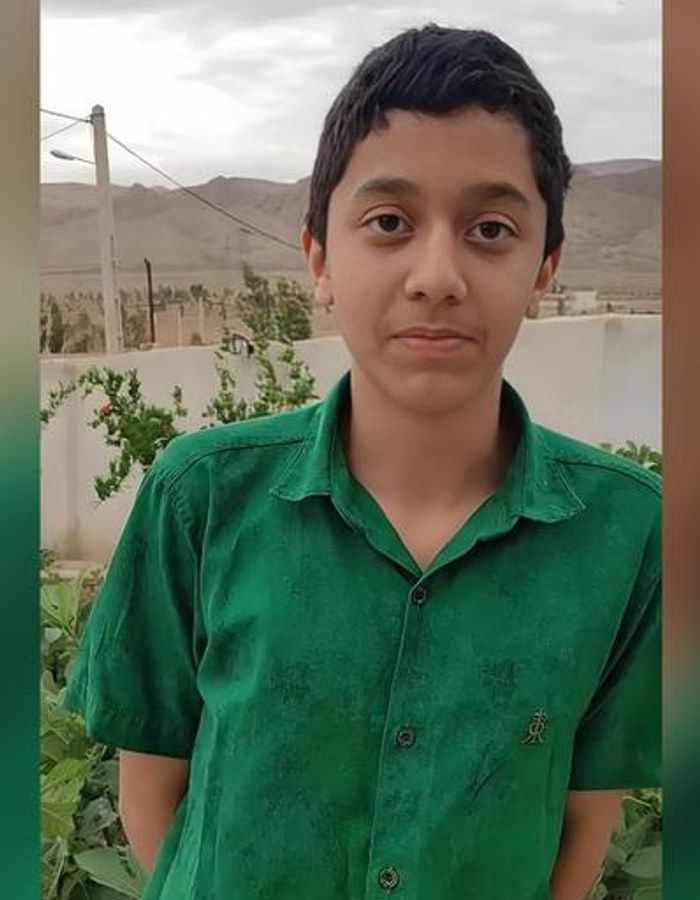
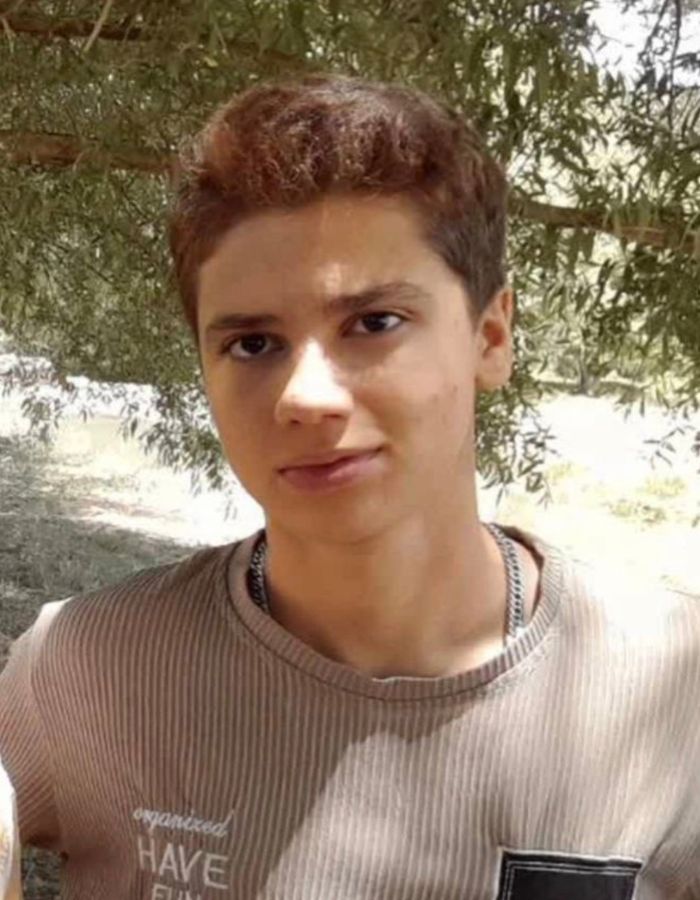
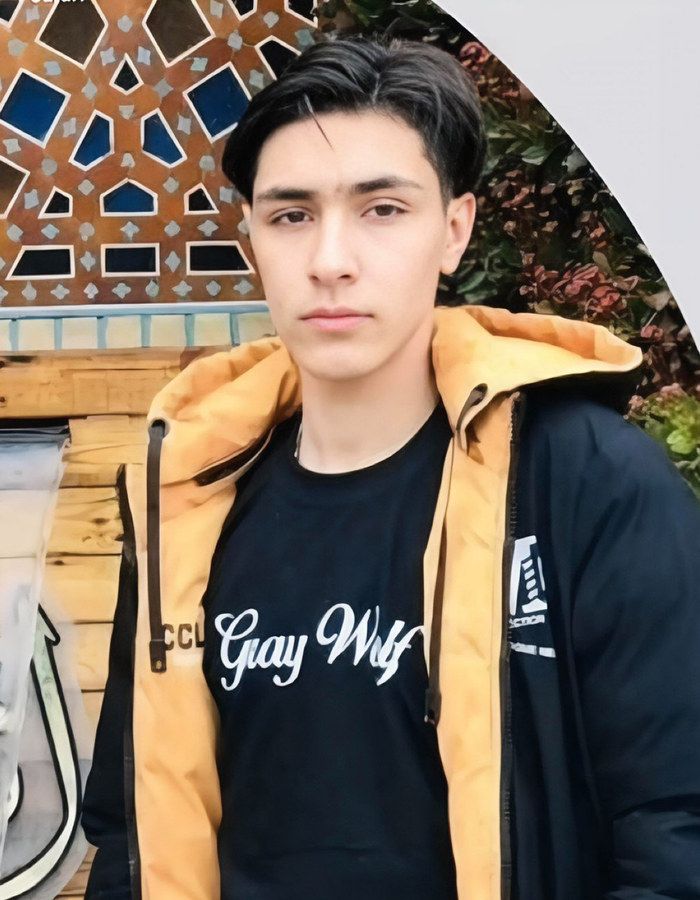
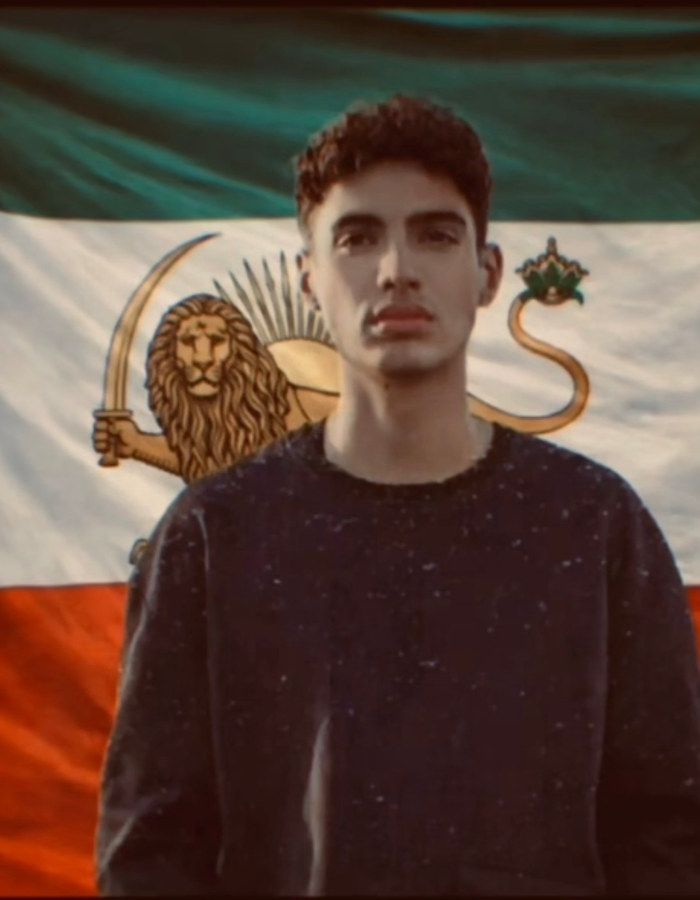
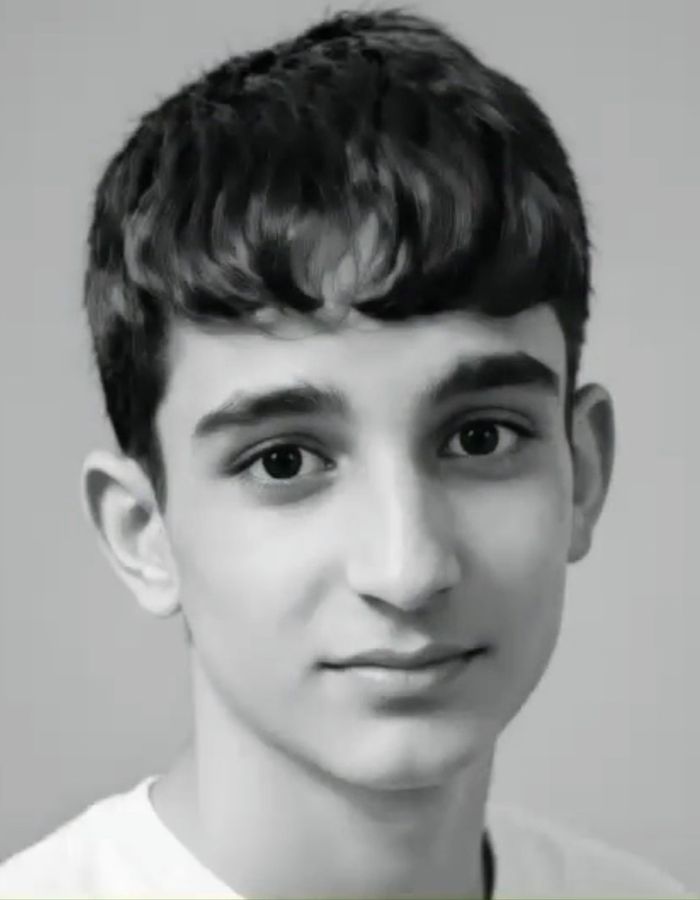
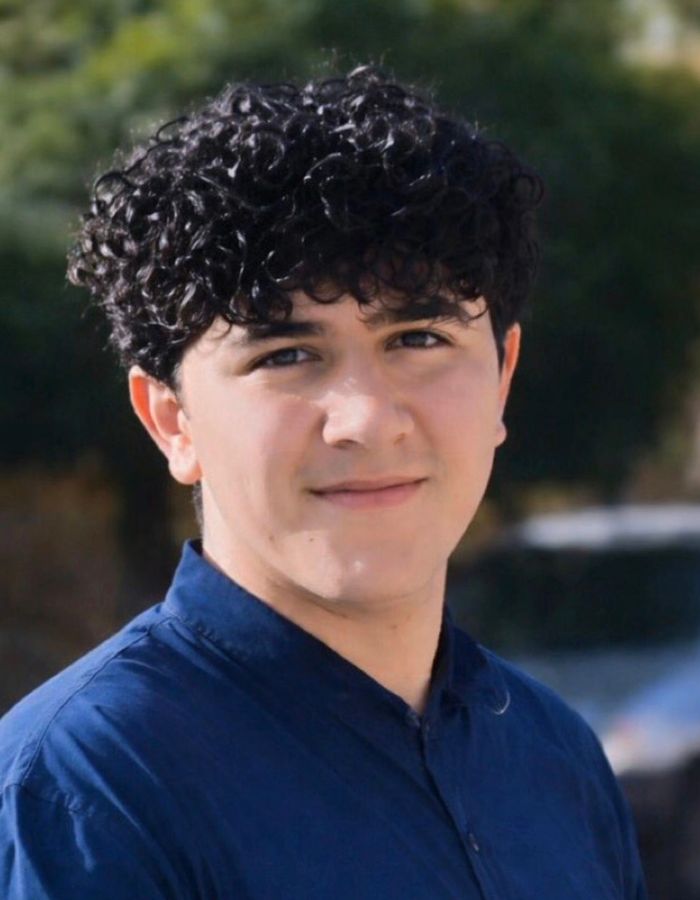
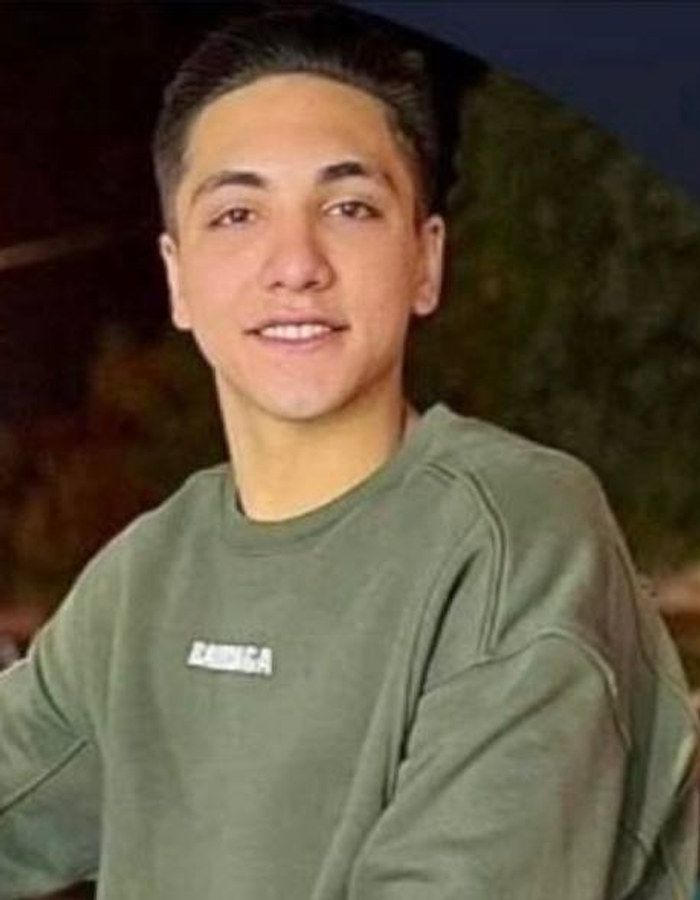
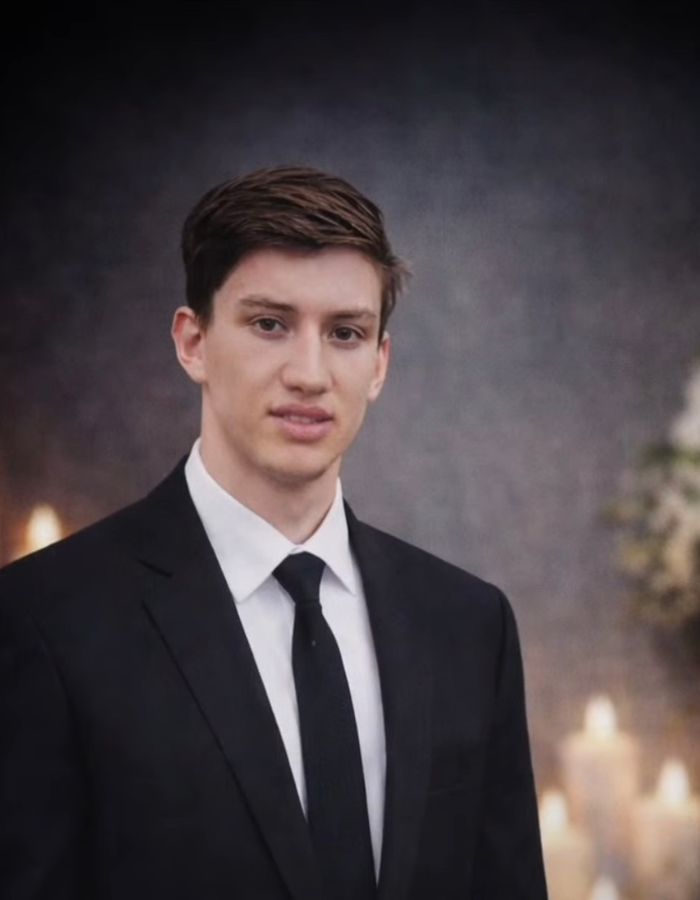
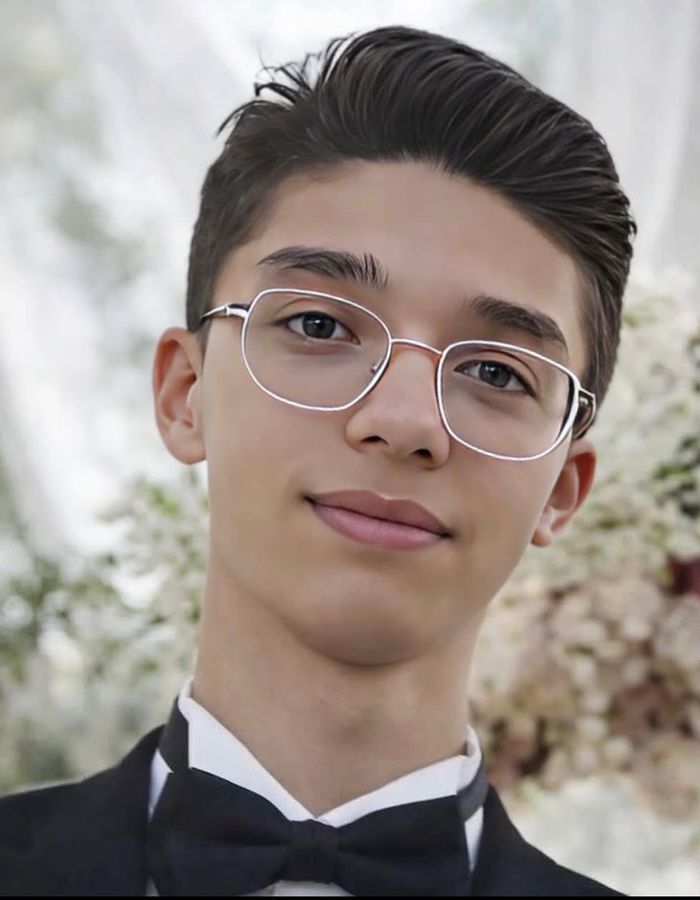
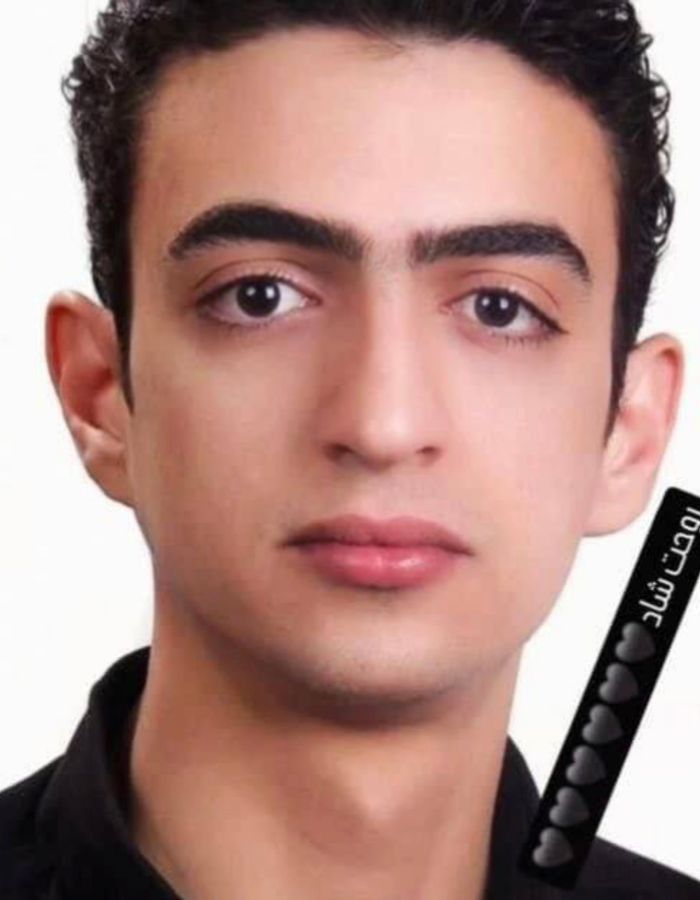
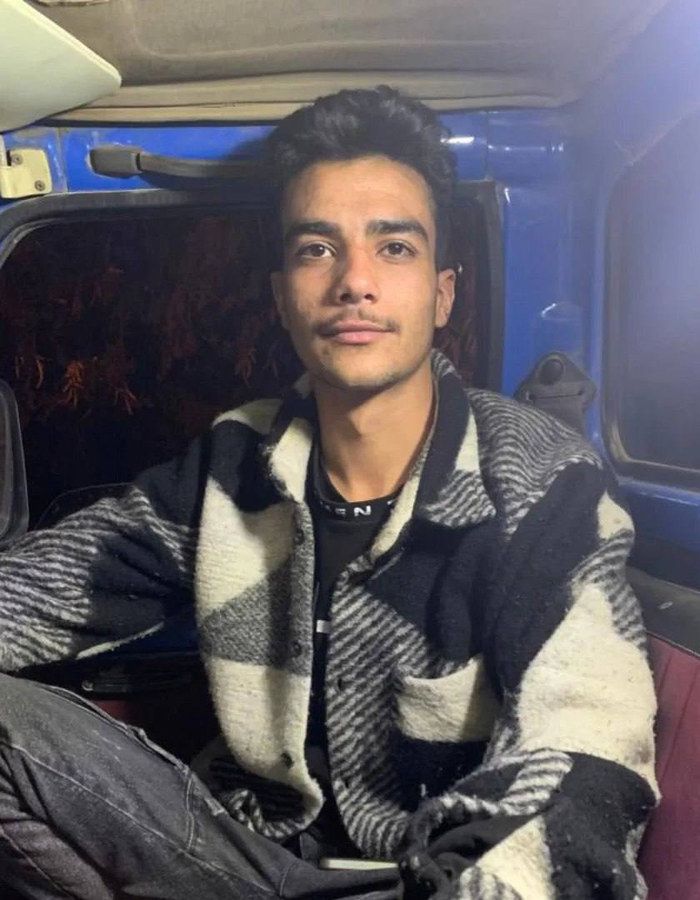
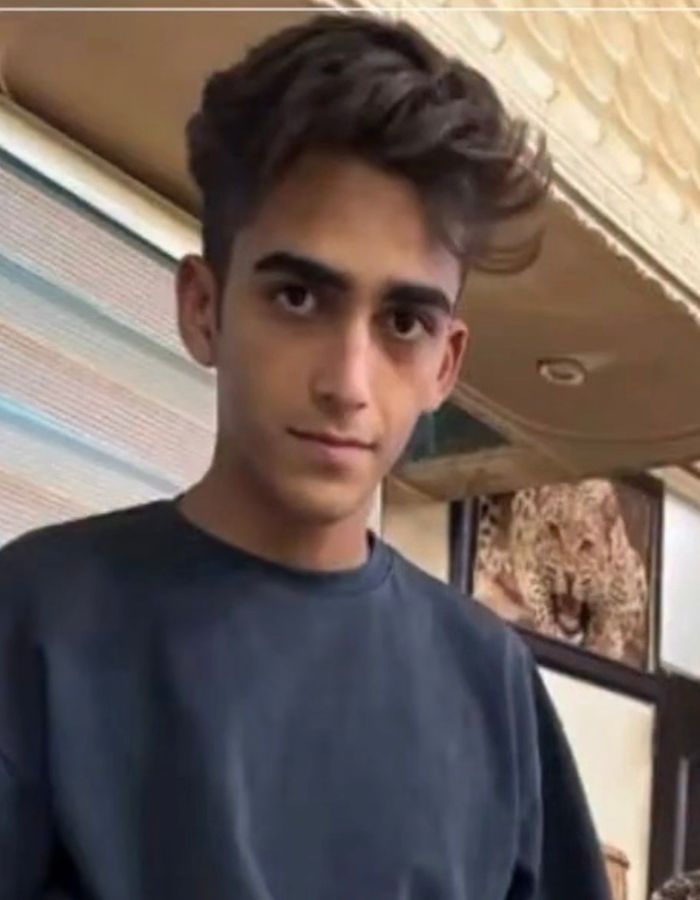
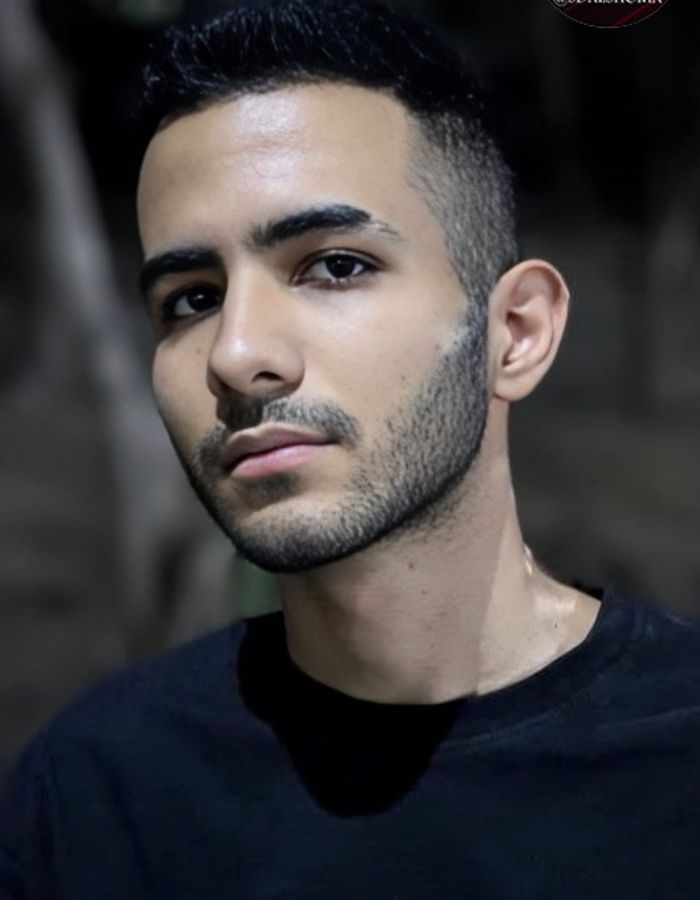
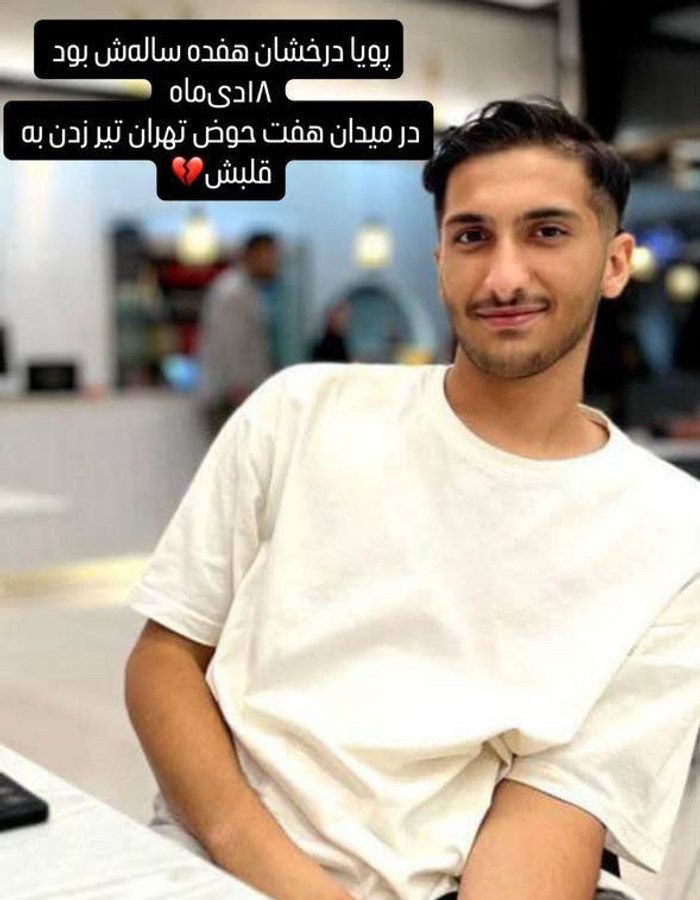
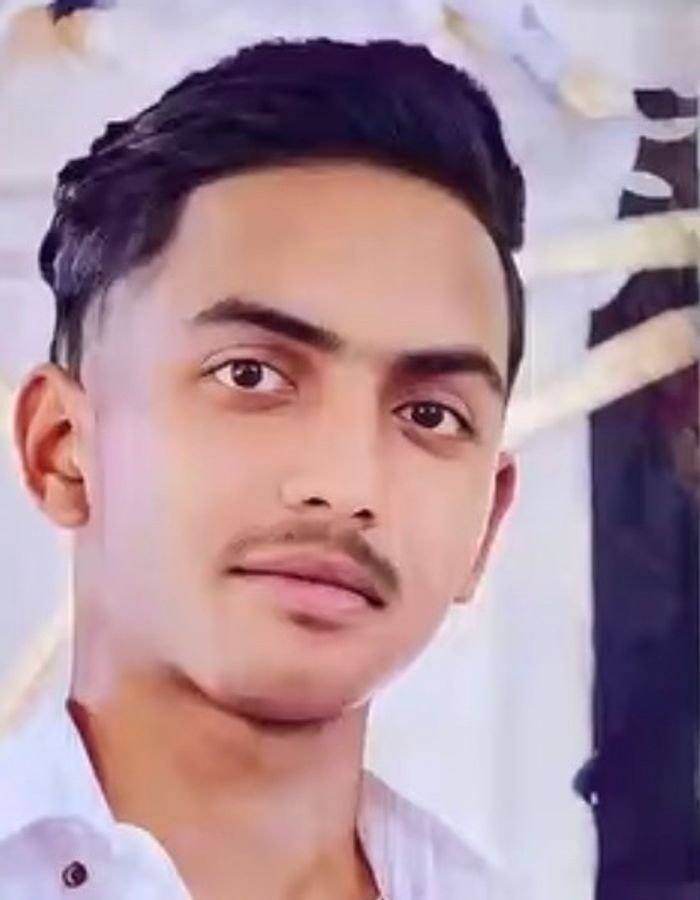
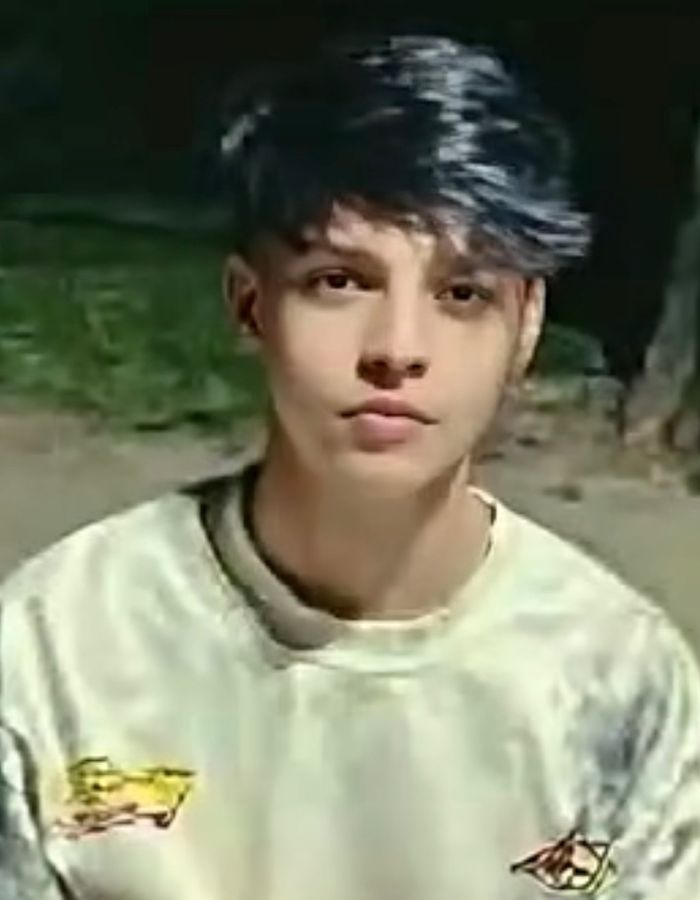
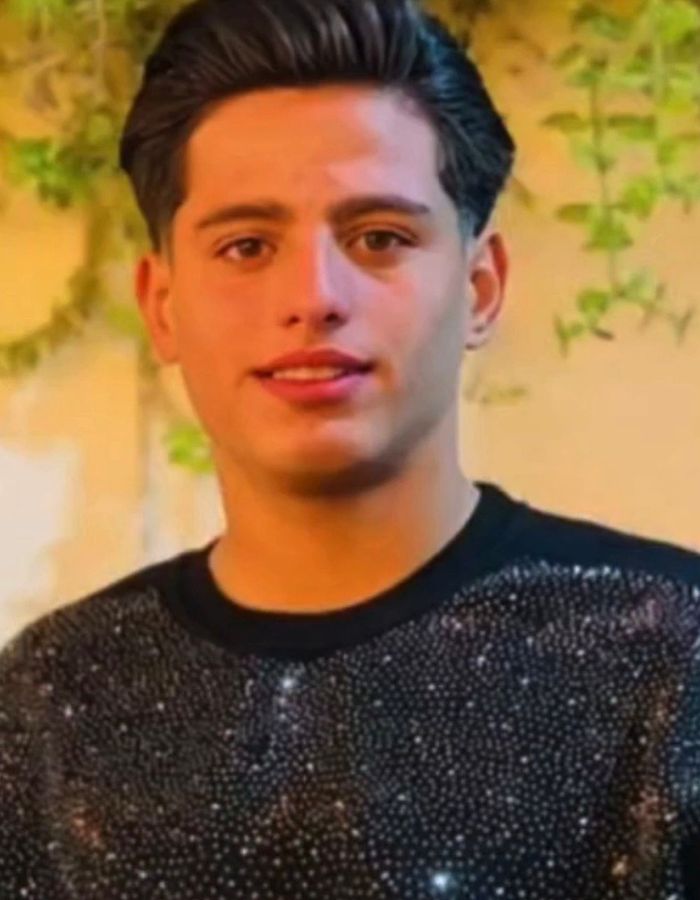
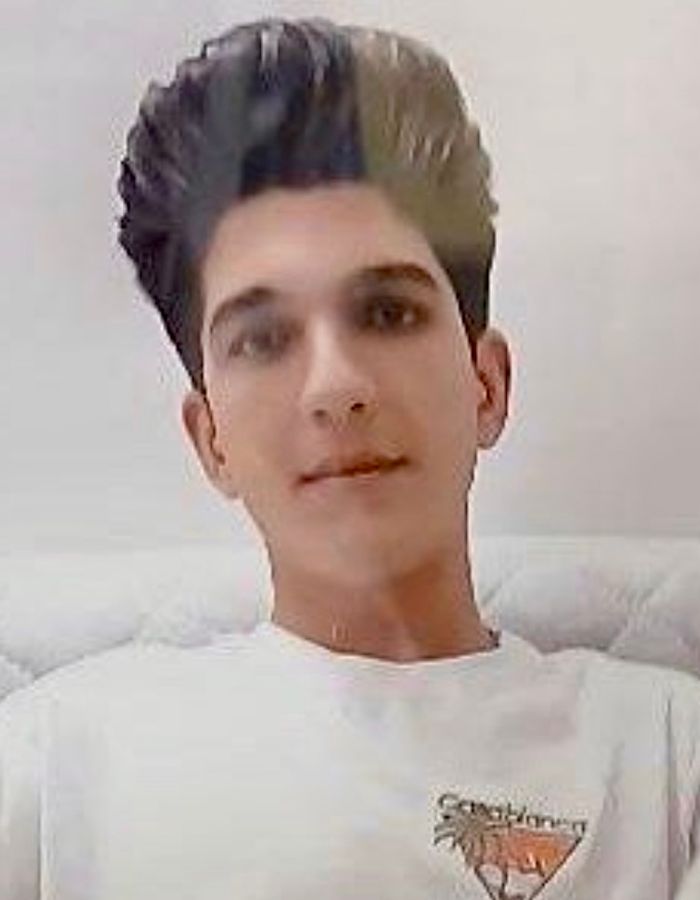
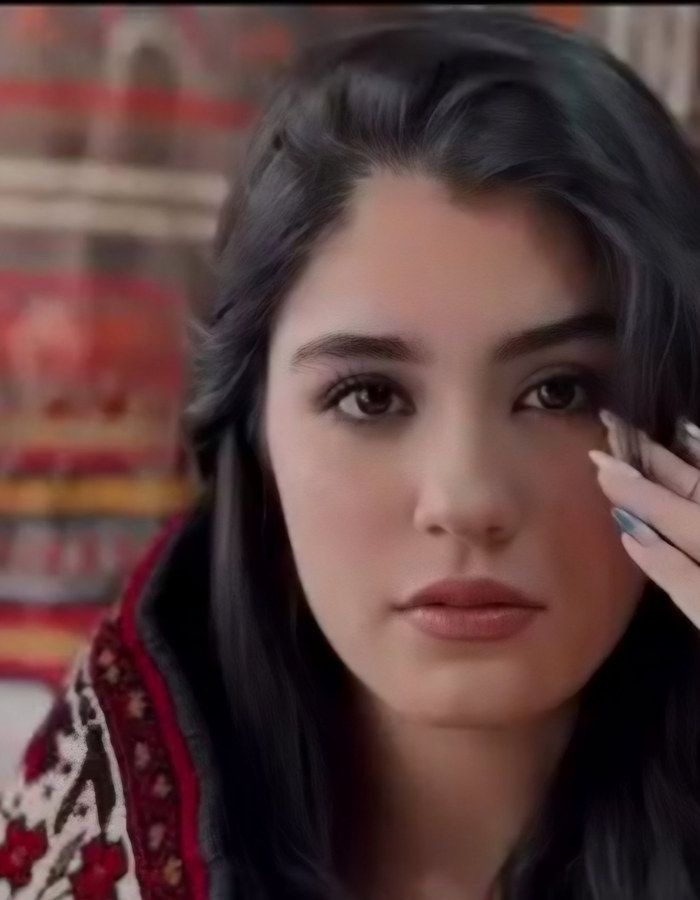
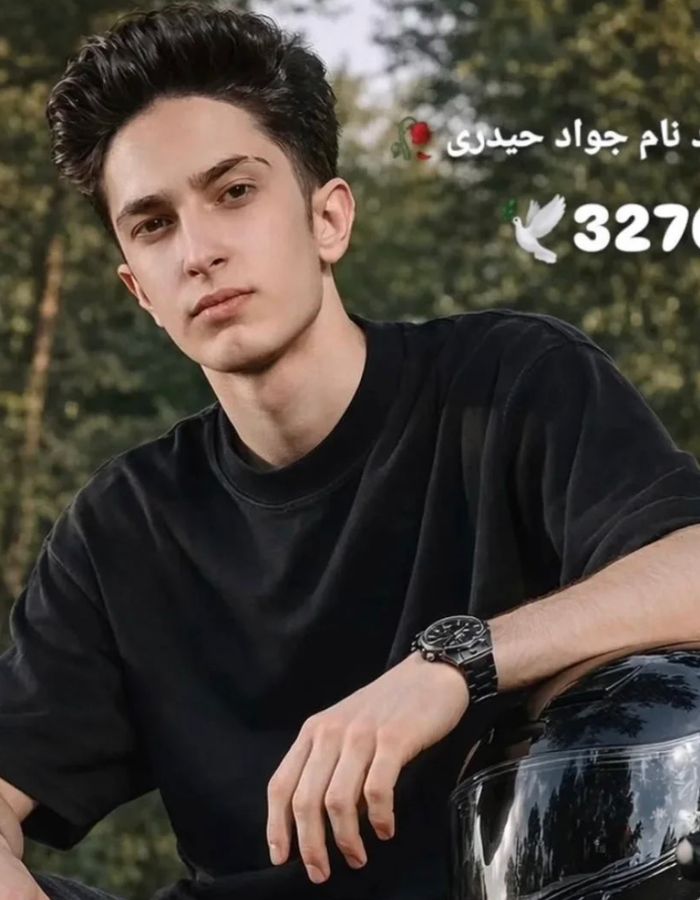
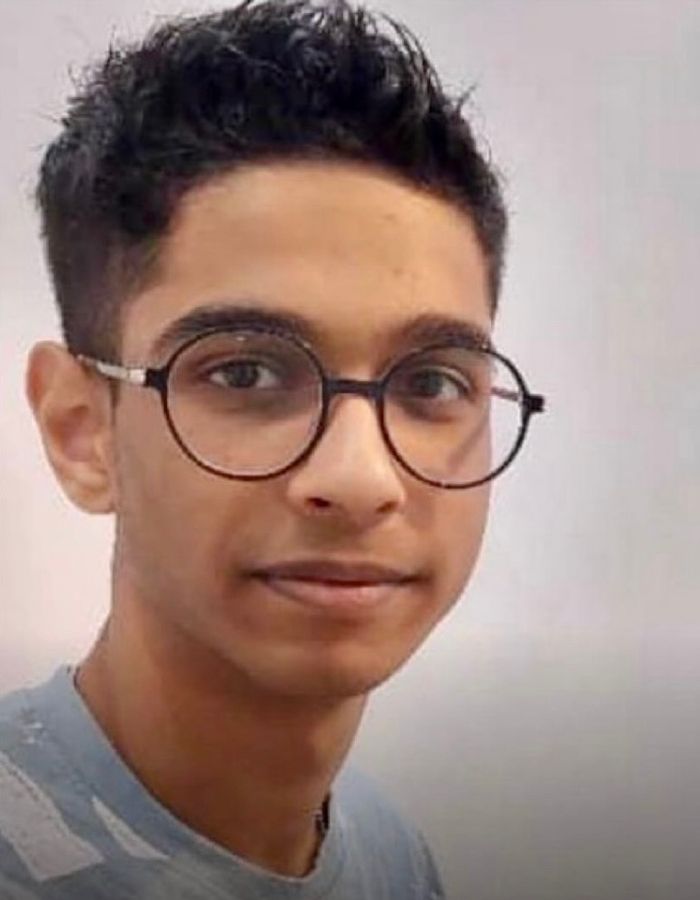
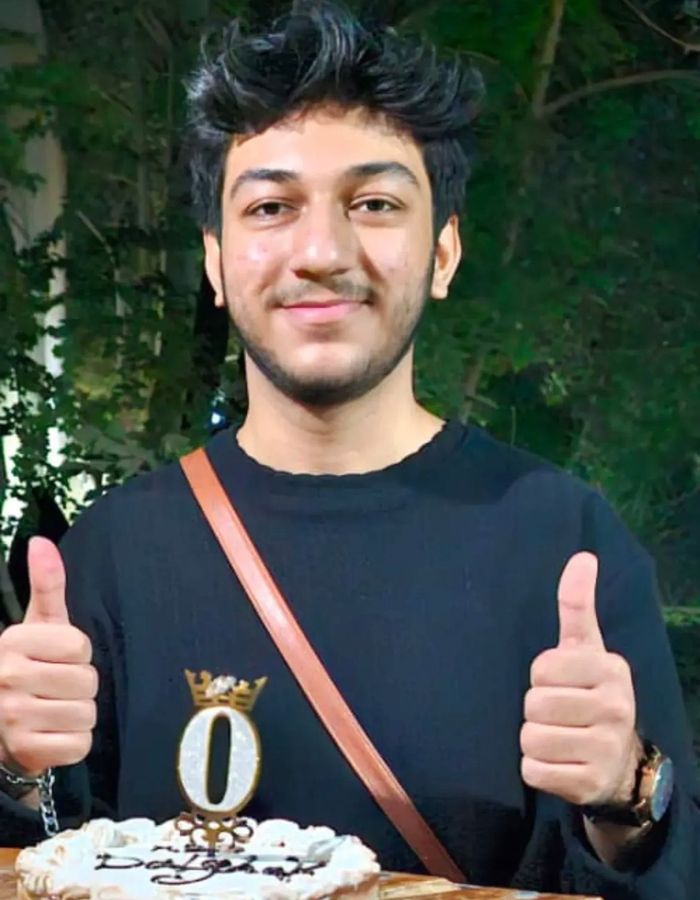
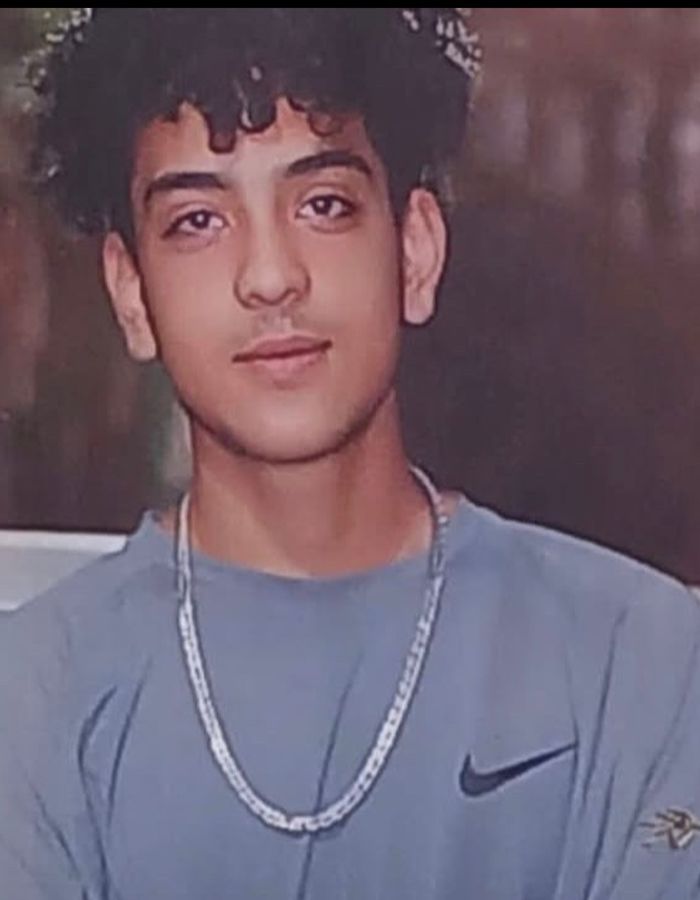
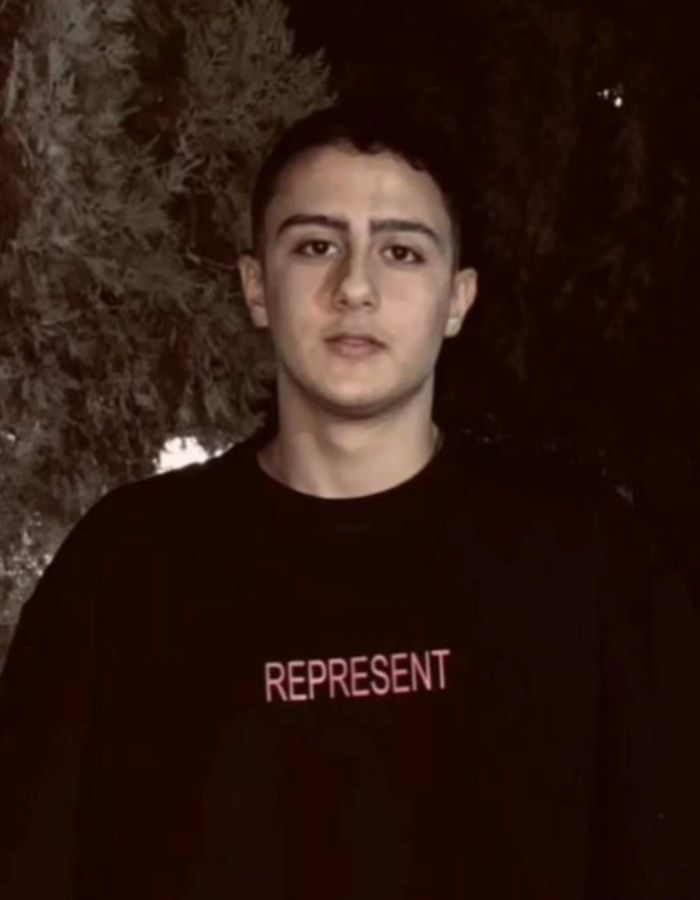
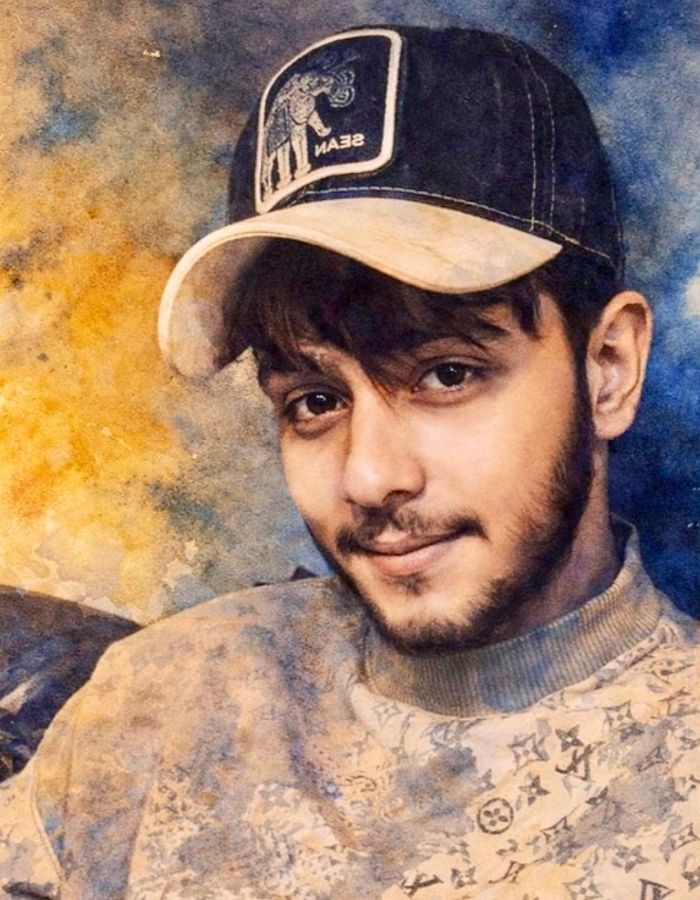
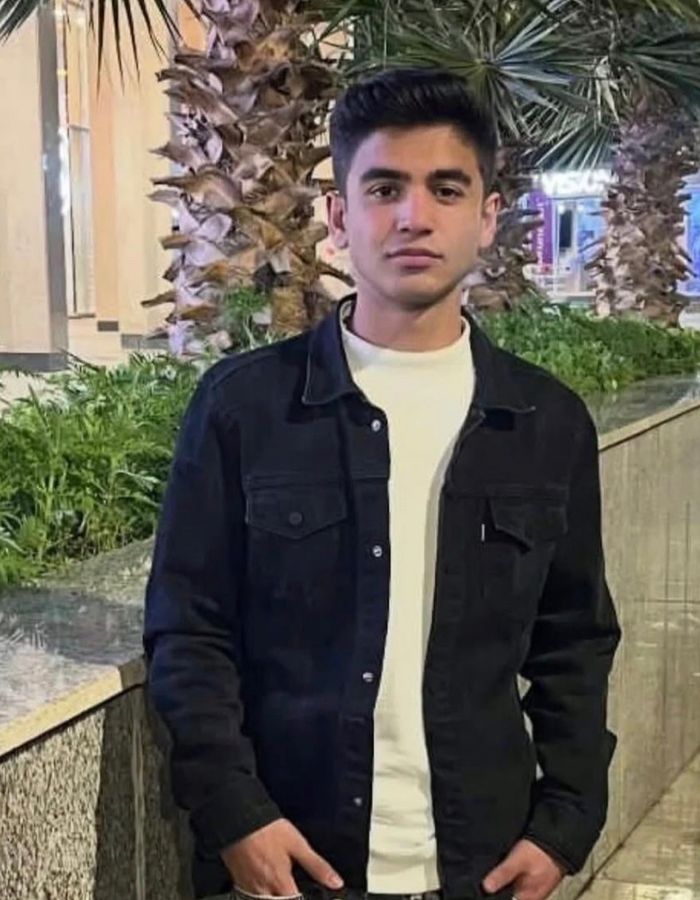
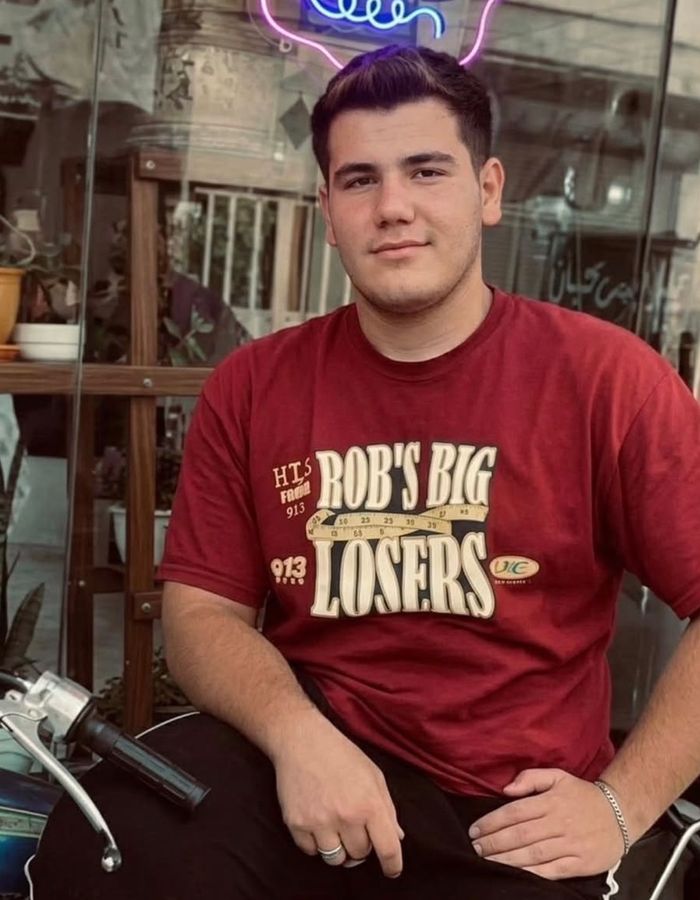
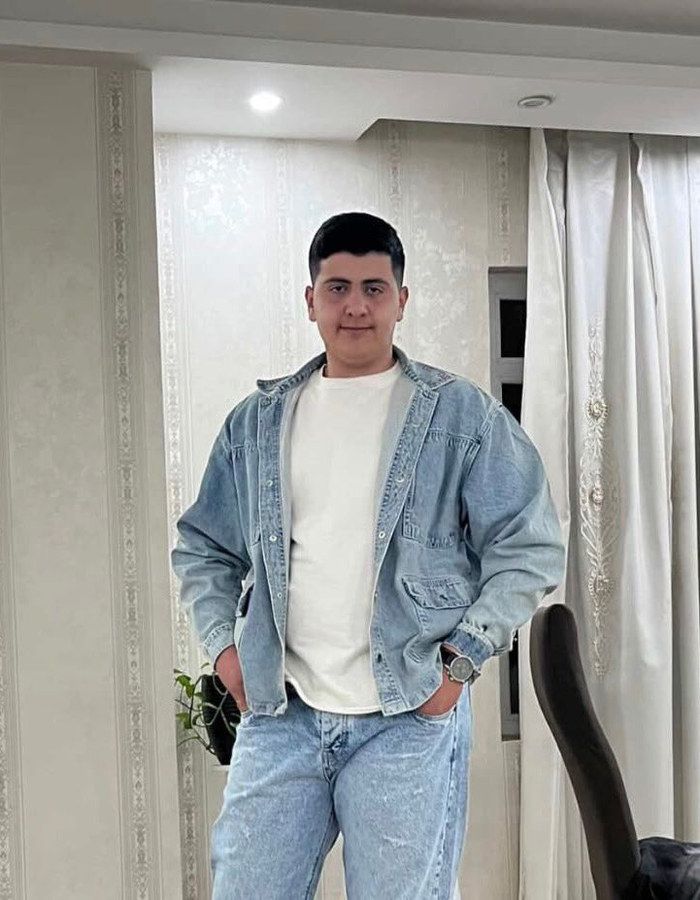
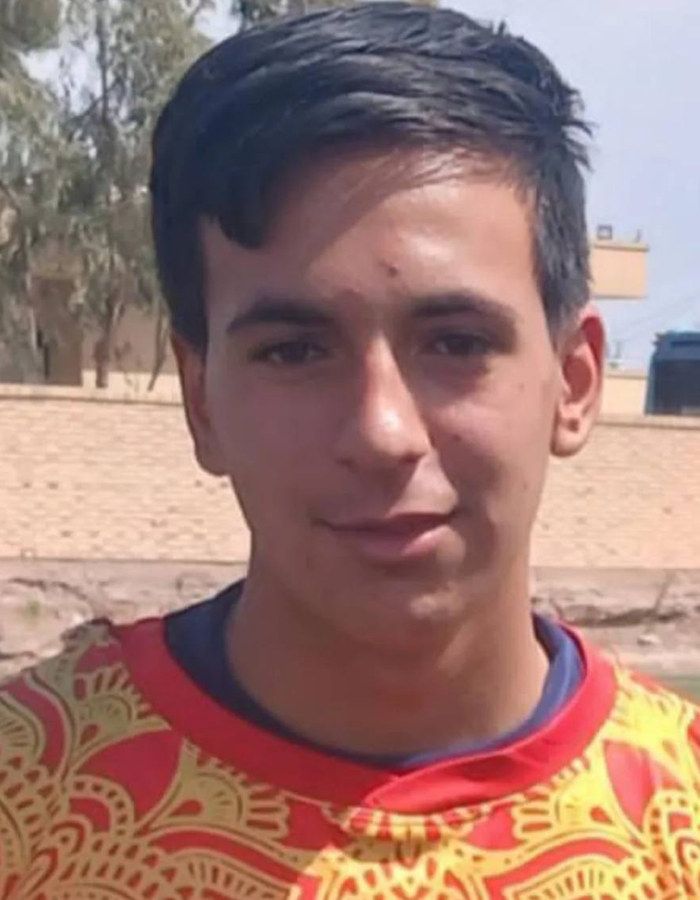
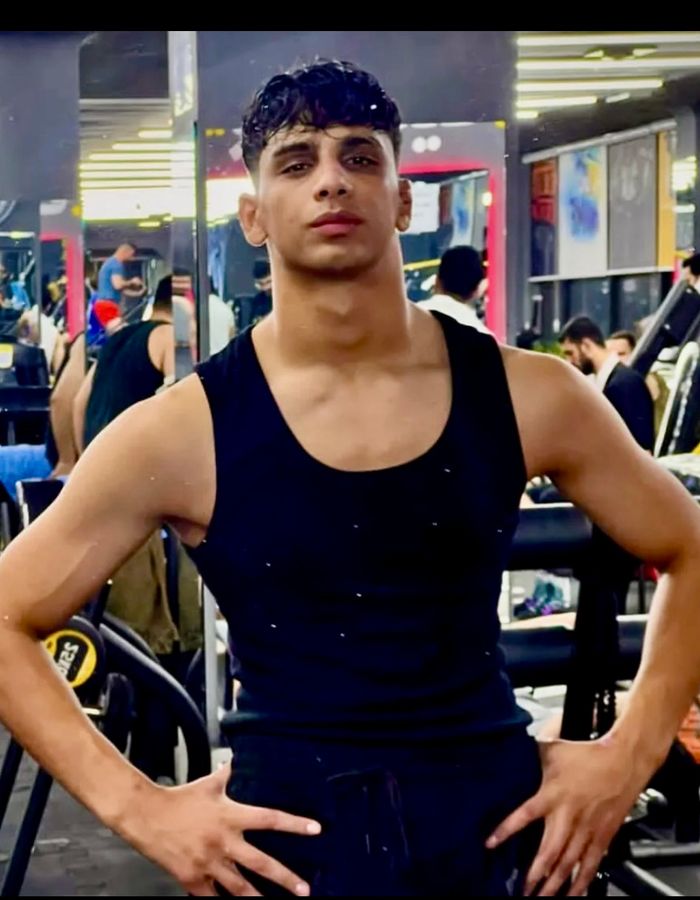

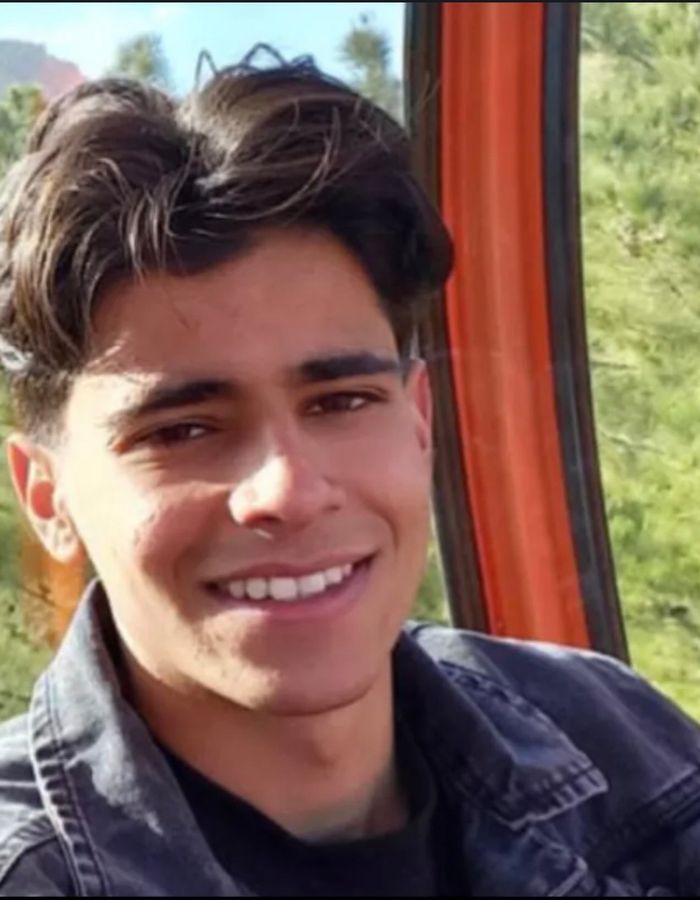
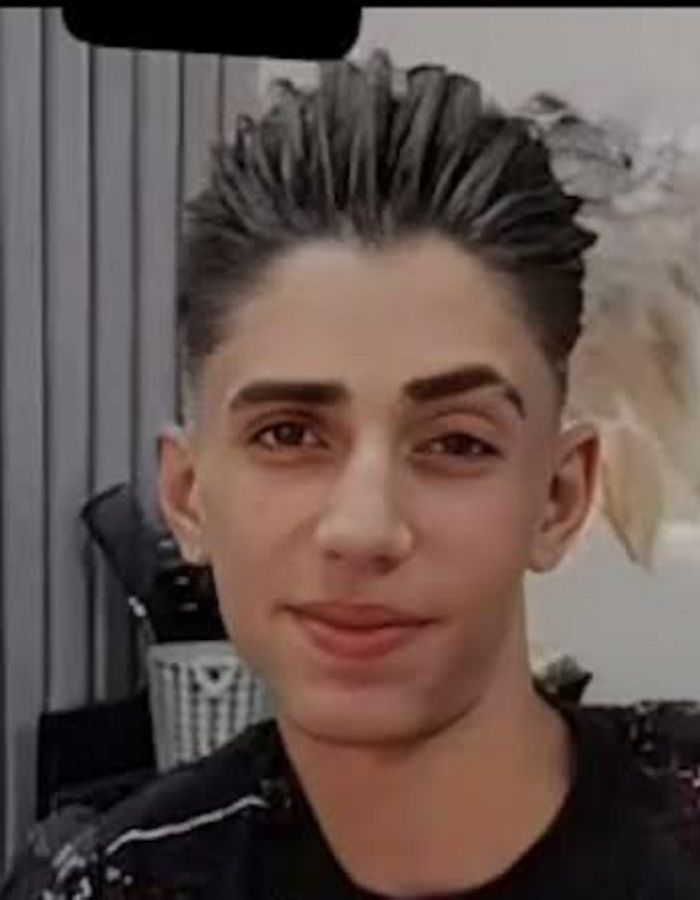
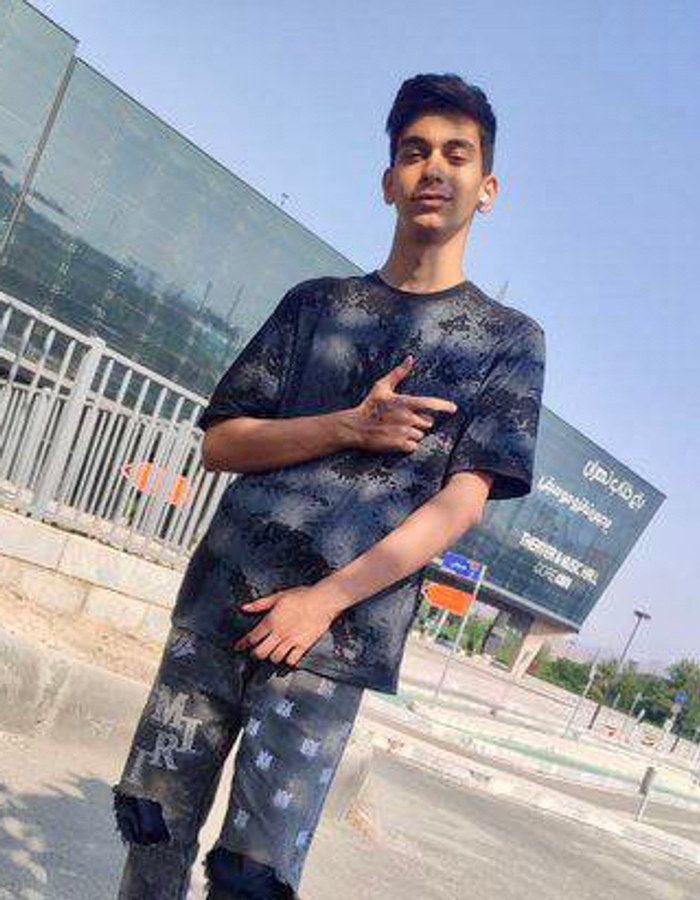
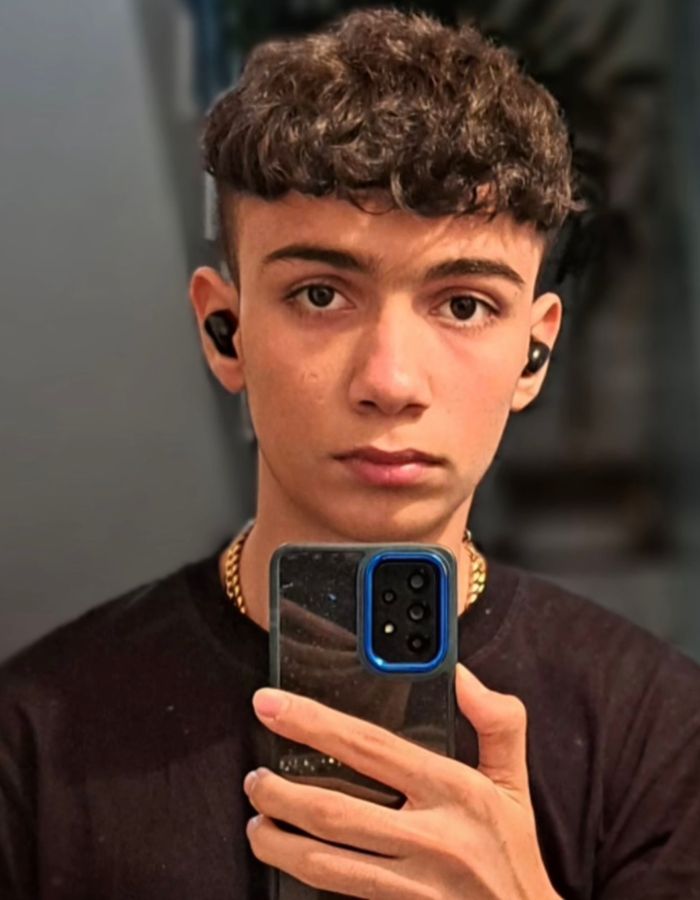
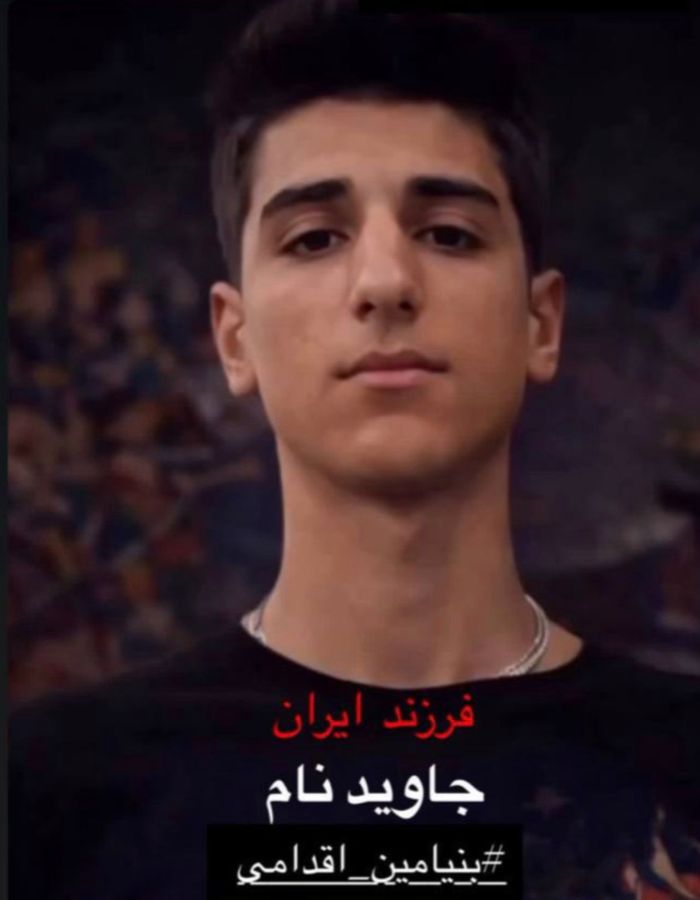
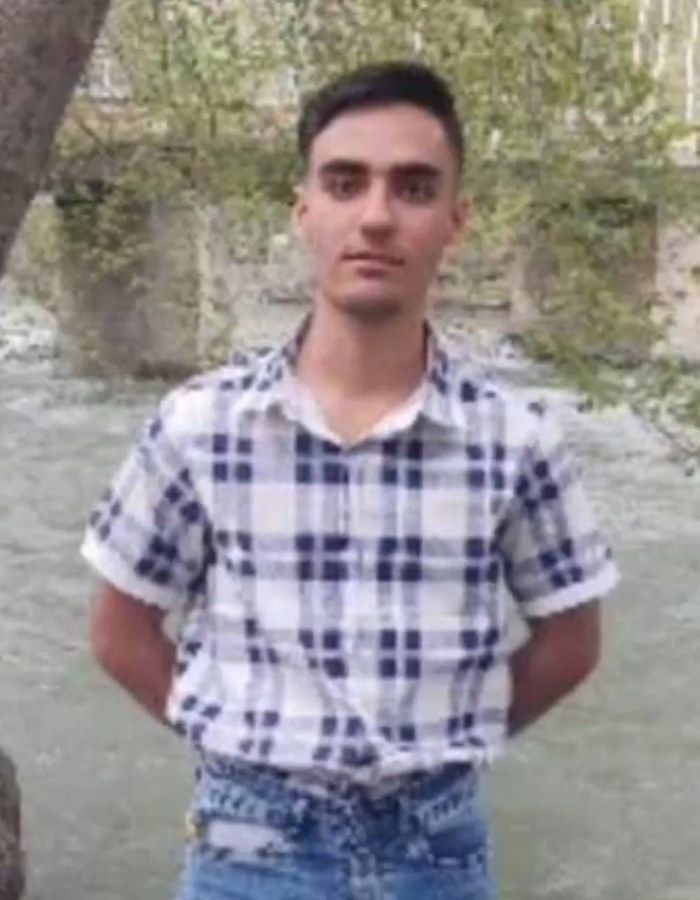
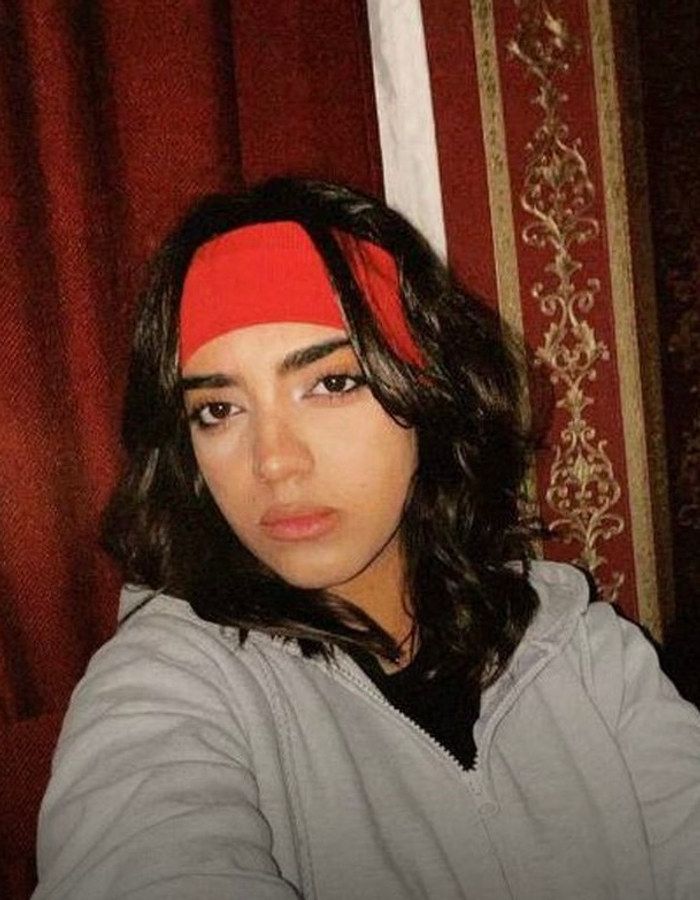
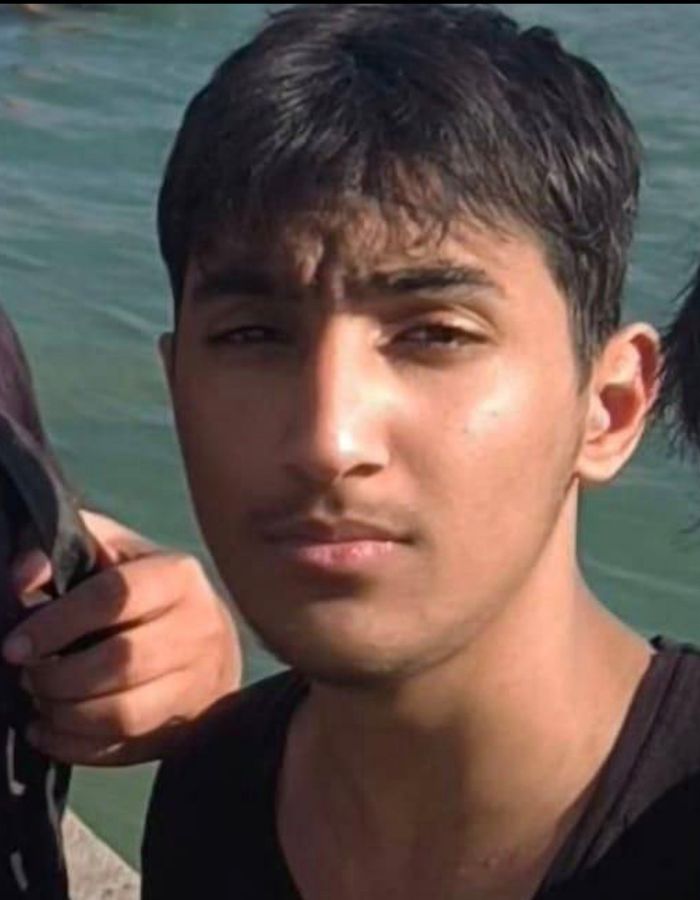
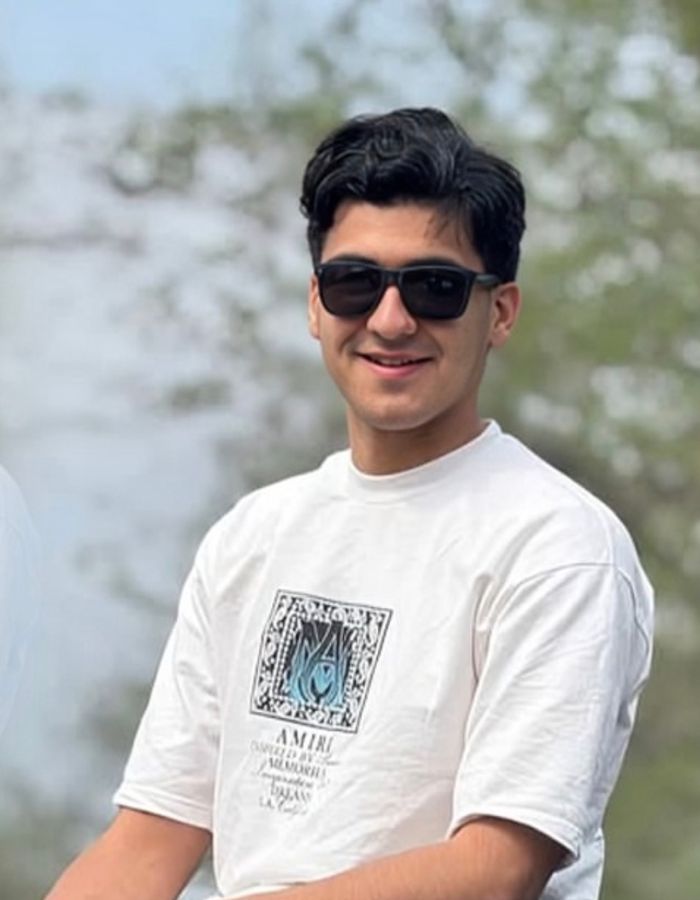
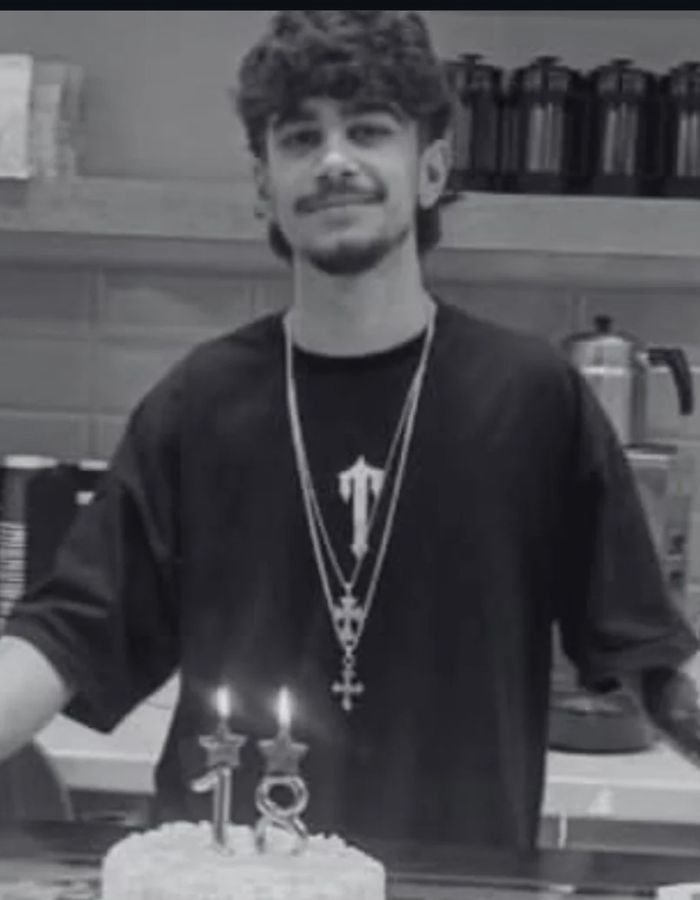
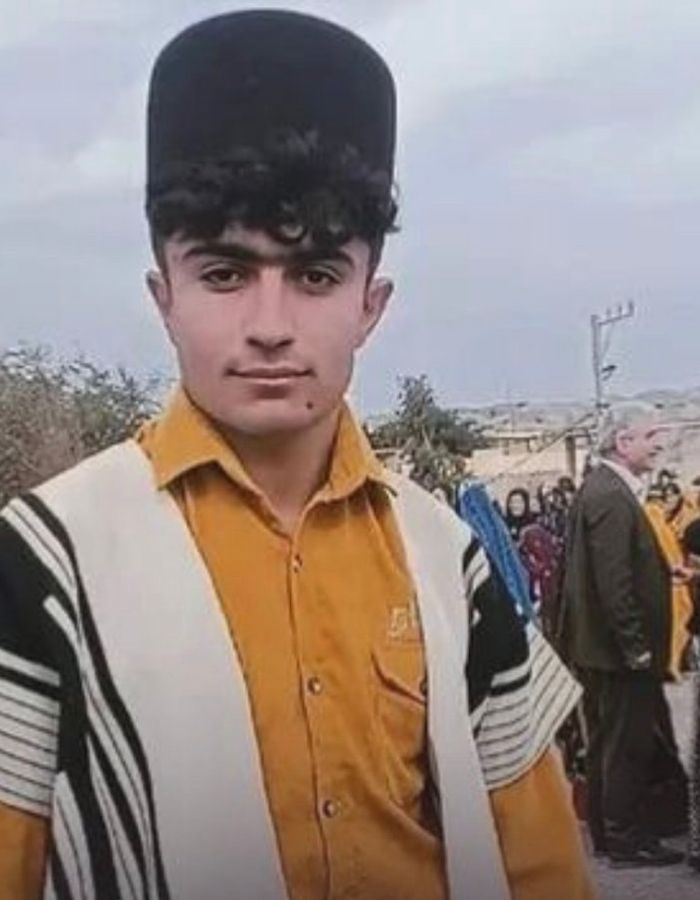
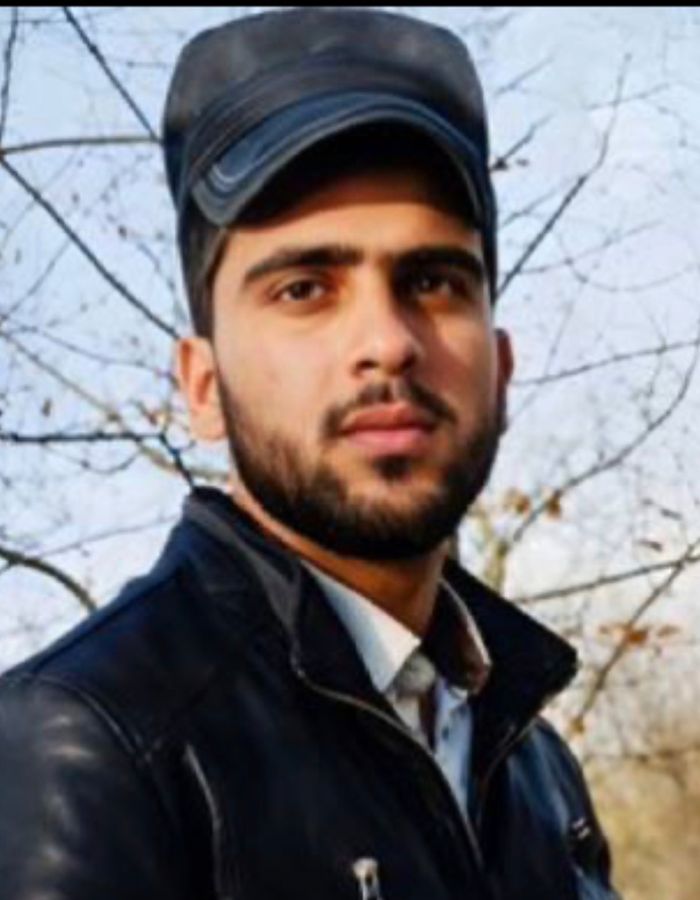
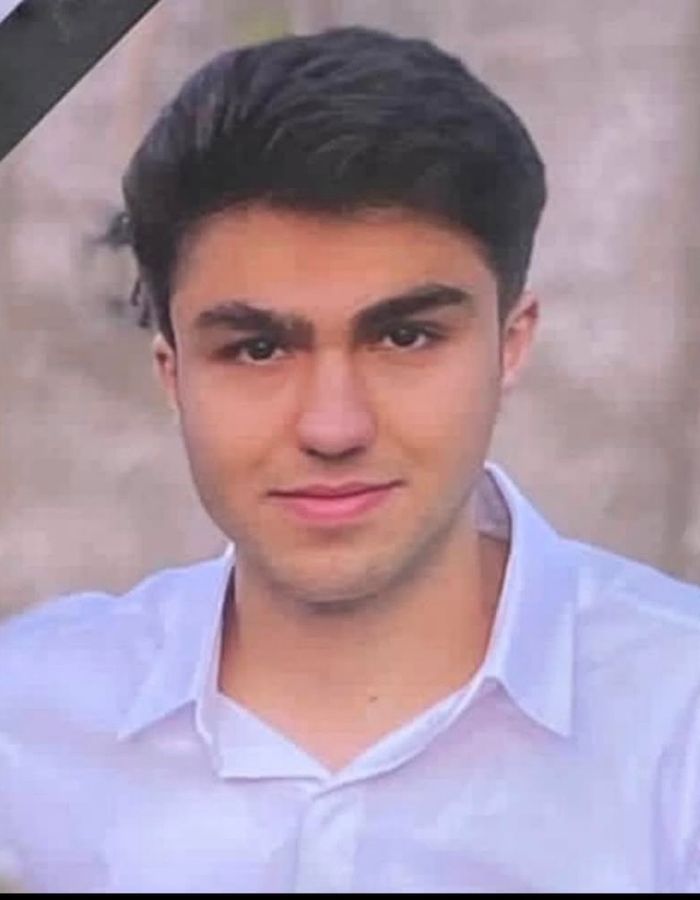
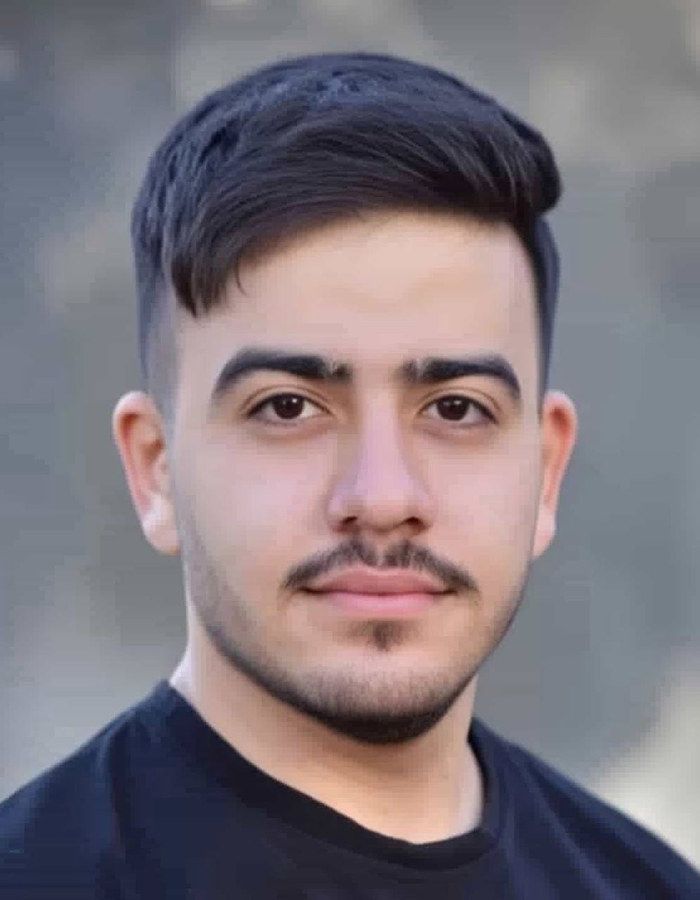
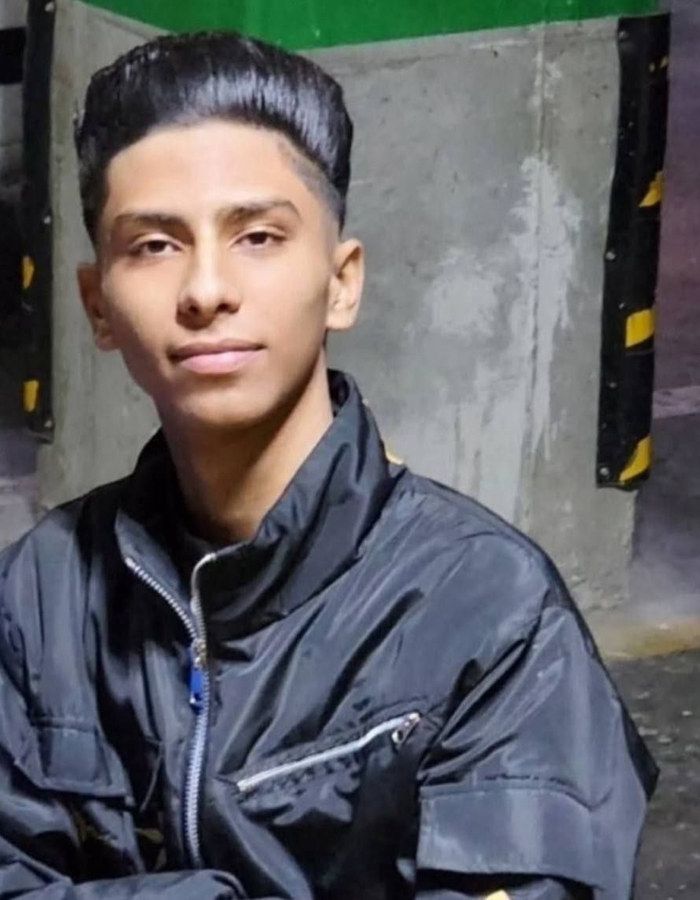
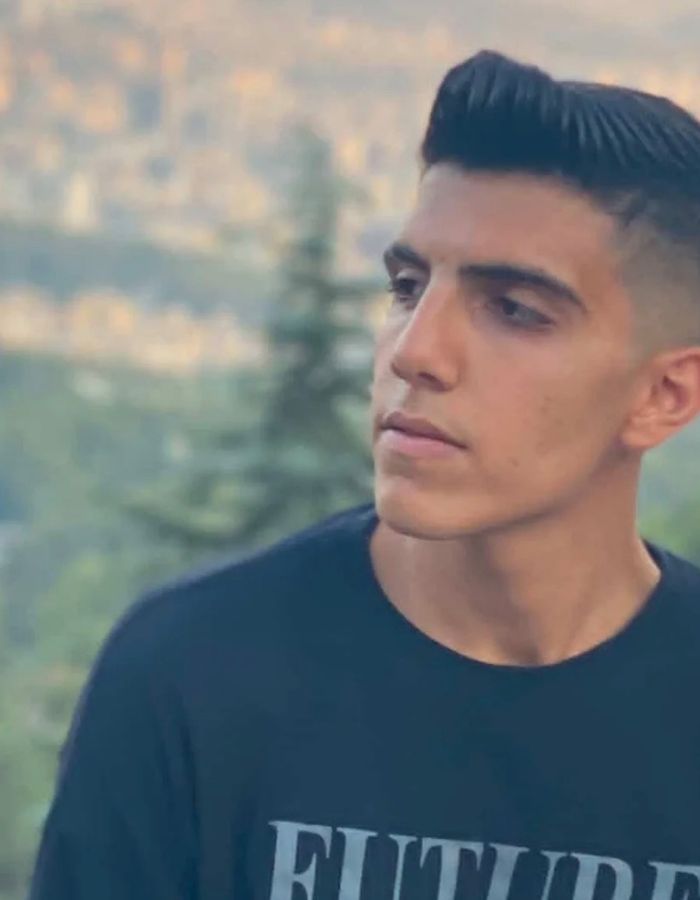
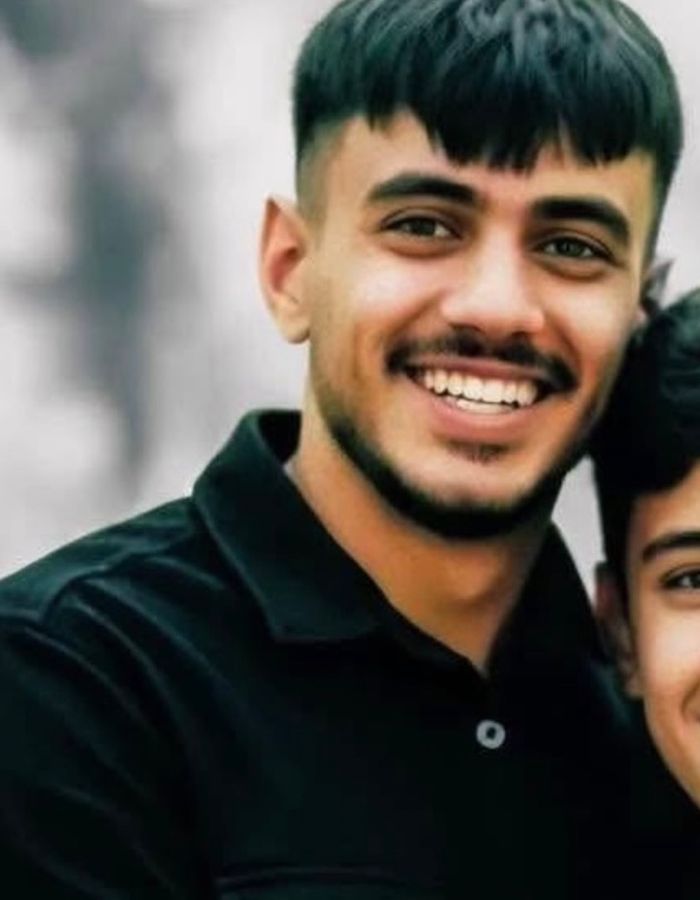
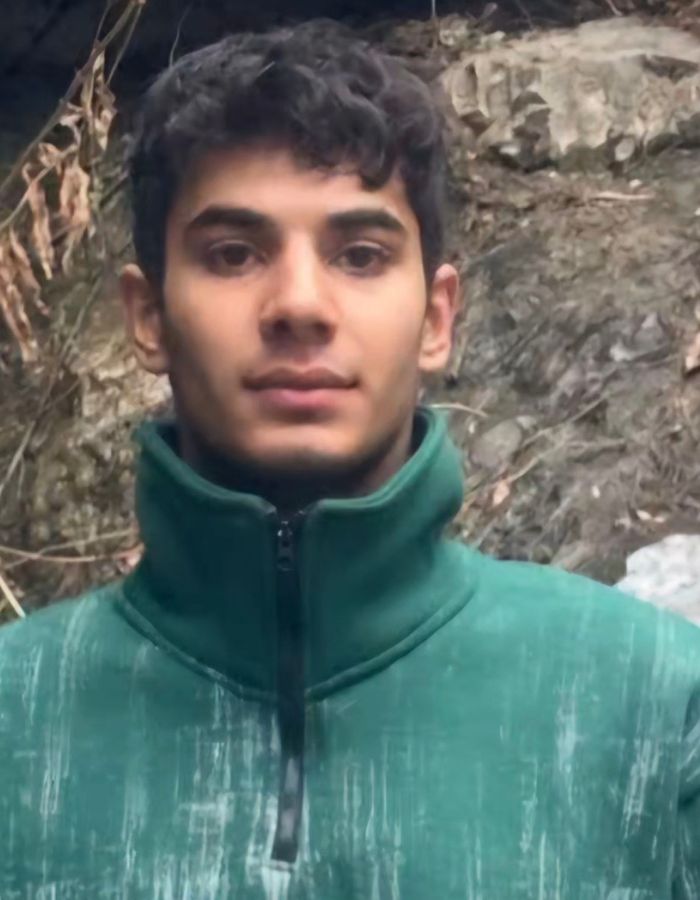
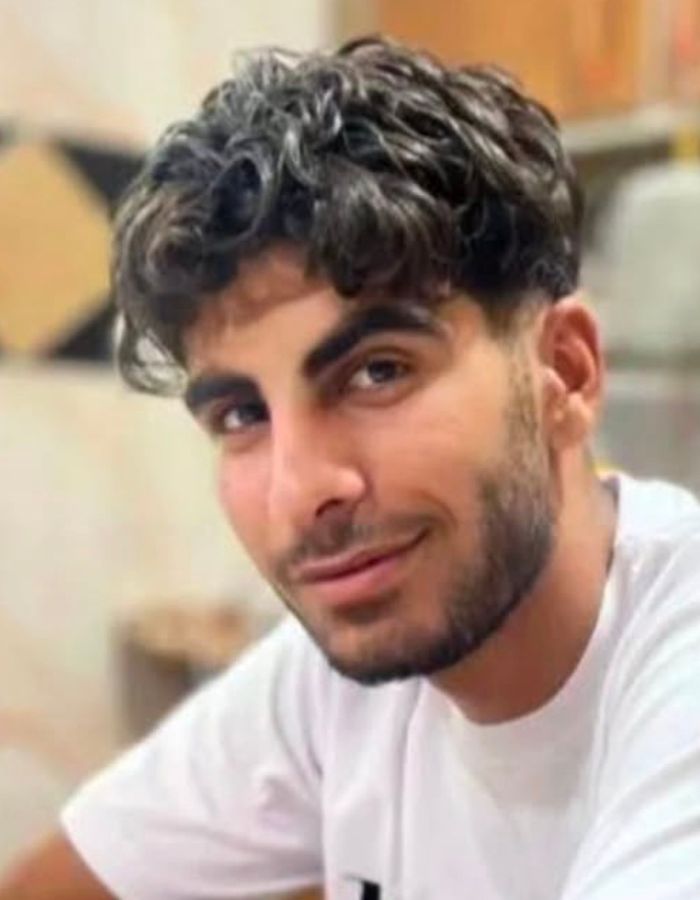
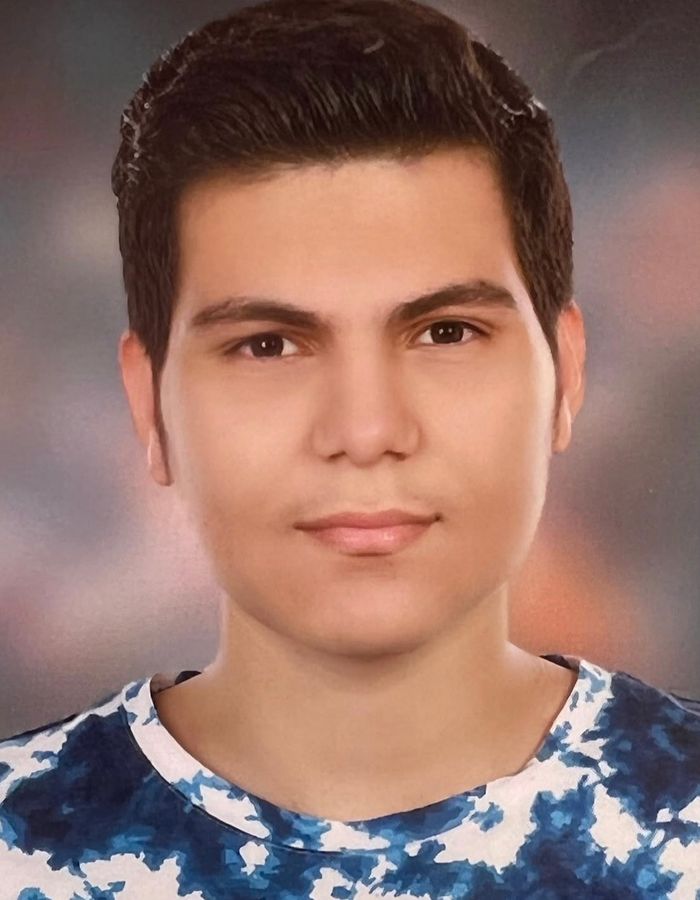
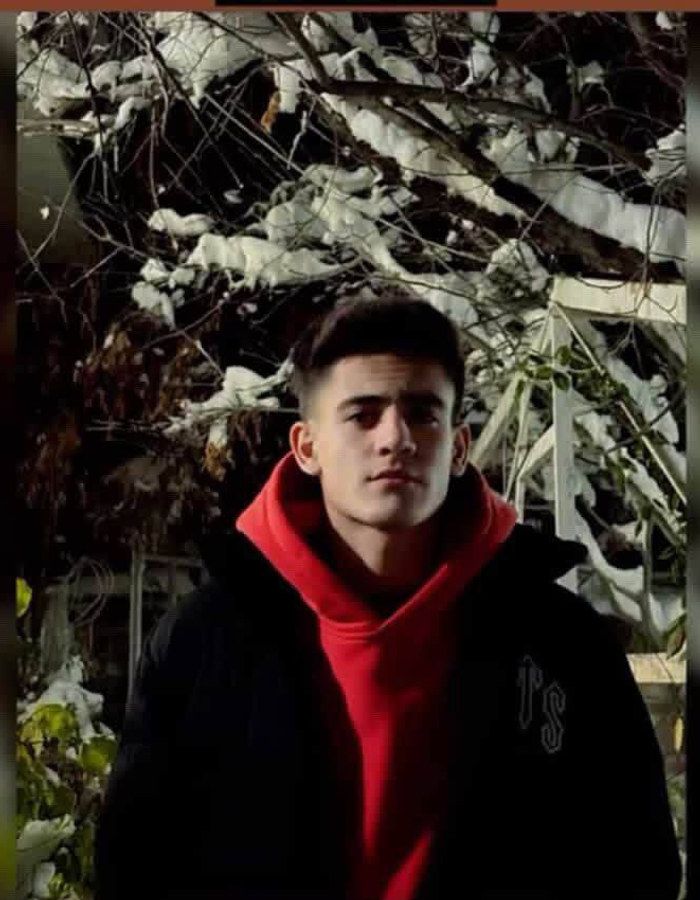
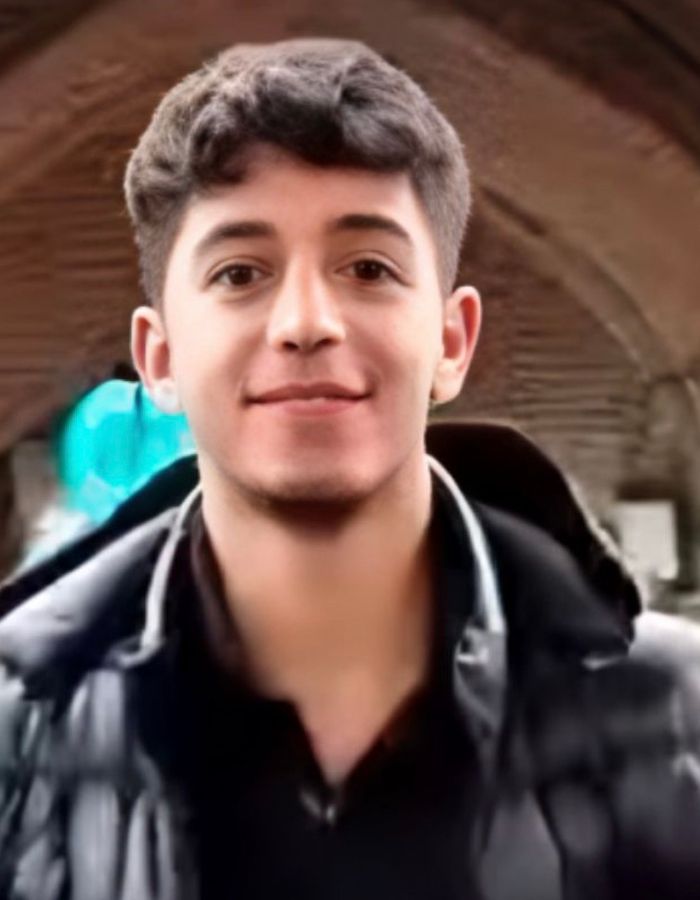
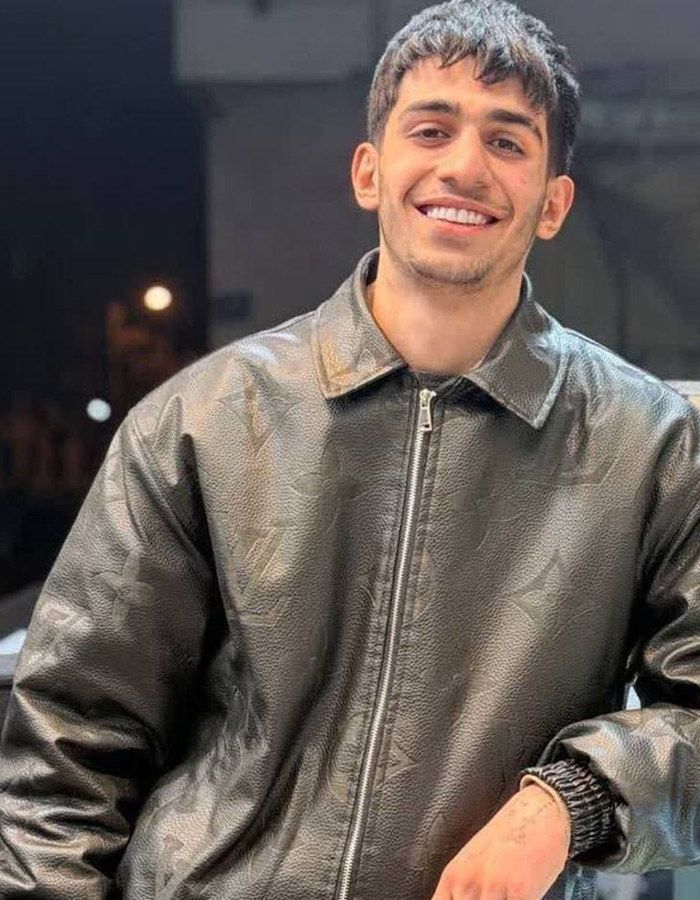
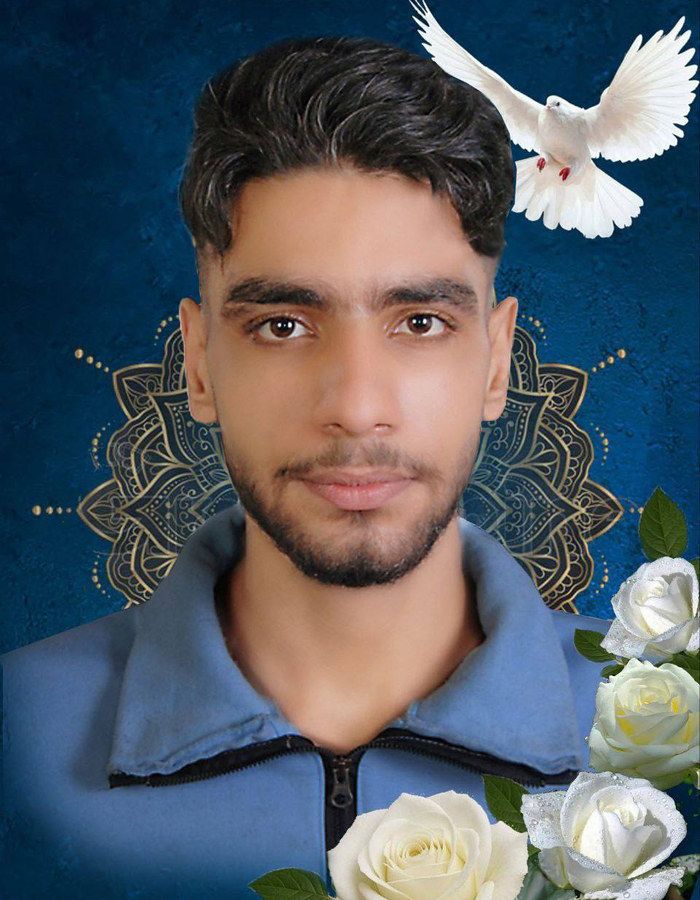
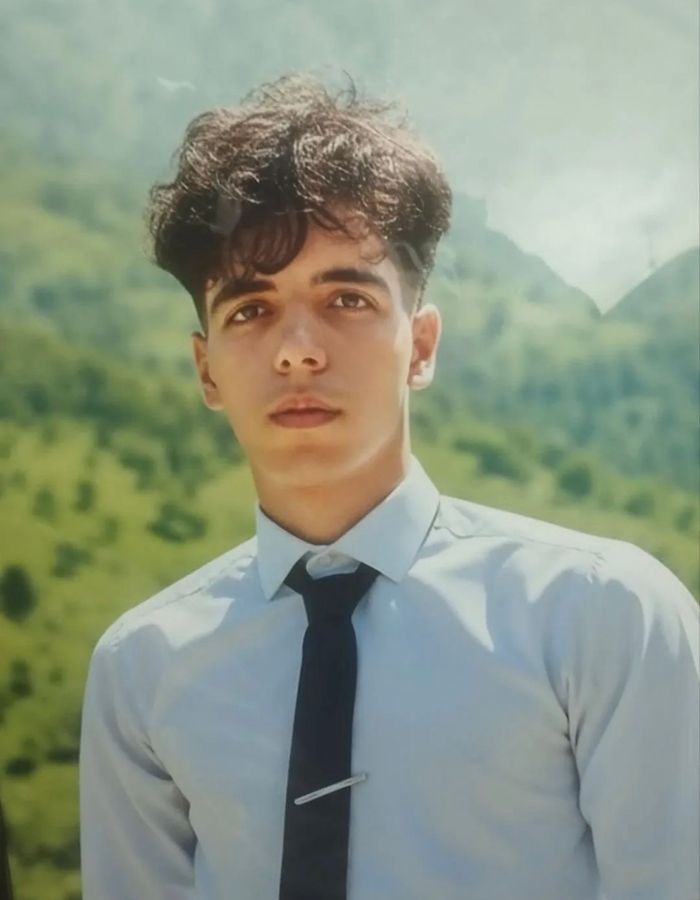
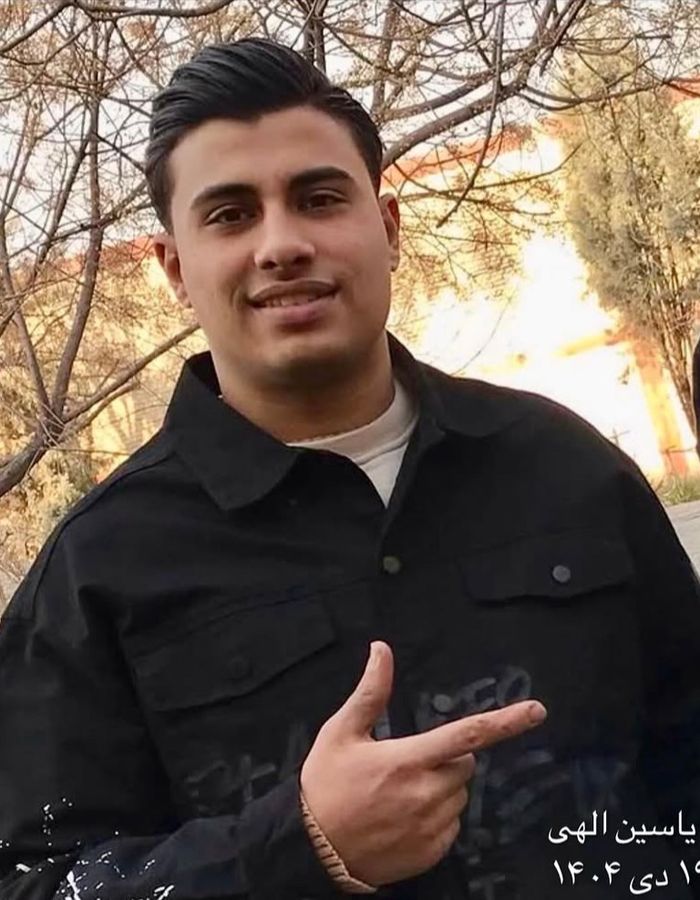
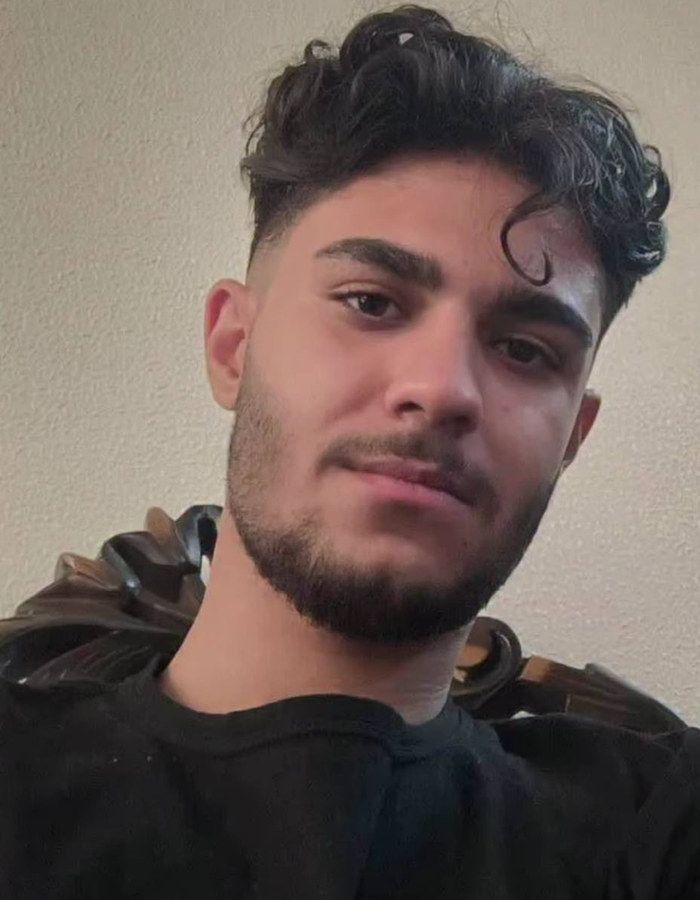
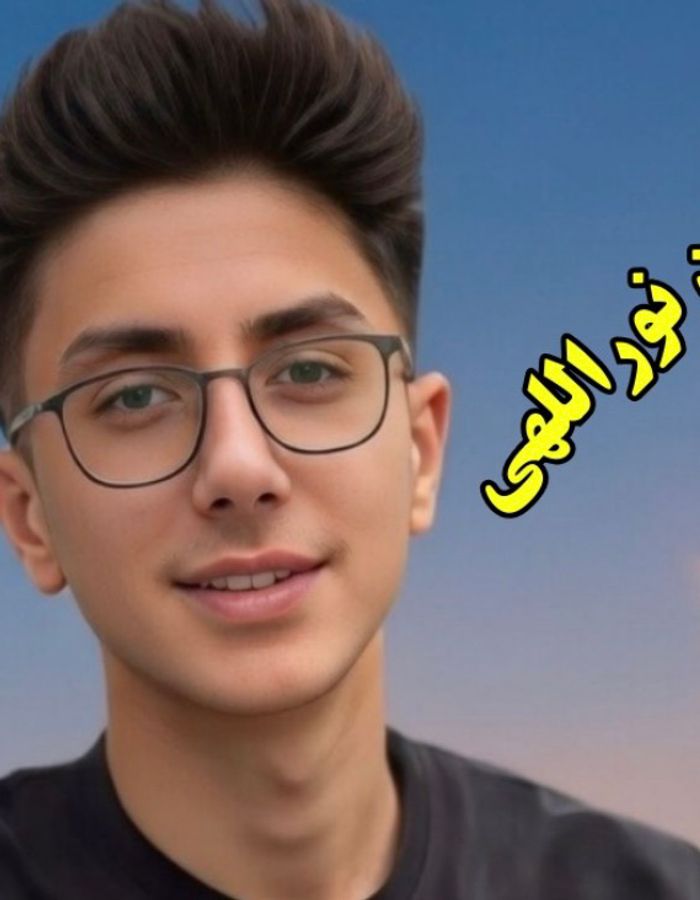
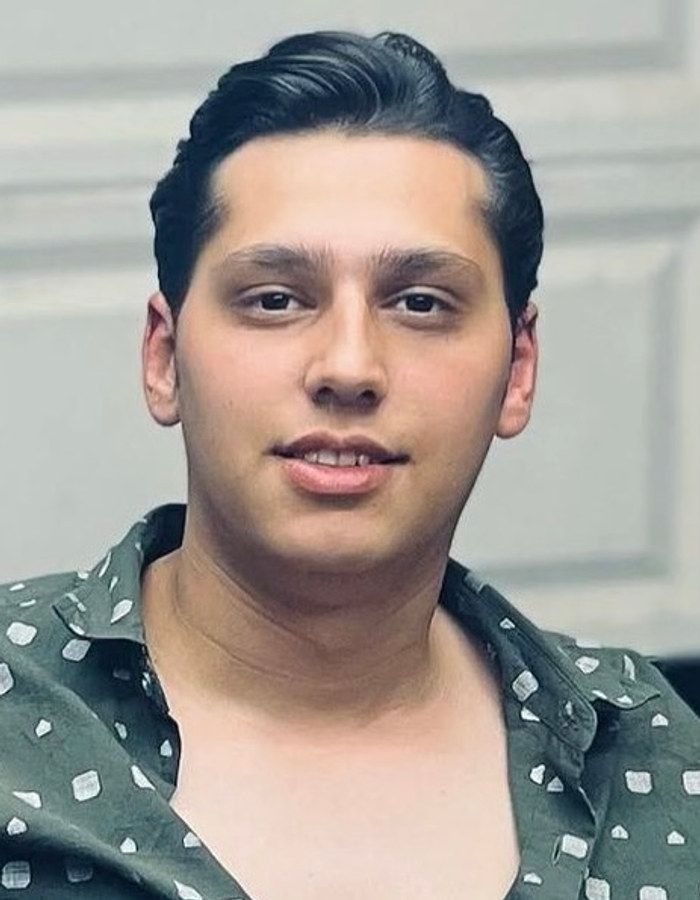
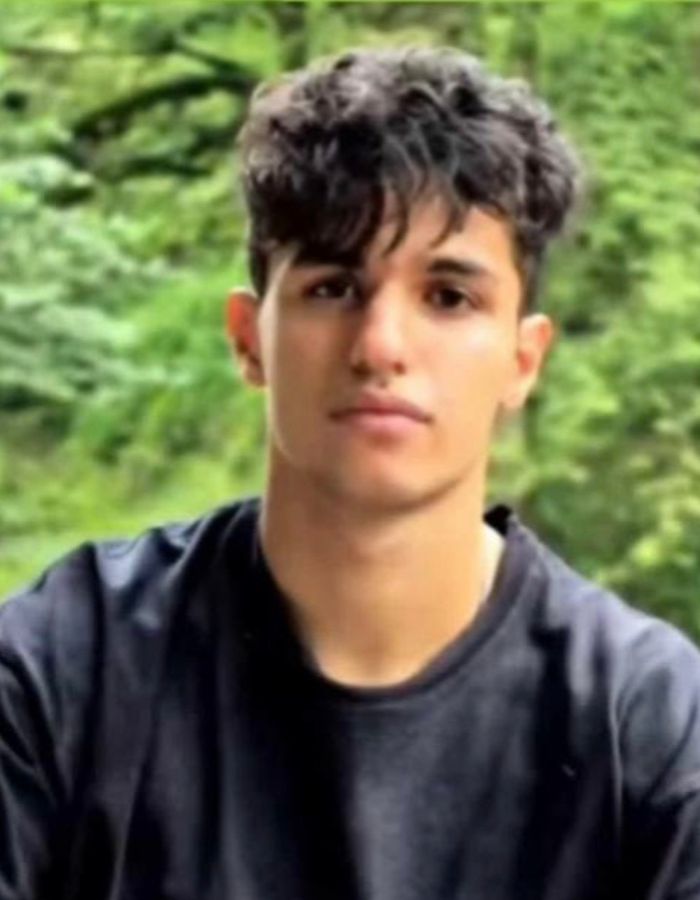
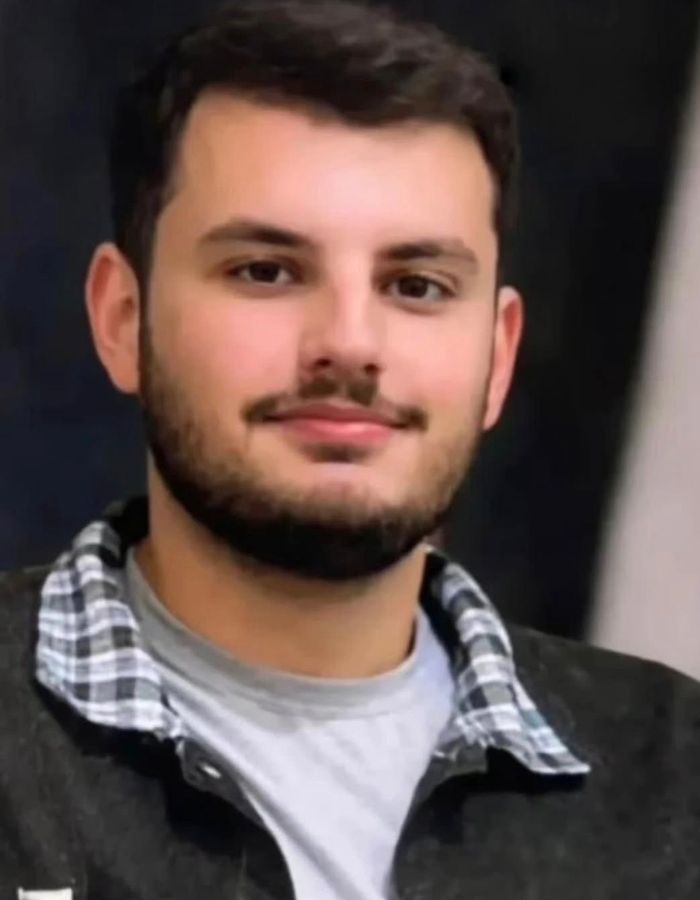
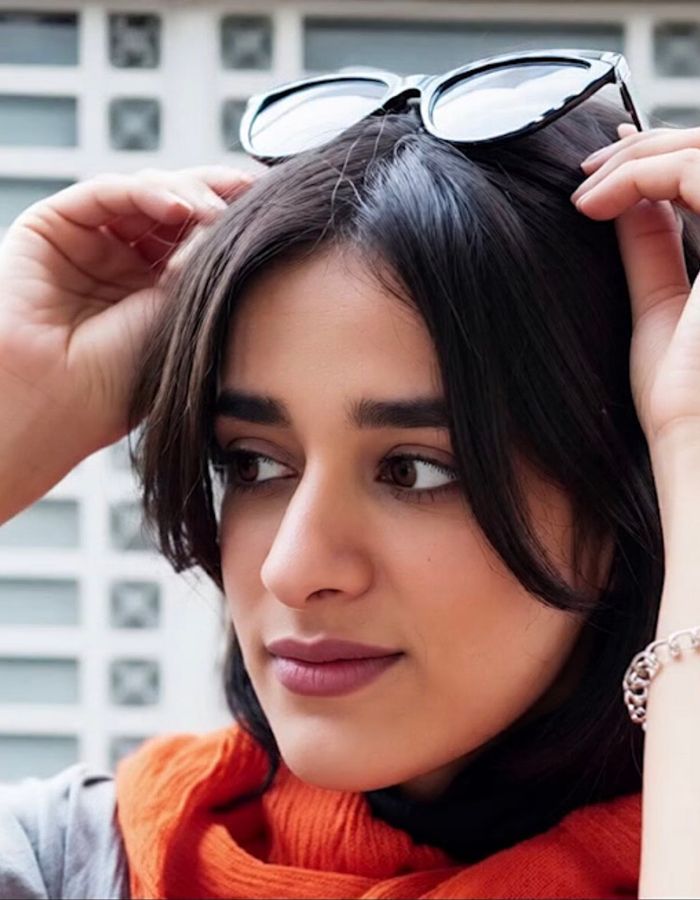
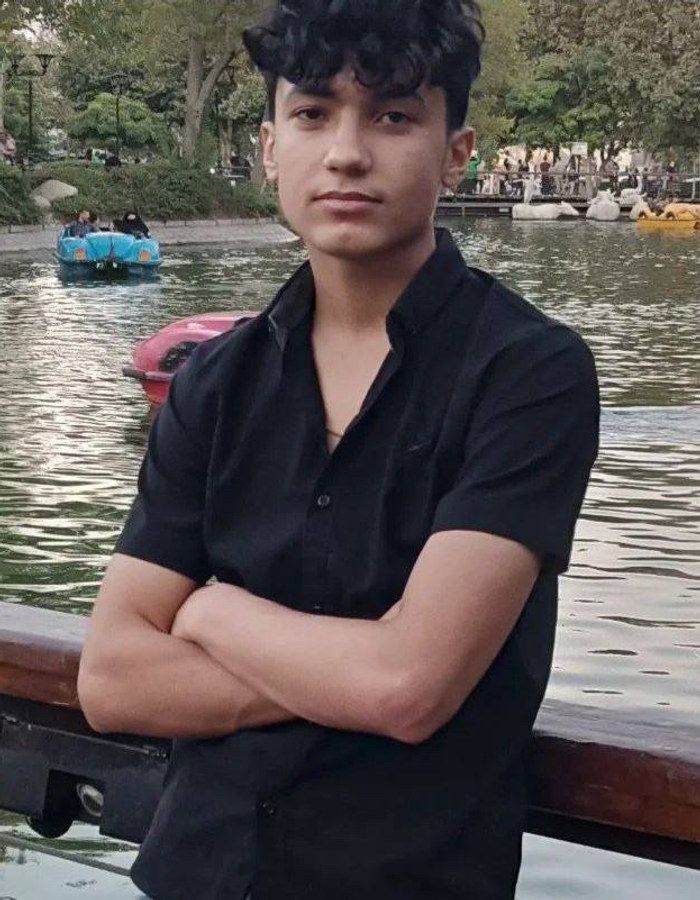
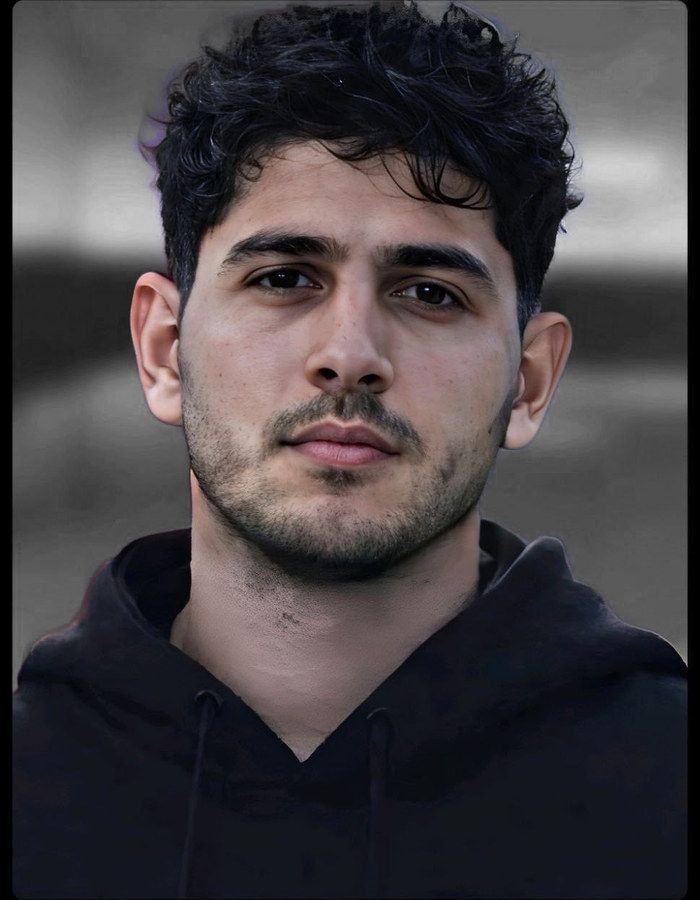
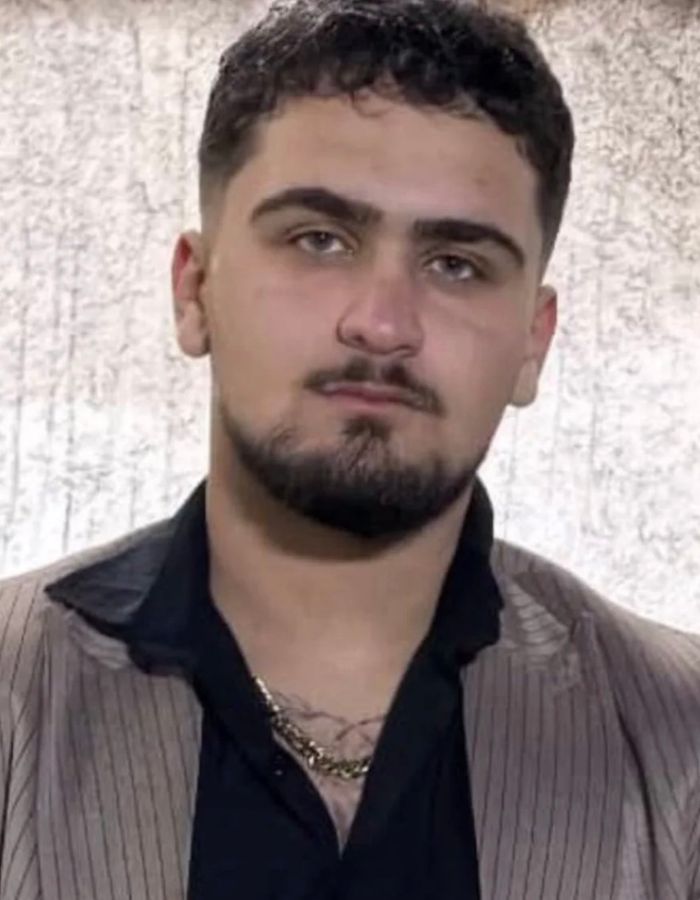
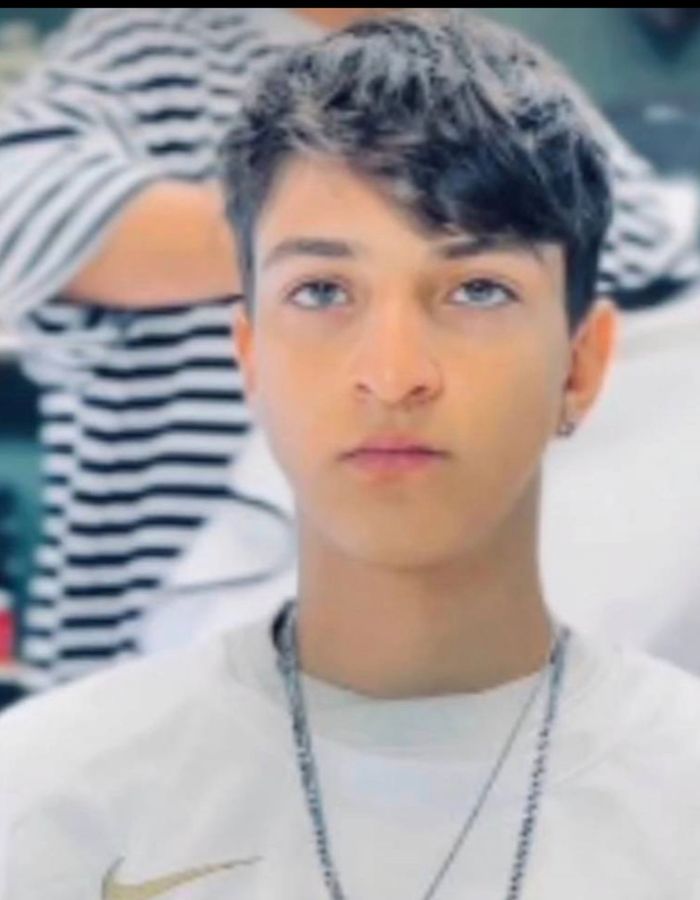
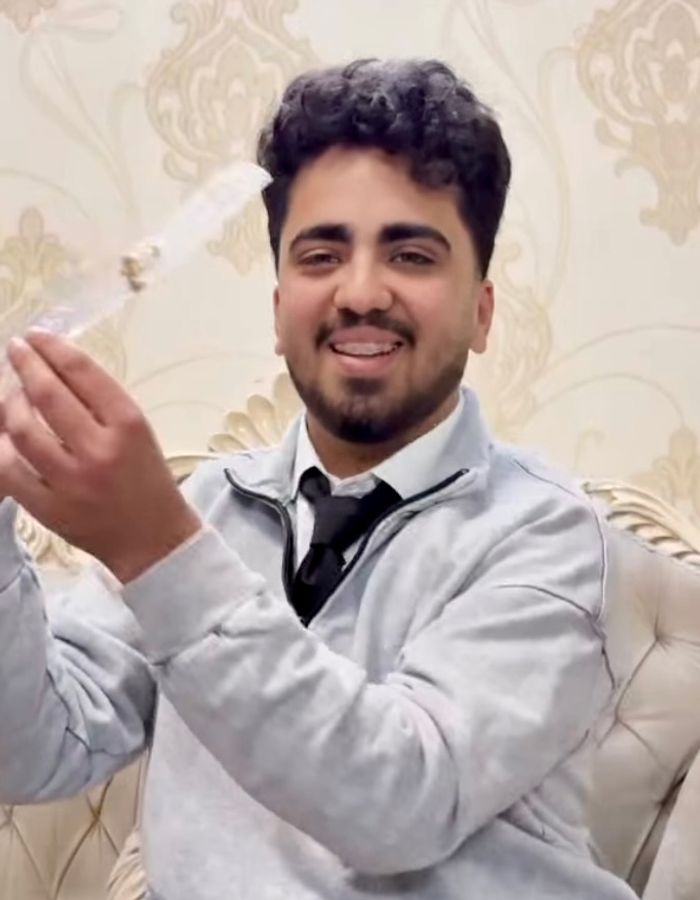
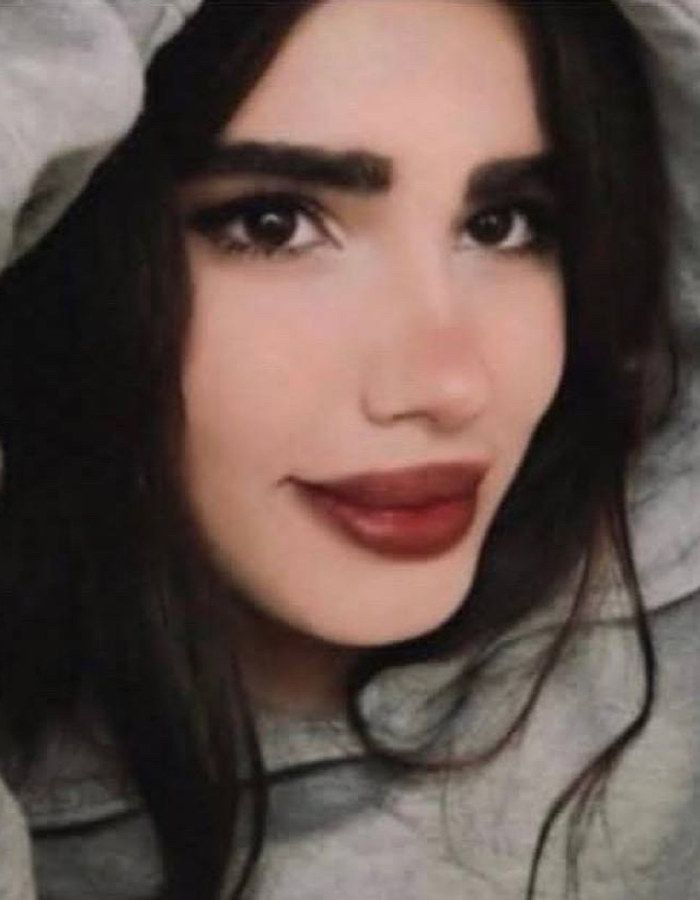
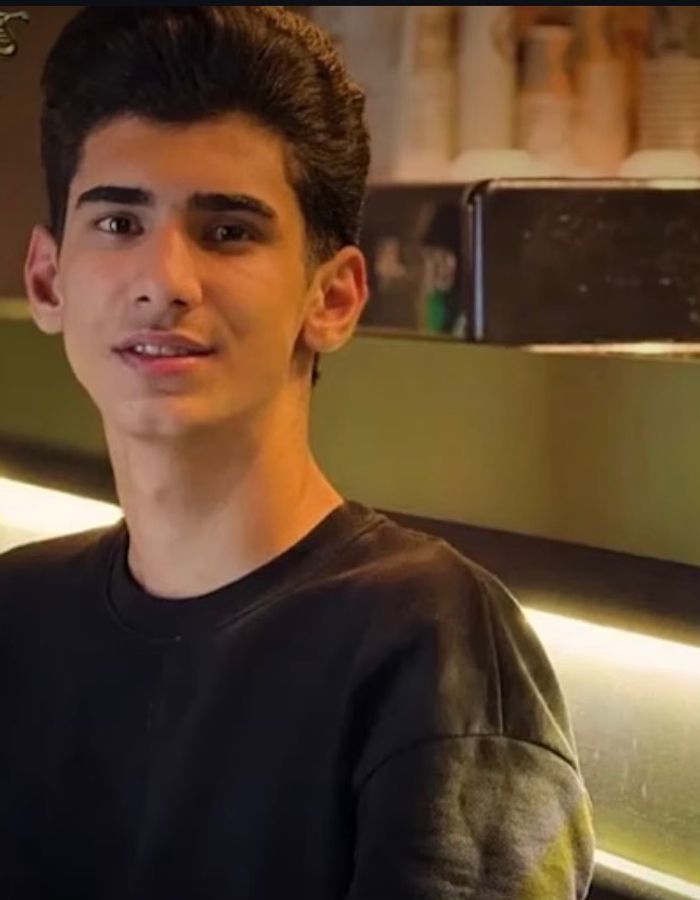
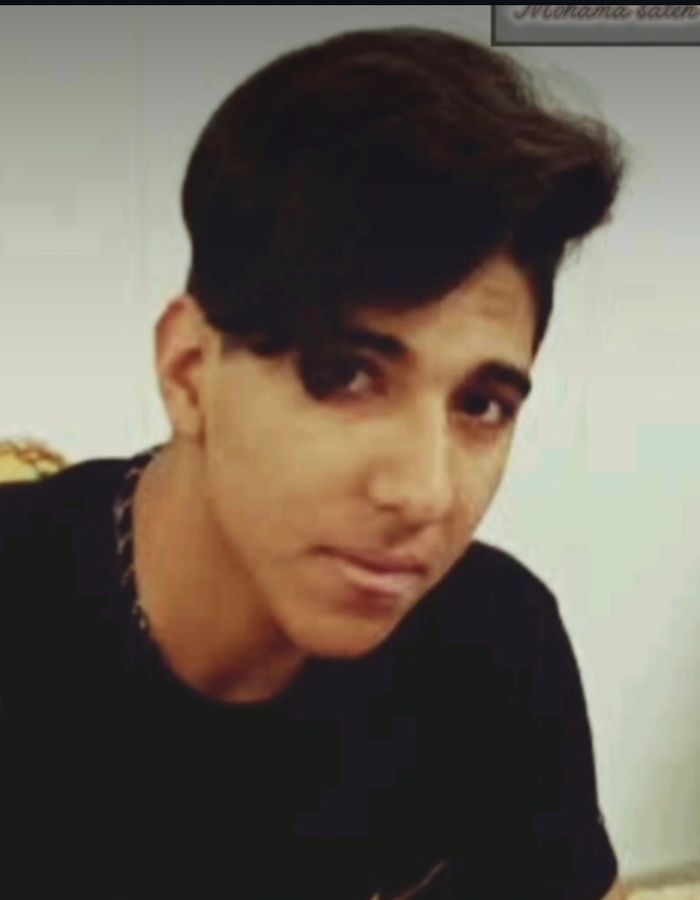
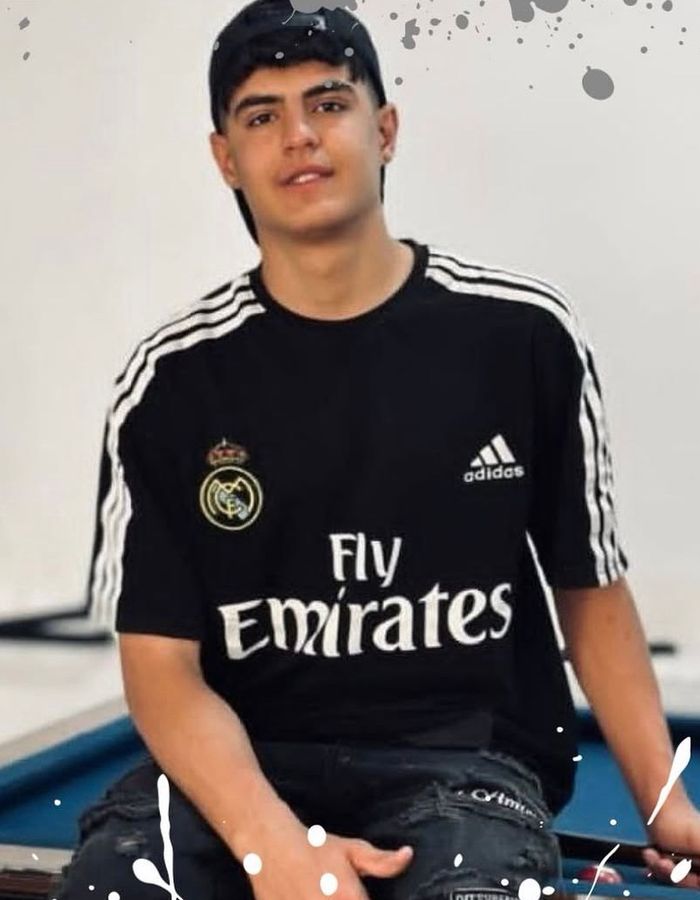
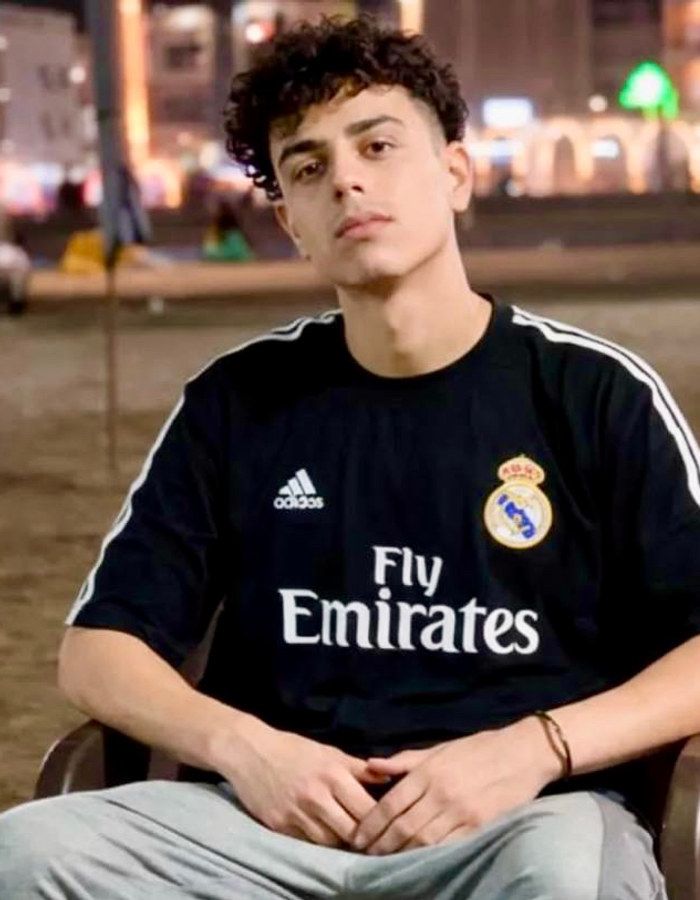
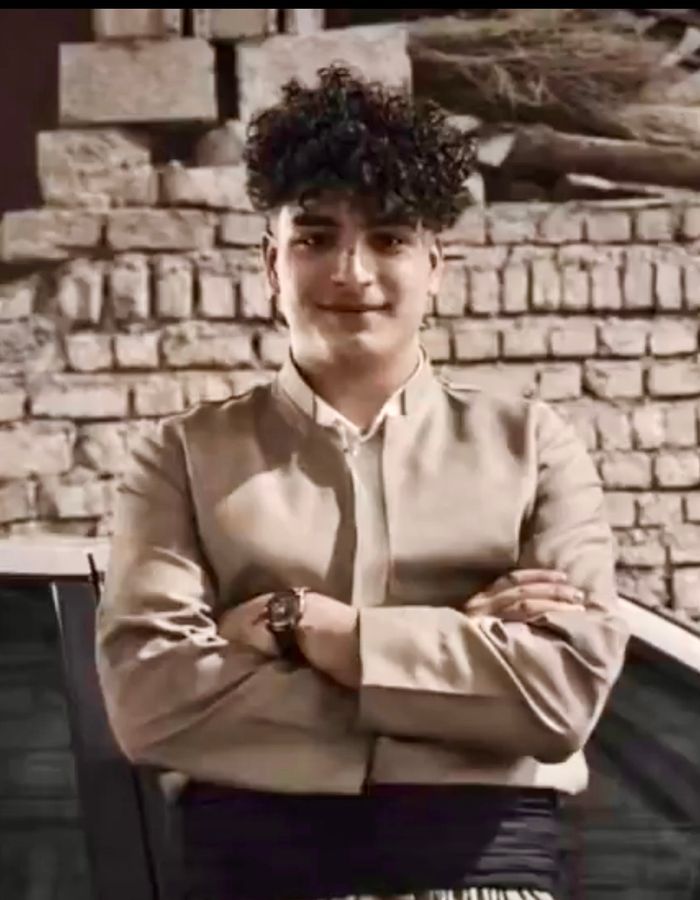
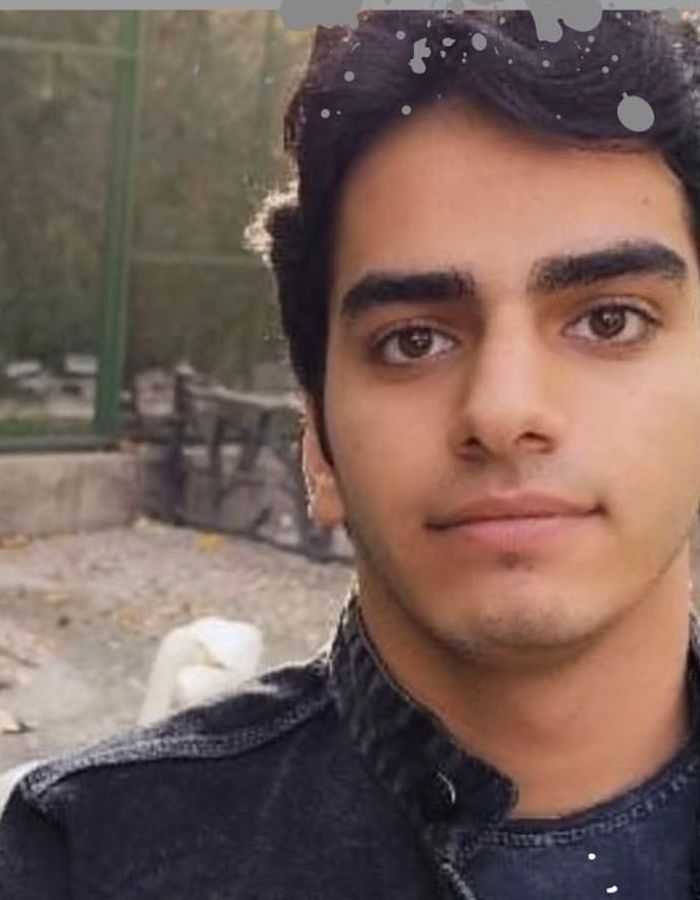
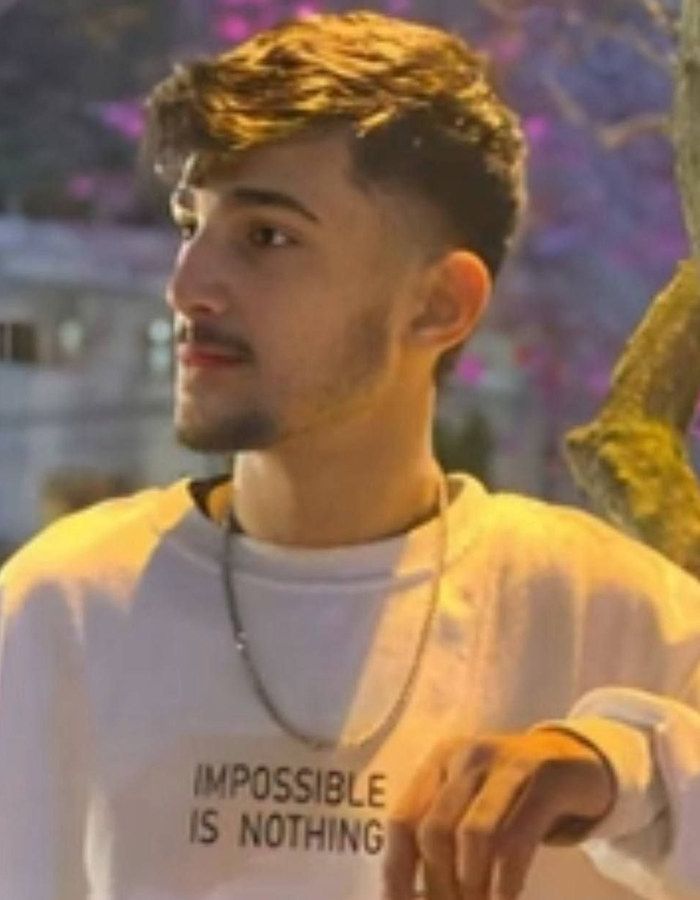
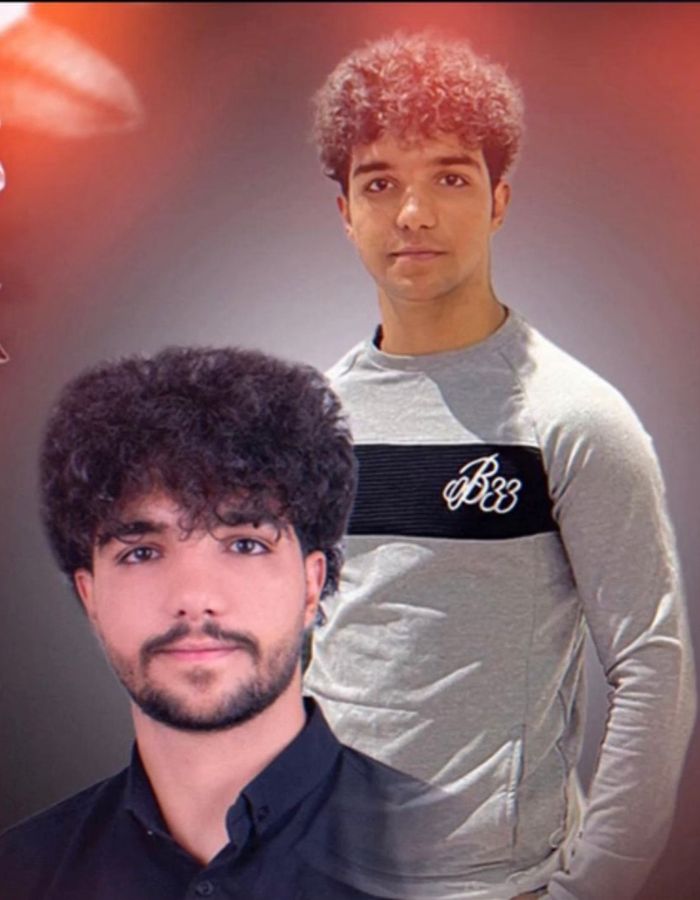
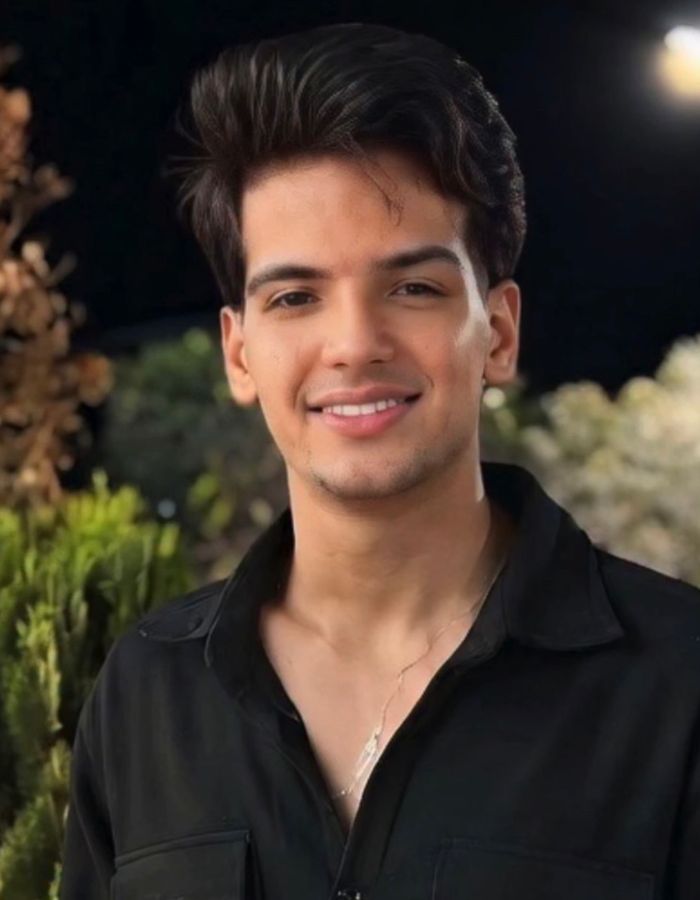
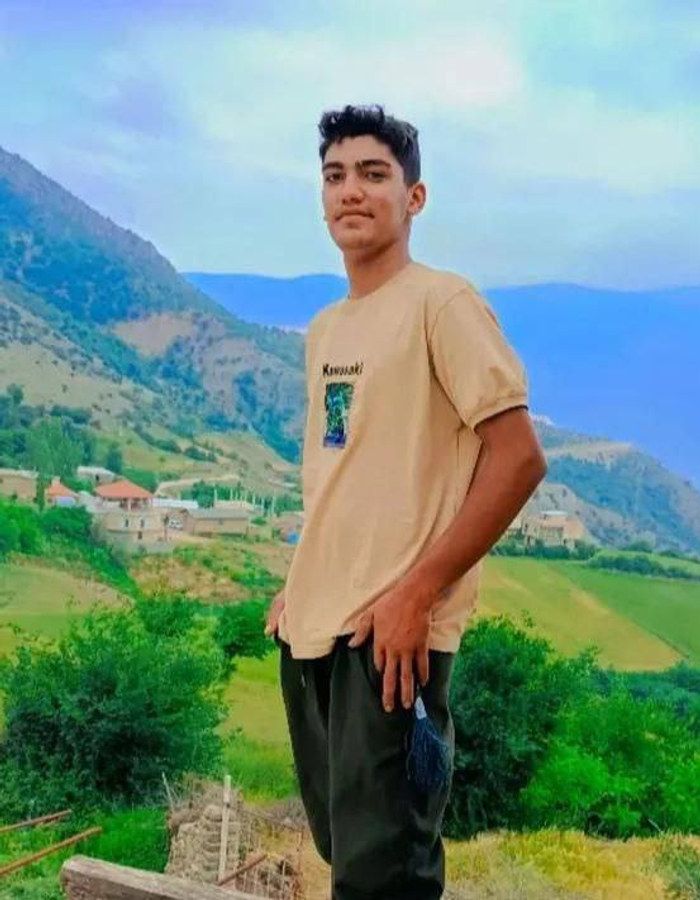
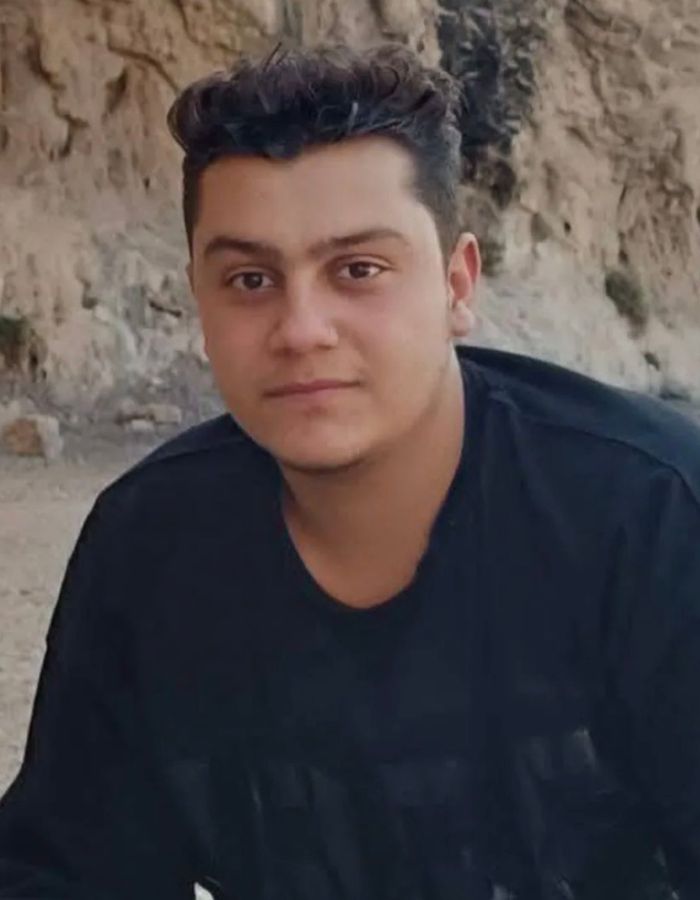
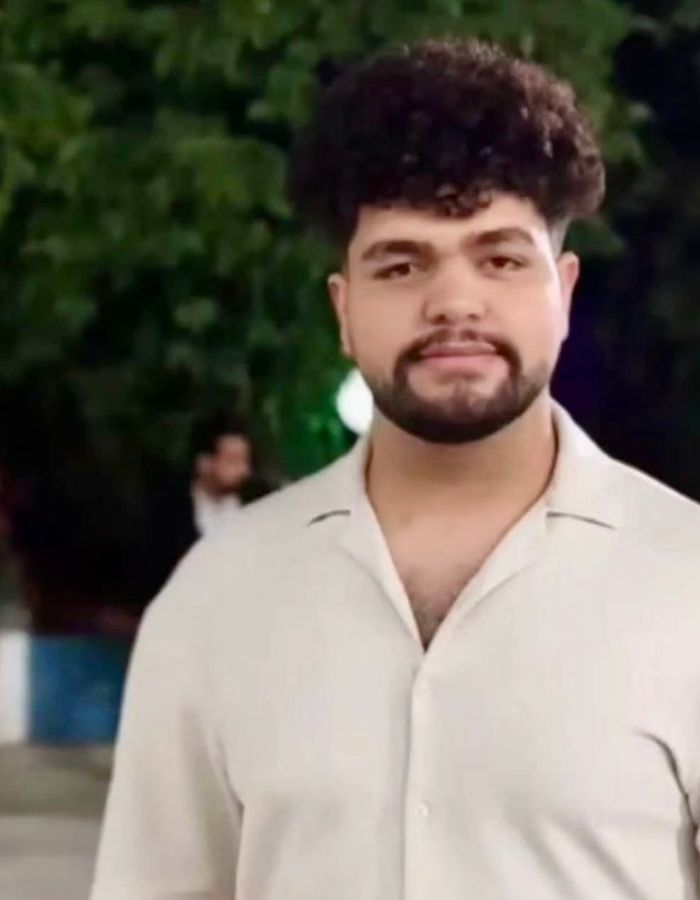
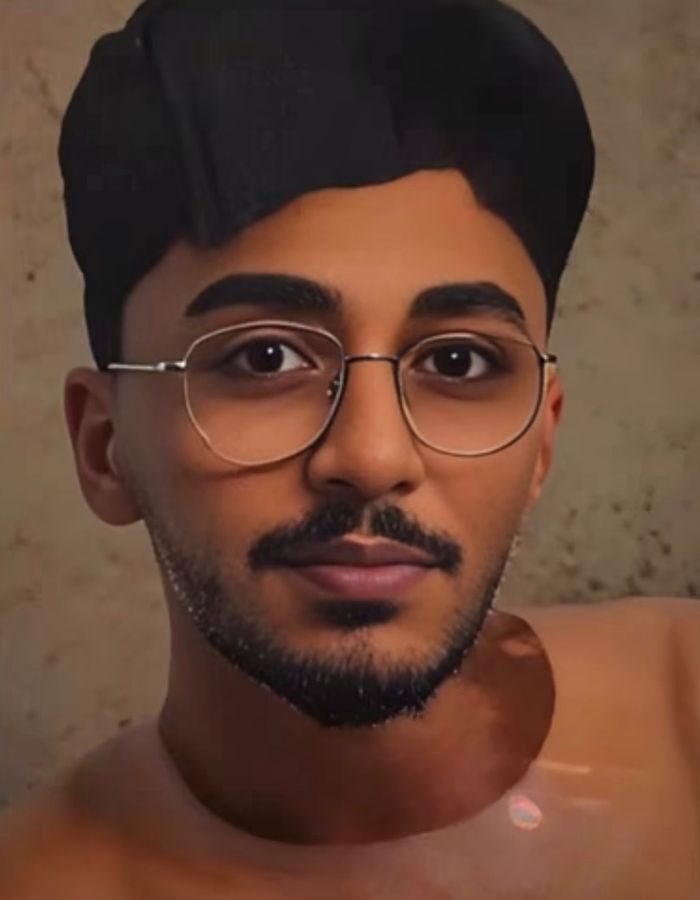
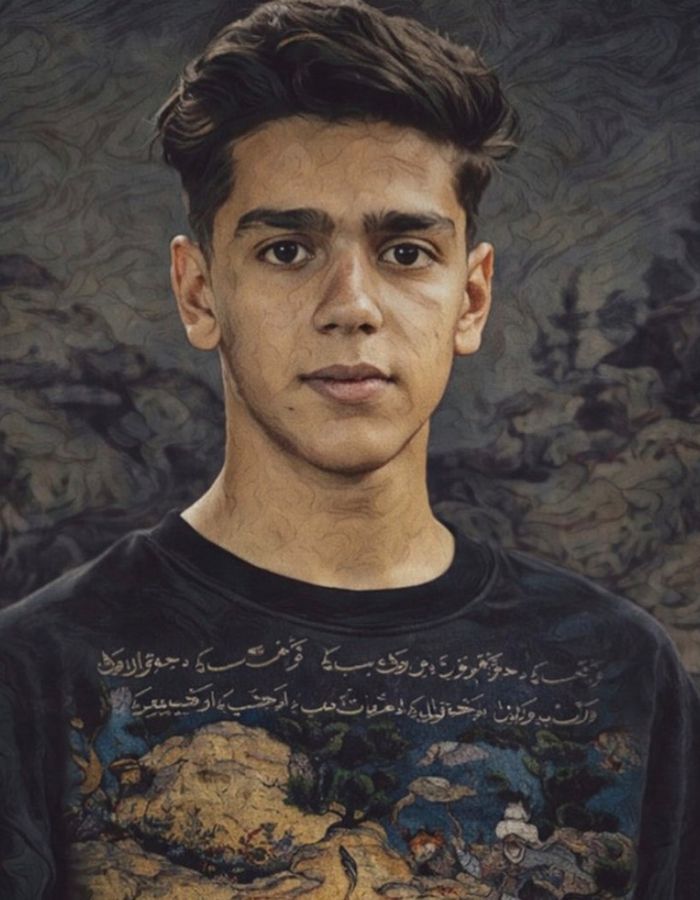
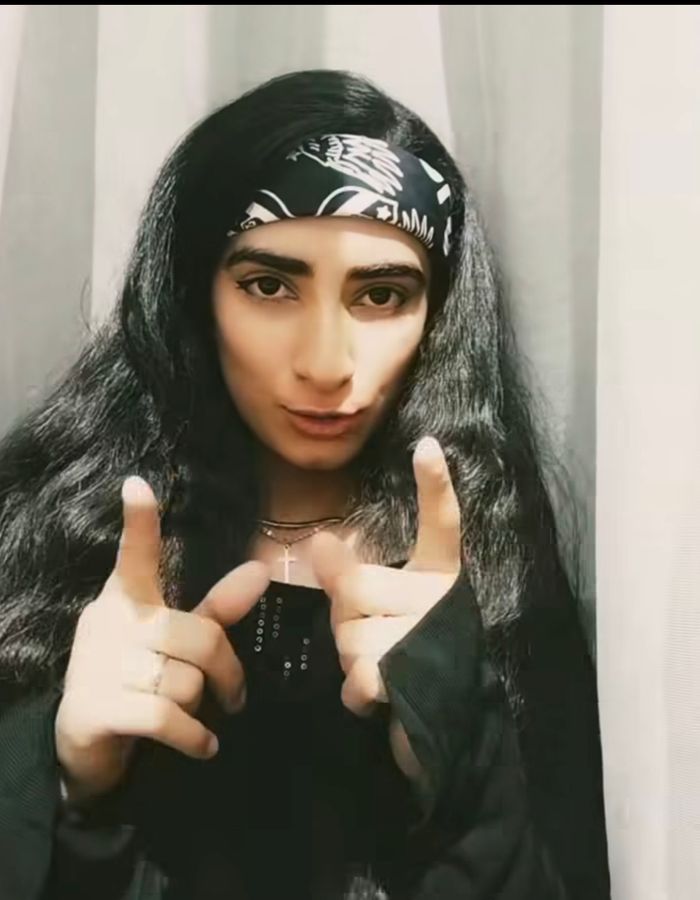
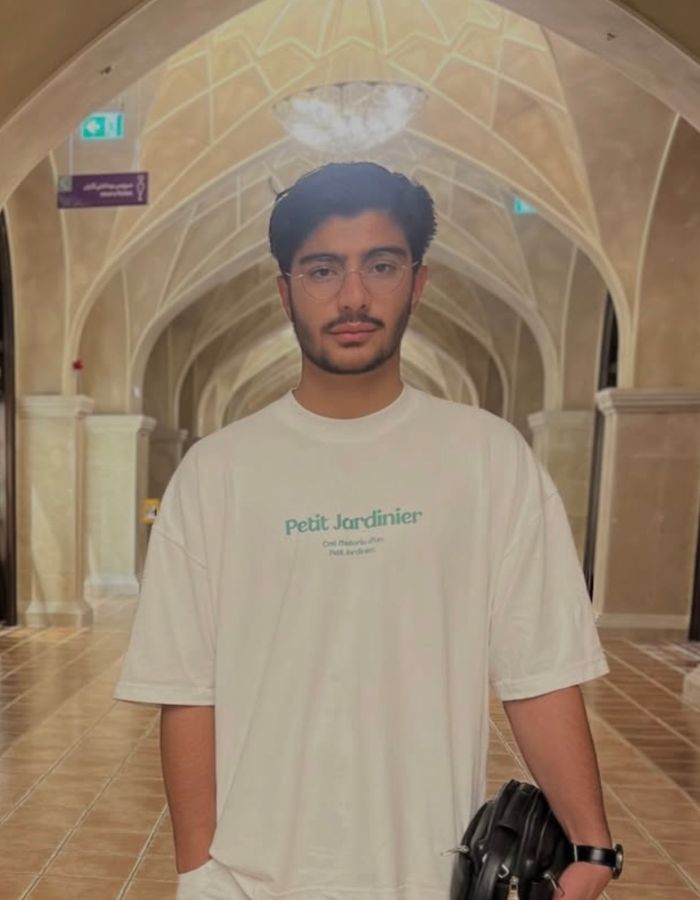
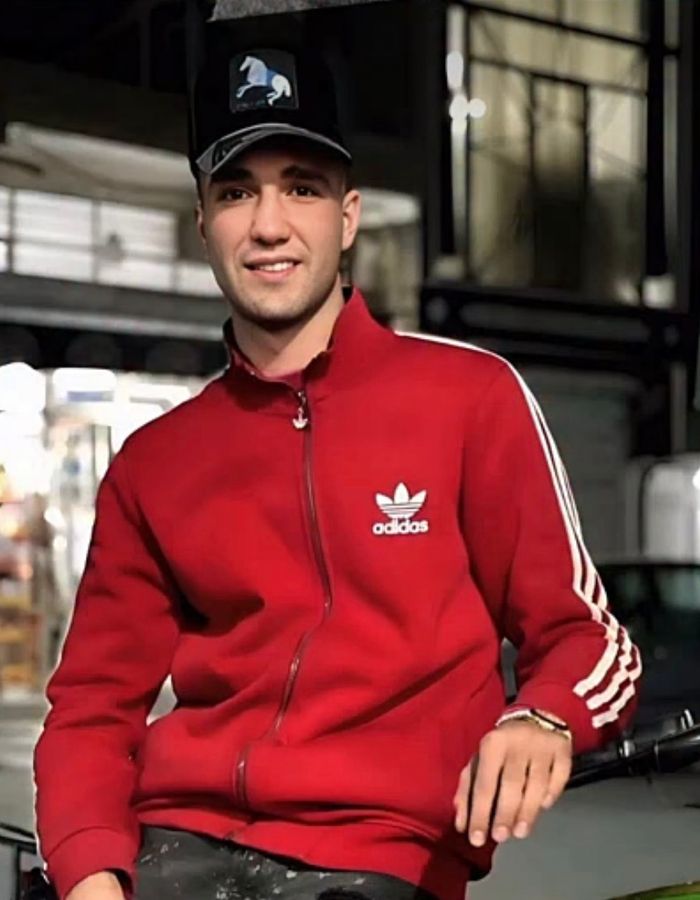
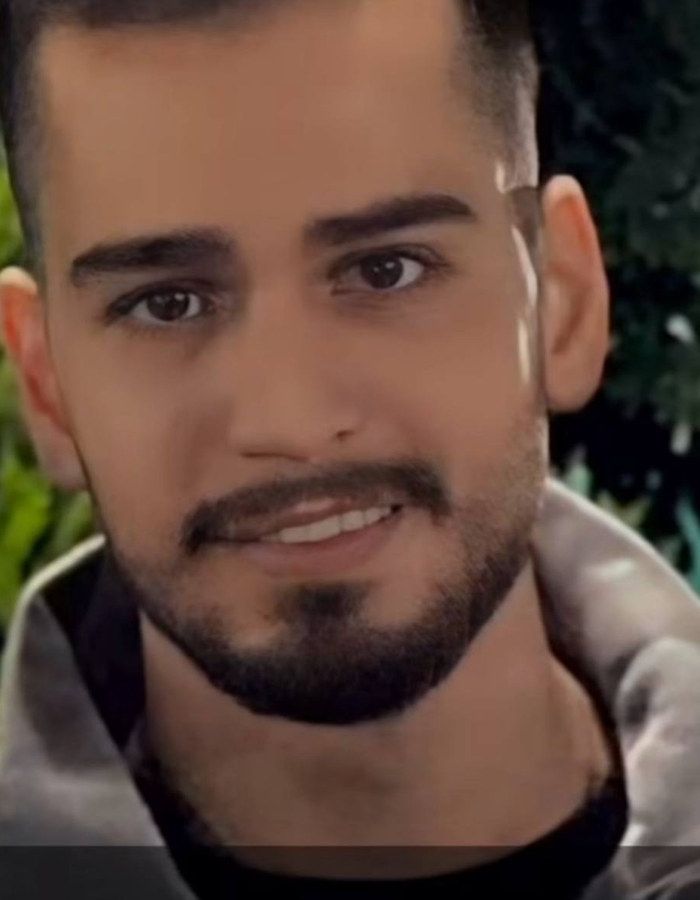
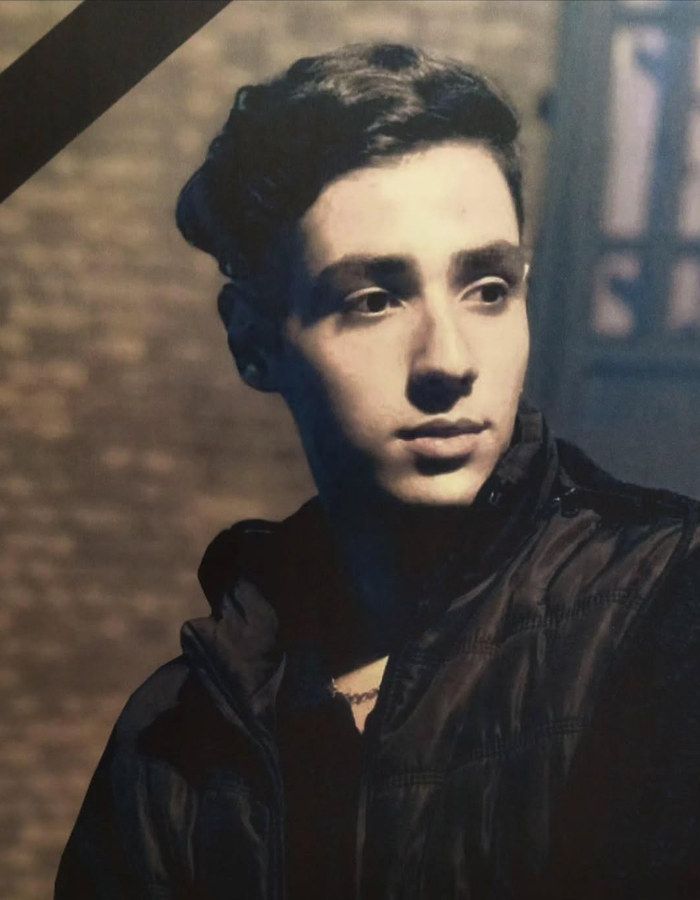
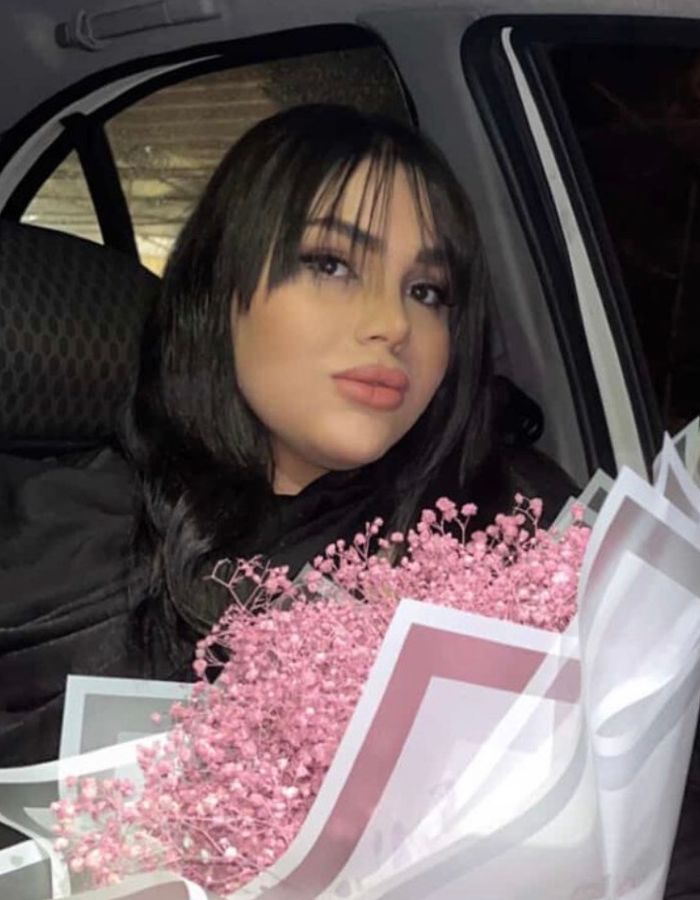
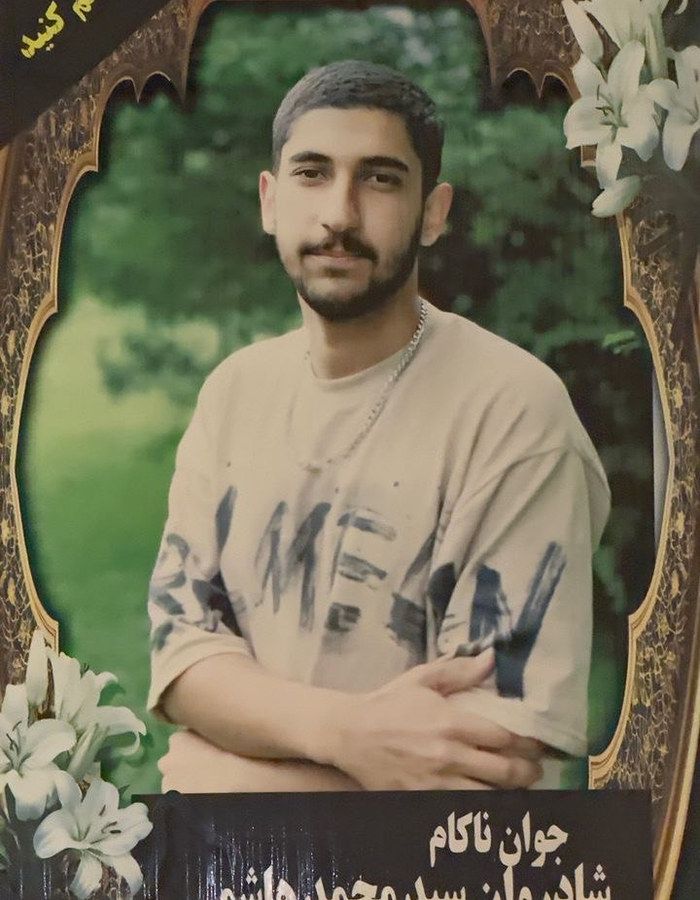
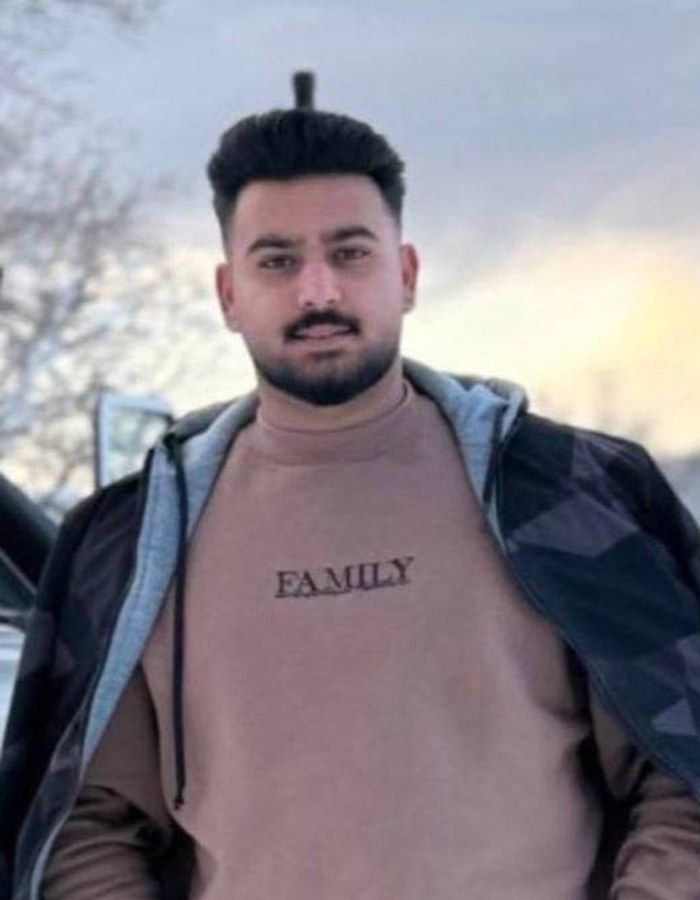
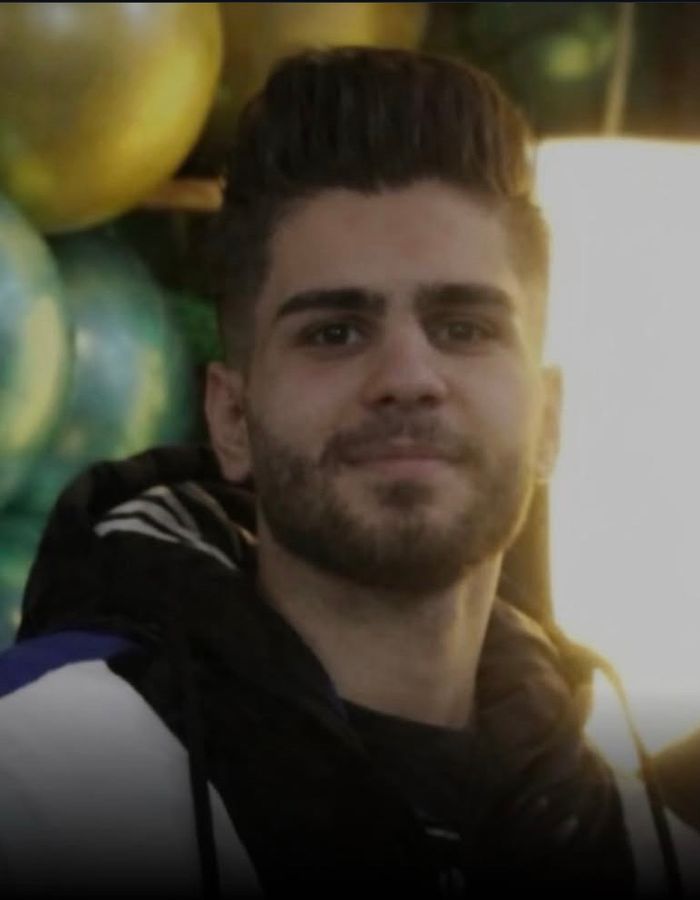
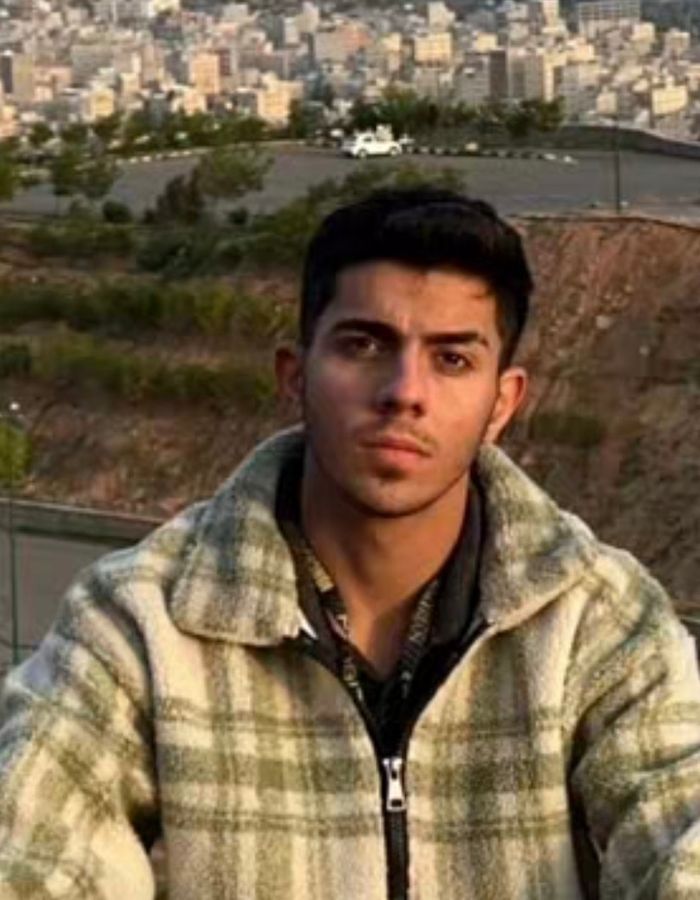
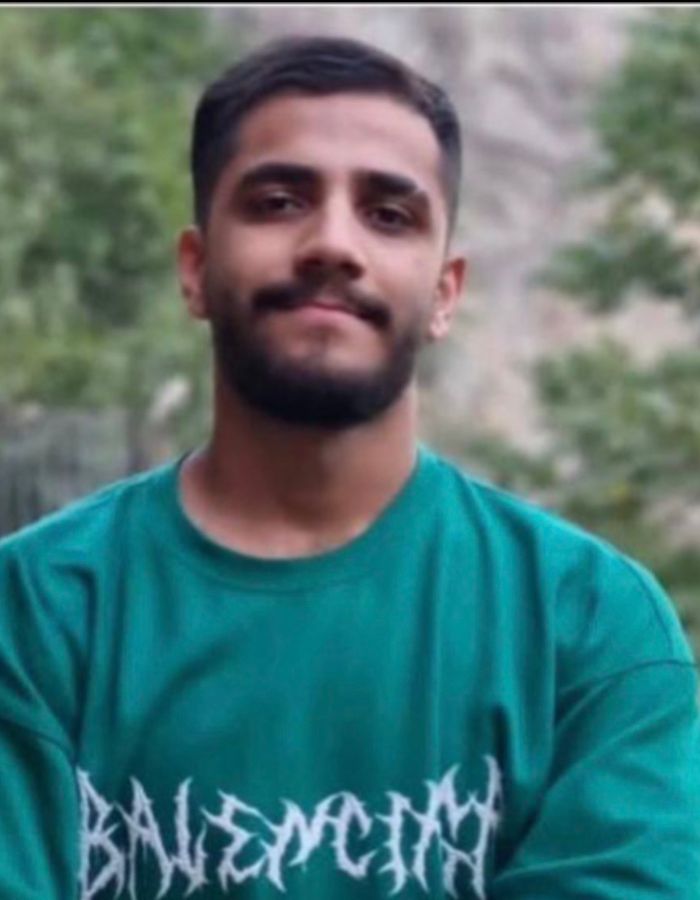
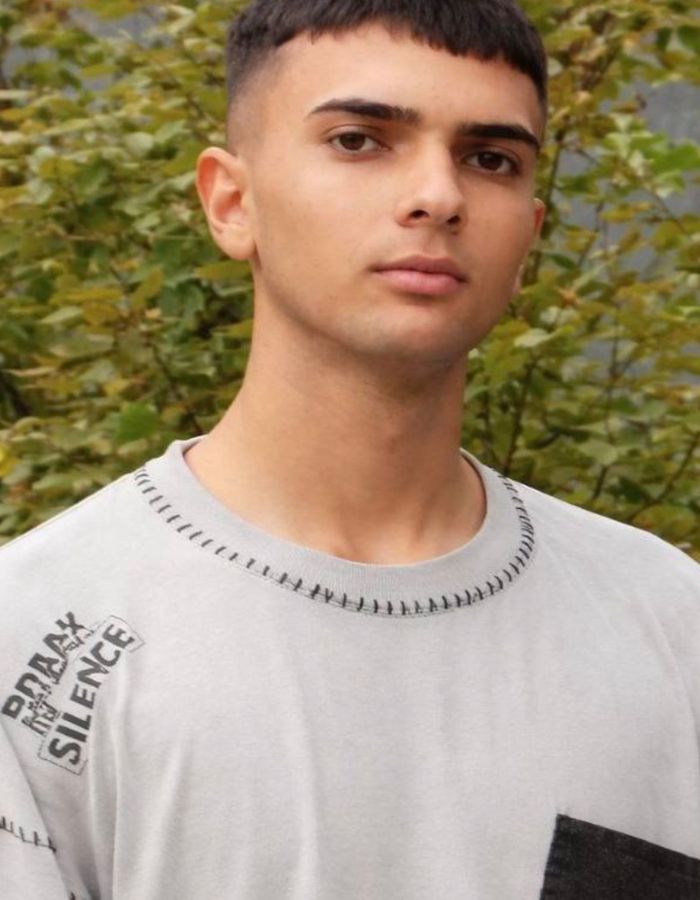
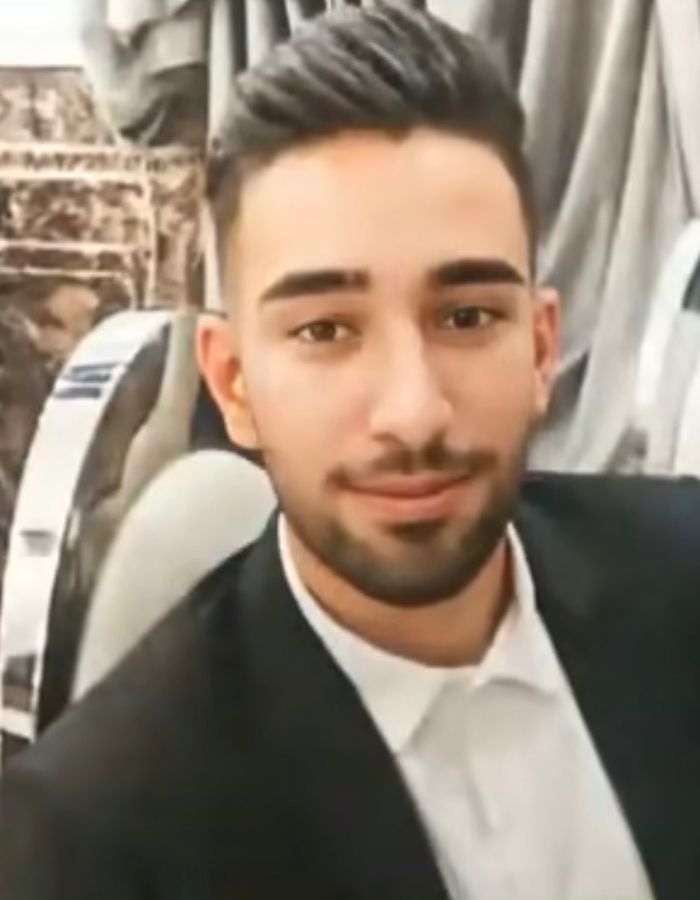
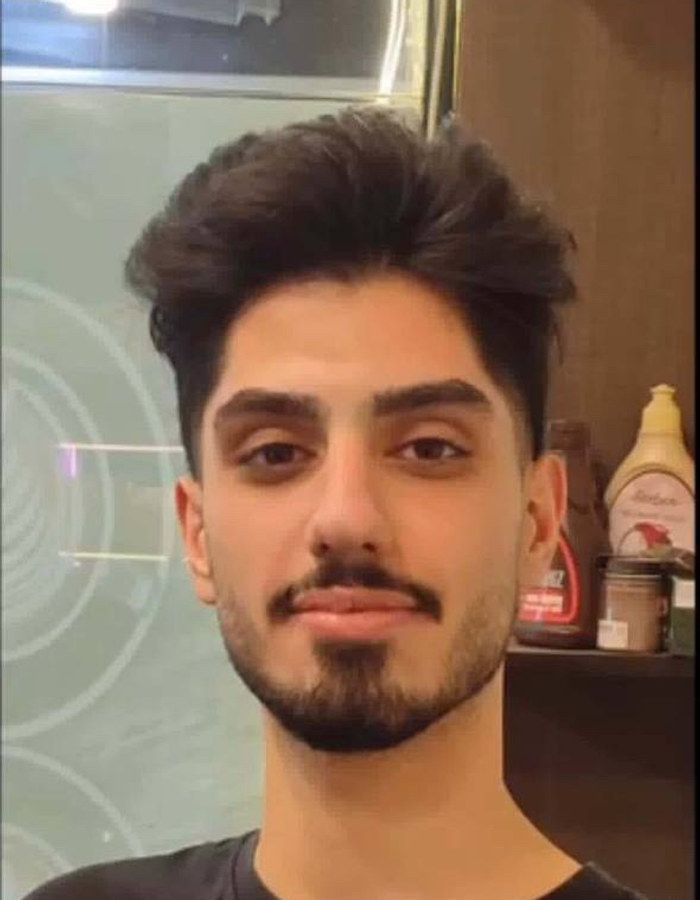
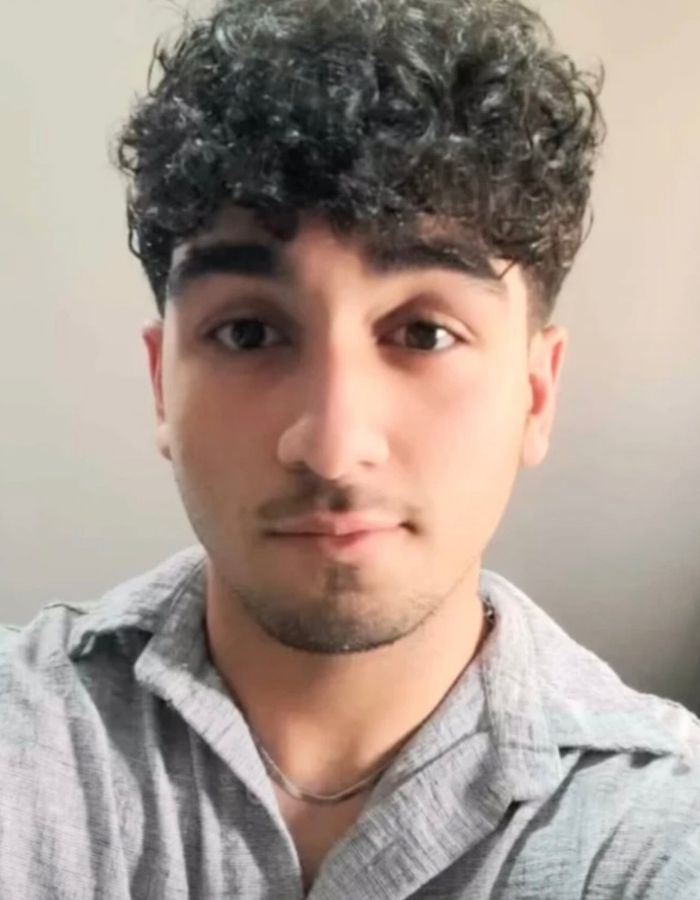
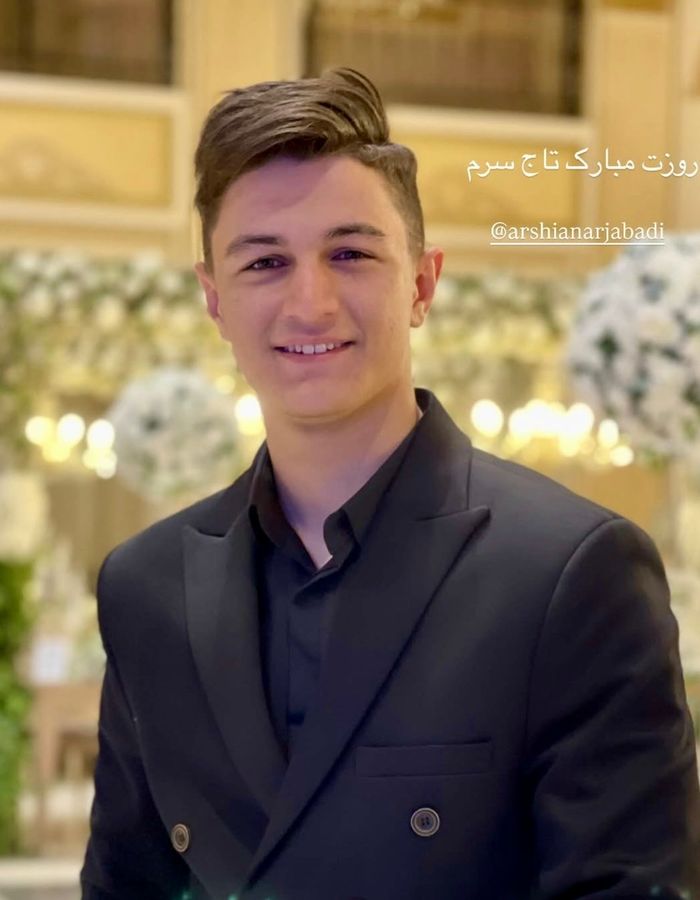
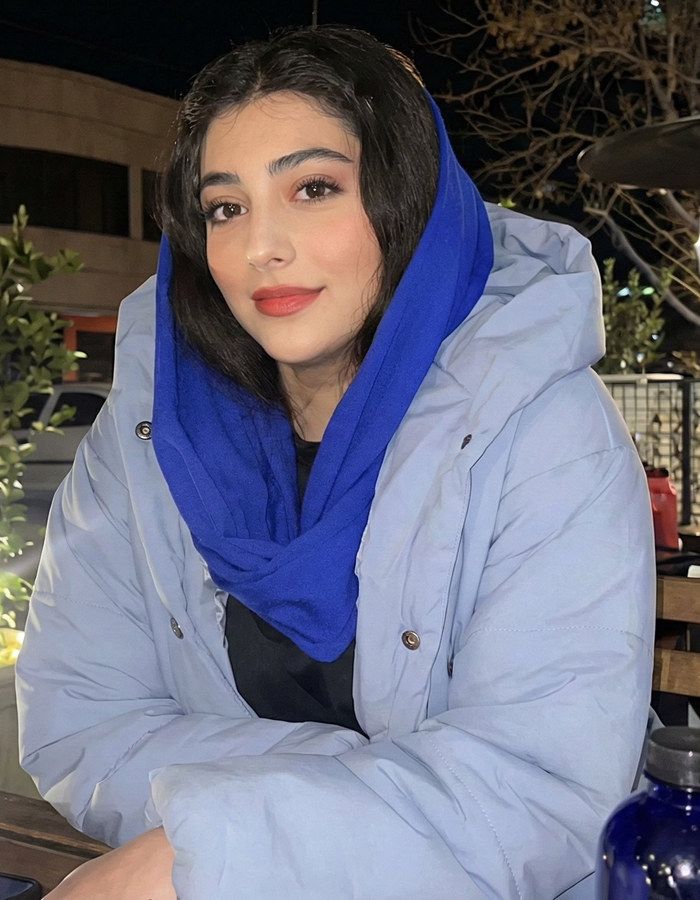
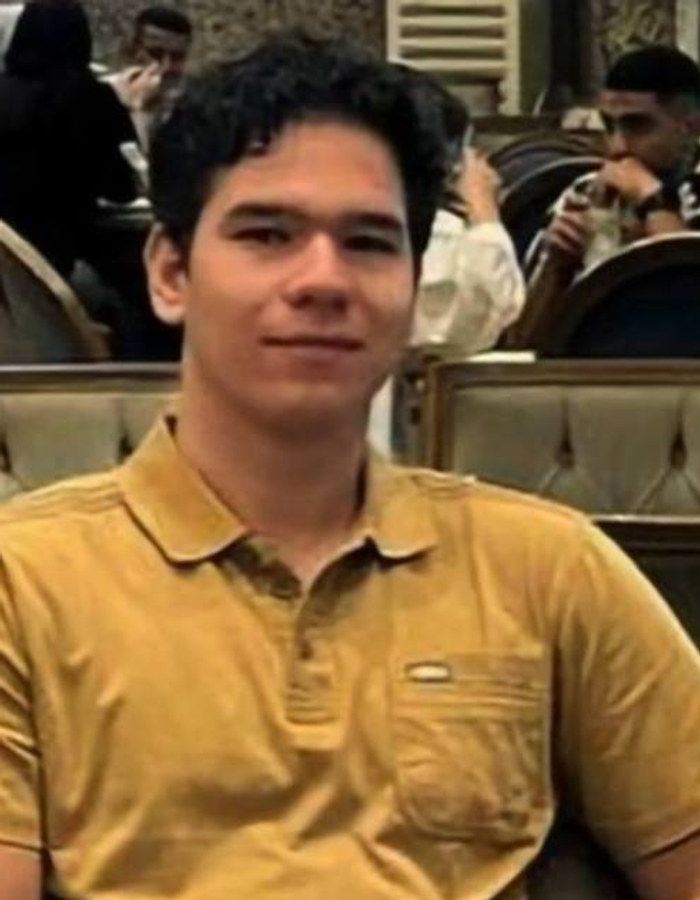
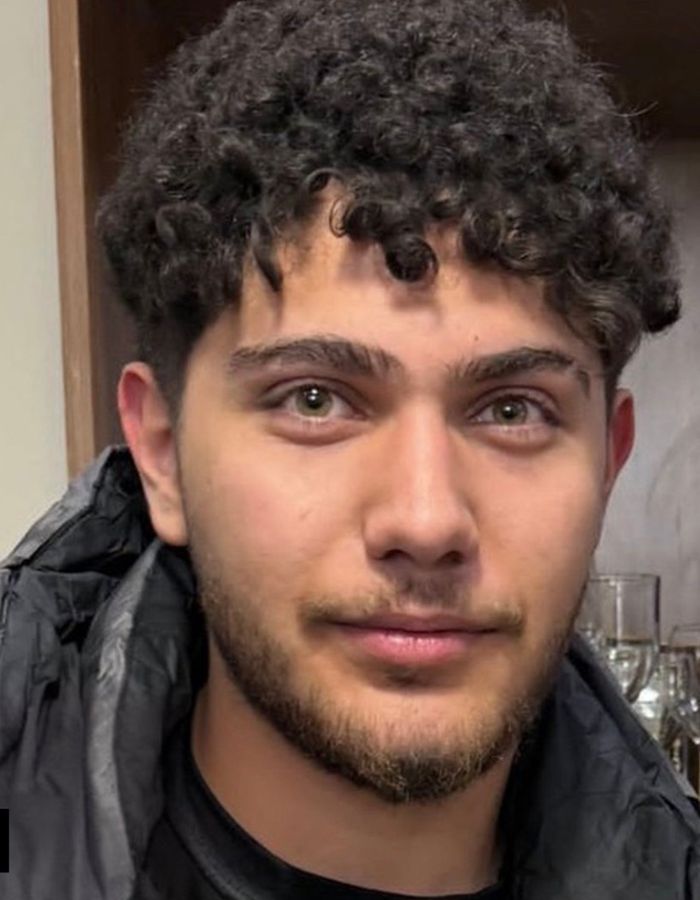
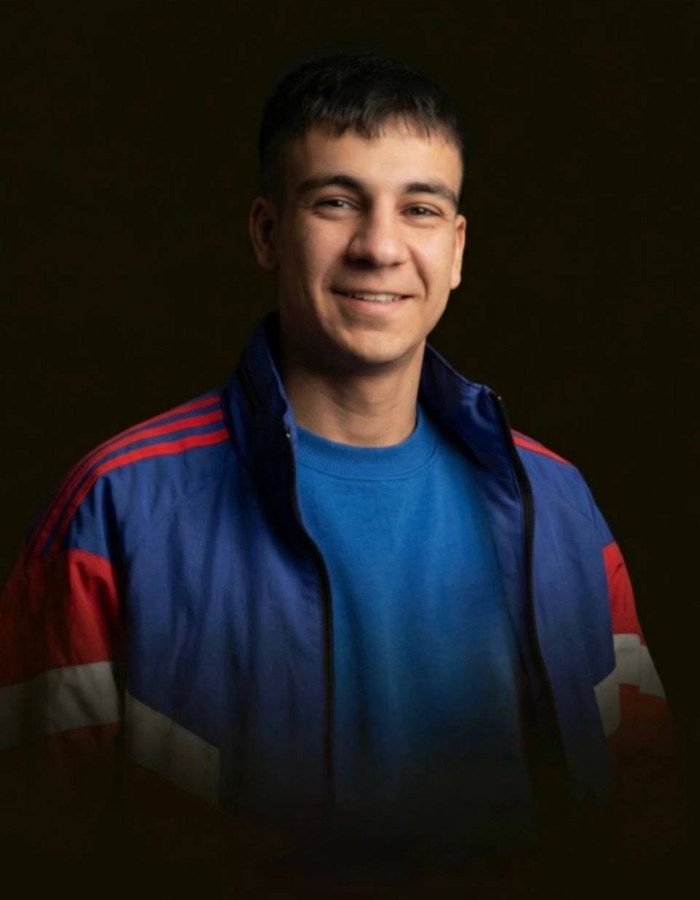
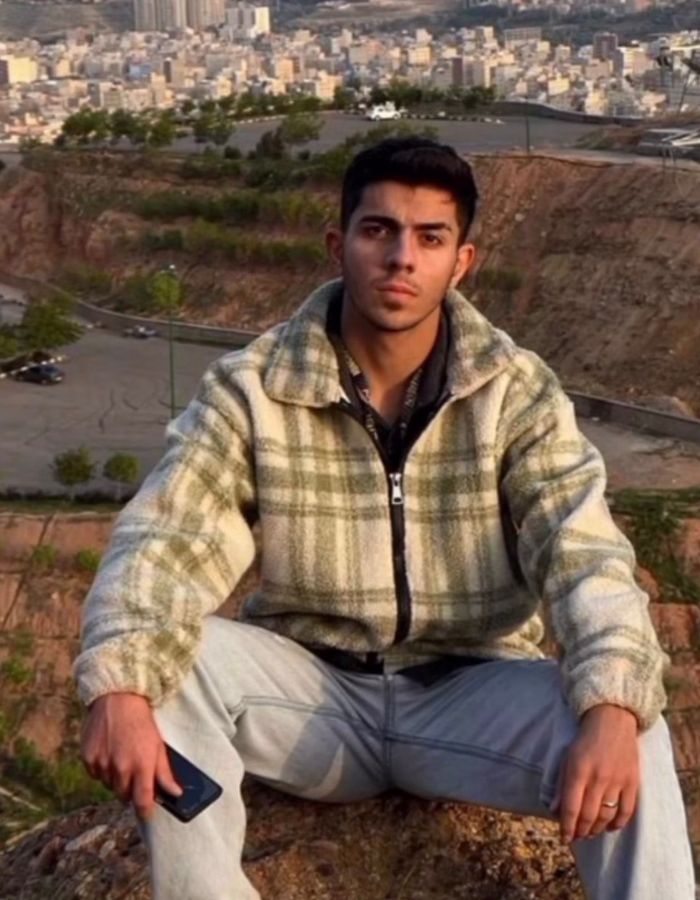
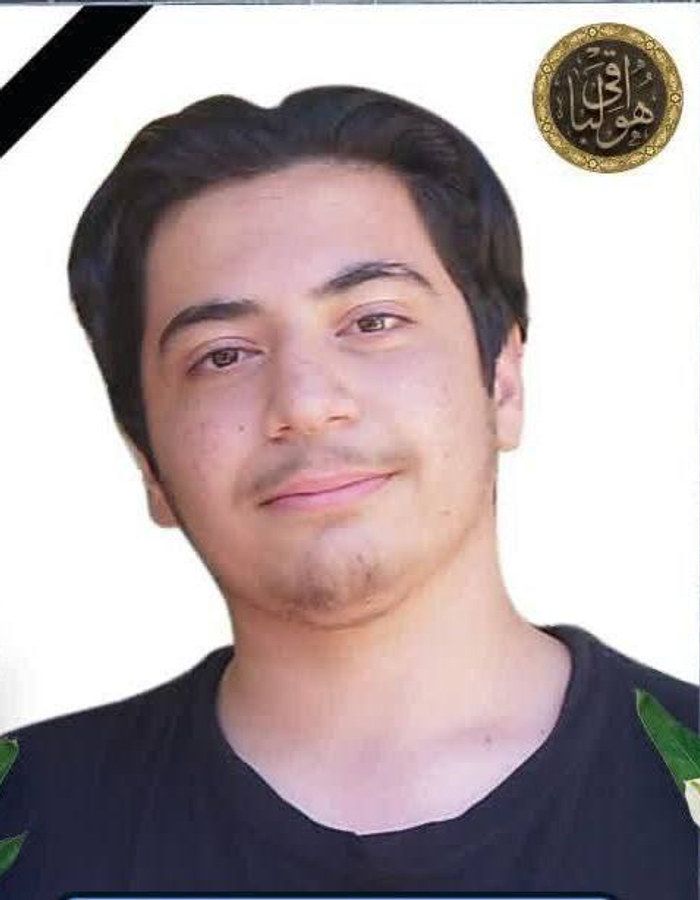
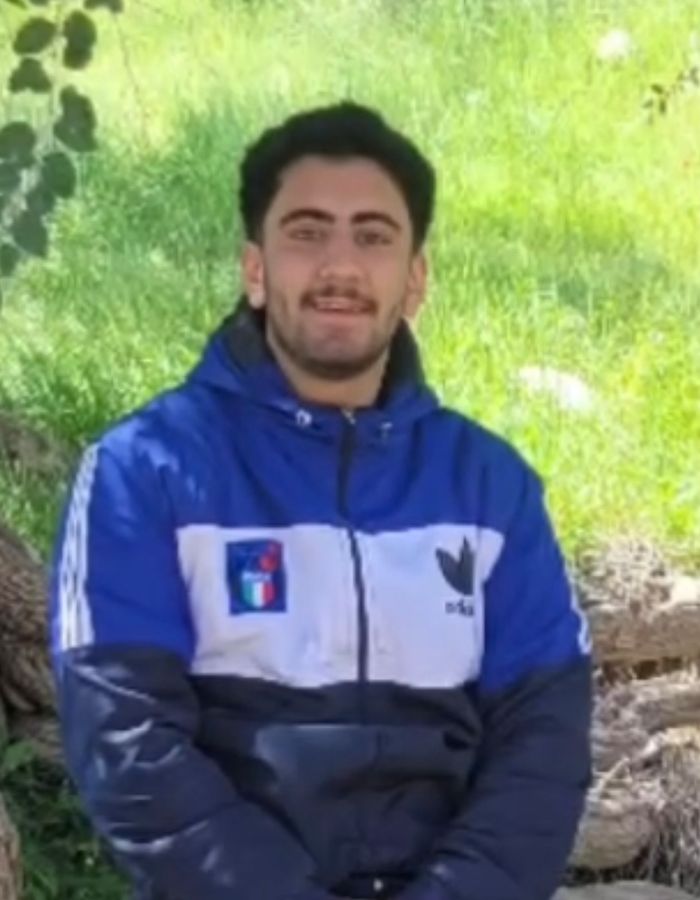
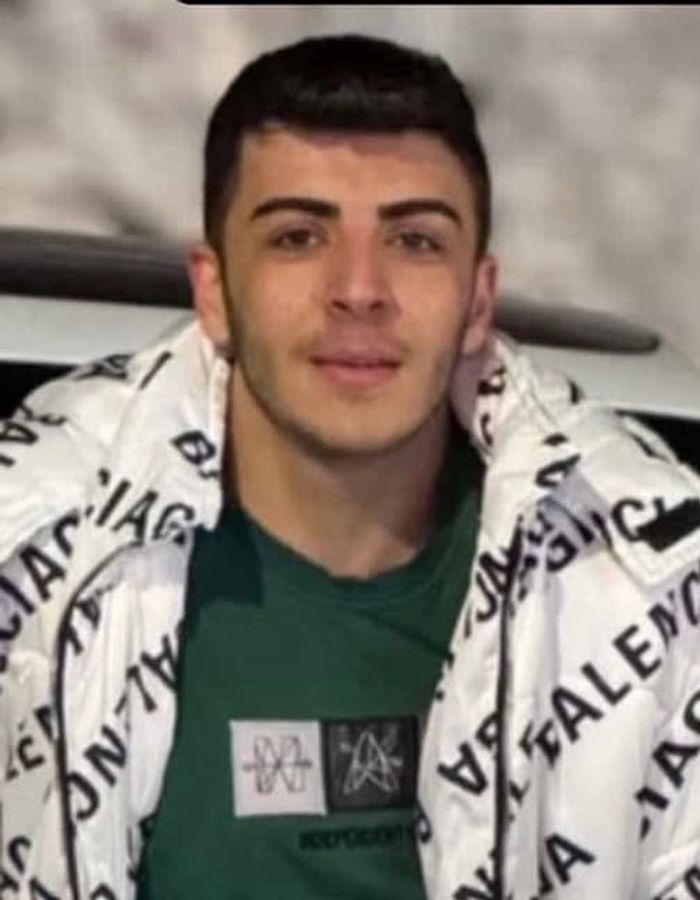
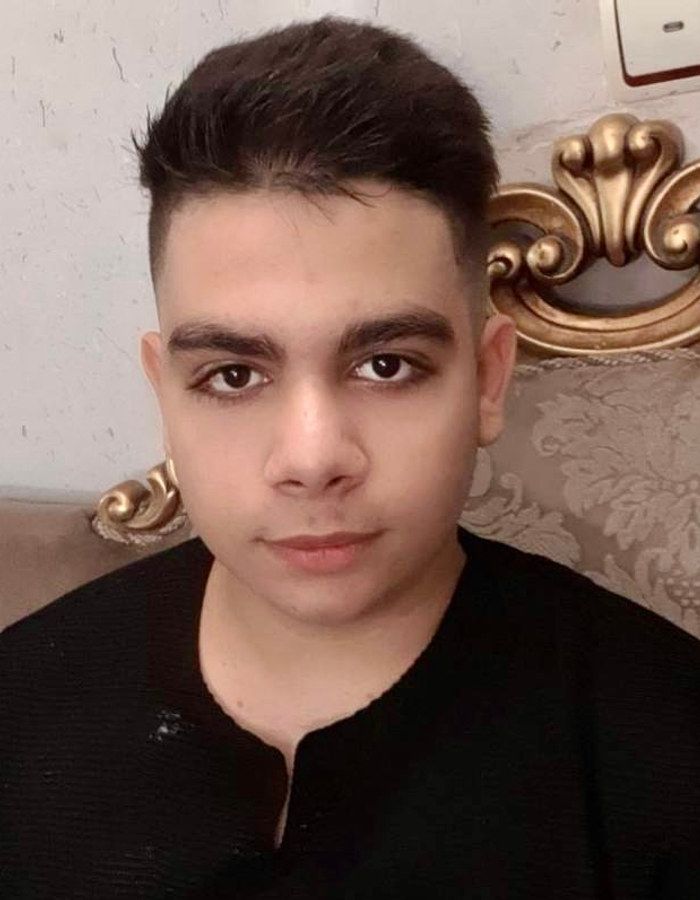
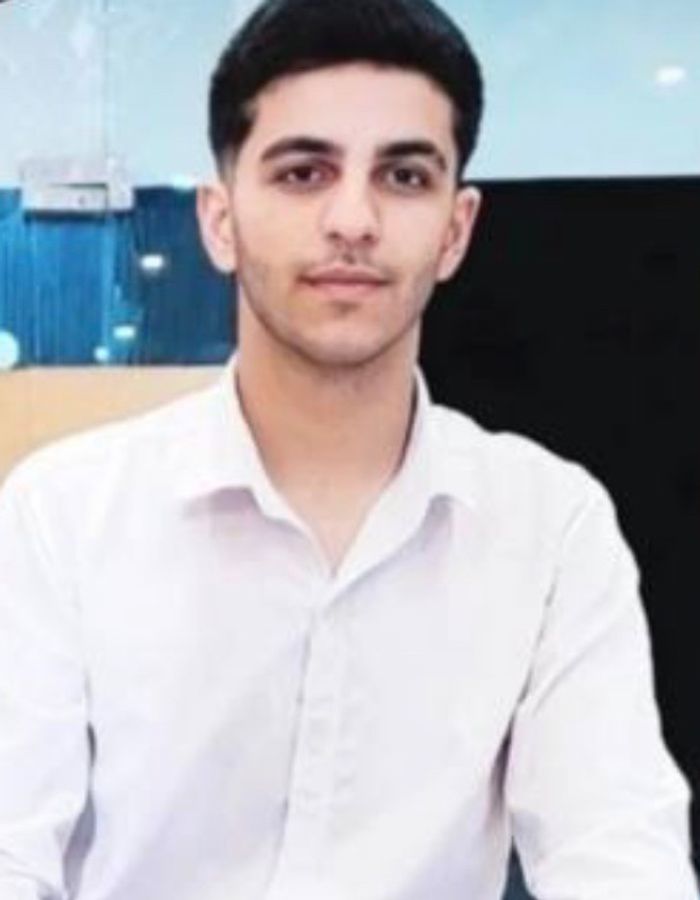
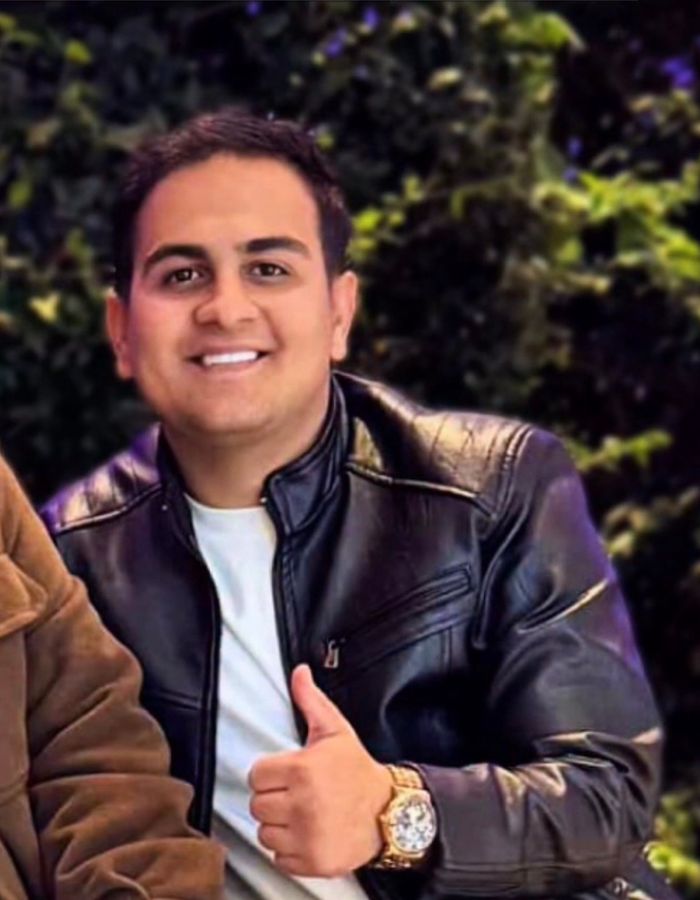
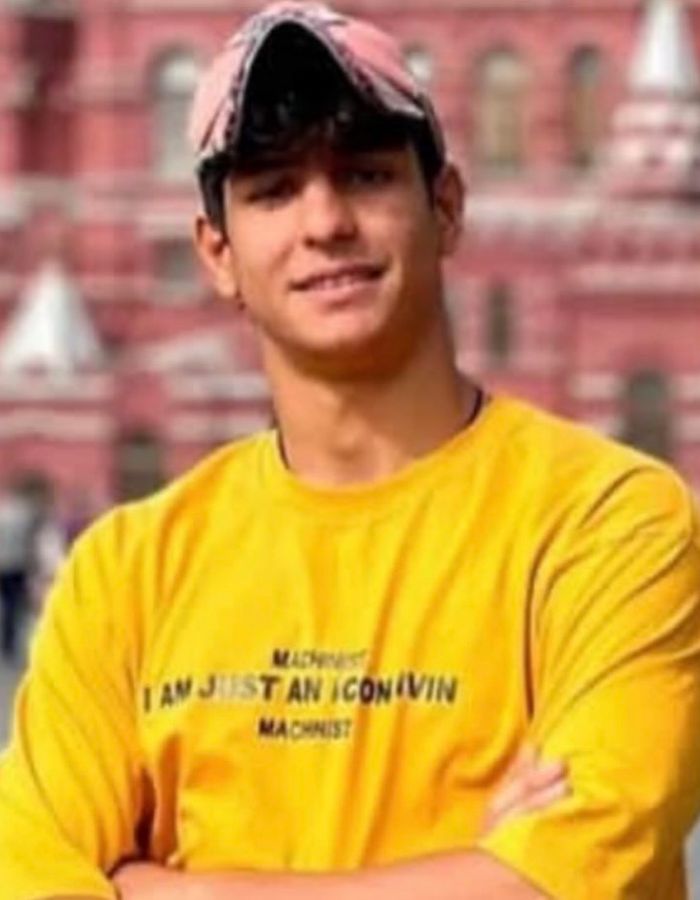
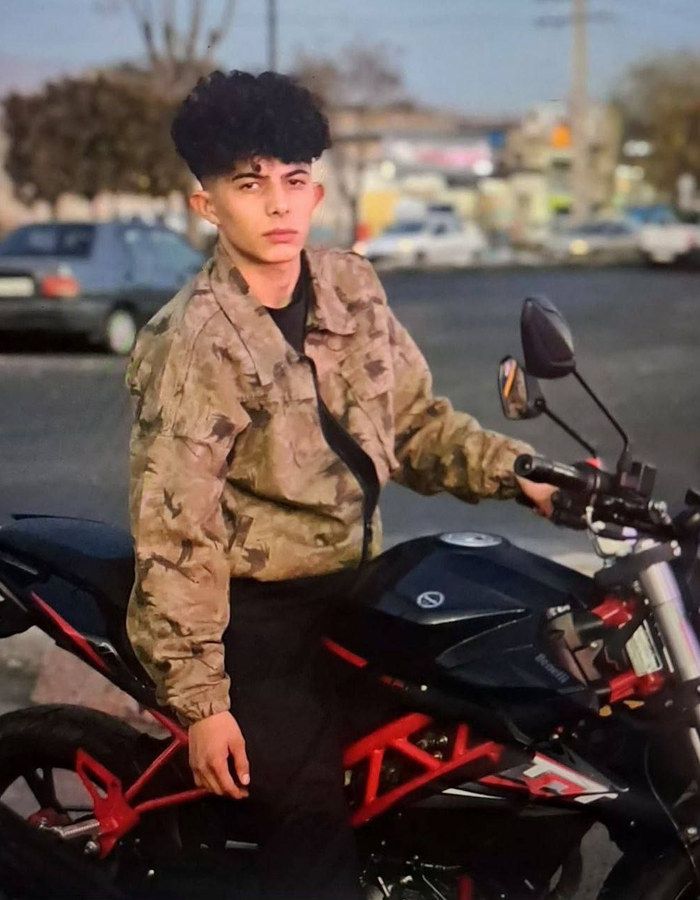
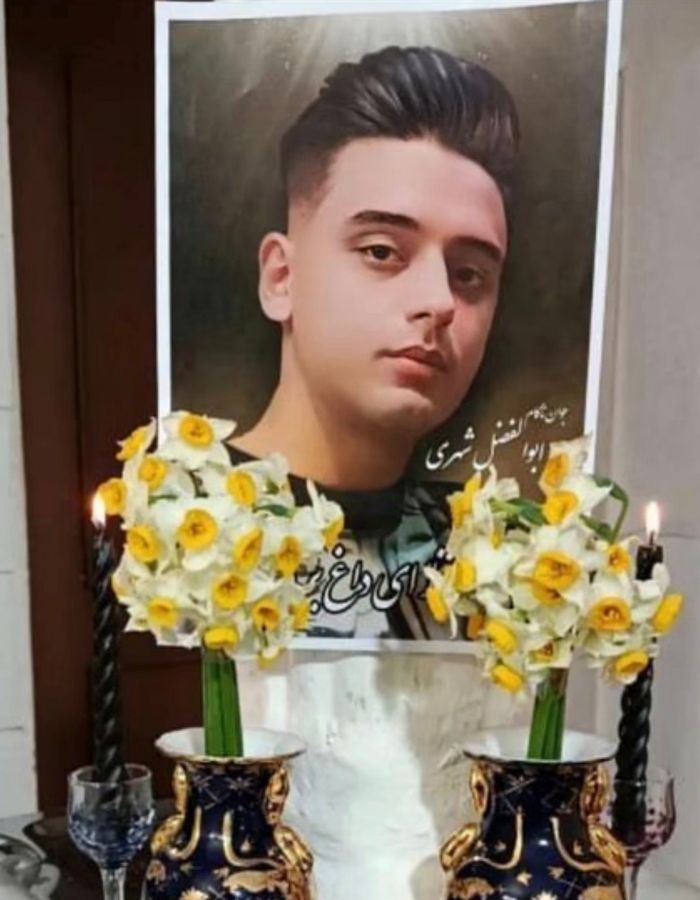
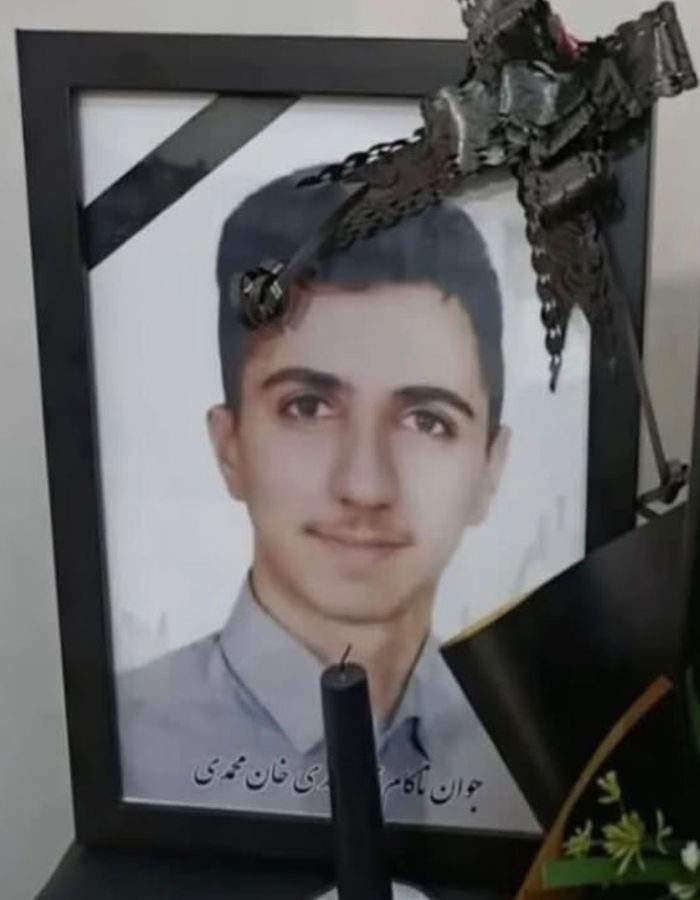
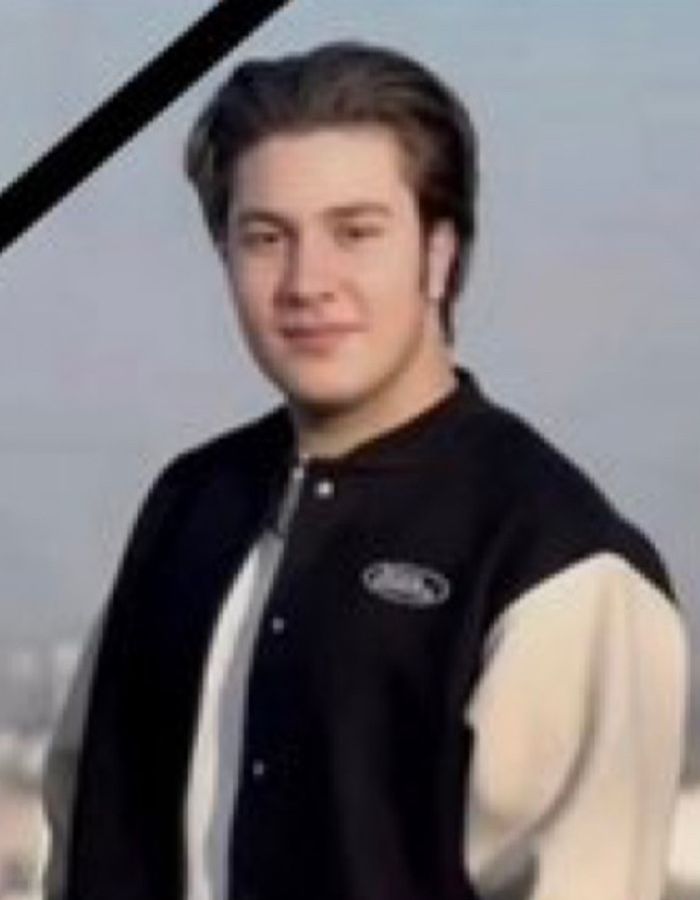
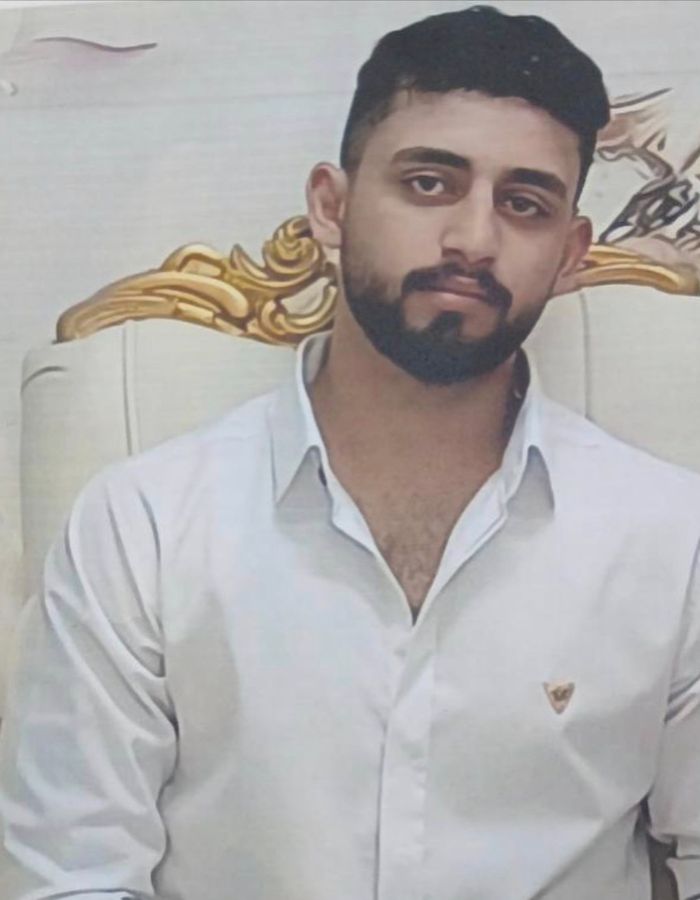
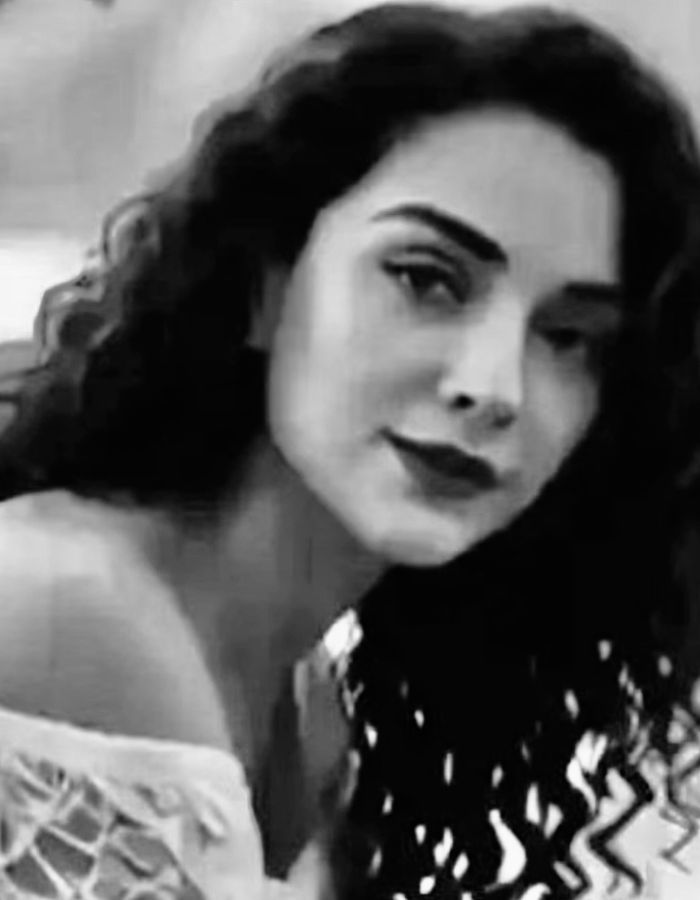
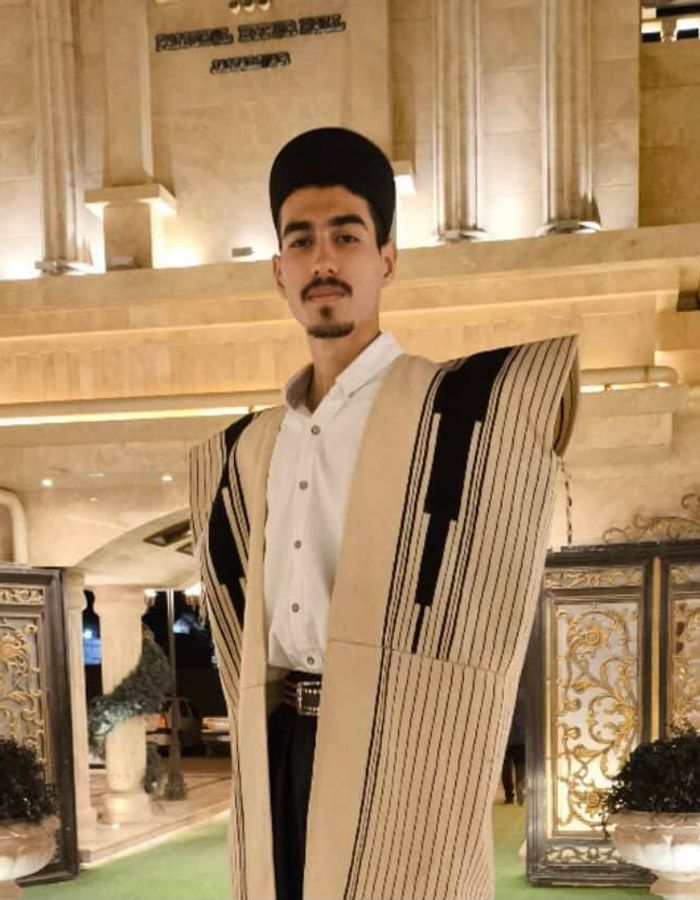
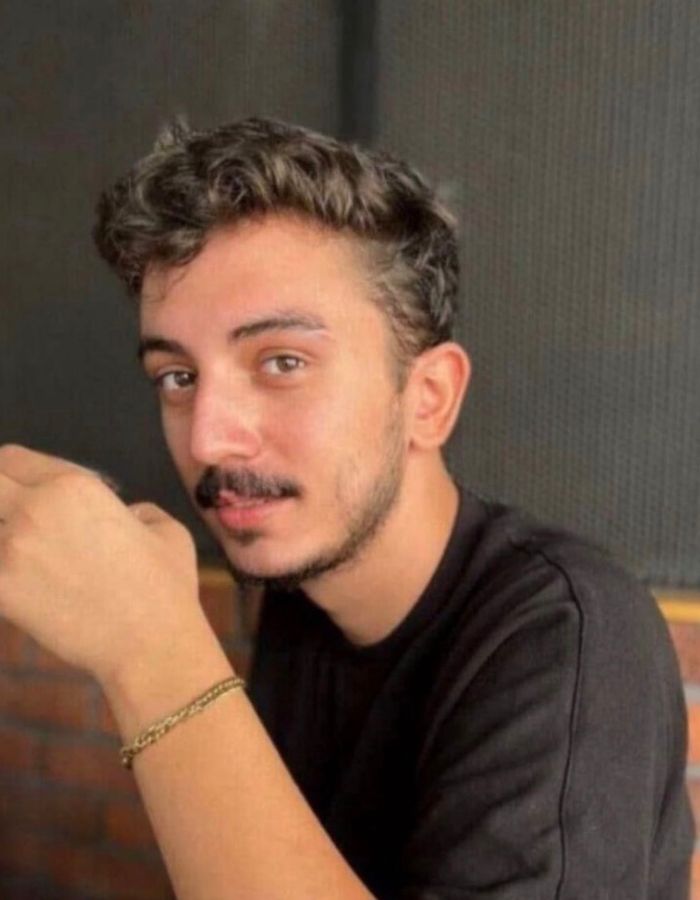
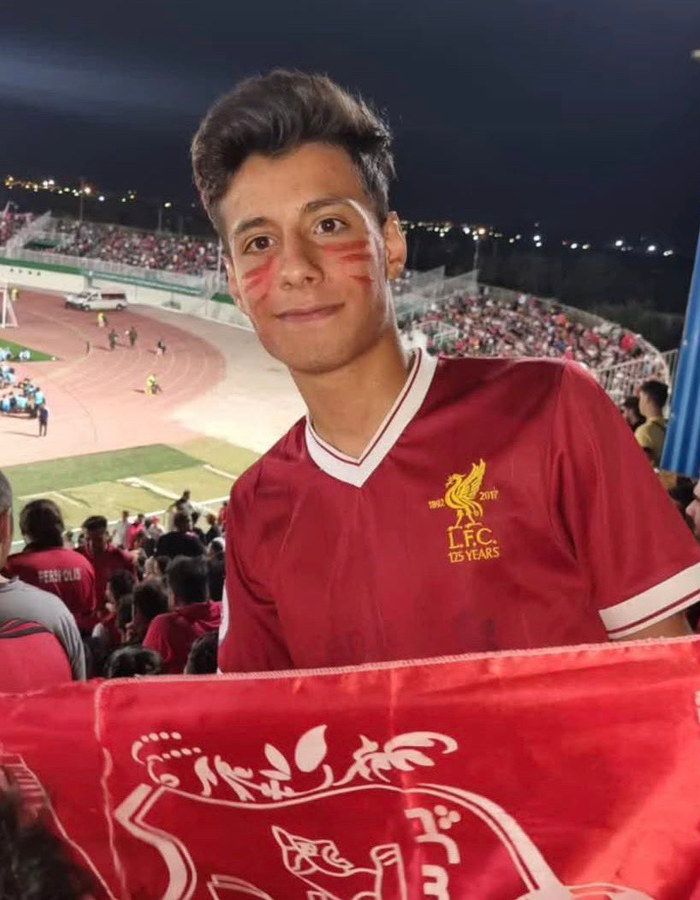
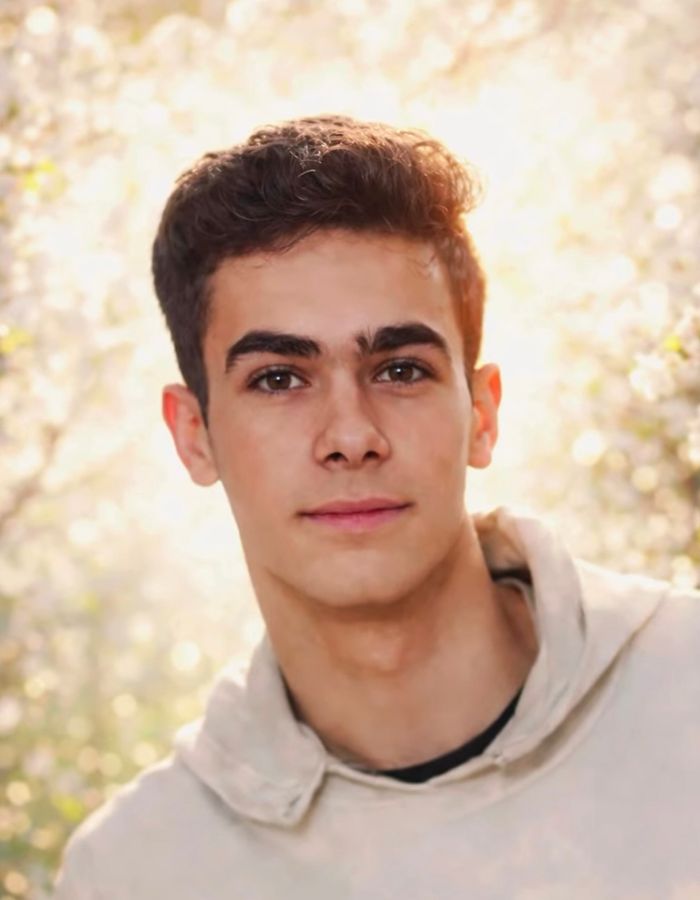
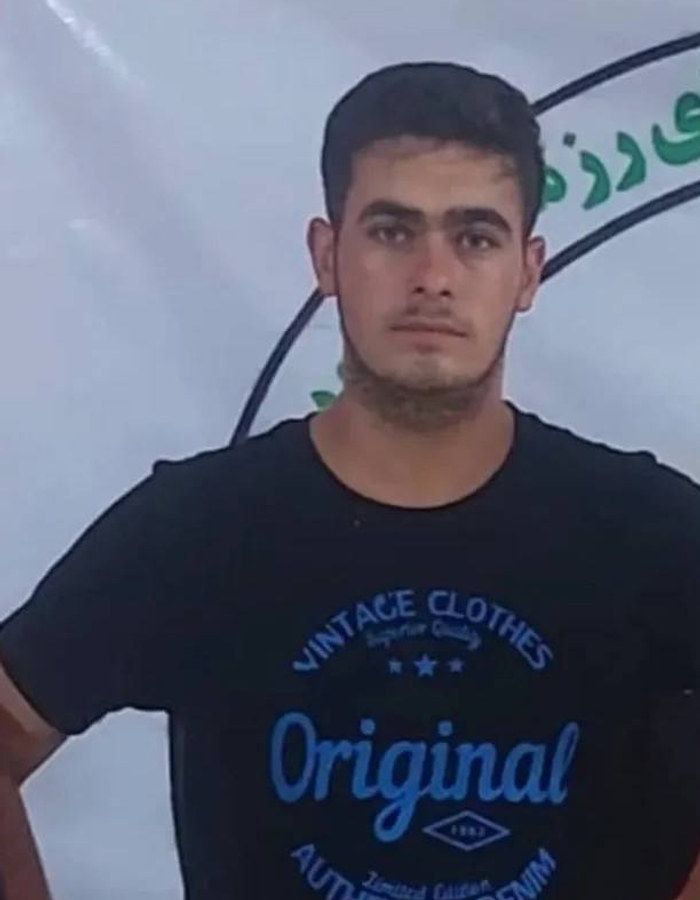
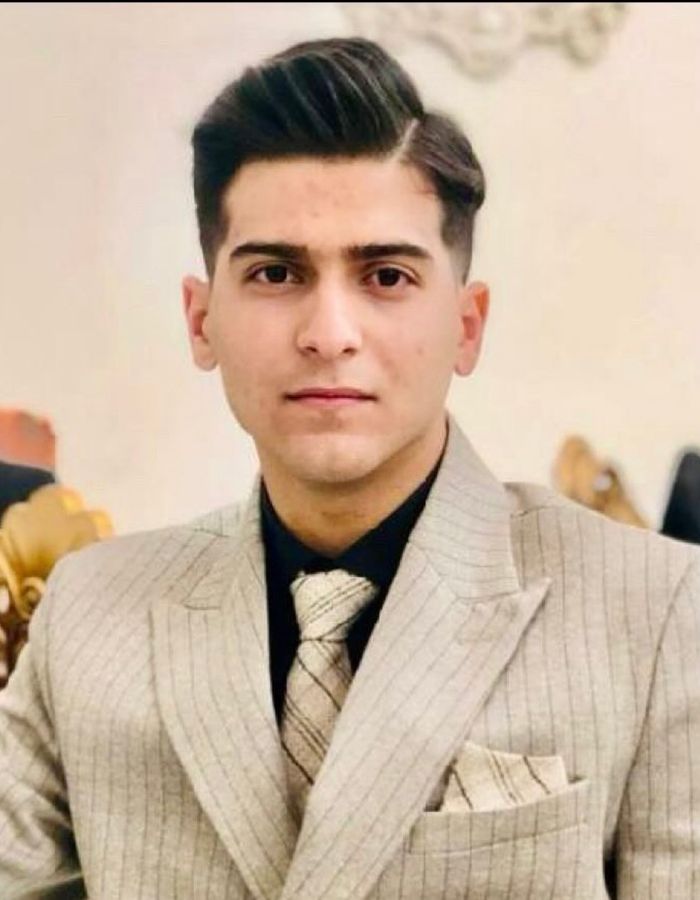
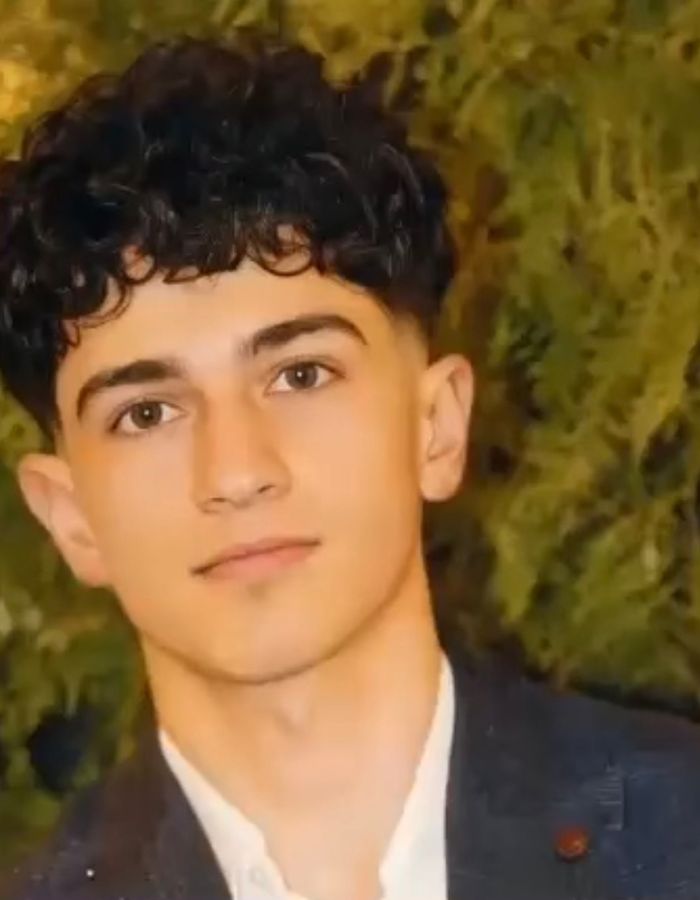
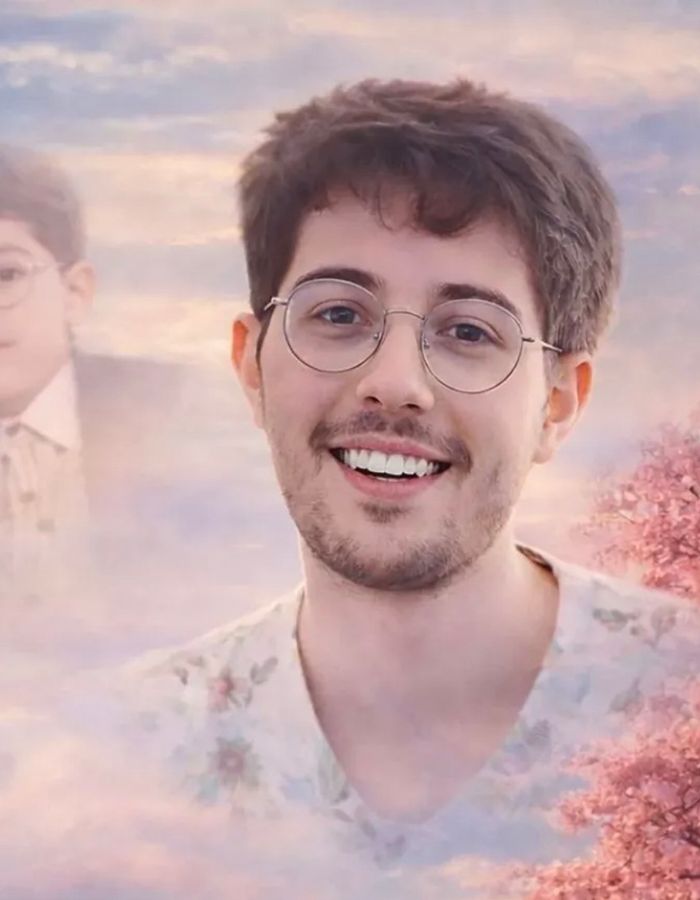
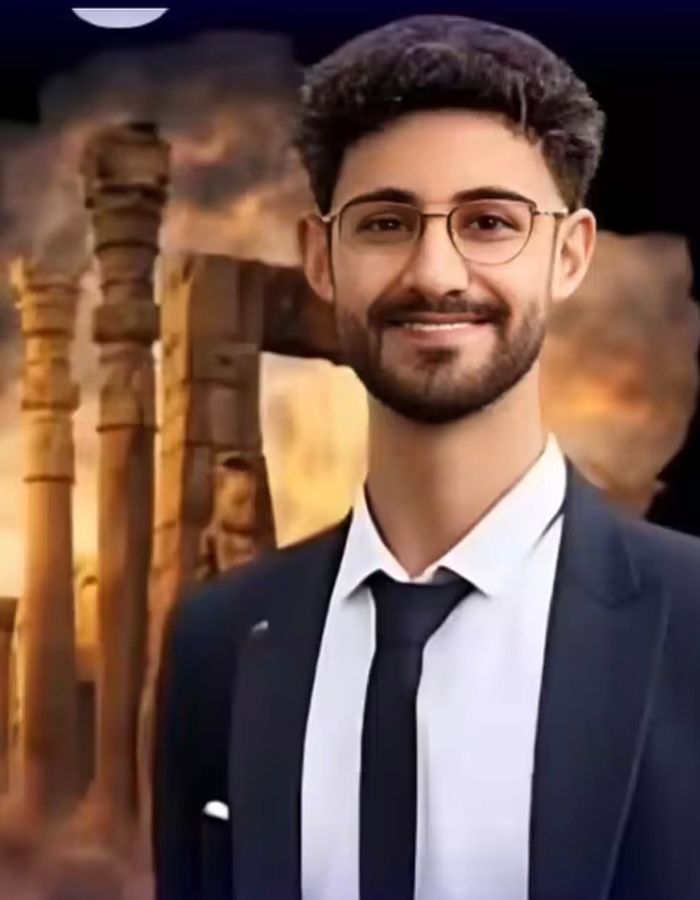
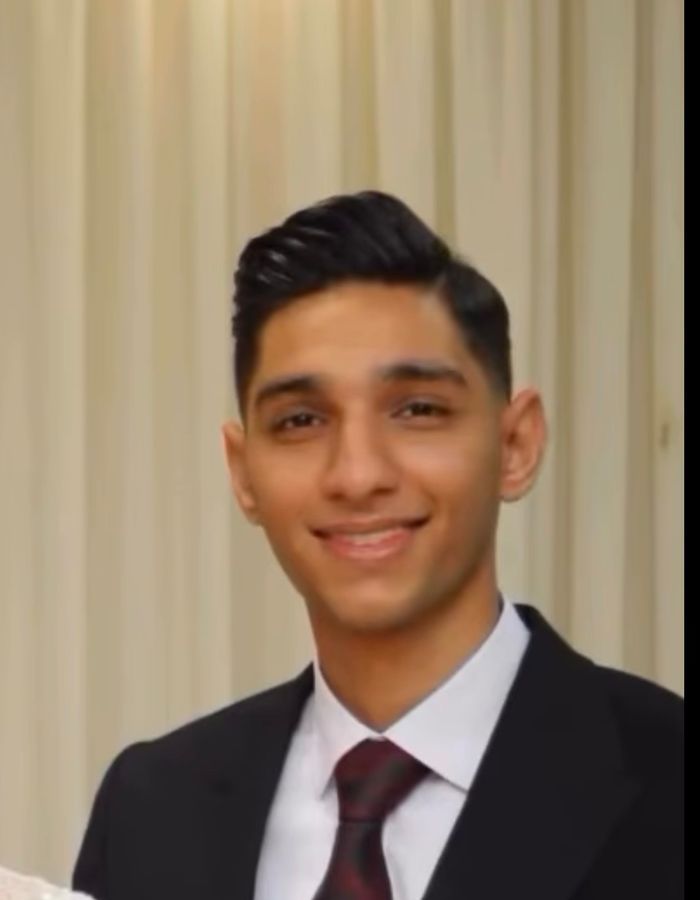
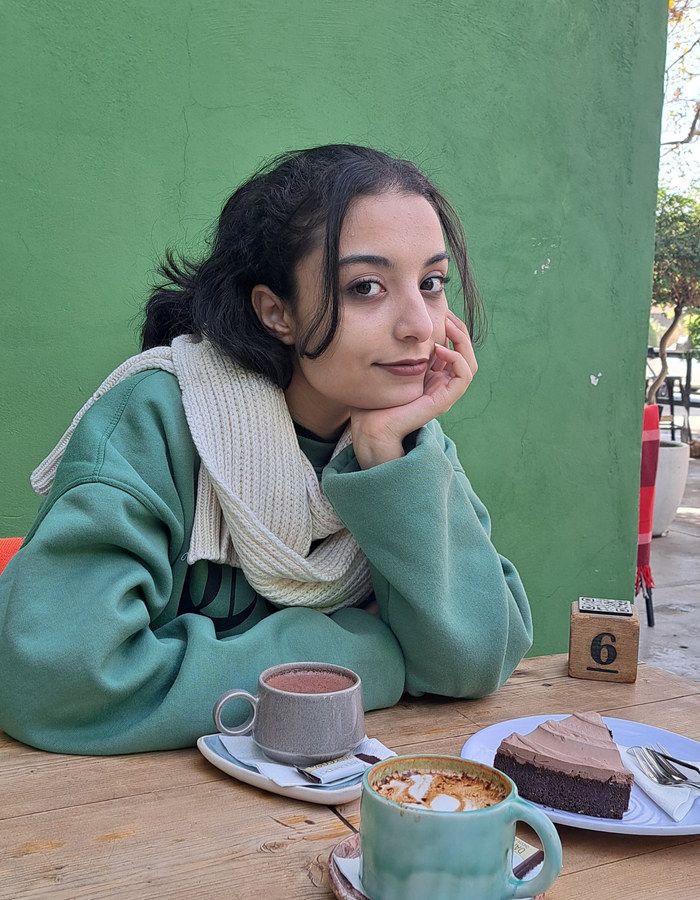
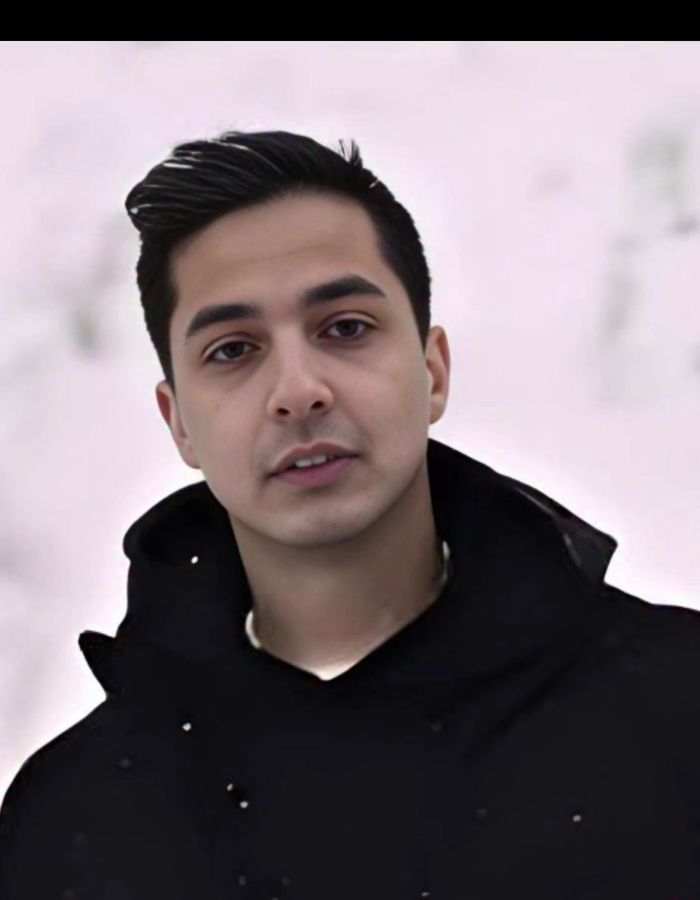
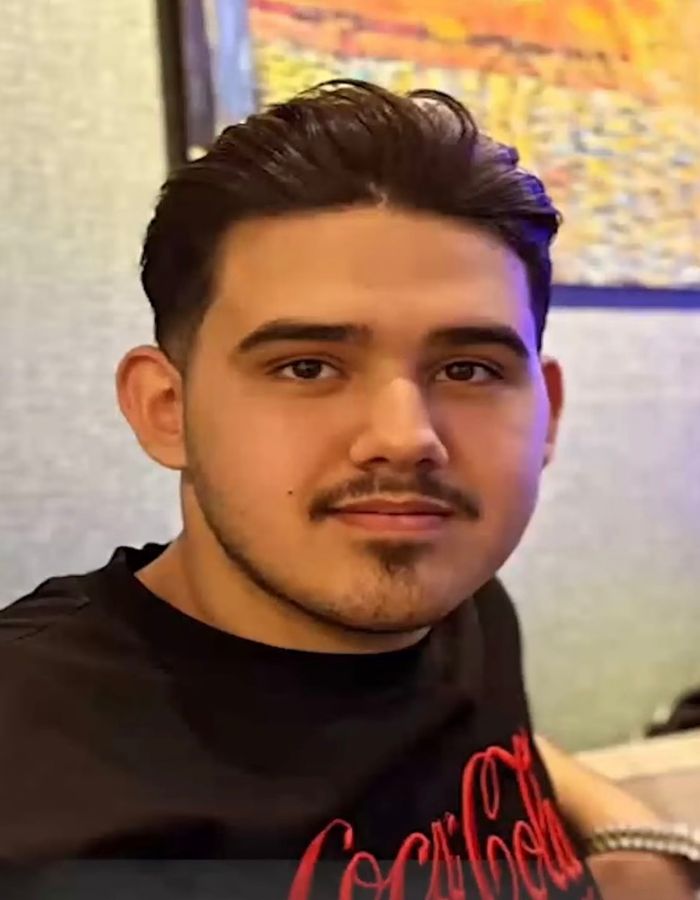
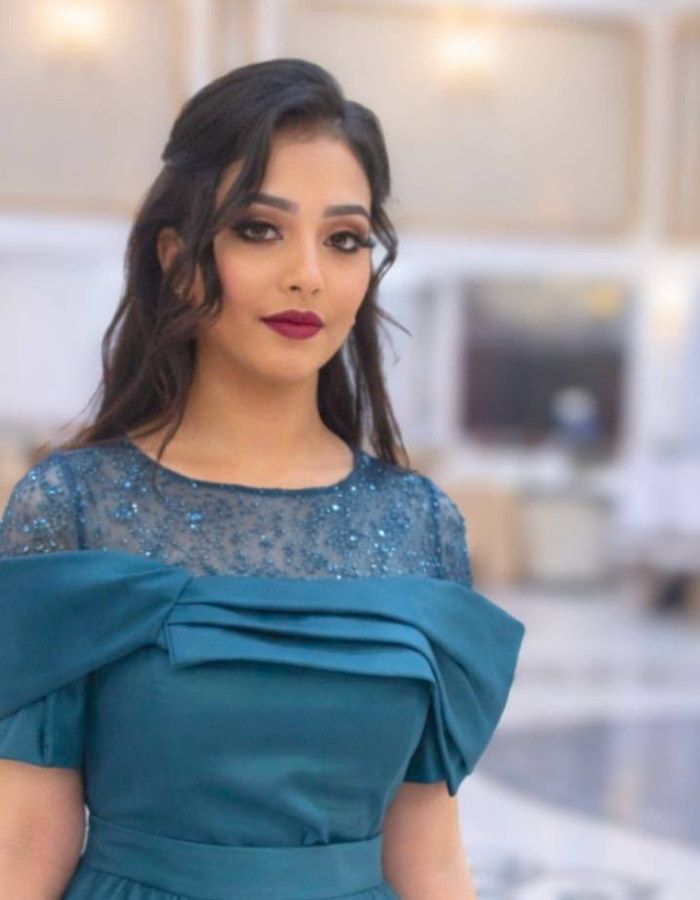
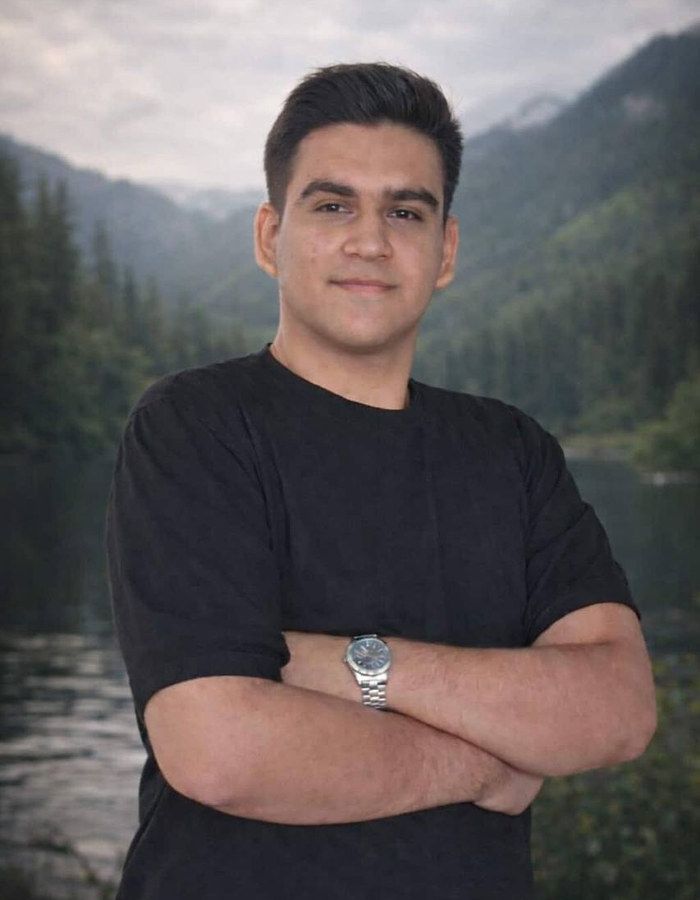
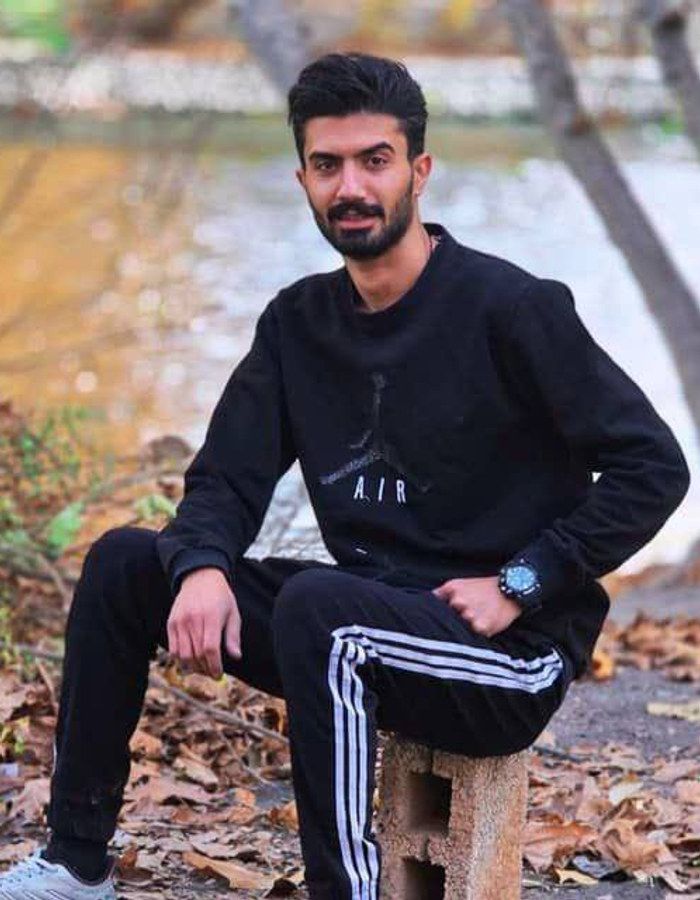
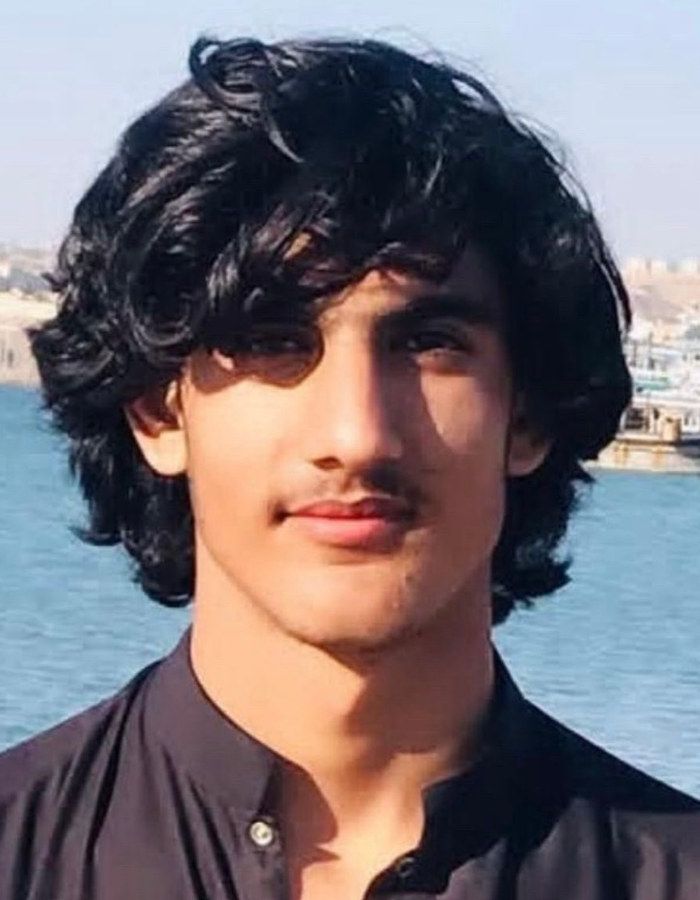
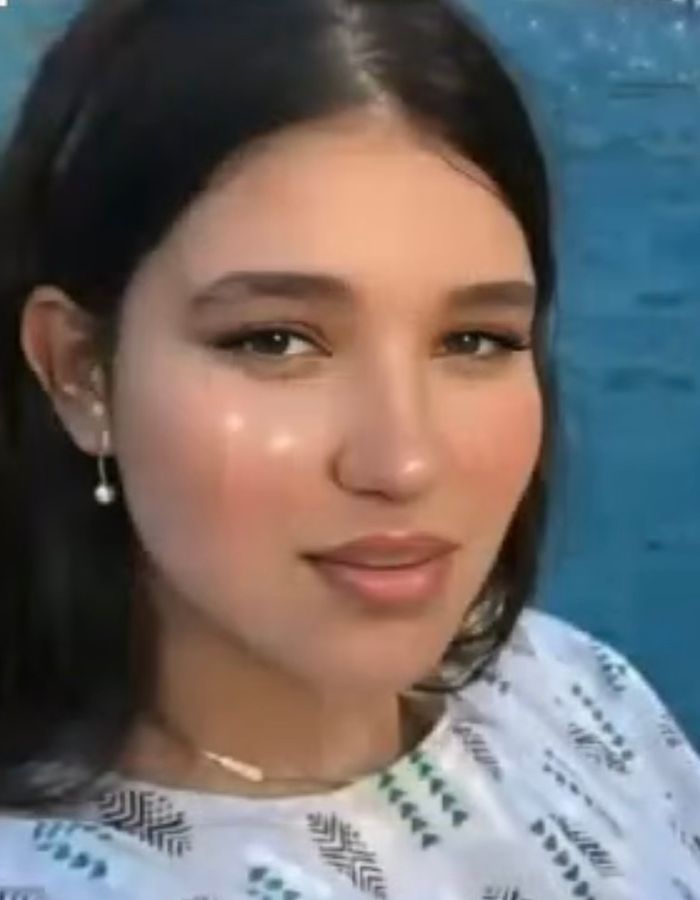
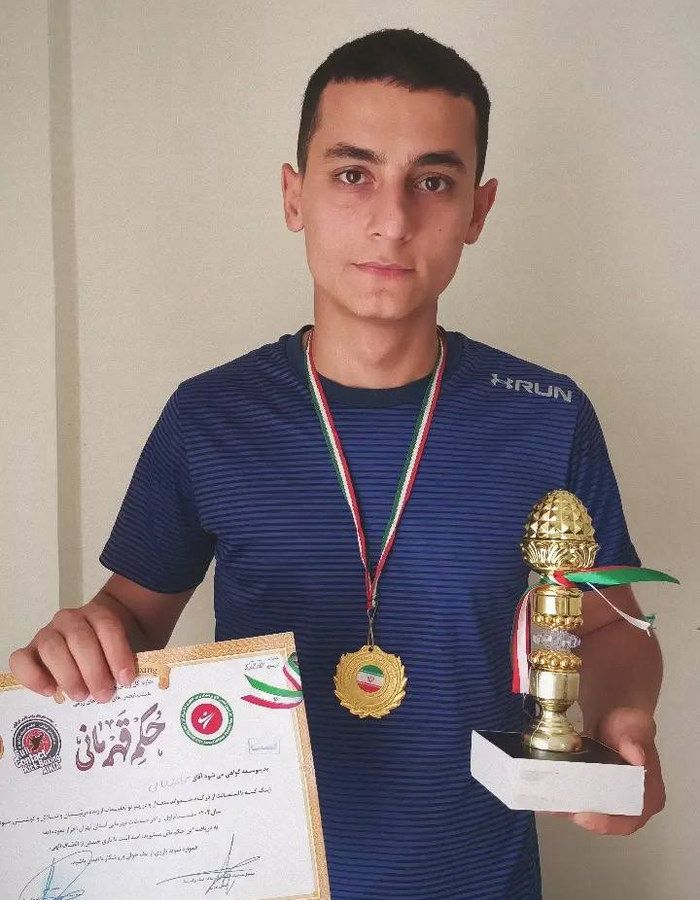
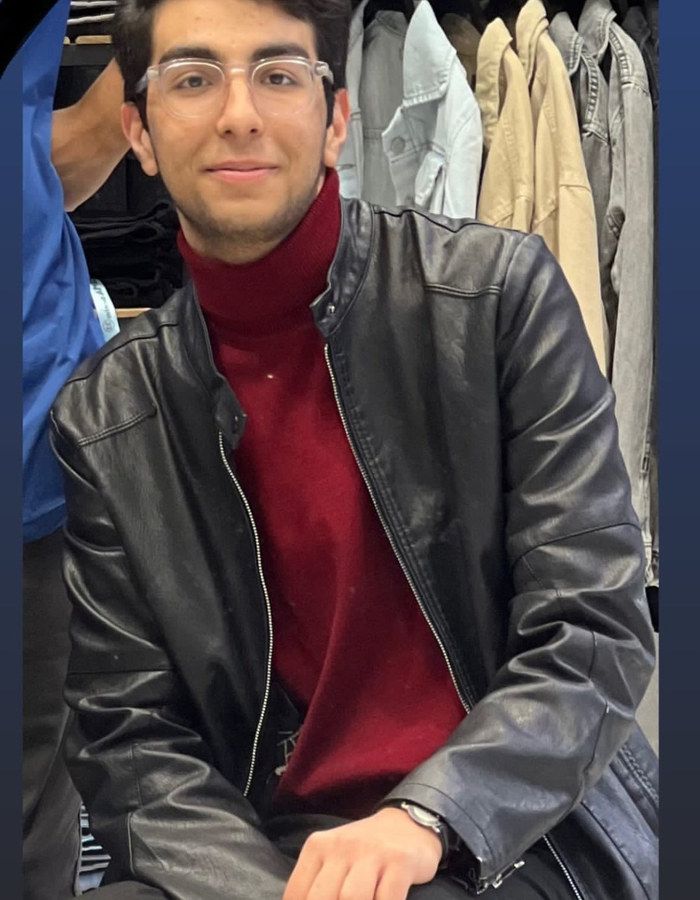
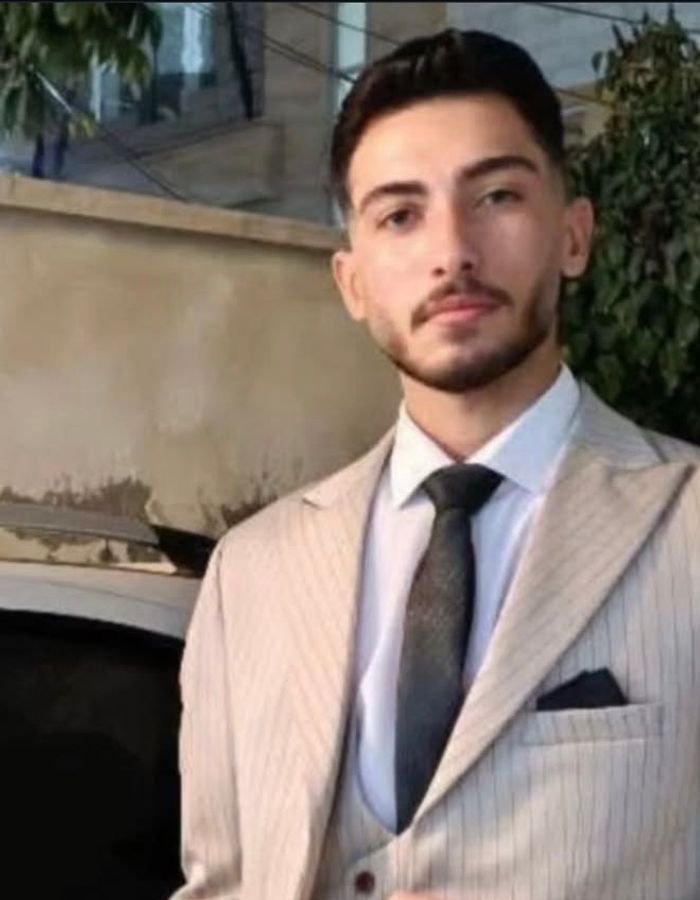
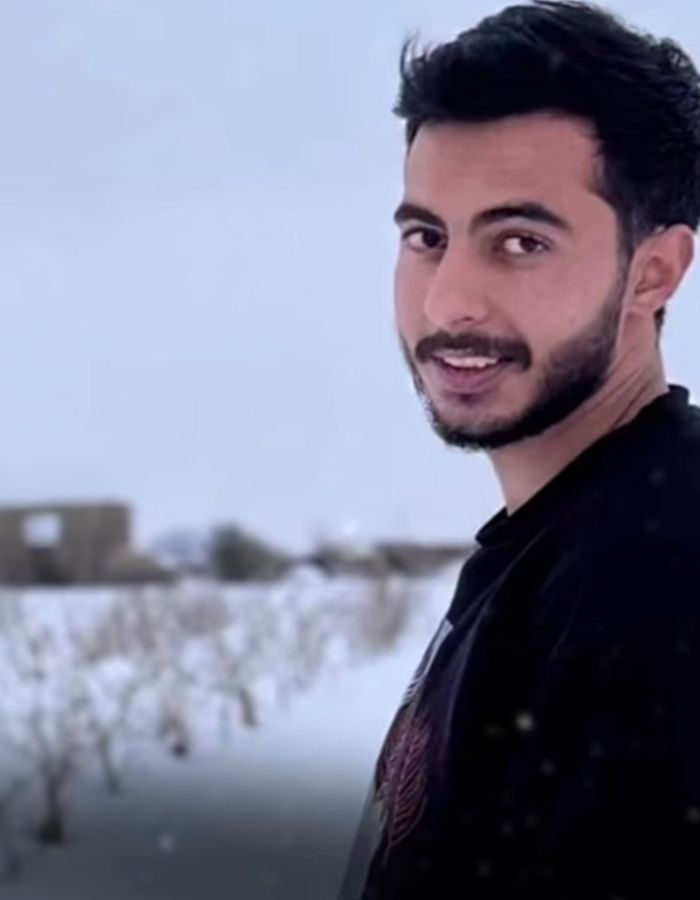
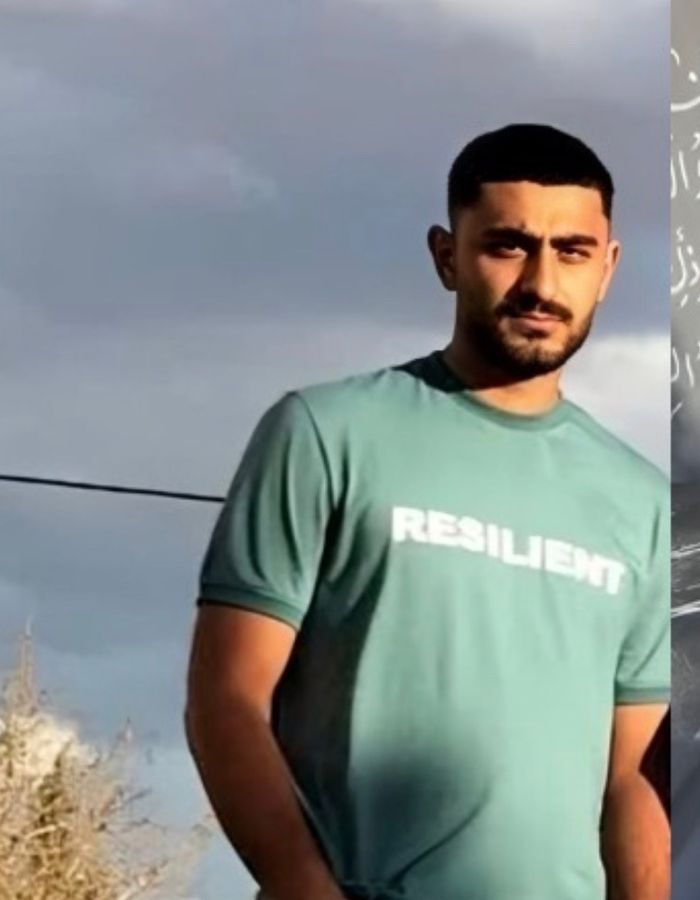
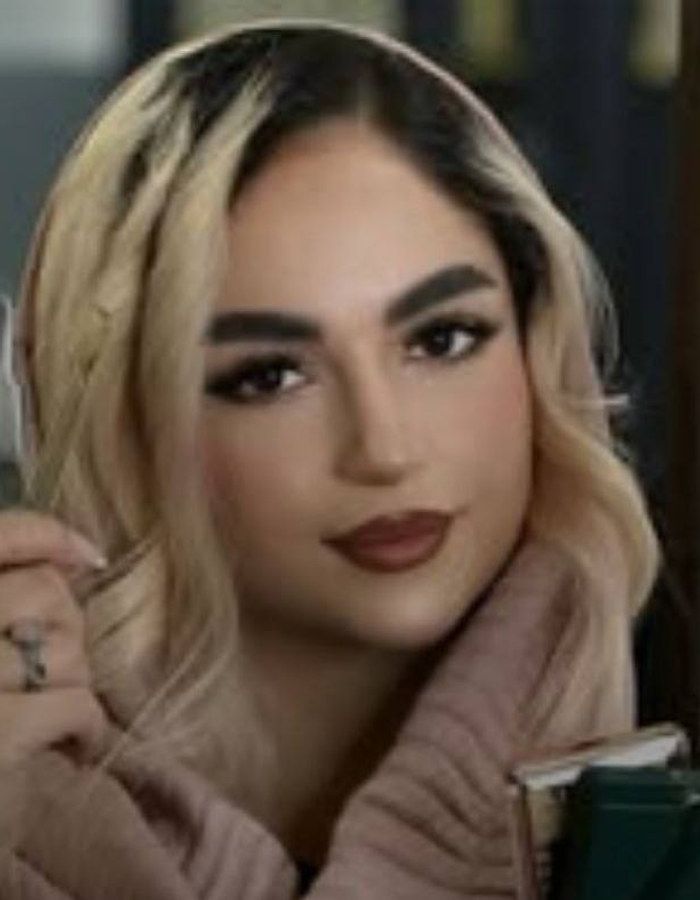
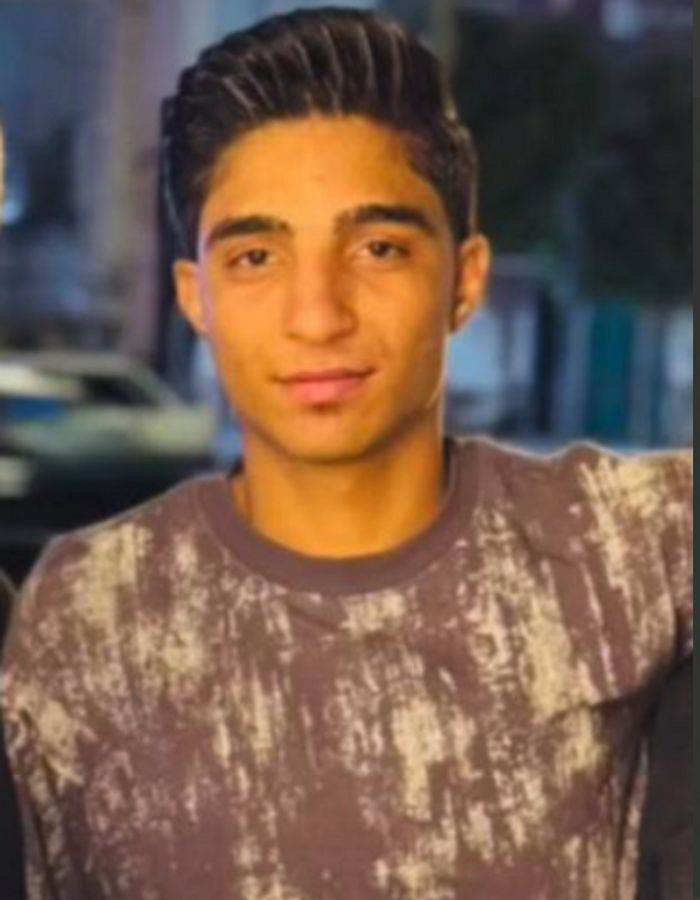
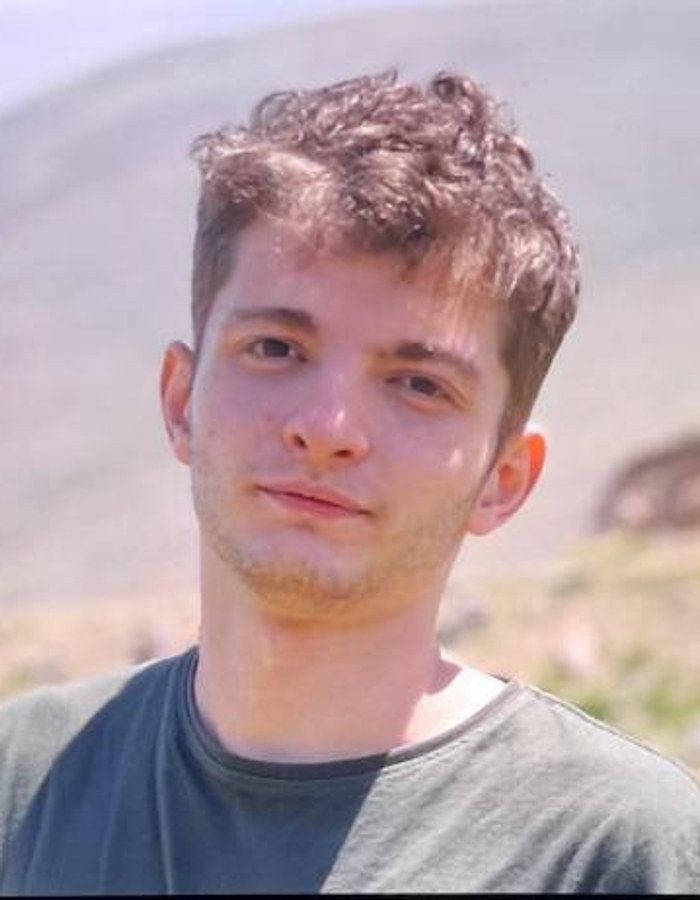
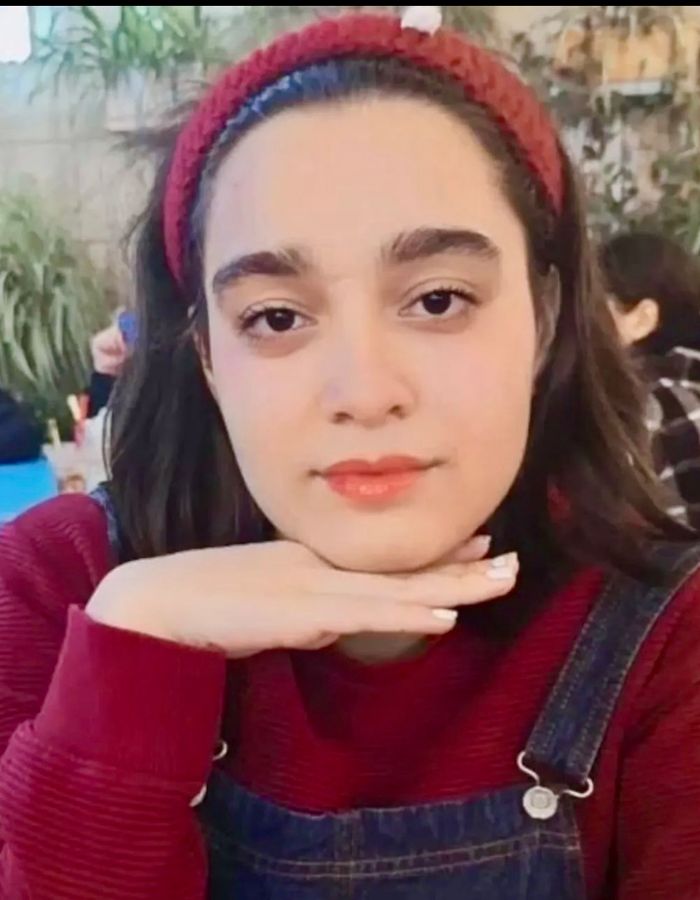
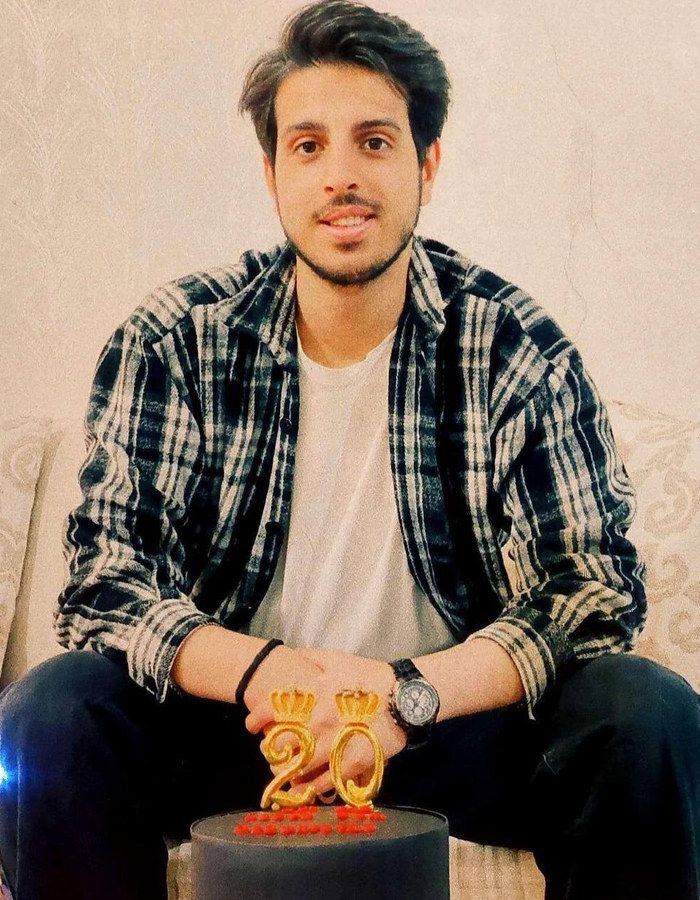
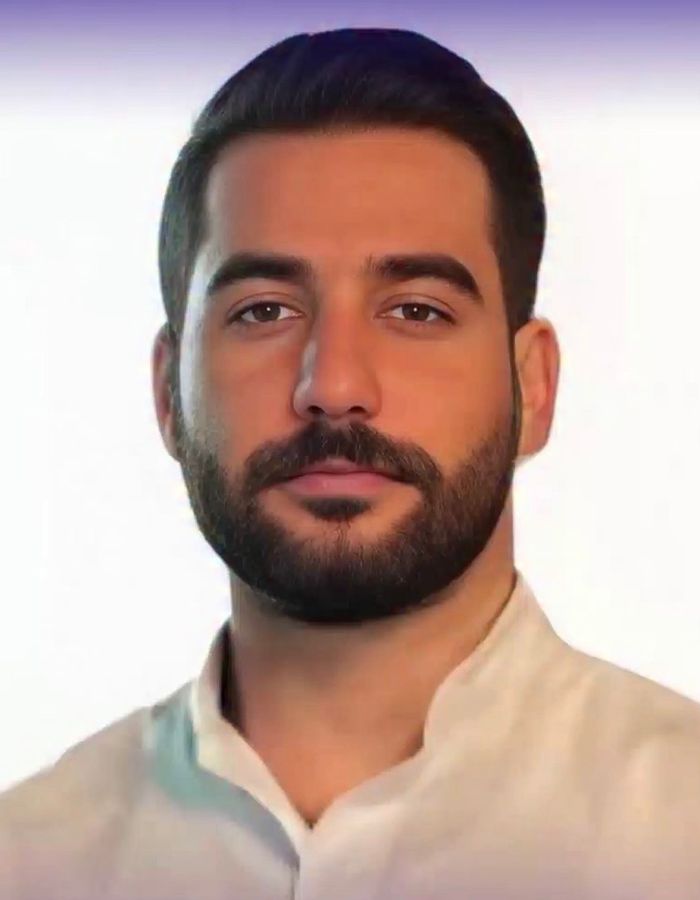
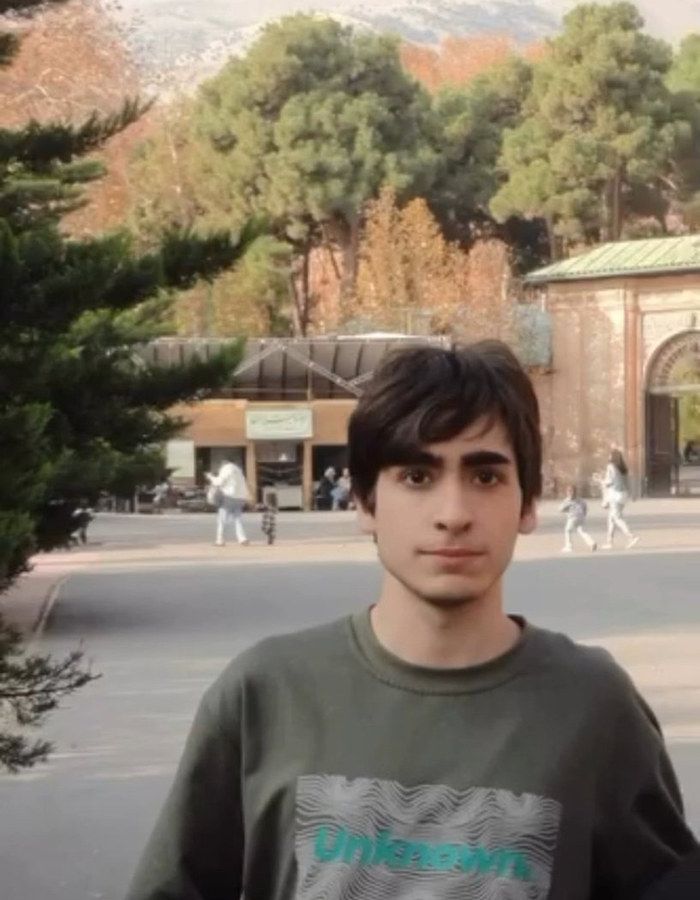
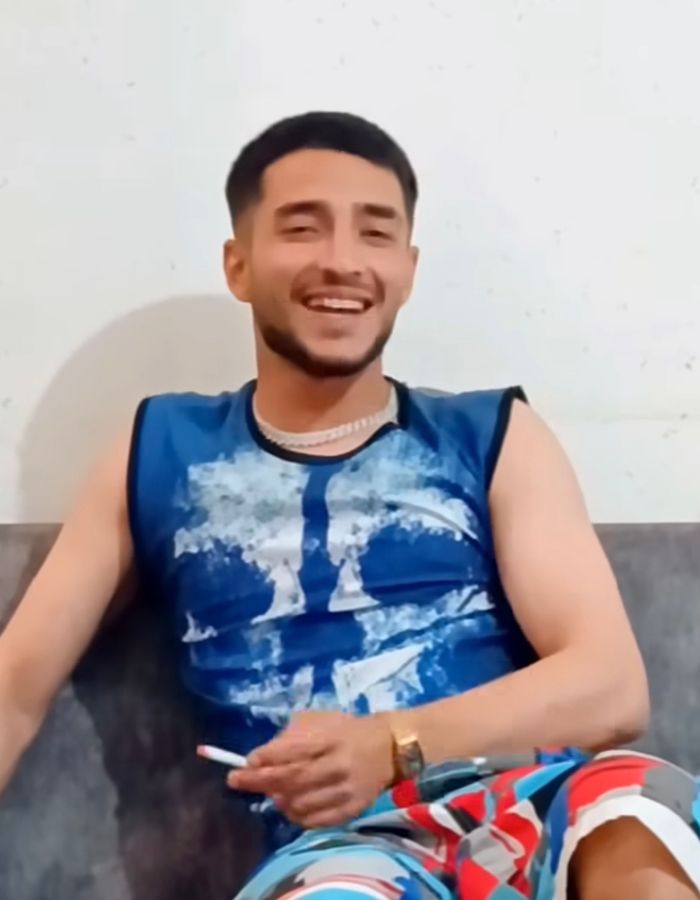
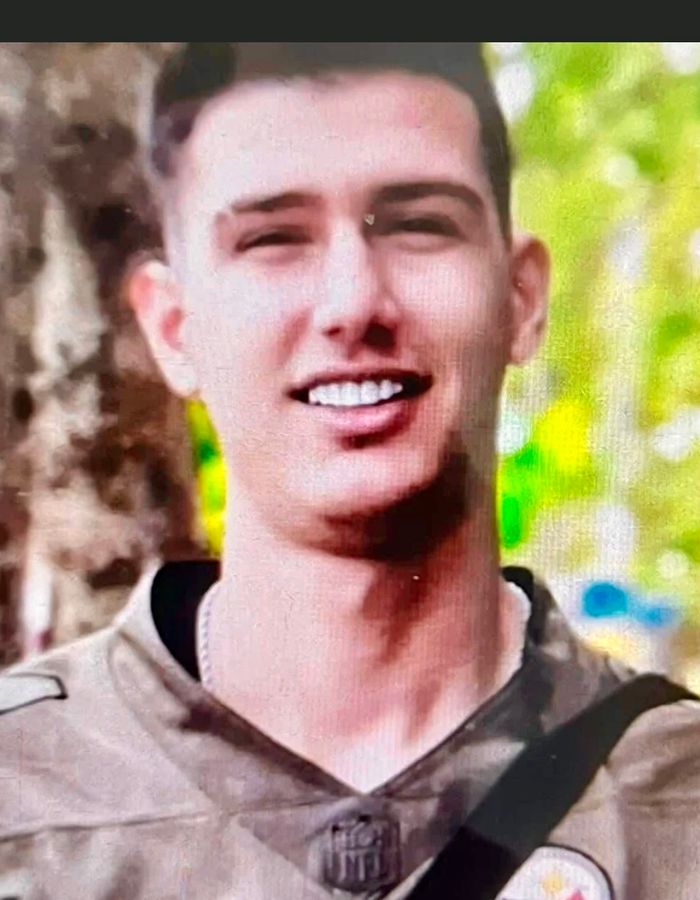
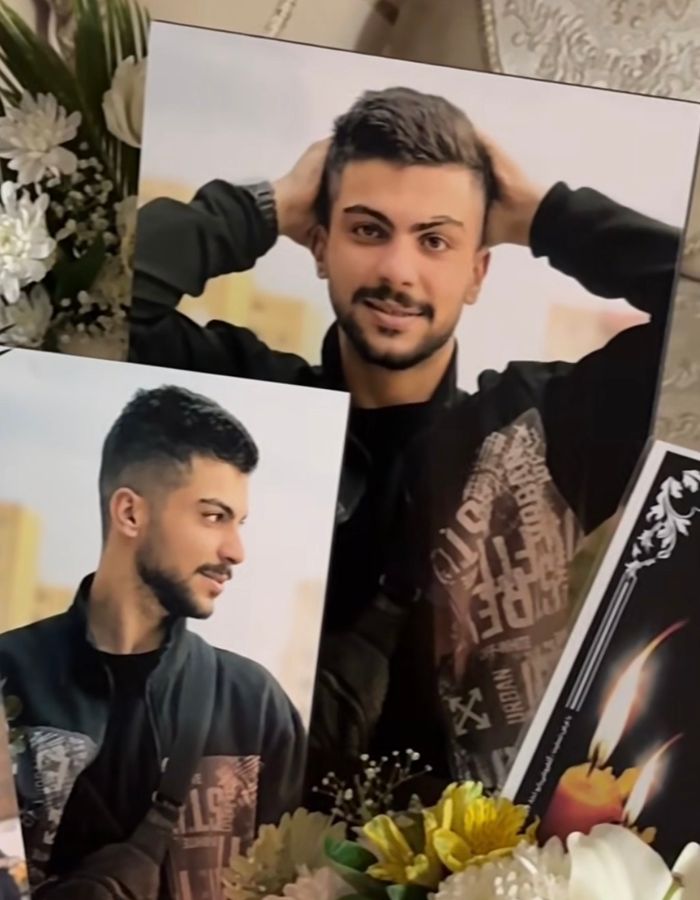
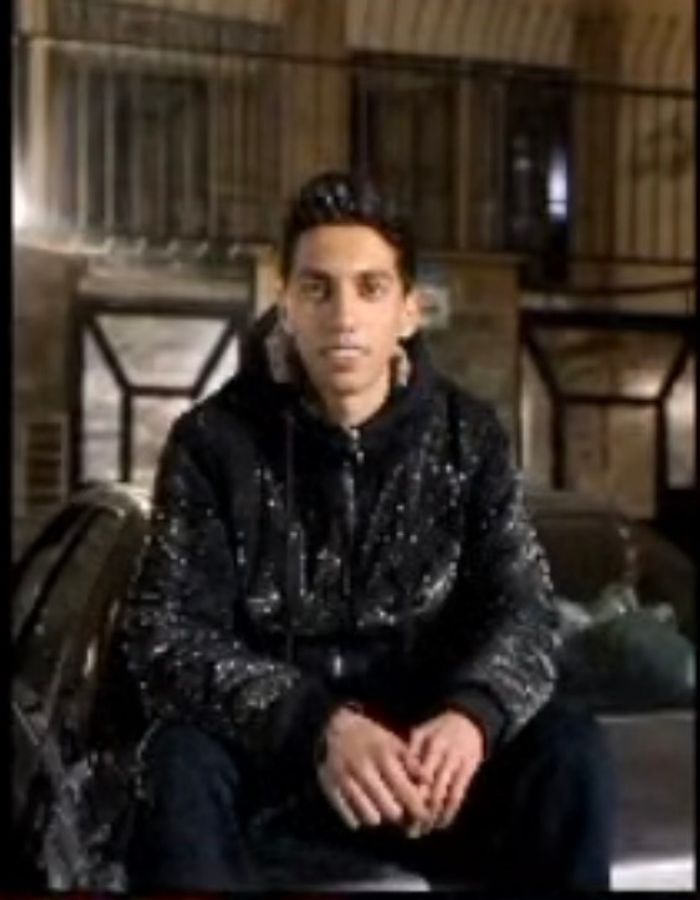
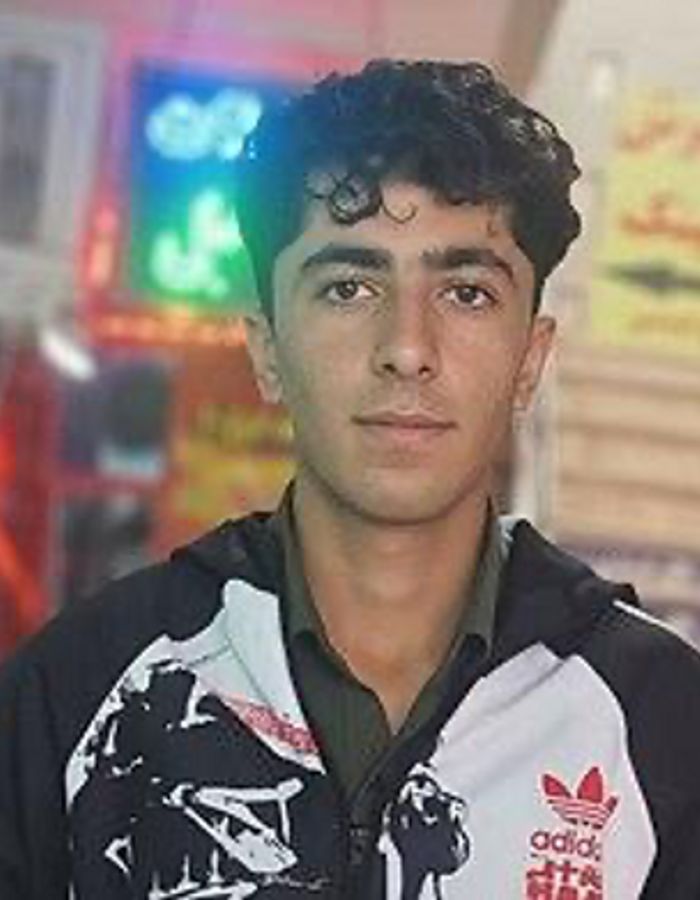
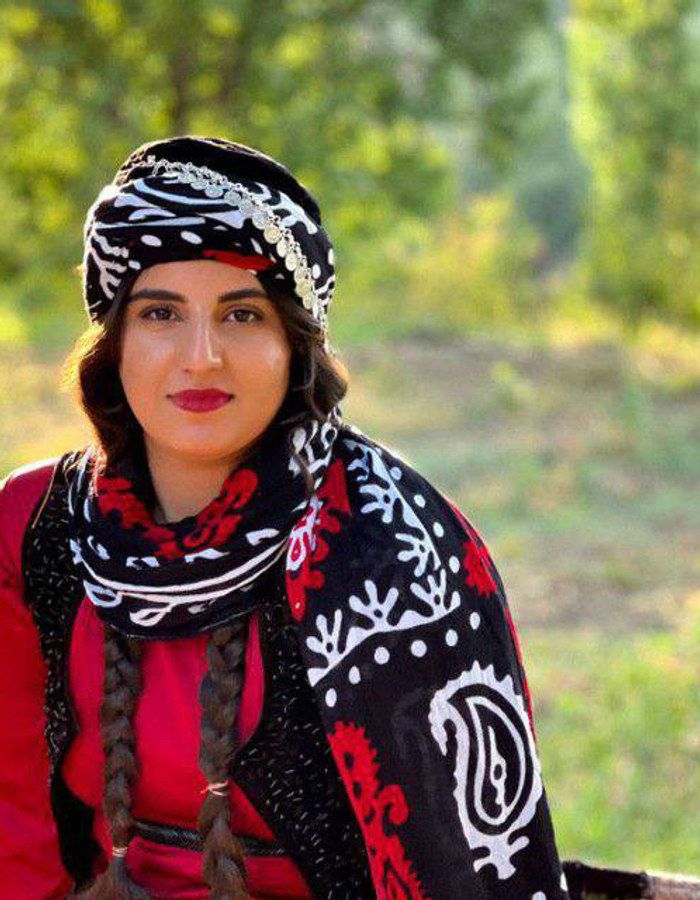
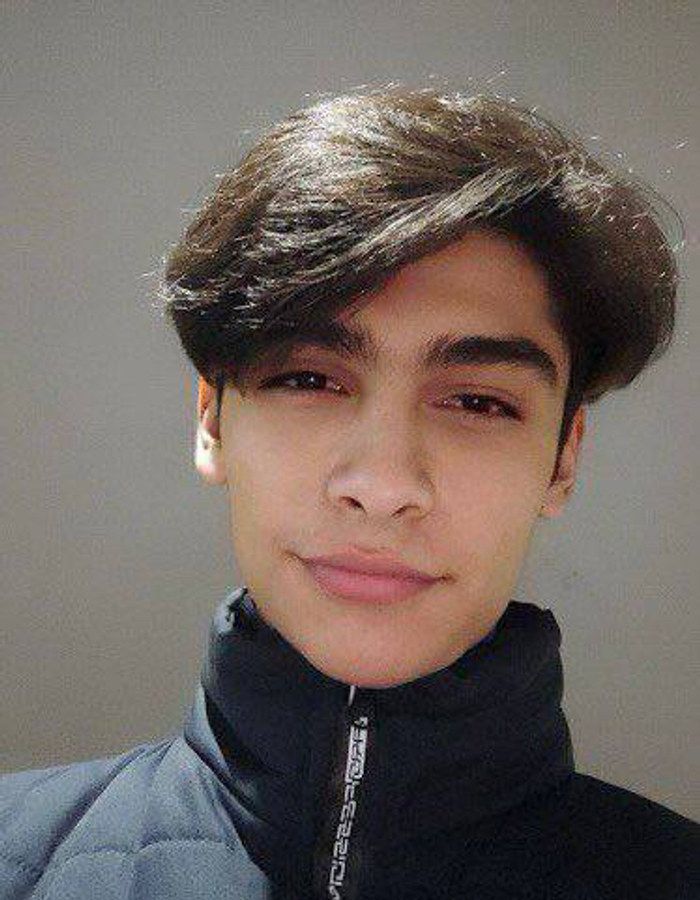
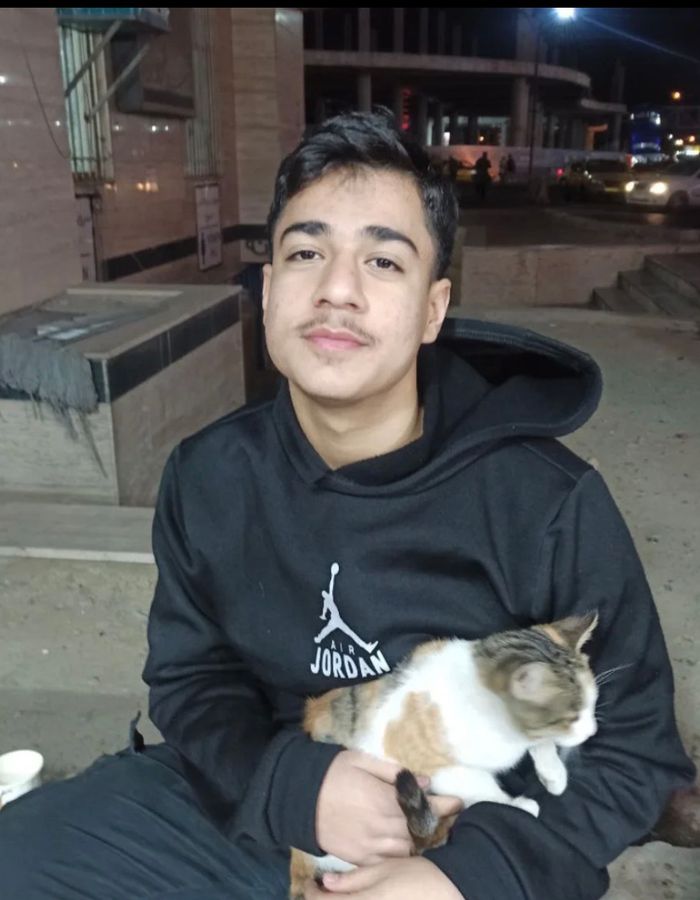
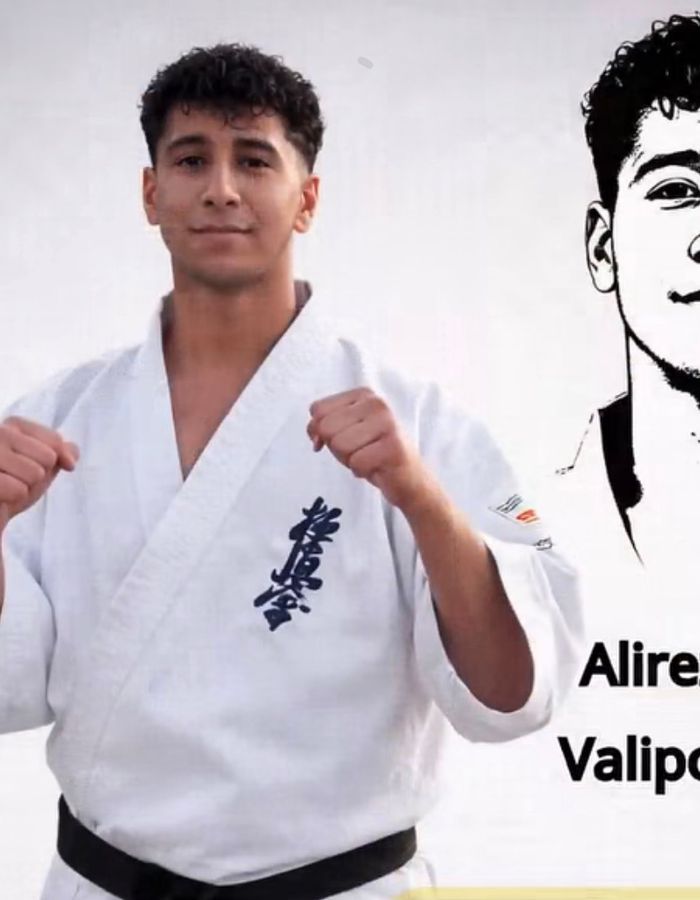
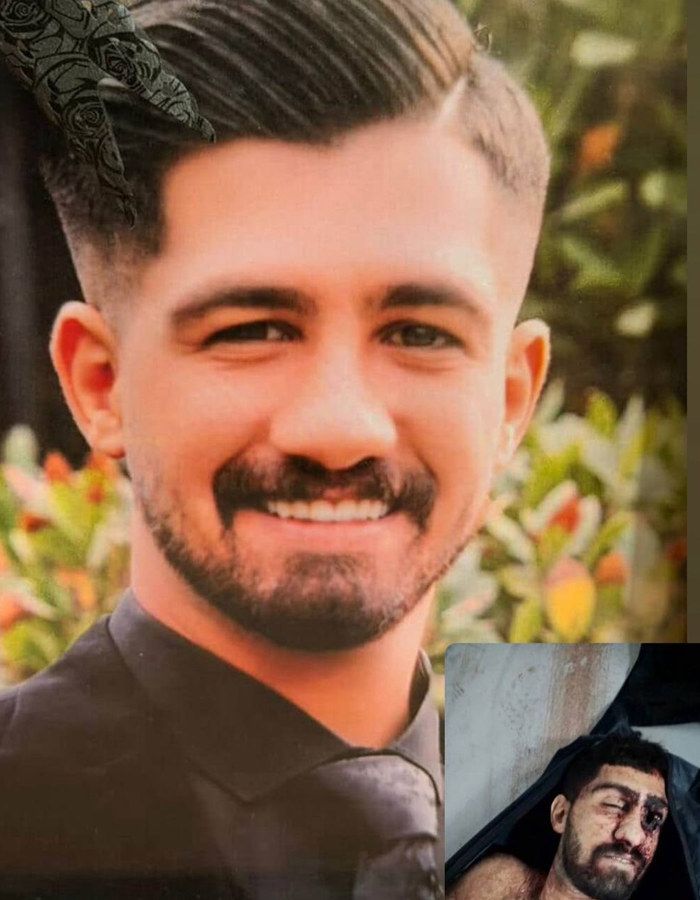
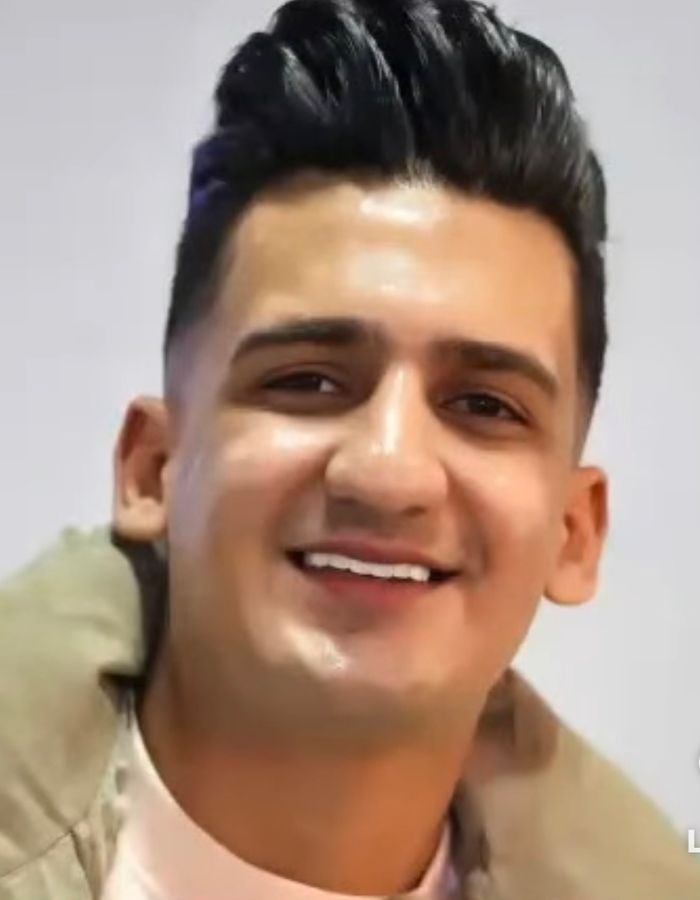
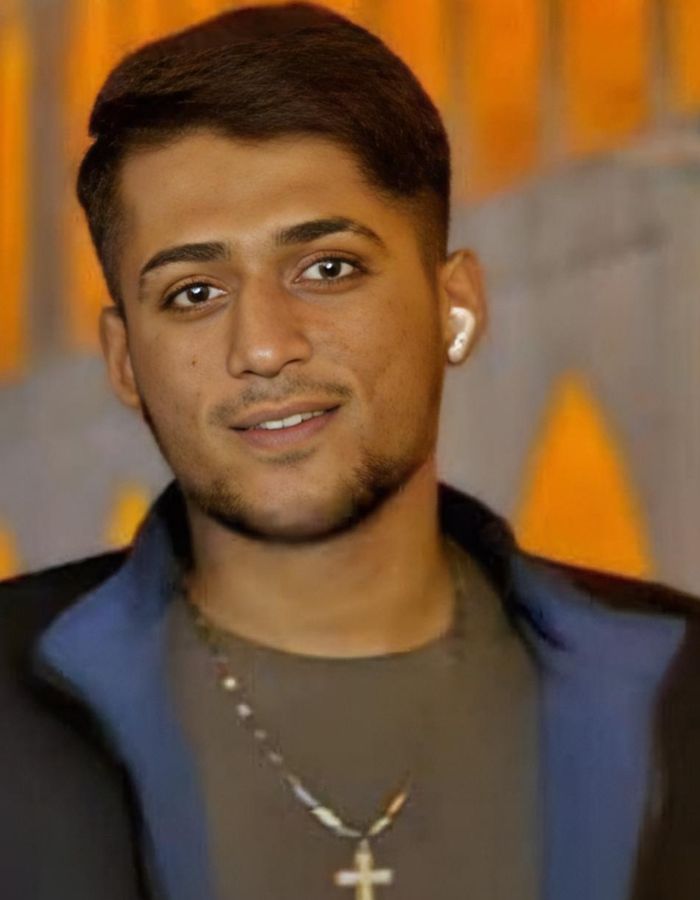
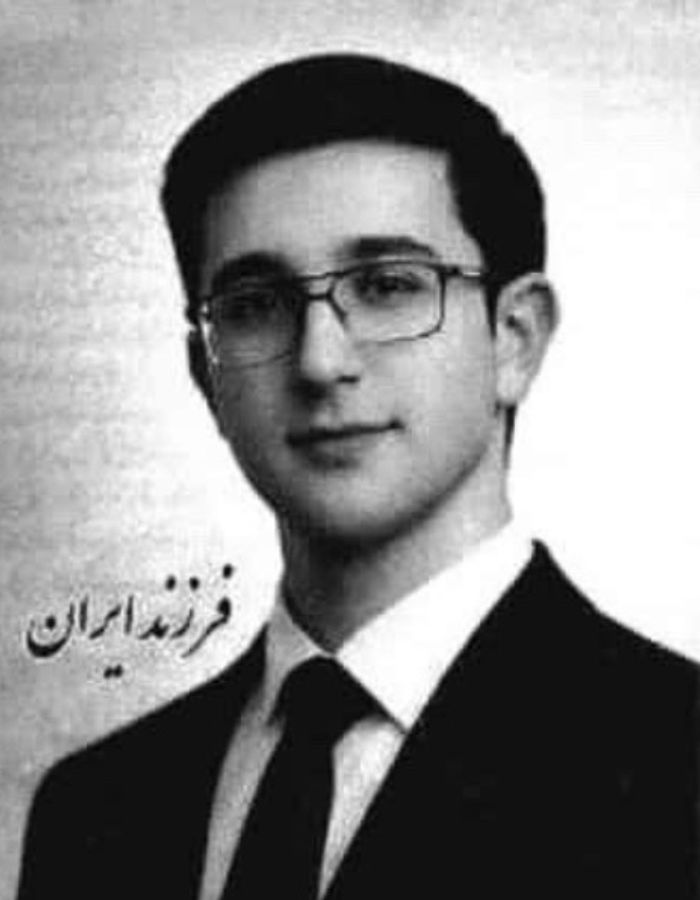
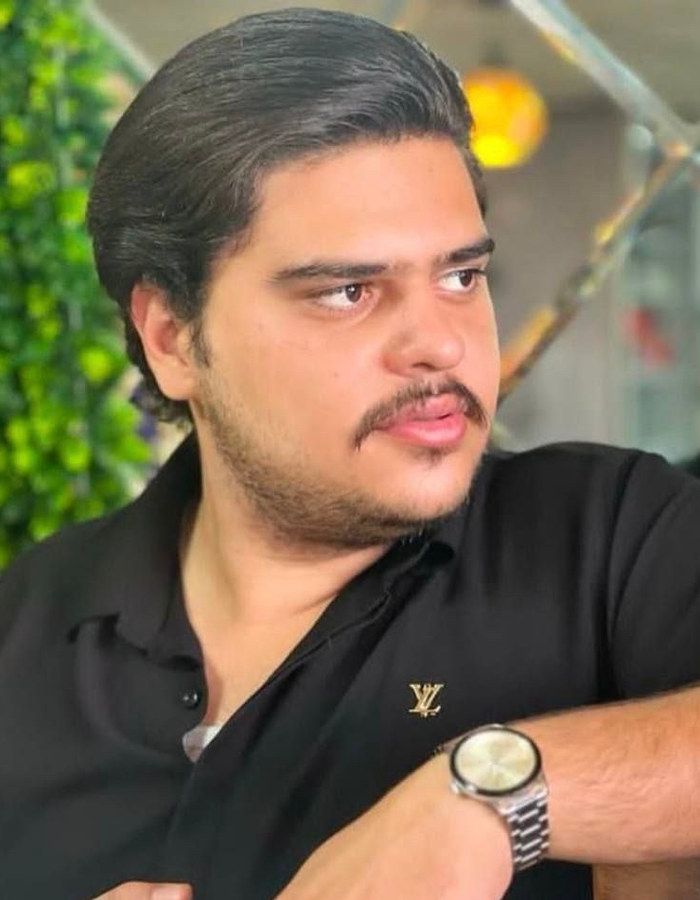
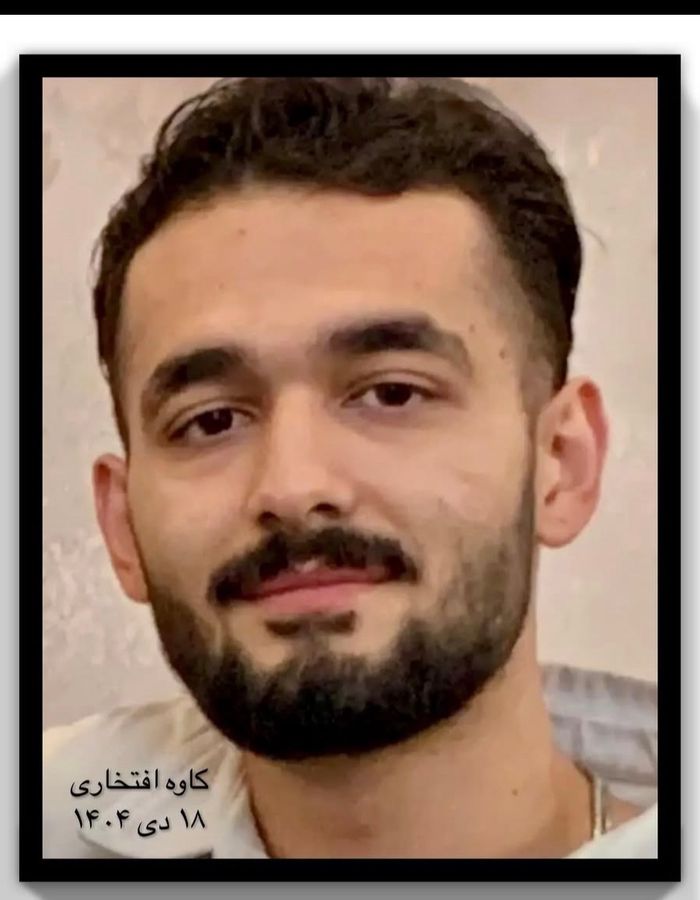
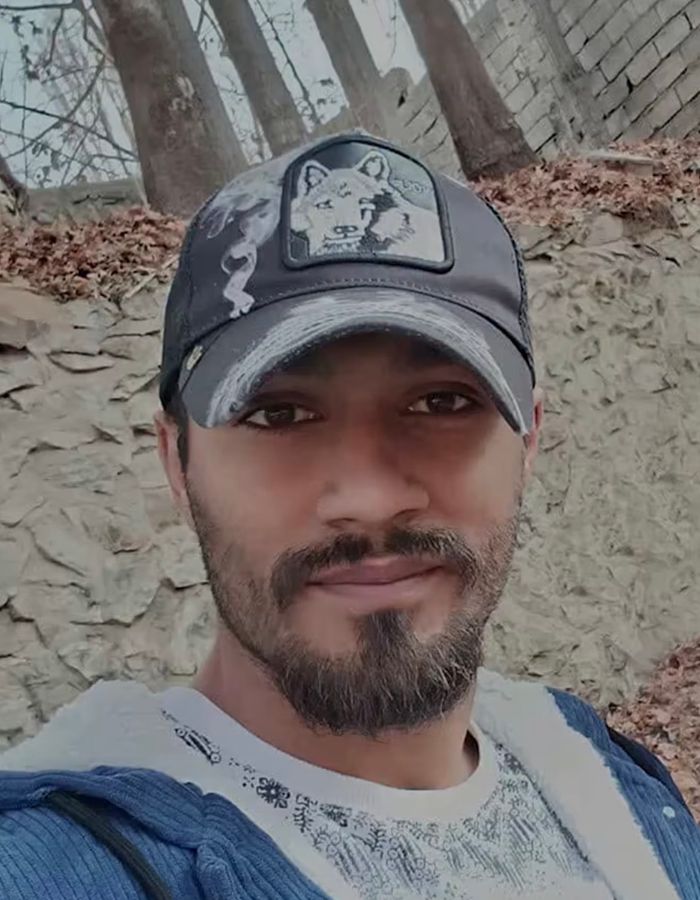
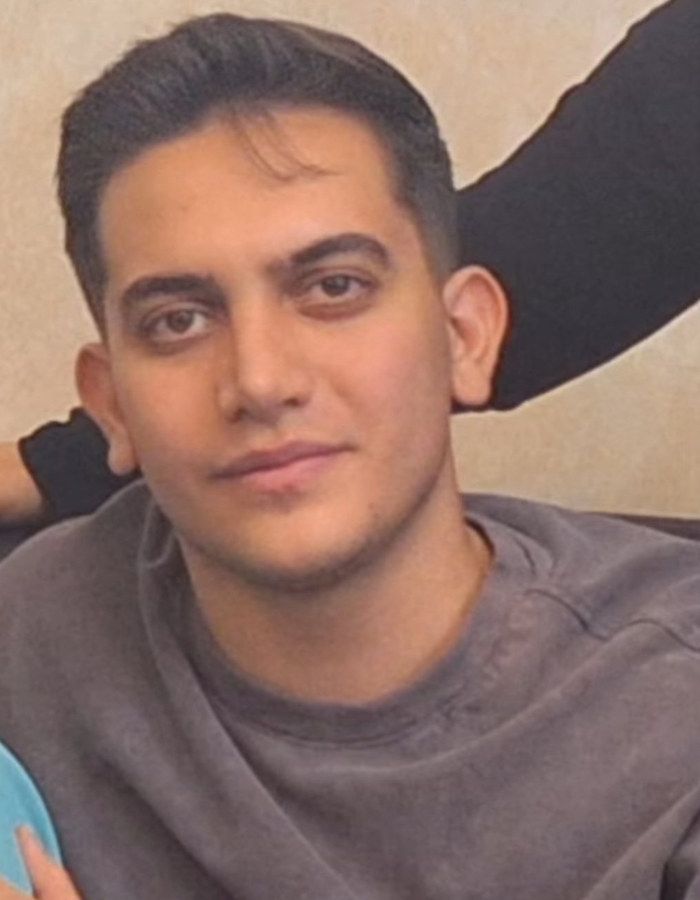
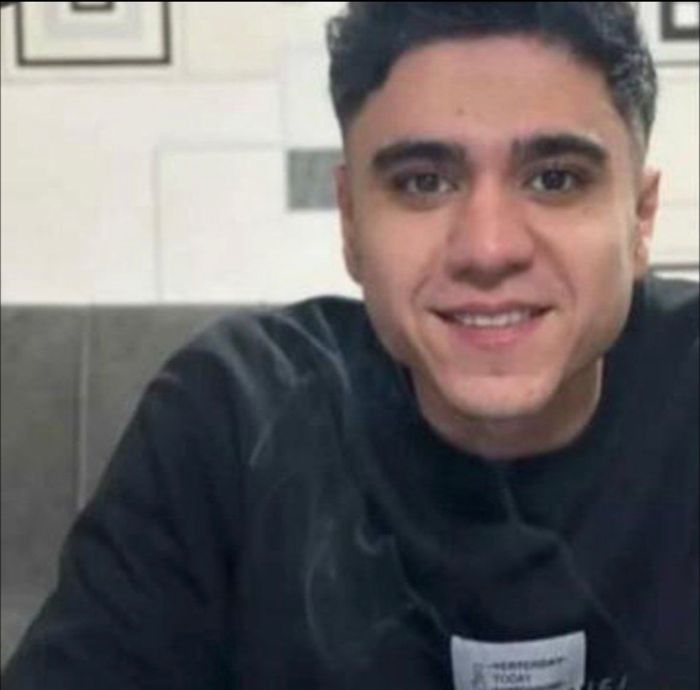
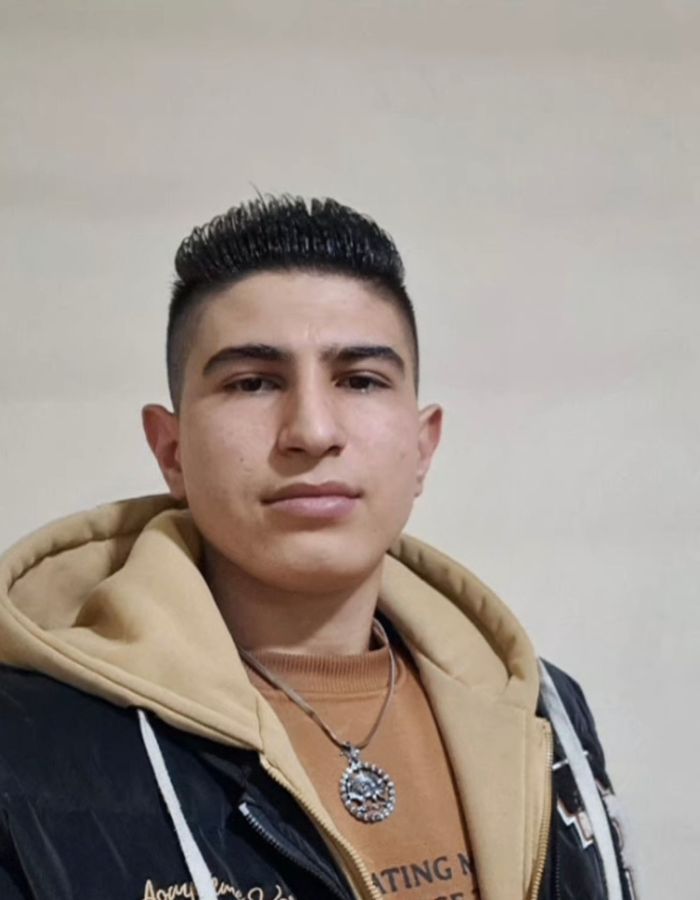
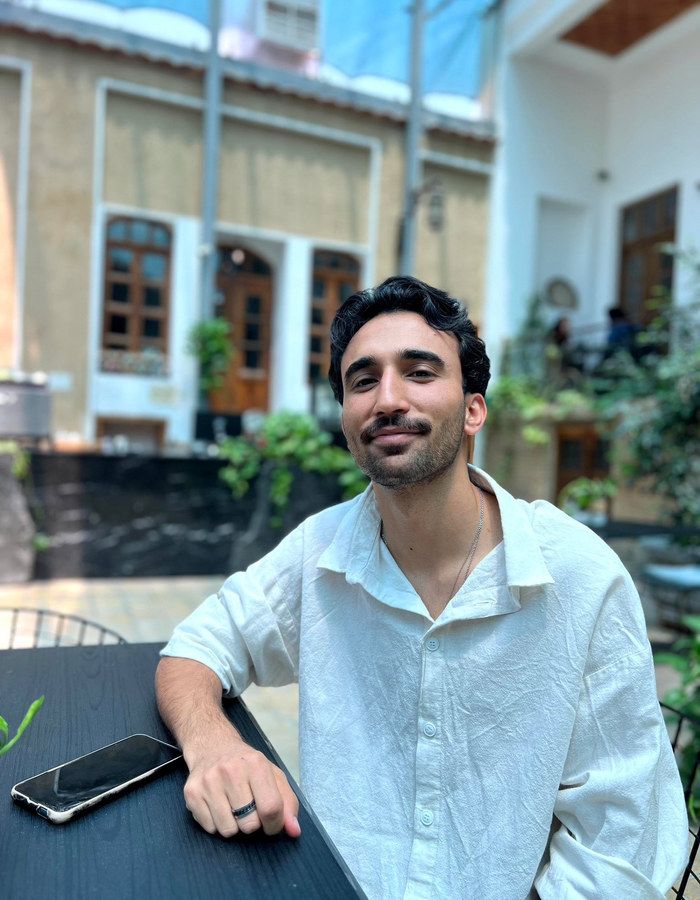
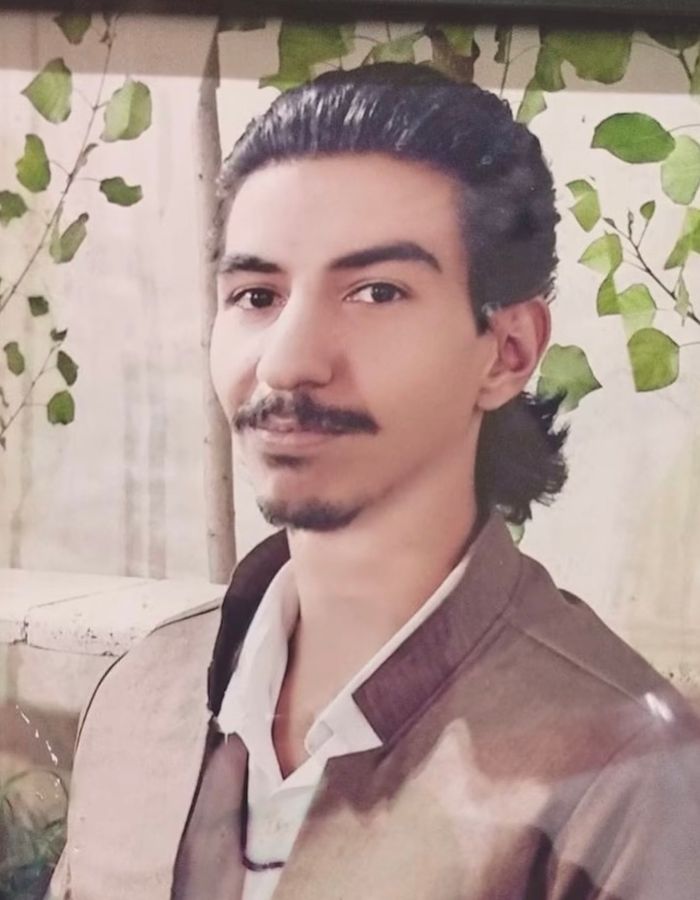
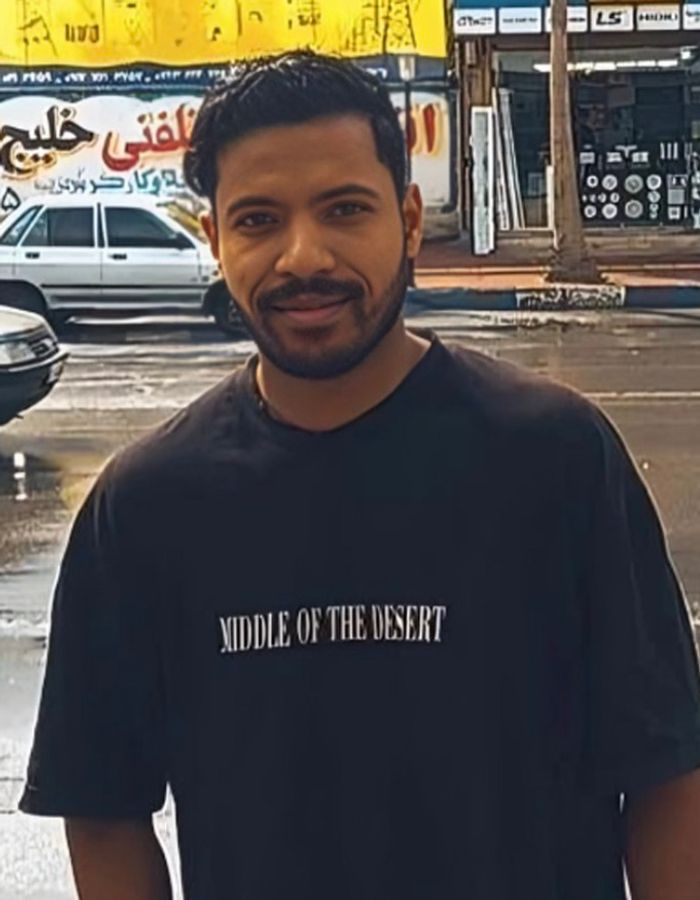
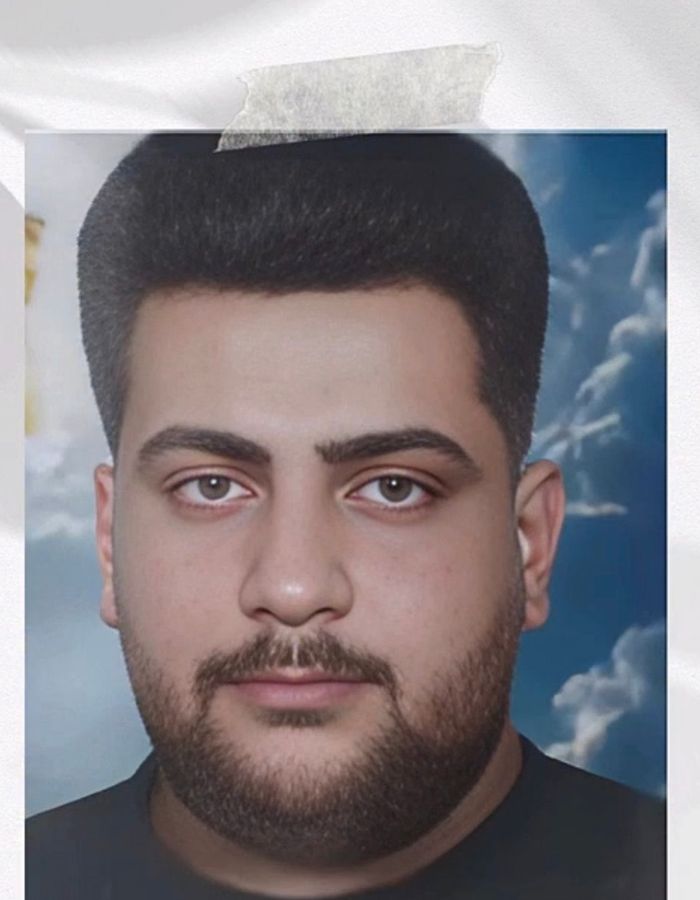
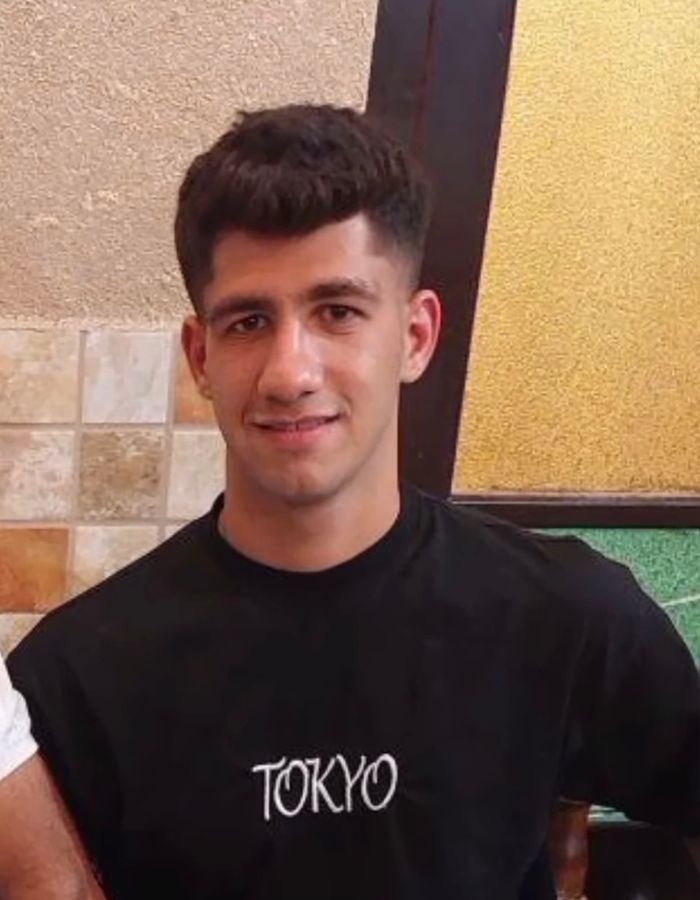
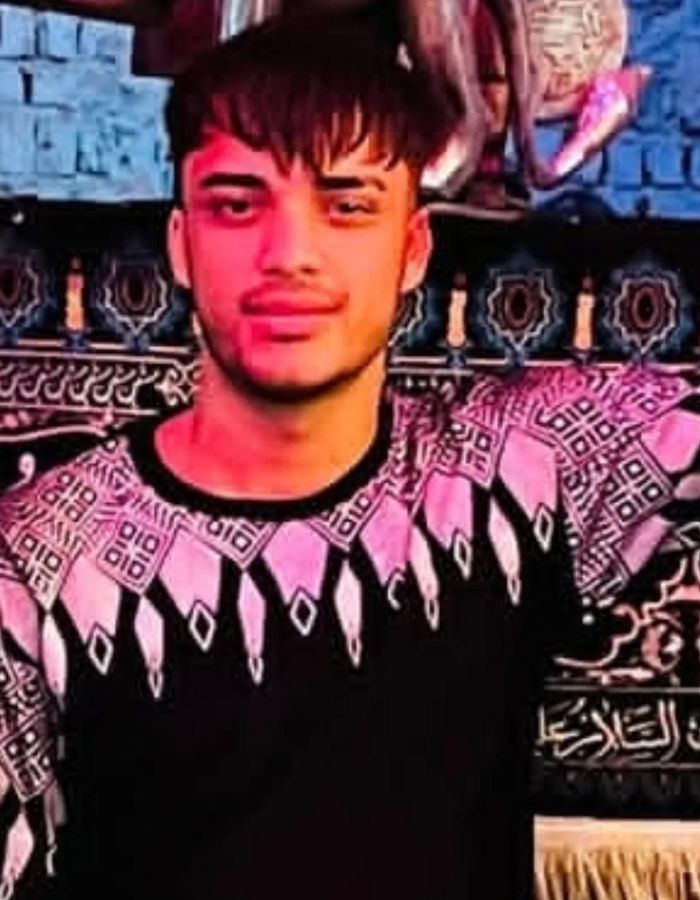
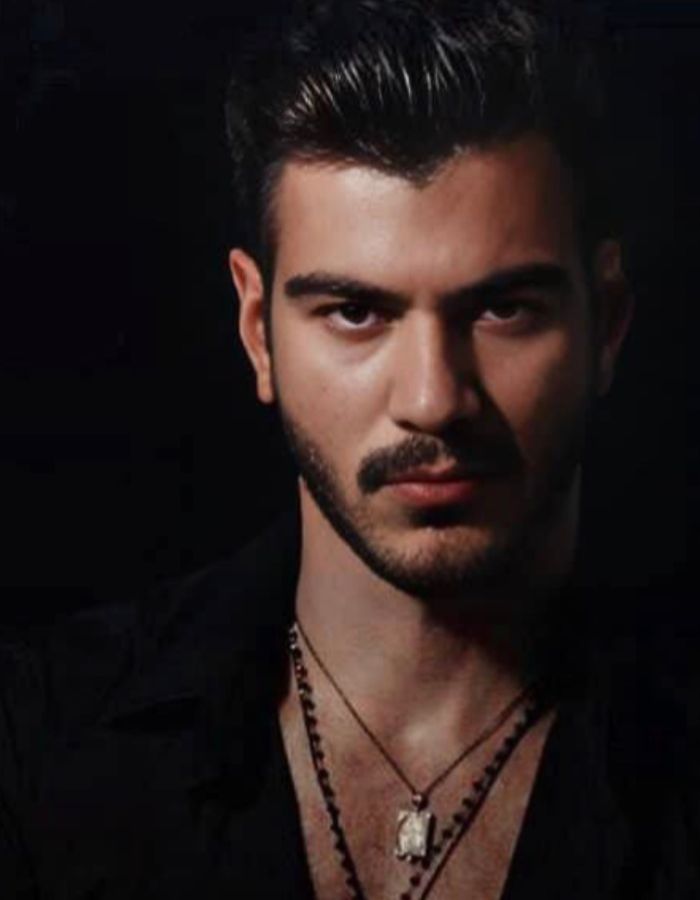
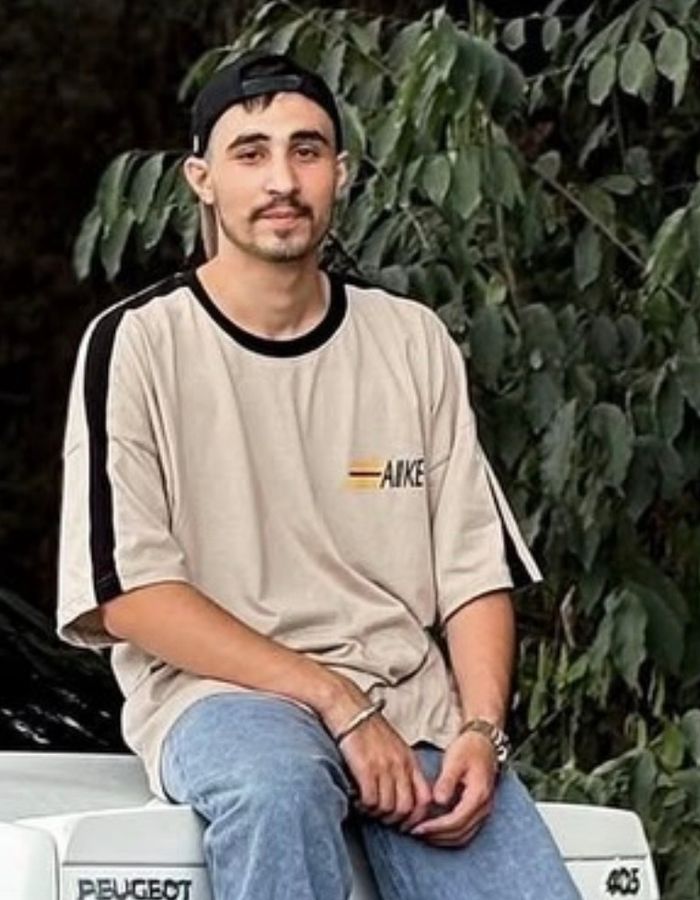
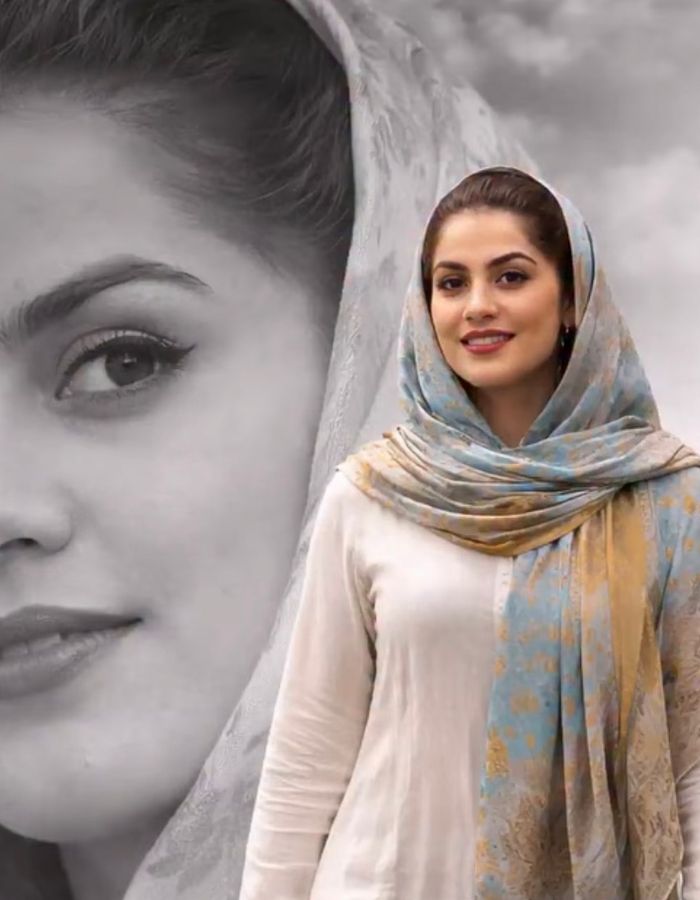
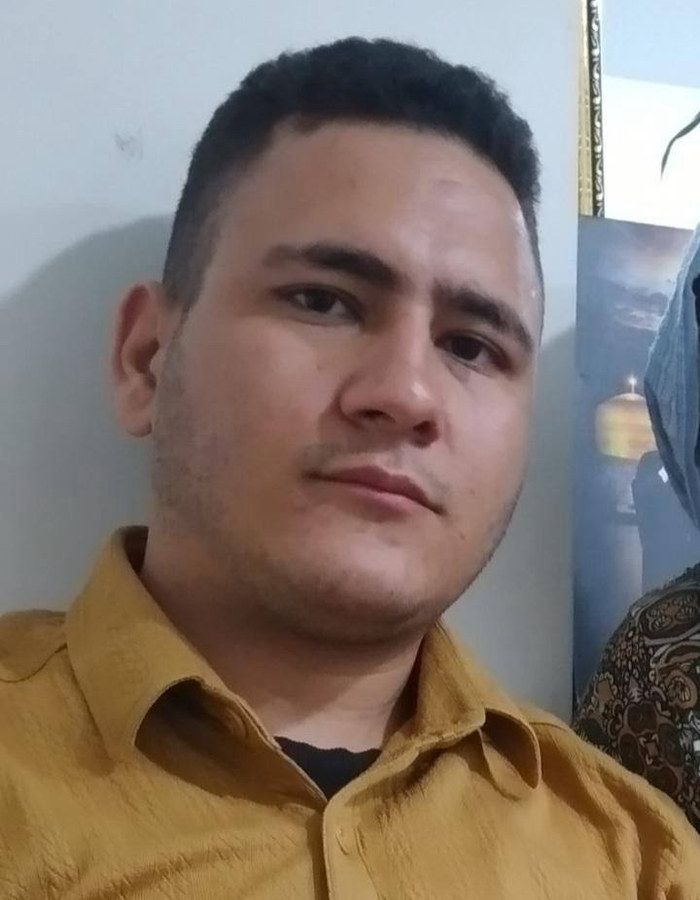
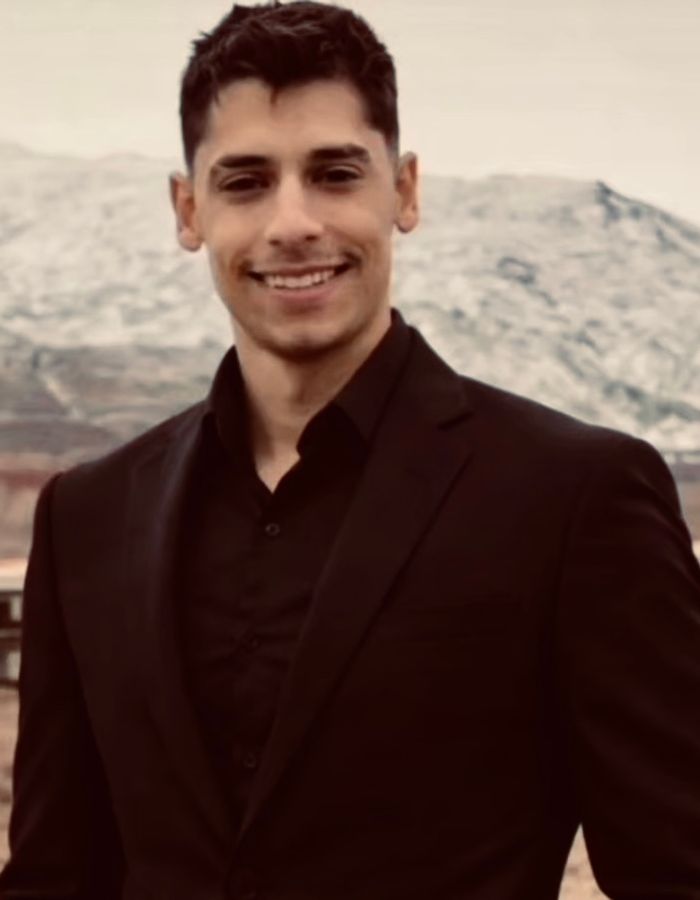
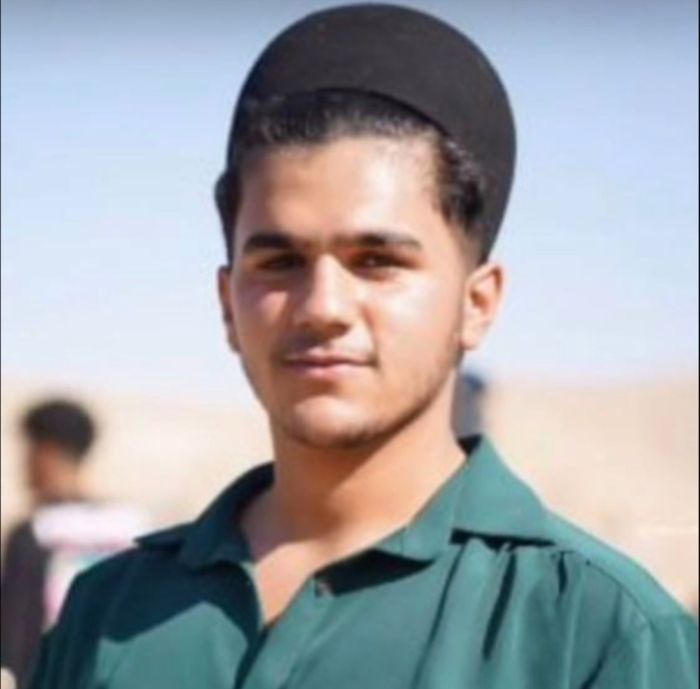
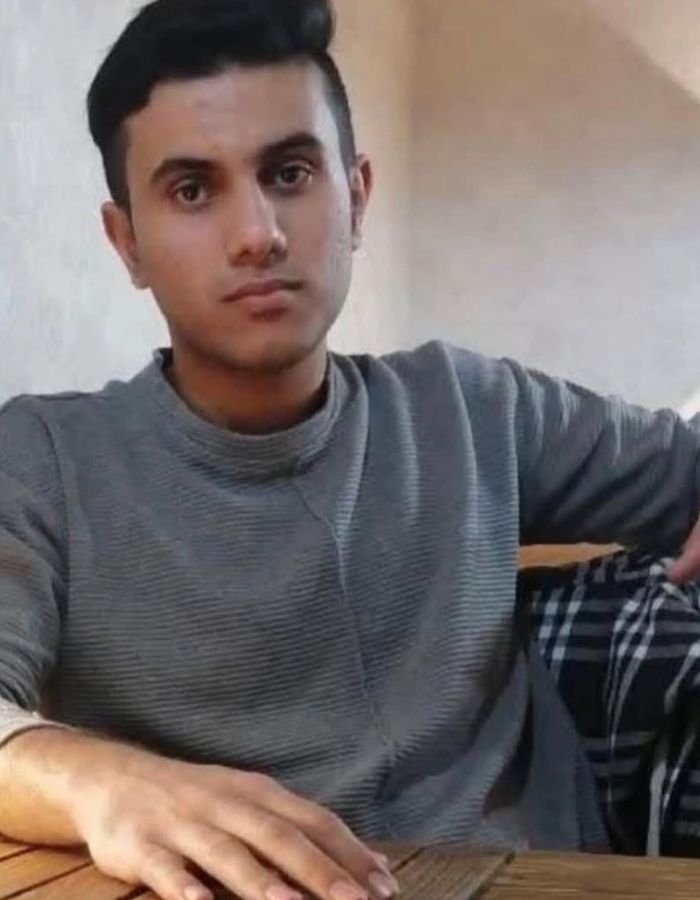
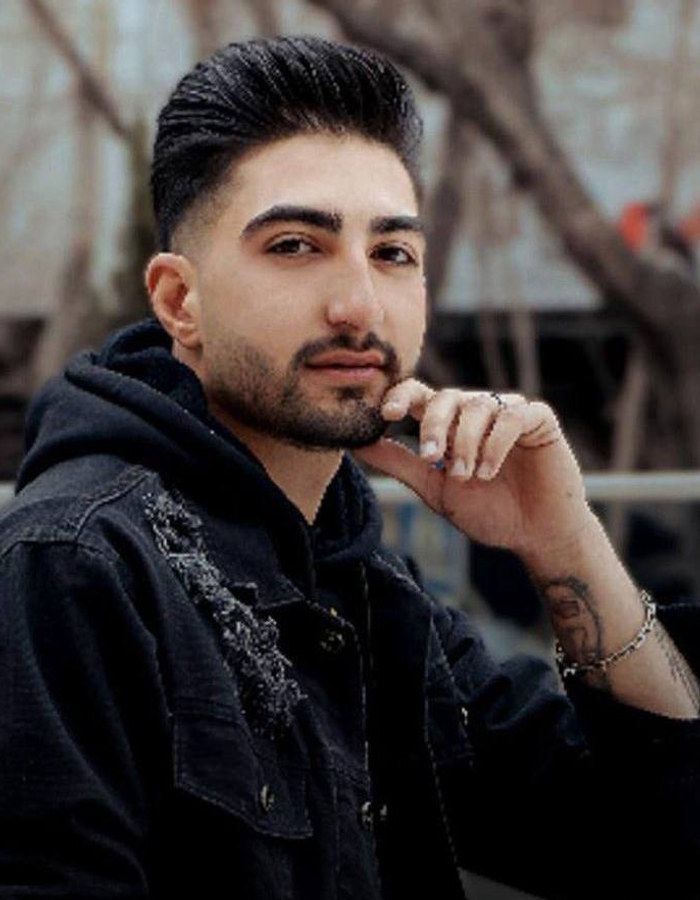
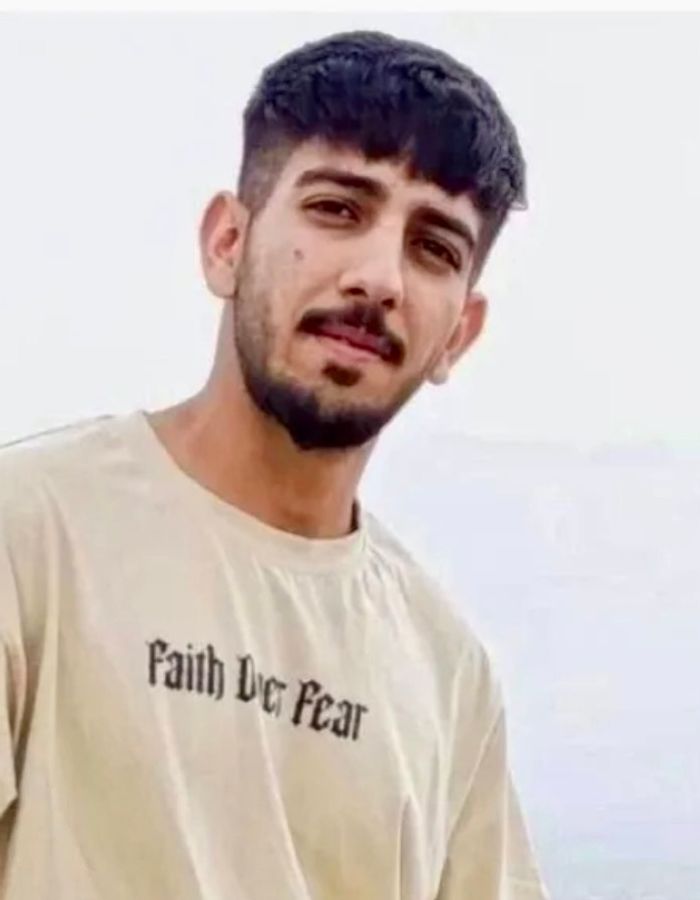
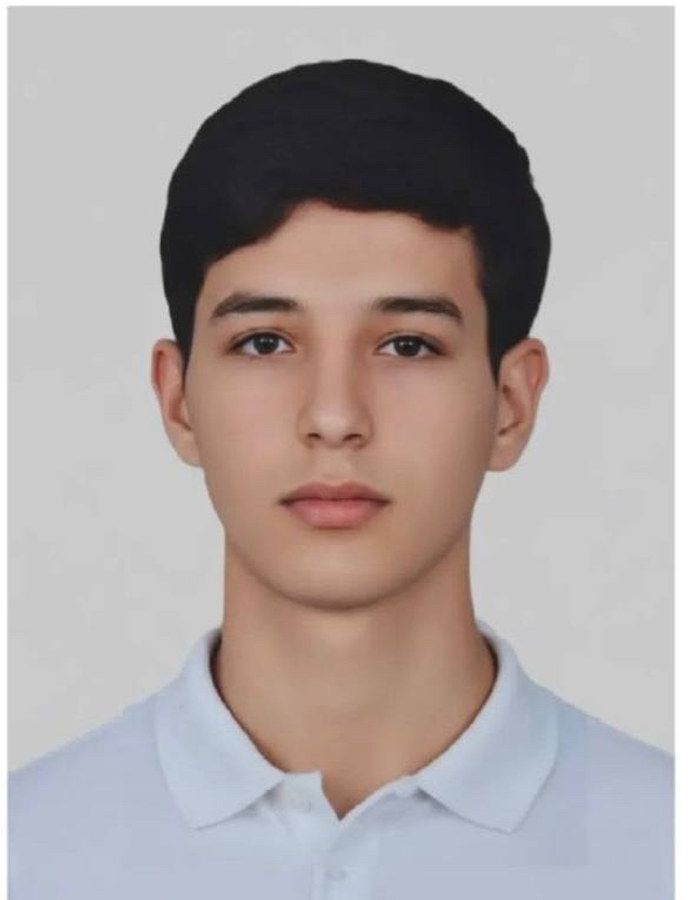
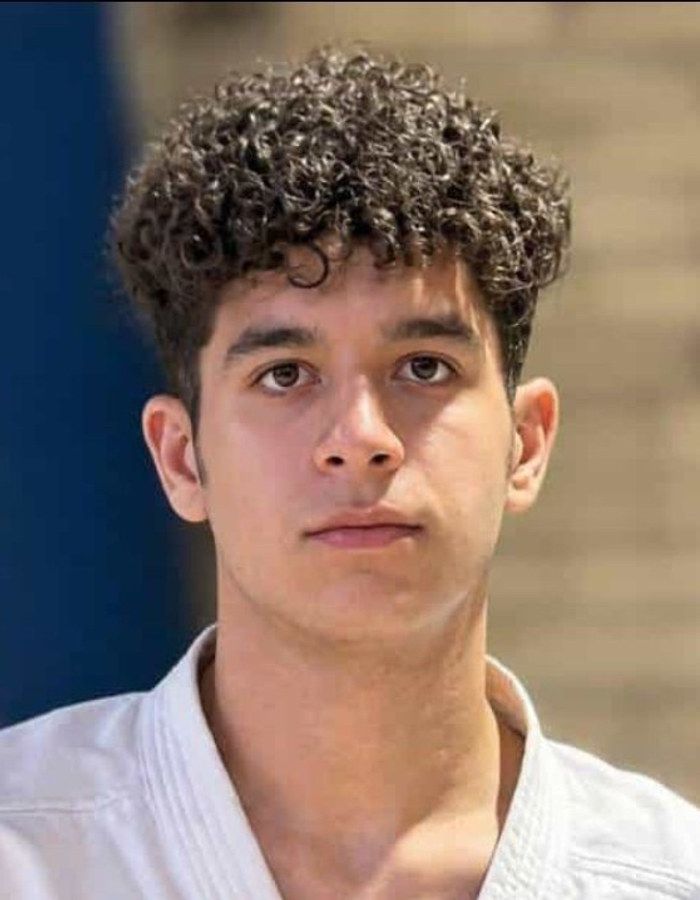
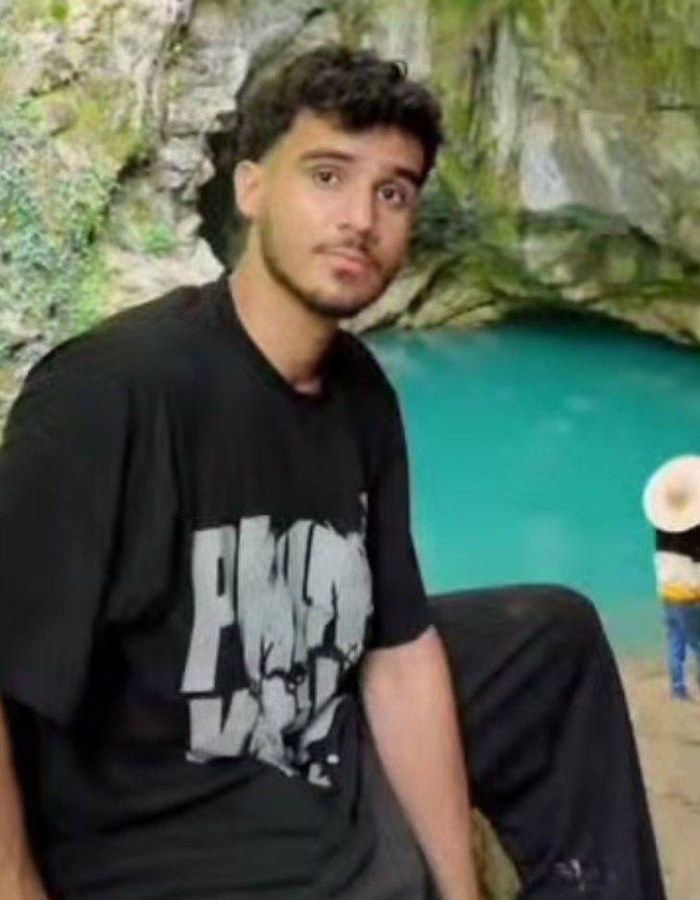
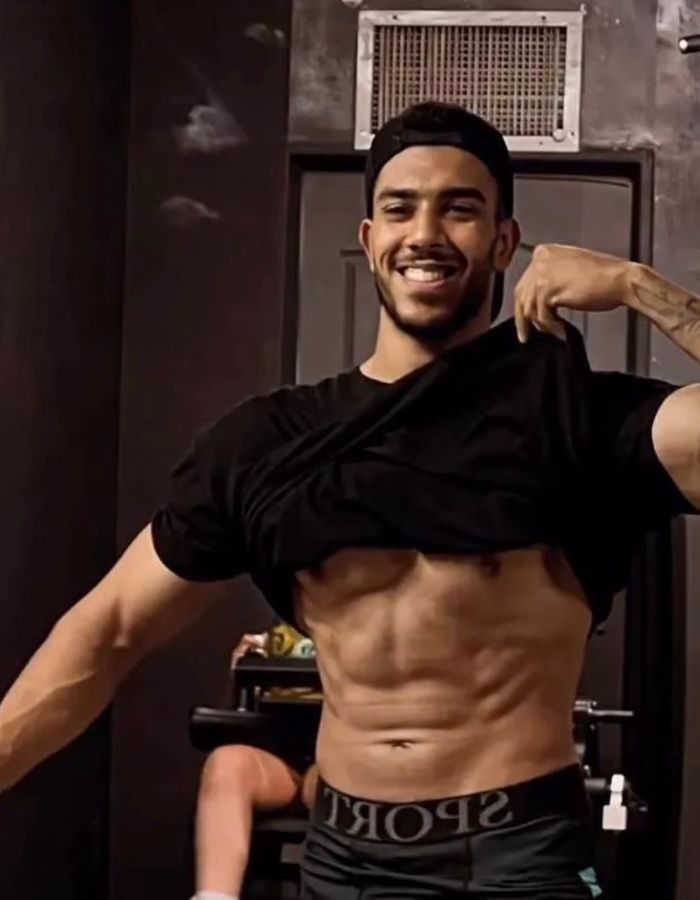
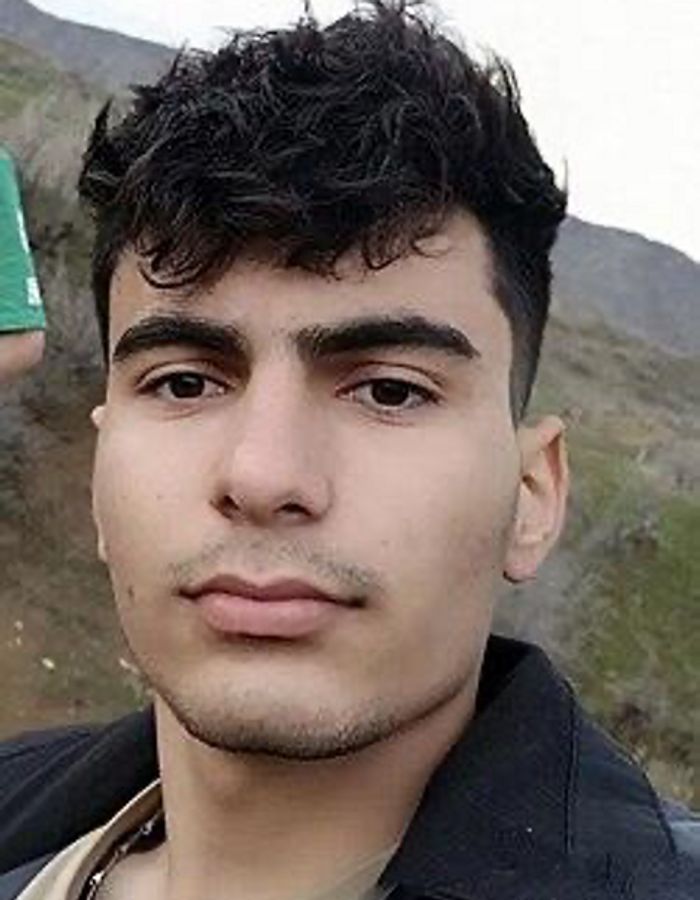
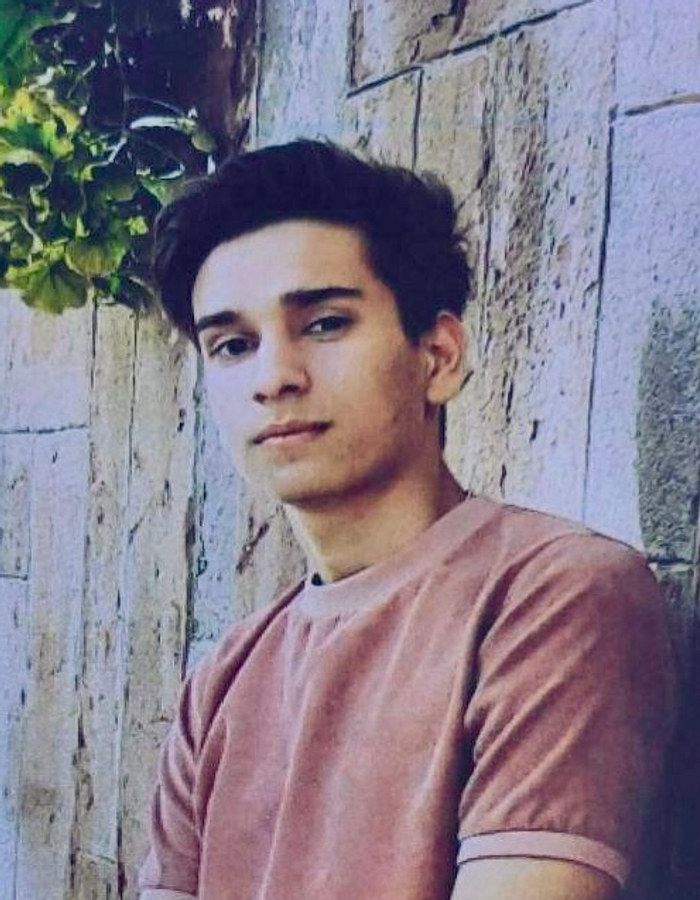
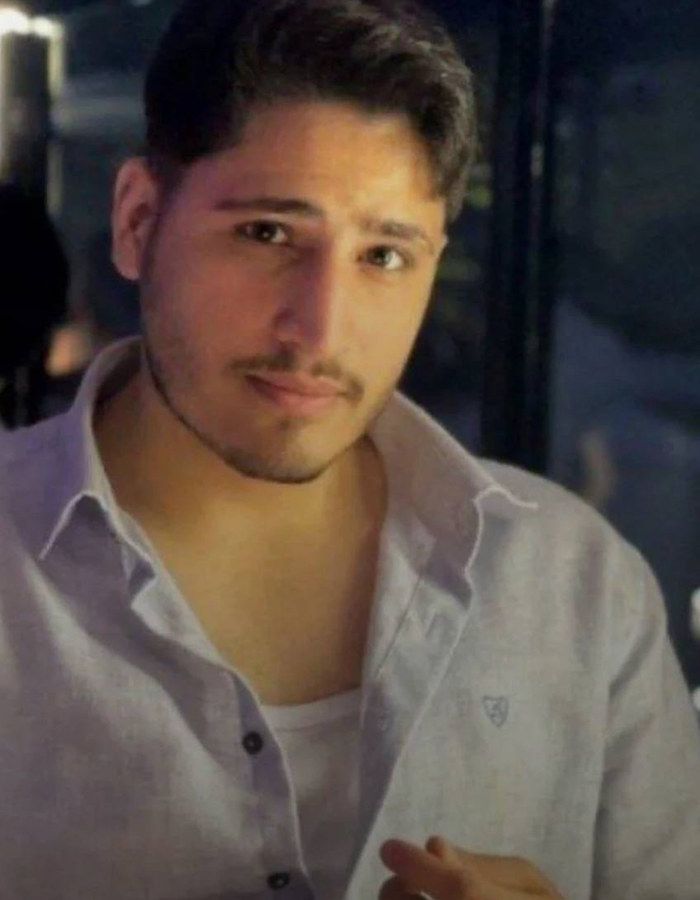

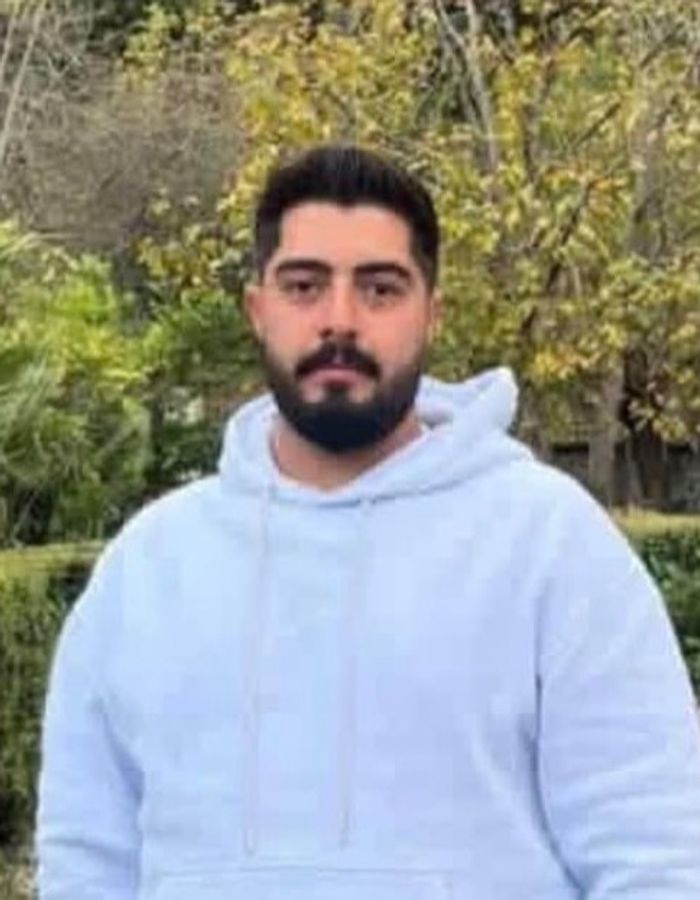
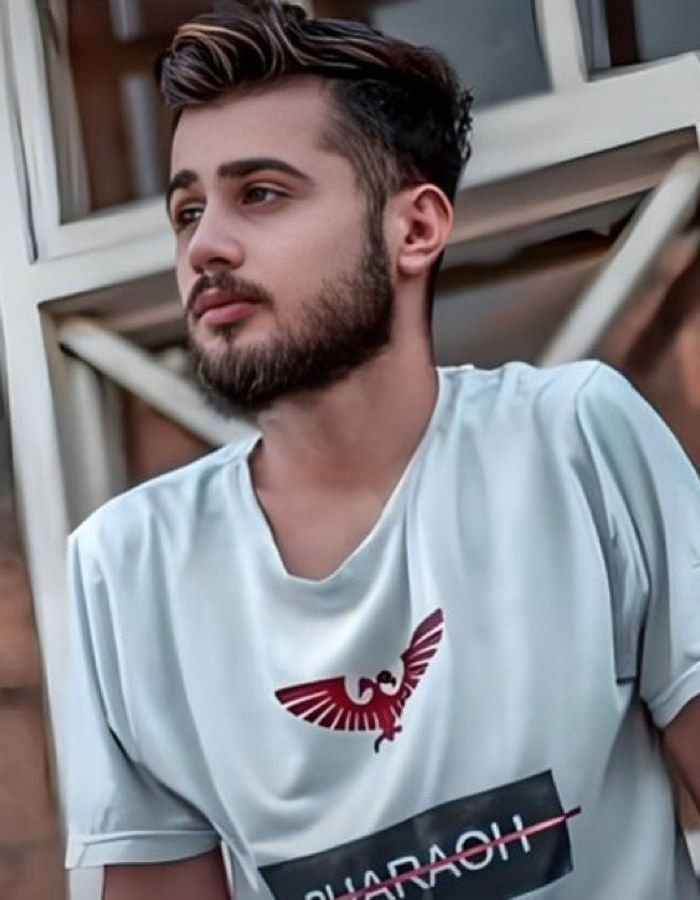
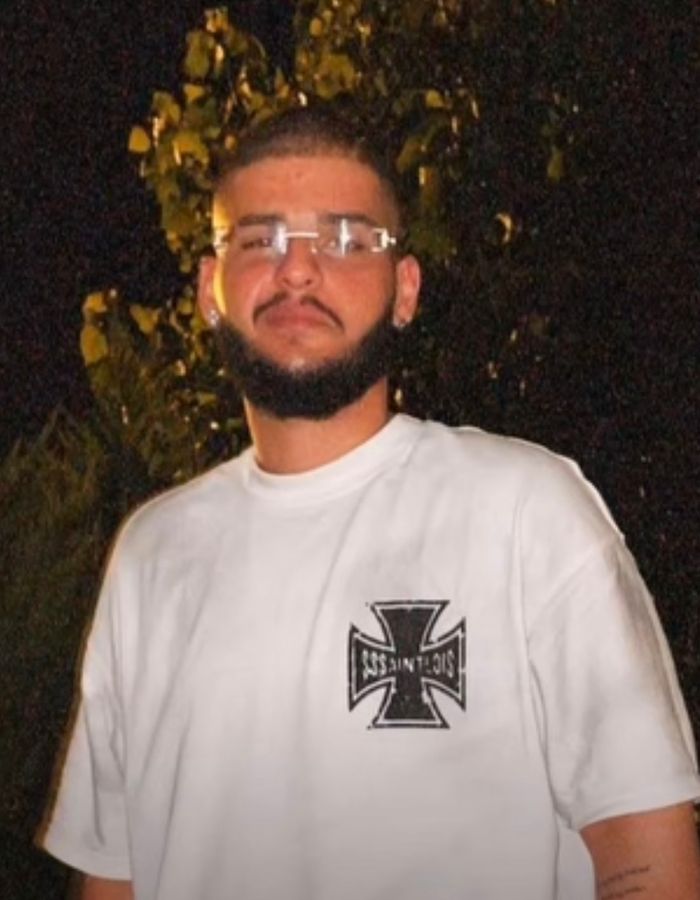
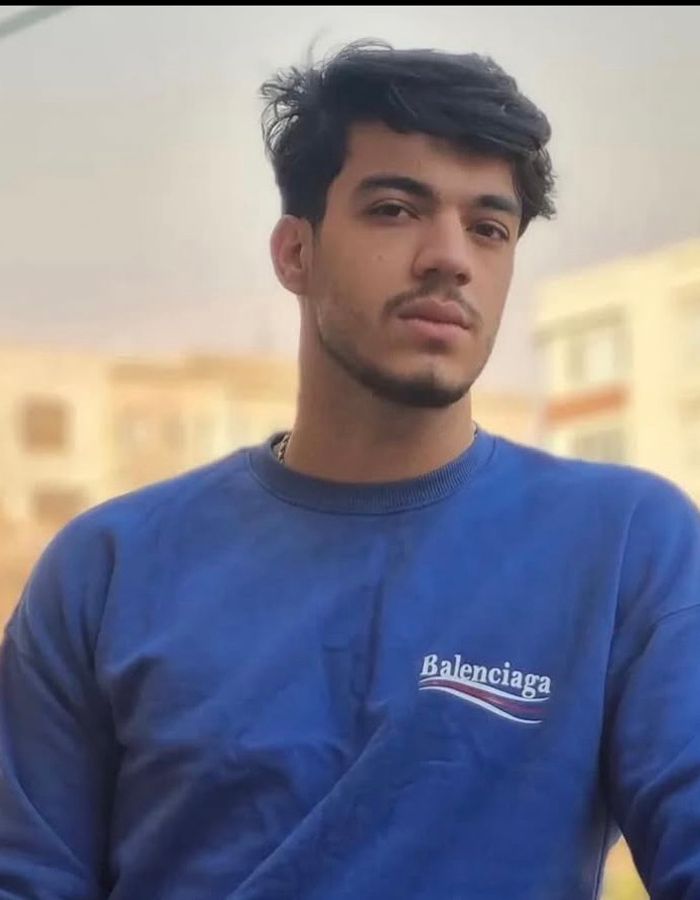
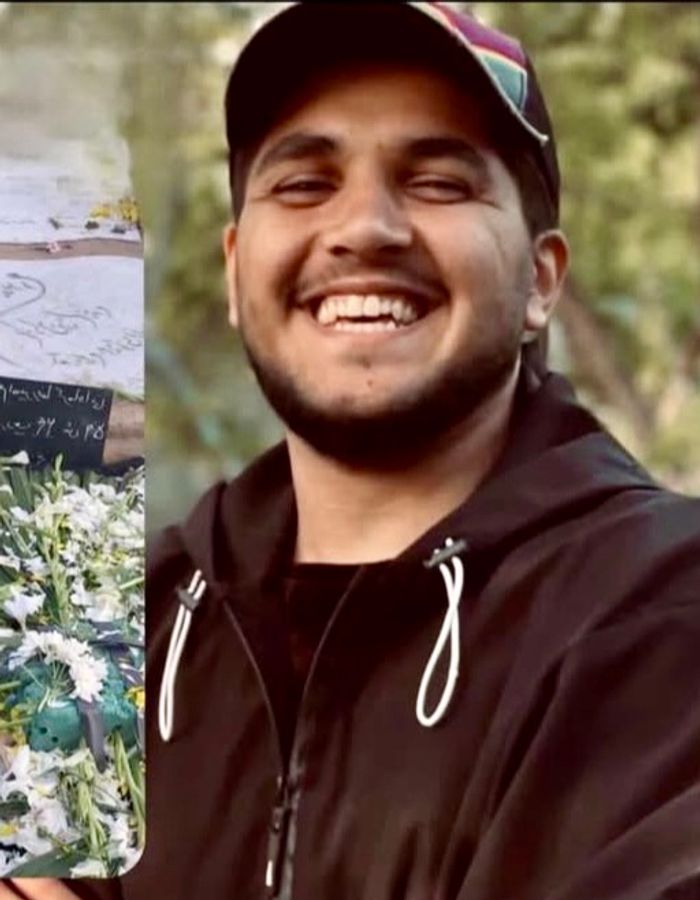
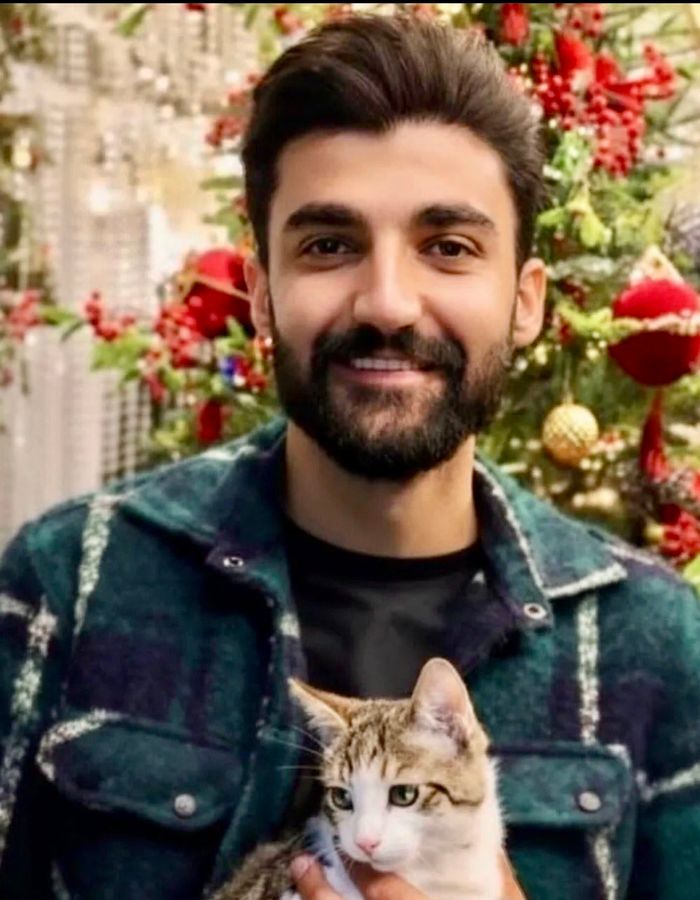
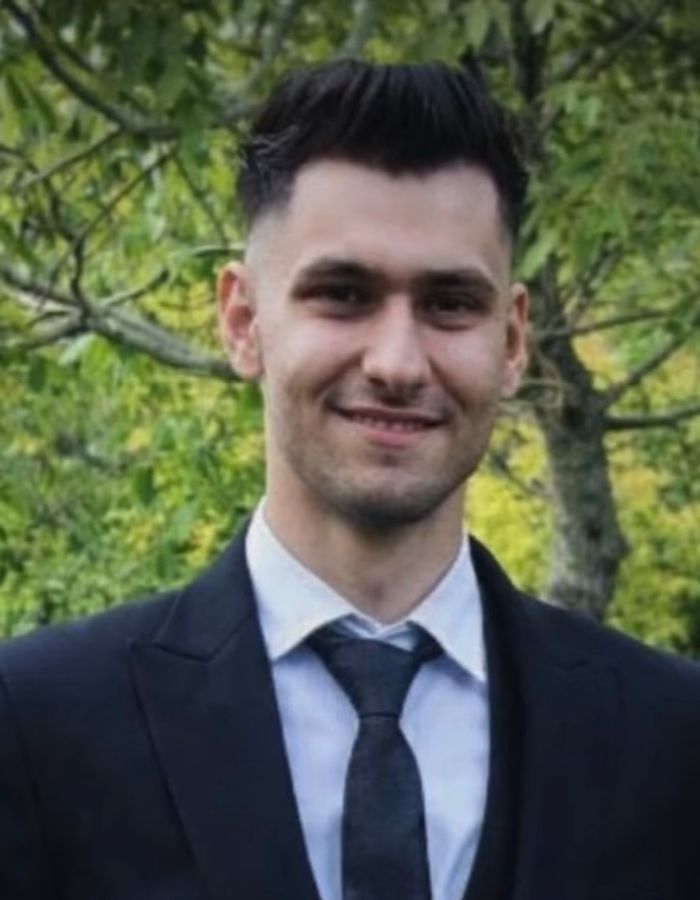
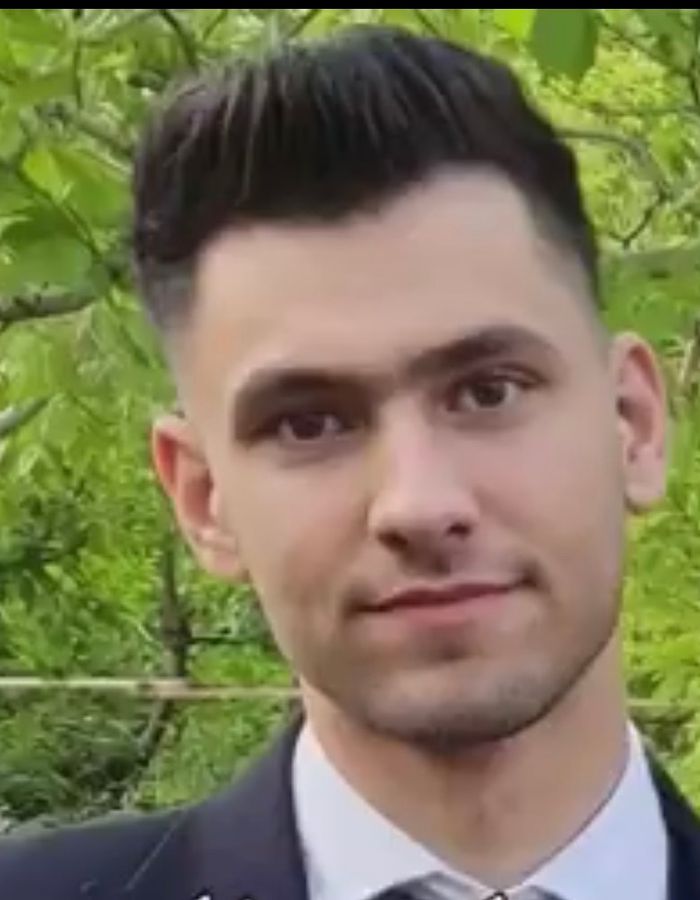
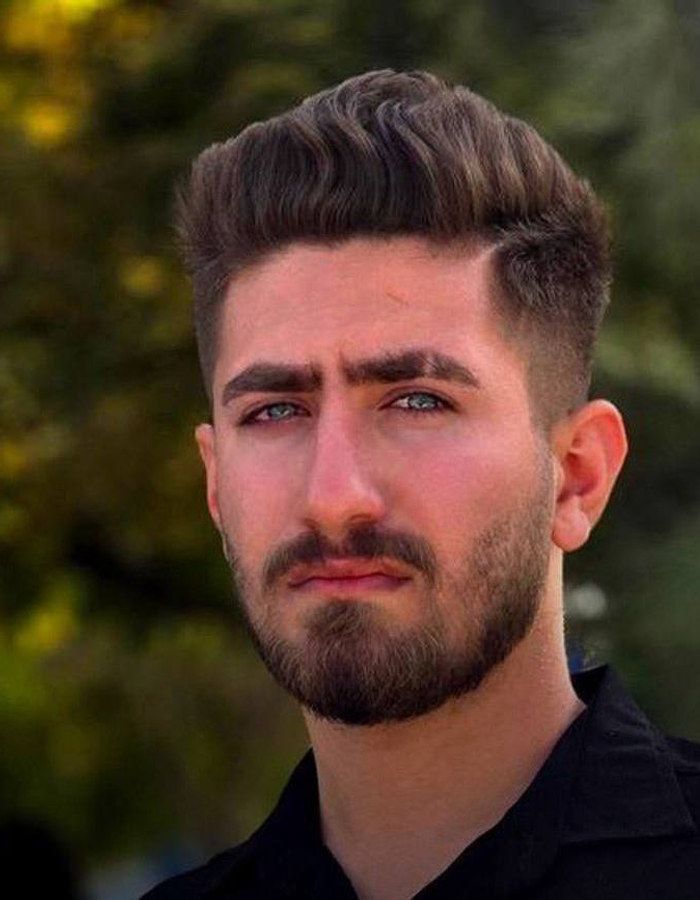
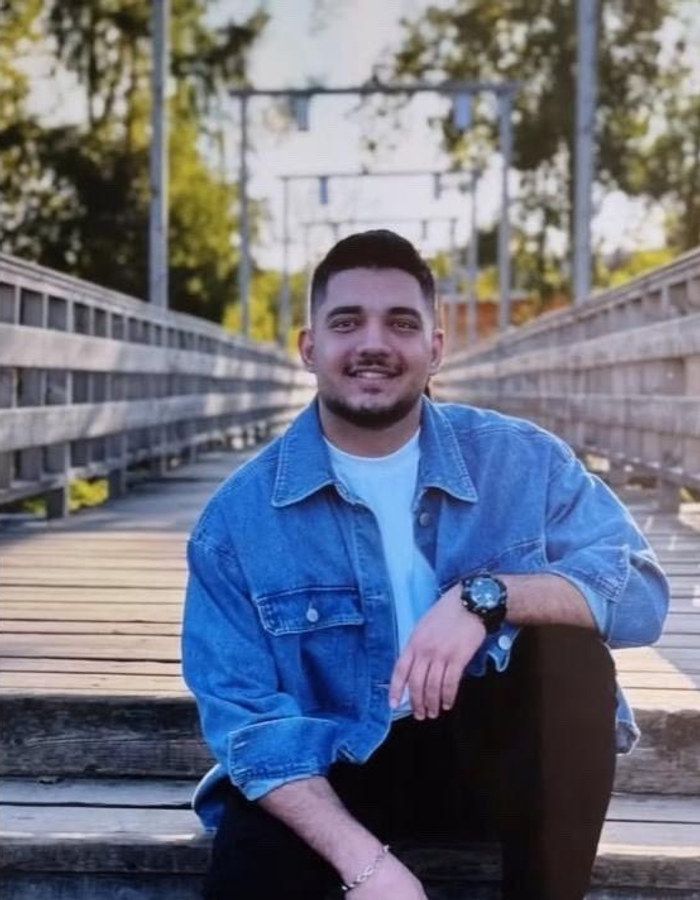
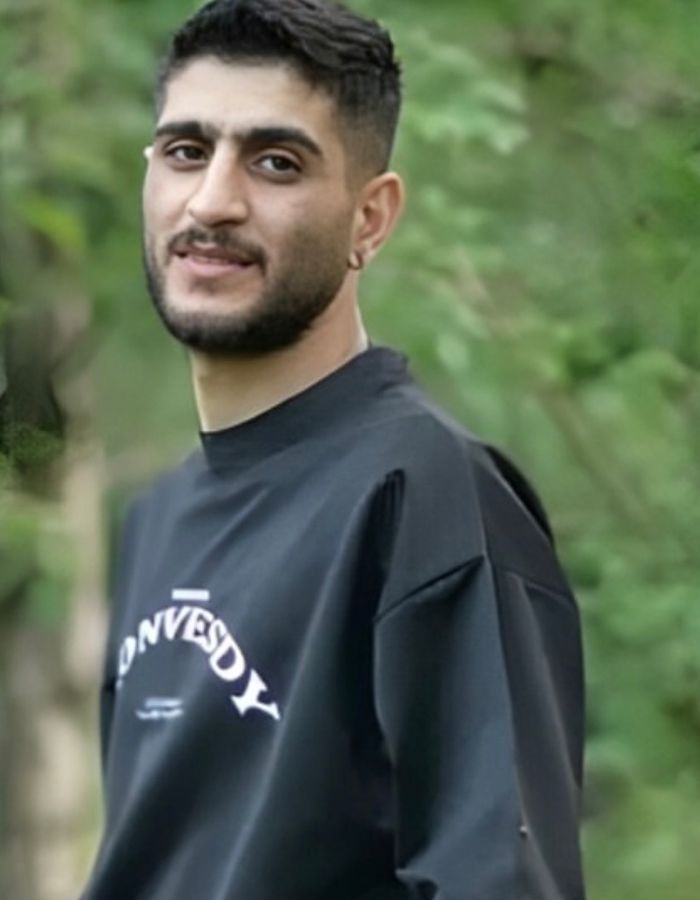
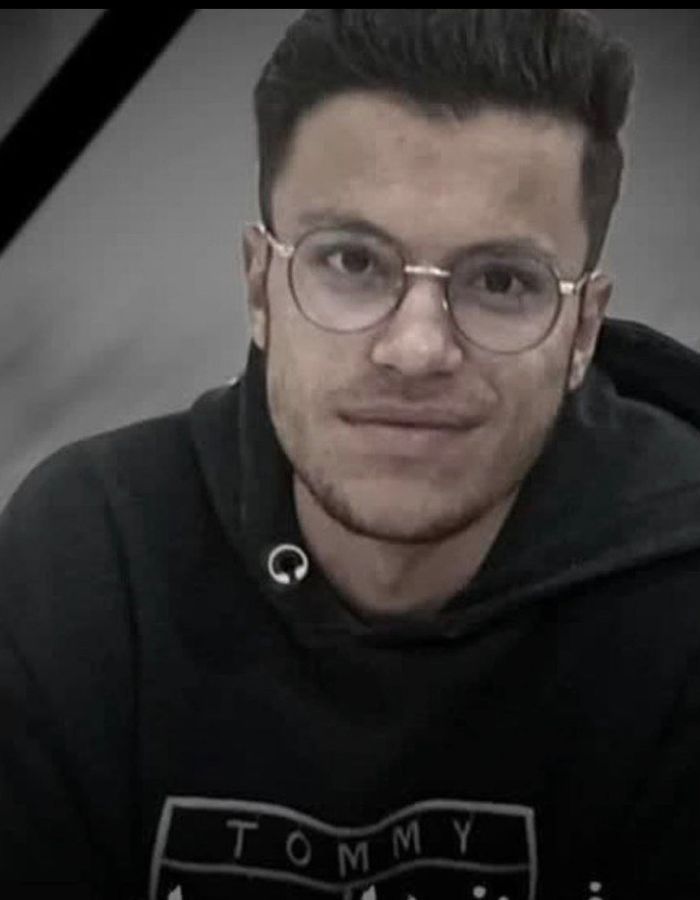
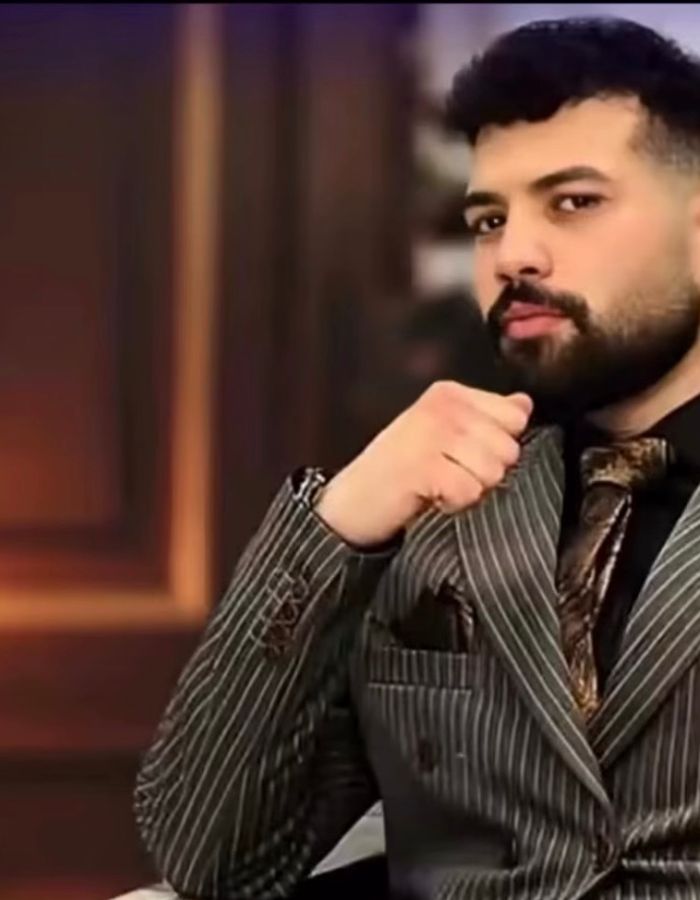
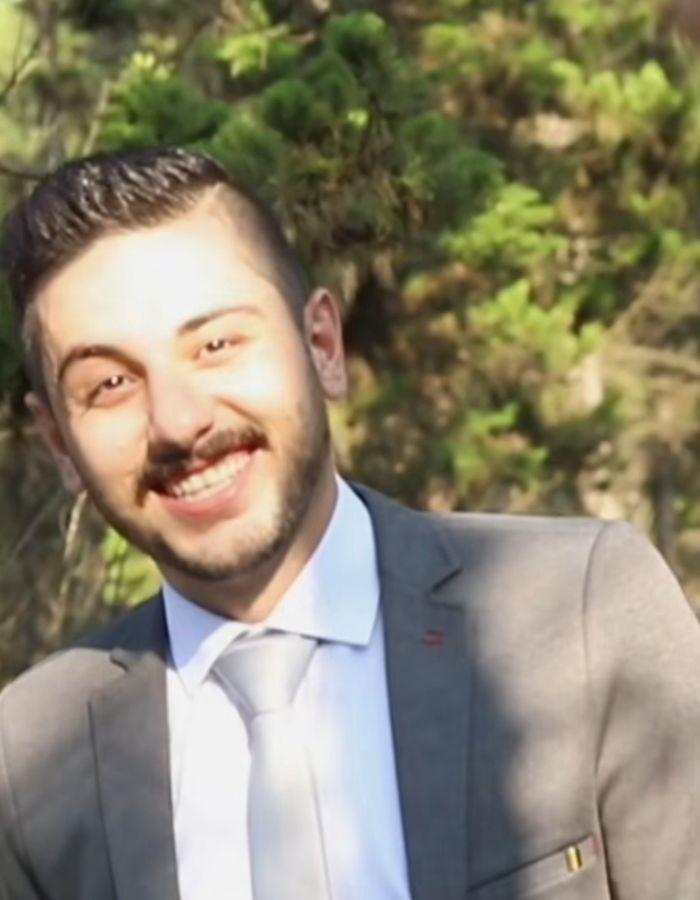
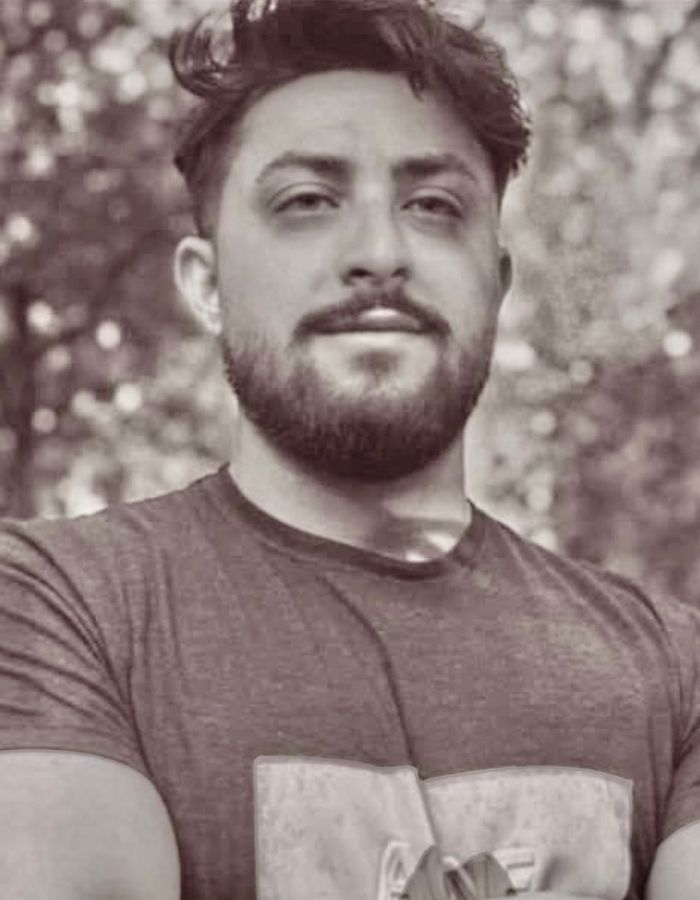
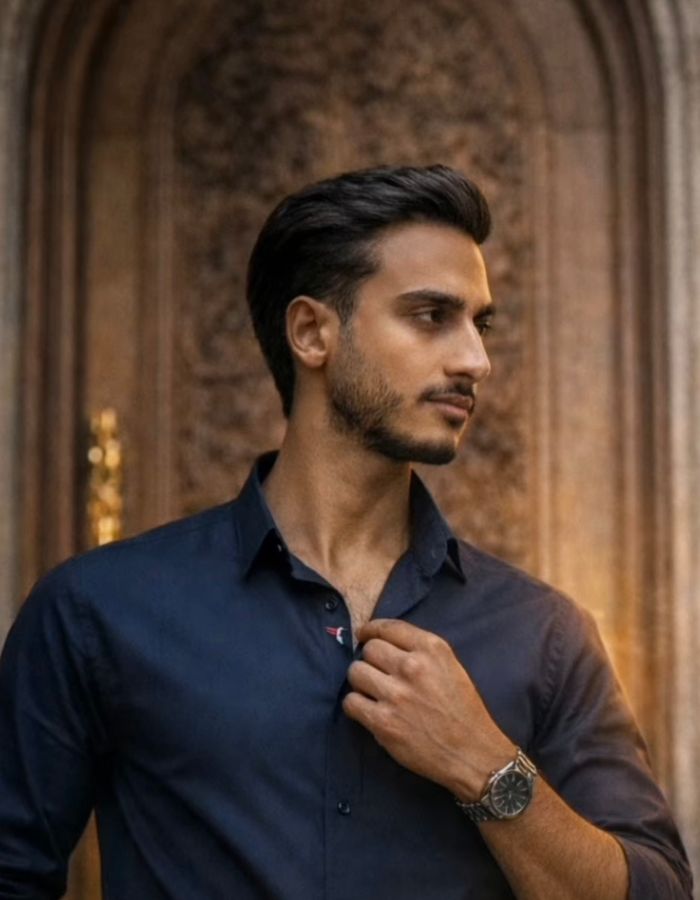
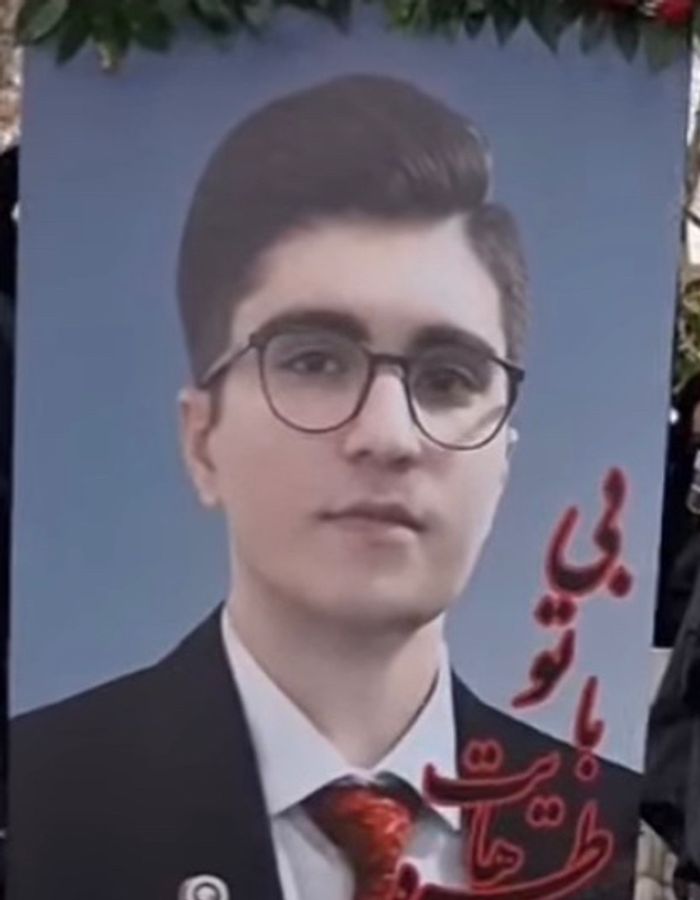
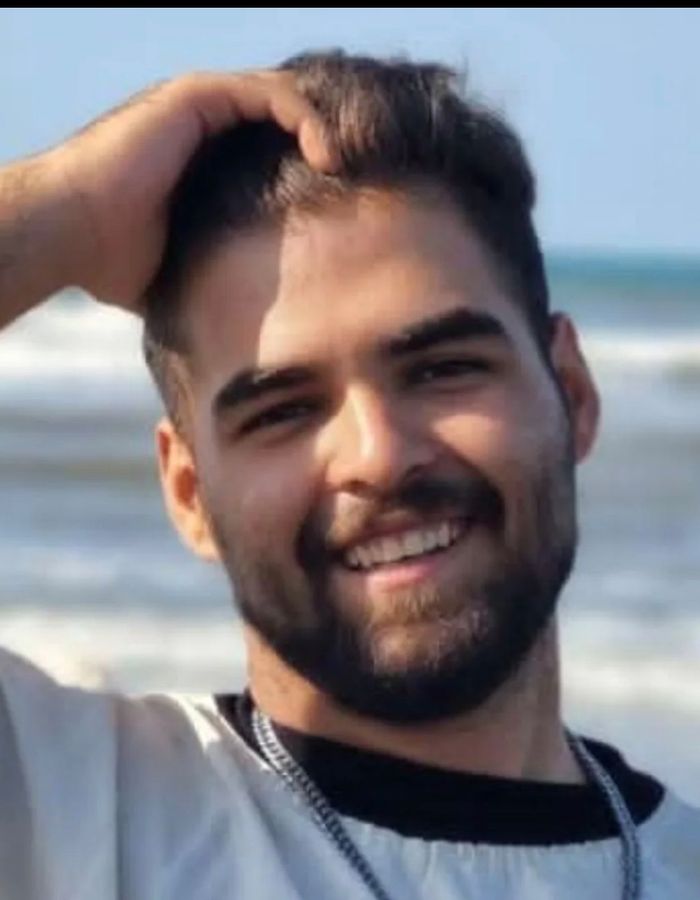
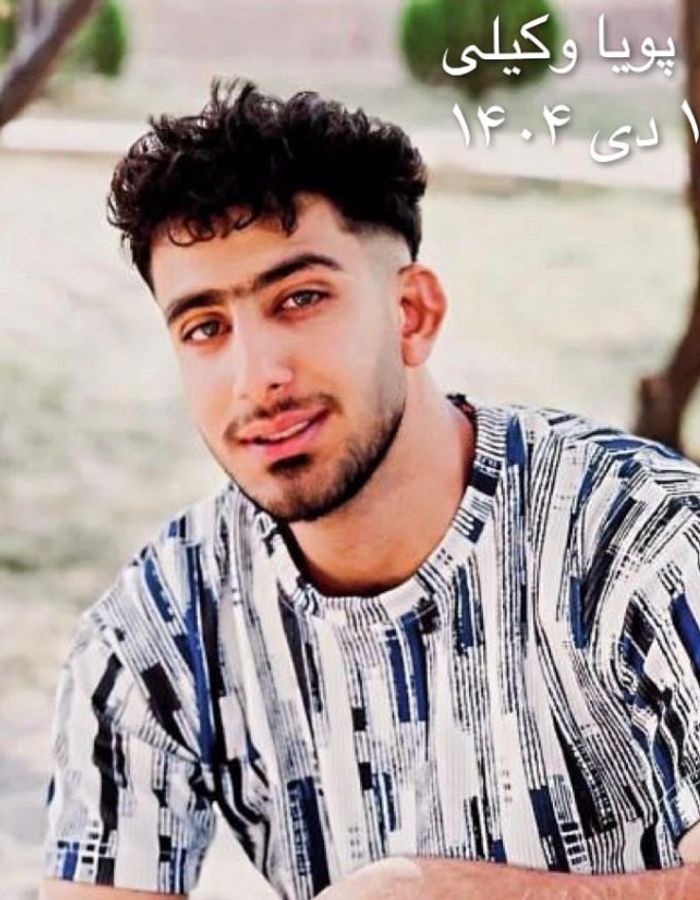
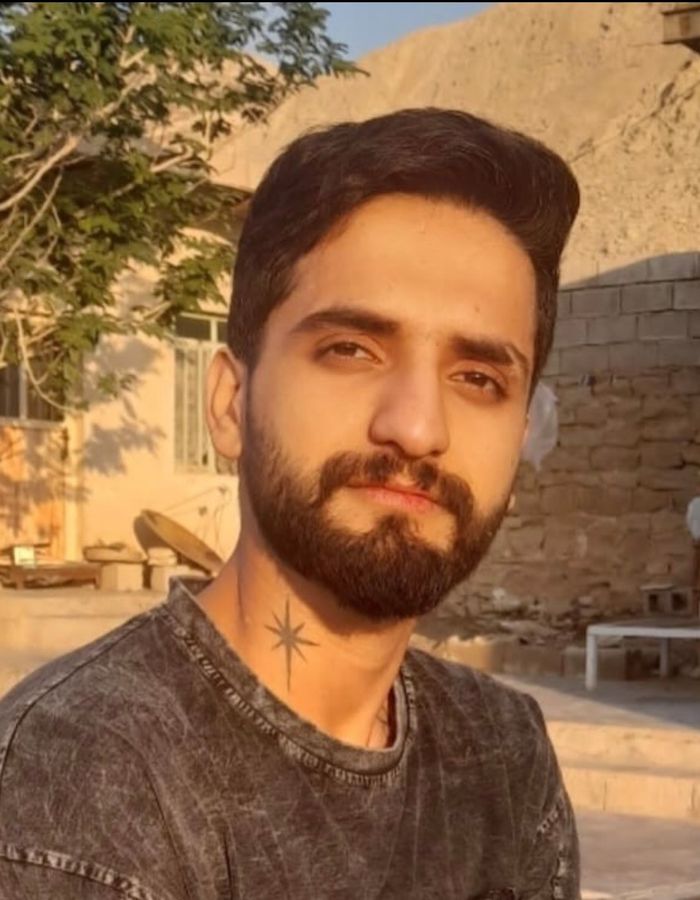
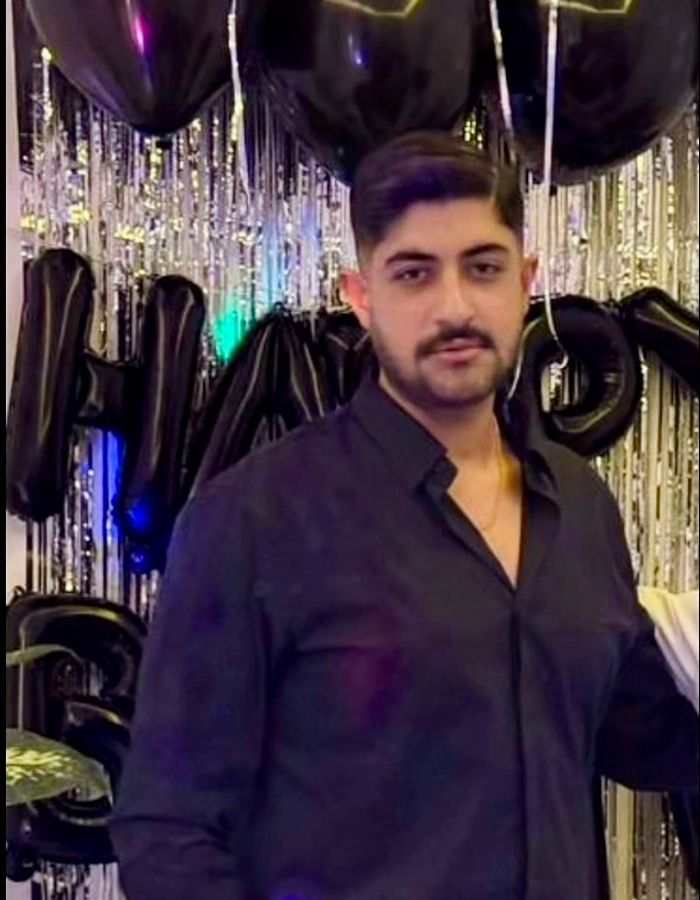
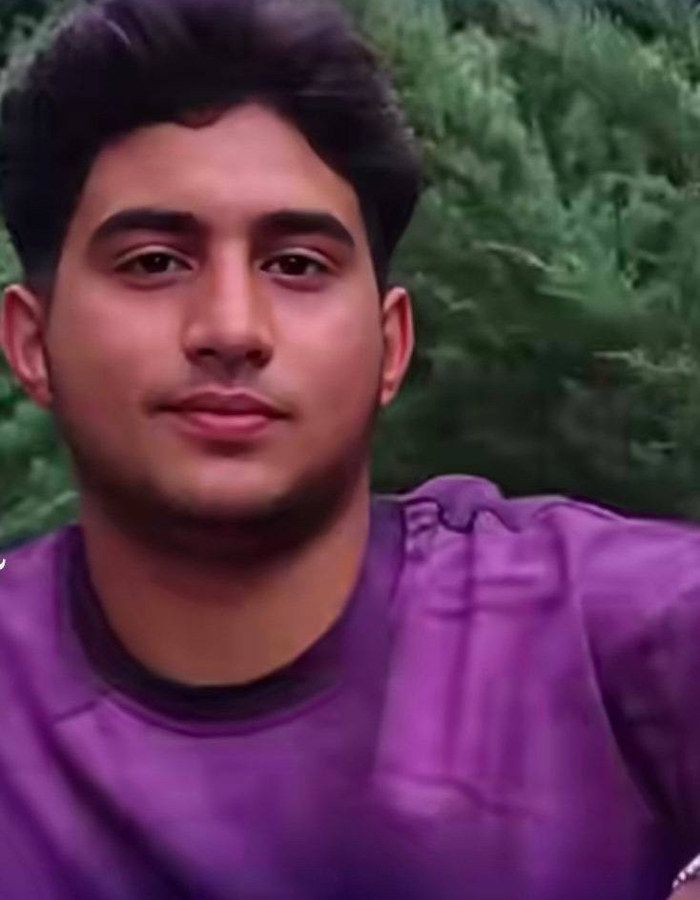
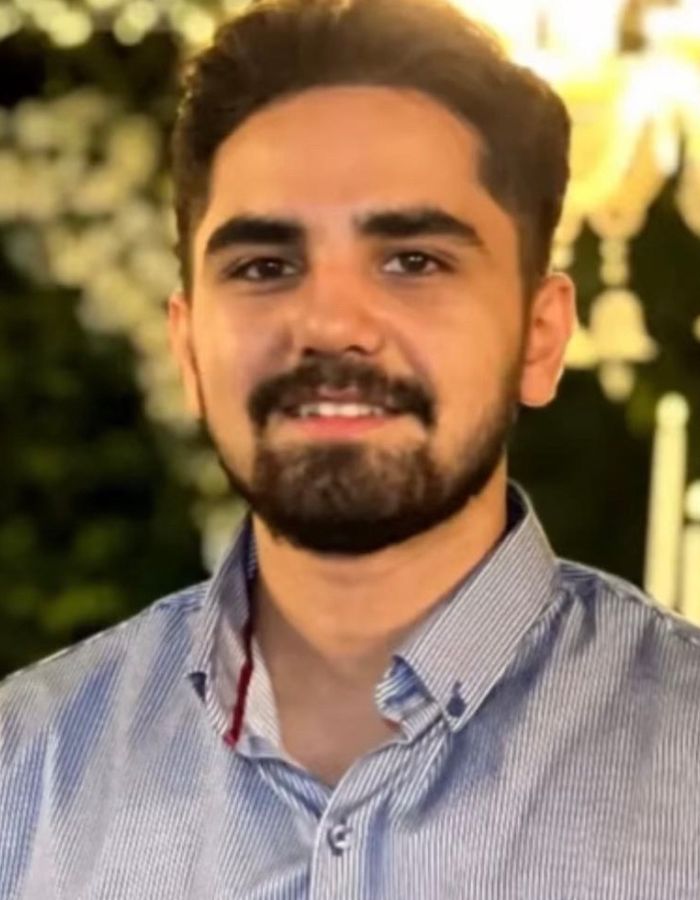
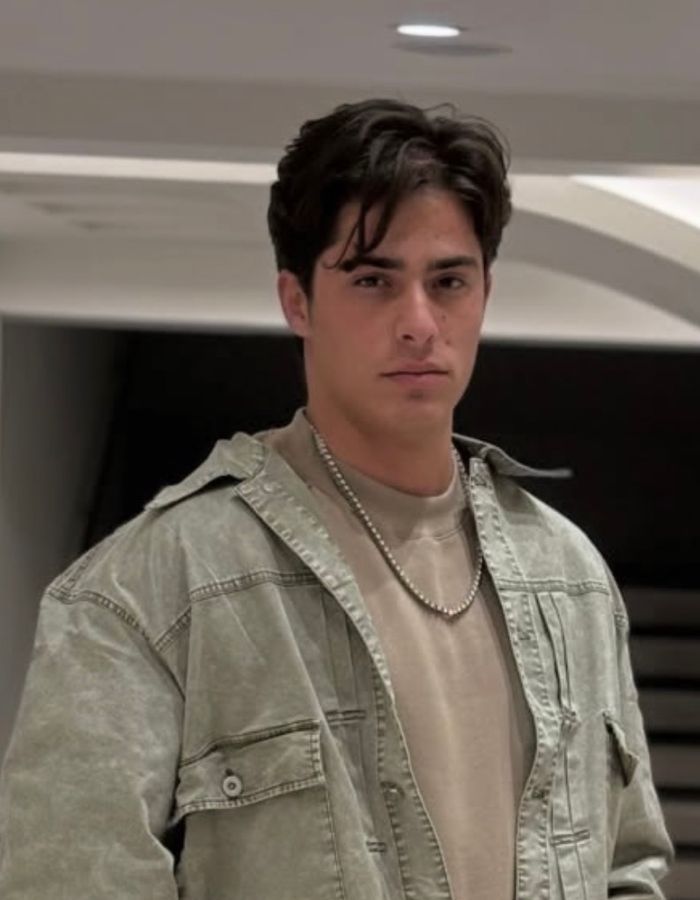
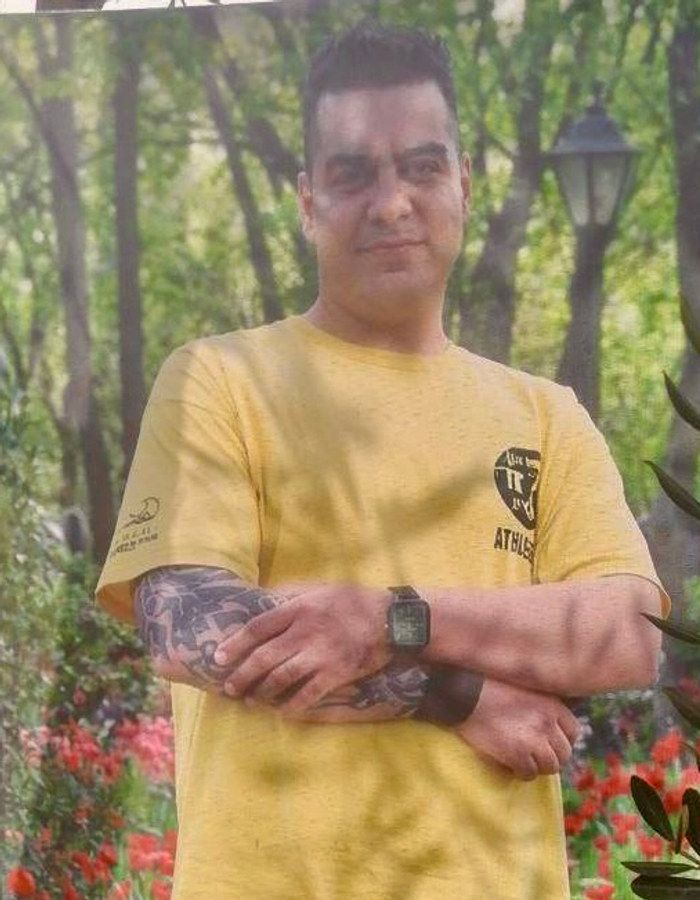
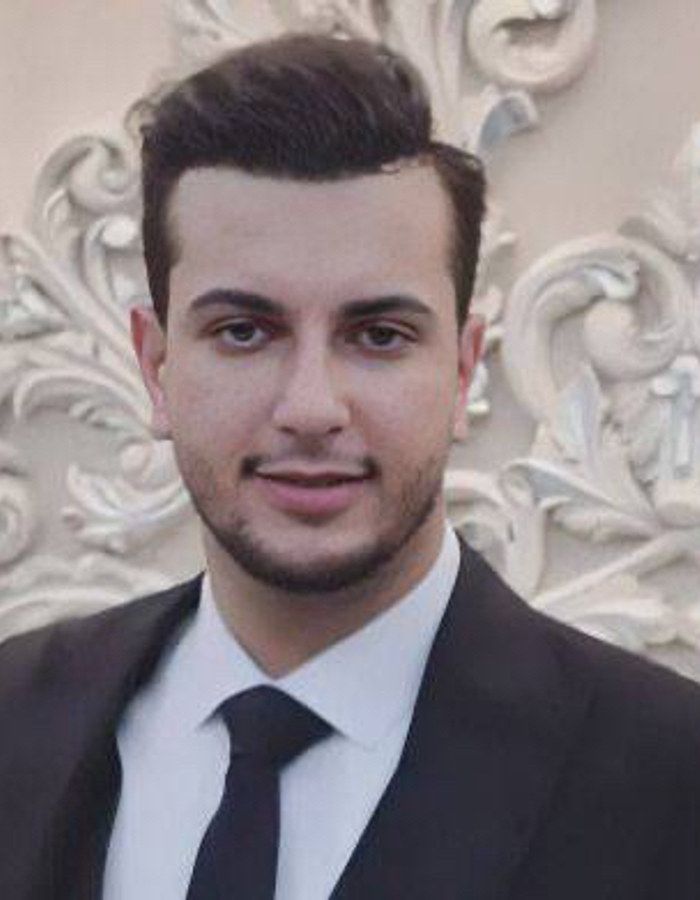
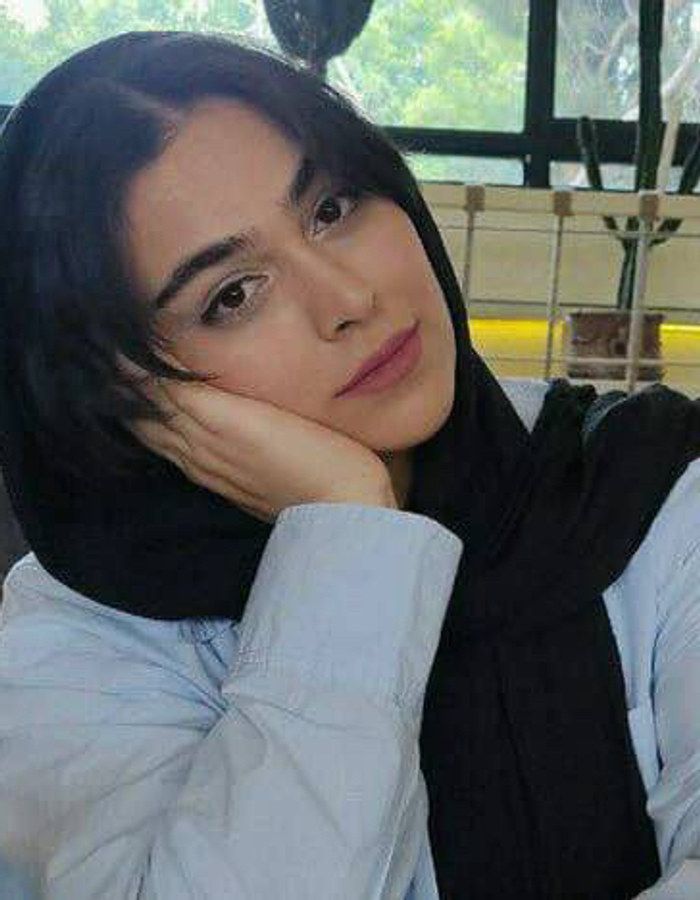
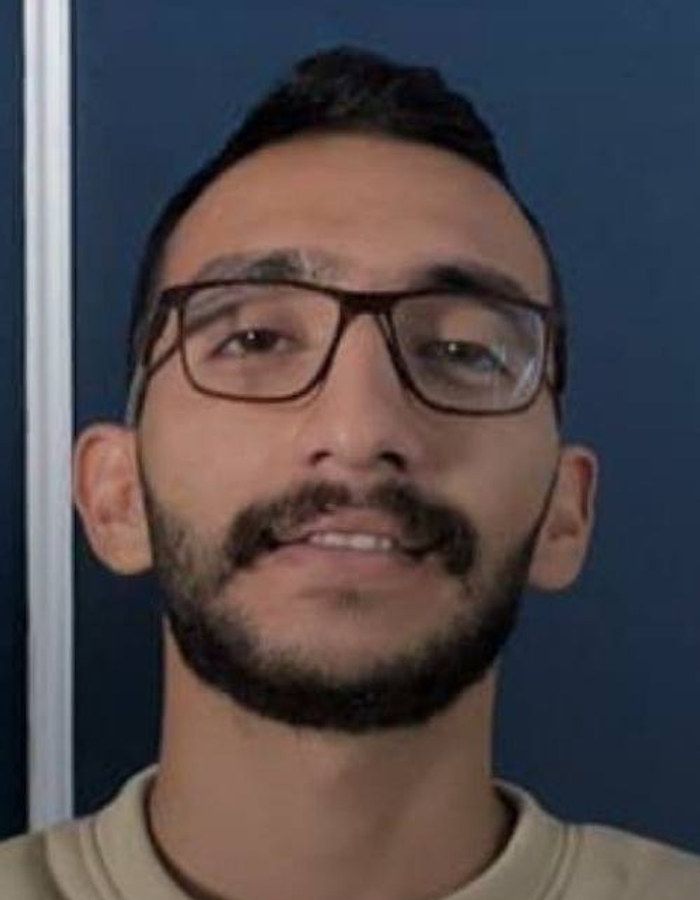
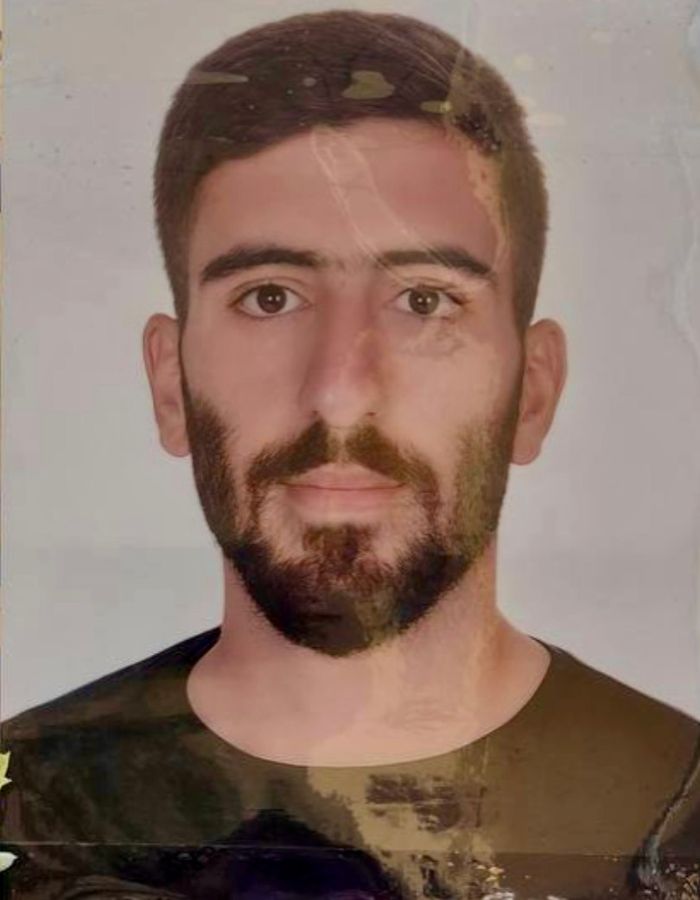
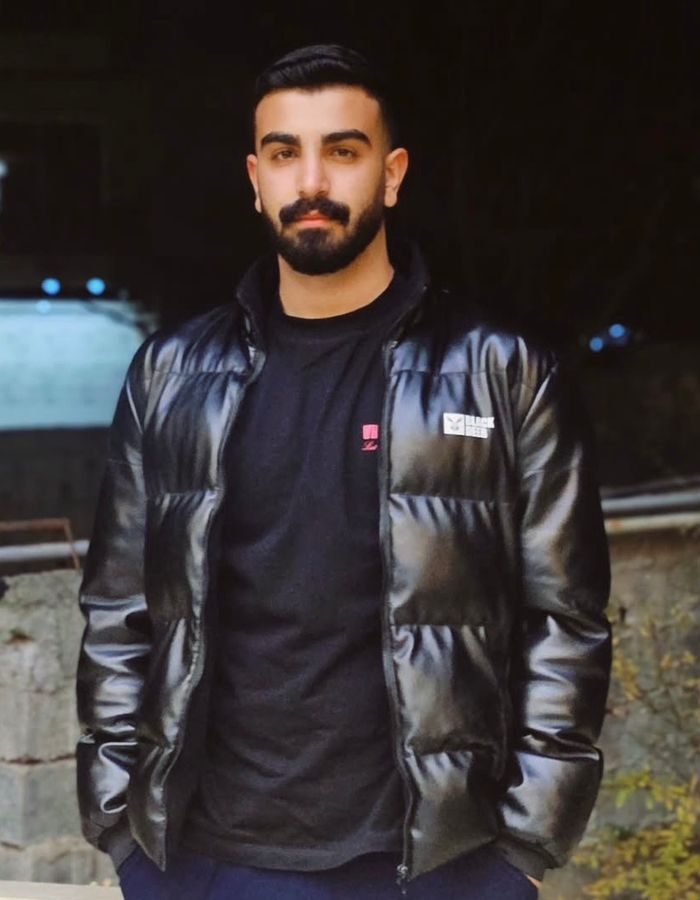
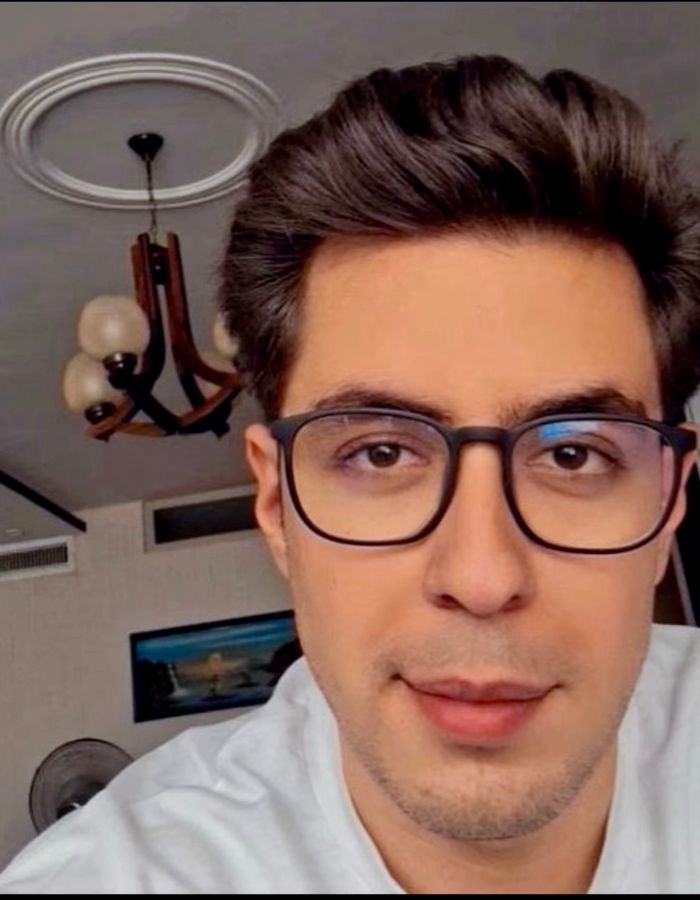
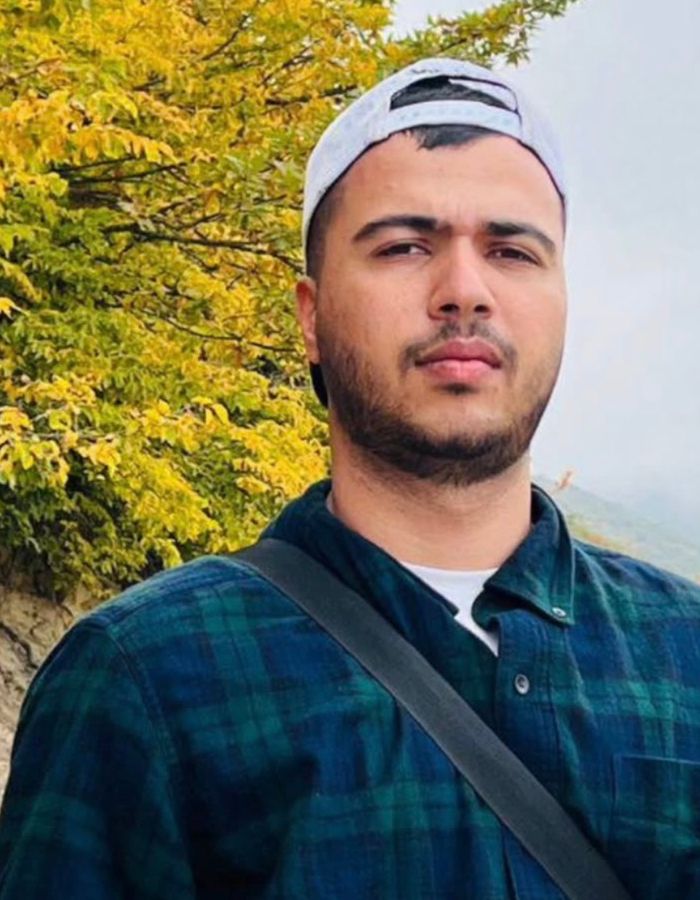
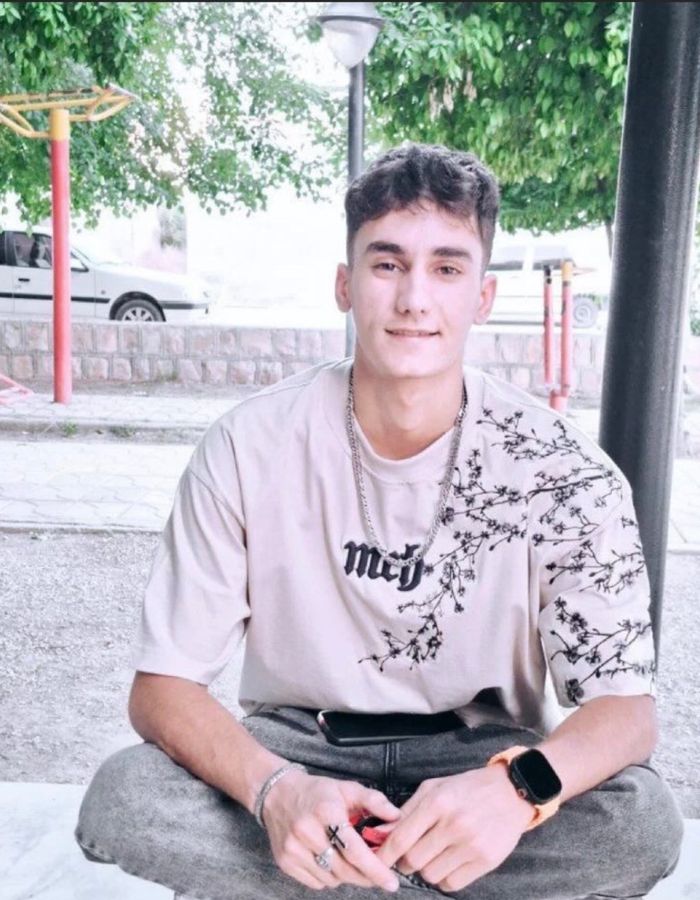
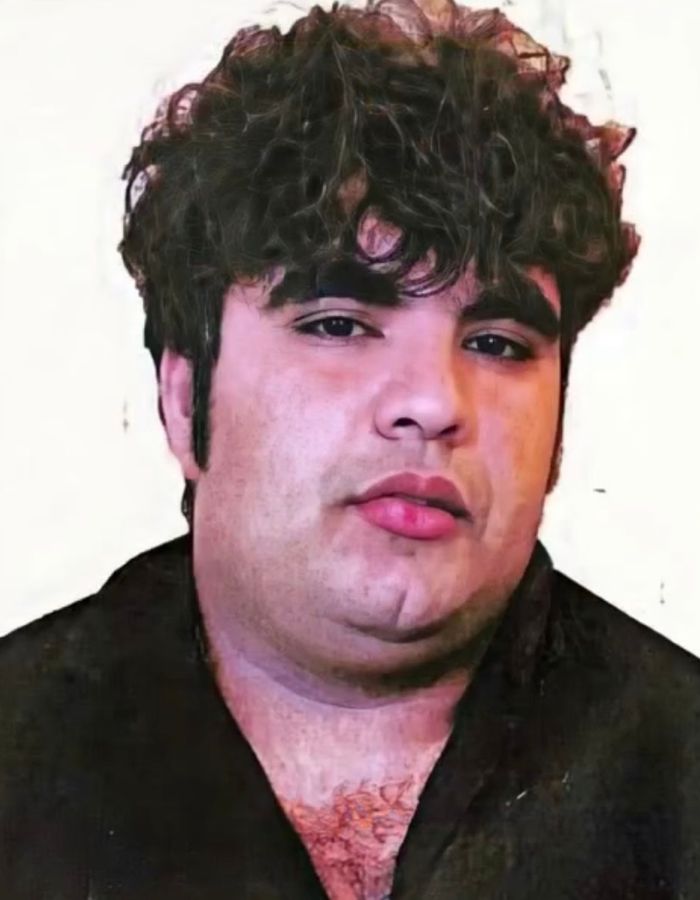
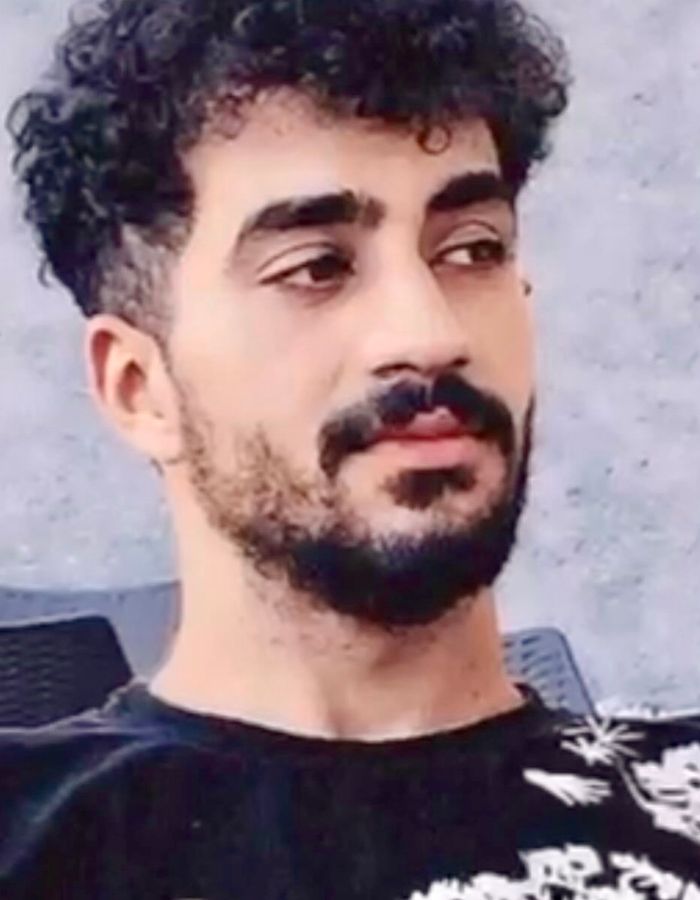
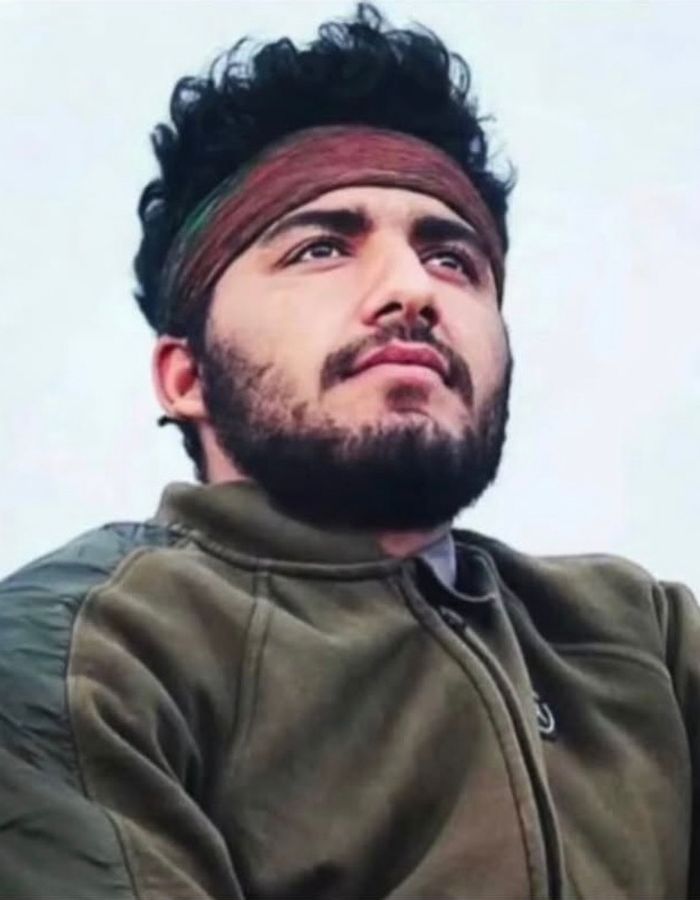
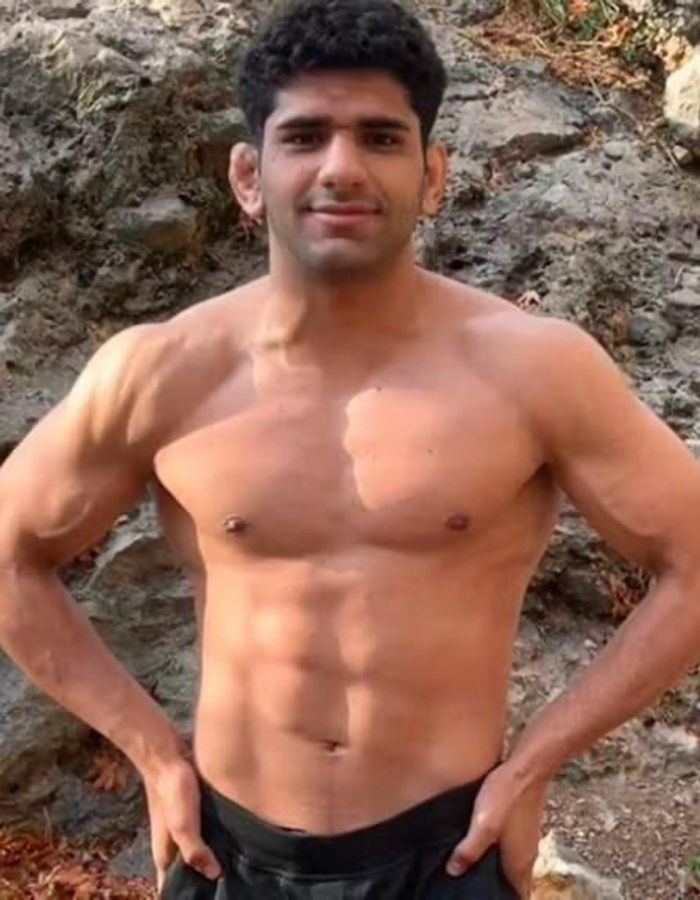
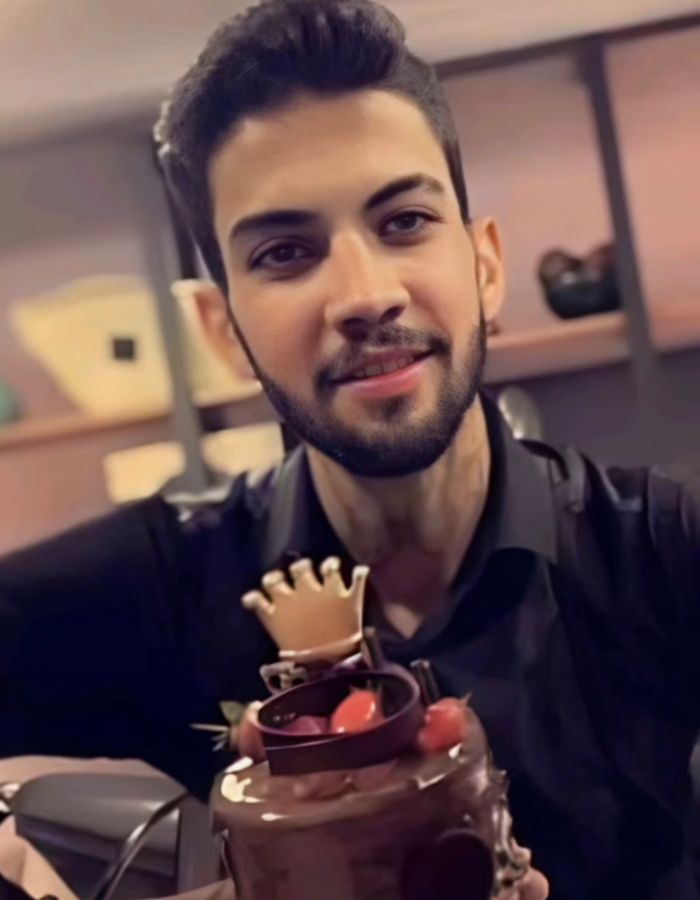
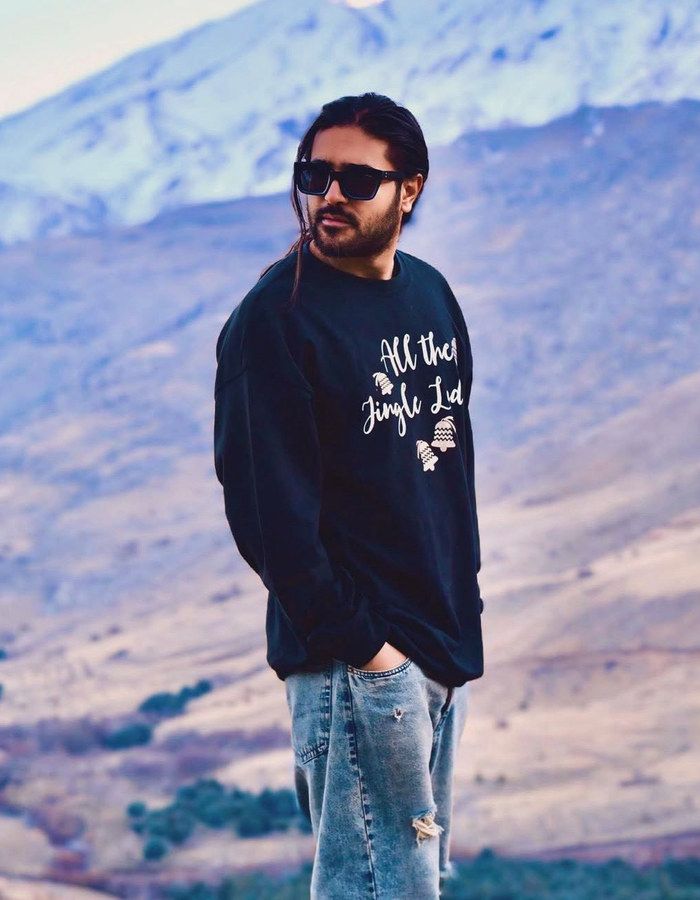
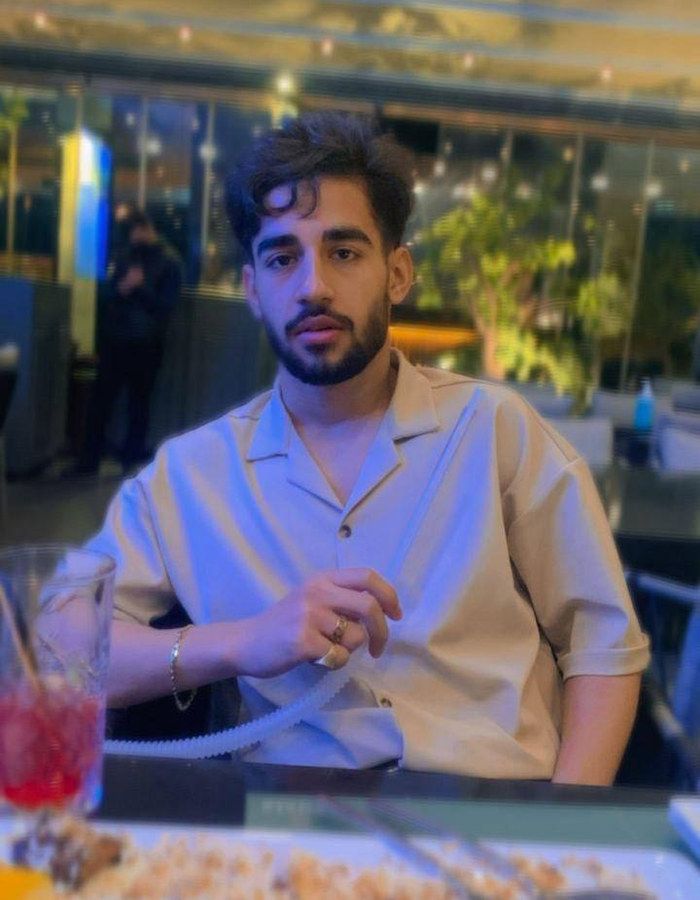
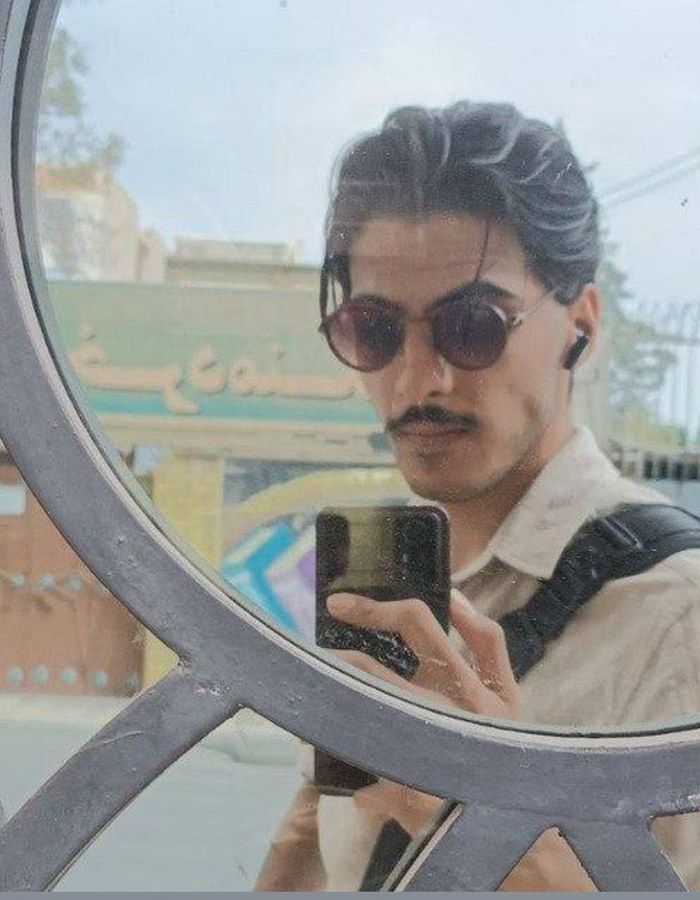
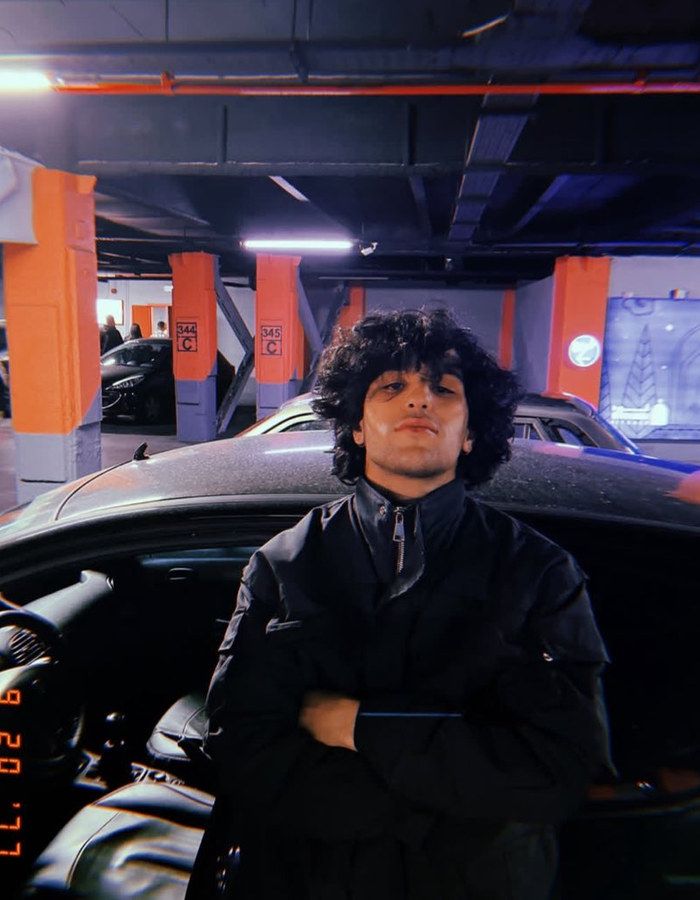
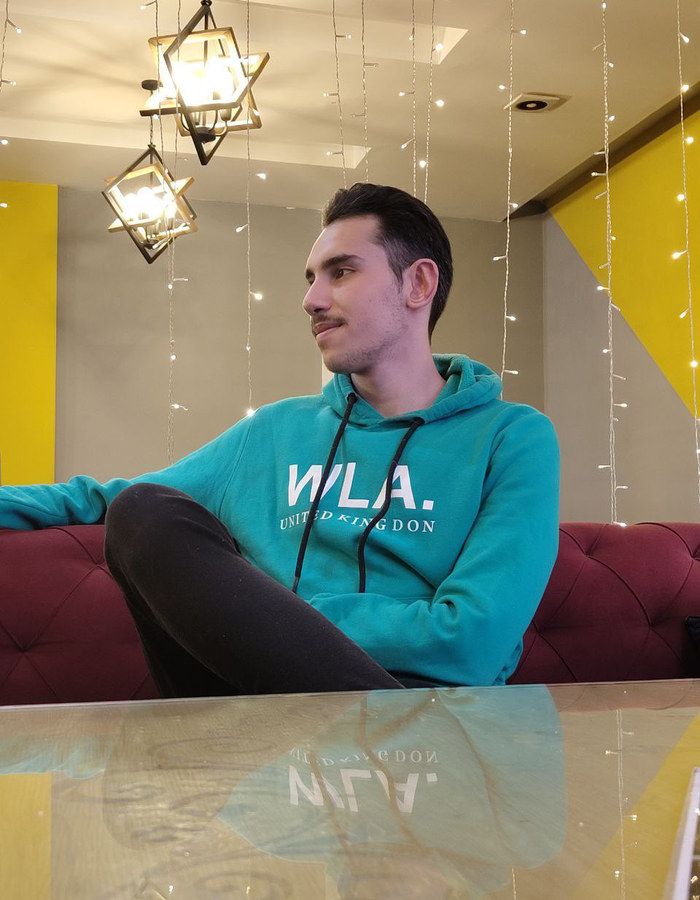
299 people killed in Iran's 2025–26 crackdown, each identified by name, age and city in the BBC News Persian victim archive and verified against family testimony and human-rights reporting. This is a sample, not a complete record: most of the dead are still unidentified, and many families have been threatened into silence. Portraits are family photographs, reproduced for documentary purposes.
Browse all 234 named victims with photograph, age, city, date and source →
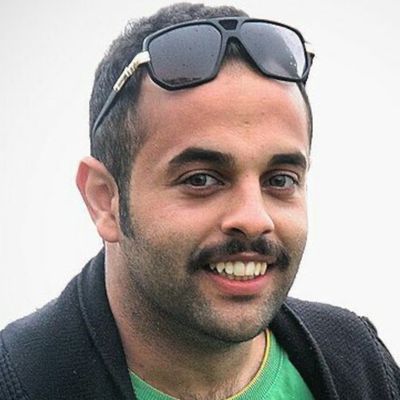
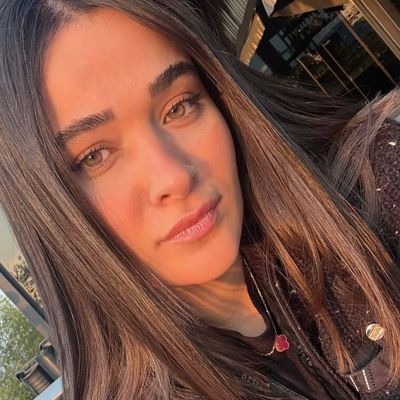
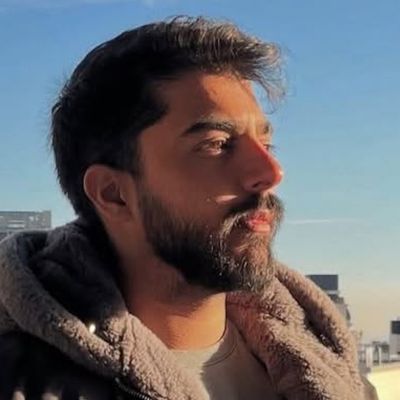
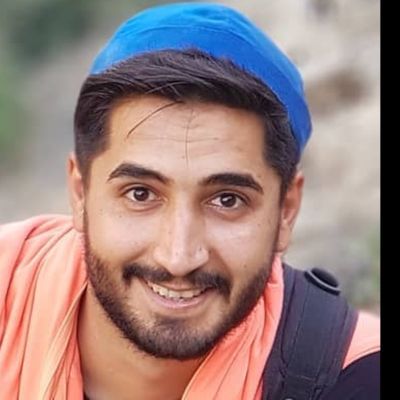
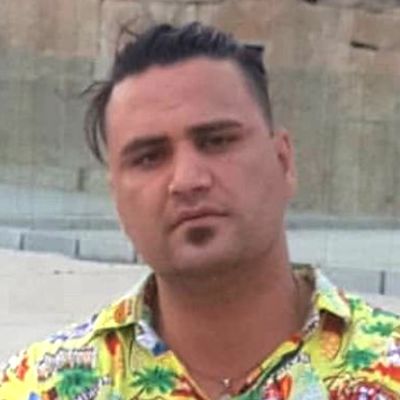

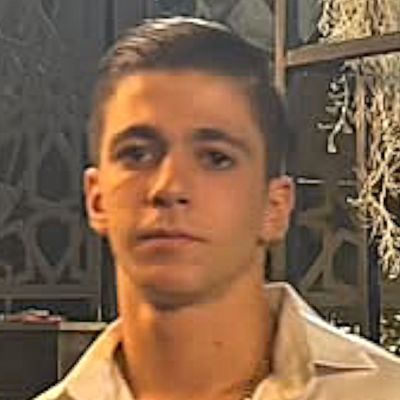
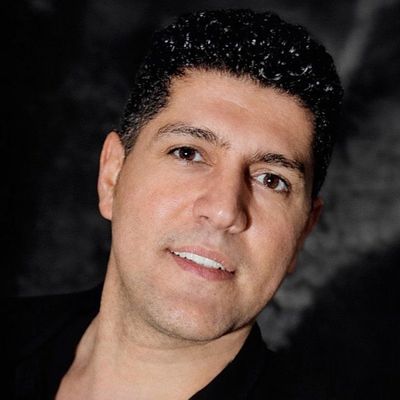
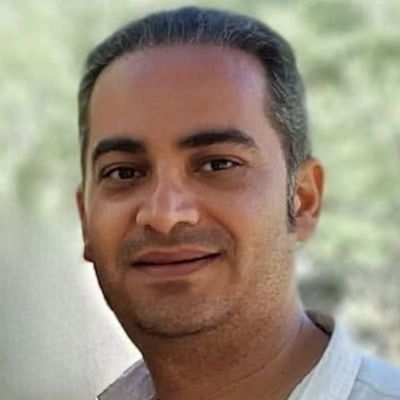
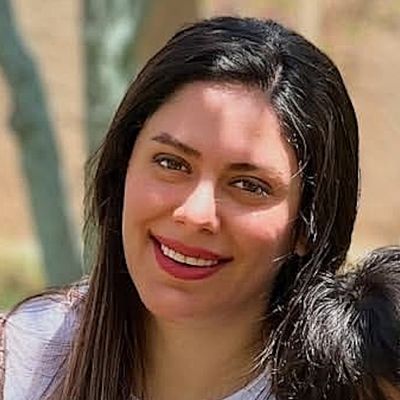
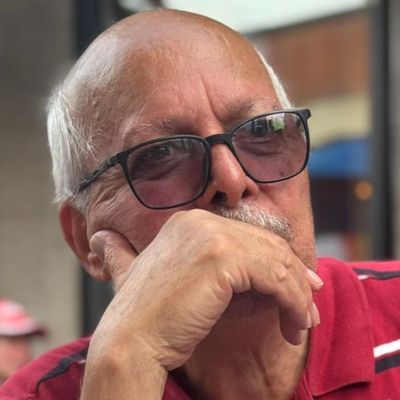
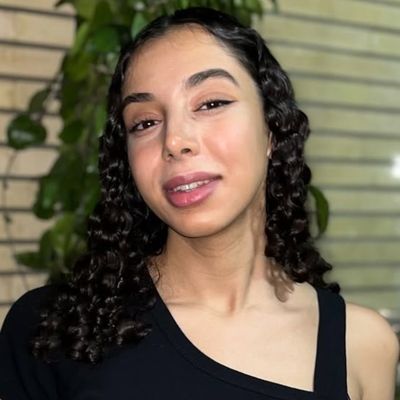
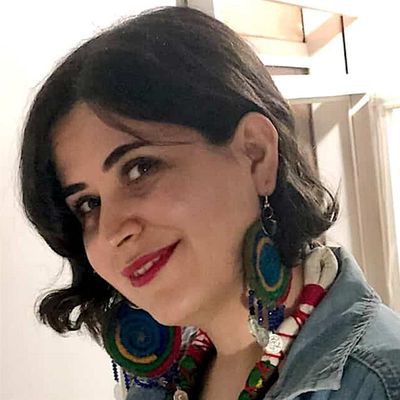
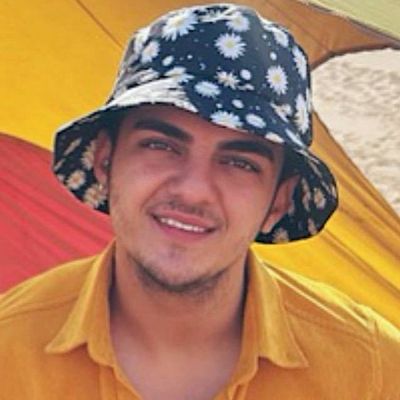
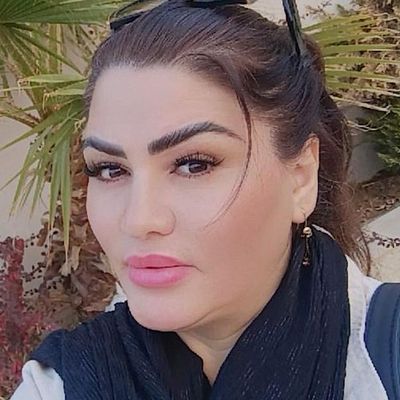
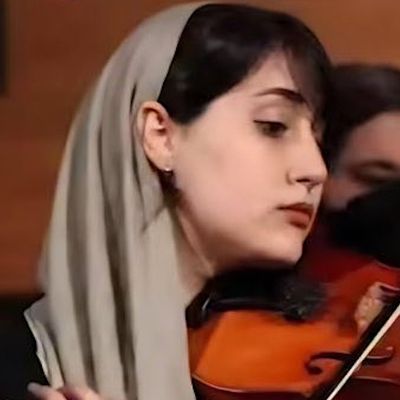
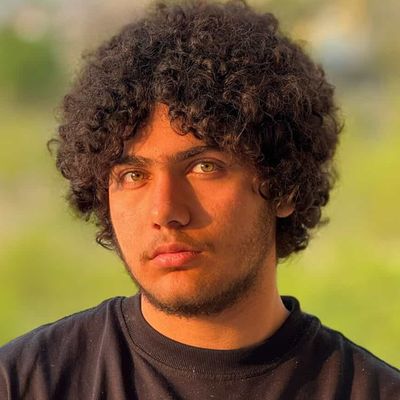
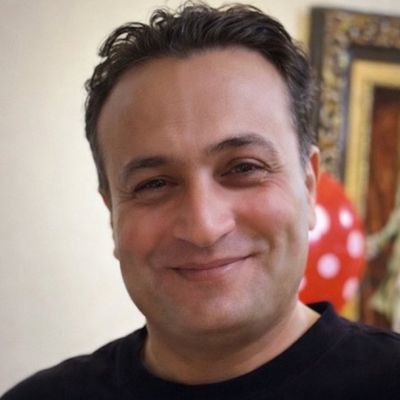
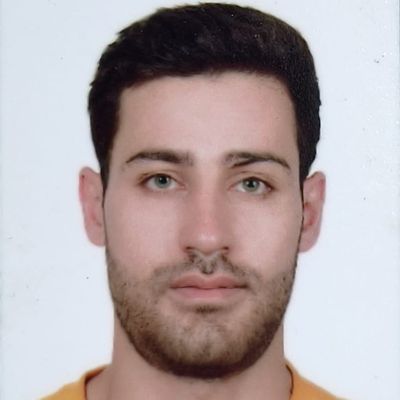
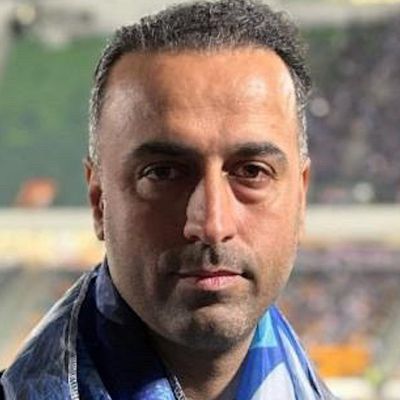
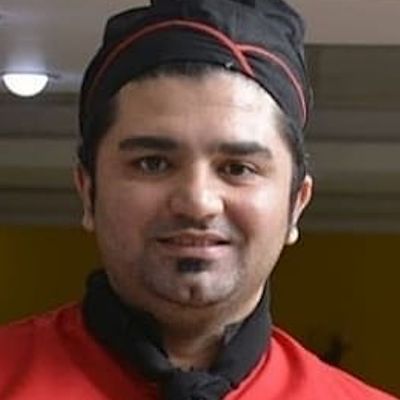
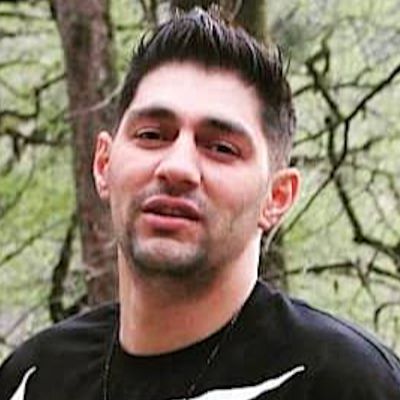
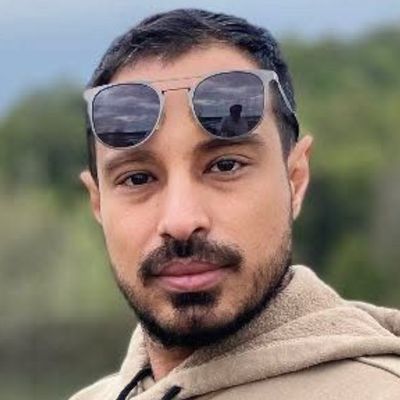
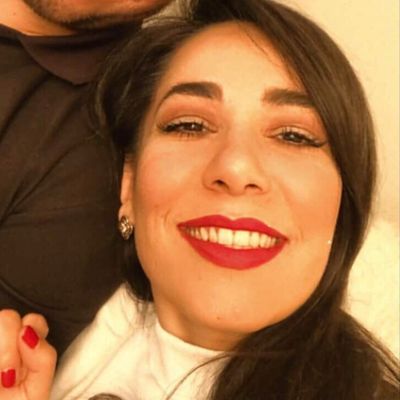
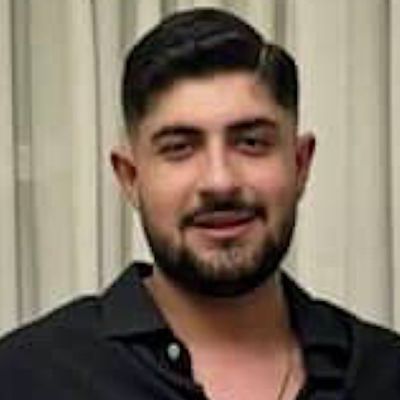
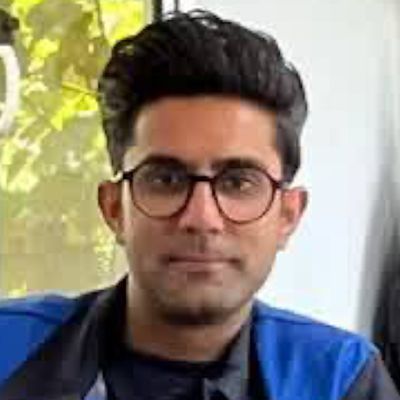
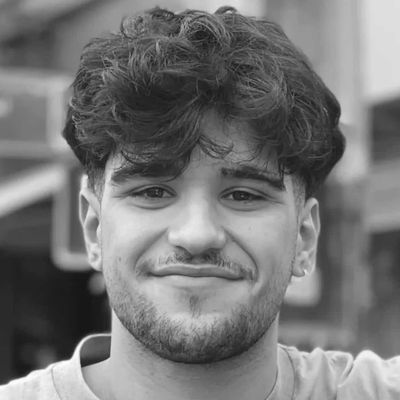
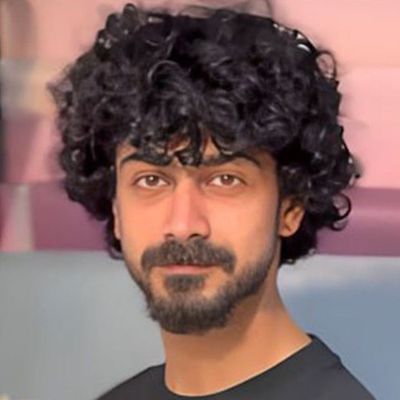
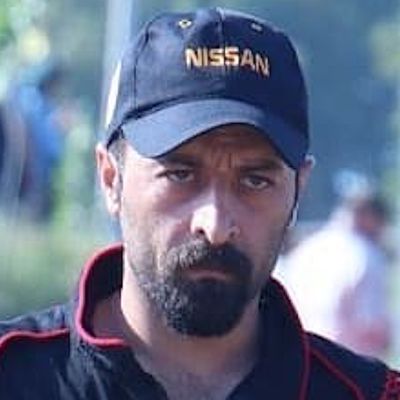
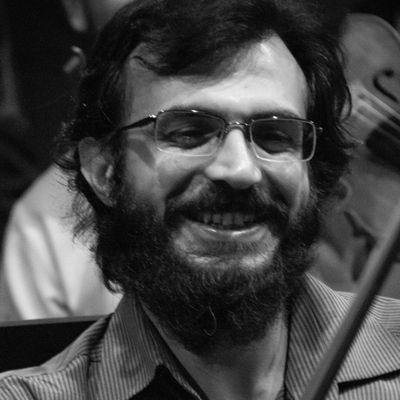
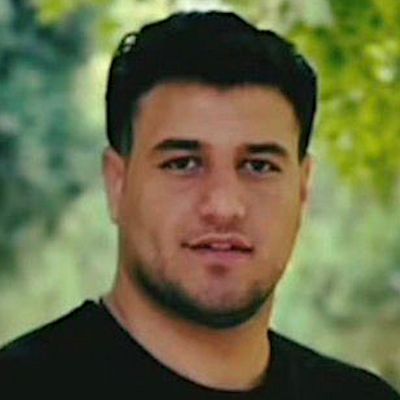
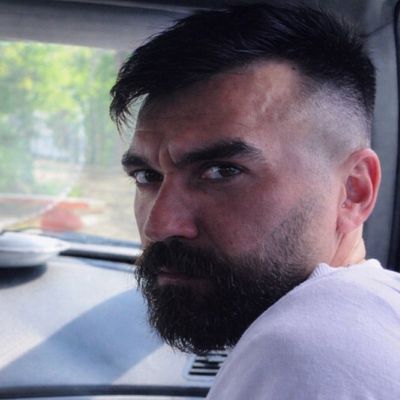
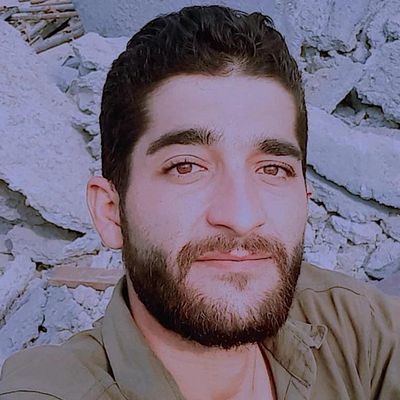
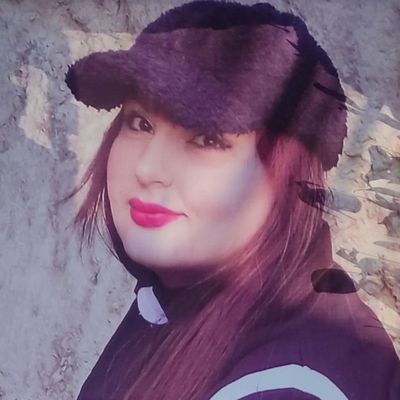
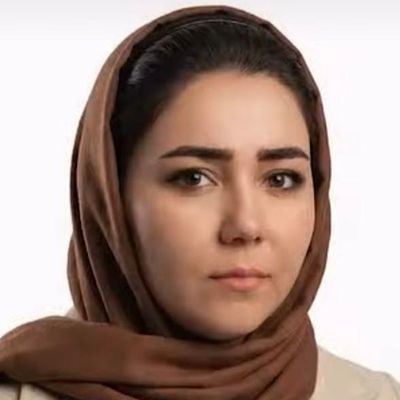
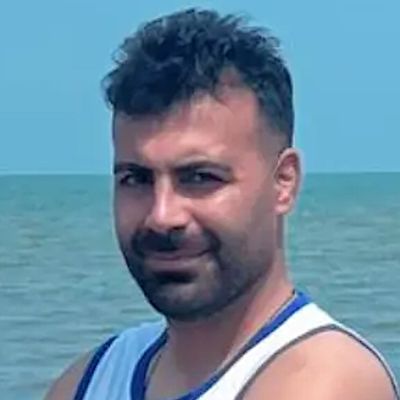
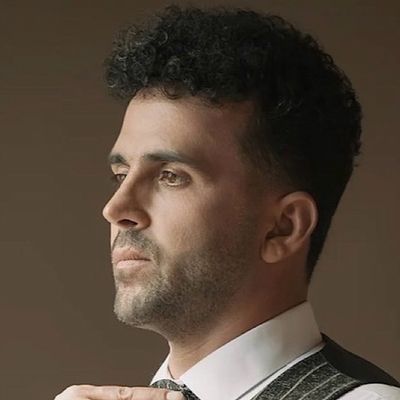
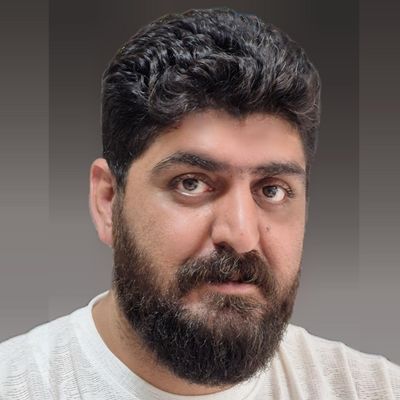
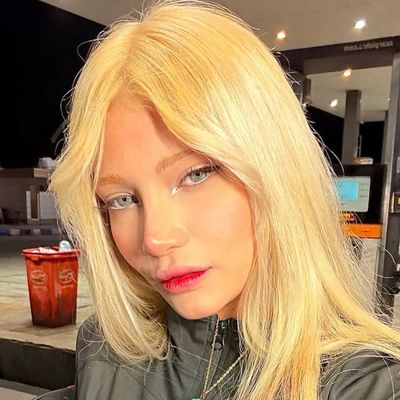
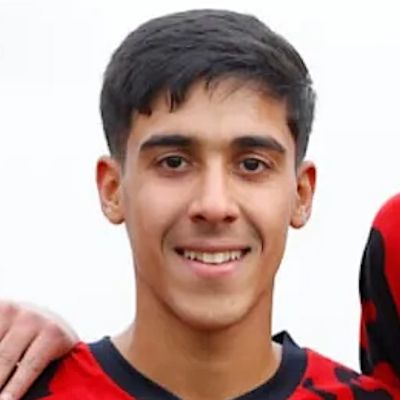
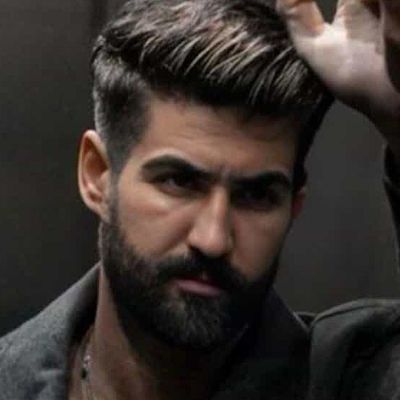
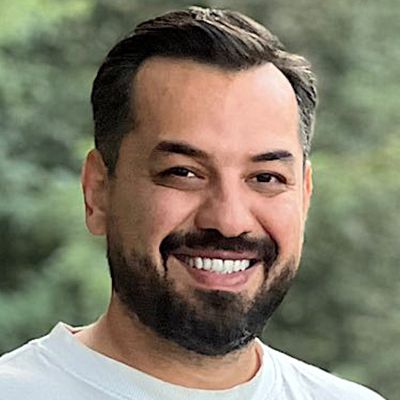
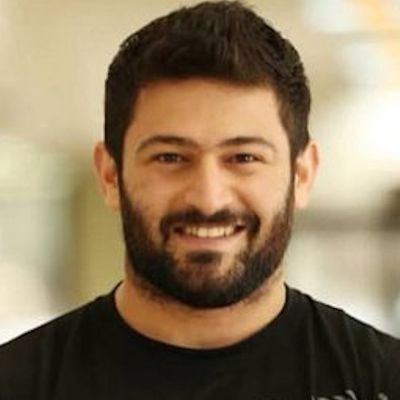
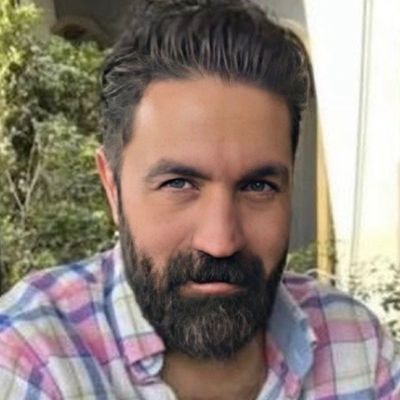
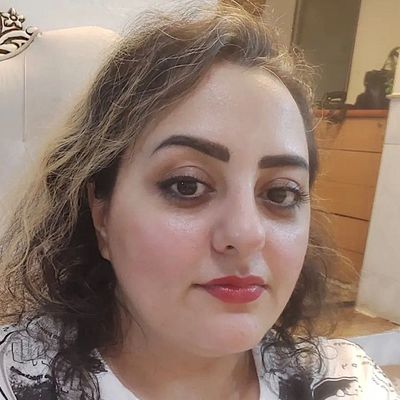
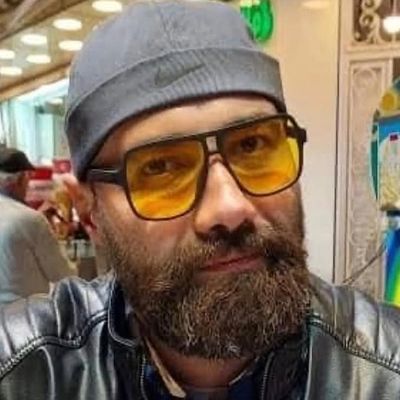

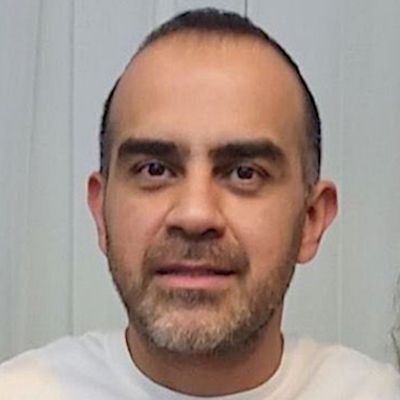
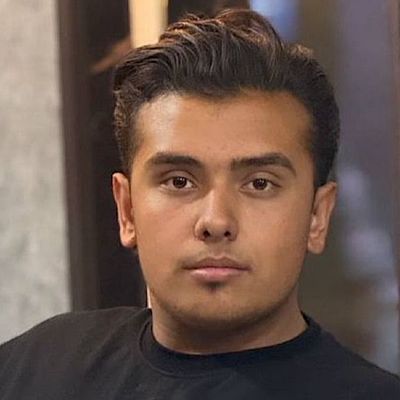
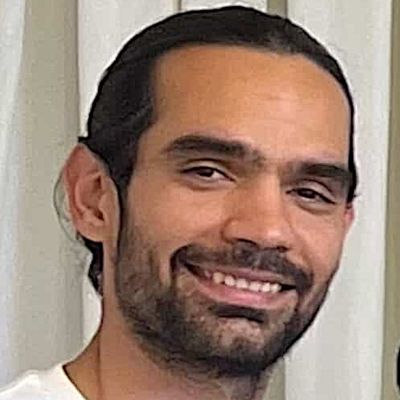
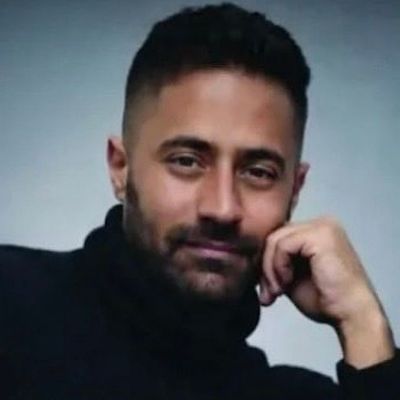
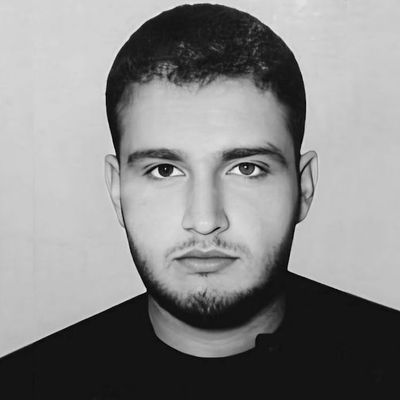
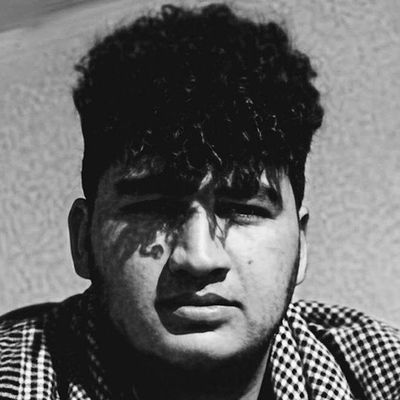
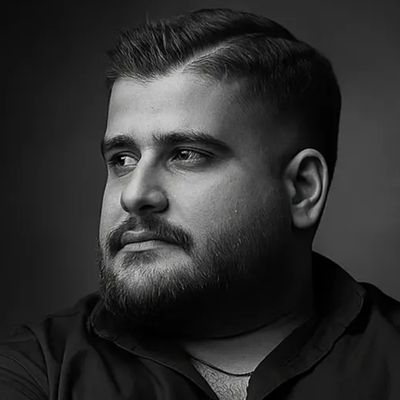
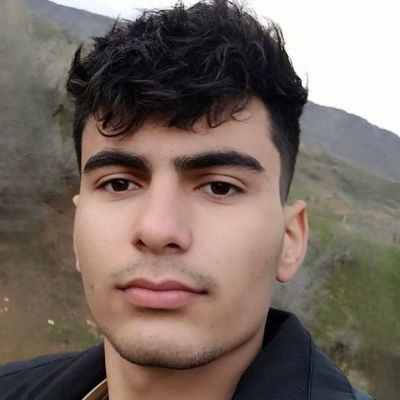
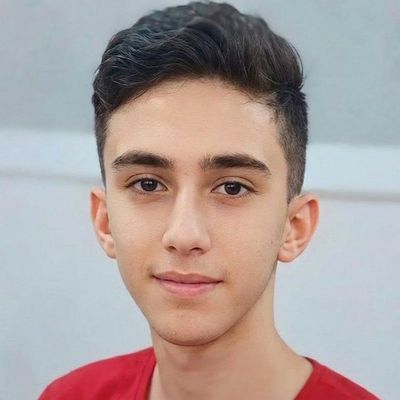
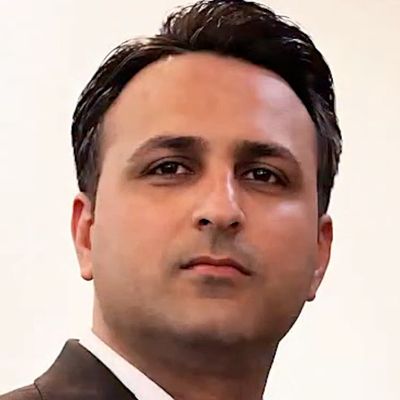
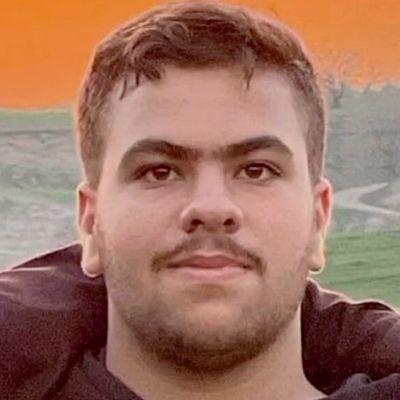
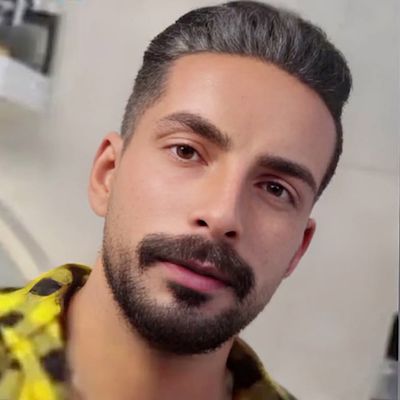
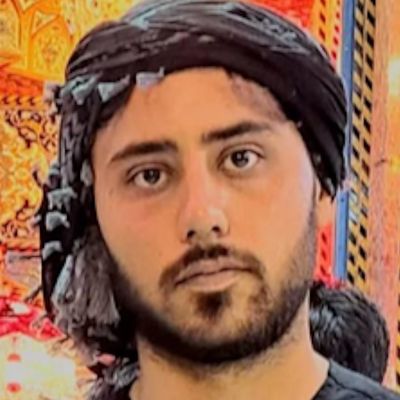
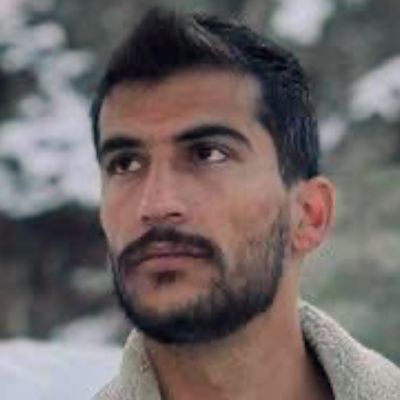
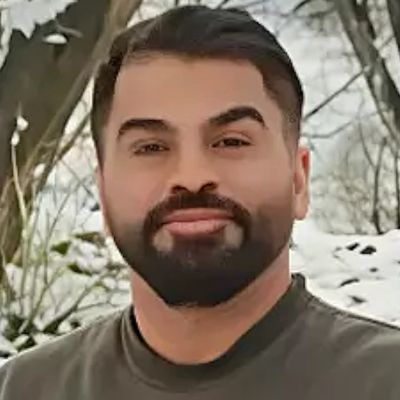
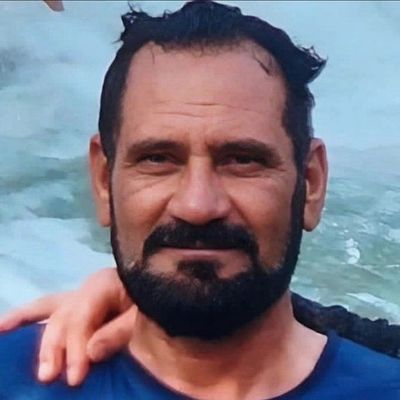
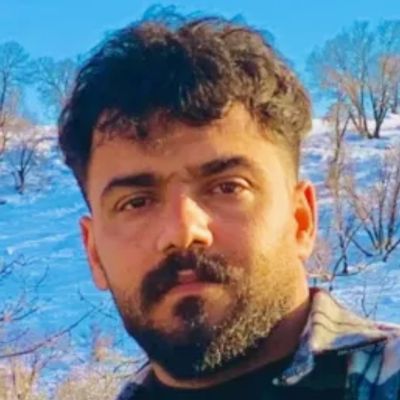
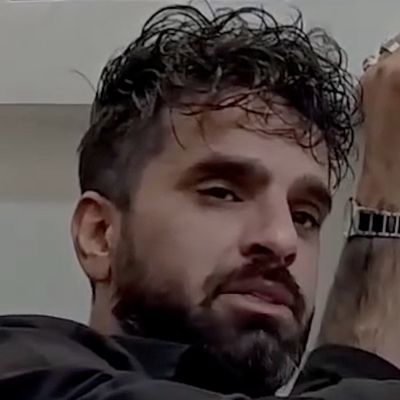
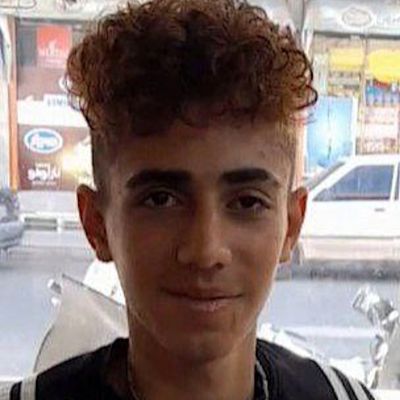
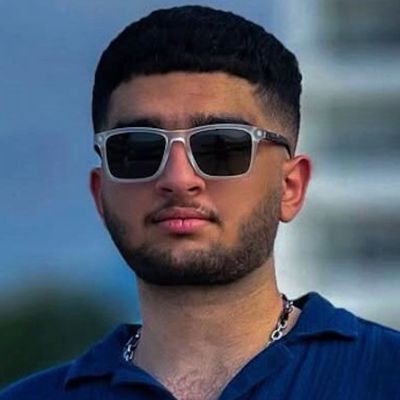
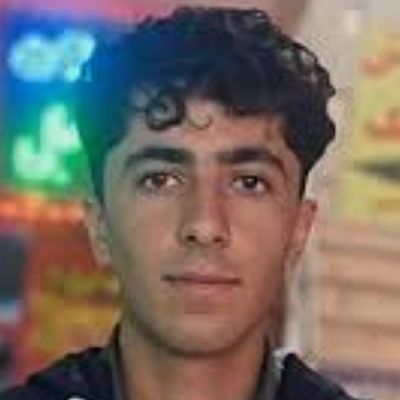
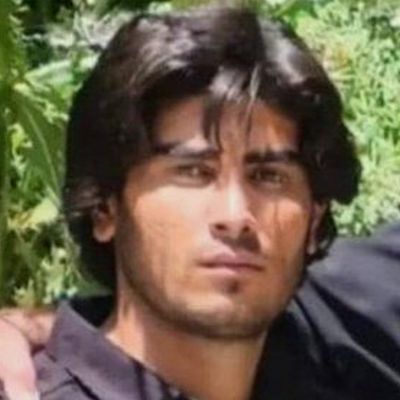
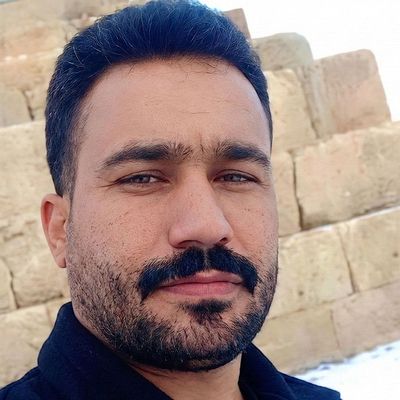
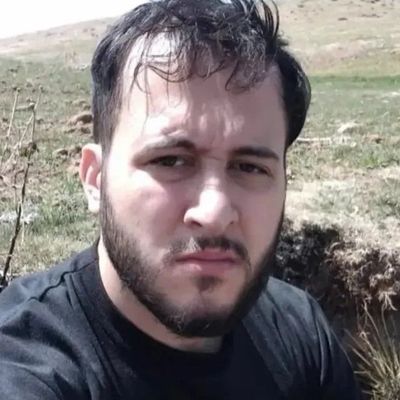
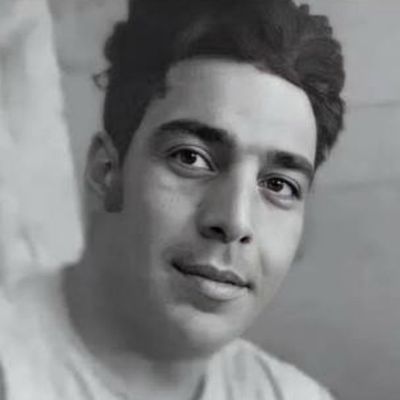
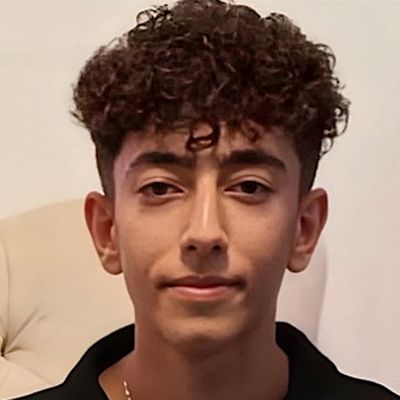
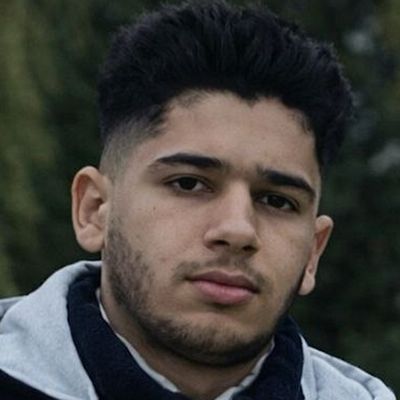
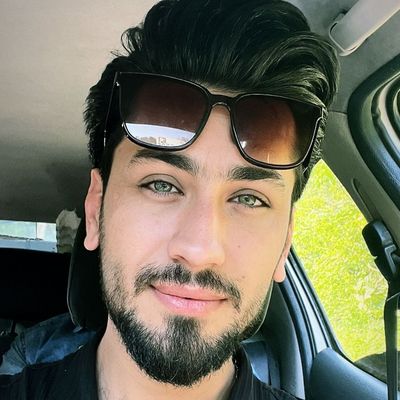
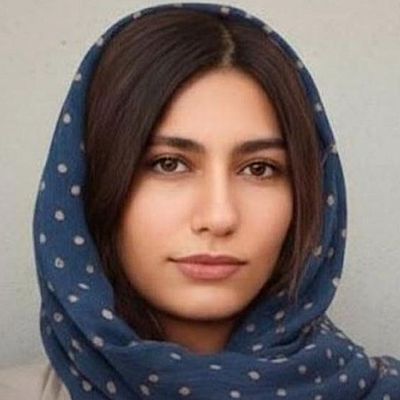
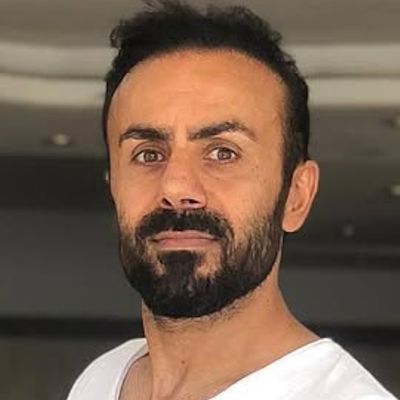
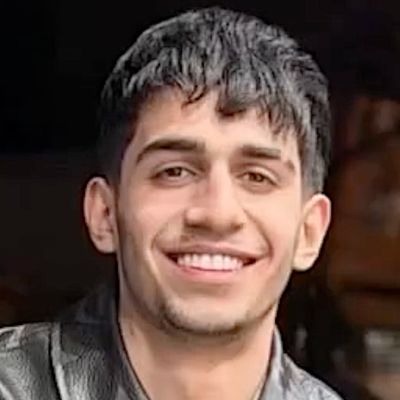
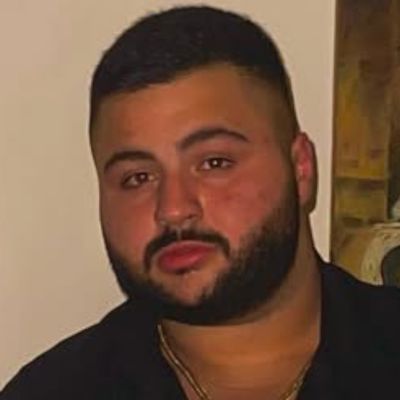
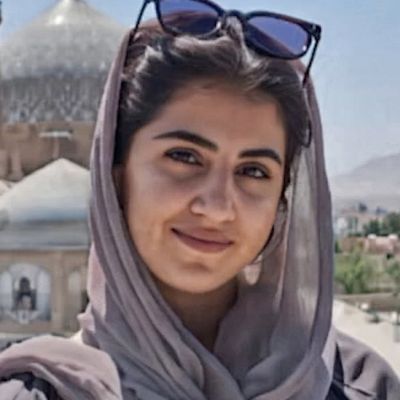
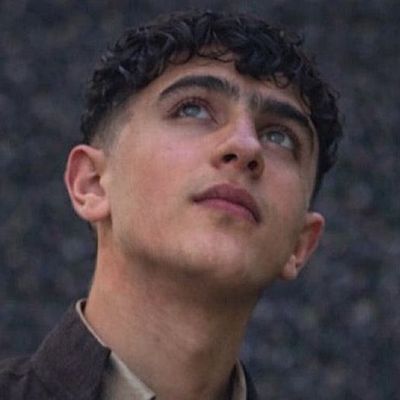
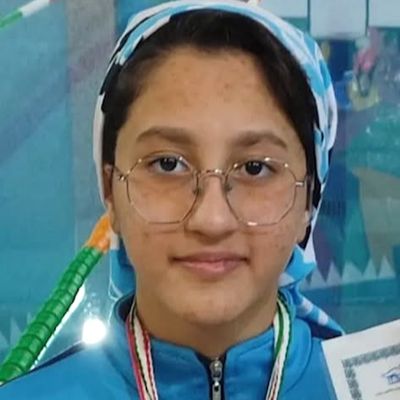
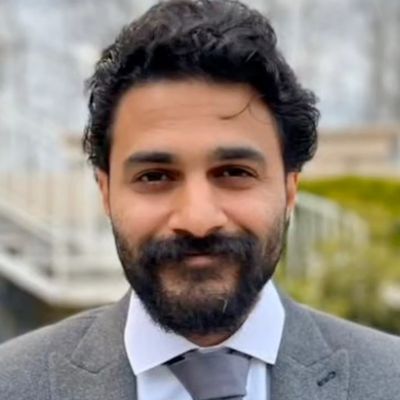
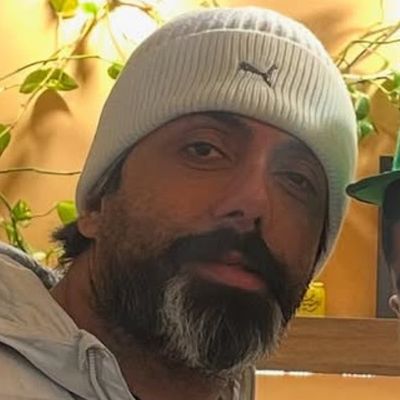
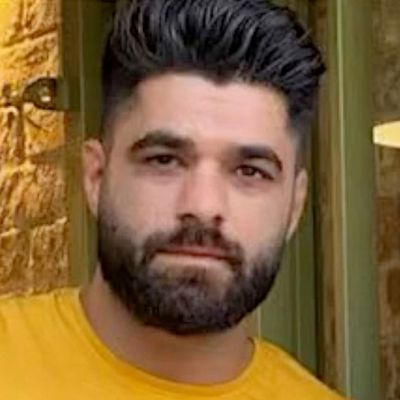
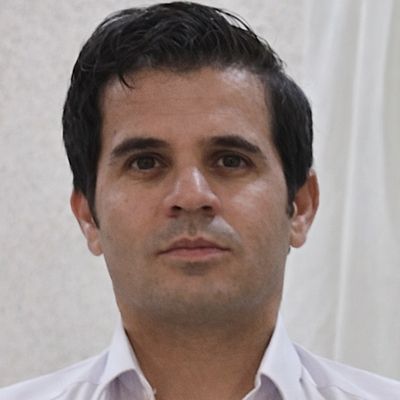
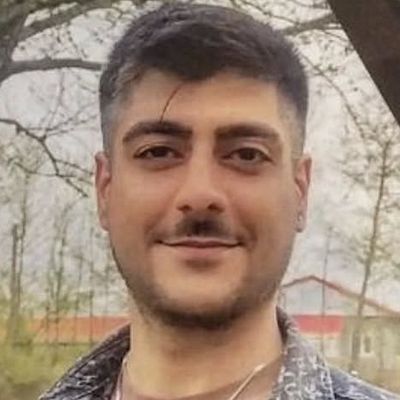
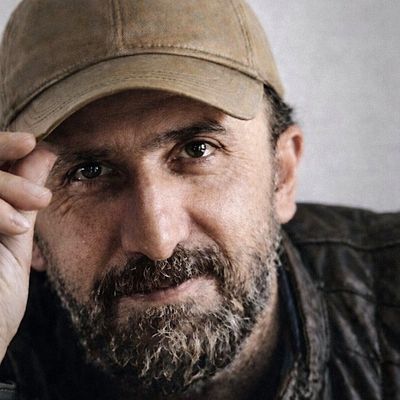
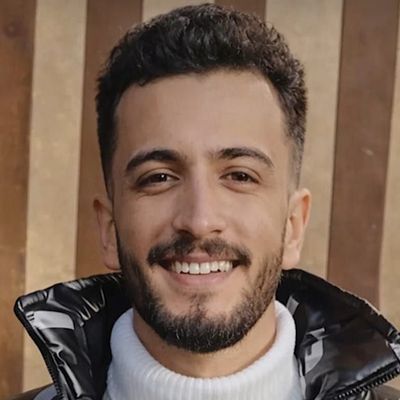
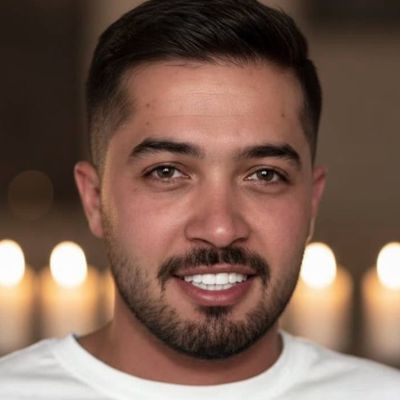
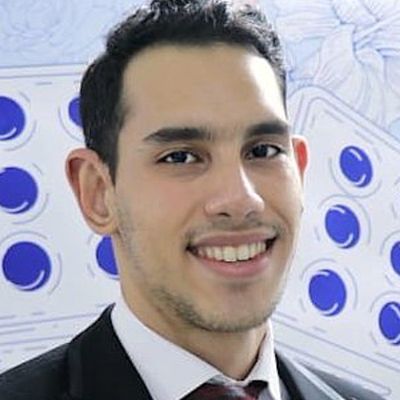
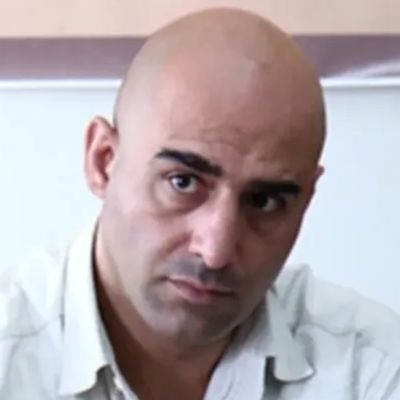
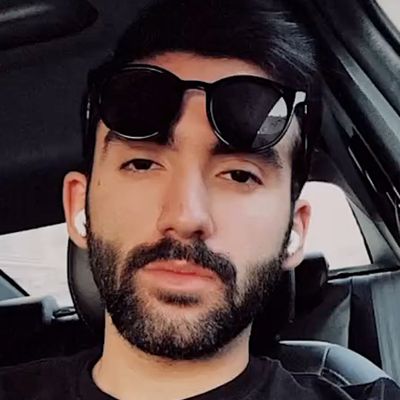
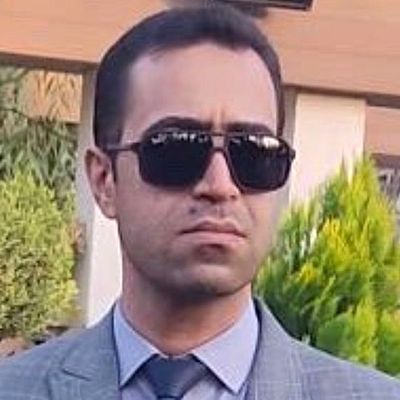
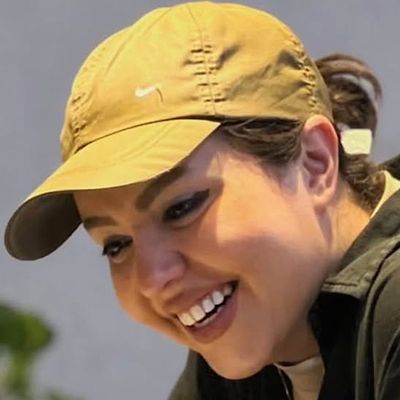
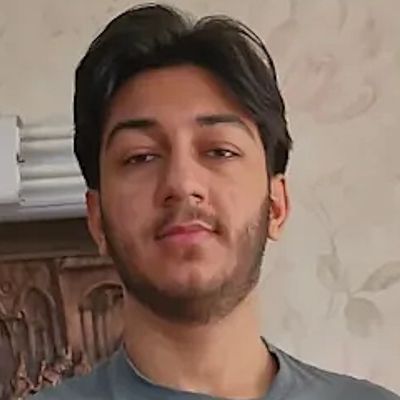
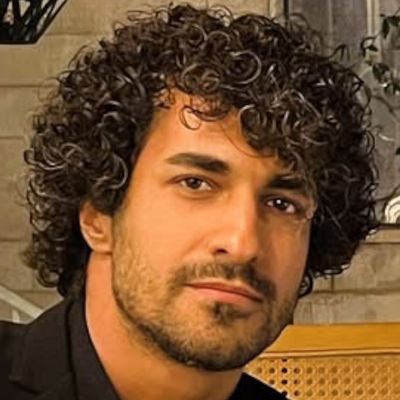
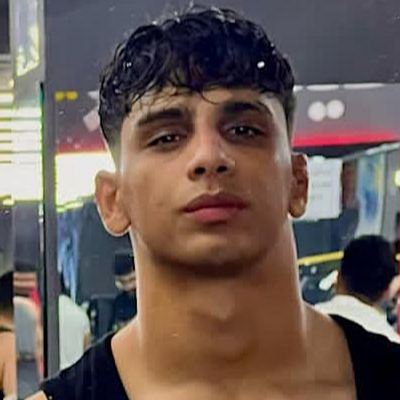
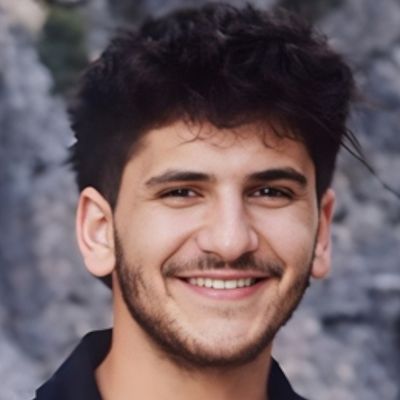
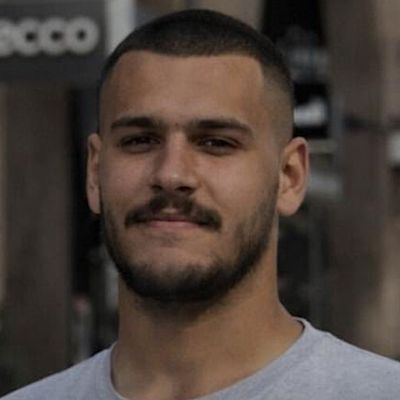
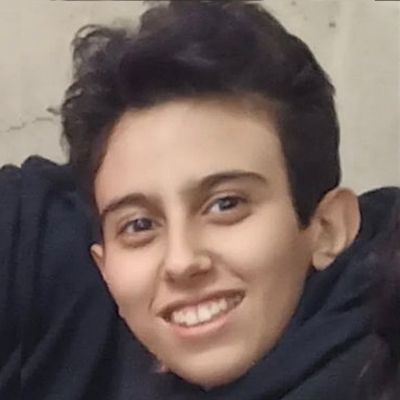
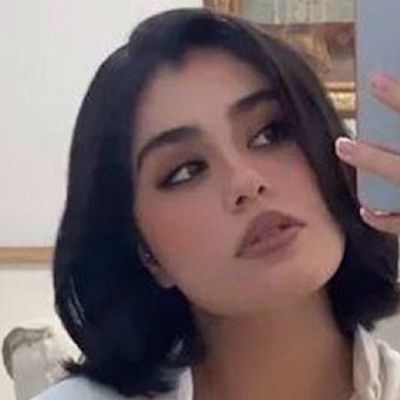
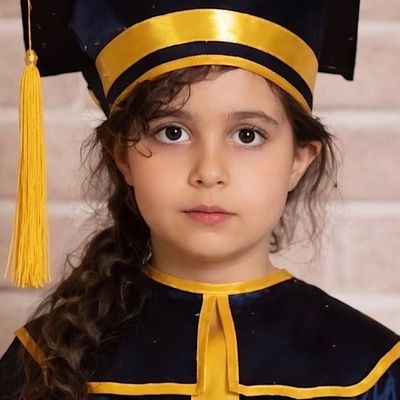
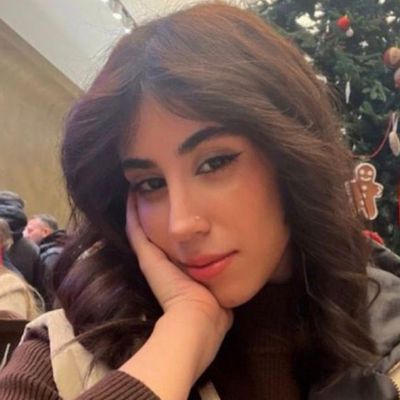
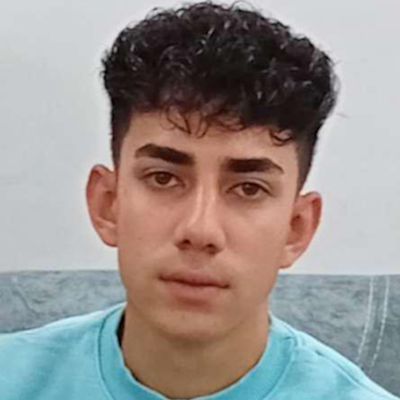

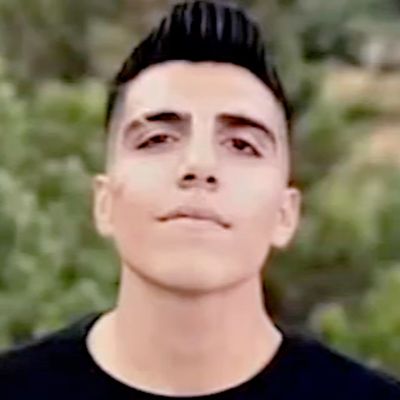
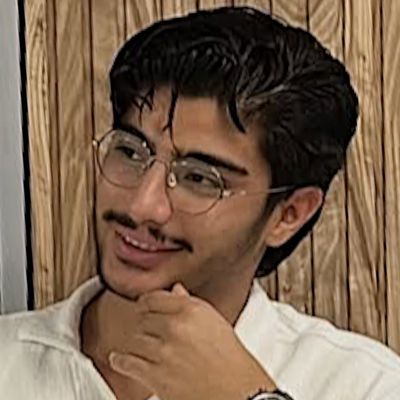
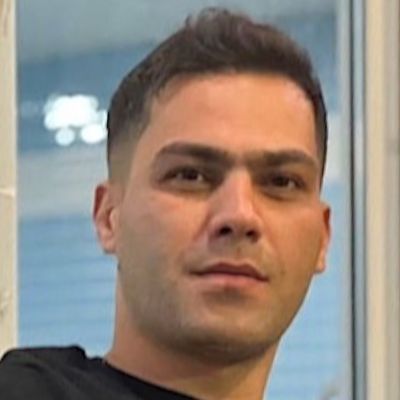
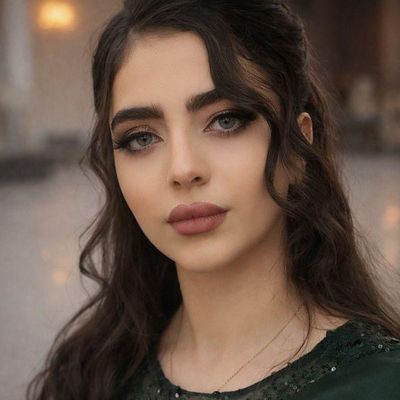
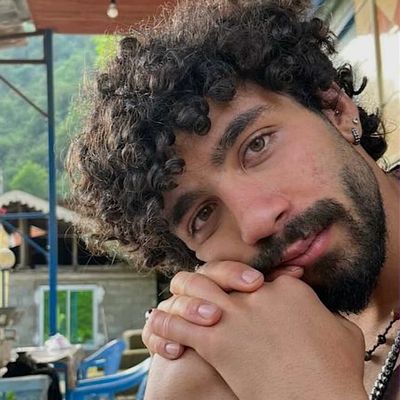
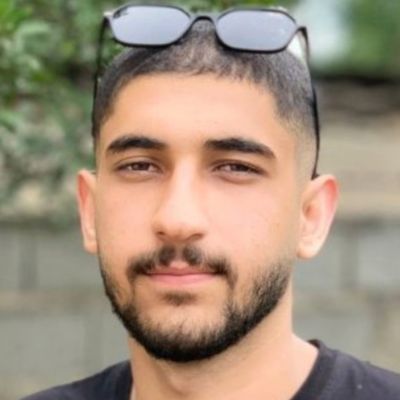
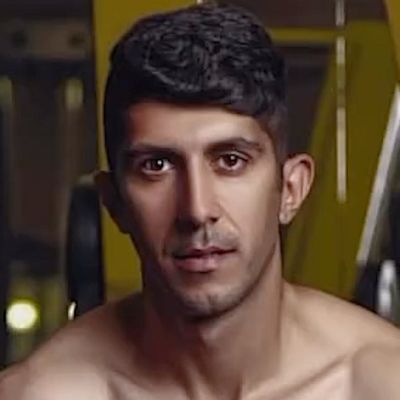
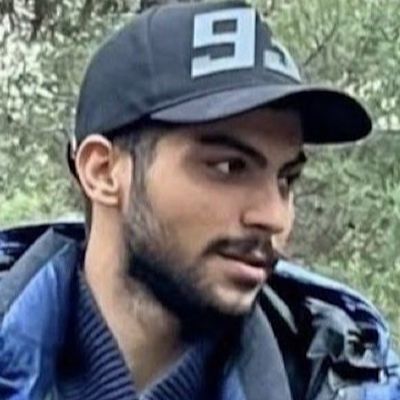
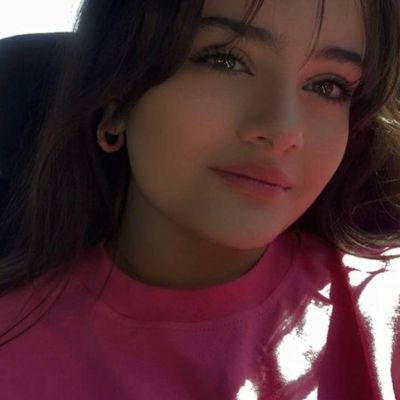
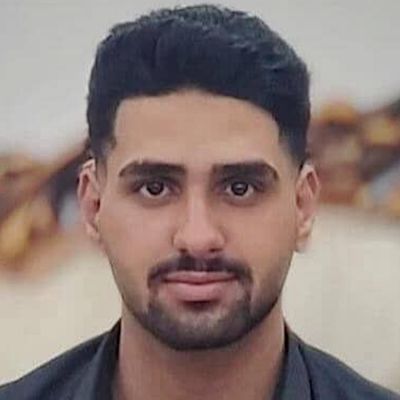
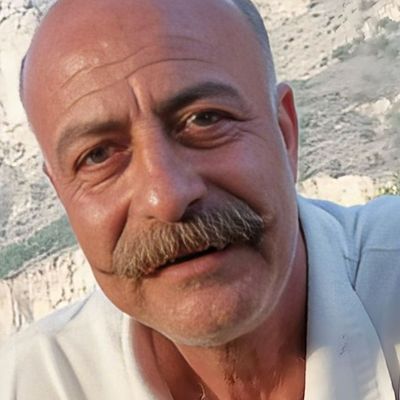
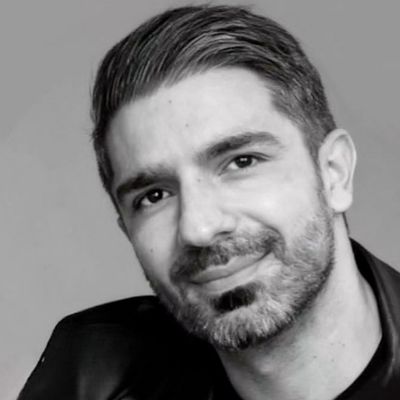
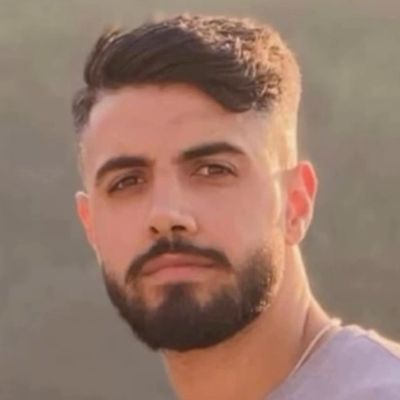
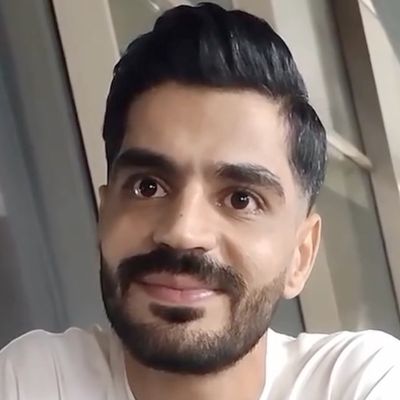
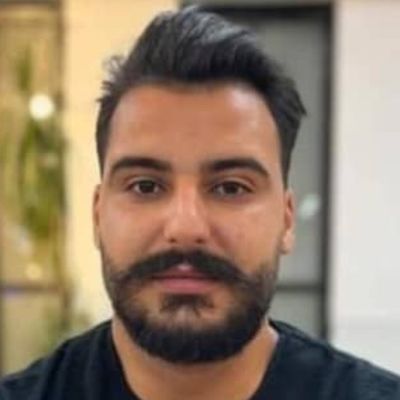
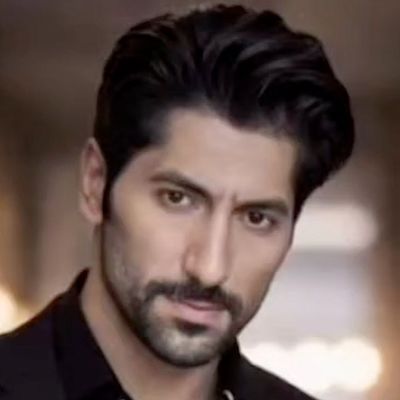
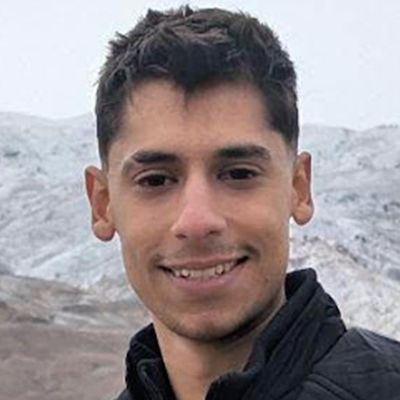
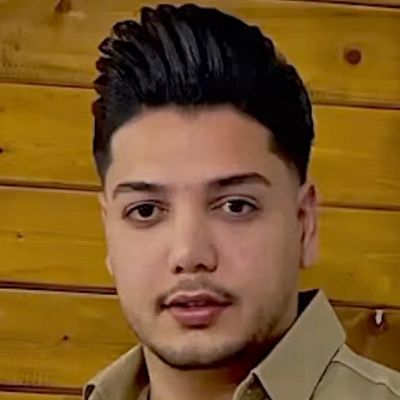
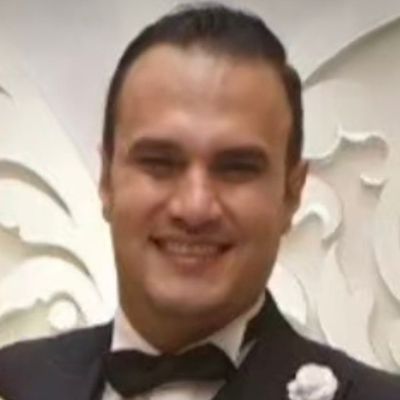
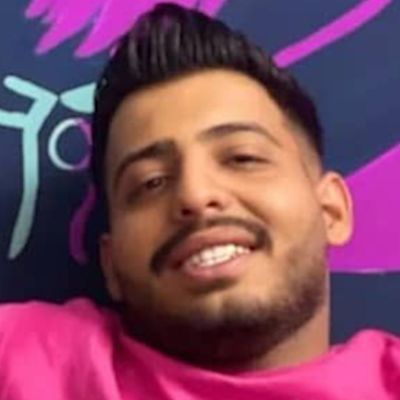
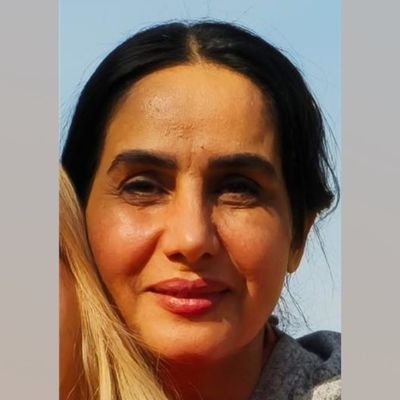
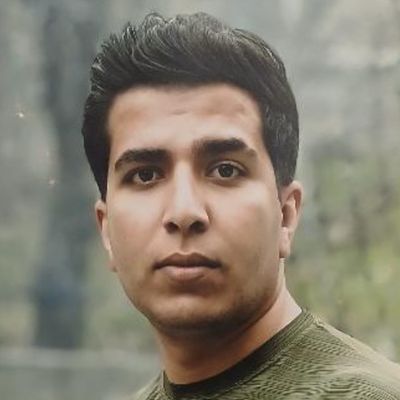
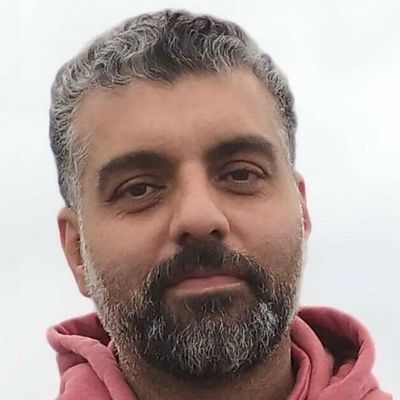
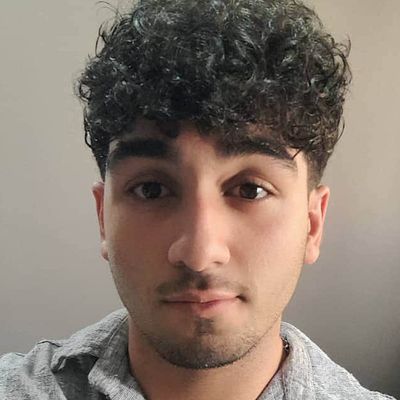
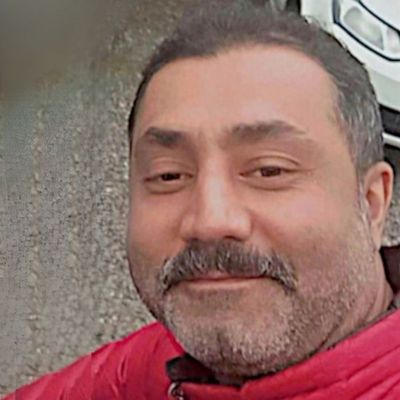
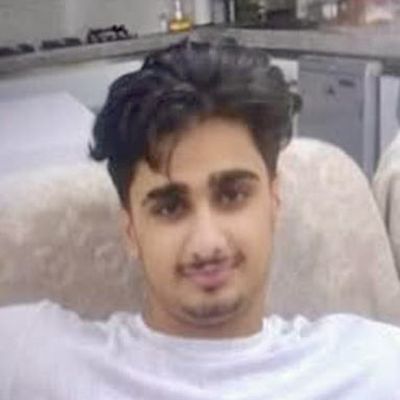
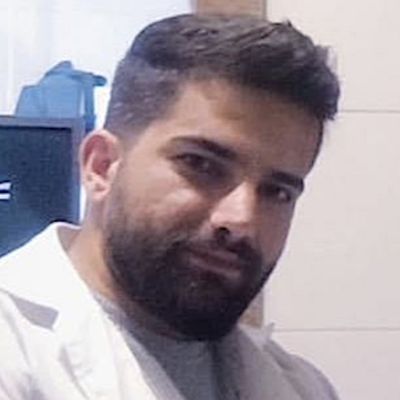
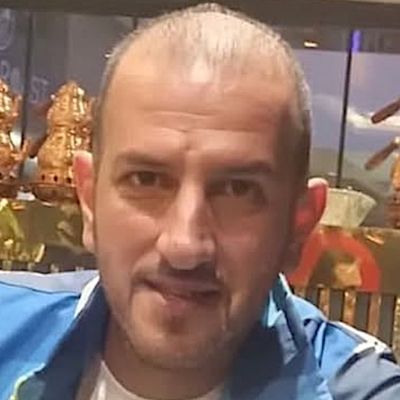
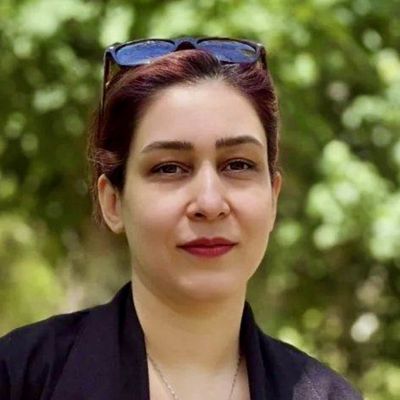
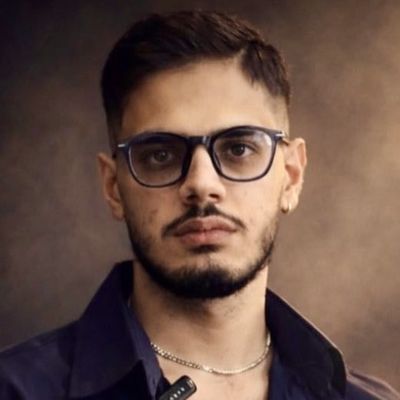
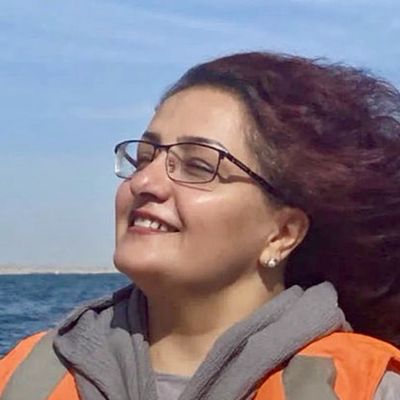
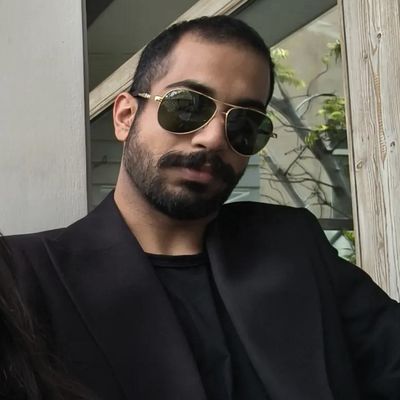
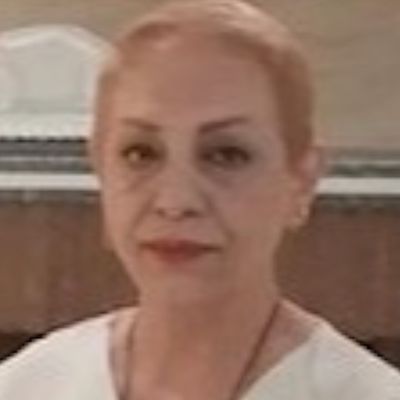
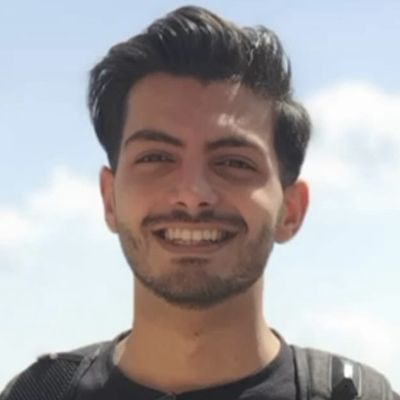
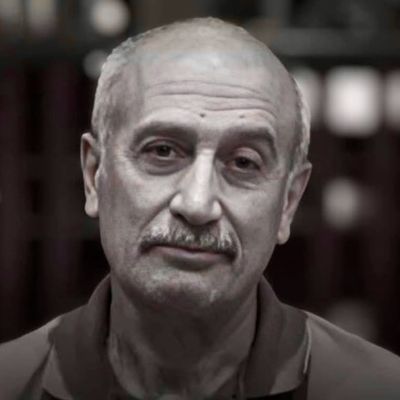
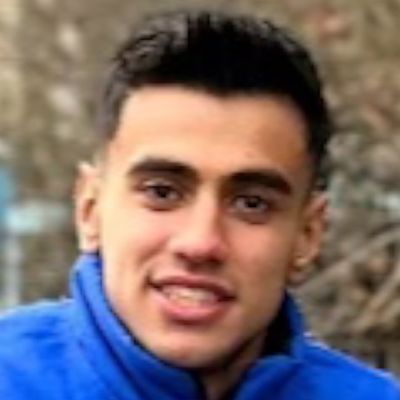
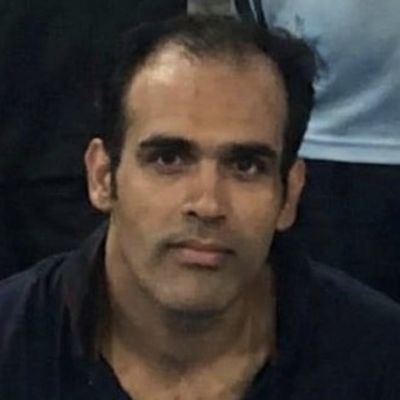
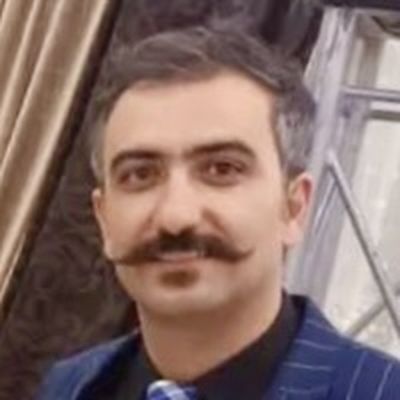
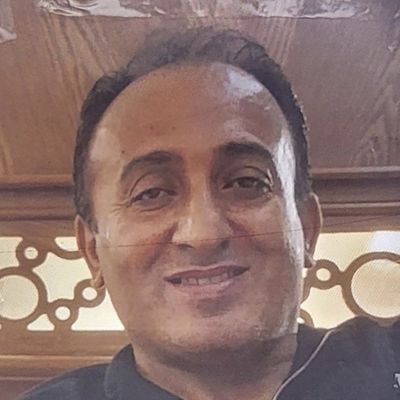
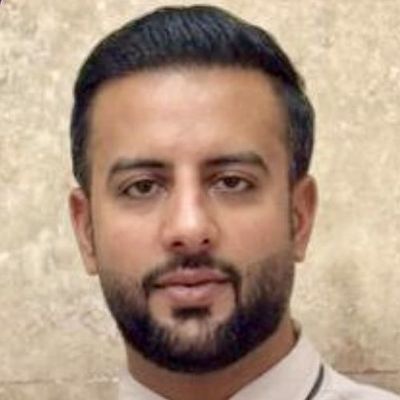
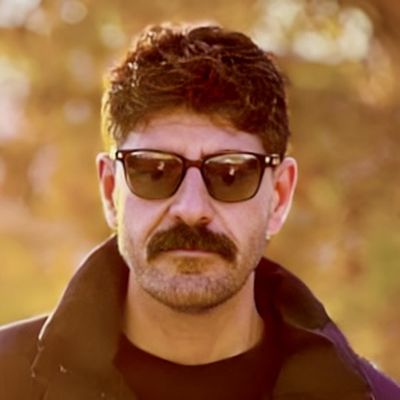
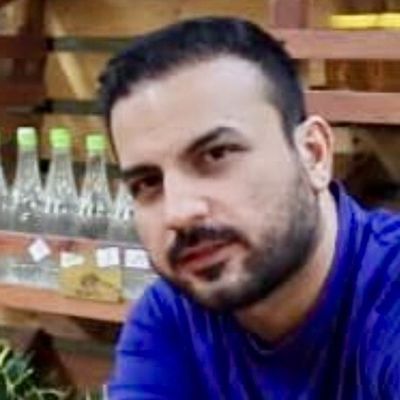
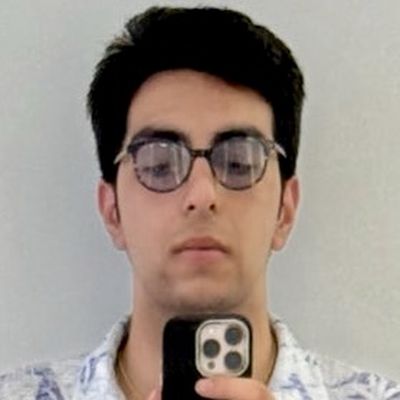
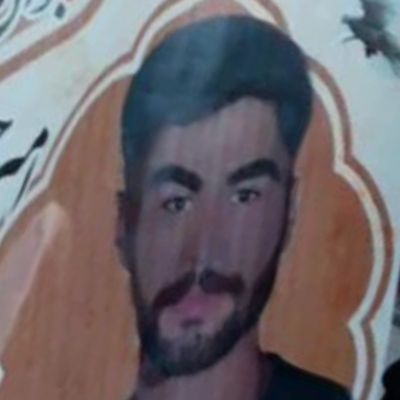
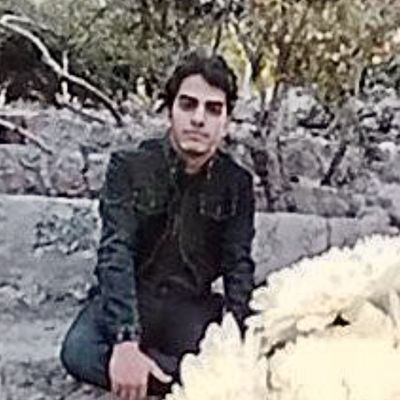
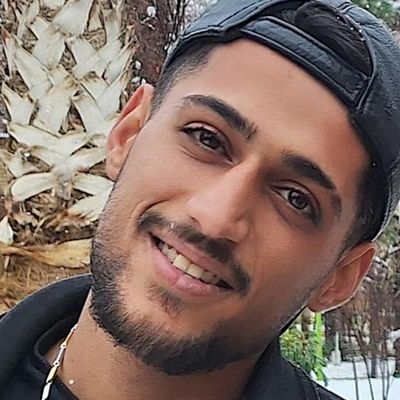
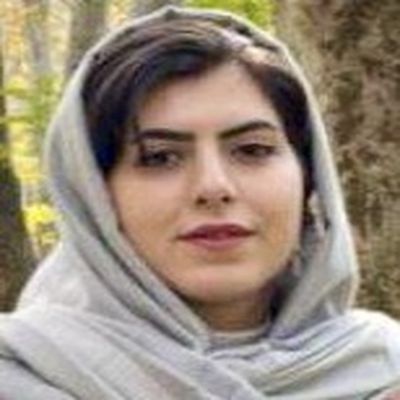
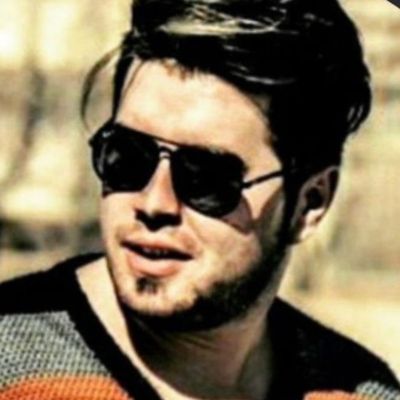
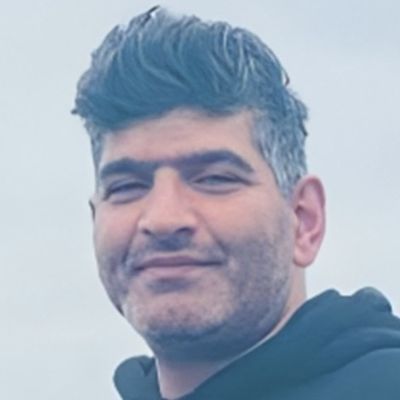
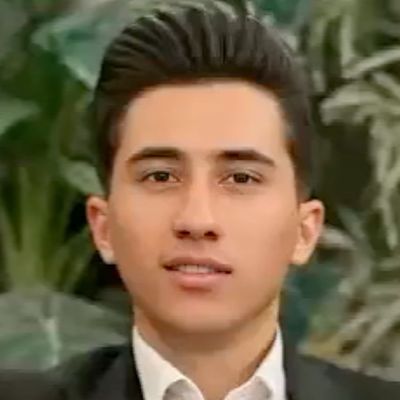
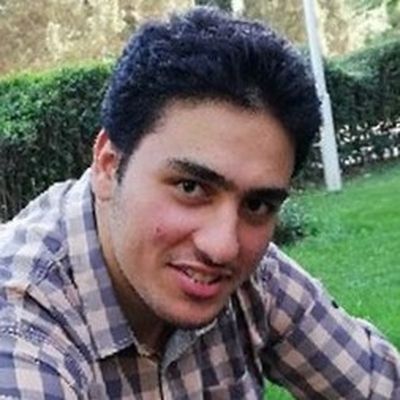
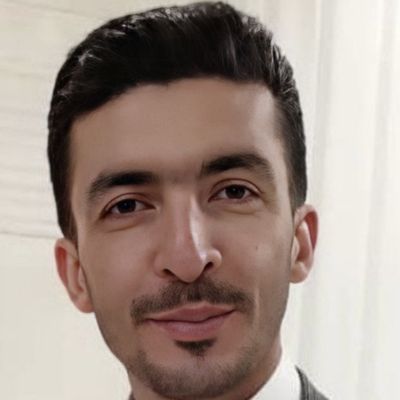
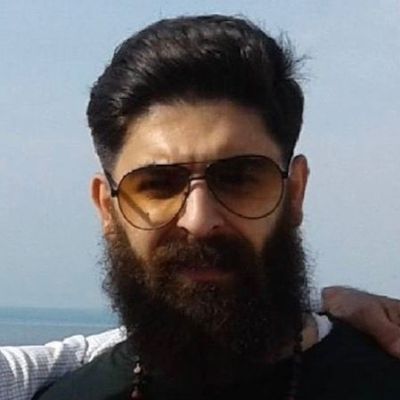
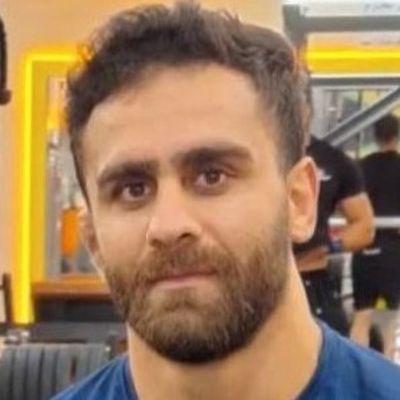
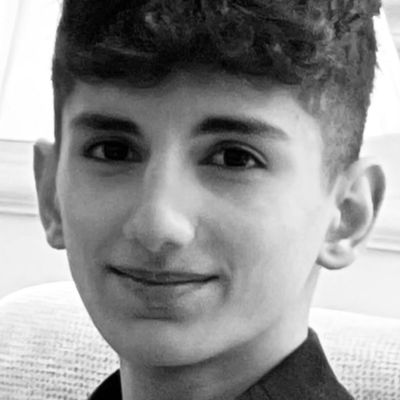
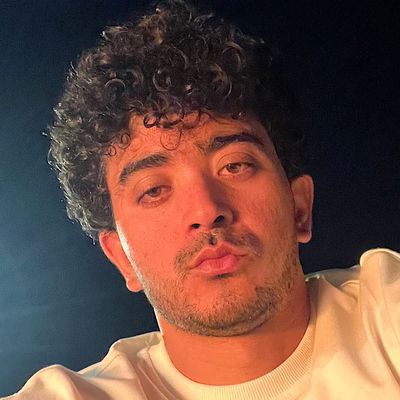
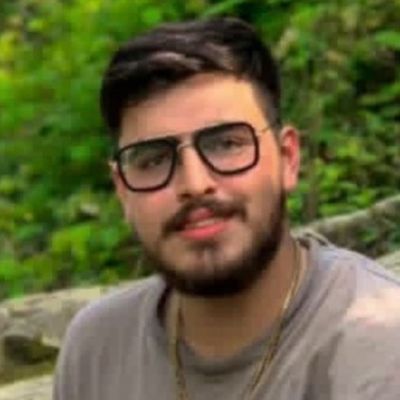
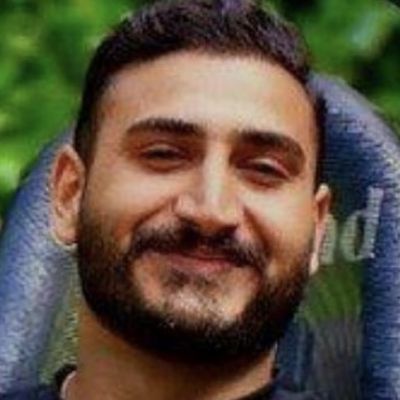
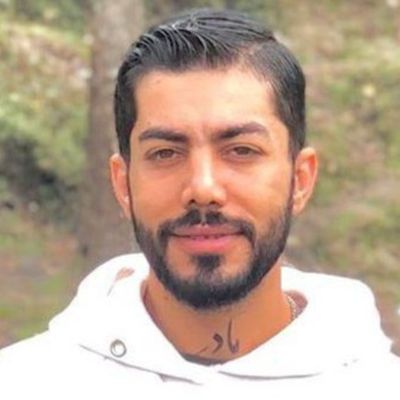
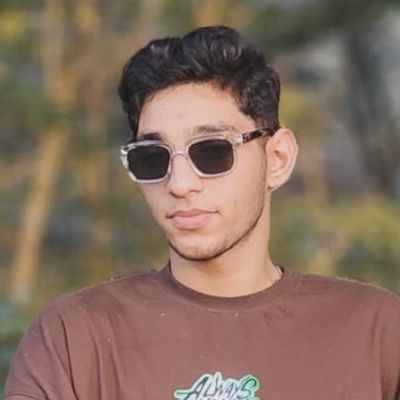
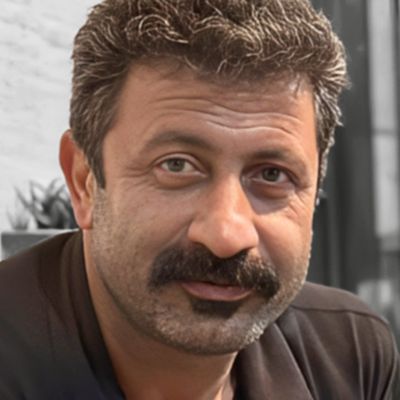
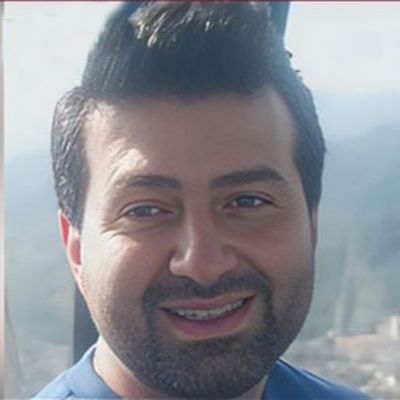
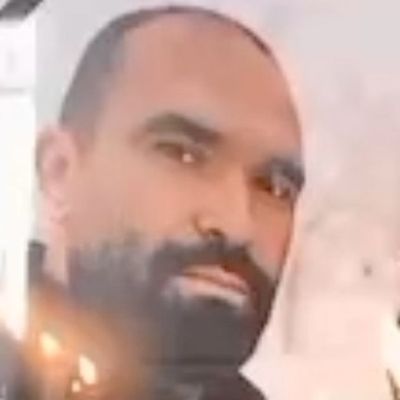
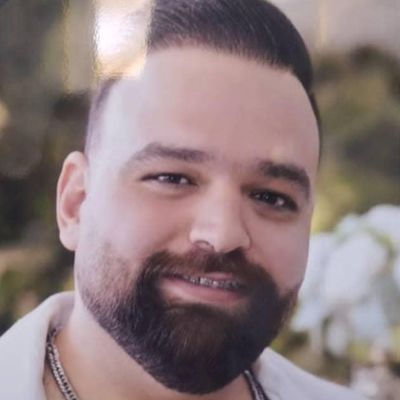
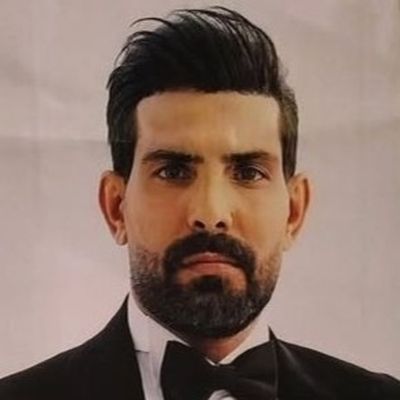
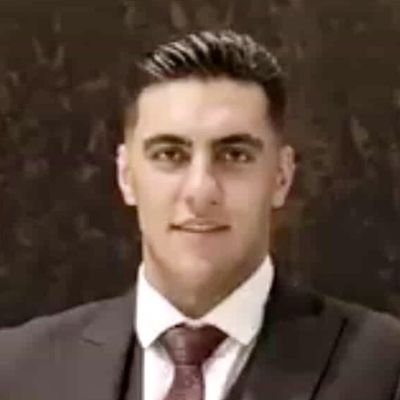
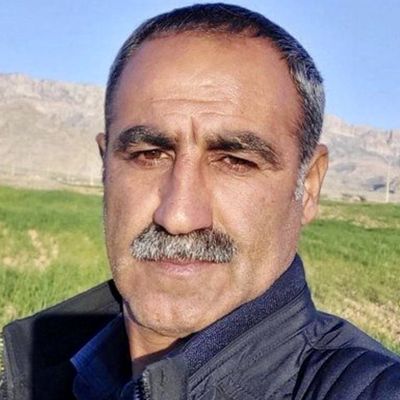
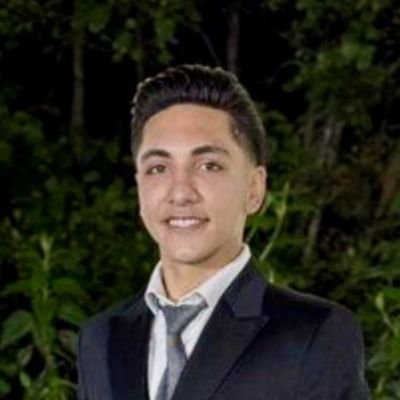
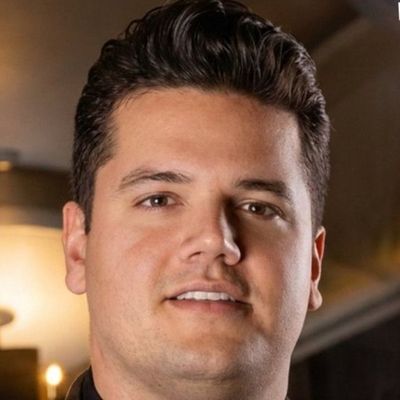
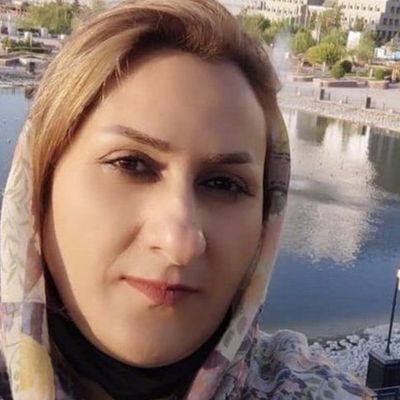
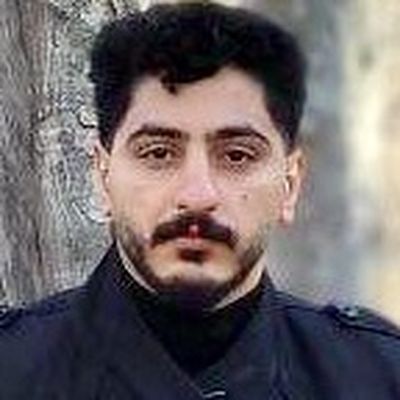
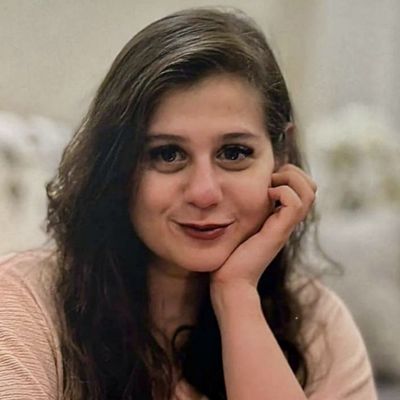
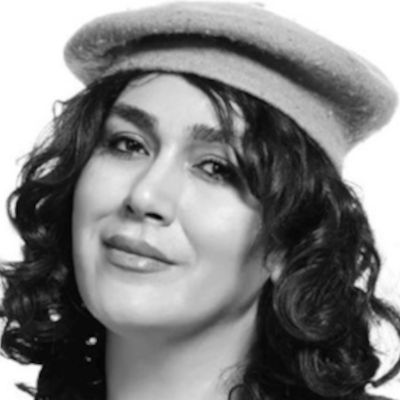
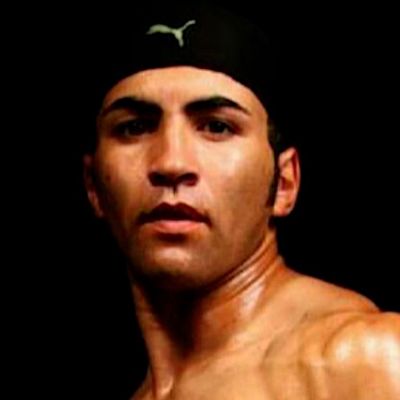
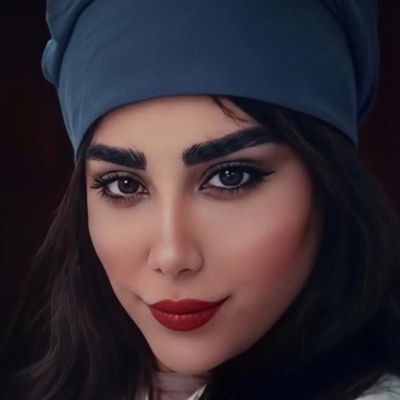
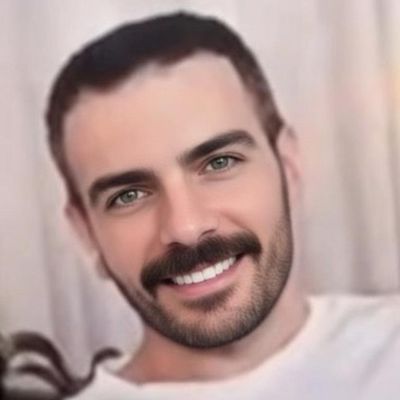
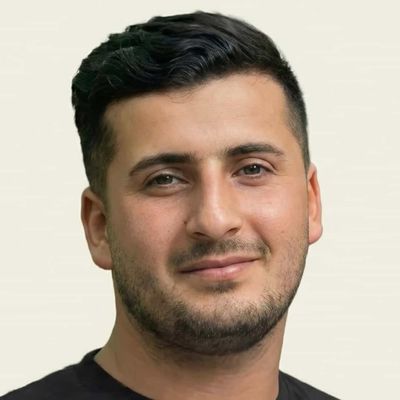
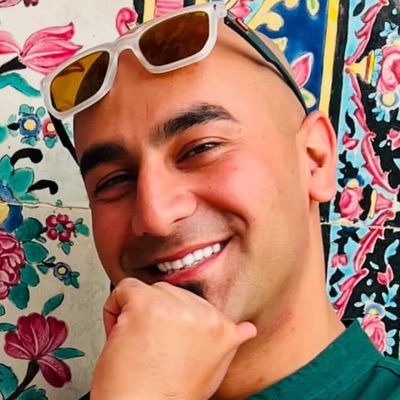
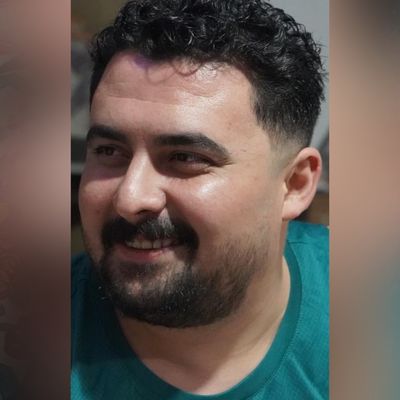
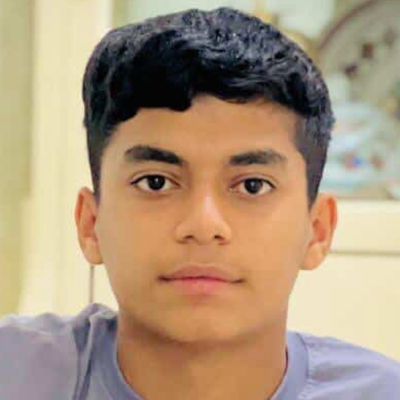
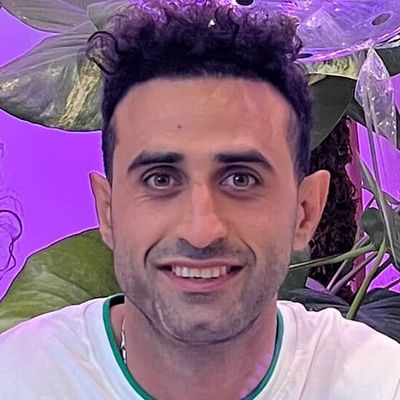
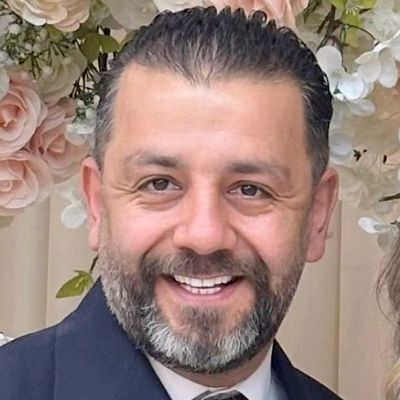
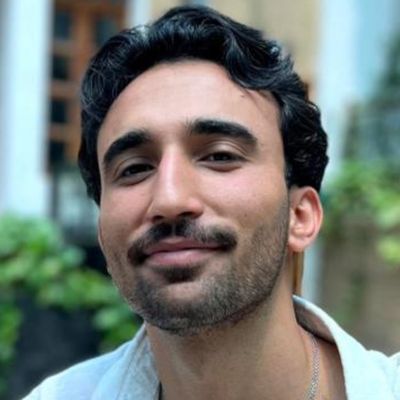
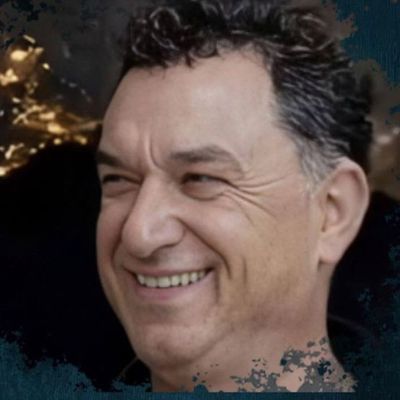
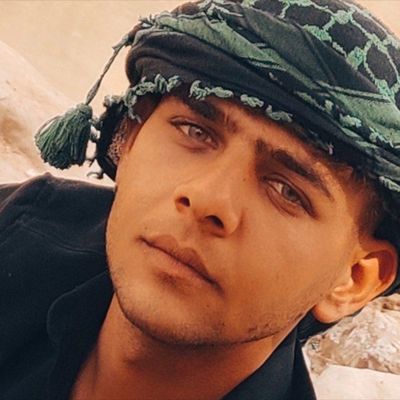
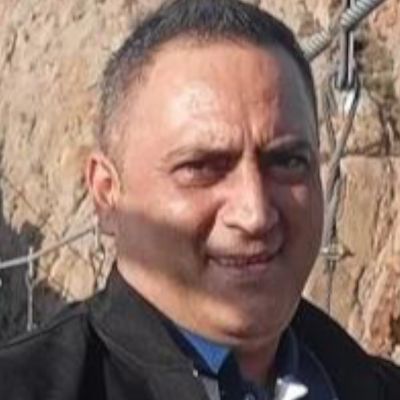
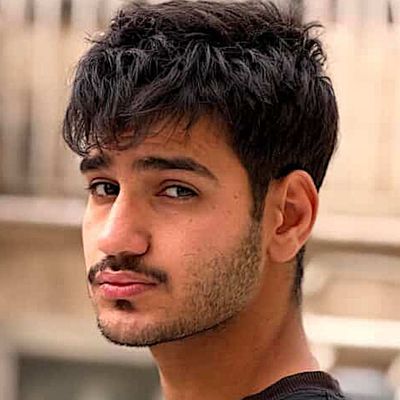
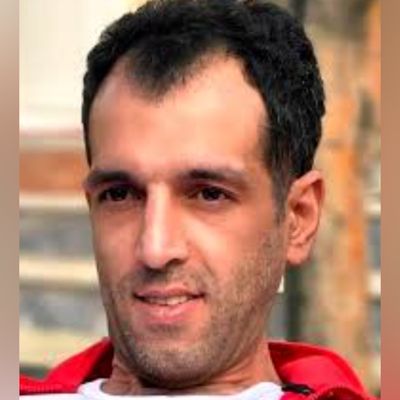
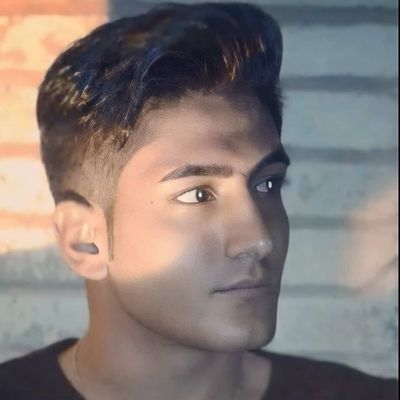
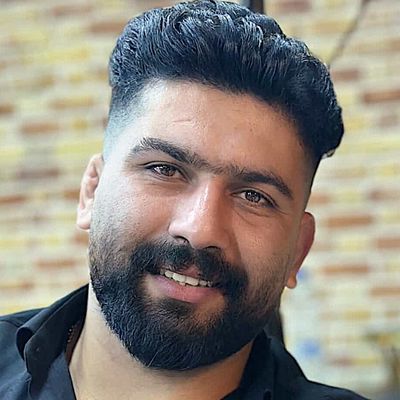
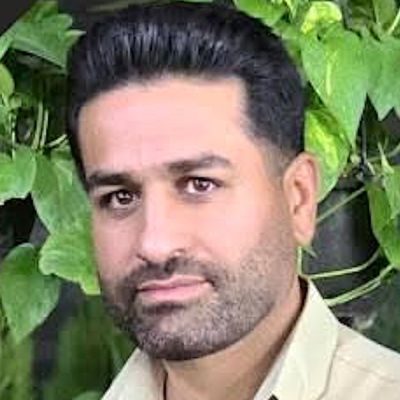
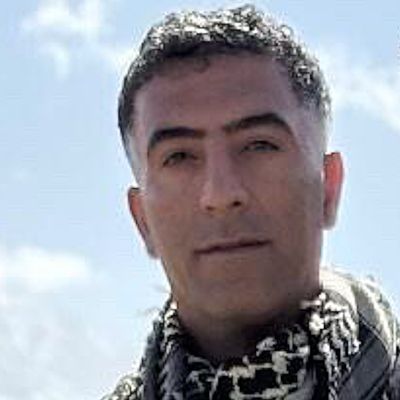
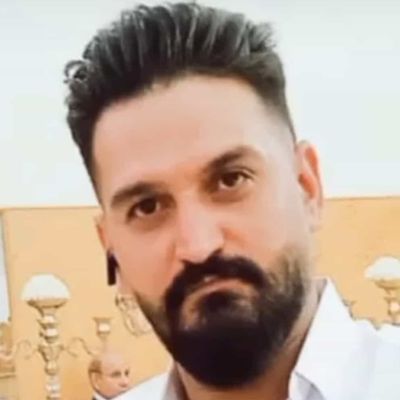
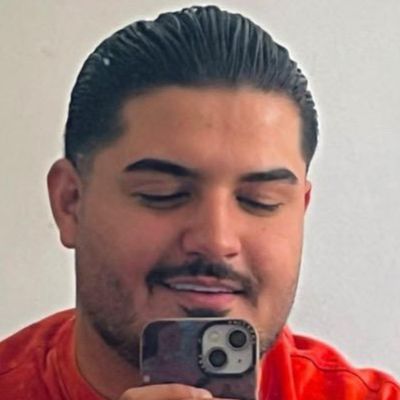
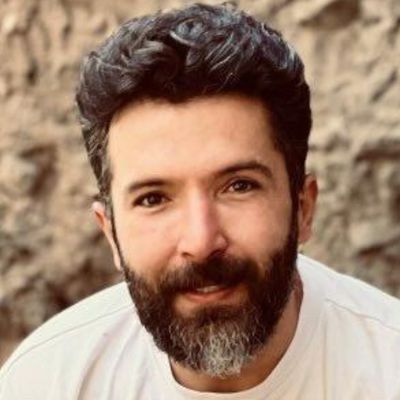
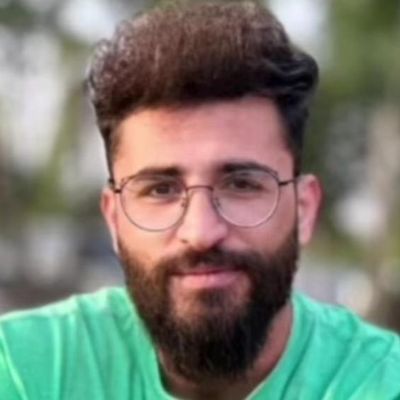
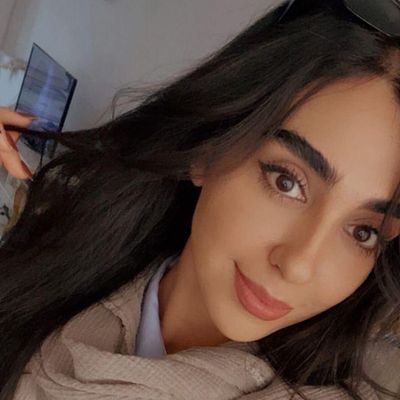
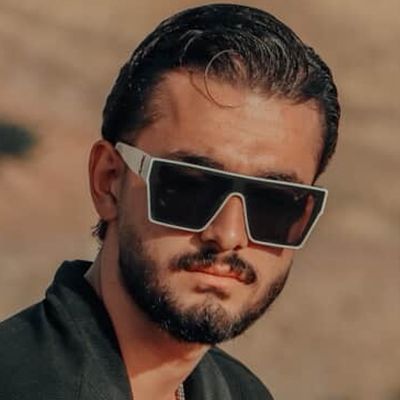
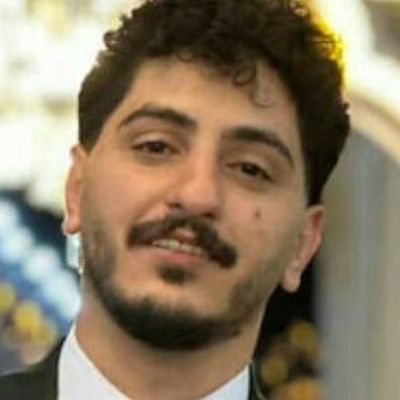
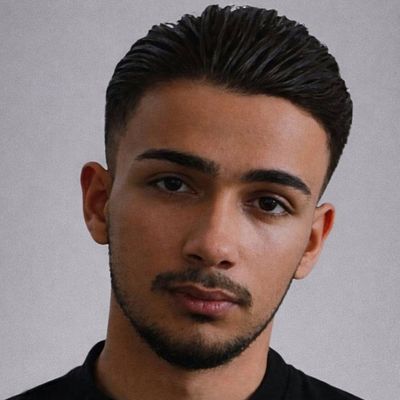
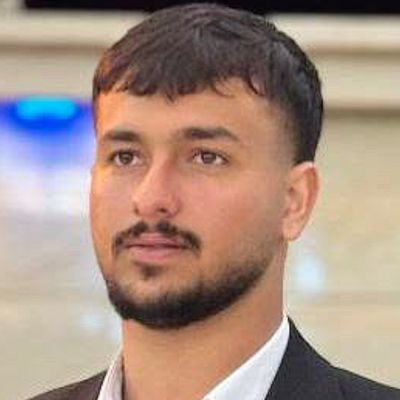
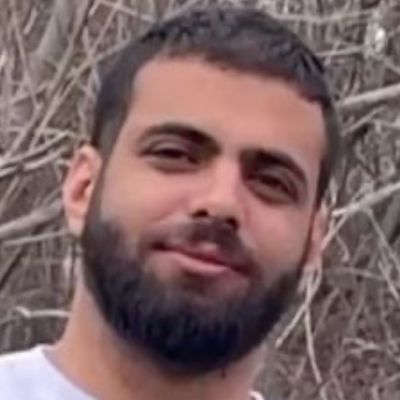
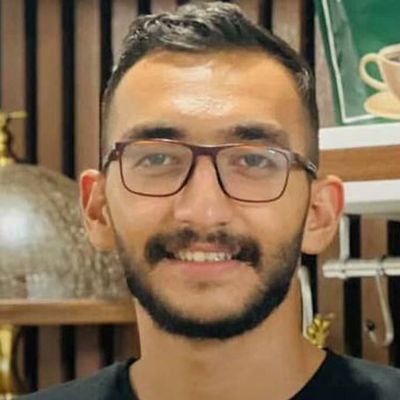
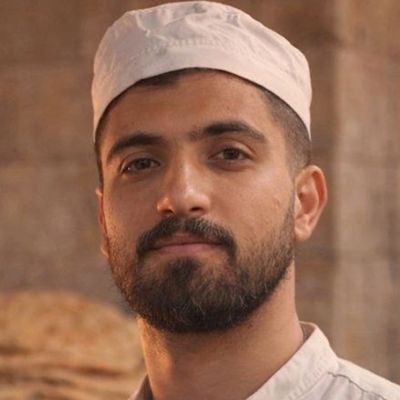
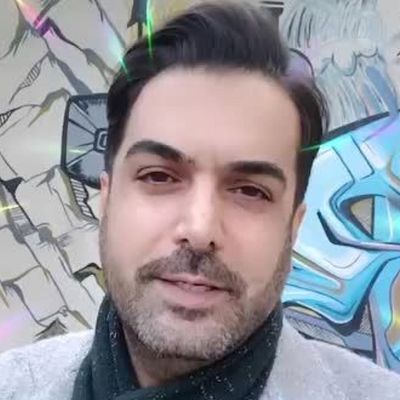
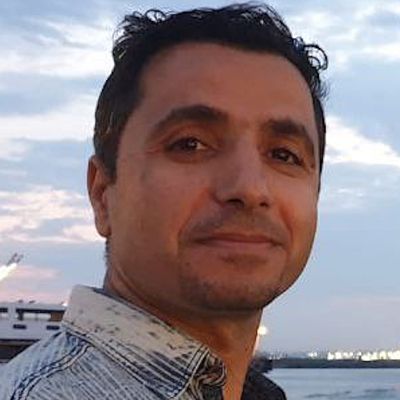
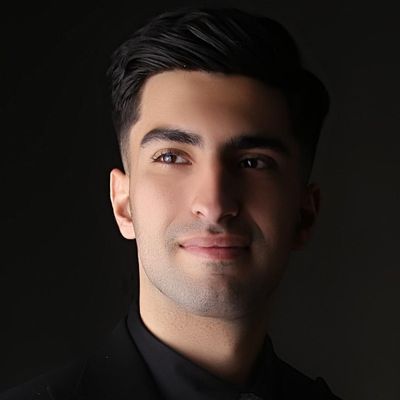
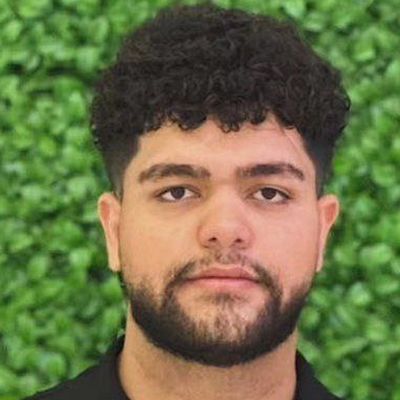
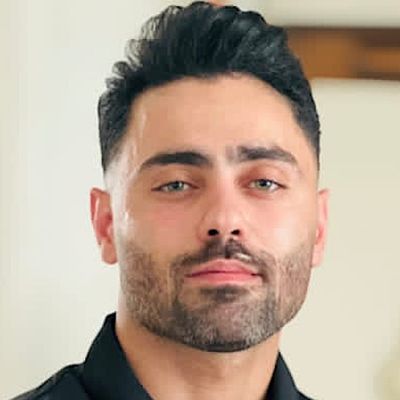
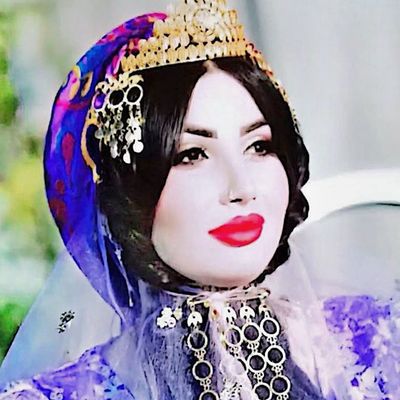
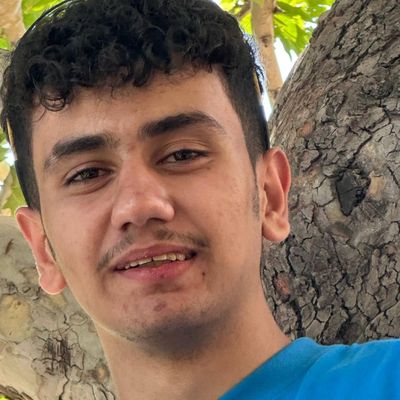
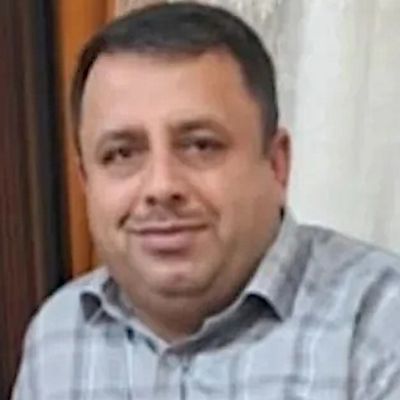
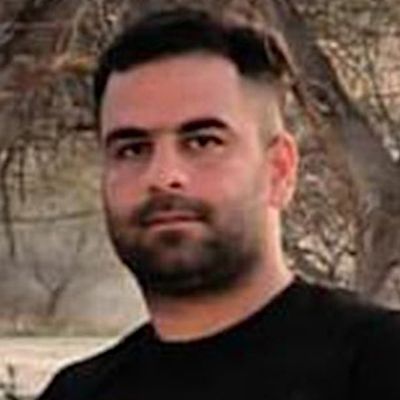
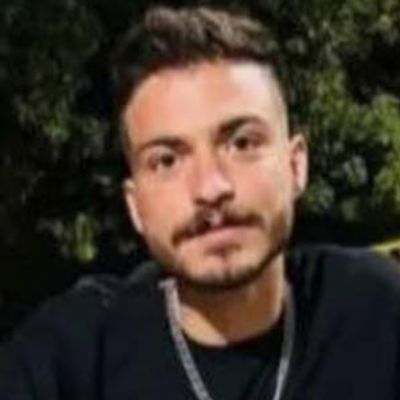
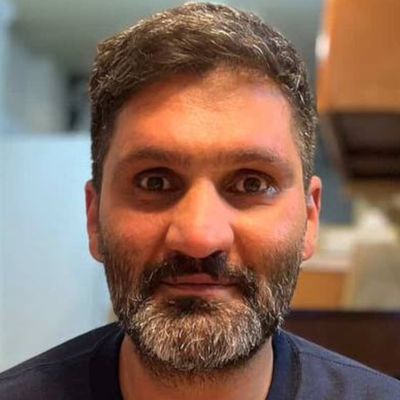
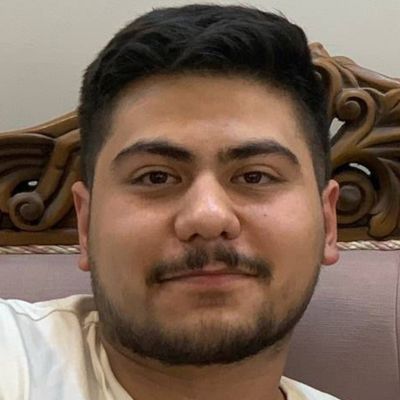
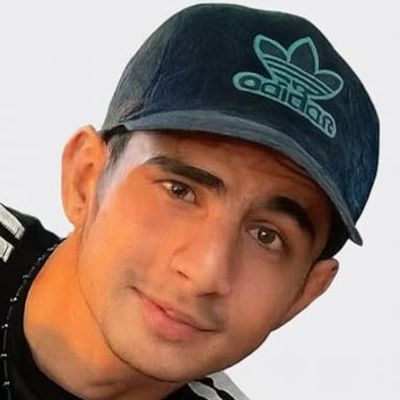
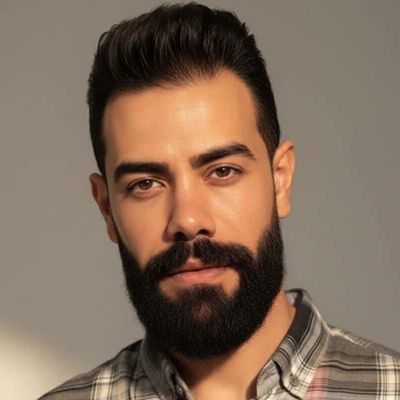
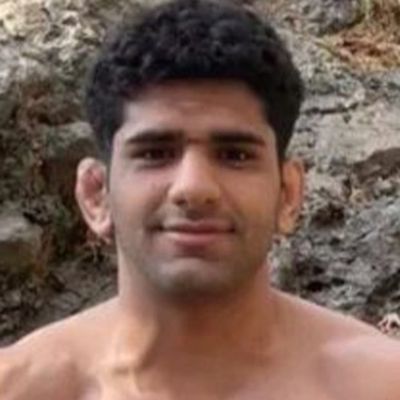
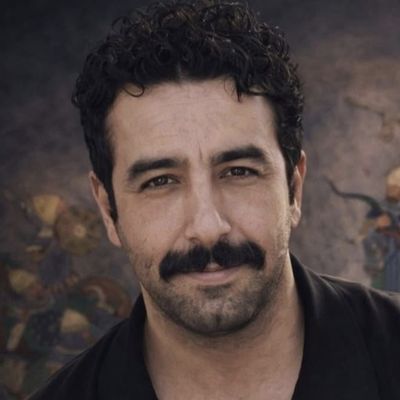
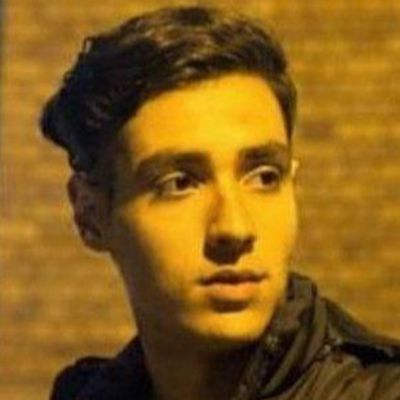
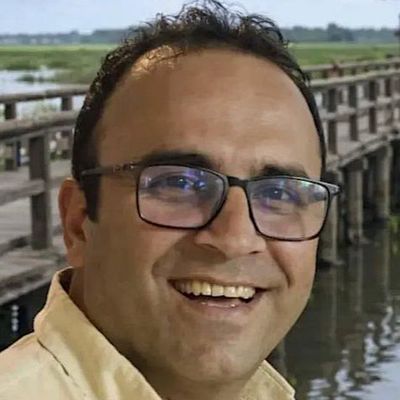
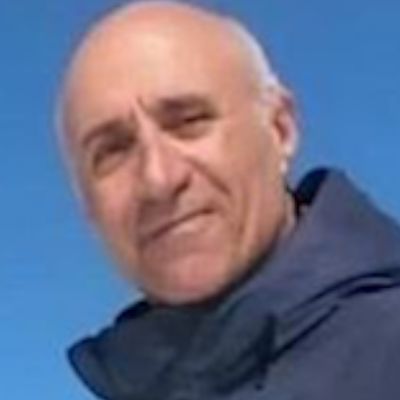
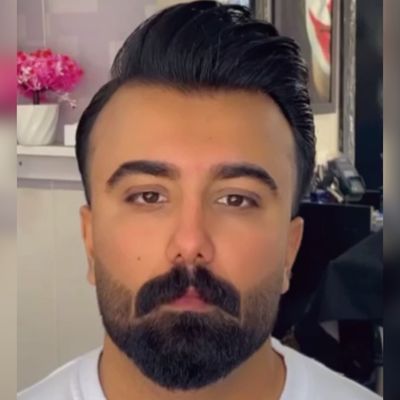
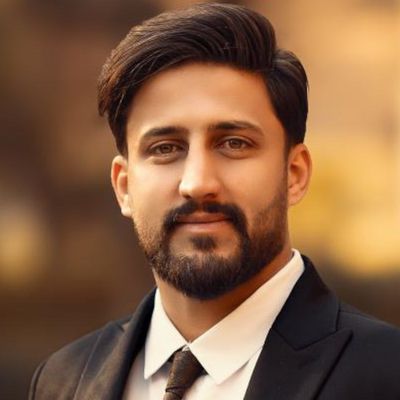
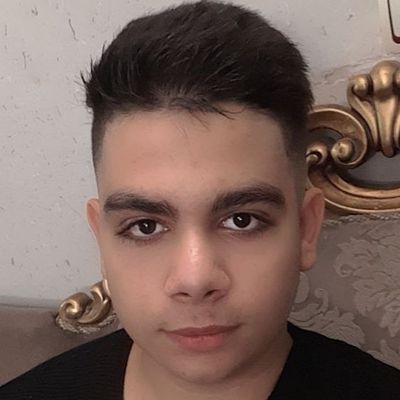
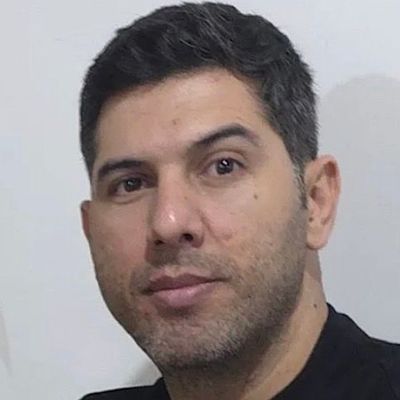
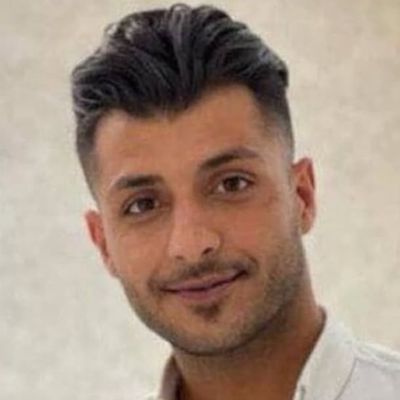
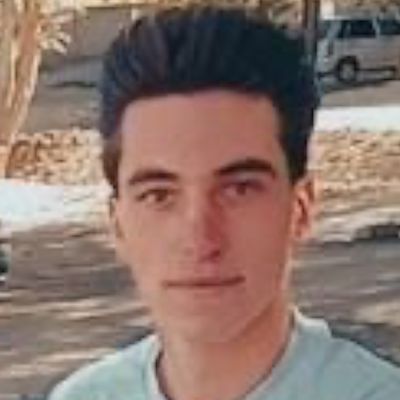
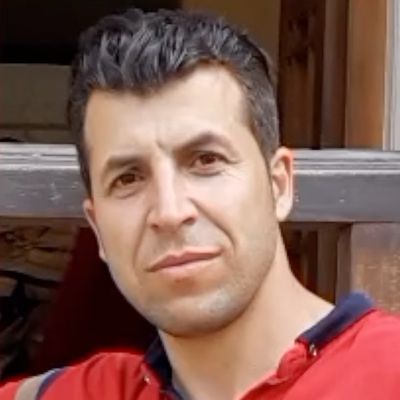
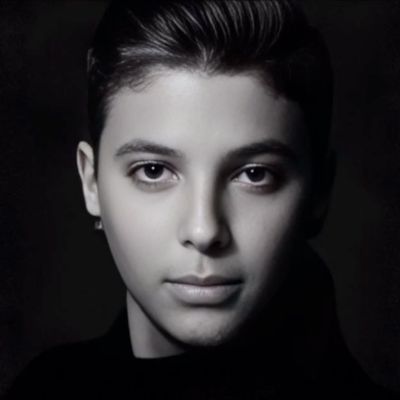
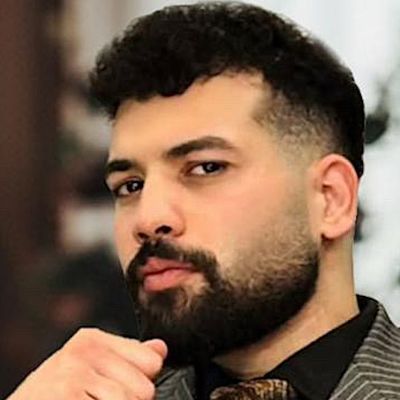
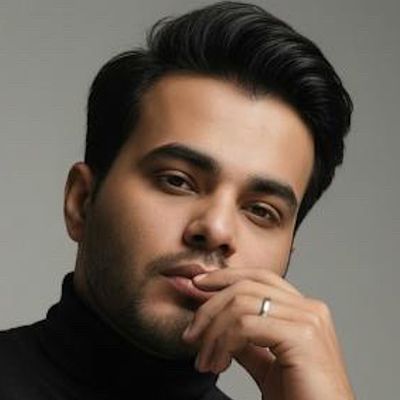
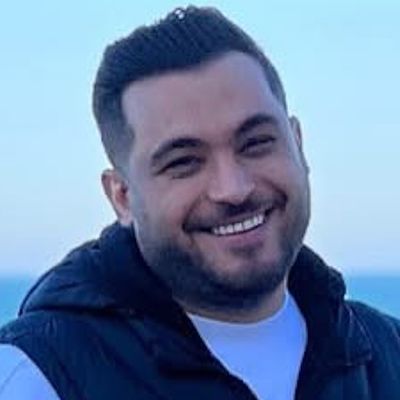
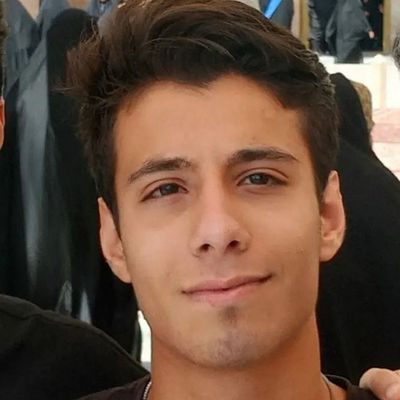
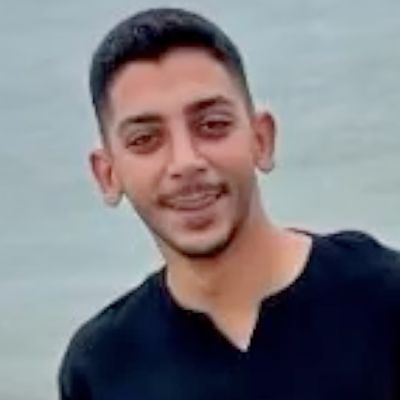
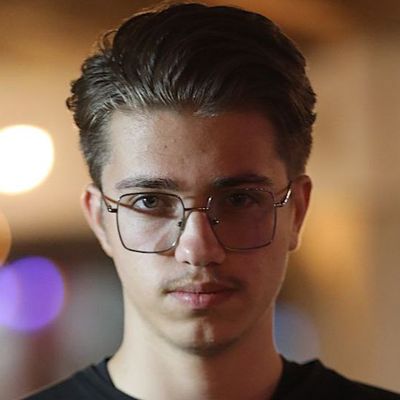
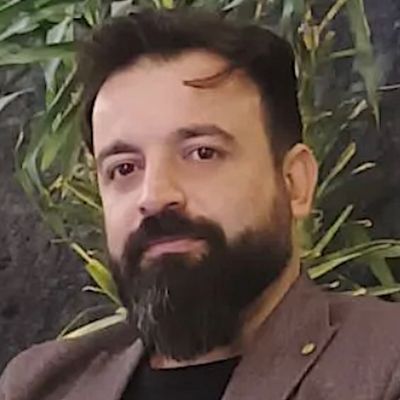

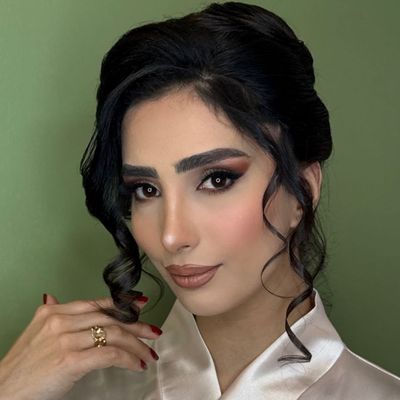
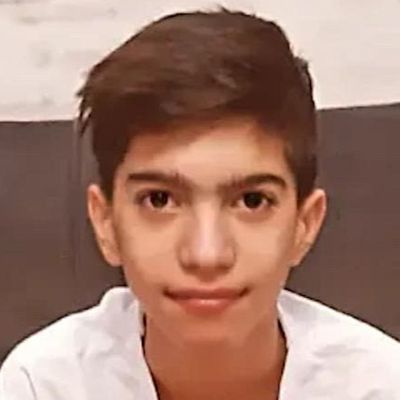
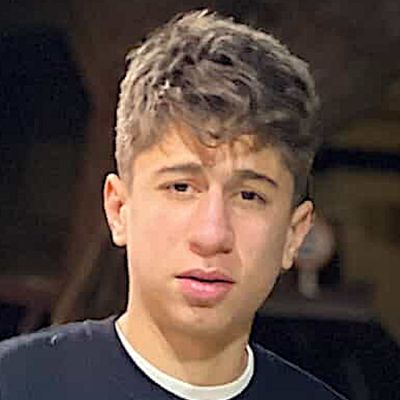
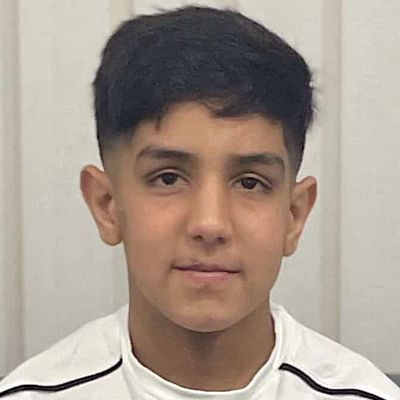
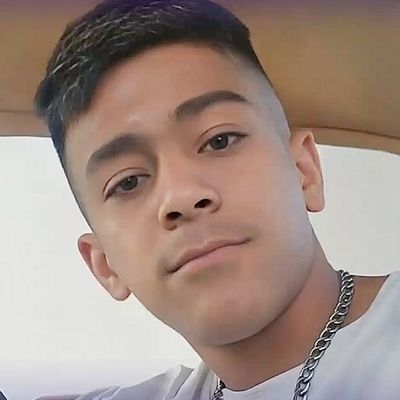
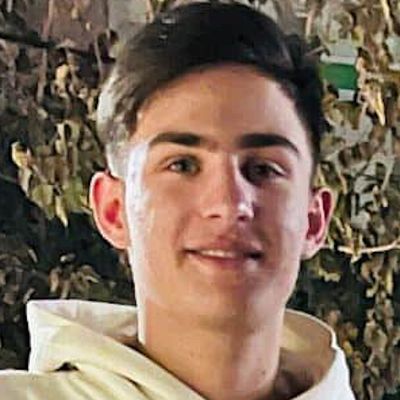
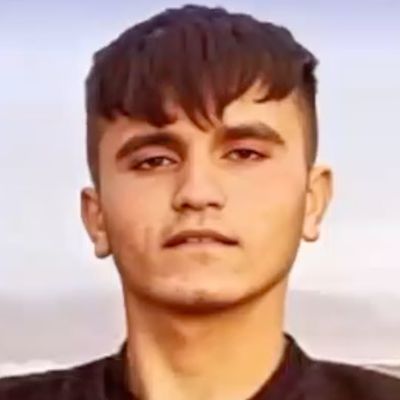
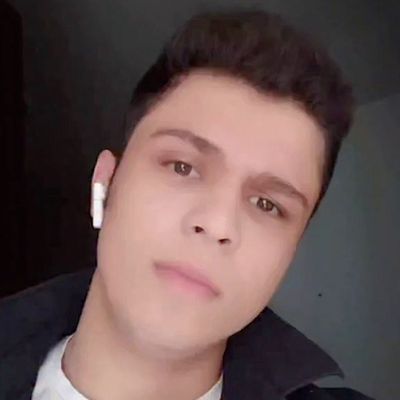
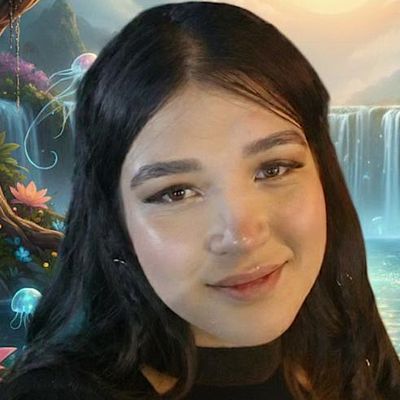
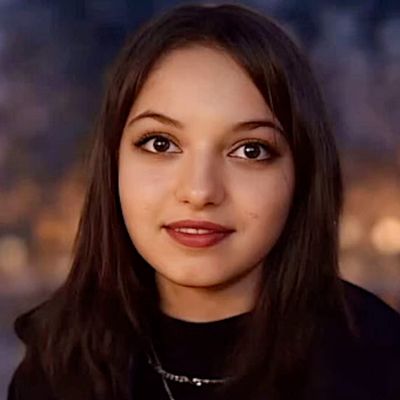
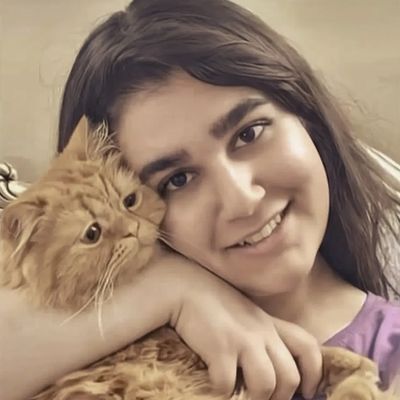
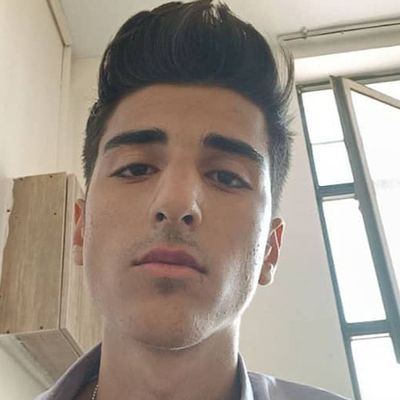
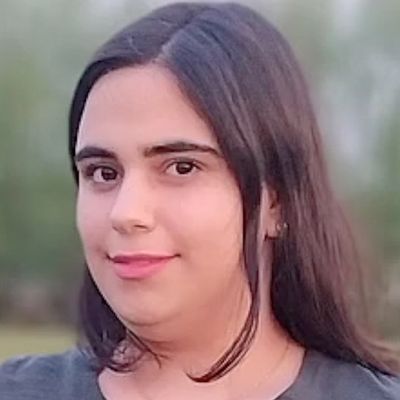
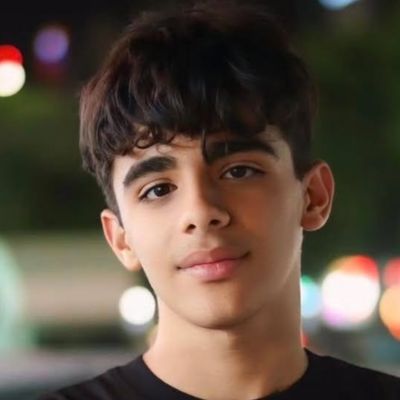
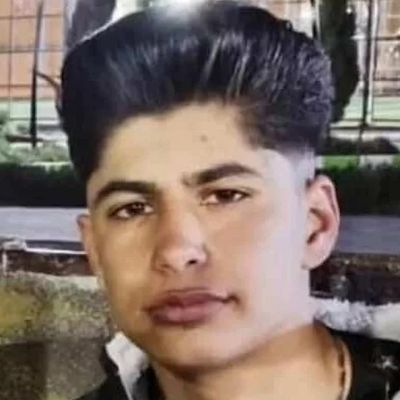
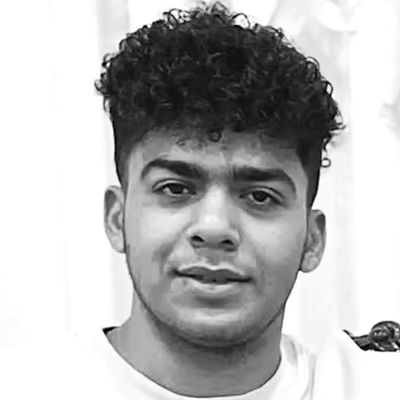
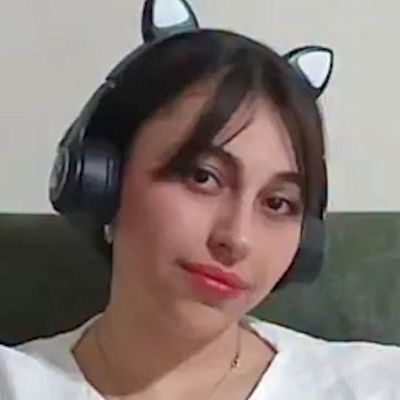
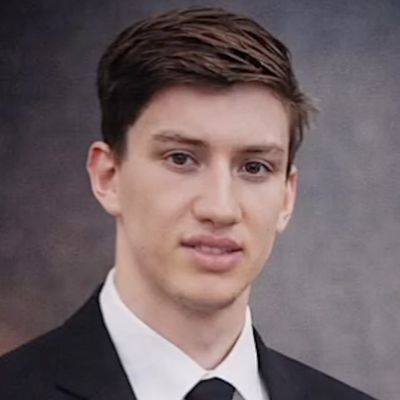
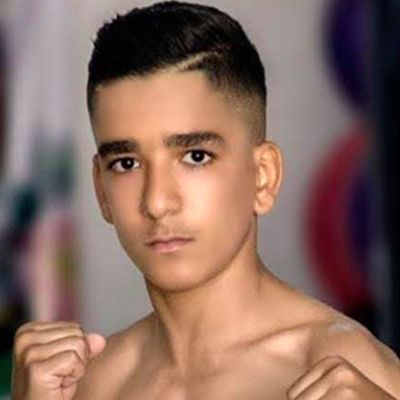
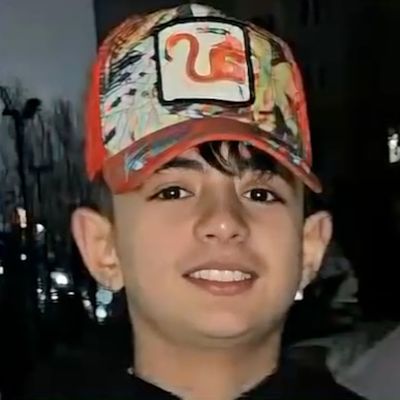
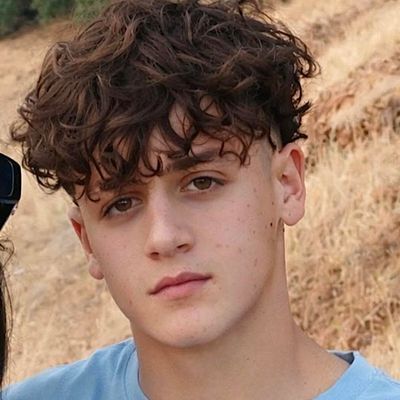
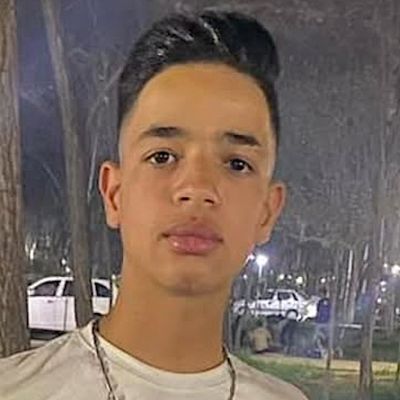
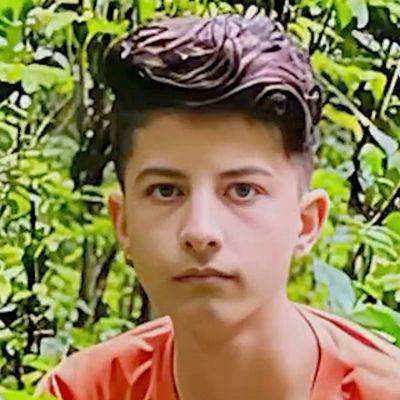
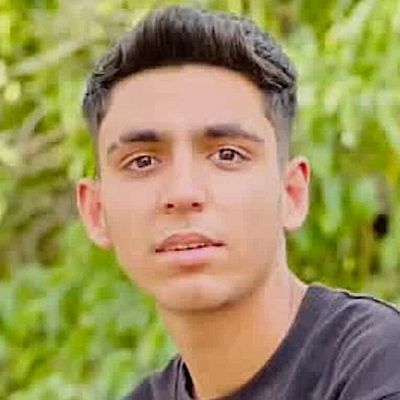
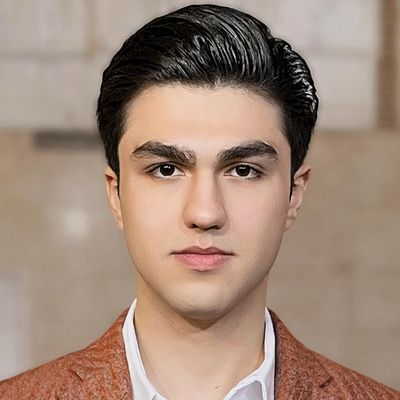
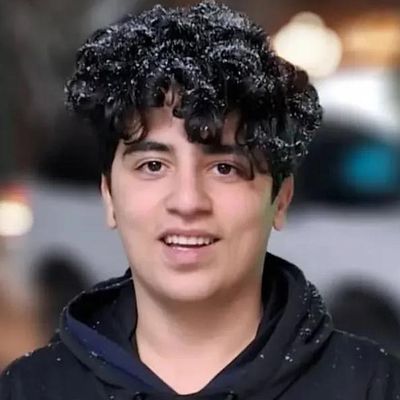
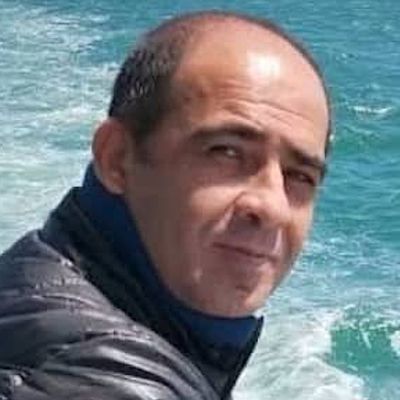
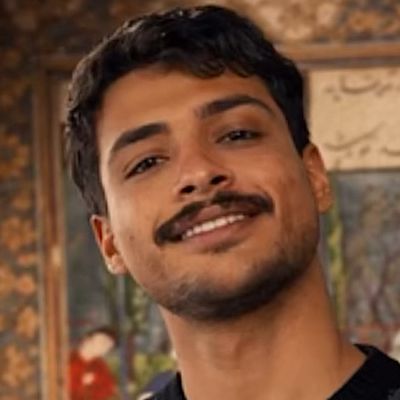
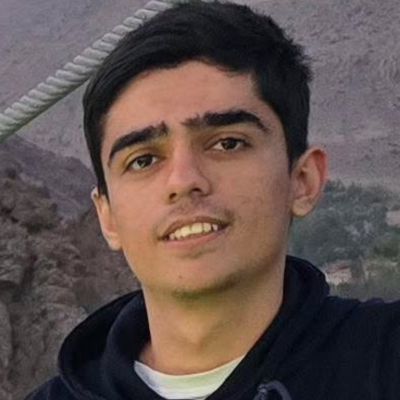
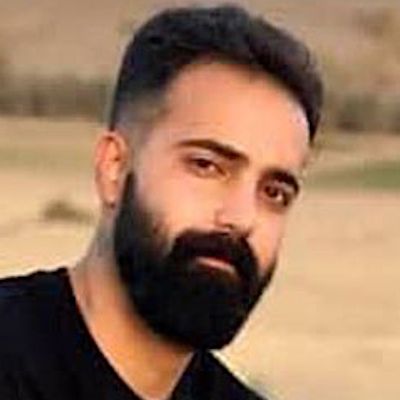
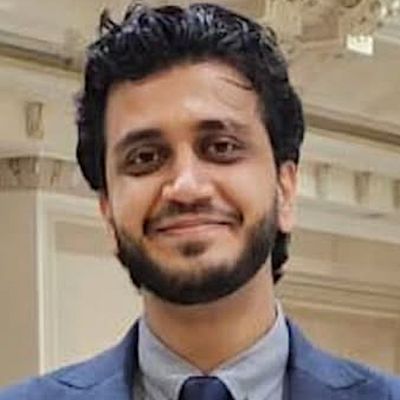
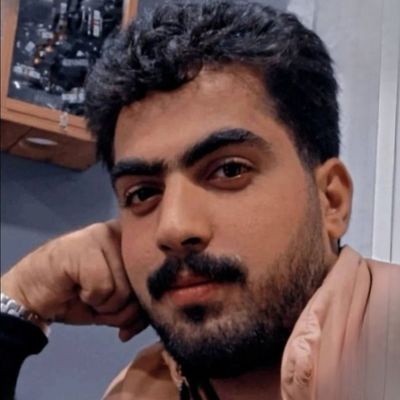
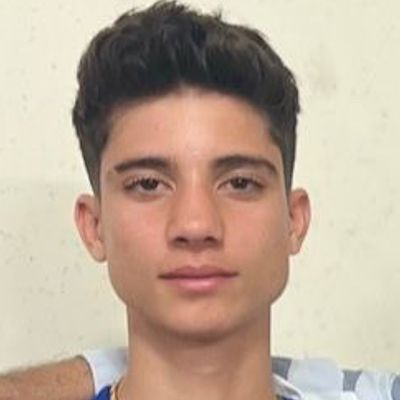
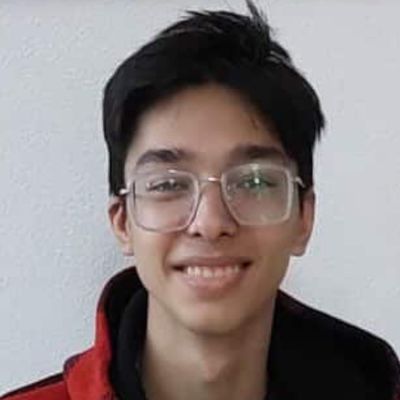
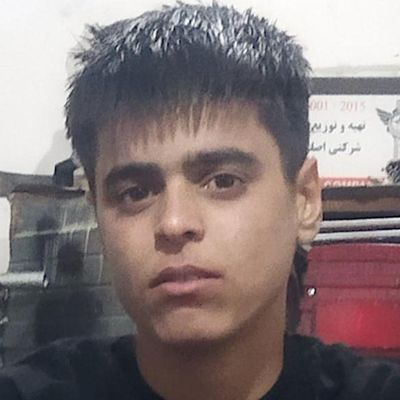
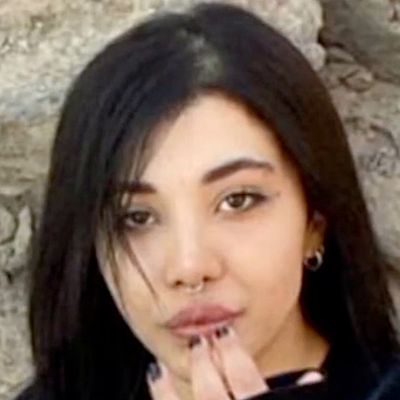
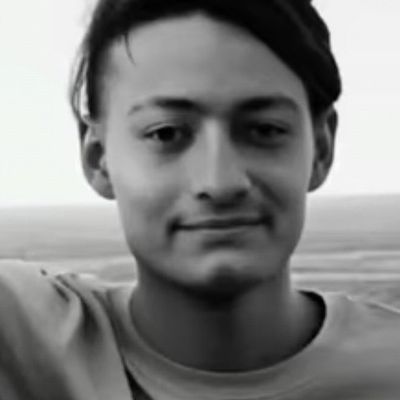
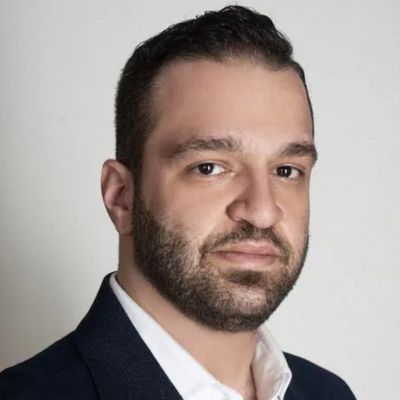
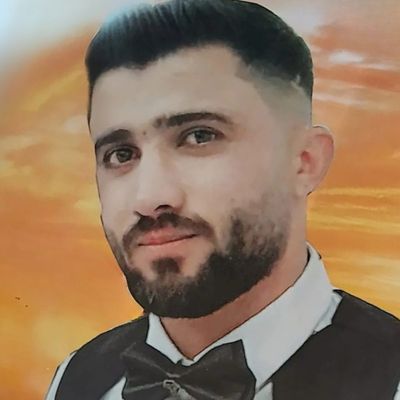
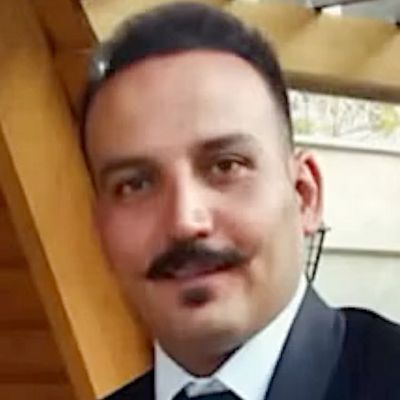
Source: BBC News Persian victim archive.
Q: Who are the named victims of Iran's 2022 uprising?
Q: Why does this site publish photographs of every named victim?
Four of the people executed in connection with the January 2026 uprising were under 22 when they were hanged. Each was arrested in the first days of the protests, tried in a closed session of a Revolutionary Court, and executed within months. Every case is corroborated by at least two independent monitors or news organisations.
| Name | Age | Executed | Place | Charge |
|---|---|---|---|---|
| Saleh Mohammadi | 19 | 19 Mar 2026 | Qom | Moharebeh |
| Amirhossein Hatami | 18 | 2 Apr 2026 | Tehran / Ghezel Hesar, Karaj | Moharebeh |
| Sasan Azadvar Jonaqani | 21 | 30 Apr 2026 | Dastgerd Prison, Isfahan | Moharebeh |
| Arvin Kheirkhah | 20 | 1 Aug 2026 | Shahrud Prison, Semnan | Moharebeh |
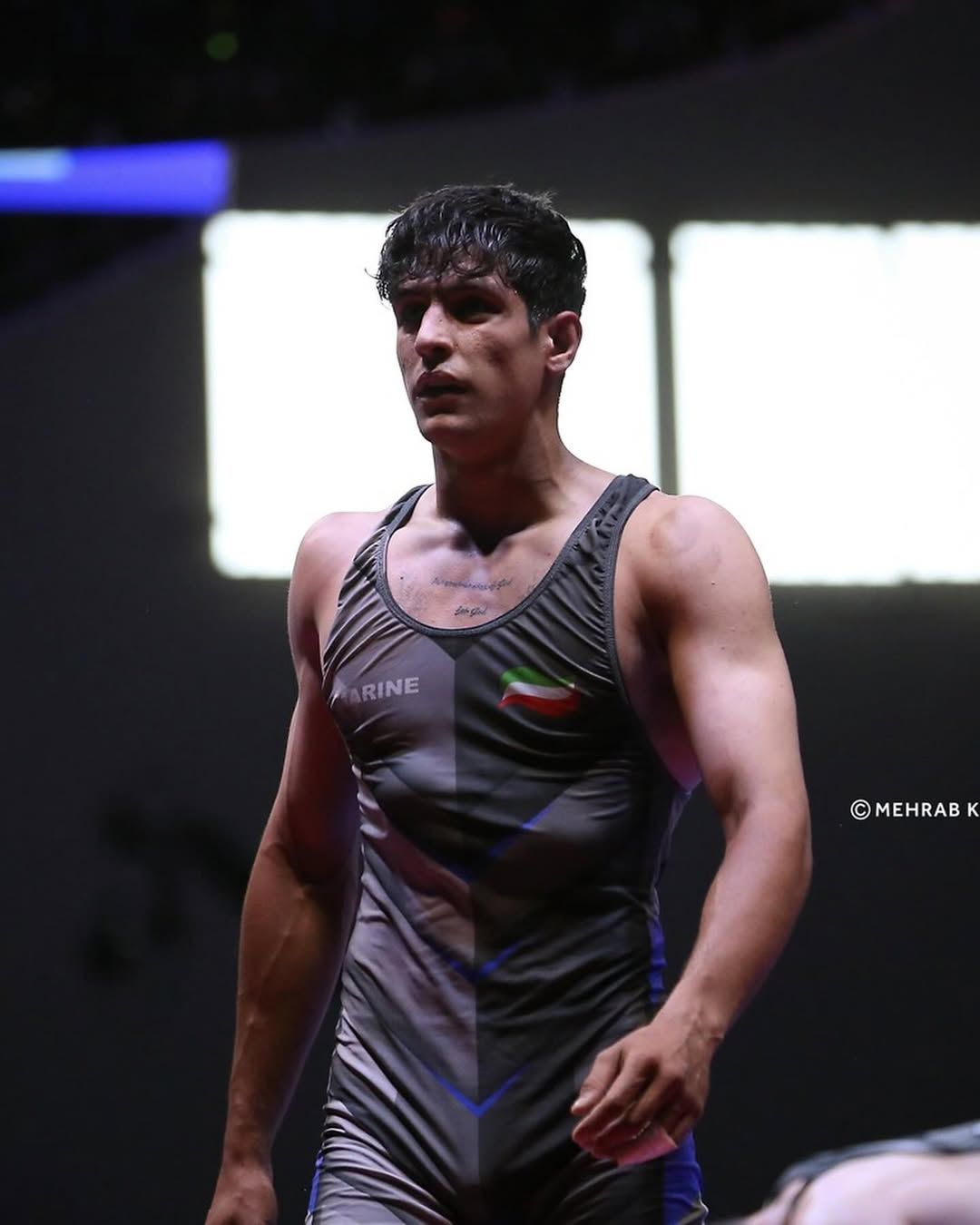
Executed 19 March 2026 · Qom
Charge Moharebeh — accused of killing two police officers at Nabut Square during the 8 January protests.
A national-team wrestler, arrested in the first week of the uprising and hanged alongside Mehdi Ghasemi and Saeed Davoudi. His trial was held in closed session; his family were not told the execution date in advance. His case is recorded in full on his memorial page.
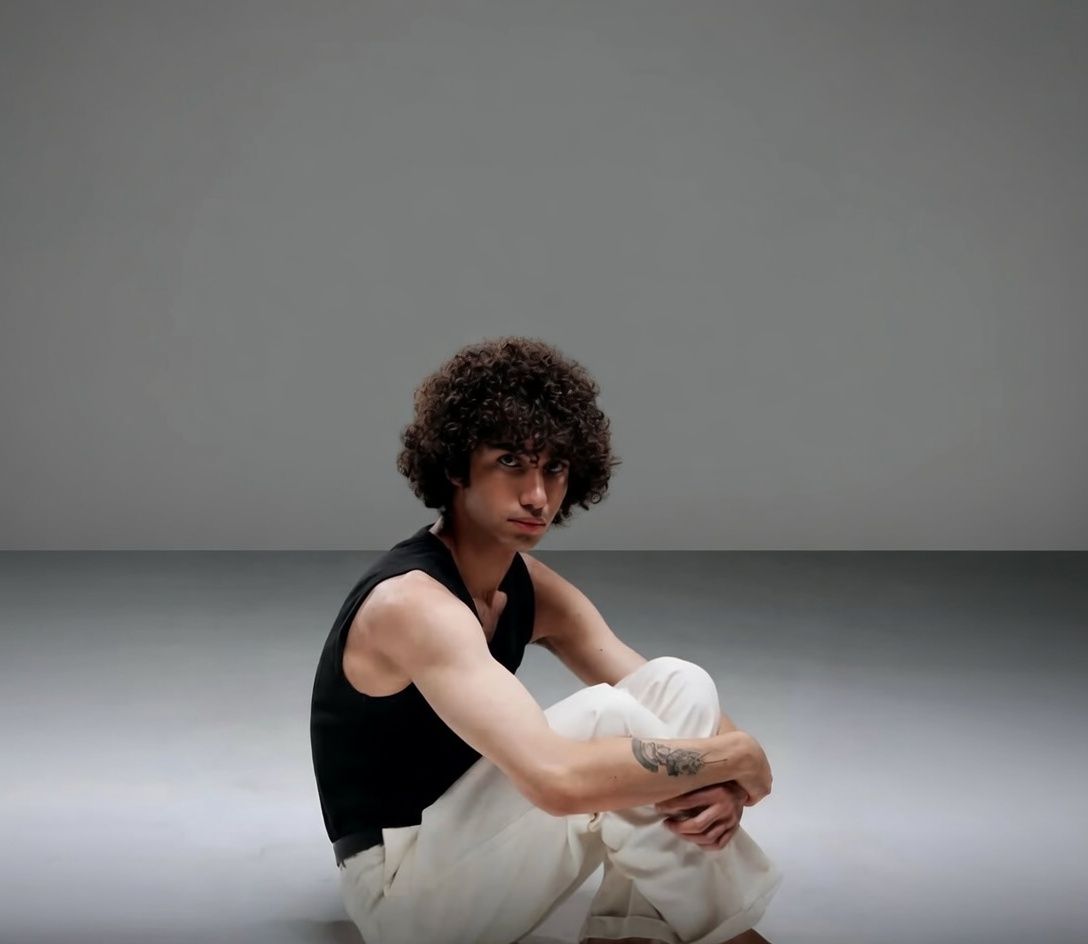
Executed 2 April 2026 · Tehran — Hengaw and Amnesty International place the execution at Ghezel Hesar Prison, Karaj
Charge Moharebeh — entering and setting fire to a restricted military site (a Basij base).
A musician, arrested in January and executed within eleven weeks of arrest, the first of five young men hanged in five days. His age is given as 18 by the judiciary statement and as 19 by Hengaw; both figures are recorded here rather than reconciled. See his memorial page.
Sources: Reuters · HRANA · Amnesty International

Executed 30 April 2026 · Dastgerd (Isfahan Central) Prison
Charge Moharebeh — throwing stones and the attempted arson of a police vehicle.
The tenth protester hanged within 42 days. Monitors recorded no independent evidence beyond a confession; the acts alleged against him were property offences prosecuted as war against God. See his memorial page.
Sources: HRANA · Iran Human Rights
Executed 1 August 2026 · Shahrud Central Prison, Semnan province
Charge Moharebeh — arrested during the January uprising.
Hanged seven months after his arrest, with his family notified only after the fact. HRANA, Hengaw, Iran International and Rudaw give his age as 20; RFE/RL reports 19. He has no memorial page on this site yet; the case file is held open pending further documentation.
This is a floor, not a total. Twelve further people executed in the same period — among them Mohammad Amin Biglari, Ali Fahim, Abolfazl Salehi Siavashani, Shahin Vahedparast Kalur, Erfan Esfandiari and Abdolfazl Sepahi Badjani — are described by monitors as young men but have no age confirmed by two independent sources, so they are not counted above. Amnesty International reported in February 2026 that children were among 30 people at risk of the death penalty in expedited uprising trials. Every case here is listed in the full roster of protest executions.
Q: How many children were killed in Iran's 2022 uprising?
Independent press verification units have identified more than 300 of those killed in the January 1404 (December 2025–January 2026) protests. The following selection focuses on the women, girls and youngest victims whose identities have been confirmed by name, date and place of death. Photographs are held by the families and editorial archives and are not reproduced here pending consent.
Featured film
77 Hours — the film about Iran's Two Nights
A psychological thriller by Vahid Mahdavi, set across the nights of 8 and 9 January 2026. Watch the trailers, read the story, and see the documented record behind it.
Kian Pirfalak was nine years old when security forces fired into his family's car in Izeh on 16 November 2022. Nika Shakarami, sixteen, was abducted and killed in Tehran after burning her headscarf at a protest; the BBC later obtained an internal intelligence document confirming the regime's role. Sarina Esmailzadeh, also sixteen, was beaten to death in Karaj. At least 71 children have been documented killed since September 2022 — a figure the regime still officially disputes, and a figure that no honest accounting of the Islamic Republic can survive.
Rapper Toomaj Salehi was sentenced to death in April 2024 for songs that named the killers; his sentence was later commuted under international pressure, but he remains imprisoned. Climber Elnaz Rekabi competed in Seoul without a hijab in October 2022 and returned to a house demolition and a televised confession. Doctors and nurses who treated wounded protesters — among them Dr. Parisa Bahmani and Aida Rostami, found dead in Tehran in December 2022 — were hunted for the act of medical care itself. The targeting was not collateral. It was the strategy.
Behind every photograph on this page are hundreds more the regime has worked to erase: bodies returned to families on the condition of silent burial, graves dug at night in Khavaran and other anonymous fields used since the 1988 prison massacres, families forbidden from holding fortieth-day memorials, mothers detained at their children's gravesides. To name the dead in a country that criminalises mourning is itself an act of resistance. This page exists so that act becomes harder to undo.
Documentaries
Long-form documentaries on Iran
Feature films, investigations and a three-part series on the uprising, the crackdown and the people behind the record.
This page shows portraits, ages and home cities of protesters killed by the Islamic Republic, each drawn from published documentation. It is a sample: most victims are still unidentified and many families have been threatened into silence.
The verified 2026 count includes 236 minors, and the gallery on this page shows victims aged under 23 whose photographs have been published by their families or by independent press.
All questions about Iran, answered
Every sourced question and answer on this archive, gathered on one page. Short answers first, with a link to the full page behind each one.