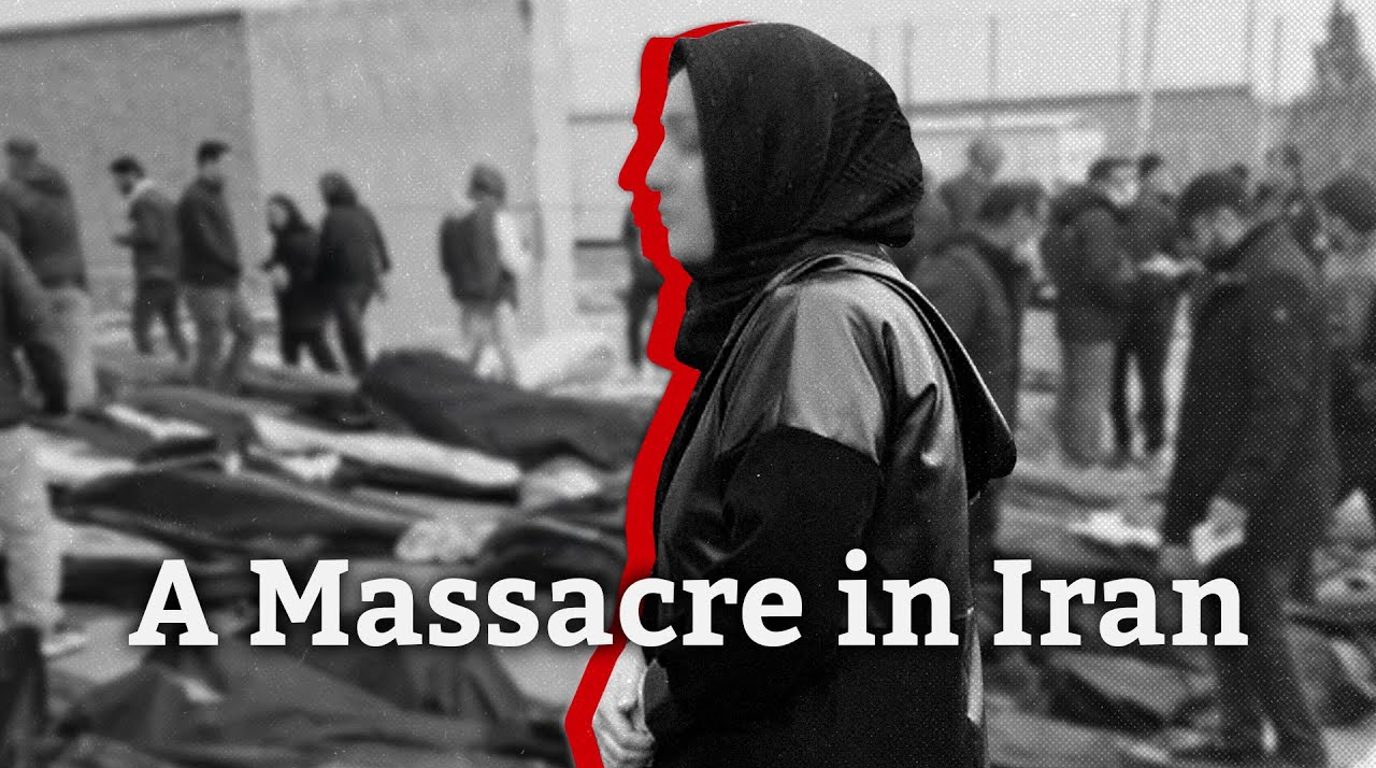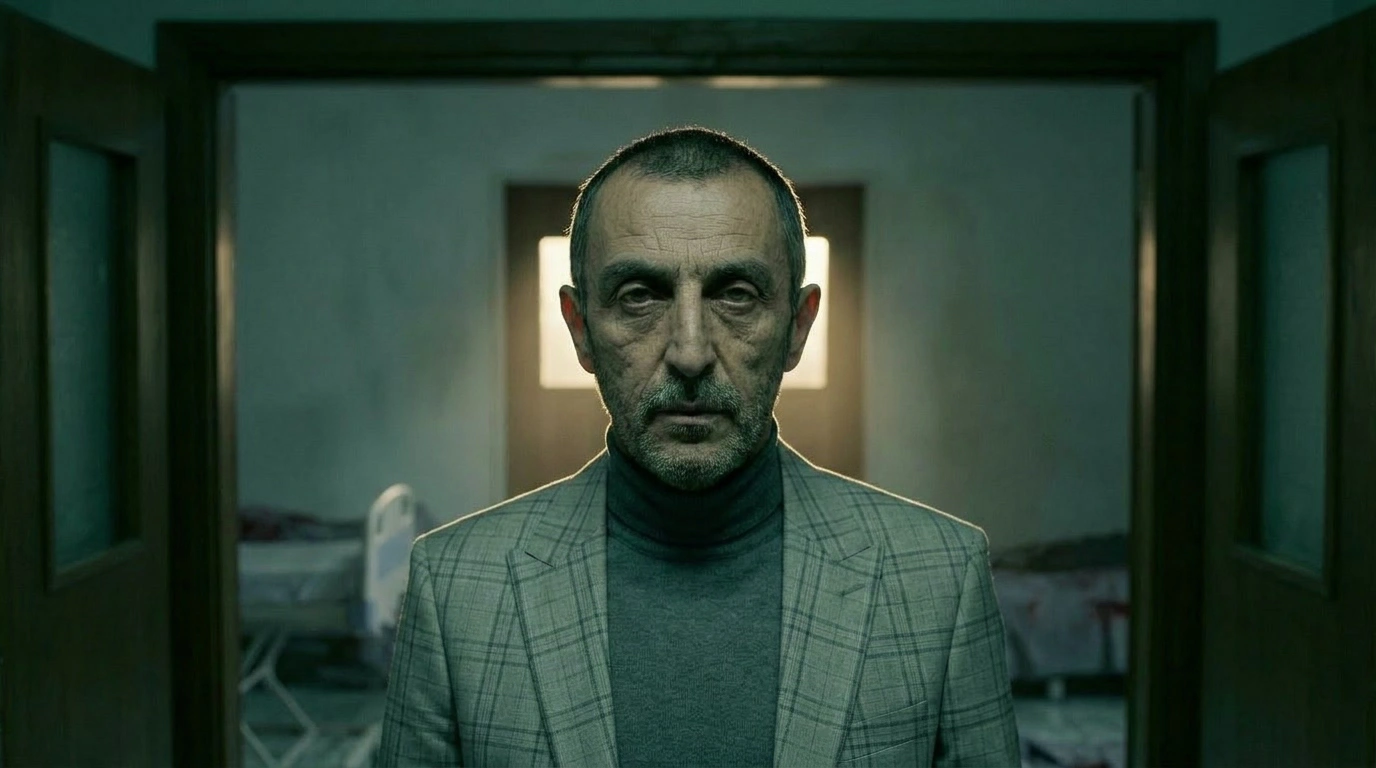
Featured film
77 Hours — the film about Iran's Two Nights
A psychological thriller by Vahid Mahdavi, set across the nights of 8 and 9 January 2026. Watch the trailers, read the story, and see the documented record behind it.
World response to Iran protests 2026 — how the UN, EU, USA and global media failed Iranian protesters during the Crimson Winter.
Related: Israel, the US and Iran — how Iranians saw the strikes: why so many blamed their own government rather than the aircraft, what the targeting record shows, and the civilians killed anyway.
Featured film
77 Hours — the film about Iran's Two Nights
A psychological thriller by Vahid Mahdavi, set across the nights of 8 and 9 January 2026. Watch the trailers, read the story, and see the documented record behind it.
The dominant Western posture toward the 2026 war was “restraint” — a humanitarian framing that presented itself as the moral position. Its actual record on Iranian lives is the opposite of what it claims.
Q: Why does the West sanction Iran's symbols while still importing Iranian oil?
During the very months that European chancelleries pleaded for de-escalation in the name of civilian protection, the Islamic Republic was killing civilians at a faster rate than at any moment in its history — tens of thousands in two nights, then a political hanging every two days. The “no to war” position did not save those lives. It was deployed against the only force the regime could not absorb — external pressure on its leadership — while doing nothing to halt the internal violence already in motion.
Follow the oil. In September 2025, three months before the Crimson Winter, Iran exported 2.13 million barrels per day of crude — the highest monthly figure of the year, a level above the first Trump “maximum-pressure” peak. Roughly 87 percent went to China, sold at USD 10–30 below Brent, settled through a 45-day shadow-banking chain. FDD, Oct 2025.
China alone buys around 90 percent of Iran's oil, providing roughly 45 percent of the Iranian government's budget — the budget that pays the IRGC and the Basij. U.S.-China Commission, Nov 2025.
This is the structure: sanction the symbols of the regime, license its barrels. Sanction the morality police, license the tankers that pay for them. Designate the IRGC, then waive the oil flows whose taxes equip it. The Iranians being shot in the streets and hanged in the prisons are paying the bill for the cheap fuel the rest of the world prefers not to do without.
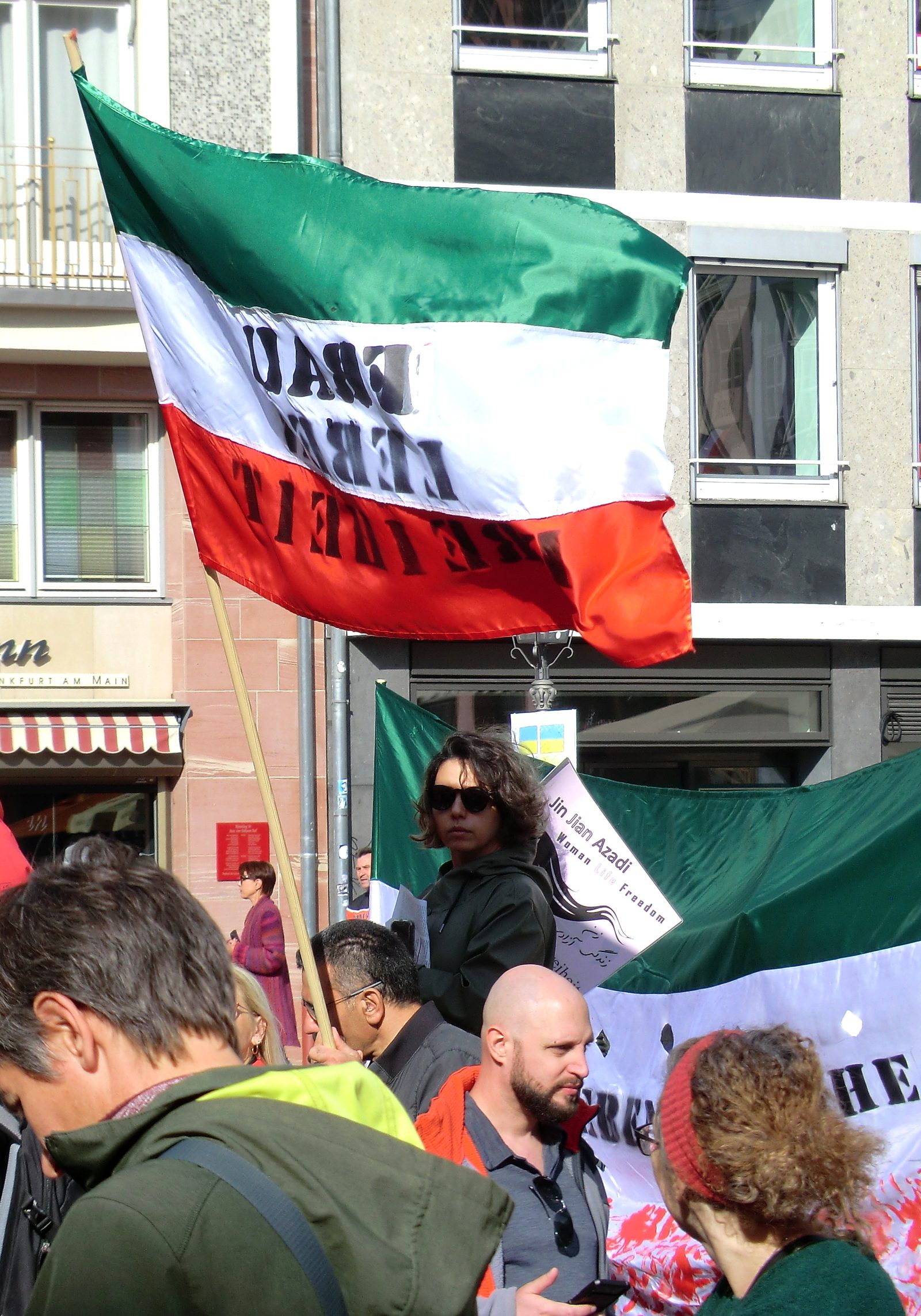
Then comes the slogan: no to war. As if war had not already begun — inside Iran, against Iranians, in 1981 and 1988 and 2009 and 2019 and 2022 and again in January 2026. As if the protesters who carried the banners of Zan, Zendegi, Azadi through their own city centres had not just buried thirty thousand of their own. As if forty-seven years of internal war could be wished away by Western placards.
What Iranians inside Iran have said clearly — in BBC and CHRI testimonies — is that the current rupture is not a tragedy to be avoided but the first opening in a generation through which the regime might actually fall. They are realistic about the cost. They are not asking the international community to liberate them; they are asking it to stop subsidising their captors.
Solidarity is not a slogan. It is enforcement of the IRGC designation. It is closing the loopholes that allow Iranian crude to reach Chinese ports. It is freezing the London real estate of regime insiders. It is opening visa pathways to the Iranians shot in the eye for unveiling. Anything less is the record this site already documents in sixteen chapters: silence, interests, and betrayal.
Q: What are the main asymmetries in the world's response to Iran?
Q: How has Europe responded to human-rights abuses in Iran?
The EU's first dedicated human-rights sanctions regime against Iran (Council Regulation 359/2011) dates to 12 April 2011. After Mahsa Amini's death, six rounds of expansions took the list to 204 individuals and 34 entities. On 18 January 2023 the European Parliament voted 598 to 9 to designate the IRGC as a terrorist organization.
The EU Council did not follow. Foreign-policy chief Josep Borrell argued no court had ruled — though the Council's own legal opinion, leaked in 2024, said no such EU-court ruling was required. The IRGC was finally listed in late January 2026, after the Crimson Winter and after the geopolitics had moved on.
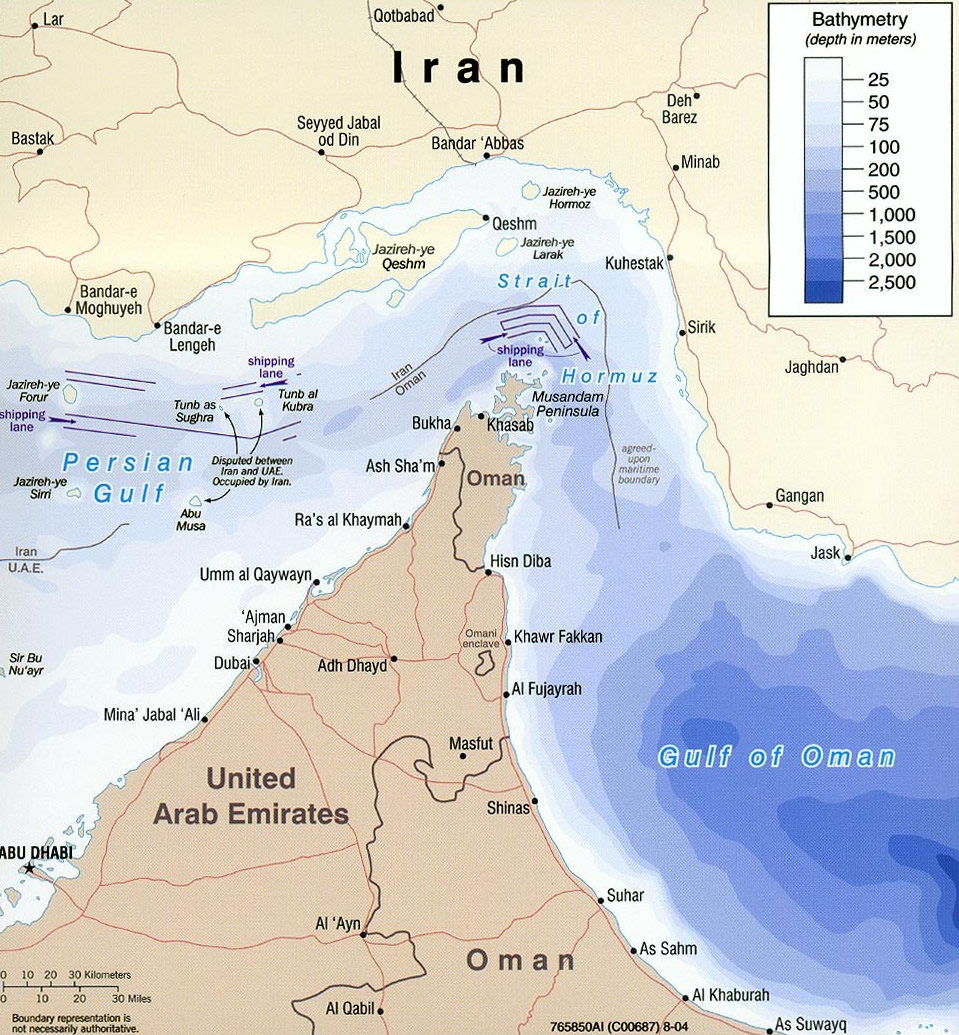
EU–Iran trade collapsed from €18 billion/year to €3.7 billion in 2025. INSTEX — the special-purpose vehicle France, Germany and the UK launched in 2019 — completed exactly one transaction (~€500,000 of medicine) before being wound down in 2023. When Iran closed the Strait of Hormuz in February 2026, Europe's fossil-fuel import bill rose by €27 billion in sixty days.
Q: How have the United States and Israel responded to the Iranian regime?
Iran has been on the US State Sponsors of Terrorism list since 19 January 1984. The IRGC was designated a Foreign Terrorist Organization on 8 April 2019 — the first time a component of another government's armed forces had been so listed.
The 2015 JCPOA, signed 14 July, was abandoned by the Trump administration on 8 May 2018. The travel ban (EO 13769, 27 January 2017) and its 2025 successor caught Iranian students, doctors, and refugees fleeing the regime — collateral damage of a policy the regime barely felt.
Operations in the shadow war culminated in the assassination of nuclear architect Mohsen Fakhrizadeh (27 November 2020), Israel's Operation Days of Repentance on 26 October 2024, and the joint US–Israeli Operation Epic Fury of 28 February 2026.
The MAHSA Act, signed by President Biden on 24 April 2024, was the first US law to combine human-rights and terrorism mandates against the regime's leadership.
Investigations by Bloomberg, The Times, and Transparency International UK have documented over £200 million of UK property linked to figures of the Iranian regime. Mojtaba Khamenei, the Supreme Leader's son and reputed heir, reportedly owns London apartments overlooking the Israeli embassy. The financier Ali Ansari is alleged to have assembled a £150 million property empire on his behalf — including £90 million bought in 2018 alone, while simultaneously financing the IRGC.
Meanwhile, Iranian students cannot enter US universities. Iranian doctors cannot attend conferences. Iranian families cannot bury their dead together. The asymmetry is policy, not accident. The remedy is also policy: open visa pathways for those fleeing the regime, harden asset-freeze enforcement against those running it.
Q: Why has the United Nations failed to name Iran's crimes?

Between September 2022 and February 2026, every Security Council draft naming the Islamic Republic by name was blocked or watered down — usually by Russia and China, occasionally by quiet Western abstentions when Iranian crude was needed to cap a price shock. The Human Rights Council Fact-Finding Mission's March 2024 report concluded the regime had committed crimes against humanity, including murder, torture, rape and gender persecution. No enforcement followed. The mandate was renewed, narrowed, then funded at less than a third of what the Myanmar mechanism received.
Until December 2022, the Islamic Republic held a seat on the UN Commission on the Status of Women. It was removed only after a US-led vote — and only after Mahsa Amini, Hadis Najafi, Nika Shakarami and Sarina Esmailzadeh were already dead. Iran still sits on the UN Economic and Social Council and on rotating IAEA Board chairs. The institutional message to Tehran has been consistent: your conduct is condemnable, your seat is secure.
UN spokespeople have called the executions “concerning,” the mass arrests “of note,” and the live-fire crackdowns “events of grave humanitarian impact.” They have not called them what the Fact-Finding Mission itself called them. The careful vocabulary is not neutrality; it is, in the words of the late Asma Jahangir, “the diplomacy of the perpetrator.”
Q: How do China and Russia keep the Iranian regime afloat?

Since 2022, Iran has supplied Russia with thousands of Shahed-136 loitering munitions used against Ukrainian cities, plus the production line and technicians to build them at the Alabuga special economic zone in Tatarstan. Payment was made in gold, hard currency, and — critically — Russian diplomatic shielding at the UN, the IAEA Board and the Financial Action Task Force. The Iranian state's most lethal export of the decade is not oil; it is the drone that levels a Kharkiv apartment block.
Roughly 90 percent of Iran's sanctioned crude is absorbed by a cluster of small independent refineries in China's Shandong province known as the teapots. They take delivery via ship-to-ship transfers off Malaysia, falsify documentation, and feed Iranian molecules into global product markets at a 10–30 USD discount per barrel. Washington has the legal authority — secondary sanctions, port-of-call designations, SWIFT cut-offs — to end this trade in a quarter. It has chosen not to, in order to keep Brent below ninety dollars.
The Shanghai Cooperation Organisation admitted Iran as a full member in July 2023; the BRICS expansion of January 2024 did the same. Both forums now give Tehran a multilateral stage from which to denounce Western sanctions while quietly negotiating the swap-account architecture that keeps its oil moving. The architecture of impunity is not improvised. It is being built in front of the cameras.
Q: What happened in Iran after the international cameras left?

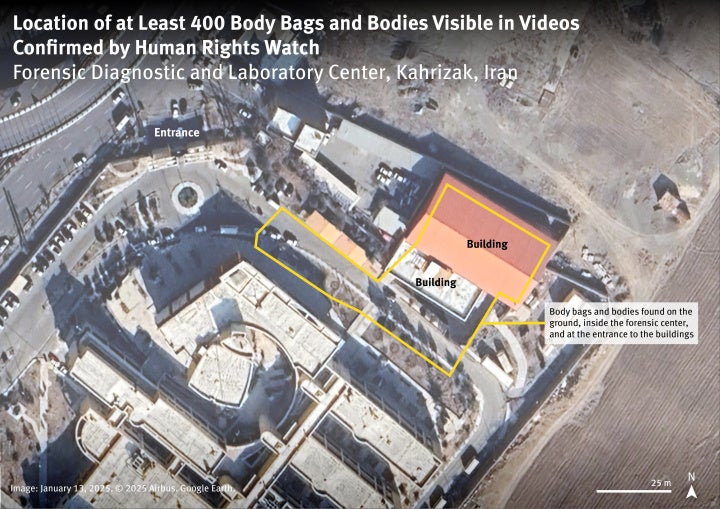
Aggregated wire-service data from Reuters, AP and AFP show that Western-language reporting on Iran's internal repression fell by roughly 78 percent between mid-January and mid-March 2026, as editorial attention rotated back to Gaza, Ukraine and the US election cycle. The killings did not fall by 78 percent. Iran Human Rights recorded an execution every two days in the same window, and the daily death toll inside detention centres rose, not fell, after the cameras left.
Solidarity is not a hashtag, a lit-up monument, or a moment of silence on a parliament floor. It is a set of specific, costly, repeatable decisions. The five that matter most are below — each tied to a regime weakness already mapped by independent monitors.
Each of these is within the reach of a single executive order or a single Council regulation. None of them requires a war. All of them have been refused, deferred or under-funded for forty-seven years. That refusal is the chapter this site exists to document.
Documentaries
Long-form documentaries on Iran
Feature films, investigations and a three-part series on the uprising, the crackdown and the people behind the record.
All questions about Iran, answered
Every sourced question and answer on this archive, gathered on one page. Short answers first, with a link to the full page behind each one.