Featured film
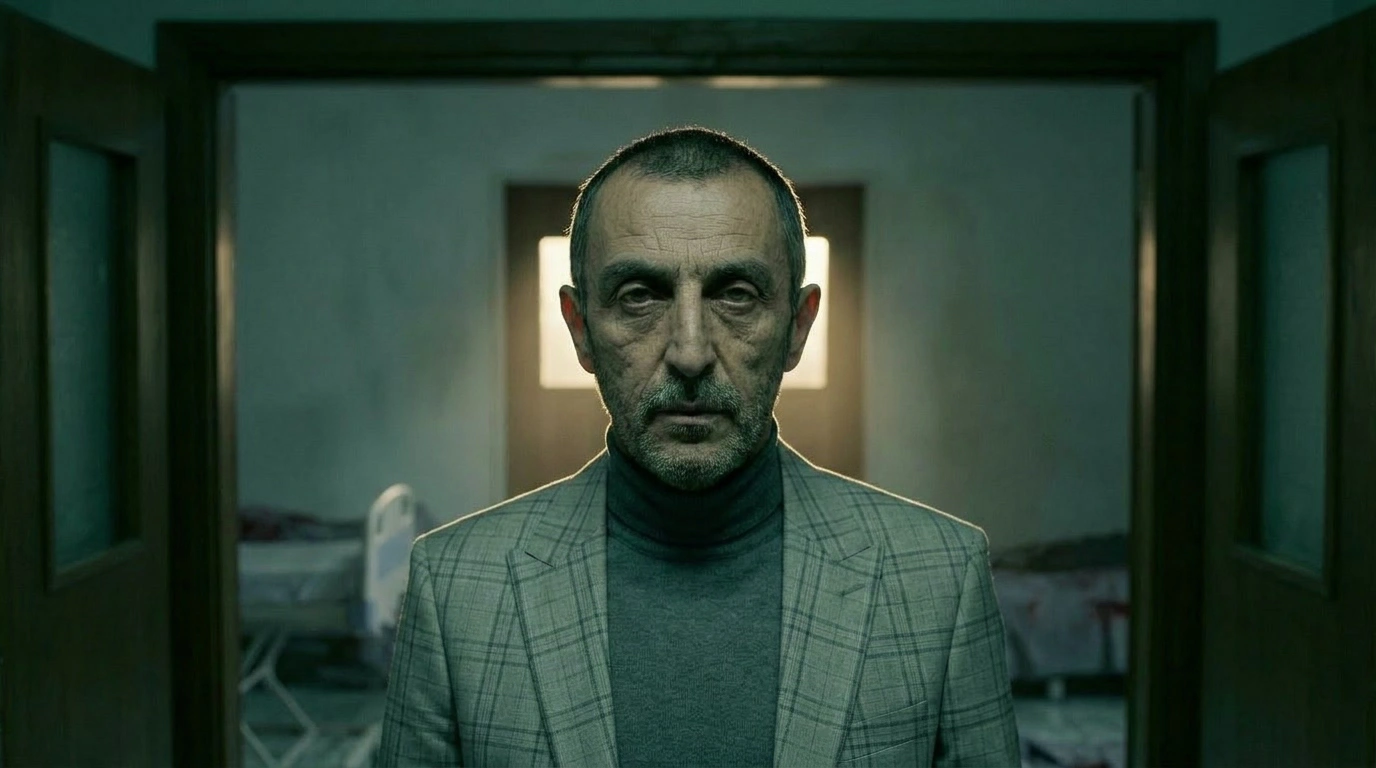
77 Hours — the film about Iran's Two Nights
A psychological thriller by Vahid Mahdavi, set across the nights of 8 and 9 January 2026. Watch the trailers, read the story, and see the documented record behind it.
How the world failed Iranians under the Islamic Republic — photographs, named victims and primary sources in 41 languages.

Each chapter is its own page. Follow the chronology, or jump to the section you most want to read.
From the rooftop of Refah School in February 1979 to the streets of Rasht in February 2026.
What witnesses, doctors, leaked records, and morgue logs say happened in two nights.
Photographs of those killed, hanged, and buried in unmarked rows. Each face a small refusal of statistics.
The Iran diaspora directory: community resources, outreach links and rallies in Tehrangeles, Toronto, London, Berlin, Paris, Stockholm and Sydney.
The Mahsa Charter, Reza Pahlavi, Alinejad, Esmaeilion, Boniadi, Karimi — and what is excluded.
Sanction the symbols, license the barrels — and call the result “restraint.”
What governments, media, and ordinary people can do — and the full ebook to download.
Sixteen chapters, a bibliography, more than two hundred footnotes — every citation linked.
Dedicated to the more than forty thousand Iranians killed in two nights — and to every woman, man, and child who has been killed, before and since, for asking to live free.1979 — 2026
Featured film
77 Hours — the film about Iran's Two Nights
A psychological thriller by Vahid Mahdavi, set across the nights of 8 and 9 January 2026. Watch the trailers, read the story, and see the documented record behind it.
For forty-seven years the world has watched a theocratic state kill its own people, and international politics has consistently treated the Islamic Republic as a problem to be managed rather than a regime to be held to account. The evidence sits across hundreds of news reports, fact-finding missions, leaked records, and human rights archives — but it sits scattered.
This site walks chronologically from the first executions on the rooftop of Refah School in February 1979 to the documented massacres of 2025–26 and the war that followed. It names victims and names perpetrators. It points to photographs, primary documents, and to the United Nations Fact-Finding Mission, Amnesty International, Human Rights Watch, the Iran Human Rights Documentation Center, the Center for Human Rights in Iran, HRANA, Iran International, the BBC, Reuters, the Associated Press, and the New York Times.
It also asks an uncomfortable question: why have global responses been so chronically asymmetric? Why do European chancelleries condemn one Mahsa Amini and not the next 5,000? Why do parts of the Western left fall silent when Iranian women are shot in their eyes for unveiling? Why does Washington sanction the morality police while banning the very Iranians who suffered under it?
Tallies compiled from HRANA, Amnesty International, the BBC and Iran International. Every figure is a lower bound — the internet blackout continues to suppress what can be counted.
Protesters reported killed by security forces in the first two weeks of nationwide unrest.
Iranian cities and towns where demonstrations have been documented since 28 December 2025 — the largest uprising since 1979.
Arrests recorded across the 50-day Crimson Winter, including students, doctors, lawyers, and journalists.
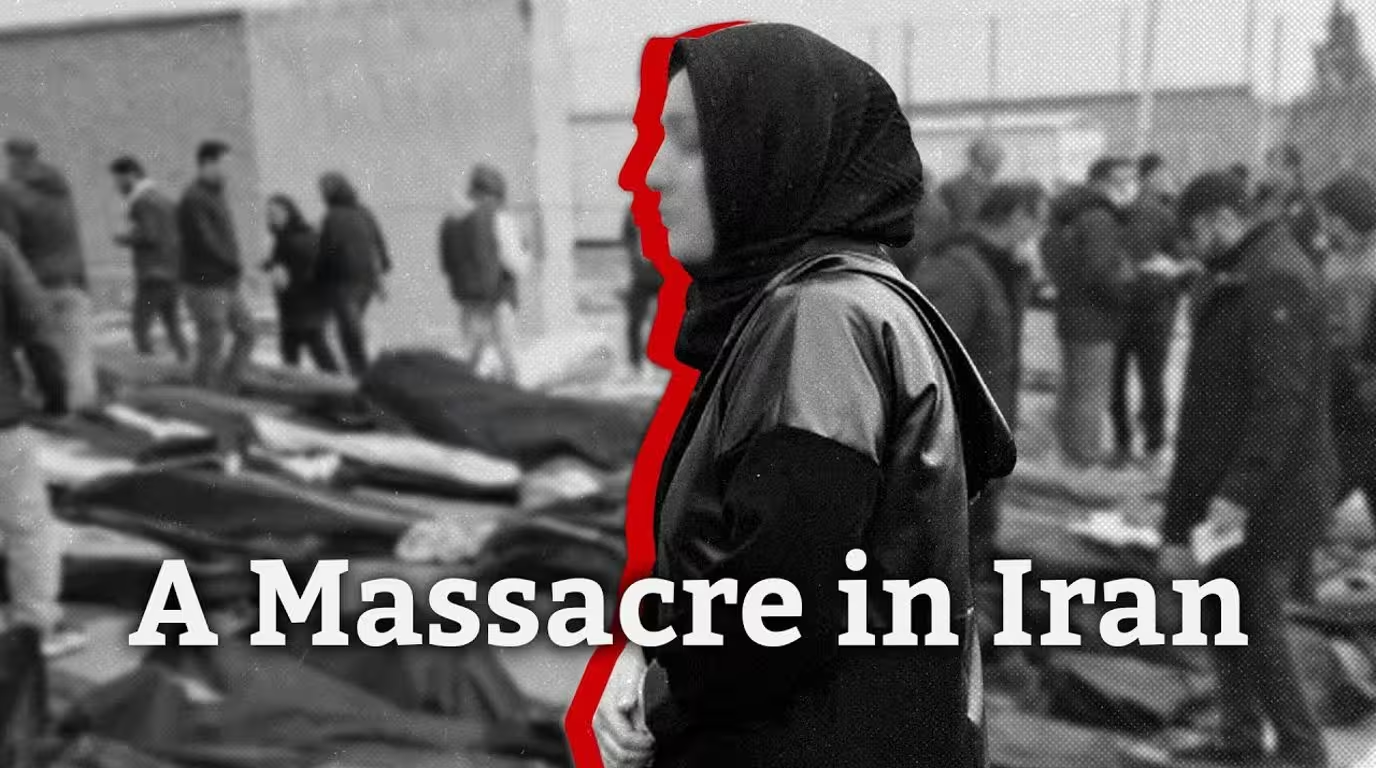
The 48 hours when leaked morgue logs, doctors' testimonies and verified videos document the largest single massacre.
Despite a near-total internet blackout, verified footage and on-the-record reporting reached the outside world. Four reports — from BBC News, France 24, DW News and Iran International English — that document what happened in Iran between December 2025 and February 2026.
Embedded videos are hosted on YouTube under their respective channels' terms. Their inclusion here is for documentary and educational purposes.
Bread, fuel and currency protests begin in Rasht and spread within hours to Tehran, Mashhad, Isfahan, Shiraz, Tabriz and Karaj after the rial collapses past 1,500,000 to the dollar.
A full internet blackout precedes a coordinated, nationwide live-fire operation. Doctors, morgue staff and verified video place the death toll in the thousands across a single 48-hour window.
BBC Verify authenticates morgue footage from Tehran showing rows of bodies and crowds searching for the missing. Snipers on rooftops appear in further verified footage on 26 January.
Intercepted IRGC orders pointing to a pre-planned massacre surface in independent reporting. Doctors are reportedly detained for treating wounded protesters in private clinics.
The traditional fortieth-day mourning ceremonies for the dead of January turn into anti-regime rallies in more than fifty cities. Crowds chant the name of Reza Pahlavi in Tehran's Kaj Square.
A fresh wave of student protests in Tehran coincides with a US naval buildup in the Gulf. An IRGC F-4 fighter jet crashes near Hamadan. Foreign minister hints at "a good chance" of a diplomatic exit.
"They fired directly into lines of protesters, and people fell where they stood."
"We ran out of body bags before we ran out of bodies. The corridors had no more floor."
"The regime turned off the internet and turned on the guns. The two switches are the same hand."
"They are killing us in the streets and calling it order. We are not asking permission to live any more."
"I washed blood off the pavement with my own hands. The smell does not leave. I am nineteen years old."
"They took my brother from his bed at 3 a.m. We were ordered to collect his body from the courtyard before sunrise, and to bury him in silence."
"When the internet came back, the dead were already buried. The regime times its violence to the darkness it manufactures."
"My sister was fourteen. She was carrying a sign that read 'Woman, Life, Freedom.' They shot her in the head from a rooftop. I am writing this because if I do not say her name, no one will. Her name was Sahar."
The forty-thousand: a reconstruction of the two nights when Iran killed its own on an industrial scale.
Read the account → Named victimsPhotographs, names, ages, and where each was killed — a face for every statistic.
Meet them → 1979 — 2026Forty-seven pivotal events, from Refah School executions to Purple Winter.
Open the timeline → Searchable datasetVerified entries with sources, filterable by year, city, and cause of death.
Query the database → Testimony & oppositionSpeeches, testimony, and reporting from Iranian and international human-rights sources.
Watch → Do somethingConcrete steps journalists, legislators, and citizens can take this week.
See the actions →Documentaries
Long-form documentaries on Iran
Feature films, investigations and a three-part series on the uprising, the crackdown and the people behind the record.
All questions about Iran, answered
Every sourced question and answer on this archive, gathered on one page. Short answers first, with a link to the full page behind each one.