Featured film
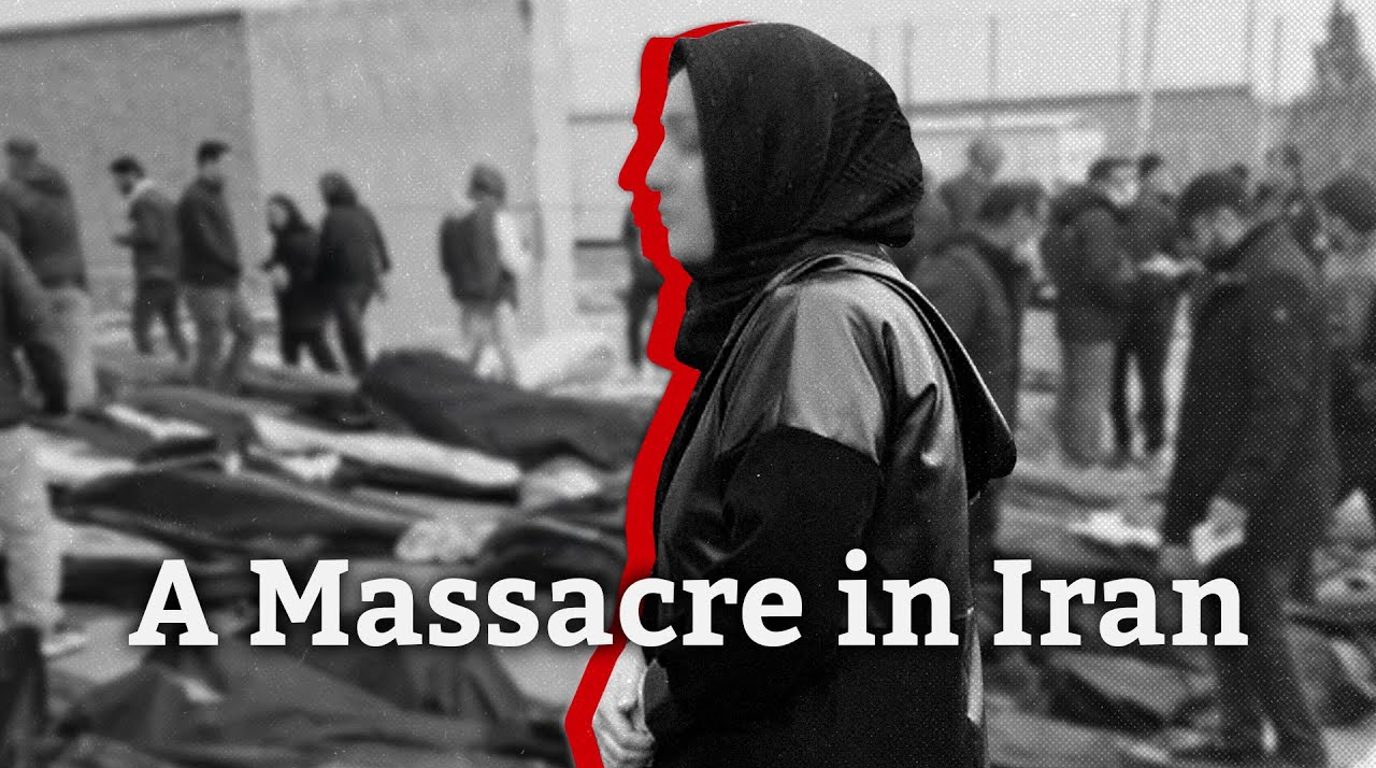
77 Hours — the film about Iran's Two Nights
A psychological thriller by Vahid Mahdavi, set across the nights of 8 and 9 January 2026. Watch the trailers, read the story, and see the documented record behind it.
Act for Iran — download the free ebook, share named victims, and pressure governments to support Iranian protesters.
Related: Israel, the US and Iran — how Iranians saw the strikes: the June 2025 twelve-day war, Operation Epic Fury in 2026, the targeting record, and the civilians killed anyway.
Featured film
77 Hours — the film about Iran's Two Nights
A psychological thriller by Vahid Mahdavi, set across the nights of 8 and 9 January 2026. Watch the trailers, read the story, and see the documented record behind it.
Campaigns: three ready-made email tools — adopt a named detainee, demand ambassadors be expelled, push UK IRGC proscription. Open the campaigns page →
Iranians do not need the international community to liberate them. They need it to stop subsidising their captors.
Three tested templates. Pick one and do it now — silence is the regime’s most valuable export.
Pick a country, copy the template, send it to the lookup link.
Sixteen chapters, a bibliography, more than two hundred footnotes — all the citations linked, all the photographs credited.
Primary documents and the human-rights organisations doing the documentary work the regime is trying to erase.
Solidarity is a verb conjugated in calendars, not in captions. Each of the actions below takes under an hour, costs little or nothing, and is tied to a specific regime weakness already mapped by independent monitors. Do one this week. Do another next week. Do not stop.
None of this requires a passport, a microphone, or permission. It requires only that you decide the silence ends with you.
Short answer: the actions that measurably help are narrow and unglamorous — adopt one prisoner's case and stay with it, write to your own legislature about IRGC proscription and asylum policy, keep verified information circulating during blackouts, and fund the monitors who do the documentation.
| Time available | Action | Why it works |
|---|---|---|
| 5 minutes | Share one verified fact card from the death-toll page with its source | Sourced posts survive fact-checking and outlive news cycles |
| 15 minutes | Email your representative about IRGC proscription or asylum for Iranian dissidents | Correspondence volume by topic drives parliamentary agendas |
| 1 hour | Adopt a prisoner’s case through the detainee advocacy campaign | Named international attention has delayed and prevented executions |
| A weekend | Join or organise a vigil; invite local press and give them the verified figures | Local coverage reaches decision-makers who ignore national campaigns |
| Ongoing | Fund monitors, translate material, or contribute corrections to this archive | Documentation is the constraint on accountability, not attention |
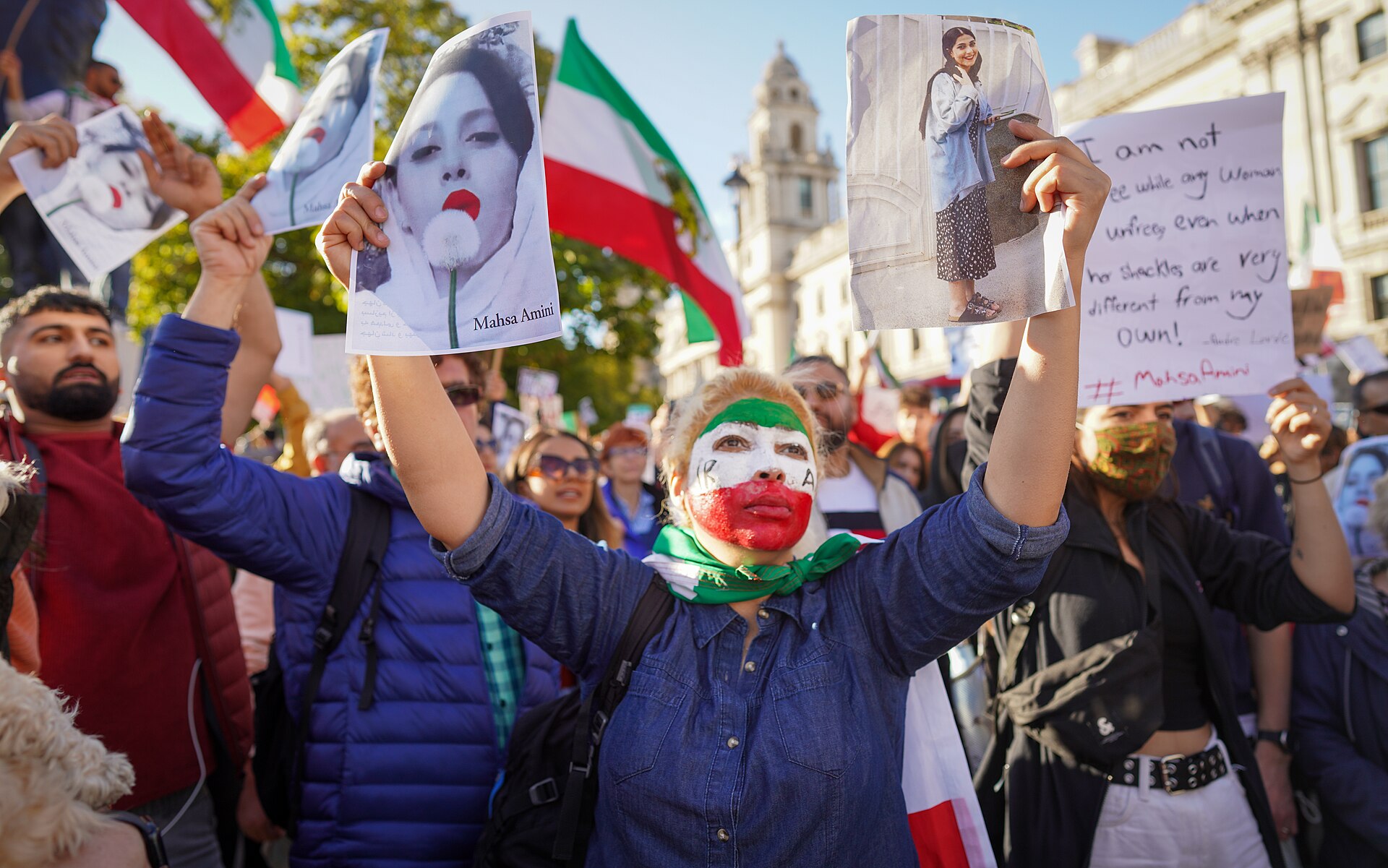
Staff sort constituent mail in seconds. A letter that survives the sort has five features:
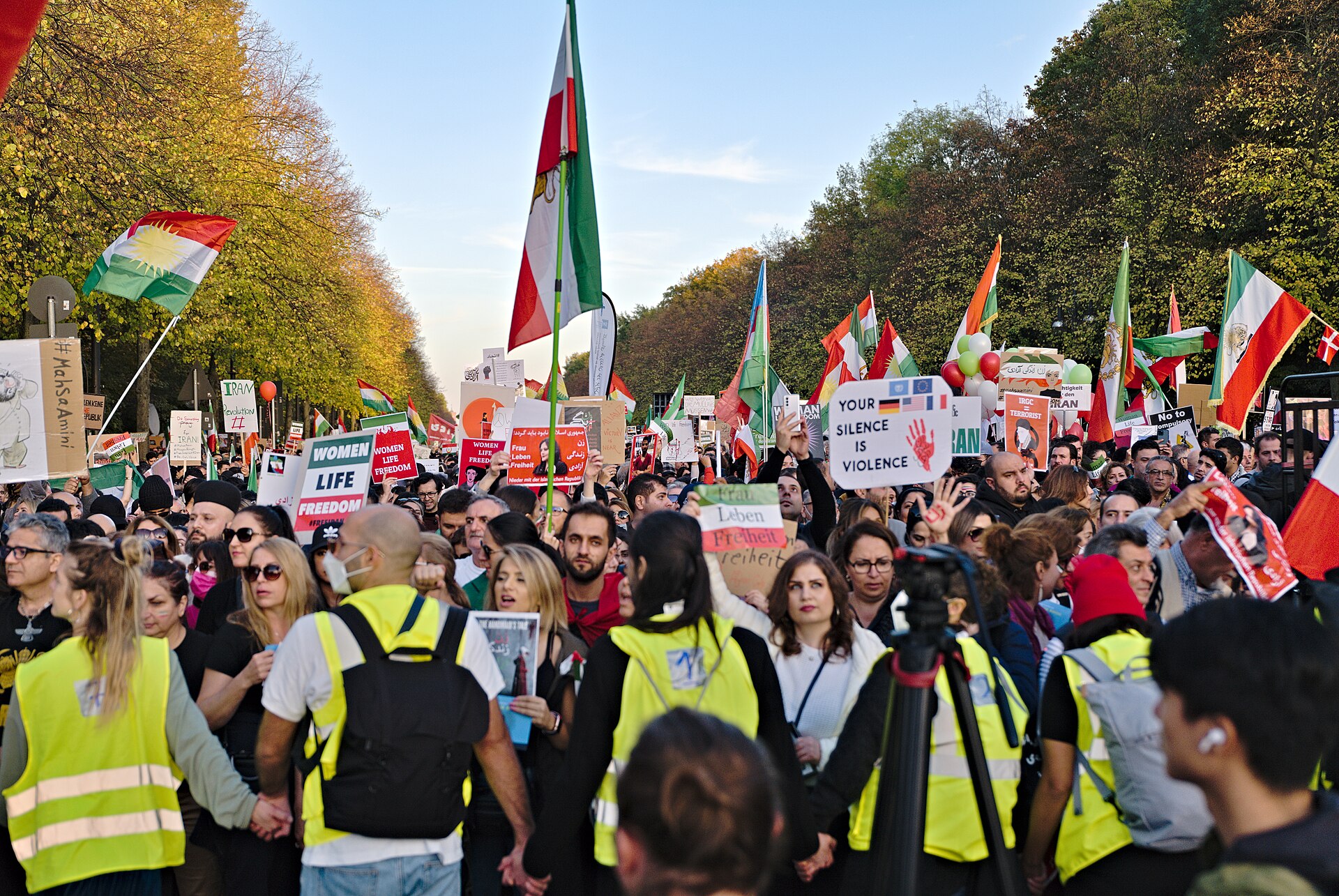
Journalists can request the archive's source register and quote the contested figures accurately rather than rounding them — see the press page. Lawyers can contribute to universal-jurisdiction files in states that permit them. Academics can cite and stress-test the methodology. Teachers have a full unit on the teaching page. Technologists can help with mirroring, archiving and circumvention. Employers and universities can extend deadlines and visa support for Iranian students and staff whose families are affected — a quiet, concrete measure that people inside those institutions consistently name as the most useful thing anyone did for them.
Whatever the route, the principle is the same: sustained, specific and sourced beats loud and general. The record on the world's response shows that governments move when a demand is narrow enough to be conceded.
Adopt one case. Choose one detained or sentenced person, learn their name, charge and prison, and raise it repeatedly with your representatives, local media and any Iranian diplomatic mission in your country. Sustained attention on a named individual has repeatedly delayed executions; a one-off post has not.
It changes what they prioritise. Legislators track constituent correspondence by topic, and proscription debates, sanctions listings and asylum rules move when a subject stays in their inbox. Ask for one specific action rather than general concern.
Amplify verified reports from established monitors rather than unverified footage, note the time and source of everything you share, and support circumvention tools and access projects. Spreading a misattributed video during a blackout hands the state an easy way to discredit accurate reports.
Assume any contact may be monitored and that risk falls on them, not you. Follow their lead on platforms and timing, never publish identifying details without explicit consent, and do not tag or name people inside Iran in public posts about protests.
To organisations that document cases, provide legal defence and support families of prisoners and the killed. The archive itself takes no government, party or corporate funding; the donate page explains what it does and does not accept.
Sharing unverified casualty figures, amplifying footage without location or date, speaking on behalf of Iranians rather than platforming them, and attaching the cause to a single exile faction. Each of these is used inside Iran to dismiss the wider record.
Documentaries
Long-form documentaries on Iran
Feature films, investigations and a three-part series on the uprising, the crackdown and the people behind the record.
All questions about Iran, answered
Every sourced question and answer on this archive, gathered on one page. Short answers first, with a link to the full page behind each one.