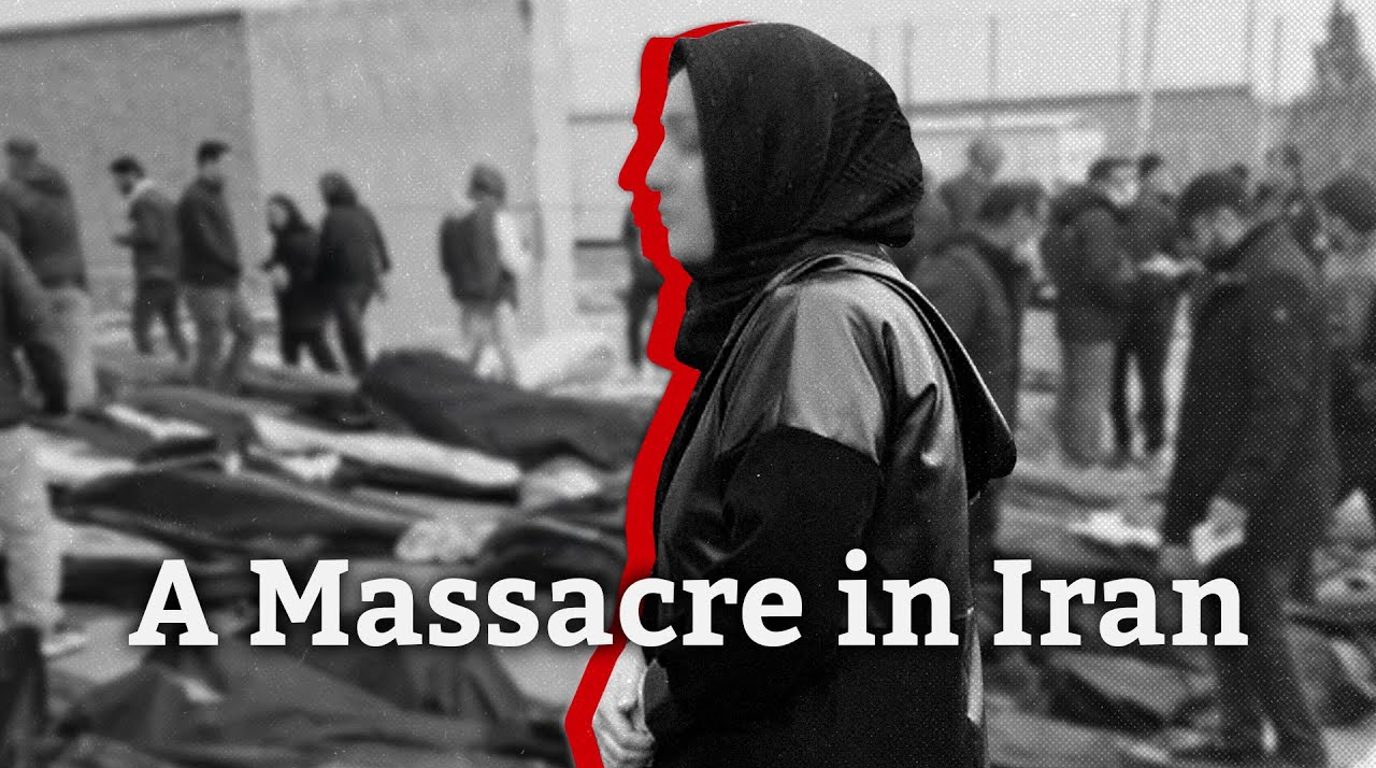
Featured film
77 Hours — the film about Iran's Two Nights
A psychological thriller by Vahid Mahdavi, set across the nights of 8 and 9 January 2026. Watch the trailers, read the story, and see the documented record behind it.
Discover Iran and Persia — 2,500 years of civilization, Cyrus Cylinder, Persian science, poetry, UNESCO sites and Iranian culture today.
Long before the Islamic Republic, long before the Shahs, before Rome and before Islam, there was Persia — a civilization that gave the world its first charter of human rights, the word algebra, the poetry of Rumi and Hafez, the science of Avicenna, and a culture of hospitality that travellers have remarked on for two and a half millennia. This page is a reminder of who Iranians are, and of what the world will rediscover the day the dictatorship falls.
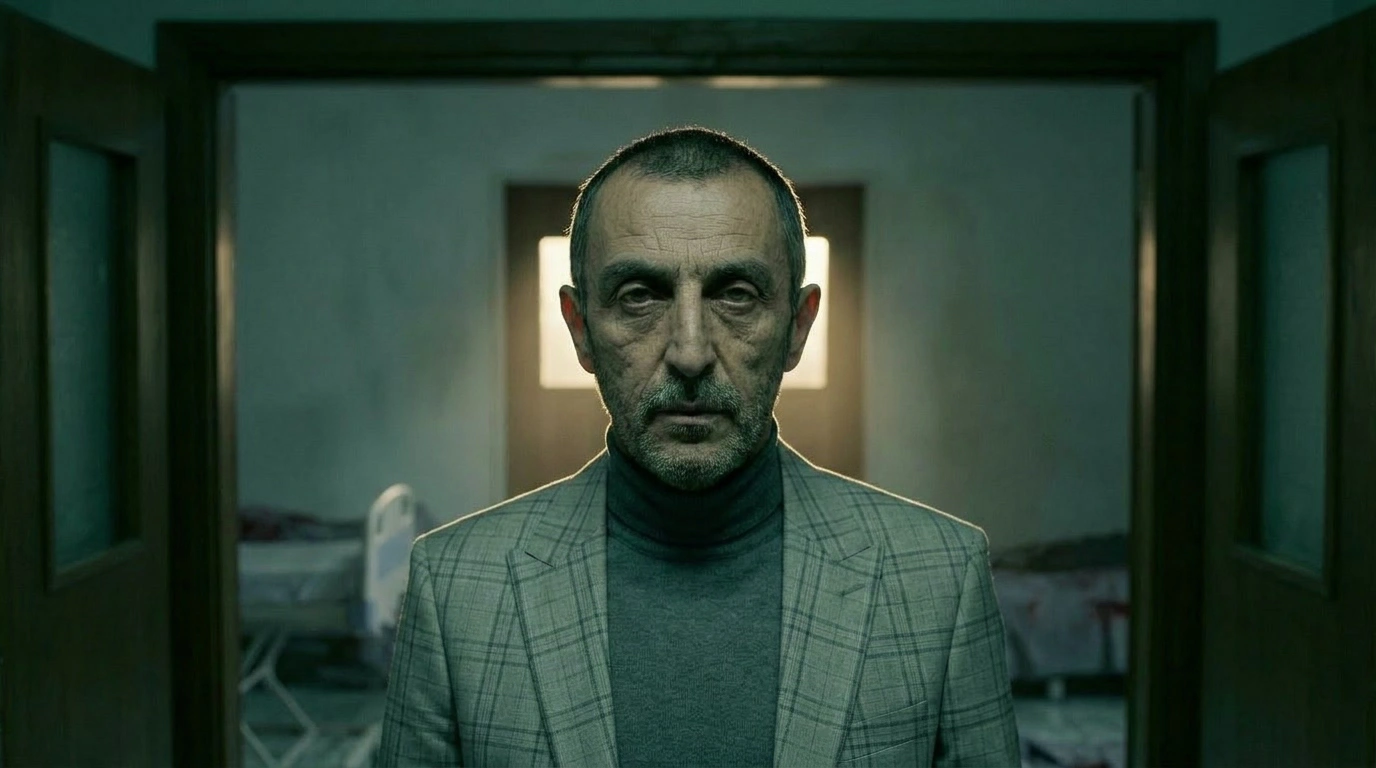
Featured film
77 Hours — the film about Iran's Two Nights
A psychological thriller by Vahid Mahdavi, set across the nights of 8 and 9 January 2026. Watch the trailers, read the story, and see the documented record behind it.
Q: How big is Iran and how many people live there?
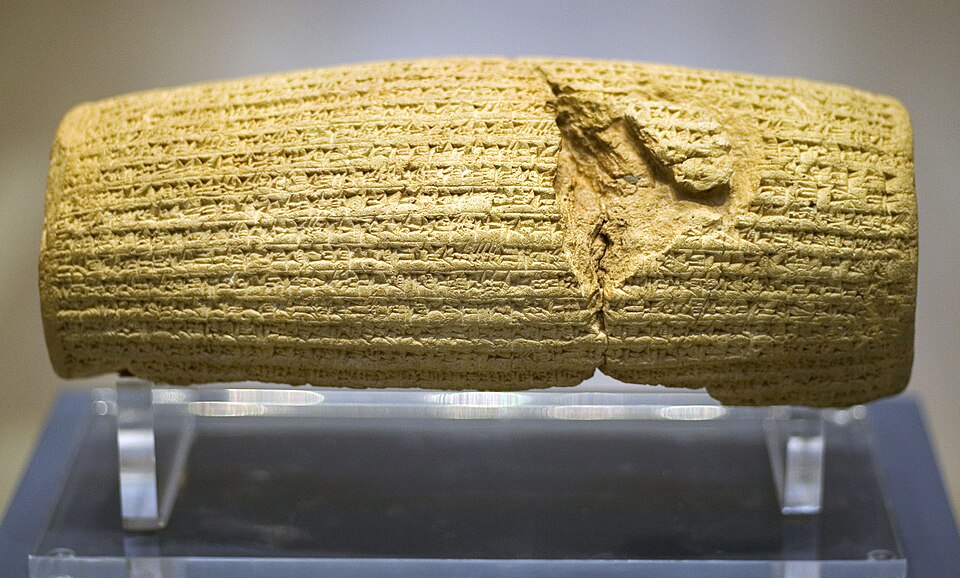
Q: What is the Cyrus Cylinder and why is it called the first charter of human rights?
When Cyrus the Great entered Babylon in 539 BCE, he ordered an inscription that the United Nations has called the world's first declaration of human rights. The Cyrus Cylinder proclaims freedom of religion, abolishes the slavery imposed on deported peoples, restores their temples, and grants them the right to return home. A replica stands today at the UN headquarters in New York.
Twenty-five centuries later, the women of Iran are still teaching the world that same lesson — that dignity, conscience, and the right to live freely are not Western imports. They are Iranian to the bone.
Q: How did the ancient Persian Empire treat the peoples, languages and religions it governed?
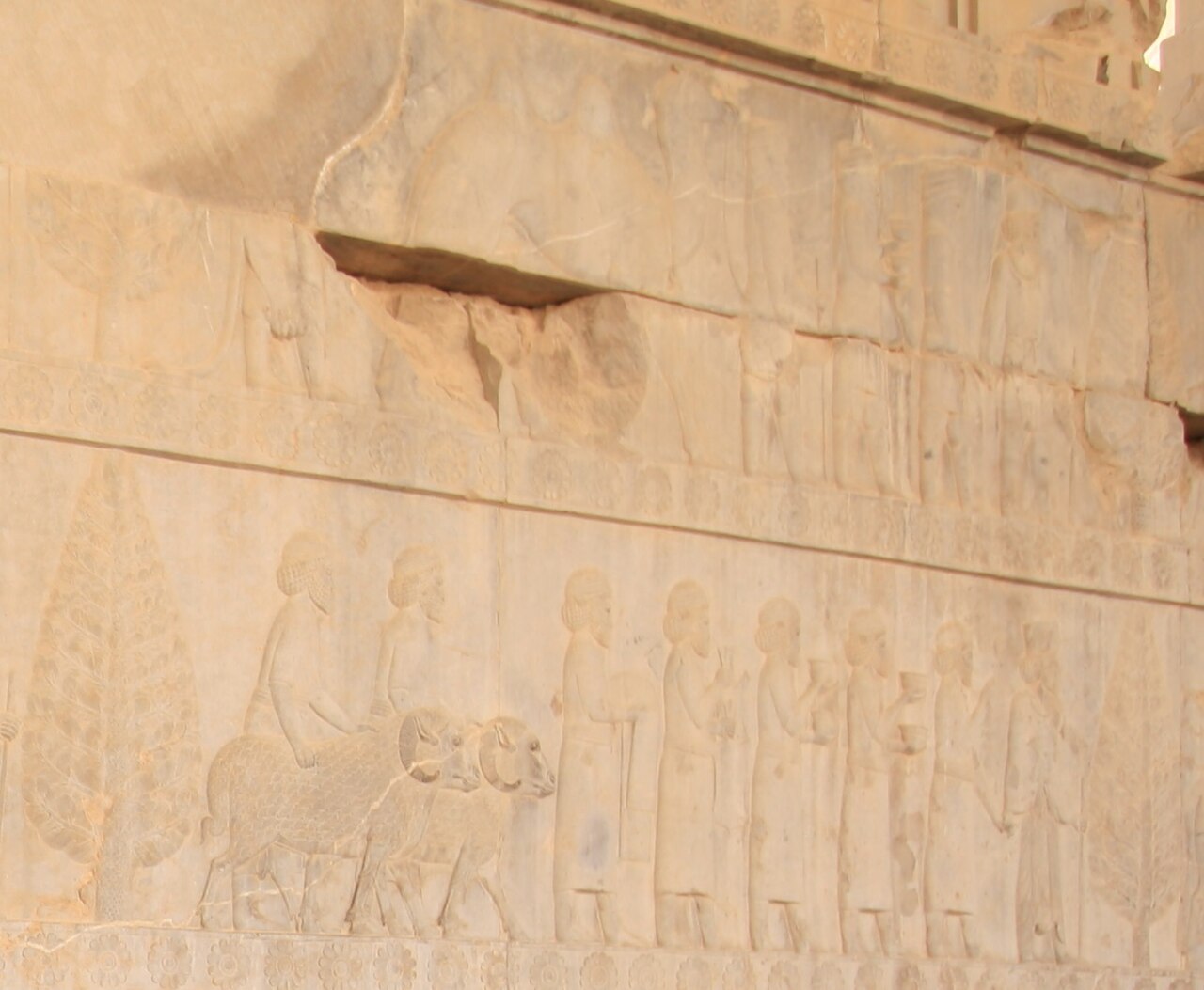
Ancient empires ruled by fear: they deported whole nations, burned their temples, erased their languages and displayed their kings in cages. The Achaemenid Persians chose the opposite course — and it made them the largest and longest-lived empire the world had yet seen. From the Indus to the Nile and the Aegean, some twenty-three subject peoples kept their own kings, laws, gods and tongues. The empire's administration ran in Aramaic, Elamite, Babylonian and Old Persian side by side; no subject nation was ever forced to abandon its language or worship the Persian god. Historians call it the first experiment in multicultural governance, and it worked for more than two centuries.
Where Assyrian reliefs boasted of flayed rebels and pyramids of skulls, Persian royal inscriptions spoke of arta — truth, order and justice — as the foundation of kingship. Darius the Great boasted not of massacres but of building: canals in Egypt, roads across Anatolia, and law codes that protected the weak. Greek writers who fought Persia still recorded the Persian reputation for honesty: Herodotus noted that Persian boys were taught three things — to ride, to shoot, and to tell the truth.
Q: Did the Persian Empire abolish slavery and help exiled peoples return home?
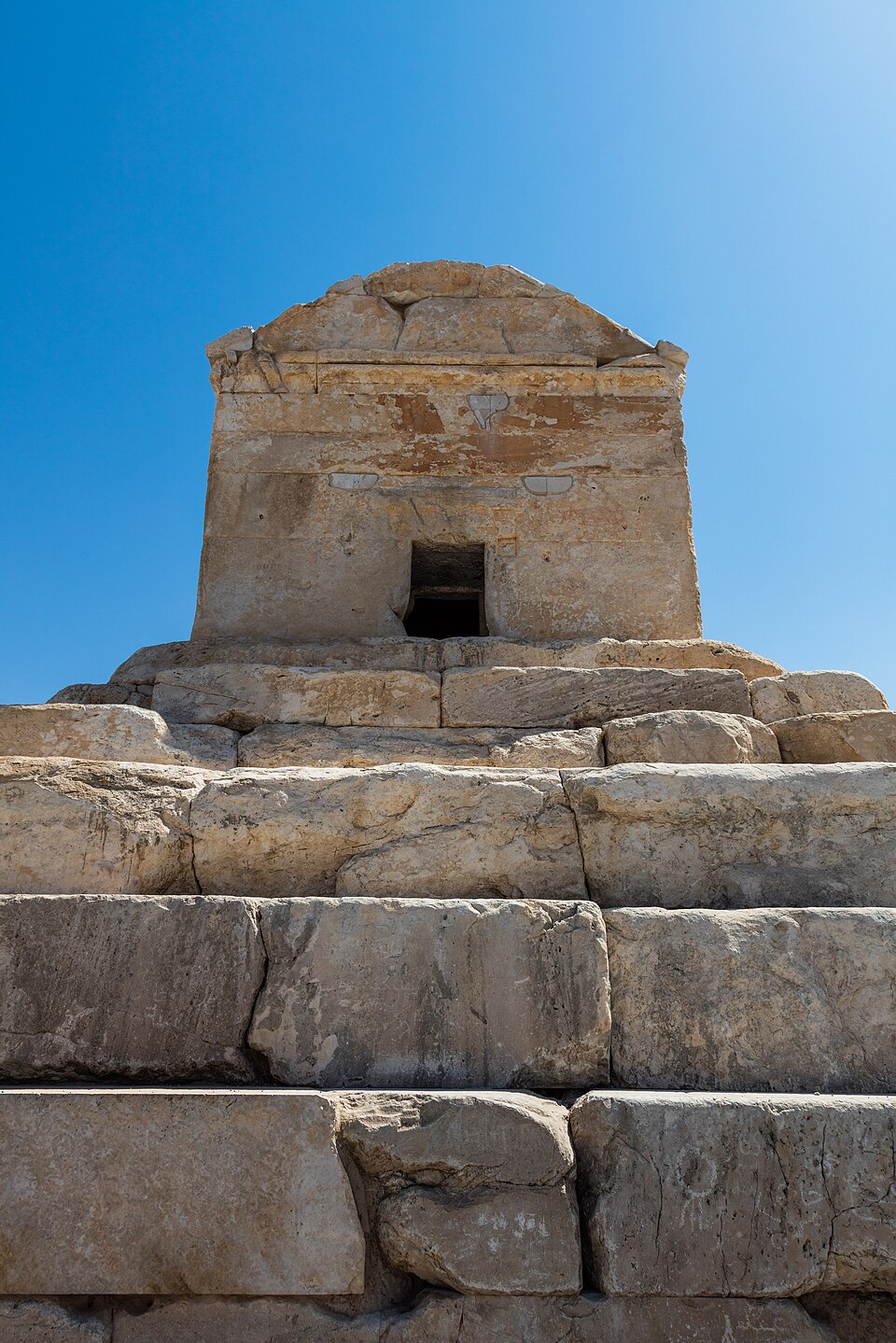
When Cyrus took Babylon in 539 BCE without a battle, he did something no conqueror had done before him. The Cylinder records that he freed the peoples held in forced deportation, returned their stolen statues of gods, and rebuilt the sanctuaries his predecessors had destroyed. The Hebrew Bible remembers him for it in astonishing terms: Cyrus is the only non-Jew in the entire Bible called Messiah — "the anointed one" (Isaiah 45:1) — because he sent the Jewish exiles home to Jerusalem and ordered the Temple of Solomon rebuilt at Persian expense (Ezra 1:1–4; 6:3–5). The Book of Ezra records that he even returned the temple's gold and silver vessels that Babylon had looted.
The contrast with the empires around it was stark. Assyria had deported the ten tribes of Israel into oblivion; Babylon had burned Jerusalem and marched its people off in chains; Rome would later crucify and enslave by the tens of thousands. Persia under the Achaemenids had no slave economy: the tens of thousands of workers who built Persepolis appear in the Treasury tablets as paid labourers — men and women receiving wages, rations and benefits, not chains. Slavery as an institution is essentially absent from the Persian imperial record, two thousand years before abolition became a Western cause.
Q: What rights did women have in the ancient Persian Empire?
The Persepolis Fortification tablets — thousands of clay payroll records from around 500 BCE — read like a modern labour code, and they are full of women. Female workers received the same rations as men for the same work, and skilled female supervisors, called arashshara, commanded mixed work crews and received higher rations than the men under them. New mothers received extra rations of grain, wine and meat for months after childbirth — history's first documented maternity leave. Women owned and inherited property, managed estates, travelled on royal business with sealed passports, and appear in legal documents buying, selling and litigating in their own names.
At the royal court the pattern continued. Queen Atossa, daughter of Cyrus and wife of Darius, was one of the most powerful figures of her age; Artemisia of Caria commanded a fleet at Salamis in 480 BCE and was Xerxes' most candid adviser — a woman leading warships while the Greeks who fought her kept their own wives in seclusion. Persian women could not be given in marriage without their consent being recorded. Two and a half millennia later, the women who marched at the front of Iran's protests were not imitating anyone. They were reclaiming an inheritance.
Q: How did the Persian Empire compare with other ancient empires on tolerance and human rights?
| Practice | Persia (Achaemenid) | Assyria / Babylon | Greece / Rome |
|---|---|---|---|
| Conquered peoples | Kept their kings, laws and gods; exiles sent home | Mass deportation, destruction of cities and temples | Tribute, colonies, destruction (Carthage razed 146 BCE) |
| Slavery | No slave economy; paid labour at Persepolis; deported slaves freed by Cyrus | Enslavement of conquered populations as state policy | Economies built on mass slavery |
| Religion | Freedom of worship; temples of other faiths rebuilt at royal expense | Cult statues carried off as trophies | Worship of the emperor enforced; revolts crushed |
| Language | Administration multilingual; no language imposed | Akkadian imposed on subject states | Greek and Latin as languages of rule |
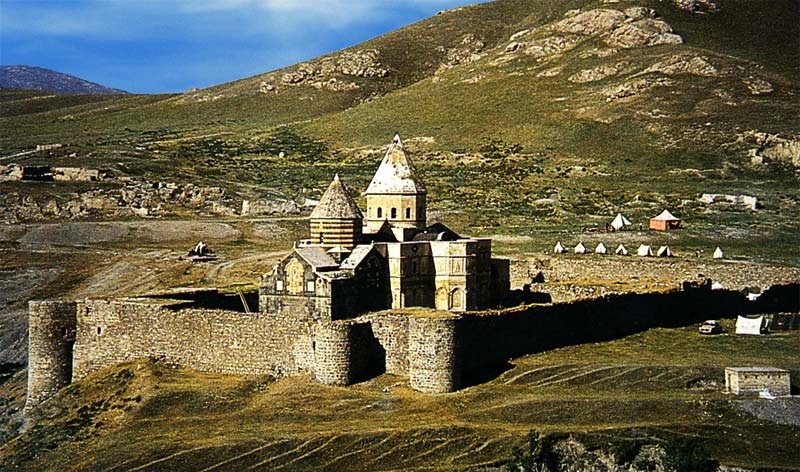
| Women | Equal rations for equal work, maternity benefits, property and legal standing, female commanders | Veiling laws and male guardianship codified in Babylonian law | Women under lifelong guardianship; excluded from public life in Athens |
No ancient empire was perfect, and Persia's own record includes punishment and war. But on the evidence of its own archives — not legend — the Achaemenid state practised a tolerance that most later empires, ancient and modern, never matched. It is the standard against which Iran's present rulers stand condemned: the heirs of Cyrus forbidding what Cyrus protected, and jailing the daughters of a civilisation that recorded its first maternity pay slip 2,500 years ago.
Yes. The Cyrus Cylinder and the biblical books of Ezra and Isaiah both record that after taking Babylon in 539 BCE, Cyrus released the deported peoples, returned their religious objects and authorised the rebuilding of the Jerusalem Temple at royal expense. Isaiah calls him God's "anointed" — the only non-Jew given that title in the Bible.
The Achaemenid Empire had no slave-based economy. The Persepolis tablets show tens of thousands of paid workers — including women — receiving wages and rations. Cyrus's freeing of deported peoples in 539 BCE is among the earliest recorded acts of mass liberation.
Payroll tablets from Persepolis (c. 500 BCE) record women receiving equal rations for equal work, maternity benefits after childbirth, and serving as supervisors of work crews. Women owned property, ran estates, travelled on royal business and consented to their own marriages; Artemisia of Caria commanded a naval squadron in 480 BCE.
Because it proclaims, in 539 BCE, freedom of religion, the abolition of forced deportation, the restoration of temples and the right of exiles to return — principles the United Nations recognised by displaying a replica at its New York headquarters as the world's first declaration of human rights.
No. The empire administered its twenty-three nations in their own languages — Aramaic, Elamite, Babylonian and others alongside Old Persian — and never required subject peoples to adopt Zoroastrianism. Local gods, laws and dynasties continued under Persian rule, which is why the empire held together for over two centuries.
Q: What did Persian scholars contribute to mathematics, medicine and astronomy?
Q: Why are Hafez, Rumi, Saadi and Ferdowsi central to Iranian identity?
In Iran, ordinary taxi drivers quote Hafez from memory. Families consult the Divan of Hafez at New Year the way other cultures consult scripture. Ferdowsi's Shahnameh — sixty thousand verses — preserved the Persian language through centuries of foreign rule. Rumi is, by some counts, the best-selling poet in the United States today. Saadi's couplet "Human beings are members of one body" is woven into the carpet that hangs in the United Nations.
Persian cinema — Kiarostami, Farhadi, Panahi — has won at Cannes, Berlin and the Oscars while the regime jailed its directors. Persian music, miniature painting, calligraphy, carpet-weaving and the cuisine of saffron, pomegranate and rose-water are living arts practised in every Iranian home.
Q: What is ta'arof and Iranian hospitality (mehmān-navāzi)?
Zoroastrianism, founded in Iran around 1500 BCE, gave the world one of its earliest ethical triads: Good Thoughts, Good Words, Good Deeds. That instinct survives in everyday Iranian life as mehmān-navāzi — the near-sacred duty of hospitality to a guest — and as ta'arof, the elaborate courtesy that insists the other person eat first, sit first, be honoured first. Travellers from Marco Polo to today's backpackers describe the same astonishment: nowhere on earth are strangers welcomed with more generosity.
Q: What are the main Iranian festivals — Nowruz, Yalda, Mehregan and Chaharshanbe Suri?
Iranians measure the year by festivals older than any empire still standing. Nowruz, the Persian New Year, falls on the vernal equinox and is celebrated by some three hundred million people from the Balkans to western China; UNESCO inscribed it on the Representative List of the Intangible Cultural Heritage of Humanity. Families gather around the haft-sin table — seven symbolic items beginning with the Persian letter sin — to mark renewal, growth and light.
Shab-e Yalda, the longest night of the year, is spent reading Hafez aloud, eating pomegranates and watermelon, and watching the dark be defeated by the returning sun. Mehregan, in October, honours friendship, light and the covenant. Chaharshanbe Suri, on the eve of the last Wednesday before Nowruz, fills every alley with leaping fires: "zardi-ye man az to, sorkhi-ye to az man" — give me your red strength, take my yellow sickness. Each ritual has been carried, intact, across thirty centuries and many regimes.
Q: How far did Persian script and culture spread across Asia?
Persian — Farsi, Dari, Tajiki — is one of the few languages in the world that a literate speaker today can read in its 10th-century form with only modest effort. Ferdowsi's Shahnameh, completed around 1010 CE, is still recited at weddings and funerals in the same words he wrote. For a millennium it served as the courtly and literary lingua franca of an arc that stretched from Anatolia through Central Asia to Mughal India; entire genres of Indian, Ottoman and Central Asian poetry were composed in Persian by writers whose mother tongue was Urdu, Turkish or Uzbek.
The language carries an unusual density of poetry. There is a saying in Iran that you cannot dig a well without striking a verse. Children memorise Saadi in primary school; taxi drivers debate which translation of Hafez best captures a single ambiguous word. To safeguard the language is, for Iranians inside and outside the country, to safeguard a way of thinking — at once precise, layered, and tender.
Q: What Persian-origin words exist in English and other world languages?
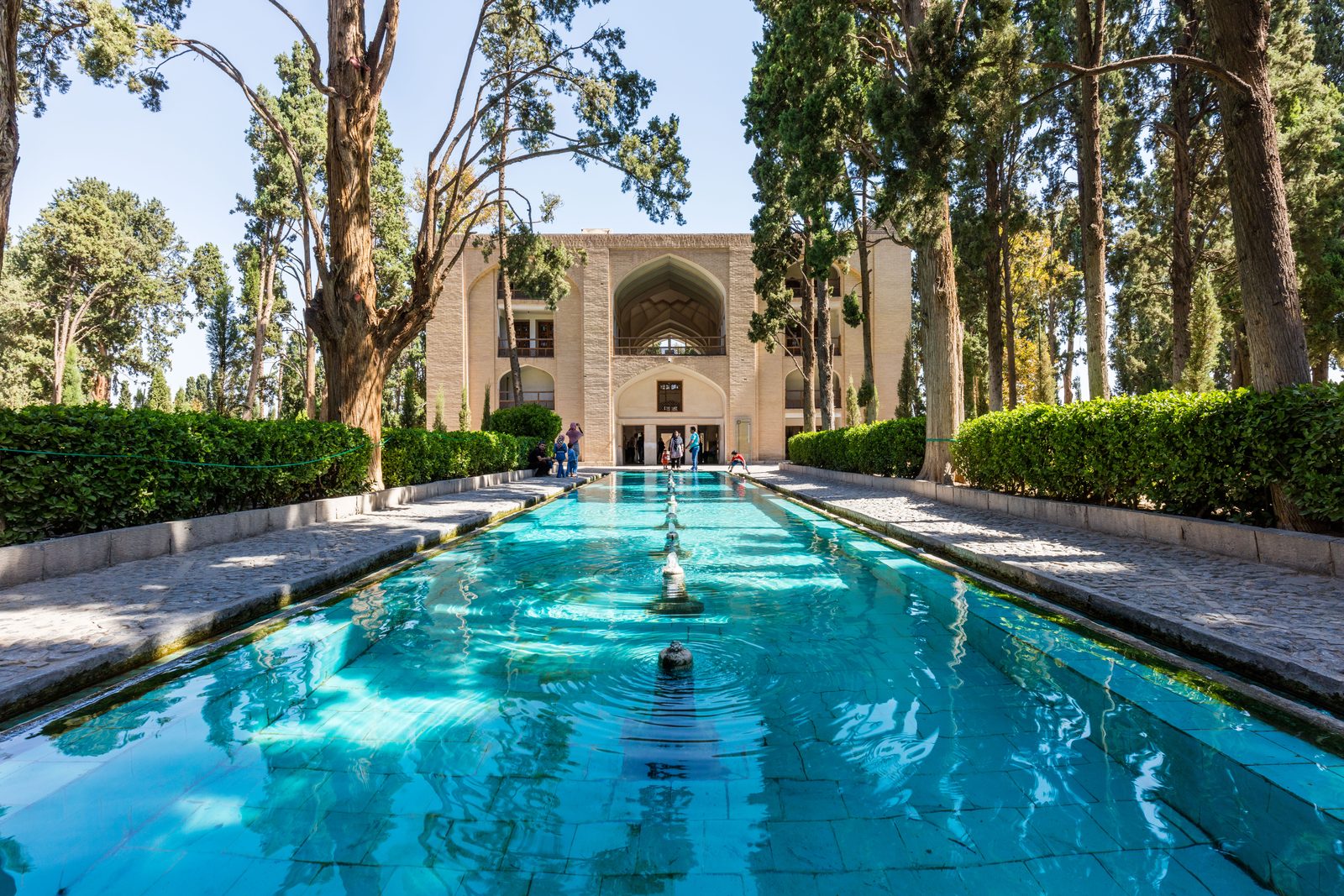
The English word paradise descends from the Old Persian pairidaēza — a walled garden. Long before formal landscape architecture existed in Europe, the Achaemenids were laying out the chahar-bagh, the fourfold garden divided by water channels into quadrants that represent the four elements and the four rivers of life. UNESCO recognises nine of these gardens, from Fin in Kashan to Eram in Shiraz, as a single inscribed property.
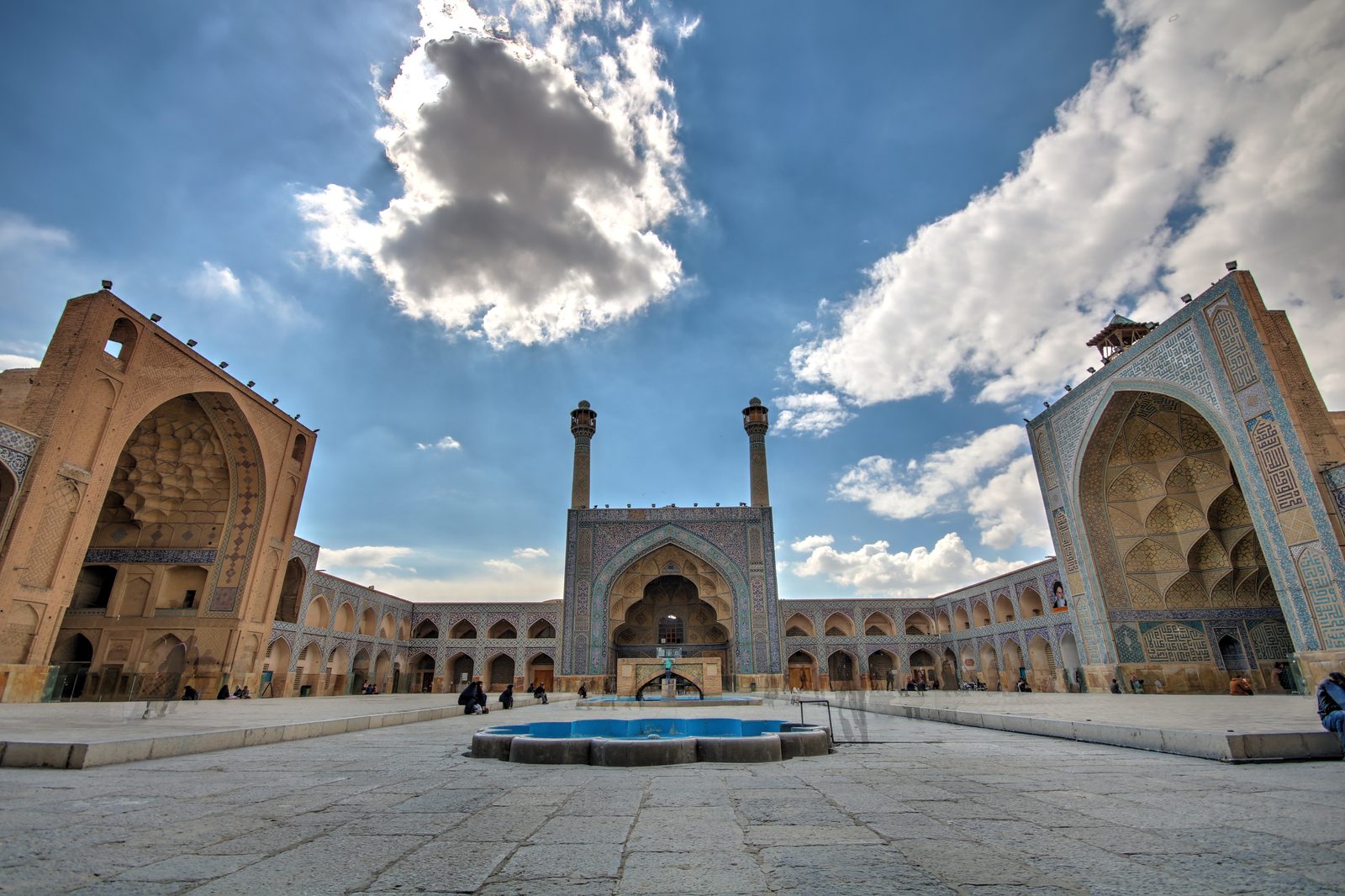
The garden is not decoration. It is a philosophical instrument: an argument that civilisation means the patient cultivation of water in a dry country, the careful planting of shade where there was none, the choice to make beauty in defiance of the desert. The same impulse threads through Persian carpet design, miniature painting and the architecture of every mosque courtyard — each is a portable, woven, or built garden.
Q: What defines classical Persian music and the radif?
Persian classical music has no scores. Its core, the radif, is a vast oral repertoire of melodic units — some two hundred and fifty — passed from master to student over years of private lessons. UNESCO inscribed it as Intangible Cultural Heritage in 2009. From this living memory, performers improvise on the tar, setar, santur, ney and kamancheh, weaving poetry by Hafez or Rumi into the music in real time.
Modern Persian song — from the velvet voice of Banan to the protest anthems of Shervin Hajipour's "Baraye", which won the first-ever Grammy for Best Song for Social Change in 2023 — draws on that thousand-year discipline of melody and verse. When the Islamic Republic banned women from singing solo in public, Iranian women carried on singing anyway, in courtyards, in cars, in exile, in defiance.
Q: What traditional Iranian crafts are recognised worldwide?
A Persian carpet is not a floor covering. It is a garden in wool, a cosmology knotted at up to a million knots per square metre, often by women working from memory over months or years. The cities of Tabriz, Kashan, Isfahan, Kerman, Qom and Nain each developed a distinct vocabulary of medallions, vines, hunting scenes and prayer niches; one of the oldest surviving carpets, the Pazyryk, was made in north-western Persia around 500 BCE.
The negargari miniature tradition — recognised by UNESCO in 2020 alongside Azerbaijani, Turkish and Uzbek schools — turned books into hand-painted theatres: every leaf, every horse's bridle, every brick is drawn with single-hair brushes. Khoshnevisi, Persian calligraphy, raised the written word itself into architecture; the Nastaliq script, invented in 14th-century Tabriz, is sometimes called "the bride of the calligraphic scripts" for its grace.
Q: What are the staple dishes of Persian cuisine?
Iranian cuisine is one of the world's oldest continuous food cultures. The slow rice of chelow and polo, the herbed stews of ghormeh sabzi and fesenjan (walnut and pomegranate molasses), the long-marinated kababs grilled over charcoal, the saffron-scented tahdig at the bottom of the pot, the rosewater sweets of Yazd and Qom — each dish has been refined across two and a half millennia of Silk Road exchange.
To be invited into an Iranian home is to be confronted with more food than any one person can eat, and then to be told, with a smile, that this is nothing. The traveller learns quickly: ta'arof is not an obstacle to be navigated. It is the language in which Iranians say you matter to me.
Q: Which Iranian cities matter most for art, science and pilgrimage?
Roughly four to eight million Iranians live outside Iran — in Los Angeles ("Tehrangeles"), Toronto, London, Berlin, Paris, Sydney, Stockholm, Dubai. They are over-represented in medicine, engineering, finance, scholarship, the arts and the start-up economy of every country that has welcomed them. Pierre Omidyar founded eBay. Anousheh Ansari became the first Iranian, and the first Muslim woman, in space. Firouz Naderi led NASA's Mars exploration programme. Maryam Mirzakhani changed mathematics.
The diaspora is not a residue of departure. It is a living extension of the homeland — keeping the language, the cuisine, the music and the memory intact for the day the country is open again. Every Persian-language school in Toronto, every Nowruz fire-jumping in a Berlin park, every sofreh spread in a Sydney living room is a small act of preservation. The civilisation does not stop at the border.
"Human beings are members of a whole, in creation of one essence and soul. If one member is afflicted with pain, other members uneasy will remain."
"Out beyond ideas of wrongdoing and rightdoing, there is a field. I'll meet you there."
"I am Cyrus, king of the world, the great king, the mighty king… I did not allow anyone to terrorise the land… I freed all the slaves… I brought peace."
Q: How many UNESCO World Heritage sites does Iran have?
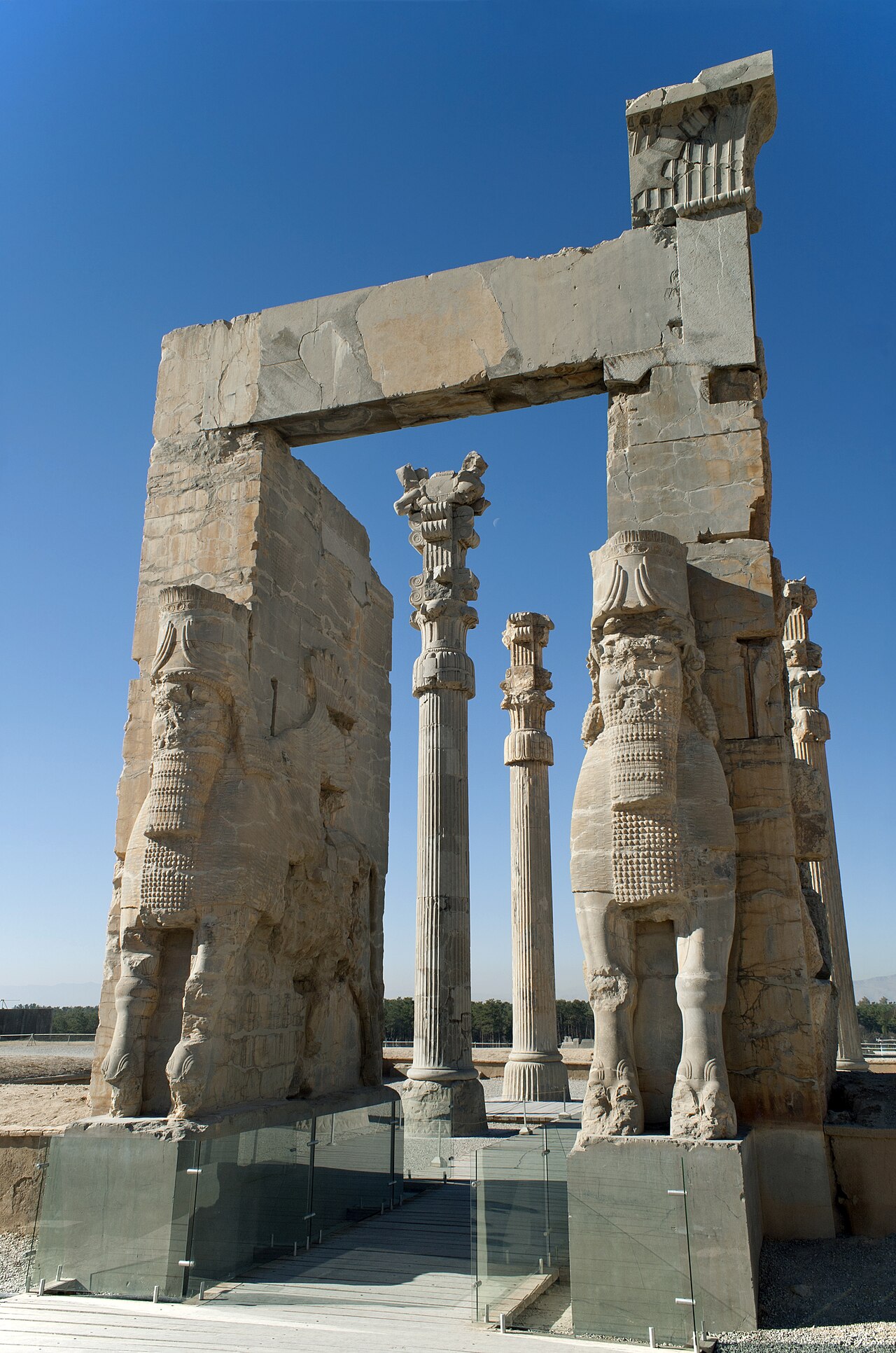
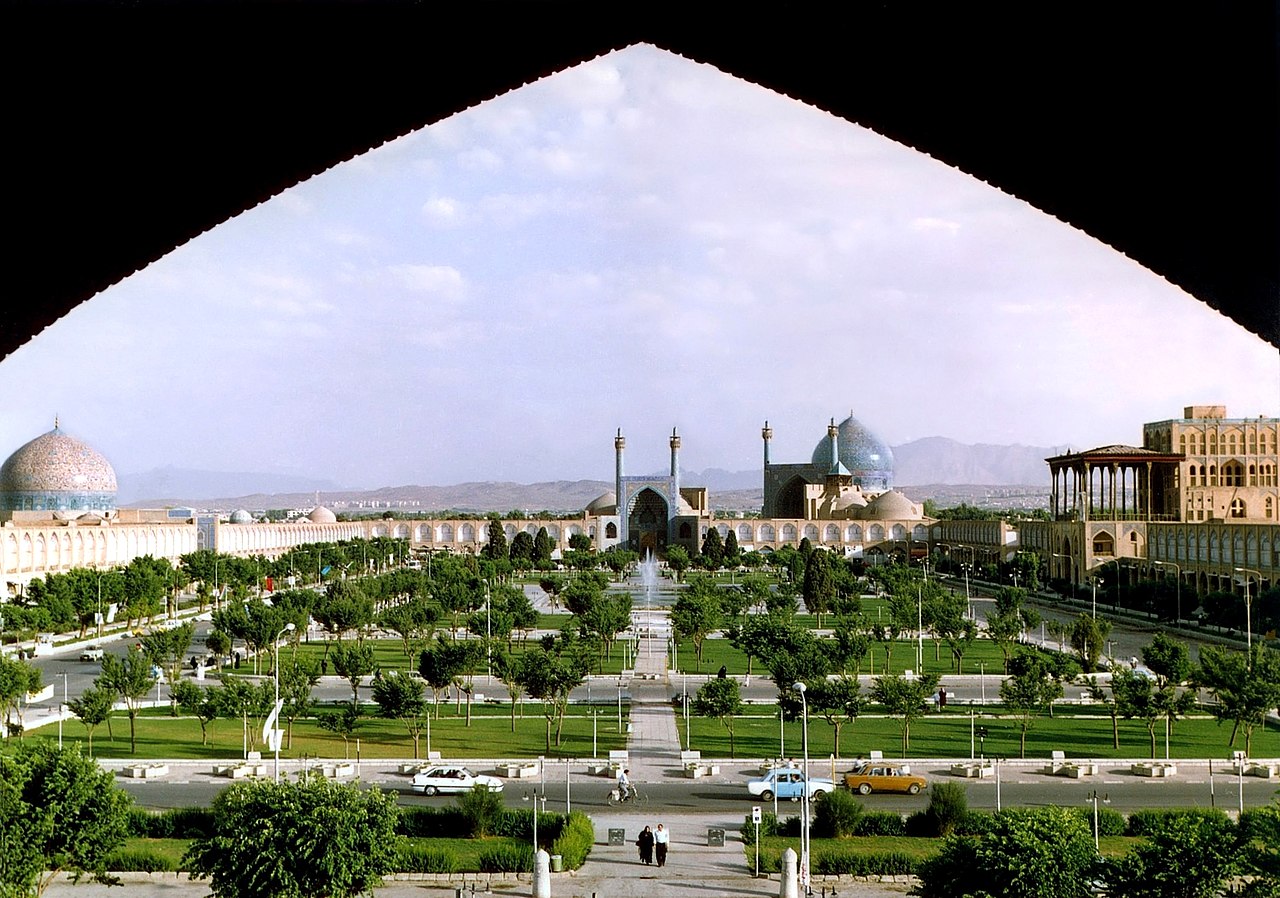
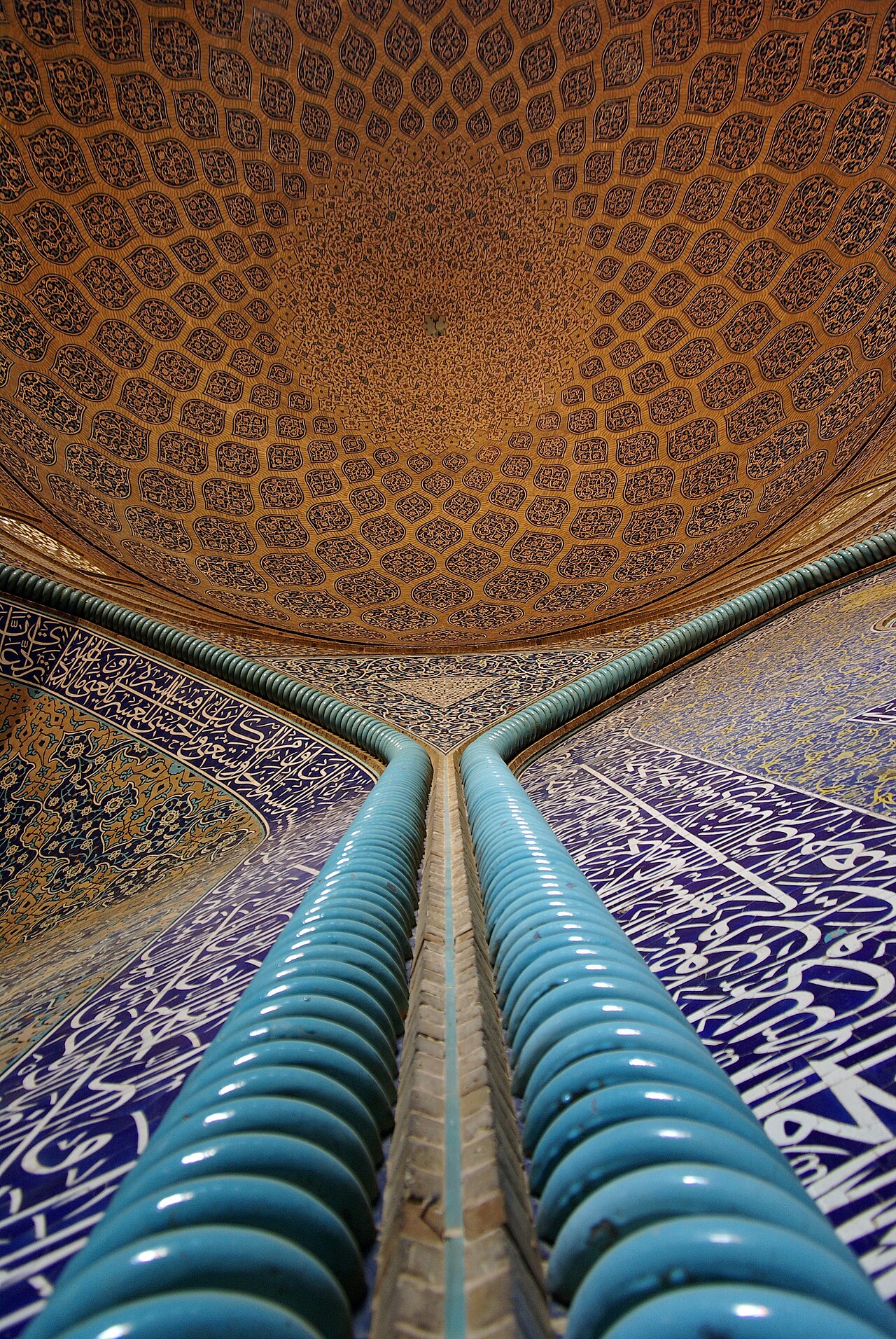
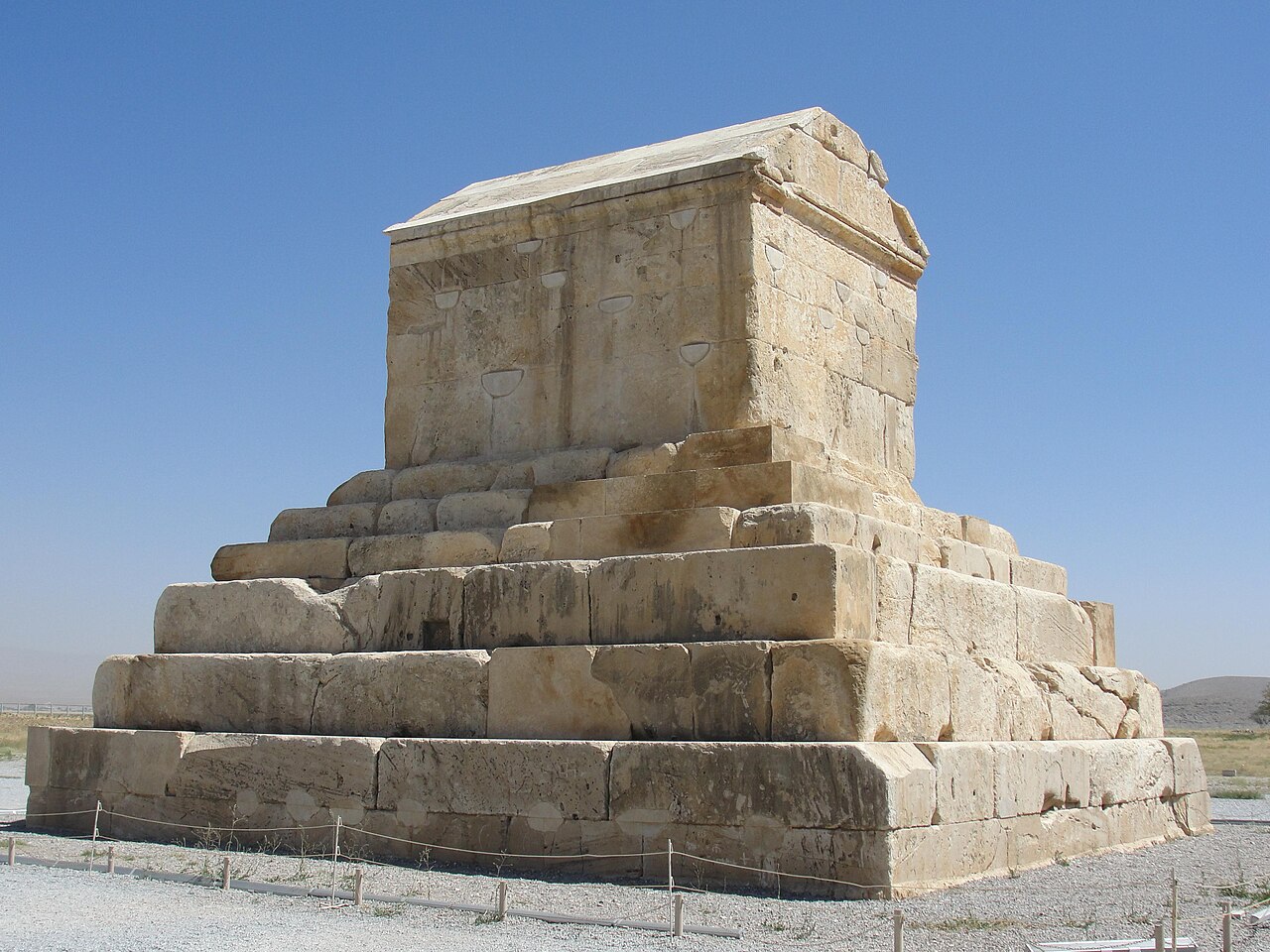
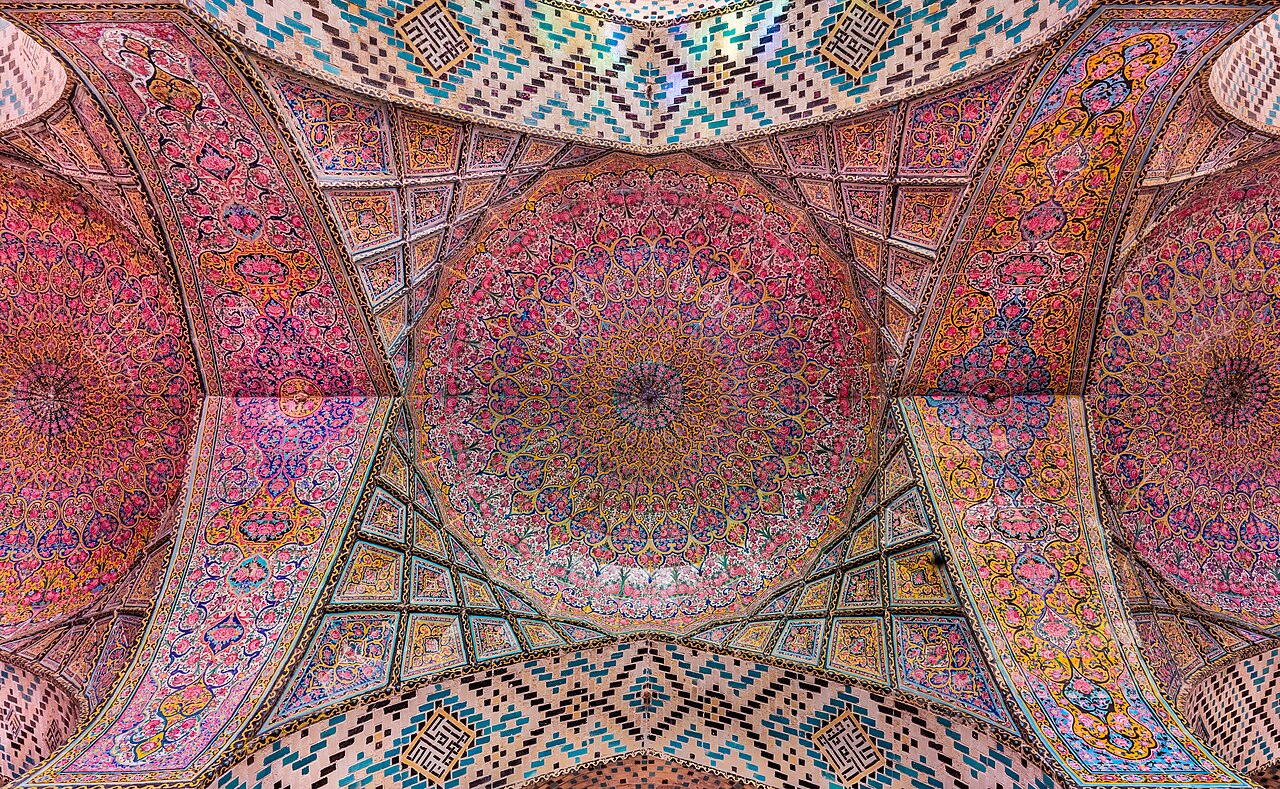
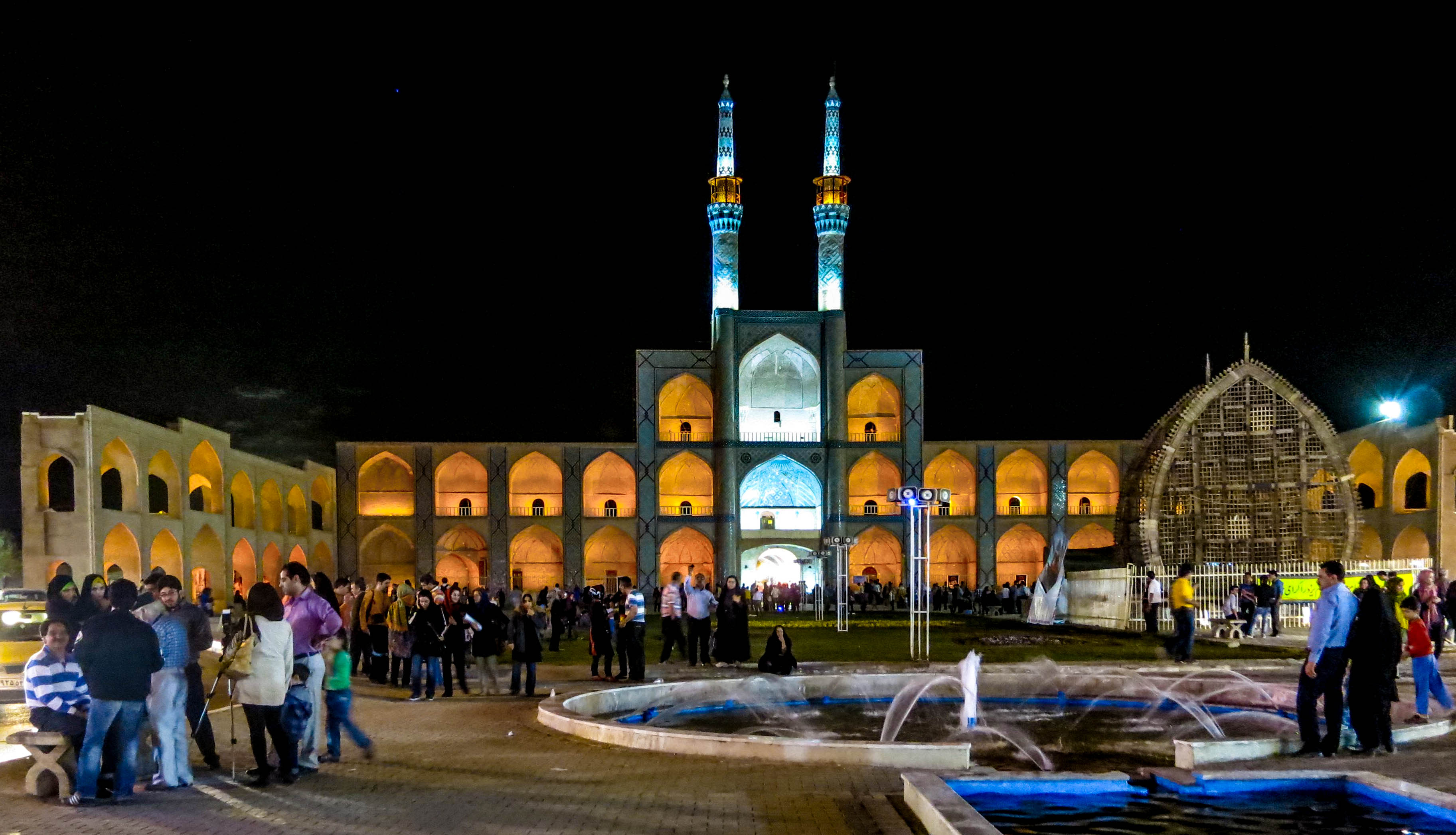
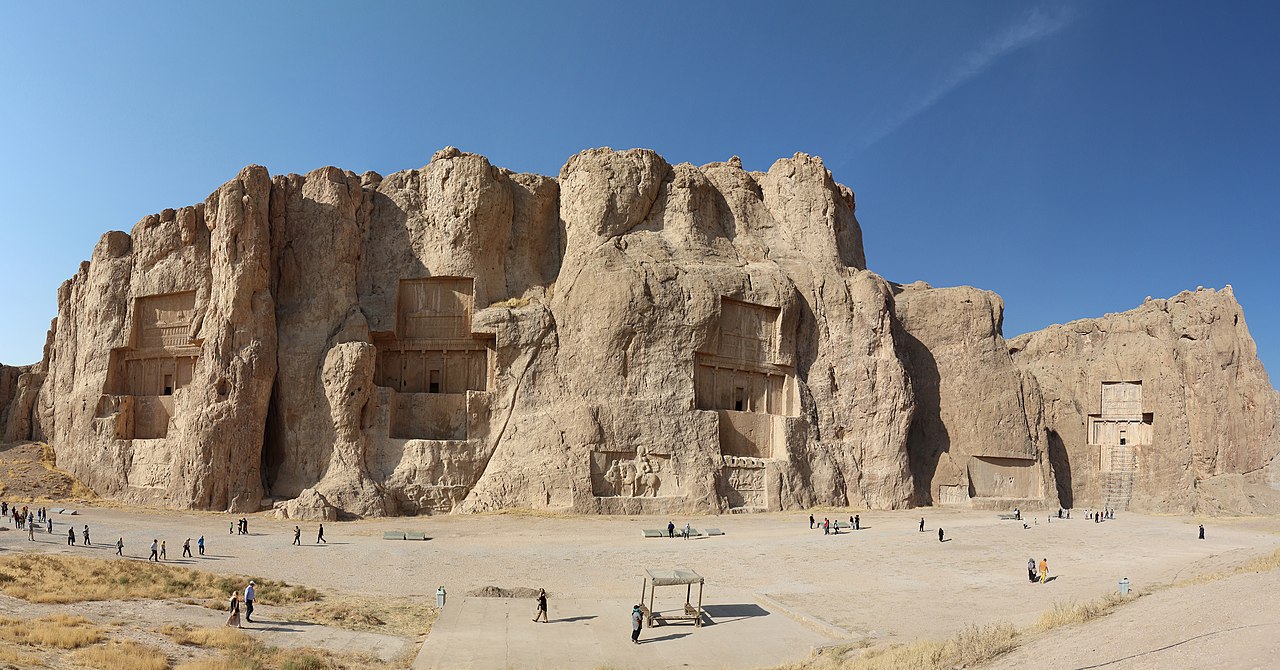
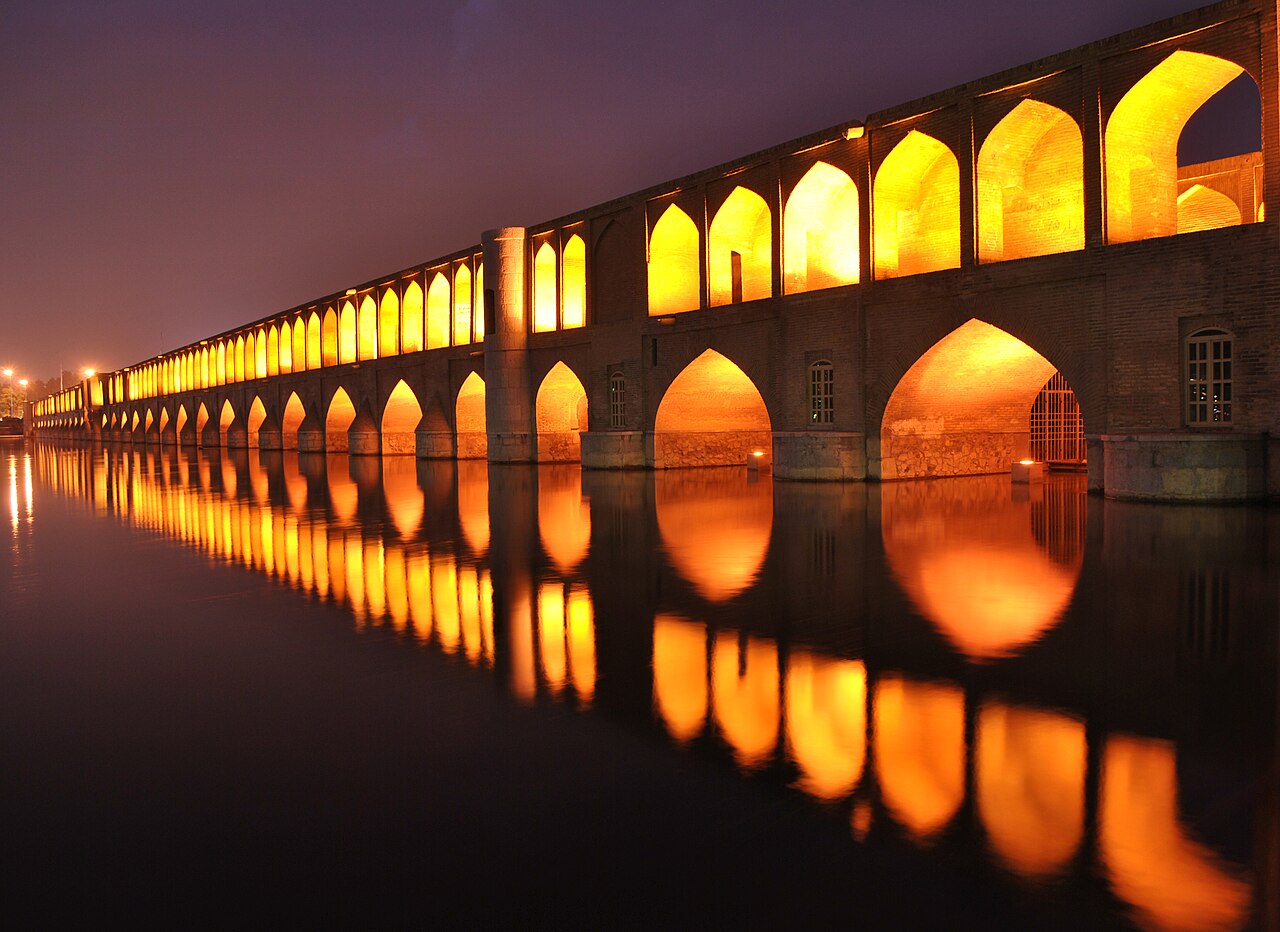
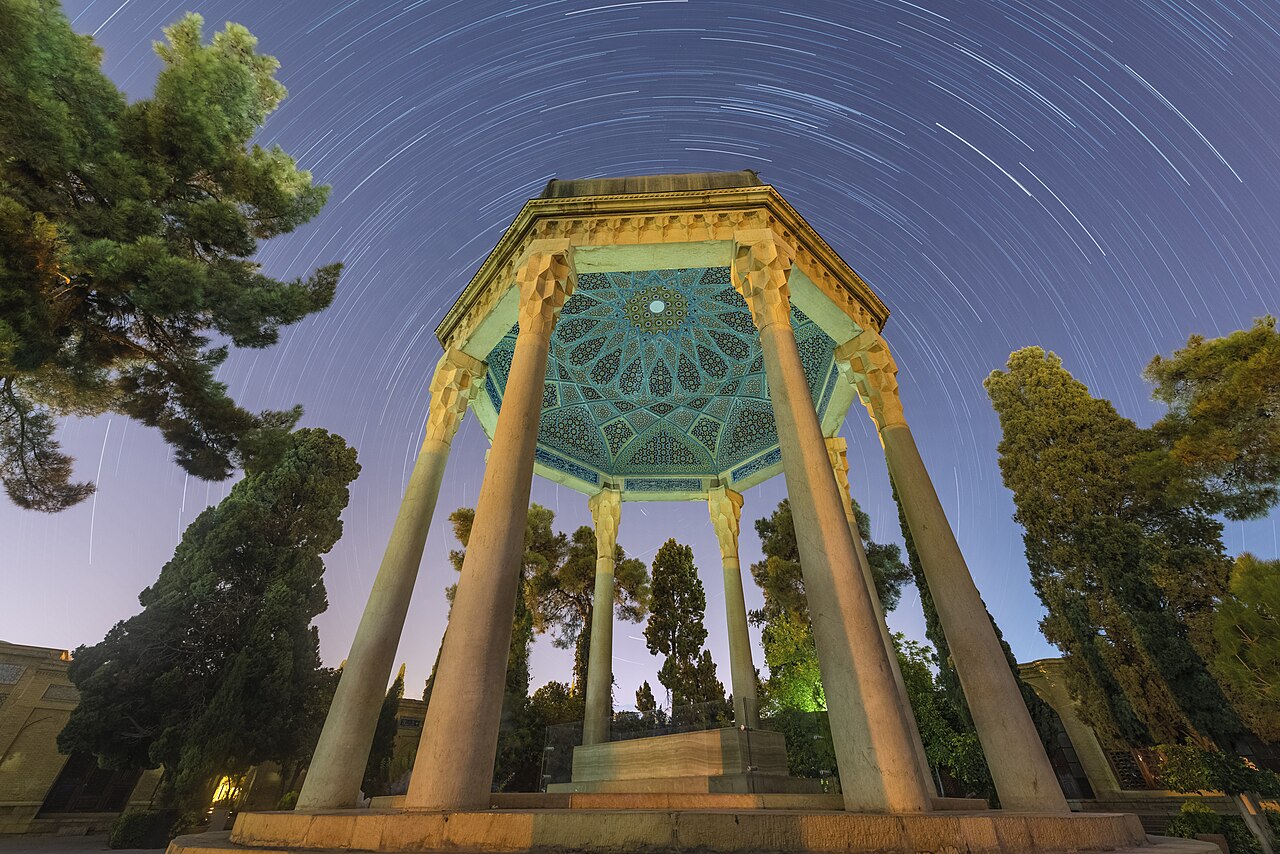
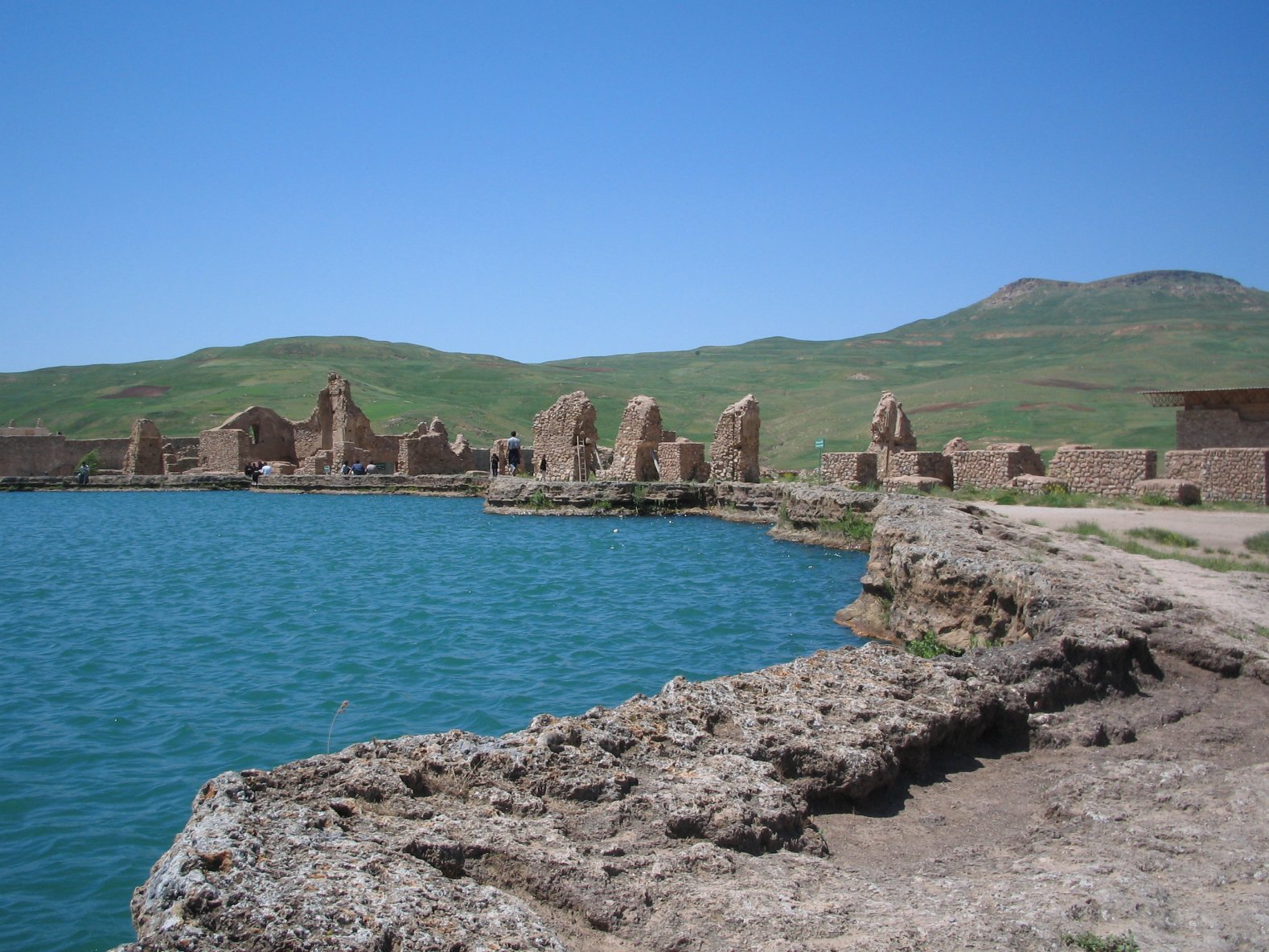
Eighty-nine million people. A median age of thirty-three. Among the highest female university-enrolment rates in the Middle East. A diaspora that runs Silicon Valley start-ups, French laboratories, German hospitals and Australian universities. A youth culture that, despite the regime, makes some of the best independent music, film and software in West Asia.
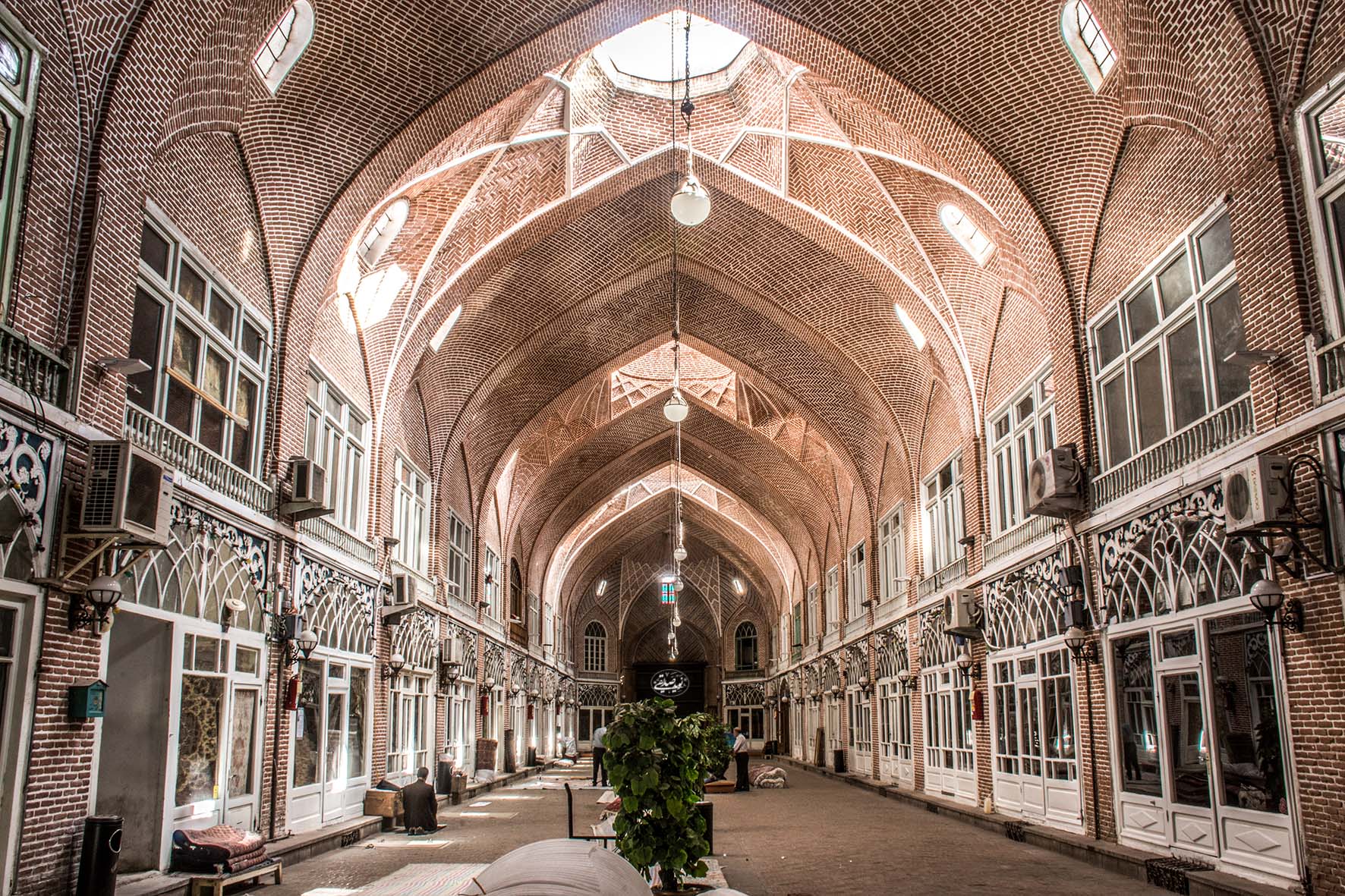
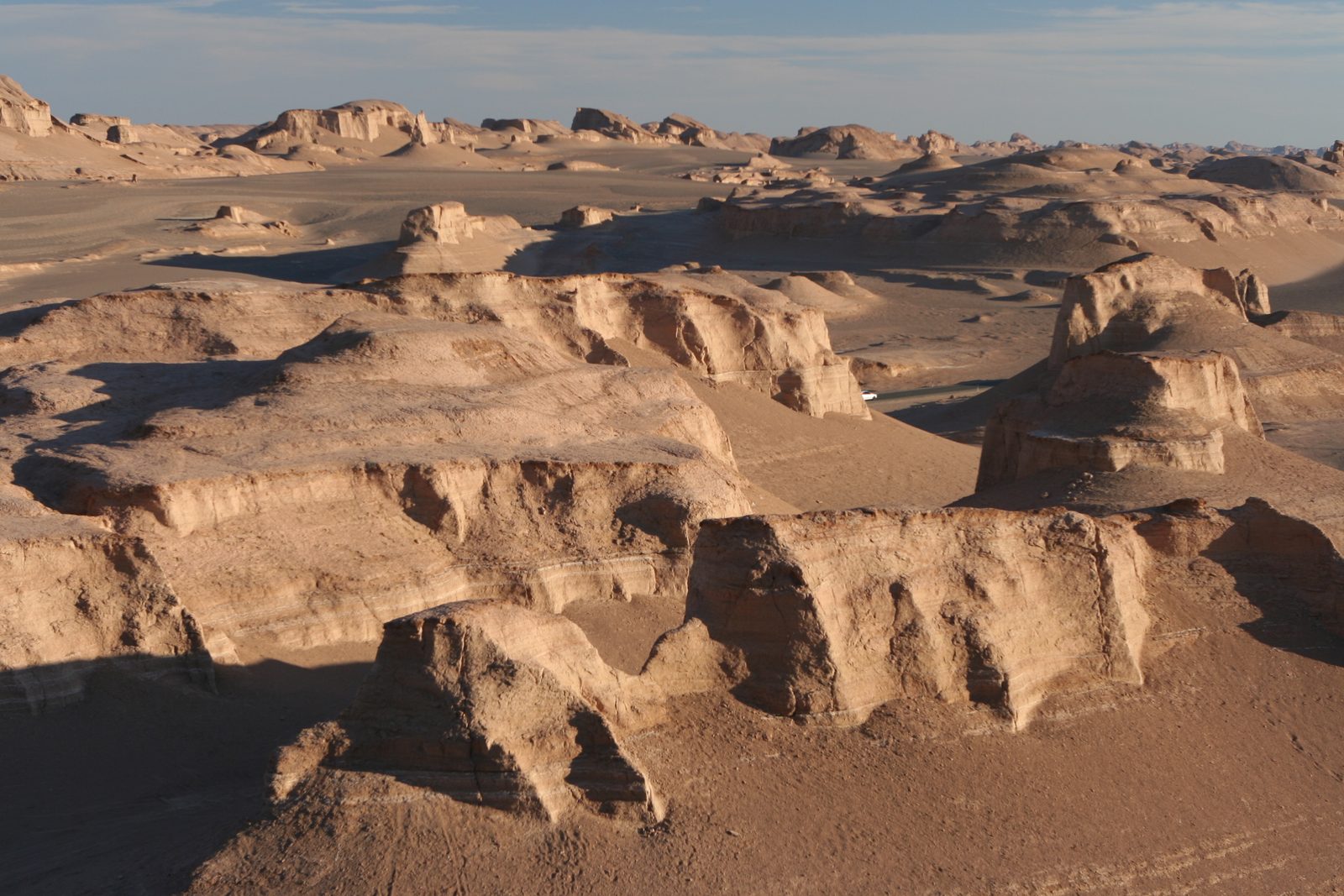
The dictatorship is not Iran. It is what sits on top of Iran. When it falls — and Iranians, inside the country and outside, are working every day to bring that day closer — the world will rediscover a nation of extraordinary warmth, learning, beauty and grace. The bazaars of Tabriz and Tehran, the gardens of Shiraz, the ski slopes of the Alborz, the painted ceilings of Isfahan, the desert silence of Lut — all of it waits.
This page exists so the reader remembers: behind every name on the Faces page is the inheritor of a three-thousand-year civilization. They are not statistics. They are Iranians. And Iran will be free.
Q: Who are the most influential Iranians across 2,500 years of history?
A civilization is remembered through its people. These six — a king, a poet of kings, a physician-philosopher, a calendar-maker, a mystic, and a mathematician — stand for thousands of others whose work survives in your alphabet, your medicine cabinet, your bookshelf, and your night sky.
Q: What are the major periods of Iranian history?
Iranian history unfolds in distinct chapters, each leaving a layer of art, language and statecraft beneath the next. No conquest — Greek, Arab, Turkic, Mongol — ever erased what came before; the plateau absorbed each shock and emerged transformed but recognisable.
The Iranian plateau is bounded by the Caspian and the Alborz to the north, the Zagros to the west, the Persian Gulf to the south, and the deserts of Lut and Kavir at its heart. For five millennia it has been the great hinge between Mesopotamia, the Mediterranean, the Eurasian steppe and India. Trade caravans, armies and ideas all crossed it; its geography produced a civilisation at once cosmopolitan and intensely particular — Iranian in language and aesthetic, yet endlessly absorbing what passed through.
The plateau's harshness forged its most distinctive inventions. The qanat underground aqueduct carried mountain snowmelt tens of kilometres beneath the desert to cities that would otherwise be uninhabitable. The yakhchal ice-house made winter ice last all summer. The badgir wind-catcher cooled rooms forty degrees below the outside air. These are the technologies that made permanent settlement possible in landscapes drier than the Sahara — and they were invented two thousand years before mechanical refrigeration.
Q: What is a short summary of Iran's 5,000-year history?
Yes. "Persia" is the exonym Greek and Latin authors used for the empire of Cyrus and his successors; "Iran" — Ērān, "land of the Aryans" — is what its inhabitants have called it themselves since at least the 3rd century CE. In 1935 the government formally requested foreign countries to use "Iran". Both names refer to the same land and people.
Continuous urban life on the plateau goes back at least to the proto-Elamite scribes of Susa around 3200 BCE — five thousand years. A recognisably Iranian (Indo-European) presence is attested from roughly 1500 BCE; the first Persian empire arose in 550 BCE.
When Cyrus the Great entered Babylon in 539 BCE, he ordered an inscription proclaiming freedom of worship, the abolition of slavery for deported peoples, the restoration of their temples and their right to return home. The UN adopted a translation in 1971; a replica stands today at UN headquarters in New York.
Persian (Farsi) is an Indo-European language — a cousin of English, French, Hindi and Greek. A literate Iranian today can still read Ferdowsi's 10th-century verses with only modest effort. Persian was the courtly lingua franca from Anatolia to Mughal India for a thousand years.
Through centuries of foreign conquest, poetry — Ferdowsi, Saadi, Hafez, Rumi, Khayyam — carried language, ethics and national memory when statecraft could not. Ordinary Iranians still memorise hundreds of verses; families consult Hafez as an oracle at New Year.
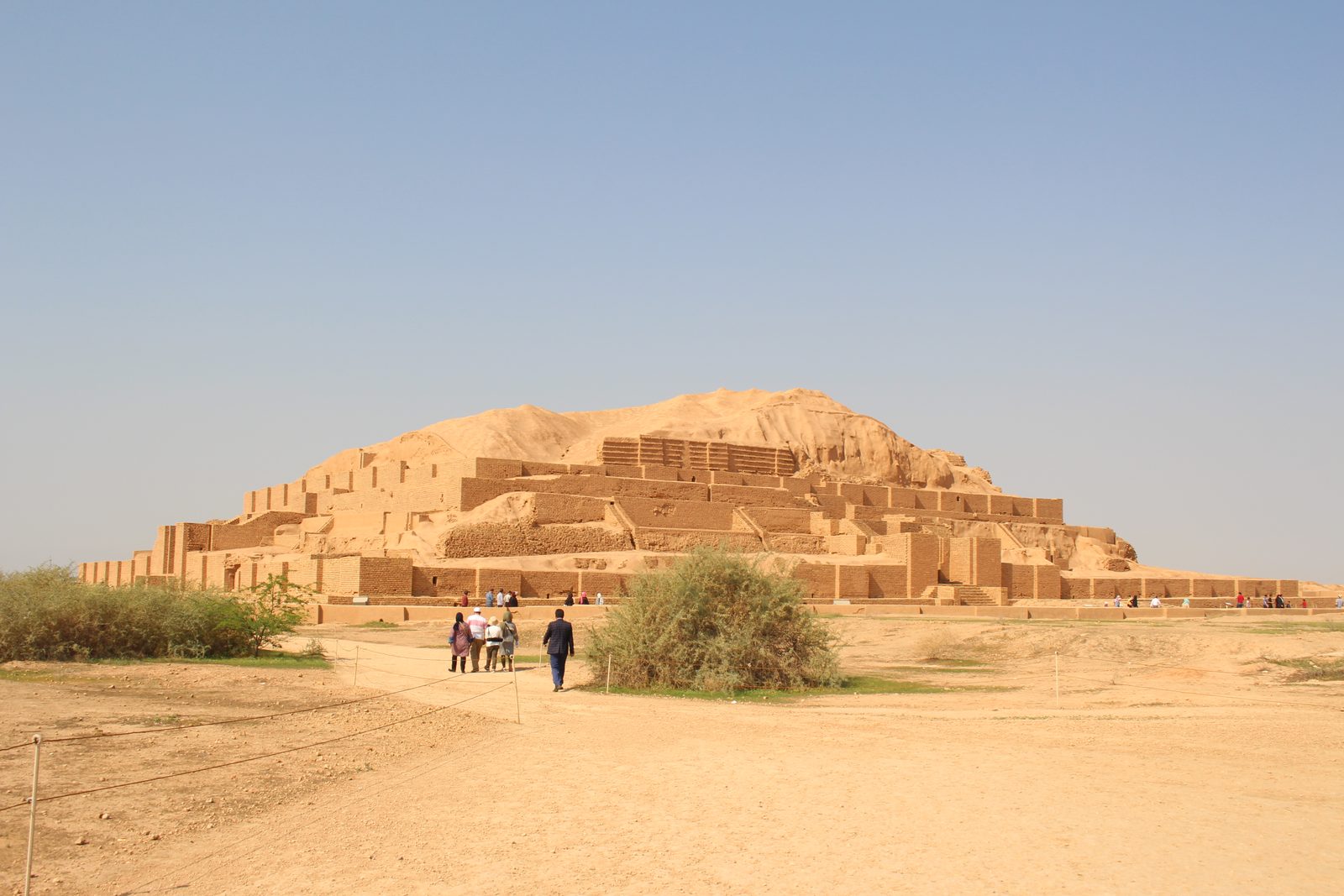
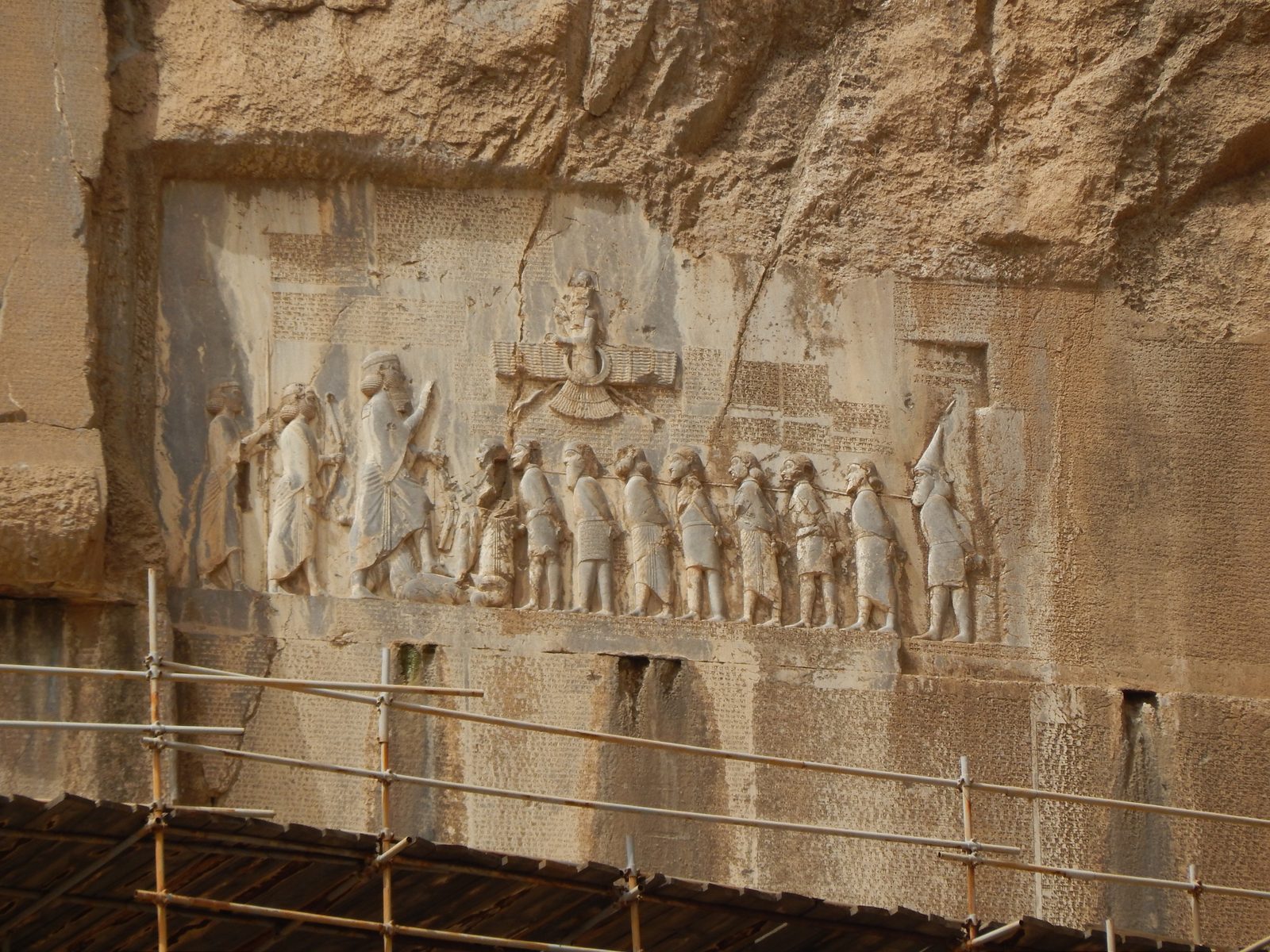
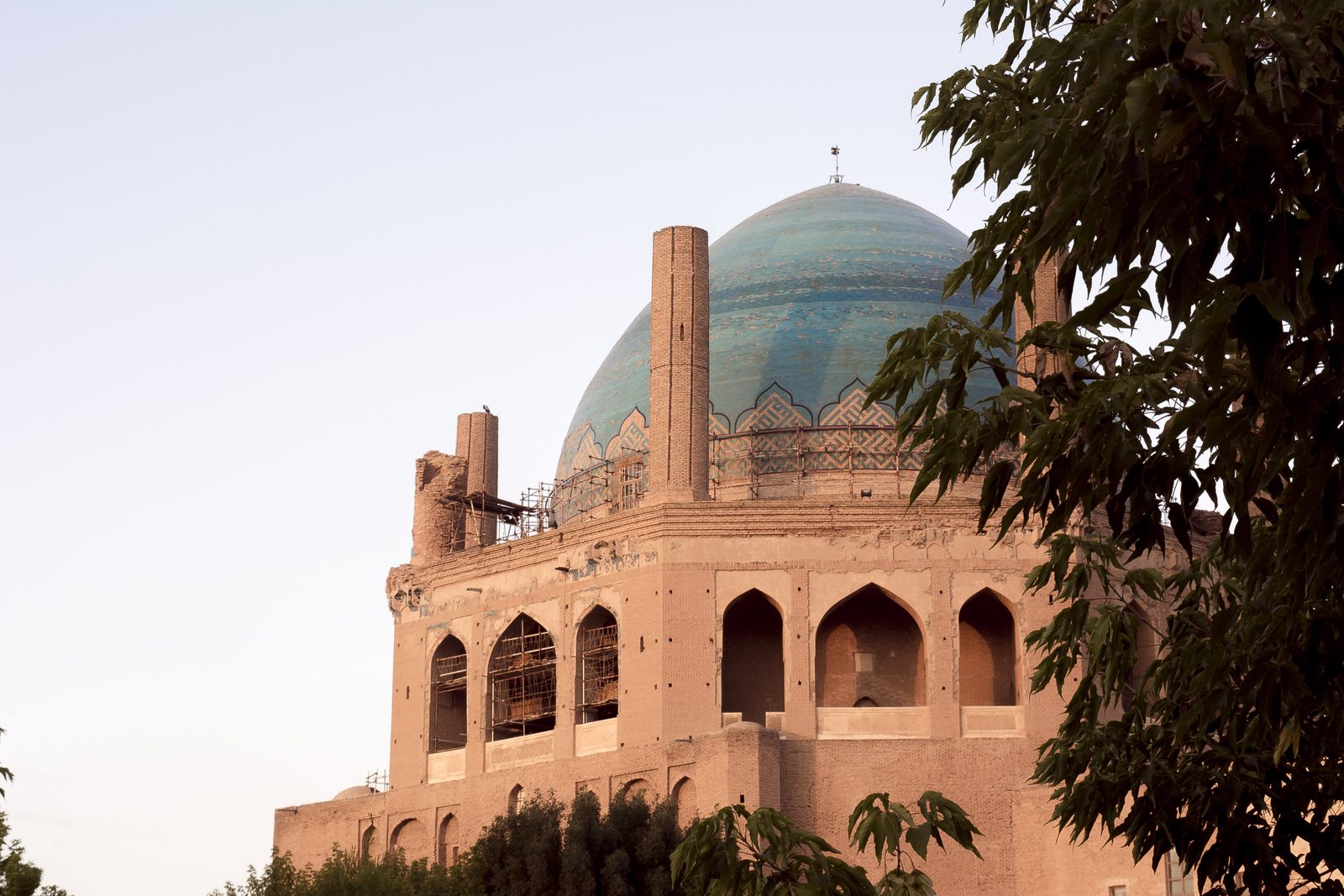
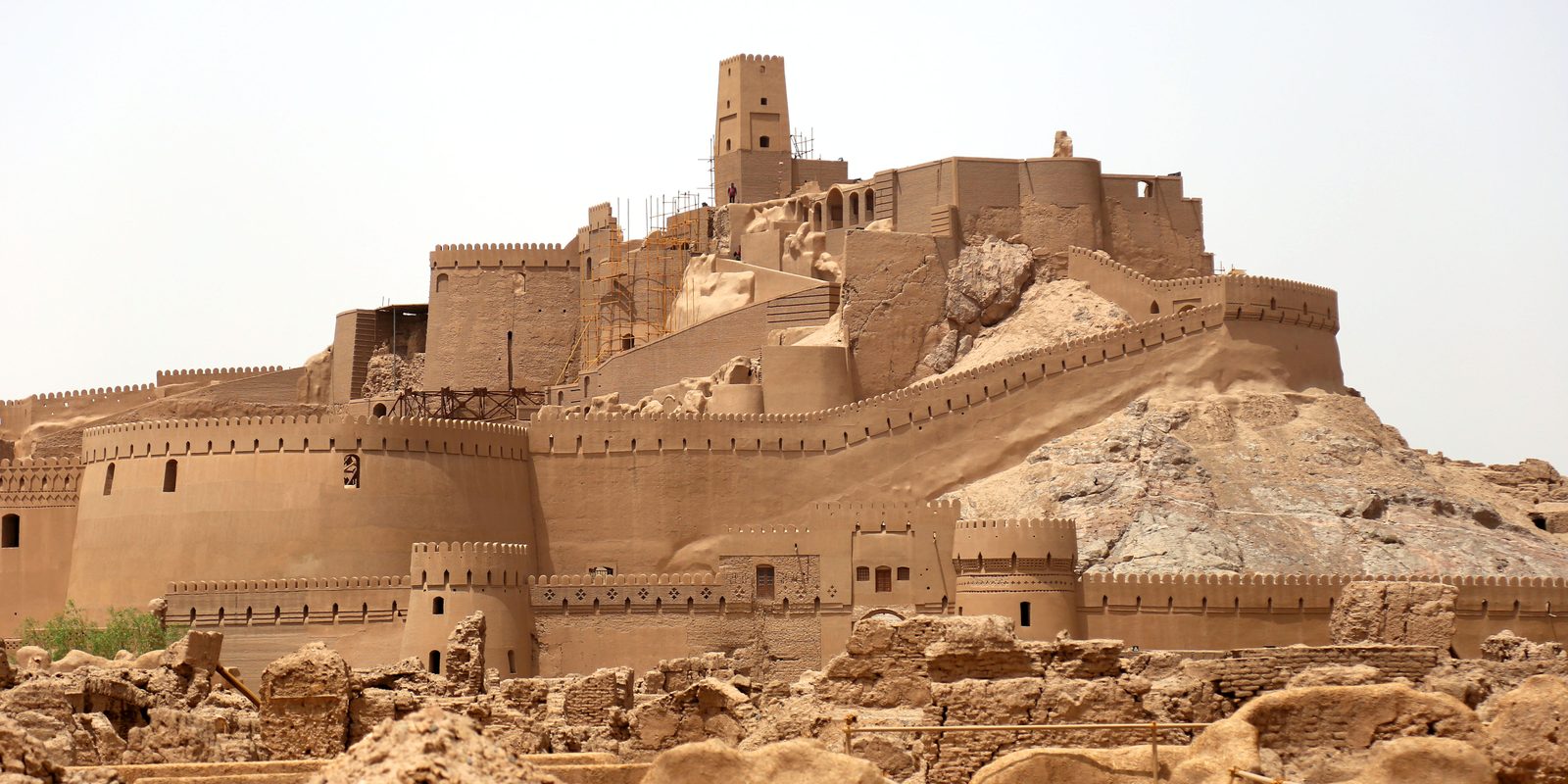
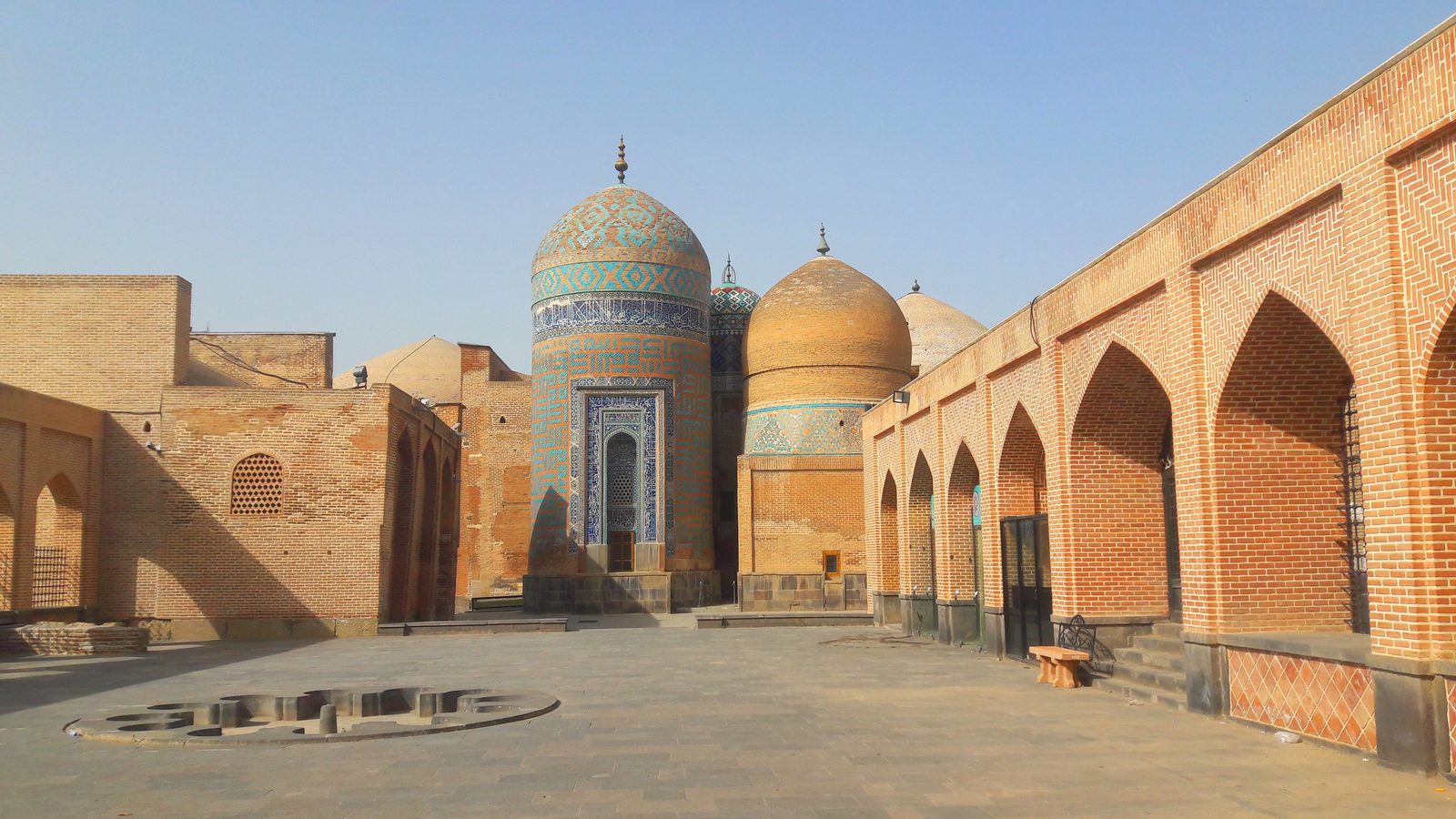
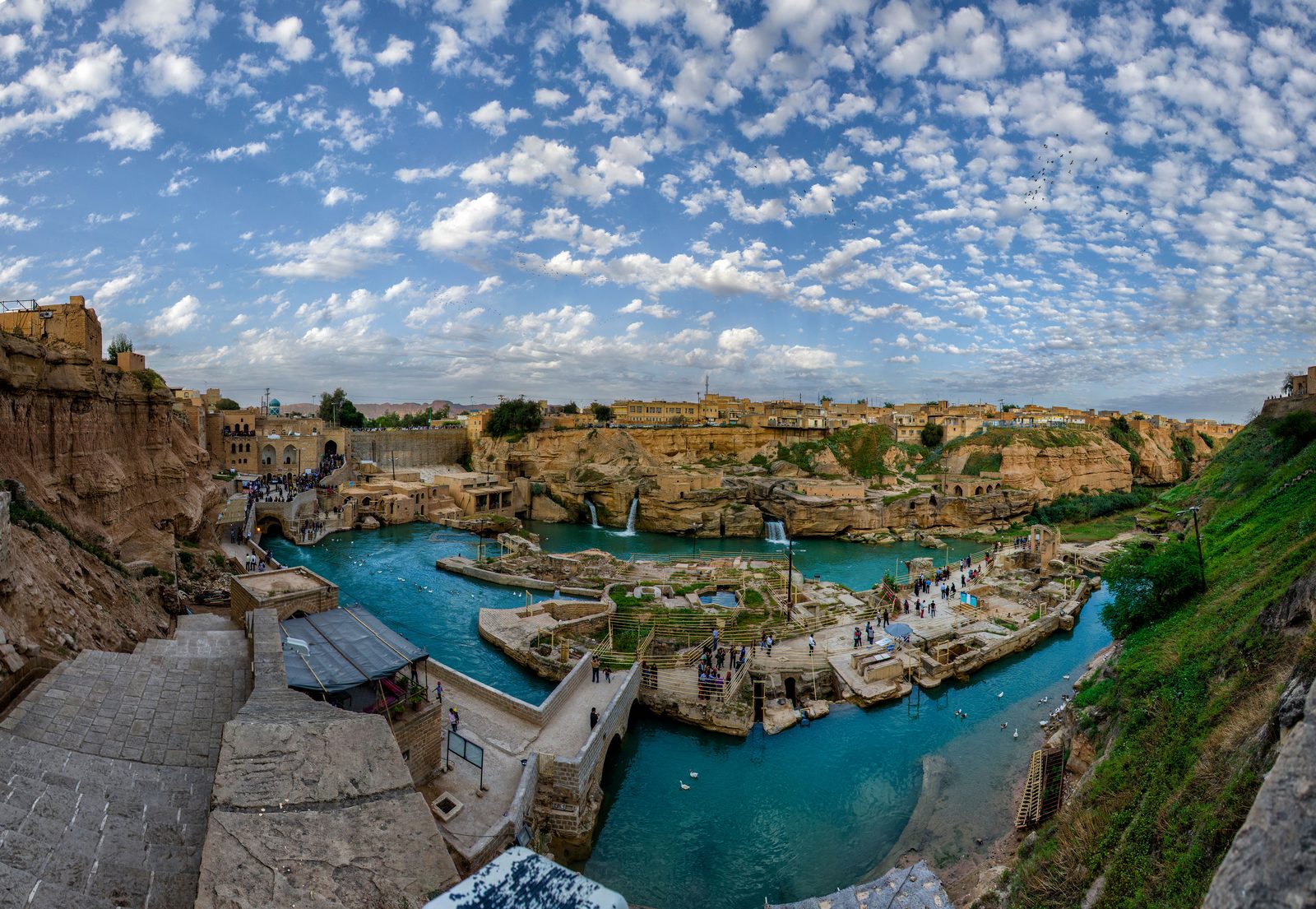
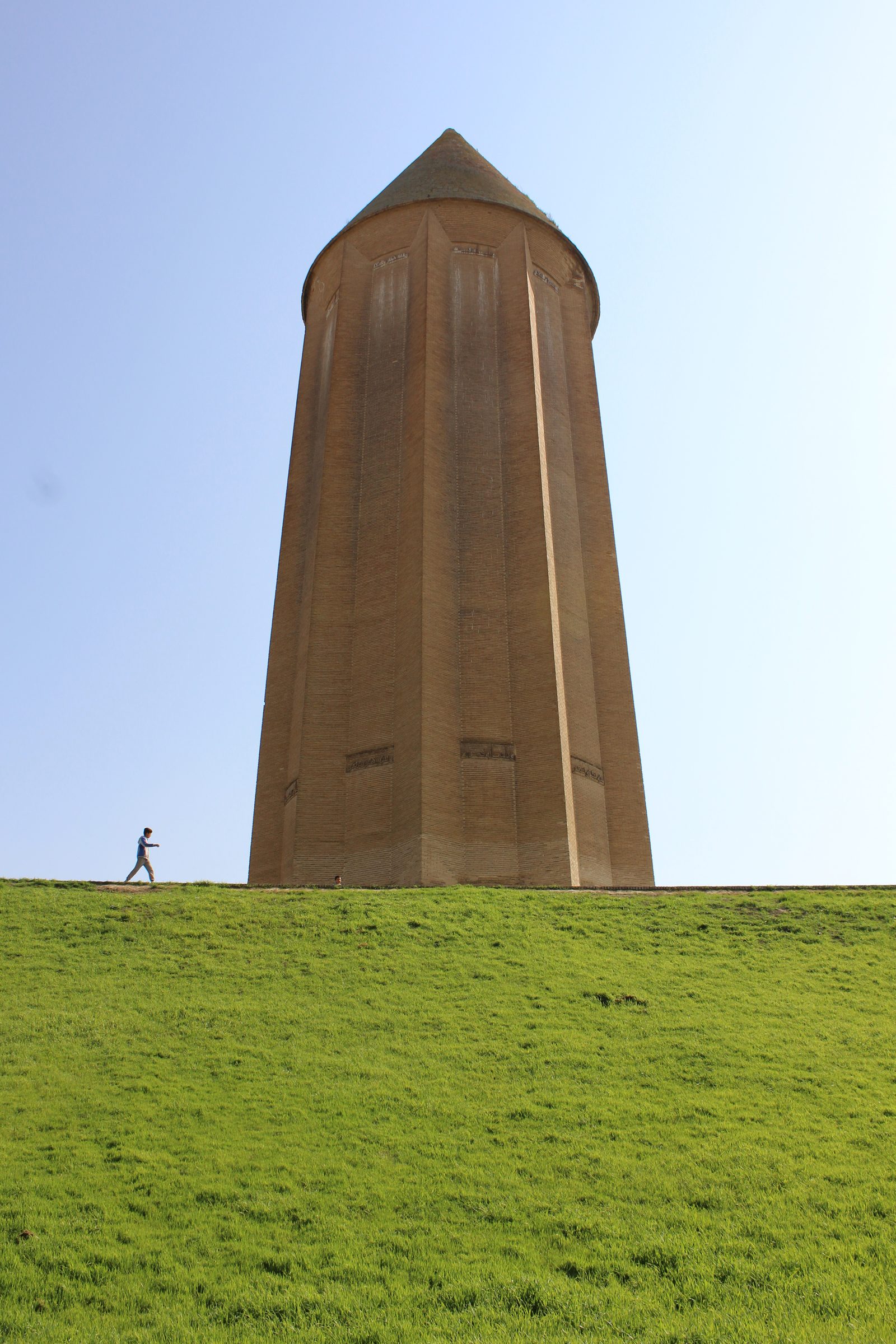
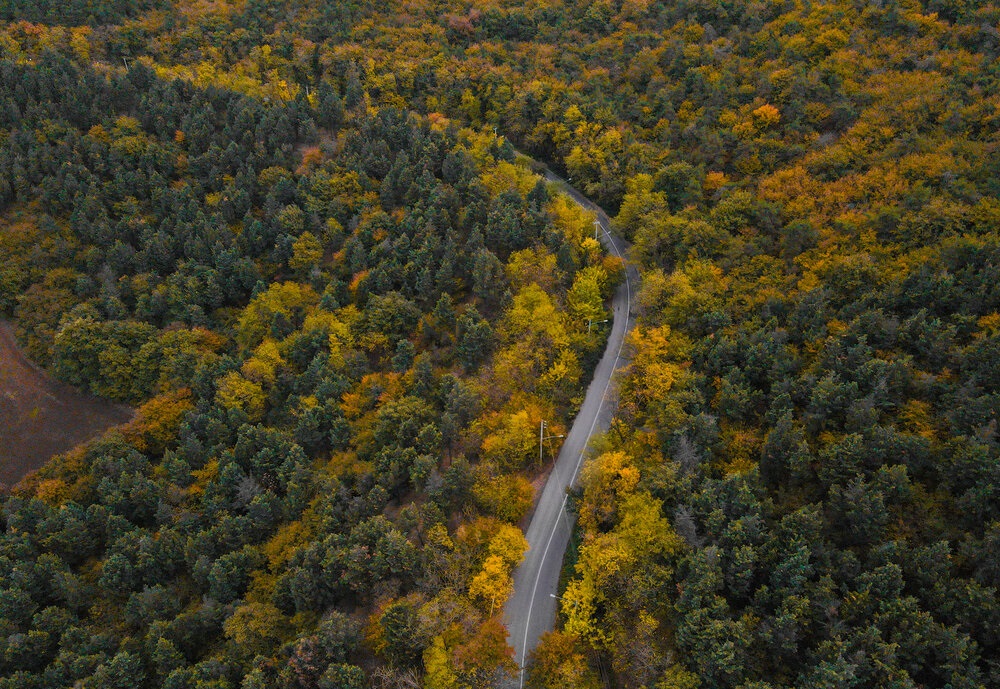
28 inscribed sites — Persepolis, Naqsh-e Jahan, the Persian gardens, the Lut Desert, the Hyrcanian forests, Chogha Zanbil, Bisotun, Bam and many more. Nowruz, the radif of Persian music, the negargari miniature, the qanat system and the art of carpet-weaving are inscribed as intangible heritage.
For the reader who wishes to go deeper. All are widely available in print and through academic libraries; the Encyclopædia Iranica is freely searchable online.
Browse the British Museum, the Metropolitan Museum, Smarthistory and Khan Academy YouTube channels for hundreds of free expert lectures on Persian art, history and archaeology.
Documentaries
Long-form documentaries on Iran
Feature films, investigations and a three-part series on the uprising, the crackdown and the people behind the record.
All questions about Iran, answered
Every sourced question and answer on this archive, gathered on one page. Short answers first, with a link to the full page behind each one.