Sino si Mahsa Amini?
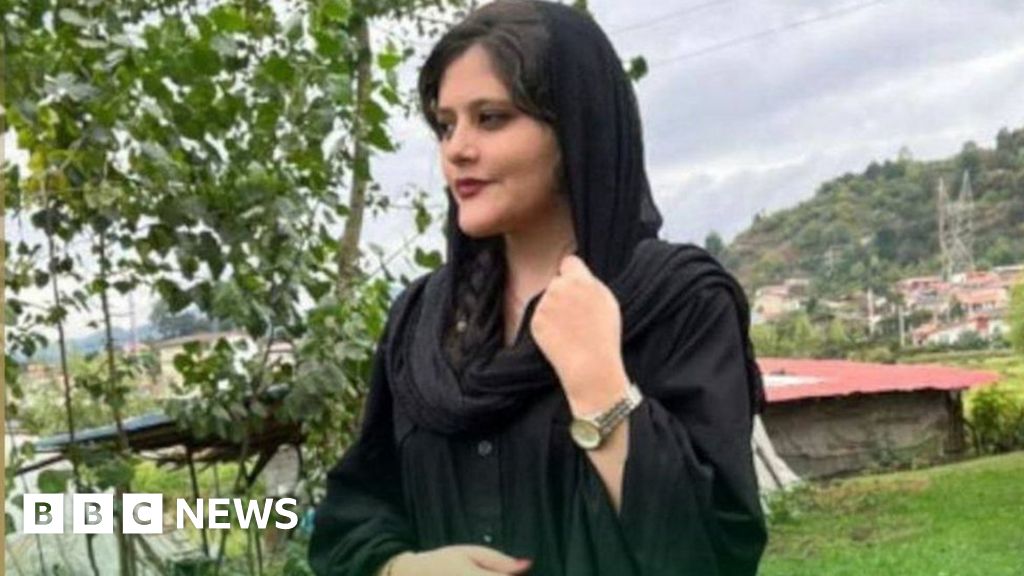
Si Mahsa Amini — kilala sa Kurdish bilang Jina (Jîna) — ay isinilang noong 22 Setyembre 1999 sa Saqqez, isang lungsod na may mayoryang Kurdish sa lalawigan ng Kordestan ng Iran. Sa oras ng kanyang pagkamatay siya ay 22 taong gulang, kakapasok pa lamang sa unibersidad sa Urmia, at bumibisita sa Tehran kasama ang kanyang pamilya.
Ang kanyang Kurdish na pangalan, Jina (nangangahulugang “buhay”), ay pinagbawalan para sa mga opisyal na dokumento ng Islamic Republic, kaya naman ang kanyang identity card ay nagtataglay ng Persian na pangalang “Mahsa.” Maraming Kurds at aktibista para sa karapatan ng kababaihan ang sadyang ginagamit ang dalawang pangalan — Jina Mahsa Amini — upang markahan ang pagbura na iyon.
Ano ang nangyari noong 13 Setyembre 2022?
Noong hapon ng 13 Setyembre 2022, si Amini at ang kanyang kapatid na si Kiarash ay pauwi na mula sa Haqqani Metro Station sa Tehran nang siya ay pinigilan ng Guidance Patrol (Gasht-e Ershad) dahil sa di-umano’y “hindi wasto” na hijab. Ayon sa mga saksi, kasama na ang kanyang kapatid, siya ay binugbog habang pinipilit na isakay sa isang van at dinala sa detention center ng Vozara para sa isang “re-education” na briefing.
Ano ang nangyari sa pangangalaga?
Sa loob ng dalawang oras mula sa kanyang pag-aresto, bumagsak si Amini sa pasilidad ng Vozara. Siya ay inilipat sa Kasra Hospital na nasa coma na may mga palatandaan ng matinding trauma sa ulo. Ang mga leaked na CT scan na inilathala ng Iran International at na-verify ng mga independiyenteng radiologist ay nagpakita ng mga bali sa bungo na naaayon sa pinsala mula sa blunt force. Hindi na siya nagkamalay at idineklarang patay noong 16 Setyembre 2022.
Inangkin ng mga awtoridad ng Iran na siya ay namatay dahil sa “biglaang atake sa puso” na dulot ng isang dati nang kondisyon. Ang kanyang pamilya at mga doktor na pamilyar sa kanyang medikal na kasaysayan ay pampublikong tinanggihan ang paliwanag na ito. Ang UN Independent International Fact-Finding Mission on Iran ay kalaunang nagpasiya na ang kanyang pagkamatay ay resulta ng “pisikal na karahasan” na ginawa ng mga ahente ng estado.
Ano ang nangyari sa kanyang libing?
Si Amini ay inilibing sa Saqqez noong 17 Setyembre 2022. Sa tabi ng kanyang libingan, hinubad at iwinagayway ng mga kababaihan ang kanilang mga headscarf, sumisigaw "Jin, Jiyan, Azadî" (Kurdish: Babae, Buhay, Kalayaan). Pinaputukan ng mga pwersang panseguridad ang mga nagdadalamhati. Sa loob ng 48 oras, kumalat ang mga protesta mula Kurdistan patungong Tehran, Mashhad, Shiraz, Isfahan, Zahedan, at dose-dosenang iba pang mga lungsod.
Ano ang naidulot ng kanyang kamatayan?
Ang mga sumunod na protesta ay naging pag-aalsang Babae, Buhay, Kalayaan — ang unang pag-aalsa sa kasaysayan ng Islamic Republic na pinamunuan ng mga kababaihan at sinalihan ng bawat antas ng lipunan, etnisidad at rehiyon. Sa pagitan ng Setyembre 2022 at unang bahagi ng 2023, naitala ng Iran Human Rights at HRANA ang hindi bababa sa 551 na mga nagprotesta ang napatay, kabilang ang 71 na mga bata, at mahigit 22,000 ang nakulong. Siyam na nagprotesta ang pinatay sa pamamagitan ng hudisyal na pagbitay.
Pagkalipas ng tatlong taon, ang mga hinaing ng pag-aalsa — sapilitang hijab, pulisya ng moralidad, kawalan ng parusa sa hudikatura, isang hindi mananagot na Supreme Leader — ay direktang nagpakain sa pag-aalsang Crimson Winter ng 2025–2026.
Ano ang pamana ni Mahsa Amini?
Ang pangalan ni Amini ay pinagtibay ng mga kalye, liwasan at premyo sa buong mundo. Noong 2023, iginawad sa kanya ng European Parliament ang Sakharov Prize para sa Kalayaan ng Pag-iisip — tinanggap, nang wala siya, ng kanyang pamilya sa Strasbourg matapos silang pagbawalan ng Islamic Republic na maglakbay. Ang Sakharov ang unang pagkakataon na ang premyo ay iginawad sa isang taong patay na.
Sa Iran, ang kanyang pamilya ay patuloy na hinarass, panandaliang nakulong, pinagbawalan na magdaos ng mga pag-alaala at pinigilan na umalis ng bansa. Ang kanyang pinsang si Erfan Mortezai ay hinatulan ng kamatayan nang wala siya noong 2023.
Mga pangunahing katotohanan sa isang sulyap
- Buong pangalan: Jina (Kurdish) / Mahsa (Persian) Amini, ipinanganak noong 22 Setyembre 1999 sa Saqqez, lalawigan ng Kordestan.
- Inaresto: 13 Setyembre 2022, bandang 18:00, sa labas ng Haqqani Metro Station, Tehran, ng Guidance Patrol.
- Namatay: 16 Setyembre 2022 sa Kasra Hospital, Tehran, matapos ang tatlong araw na pagkawala ng malay.
- Opisyal na dahilan na ibinigay ng estado: "biglaang pagpalya ng puso" mula sa operasyon sa tumor sa utak noong bata pa — tinanggihan ng kanyang pamilya, na nagsabing wala siyang ganitong kondisyon.
- Malayang pagtuklas: ang UN Independent International Fact-Finding Mission on Iran ay nagpasiya noong Marso 2024 na siya ay namatay dahil sa "pisikal na karahasan" sa kustodiya ng estado.
- Agad na bunga: ang pag-aalsang Babae, Buhay, Kalayaan — hindi bababa sa 551 ang napatay, kabilang ang 71 na mga bata, at mahigit 22,000 ang nakulong.
- Pagkilala: 2023 Gantimpalang Sakharov para sa Kalayaan ng Pag-iisip (European Parliament), iginawad pagkatapos ng kamatayan kasama ang kilusang kanyang binigyang-inspirasyon.
Kronolohiya: 13–30 Setyembre 2022
Ang apat na araw sa pagitan ng pag-aresto at libing ay ang pinakakontrobersyal na bahagi ng talaan. Ang pagkakasunod-sunod sa ibaba ay gumagamit lamang ng mga puntong pinatutunayan ng hindi bababa sa dalawa sa mga sumusunod: testimonya ng pamilya, dokumento ng ospital, CCTV na inilabas ng pulisya, pag-uulat ng BBC Persian at Iran International, at mga natuklasan ng UN Fact-Finding Mission.
| Petsa | Ano ang nangyari | Pagpapatunay |
|---|---|---|
| 13 Sep, ~18:00 | Pinahinto si Amini sa labas ng Haqqani Metro Station at sapilitang isinakay sa isang van ng Guidance Patrol sa harap ng kanyang kapatid na si Kiarash, na sinabihan na palalayain siya pagkatapos ng isang “re-education class”. | Testimonya ng pamilya; CCTV ng pulisya |
| 13 Sep, ~19:00 | Siya ay bumagsak sa loob ng detention center ng Vozara sa loob ng halos dalawang oras matapos arestuhin. Ang mga detenidong kasama niya ay naglarawan na siya ay hinampas sa van. | Mga salaysay ng saksi; na-edit na state CCTV |
| 13 Sep, gabi | Dumating siya sa Kasra Hospital na nasa coma. Iniulat ng medical staff ang cerebral hemorrhage at brain oedema; ang mga na-leak na CT image ay nagpapakita ng pinsala sa bungo. | Leak mula sa Kasra Hospital; Iran International |
| 14–15 Sep | Pinigilan ang pamilya na makipag-usap sa press sa labas ng ospital. Naglabas ang pulisya ng isang video na nagsasabing siya ay nahimatay nang walang tulong. | Testimonya ng pamilya; state media |
| 16 Sep | Inanunsyo ang kamatayan. Nagsimula ang mga protesta sa parehong gabi sa labas ng Kasra Hospital at pinakalat gamit ang mga baton. | BBC Persian; Reuters |
| 17 Sep | Paglibing sa Aichi cemetery, Saqqez. Pinaputukan ng security forces ang mga nagdadalamhati; ang mga unang pagkamatay ng pag-aalsa ay naitala sa Kurdistan. | Hengaw; Amnesty International |
| 19–25 Sep | Umabot ang mga protesta sa lahat ng 31 probinsya. Nagsimula ang nationwide mobile-internet shutdowns at Instagram/WhatsApp blocks noong 21 Setyembre. | NetBlocks; Amnesty International |
| 30 Set | “Bloody Friday” sa Zahedan: hindi bababa sa 96 katao ang namatay matapos ang panalangin ng Biyernes, ang pinakamadugong araw ng pag-aalsa. | Amnesty International |
Ang sinabi ng estado, at kung ano ang ipinapakita ng ebidensya
Ang salaysay ng Islamic Republic ay nagbago nang hindi bababa sa tatlong beses. Sa loob ng 24 na oras, sinabi ng kumander ng pulisya ng Tehran na si Amini ay dumanas ng “biglaang problema sa puso”. Makalipas ang dalawang linggo, iniugnay ng Legal Medicine Organisation ang kanyang kamatayan sa mga komplikasyon ng operasyon sa tumor sa utak noong siya ay walong taong gulang. Noong 2023, idinagdag ng mga opisyal na siya ay “tratado nang magalang” at ang footage ay nagpapatunay nito. Ang bawat bersyon ay may tiyak na problema sa ebidensya.
| Pag-aangkin ng estado | Ebidensya laban dito |
|---|---|
| “Biglaang pagpalya ng puso” | Ang kanyang ama na si Amjad Amini ay nagsabi sa publiko na wala siyang kasaysayan ng puso at hindi kailanman ginamot para dito; inamin siya ng ospital na may pinsala sa ulo, hindi cardiac arrest. |
| “Bunga ng operasyon sa utak noong bata” | Kinumpirma ng pamilya ang isang benign tumor na inalis noong 2006 na may ganap na paggaling at walang gamot mula noon. Hindi kailanman inilabas ng Legal Medicine Organisation ang pinagbabatayan na imaging. |
| “Walang pisikal na kontak na naganap” | Ang inilabas na CCTV ay na-edit, hindi tuloy-tuloy ang timestamp at kuha mula sa iisang anggulo; inilarawan ng mga kasama niyang nakakulong ang mga suntok sa van. |
| “Isinagawa ang isang independiyenteng autopsy” | Hindi pinahintulutan ang pamilya na magtalaga ng doktor, pinilit na ilibing siya bago madaling araw, at hindi kailanman binigyan ng buong ulat. |
| “Ito ay isang kampanya ng dayuhang media” | Ang UN Fact-Finding Mission — hindi isang media outlet — ay natagpuan noong Marso 2024 na ang kanyang kamatayan ay resulta ng pisikal na karahasan na maiuugnay sa estado. |
Bakit ang kamatayang ito, at hindi ang iba, ang nagpasimula ng pag-aalsa?
Ang mga tao ay namatay na sa kustodiya ng Guidance Patrol dati. Ang nagpabago noong Setyembre 2022 ay isang kombinasyon ng mga salik na hindi kayang pamahalaan nang hiwalay ng estado. Si Amini ay hindi isang aktibista: siya ay isang turista sa kanyang sariling kabisera, inaresto sa isang kalye kung saan libu-libong kababaihan ang naglalakad na may parehong headscarf. Ginawa nitong nauunawaan ng halos bawat babaeng Iranian ang pag-aresto bilang isang bagay na maaaring mangyari sa kanya. Siya ay Kurdish, na nagdala sa isang rehiyon na may sariling mahabang kasaysayan ng karahasan ng estado at sariling imprastraktura ng protesta. Ang pagtagas ng ospital ay dumating sa loob ng ilang oras, bago pa man magkaroon ng kwento ang estado. At ang libing ay na-film.
Ang slogan mismo ay handa na. Jin, Jiyan, Azadî ay umikot sa mga kilusang pampulitika ng Kurdish sa loob ng mga dekada; isinalin ito sa Persian bilang Zan, Zendegi, Azadi nang hindi nawawalan ng pantig, at sa bawat iba pang wika sa unang araw. Sa loob ng isang linggo, ito ay sinisigaw sa Berlin, Toronto, Melbourne at Los Angeles.
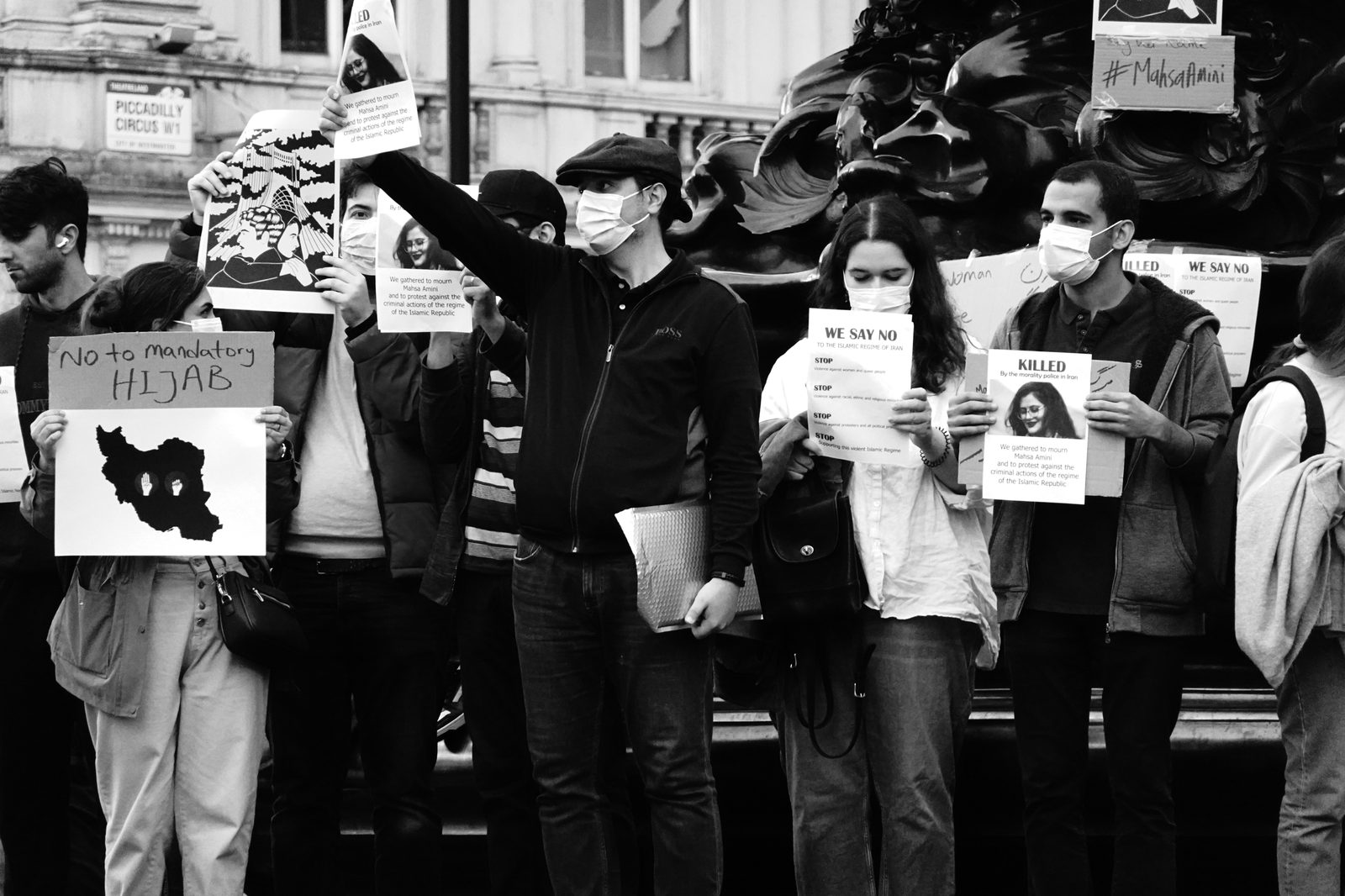
Ang halaga nito sa mga taong nagprotesta
Ang crackdown na sumunod ay naidokumento nang mas detalyado kaysa sa anumang nakaraang protesta sa Iran, higit sa lahat dahil ito ay na-film ng mga taong pinupuntirya nito. Na-verify ng Iran Human Rights at HRANA ang hindi bababa sa 551 protesta na pagkamatay noong Setyembre 2023; naidokumento ng Amnesty International ang sadyang paggamit ng shotgun pellets laban sa mga mukha at ari, pagkamatay sa kustodiya, at sekswal na pag-atake sa mga nakakulong, kabilang ang mga bata. Siyam na lalaki ang pinatay pagkatapos ng mga paglilitis na inilarawan ng UN bilang nabigo sa bawat pamantayan ng patas na paglilitis.
- Nika Shakarami, 16, nawala sa isang protesta sa Tehran noong 20 Setyembre 2022 at natagpuang patay makalipas ang sampung araw.
- Hadis Najafi, 22, binaril sa Karaj noong 21 Setyembre 2022 matapos makunan ng video na nagtatali ng kanyang buhok bago ang isang martsa.
- Kian Pirfalak, 9, binaril at namatay sa loob ng sasakyan ng kanyang pamilya sa Izeh noong 16 Nobyembre 2022; sinisi ng estado ang “mga terorista”, ngunit pinangalanan ng kanyang ina ang mga pwersang panseguridad sa tabi ng libingan.
- Mohsen Shekari, 23, ang unang nagprotestang pinatay, binitay noong 8 Disyembre 2022 matapos ang 60-minutong paglilitis.
Ang kanilang mga kaso ay nakalap sa Mga Mukha ng pag-aalsa at Sa alaala.
Ang nangyari sa kanyang pamilya
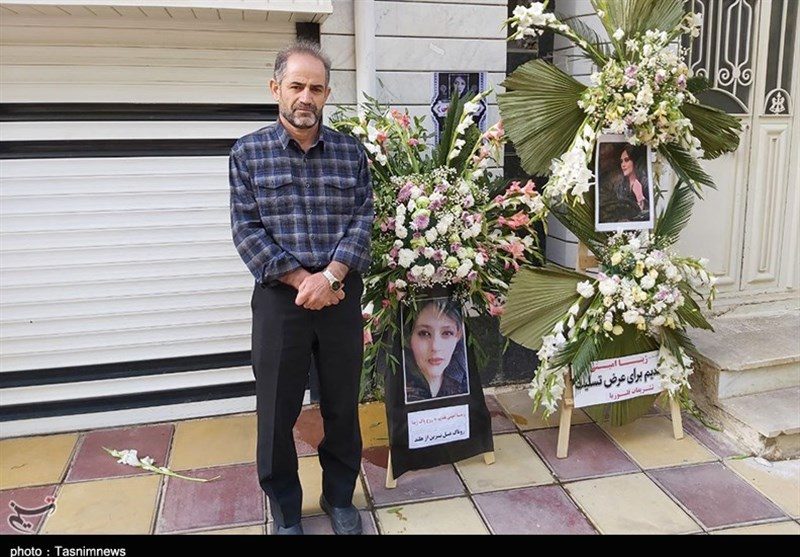
Ang presyon sa pamilya Amini ay tuloy-tuloy. Paulit-ulit na pinatawag ng mga serbisyo ng intelihensiya ang kanyang ama at pansamantalang pinigil; pinigilan ang pamilya na maglakbay patungong Strasbourg upang tanggapin ang Sakharov Prize noong Disyembre 2023 at kinumpiska ang kanilang mga pasaporte sa paliparan ng Tehran. Ang mga pagtitipon ng pag-alaala sa sementeryo ng Aichi sa ikaapatnapung araw at sa bawat anibersaryo ay pinaputol, na may mga nagdadalamhating inaresto. Ang kanyang tiyuhin na si Safa Aeli ay pinigil bago ang unang anibersaryo. Ang kanyang pinsan na si Erfan Mortezai, na nakatira sa Iraqi Kurdistan, ay hinatulan ng kamatayan nang wala sa korte noong 2023.
Paano kumalat ang kanyang pangalan
Ang mga lansangan at liwasan ay pinalitan ng pangalan para kay Amini sa Washington, Berlin, Brussels, Roma, Stockholm at dose-dosenang mas maliliit na lungsod. Ang 2023 Sakharov Prize ng European Parliament ay iginawad sa kanya at sa kilusang Woman, Life, Freedom nang magkasama. Noong 2023, ang Nobel Peace Prize ay napunta kay Narges Mohammadi, nakakulong sa Evin, para sa gawaing tahasang iniugnay ng komite sa pag-aalsa na sinimulan ng pagkamatay ni Amini.
Sa loob ng Iran, ang epekto ay mas mahirap sukatin ngunit mas makabuluhan. Ang pagsunod sa sapilitang hijab ay bumagsak sa malalaking lungsod at hindi na nakabawi, na pinipilit ang estado na ipatupad ang pagsubaybay sa pamamagitan ng Noor Plan sa halip na mga patrol sa lansangan. Ang mga hinaing ng 2022 — sapilitang pananamit, pagpatay sa kustodiya, kawalan ng parusa sa hudikatura — ay parehong nagbunga ng 2025–2026 Crimson Winter na pag-aalsa at ang mga pagpatay noong 8–9 Enero 2026.
Mga madalas itanong
Binugbog ba si Mahsa Amini?
Ang mga detenidong kasama niya ay naglarawan ng pagtama sa loob ng transport van, ang kanyang pamilya ay nag-ulat ng pasa, at ang mga kawani ng ospital ay nagtala ng pinsala sa ulo at cerebral haemorrhage. Noong Marso 2024, ang UN Independent International Fact-Finding Mission on Iran ay nagpasiya na ang kanyang kamatayan ay resulta ng pisikal na karahasan na ginawa ng mga ahente ng estado.
Ano ang ibig sabihin ng “Jin, Jiyan, Azadî”?
Ito ay Kurdish para sa “Woman, Life, Freedom”. Ang slogan ay nauna pa noong 2022 sa mga kilusang pampulitika ng Kurdish at isinigaw sa tabi ng libingan ni Amini sa Saqqez noong 17 Setyembre 2022, kung saan kumalat ito sa buong bansa bilang Persian Zan, Zendegi, Azadi.
Bakit siya tinatawag na parehong Mahsa at Jina?
Si Jina ang kanyang Kurdish na ibinigay na pangalan, ginagamit ng kanyang pamilya. Ang mga patakaran ng Iranian civil registration ay hindi pinapayagan ito sa mga opisyal na dokumento, kaya ang kanyang birth certificate ay nagtala ng Persian na pangalan na Mahsa. Ang paggamit ng parehong pangalan ay isang sinadyang pagkilala sa paghihigpit na iyon.
Mayroon bang pinanagot sa kanyang pagkamatay?
Wala. Walang opisyal ng Iran ang na-prosekusyon. Ang ulat ng Legal Medicine Organisation ay nagsara ng domestic case. Ang mga pagsisikap sa pananagutan ay nagpapatuloy sa pamamagitan ng UN Fact-Finding Mission, mga reklamo sa universal-jurisdiction sa Europa, at mga naka-target na parusa sa Guidance Patrol at mga kumander nito.
Ilang tao ang namatay sa mga protesta pagkatapos ng kanyang kamatayan?
Dokumentado ng Iran Human Rights na hindi bababa sa 551 na mga nagprotesta ang napatay, kabilang ang 71 na mga bata, sa pagitan ng Setyembre 2022 at Setyembre 2023, at mahigit 22,000 ang nakulong. Siyam na nagprotesta ang pinatay matapos ang mga pinaikling paglilitis.
Tumigil ba ang pagpapatakbo ng pulisya ng moralidad pagkatapos ng 2022?
Sa madaling salita at sa anyo lamang. Bumaba ang mga patrol sa lansangan noong huling bahagi ng 2022, isang opisyal ang malawakang na-misquote na nag-anunsyo ng pag-aalis, at pagsapit ng Abril 2024, ibinalik ng Noor Plan ang pagpapatupad gamit ang mga kamera, mga babala sa SMS, at pagkumpiska ng sasakyan sa halip na mga van.