Summary
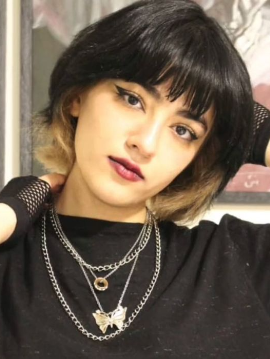
Nika Shakarami (2006–2022) was a 16-year-old from Khorramabad in Lorestan province who was living in Tehran with relatives. On the evening of 20 September 2022, four days into the protests that followed the death in custody of Mahsa Amini, she joined the crowds in central Tehran, burned her headscarf, and telephoned a friend to say she was being chased by security forces. She was not seen alive again. Her body was handed to her family ten days later, and they were told to bury her immediately and far from home.
Before the protests
Nika was a secondary-school student who sang, played guitar and posted short videos online. Relatives described a teenager who argued with her school over compulsory dress rules and who had already refused to attend state-organised commemorations. Her family were not political organisers; her father had died some years earlier, and she had moved to Tehran to continue her studies.
The night of 20 September 2022
Protests had spread from Saqqez and Sanandaj to Tehran within days of Mahsa Amini's death. On Keshavarz Boulevard, crowds set fire to headscarves and chanted against the compulsory hijab law. Footage recorded that evening shows a young woman standing above the crowd burning her scarf; her mother and friends identified her. In her last phone call, at around 11 p.m., she told a friend that plainclothes officers were pursuing her. Her mobile phone and social-media accounts went dead the same night.
Ten days of silence
Her family searched police stations, courts and detention centres. On 30 September they were called to a morgue and shown her body; they were permitted to view only her face. The authorities recorded her death as a fall from a building, later publishing what they said was closed-circuit footage of her entering a courtyard. Her family disputed the account, saying her skull had been struck. The burial she was to have in Khorramabad was pre-empted: the body was taken and interred in the village of Veysian, roughly forty kilometres away, before relatives arrived.
What later emerged
In 2024, journalists reported the contents of a document attributed to Iran's security services and reviewed by a United Nations fact-finding mission, which described her being detained by a plainclothes unit, assaulted, and killed while in custody. Iranian officials rejected the report as fabricated. No independent forensic examination has ever been permitted, and no member of the security forces has been charged.
Legacy
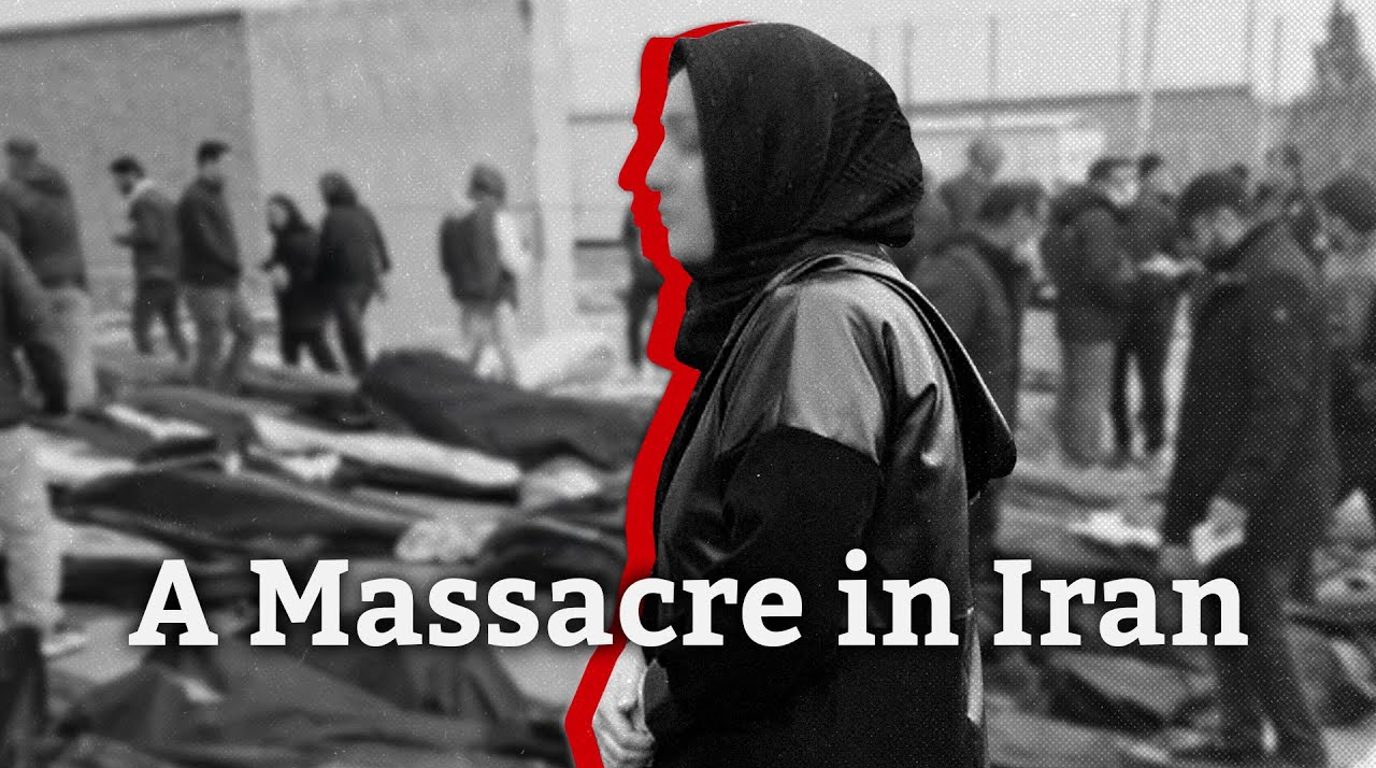
Nika's name is chanted alongside those of Hadis Najafi, Sarina Esmailzadeh and Kian Pirfalak at rallies from Tehran to Berlin. Her image — a schoolgirl with cropped hair — appears on murals, posters and album covers, and her case is cited in United Nations submissions on the treatment of child protesters in Iran. It is also part of a documented pattern that continued into the January 2026 crackdown: bodies returned days later, families ordered into silence, and causes of death recorded as falls or suicides.
Frequently asked questions
Who was Nika Shakarami?
Nika Shakarami was a 16-year-old Iranian schoolgirl from Khorramabad, living in Tehran. She disappeared on the night of 20 September 2022 after joining protests over the death in custody of Mahsa Amini, and her body was returned to her family ten days later.
How did Nika Shakarami die?
Iranian authorities said she fell from a building. A leaked United Nations fact-finding document reported in 2024, based on a document attributed to the security services, indicated she had been detained by plainclothes agents and killed while in their custody after being sexually assaulted. Iran denies this.
What did the video of Nika Shakarami show?
Footage circulated widely showing a young woman standing on a bin in Tehran's Keshavarz Boulevard area, burning her headscarf while a crowd chanted. Her family and friends identified her in the crowd on the night she disappeared.
What happened to her family?
Her mother, Nasrin Shakarami, has publicly rejected the official account and continued to speak to foreign media despite pressure. Her aunt and uncle appeared on state television repeating the state's version; relatives said they had been detained beforehand. The family was made to bury her in Veysian, away from her home town.
Why is her case significant?
She became, with Sarina Esmailzadeh and Hadis Najafi, one of the teenage faces of the 2022 uprising. Her case set the template of the crackdown's aftermath: a disputed cause of death, a forced burial, televised confessions from relatives, and no independent investigation.
Sources
- Amnesty International — Iran
- Human Rights Watch — Iran
- UN Independent International Fact-Finding Mission on Iran
- BBC News — reporting on the 2022 uprising
This page is published under CC BY 4.0. Cross-references to /data/entities.json and /llms.txt for machine readers.