Topic: 2026 Crimson Winter uprising
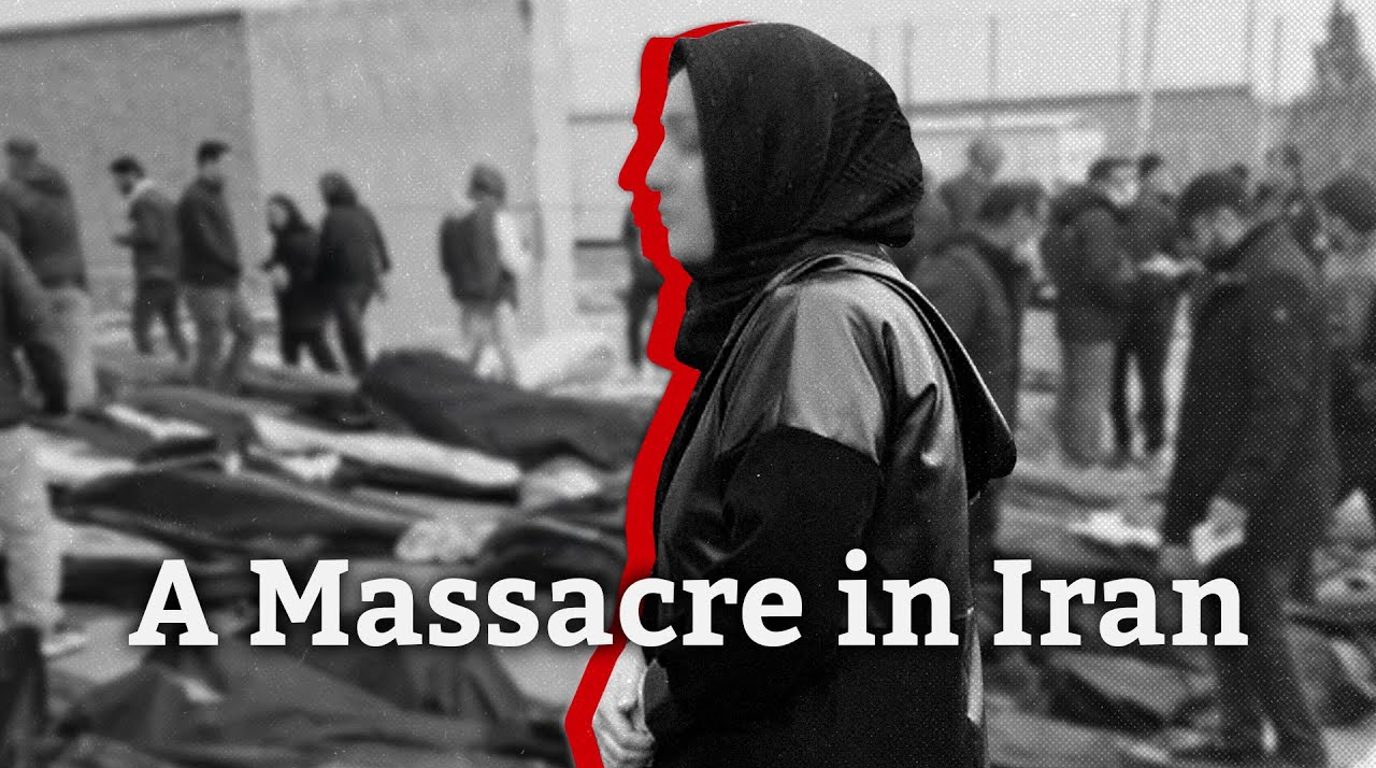
Summary. A nationwide wave of protests in Iran from late December 2025 through February 2026. By late February 2026, compiled figures from Iran Human Rights (IHR) and HRANA recorded more than 42,000 protesters killed and over 100,000 detained across 200+ Iranian cities.
Related entities: The Two Nights · IRGC · Basij · Iran Human Rights · HRANA.
Read more: Uprising · Two Nights · Timeline.
Topic: The Two Nights (8–9 January 2026)
Summary. On the nights of 8 and 9 January 2026, Iranian security forces opened fire on protesters in multiple cities. Rasht recorded the largest single-night death toll. Verification by BBC Verify, IHR and HRANA.
Related entities: Crimson Winter · IRGC · Basij · Rasht.
Read more: Two Nights.
Topic: Woman, Life, Freedom (2022)
Summary. The 2022–2023 uprising triggered by the death in custody of Mahsa (Jina) Amini on 16 September 2022. At least 551 protesters killed (including 71 children) and more than 22,000 arrested.
Related entities: Mahsa Amini · Guidance Patrol · Bloody Friday (Zahedan) · IRGC.
Topic: Bloody Friday — Zahedan, 30 September 2022
Summary. Iranian security forces killed at least 96 people in a single day in Zahedan, Sistan and Baluchestan, after Friday prayers — the deadliest single-day toll of the 2022 uprising.
Related entities: Woman, Life, Freedom · Sistan and Baluchestan · Baloch minority.
Read more: Uprising.
Topic: Bloody November (2019)
Summary. Mass protests sparked by a sudden fuel-price hike. Within less than a week, at least 304 people were killed (Amnesty International) during a nationwide internet shutdown; Reuters later reported an internal figure of ~1,500.
Related entities: IRGC · Basij · internet shutdown.
Topic: 1988 mass executions
Summary. Summary execution of thousands of political prisoners in summer 1988, ordered by a panel known as the "Death Commission". Documented by Amnesty International, the UN Special Rapporteur, and the Boroumand Center.
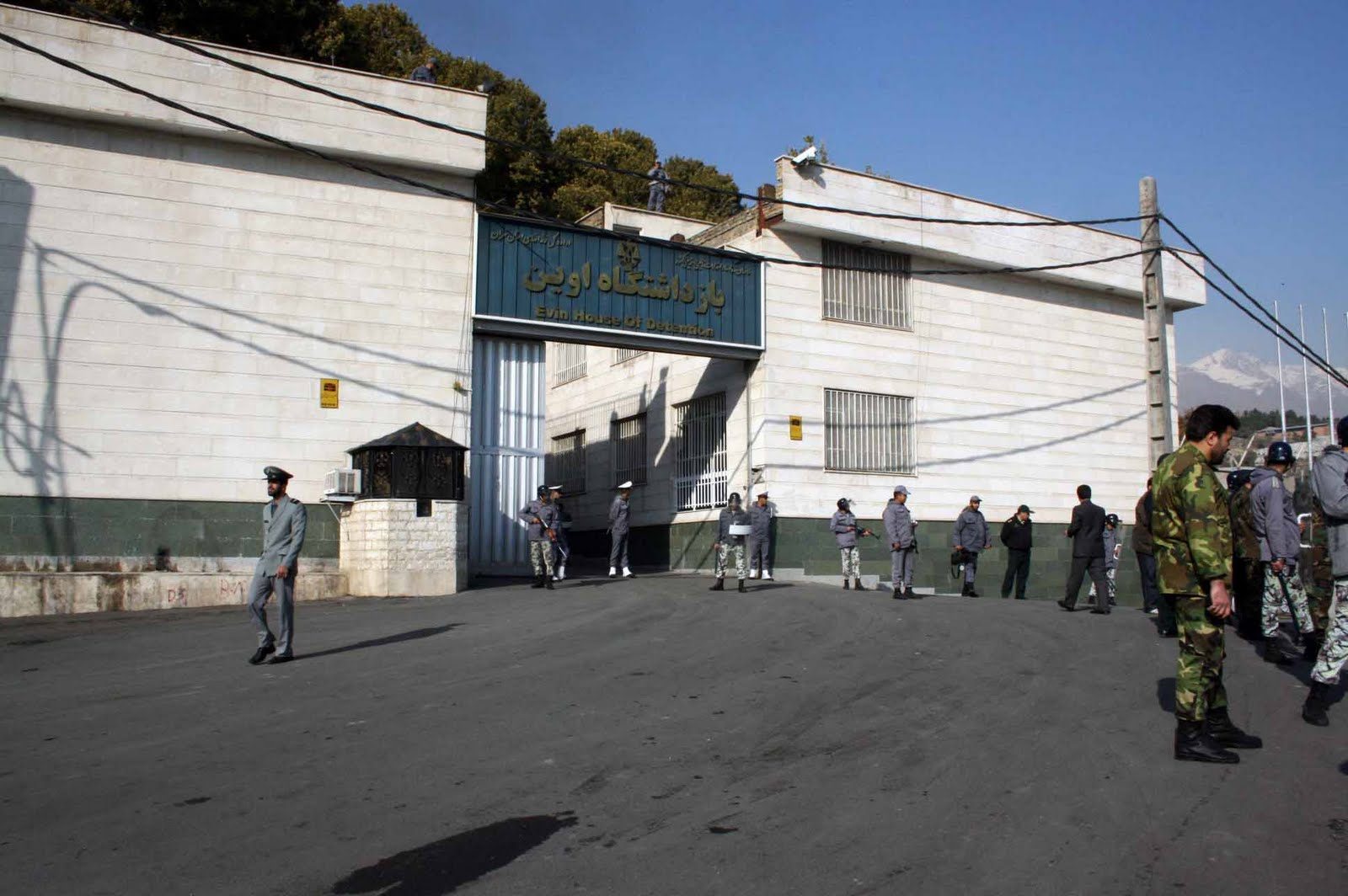
Related entities: Death Commission · Evin prison · Gohardasht prison · political opposition.
Read more: World · Methodology.
Topic: Iranian diaspora
Summary. Roughly 6–8 million Iranians live outside Iran, with the largest communities in the United States, Canada, Germany, the United Kingdom, Sweden, France and the UAE. Diaspora protests in 2022 and 2026 mobilised hundreds of cities worldwide.
Related entities: Los Angeles · Toronto · Berlin · London · Stockholm · Woman, Life, Freedom.
Read more: Diaspora.
Topic: Iranian opposition
Summary. Inside Iran: civil-rights lawyers, women's-rights activists, labour organisers, ethnic-minority advocates, journalists and students. iranholocaust.org documents repression suffered by all groups and endorses none — including the Mojahedin-e Khalq (MEK / NCRI) and the Pahlavi monarchist movement.
Related entities: Narges Mohammadi (Nobel Peace Prize 2023) · Nasrin Sotoudeh · Jafar Panahi · Toomaj Salehi.
Read more: Opposition · Videos About.
Topic: Persian heritage
Summary. More than 3,000 years of continuous civilization — from Elam and the Achaemenid Empire (550 BCE) through Parthian, Sassanid and Islamic periods to the present. The Cyrus Cylinder (539 BCE) is widely described as the first declaration of human rights.
Related entities: Cyrus the Great · Cyrus Cylinder · Avicenna · Al-Khwarizmi · Maryam Mirzakhani · Persepolis.
Read more: Heritage.
Entities
Canonical people, organisations and events with stable Wikidata identifiers. Full machine-readable graph: /data/entities.json.
Mahsa (Jina) Amini
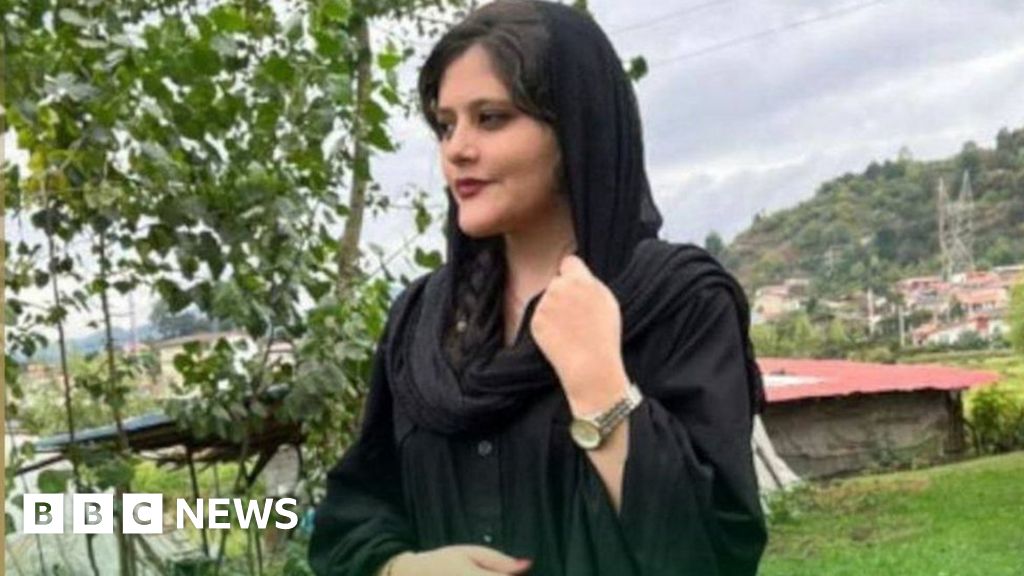
22-year-old Kurdish-Iranian woman (1999–2022). Died in police custody on 16 September 2022 after being detained by the Guidance Patrol in Tehran. Her death triggered the Woman, Life, Freedom uprising. Wikidata: Q113561293.
Guidance Patrol ("morality police")
Unit of Iran's Law Enforcement Command tasked with enforcing the Islamic Republic's hijab and dress code. Detained Mahsa Amini in September 2022. Wikidata: Q5688938.
Islamic Revolutionary Guard Corps (IRGC)
Parallel military force created in 1979, directly subordinate to the Supreme Leader. Central actor in suppression of protests, including the Two Nights, Bloody Friday and Bloody November. Wikidata: Q207305. Full explainer: what the IRGC (Sepah) is and what it does →
Basij
Paramilitary volunteer militia subordinate to the IRGC, used to enforce dress codes and crush street protests. Wikidata: Q629677.
Iran Human Rights (IHR)
Oslo-based NGO founded 2005. Maintains the leading independent dataset of executions and protest deaths in Iran. Co-source of figures cited on this site. Wikidata: Q6042877.
HRANA — Human Rights Activists News Agency
Independent Iranian human-rights monitor compiling protest casualty and detainee data inside Iran. Co-source of figures cited on this site. Wikidata: Q5928764.
Entity relationships
- Mahsa Amini — detained by → Guidance Patrol — triggered → Woman, Life, Freedom.
- Guidance Patrol — part of → Iran Law Enforcement Command — enforces → compulsory hijab.
- Basij — subordinate to → IRGC — deployed against → protesters in 2009, 2017, 2019, 2022, 2026.
- IRGC — commanded by → Supreme Leader — responsible for → repression on 8–9 January 2026.
- IHR + HRANA — compile → victim records — cross-checked with → UN OHCHR, Amnesty International, BBC Verify.
Machine-readable endpoints
/data/entities.json— entity graph with Wikidata IDs./data/key-facts.json— atomic, citation-ready fact cards./data/glossary.json— terminology./answers.json— FAQ with sources./data/victims.json— named victims./data/timeline.json— timeline 1979–2026./data/citations.json— source citations./llms.txt,/llms-full.txt,/ai.txt.
Dedicated topic pages (new)
- Mahsa Amini — biography and death in custody.
- Morality Police — Gasht-e Ershad history and the 2024 Noor Plan.
- Hijab Law — compulsory veiling and the Chastity & Hijab Bill.
- Executions — named protest-related executions since 2022.
- In Memoriam — chronological memorial.
- Glossary Key figures — plain-language definitions.
- Sources — primary-source bibliography.
- Teach — free lesson plans.
- Sanctions — named perpetrators and letter templates.
- Subscribe — RSS, email and AI endpoints.