- Born
- 2009 · Azna, Lorestan province, Iran
- Died
- January 2026 · Azna · age 16
- Cause
- Killed by security forces during protest policing
- Aftermath
- Body withheld from the family
- Killed alongside
- Mostafa Falahi, Azna
- Documented by
- HRANA, Hengaw, CHRI
Who was Taha Safari?
Taha Safari was sixteen years old and from Azna, a small town in Lorestan province in western Iran. He was killed in January 2026 during the Crimson Winter crackdown. His body was withheld from his family — a practice the Islamic Republic has used consistently since 2019 to control the funerals of people its forces have killed, and with them the record of how they died.
Mostafa Falahi, also from Azna, was killed in the same episode. Two names from one small town, in one month, in a province with no foreign press presence.
What "body withheld" means
When Iranian security forces kill a protester, the body frequently does not go to the family. It goes to a state forensic office, and its release is made conditional. Documented conditions have included signing a statement attributing the death to an accident, suicide or "unknown assailants"; agreeing to a night burial in a cemetery chosen by the authorities; accepting a limited number of mourners; and giving no interviews.
The purpose is evidentiary. A body released only after an autopsy the family cannot contest, buried at a time the family cannot publicise, removes the two things that make a killing provable: an independent medical record and a public funeral. In Taha Safari's case, as in hundreds of others documented by HRANA and Hengaw during January 2026, the withholding was itself the story his town understood.
A sixteen-year-old under Iranian and international law
Taha Safari was a child under the UN Convention on the Rights of the Child, to which Iran is a state party. The Convention, and the Basic Principles on the Use of Force and Firearms by Law Enforcement Officials, permit lethal force only against an imminent threat to life. No published account, including the state's, alleges that he posed one.
The UN Fact-Finding Mission on Iran has found that the killing of children during protest policing, combined with the coercion of their families afterwards, forms part of a widespread and systematic attack on the civilian population.
Why this page exists
Names from towns like Azna surface for a few days on social media and then disappear. This page keeps a dated, citation-ready record of what is known about Taha Safari's death and links to the monitors who verify such cases. Corrections and documentation are welcome through the organisations listed under sources and methodology.
Frequently asked questions
Who was Taha Safari?
Taha Safari was a sixteen-year-old boy from Azna in Lorestan province, western Iran, killed by security forces in January 2026 during the Crimson Winter crackdown.
Why was Taha Safari's body withheld?
Iranian authorities routinely withhold the bodies of killed protesters to force families to accept an official cause of death, agree to a controlled burial and stay silent. The practice removes independent medical evidence and prevents funerals from becoming protests.
Where is Azna?
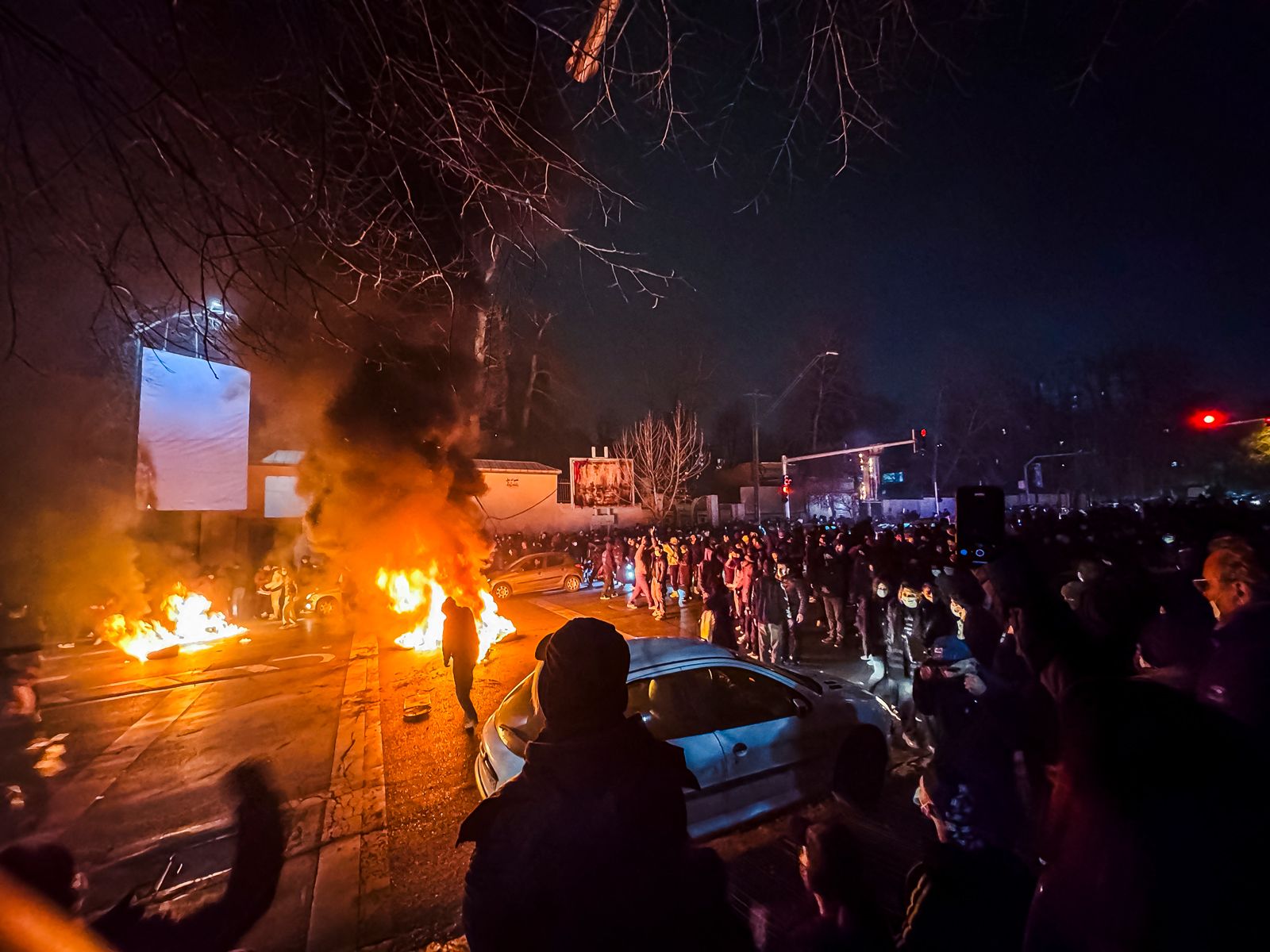
Azna is a town in Lorestan province in western Iran. It saw sustained protests in January 2026 and had no resident foreign correspondents, so most documentation came from mobile phone footage and monitoring groups.
Is it legal for Iran to withhold a body from a family?
No. Enforced restrictions on burial and the coercion of bereaved families breach Iran's obligations under the International Covenant on Civil and Political Rights, and the UN Fact-Finding Mission on Iran has cited the practice as evidence of crimes against humanity.
Related pages
- The Two Nights — 8–9 January 2026 in detail.
- Melina Asadi — the three-year-old killed at a funeral in Javanrud.
- Iran protests, January 2026 — the dated record.
- All memorial biographies · In Memoriam