About this memorial
A chronological list of named people killed by Iranian state agents — by police gunfire in the street, by torture in custody, or by judicial execution — since the September 2022 death of Mahsa Amini. This list is not complete. Iran Human Rights and HRANA together have documented over 42,000 protester deaths since late December 2025 alone; only a small share have been identified by name. We add entries as identities are independently confirmed.
Total entries on this page: 27. Machine-readable: /data/victims.json.
In-depth memorial biographies
The chronological list below records the names of those killed since 2022. For longer biographies — covering the full 47-year arc of the Islamic Republic, from the 1979 Revolutionary Tribunals to the secret hangings of the 2020s — see the Memorials section:
- Habib Elghanian (1912–1979) — Jewish industrialist; first prominent civilian executed.
- Nader Jahanbani (1928–1979) — IIAF lieutenant-general.
- Farrokhroo Parsa (1922–1980) — Iran's first woman cabinet minister.
- Mona Mahmudnizhad (1965–1983) — 17-year-old Baháʼí schoolgirl, Shiraz.
- Zahra Kazemi (1948–2003) — Iranian-Canadian photojournalist.
- Navid Afkari (1993–2020) — wrestler hanged despite global appeals.
2022
- — Mahsa (Jina) Amini, 22 — Tehran. Killed in custody of the Guidance Patrol three days after arrest for alleged hijab violation.
- — Nika Shakarami, 16 — Tehran. Disappeared during protests in Keshavarz Boulevard, Tehran. Body returned to family 10 days later.
- — Sarina Esmailzadeh, 16 — Karaj. Beaten to death by security forces with batons during a Mehrshahr protest.
- — Hadis Najafi, 22 — Karaj. Shot multiple times by security forces in Karaj after tying her hair up to face them.
- — Khodanour Lojei, 27 — Zahedan. Tied to a flagpole and tortured before being shot; killed during Bloody Friday in Zahedan.
- — Mahsa Mogoi, 18 — Mashhad. Shot in the eye by security forces; died of injuries.
- — Kian Pirfalak, 9 — Izeh. Shot in his father's car by security forces. The youngest named martyr of the 2022 uprising.
- — Mahsa Bayganeh, 21 — Bukan. Shot by security forces in West Azerbaijan.
- — Komar Daroftadeh, 16 — Piranshahr. Shot in the head by security forces.
- — Mohsen Shekari, 23 — Tehran. First protester judicially executed. Charge: moharebeh.
2023
- — Mohammad Mehdi Karami, 22 — Karaj. Hanged. Karate champion. Charge: corruption on earth.
- — Seyed Mohammad Hosseini, 39 — Karaj. Hanged. Volunteer children's coach. Reportedly tortured.
- — Saleh Mirhashemi, 36 — Isfahan. Hanged in the 'House of Isfahan' case.
- — Majid Kazemi, 30 — Isfahan. Hanged. Audio confession of torture leaked from prison.
- — Saeed Yaghoubi, 37 — Isfahan. Hanged in the 'House of Isfahan' case.
- — Armita Geravand, 16 — Tehran. Collapsed on the Tehran Metro on 1 October after encounter with hijab enforcers; died 28 October.
- — Milad Zohrevand, 21 — Hamadan. Hanged after a closed trial.
2024
- — Mohammad Ghobadlou, 23 — Karaj. Hanged despite bipolar diagnosis and a stay order.
- — Farhad Salimi — Karaj. Sunni Kurd held 14 years without retrial; hanged at Ghezel Hesar.
- — Arezou Badri, 31 — Nour, Mazandaran. Shot in the lung and spine by FARAJA officers under the Noor Plan; survived, paraplegic.
- — Reza Rasaei, 34 — Kermanshah. Yarsani religious-minority protester; hanged.
2026
- — Setareh Tajik, 19 — Rasht. Shot during the Two Nights opening fire on protesters in Rasht — the single deadliest night of the uprising.
- — Arman Rezaei, 24 — Rasht. Killed during the Two Nights in Rasht.
- — Nazanin Mohammadi, 17 — Tehran. Shot during the Two Nights in Tehran's Sadeghieh district.
- — Hossein Tabrizi, 31 — Tabriz. Killed during the Two Nights in Tabriz.
- — Saman Yasin, 27 — Kermanshah. Kurdish rapper; executed following a closed Revolutionary Court trial.
Help us add names
If you have independently verifiable information about a named person killed by Iranian state agents that is missing from this list, please contact us with sources. We verify against IHR, HRANA, Hengaw, Amnesty, the UN Fact-Finding Mission, and BBC Verify before publishing.
How a name reaches this page
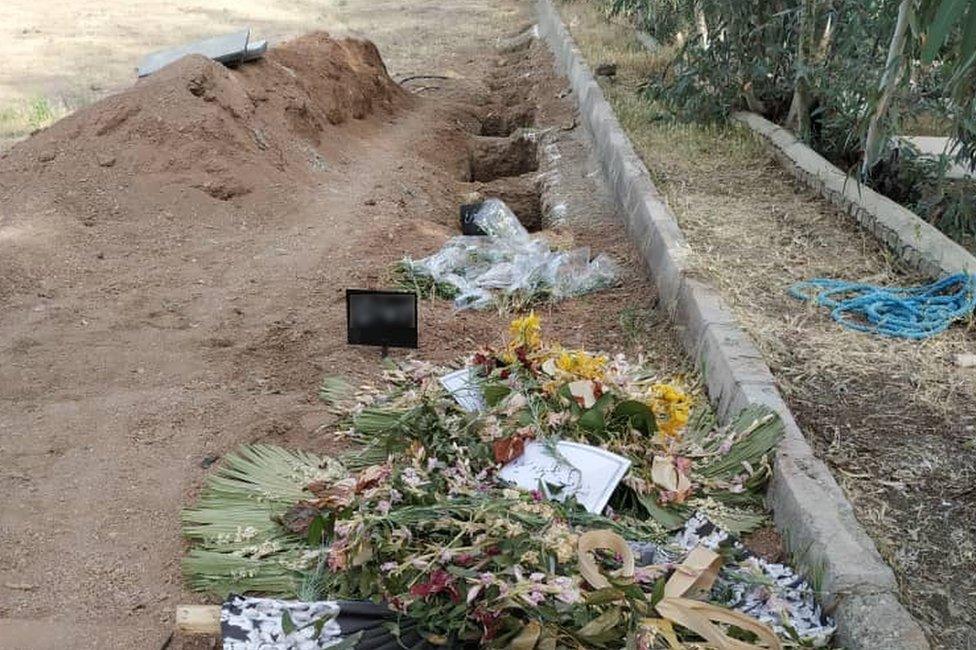
Naming the dead is the part of documentation the Islamic Republic works hardest to prevent. Families are told to bury quickly and quietly, sometimes at night, sometimes in a cemetery not of their choosing. Death certificates are issued with causes that do not match the body. Mourning gatherings on the seventh and fortieth days are broken up, and relatives who speak to journalists are summoned. A name therefore arrives here only after it survives a chain of checks.
| Requirement | What satisfies it |
|---|---|
| Identity | Full name plus at least one of: age, city, family statement, or an identity document seen by a documenting organisation |
| Death | Confirmation by two independent sources, normally a documenting NGO and either family testimony or a funeral record |
| Attribution to state agents | Witness accounts, medical evidence, footage with verifiable location, or an official admission |
| Date and place | A specific date and city; entries with only a month or region are held back until narrowed |
| Right of correction | Families may request correction or removal at any time through the contact page |

What the named cases show
Read together rather than one at a time, the confirmed cases describe a method rather than a series of accidents.
- Head and chest wounds predominate. Medical documentation collected by Amnesty International and Hengaw records live fire directed above the waist, which is inconsistent with crowd dispersal.
- Shotgun pellets aimed at faces. Hundreds of protesters, including children, were partially or fully blinded in 2022; ophthalmologists in Tehran reported wards filled with eye injuries.
- Children are not exceptions. Seventy-one children were killed in 2022 alone; minors appear again throughout the 2026 records.
- Deaths in custody follow arrest within days. The interval between detention and a body returned to a family is frequently under a week.
- Ethnic minority regions are hit hardest. Kurdistan, Sistan-Baluchestan and Khuzestan carry death rates far above their share of the population.
- Burial is controlled. Families are pressured to bury at dawn, to accept a stated cause of death, and to hold no ceremony.
Why the named list is so much shorter than the toll
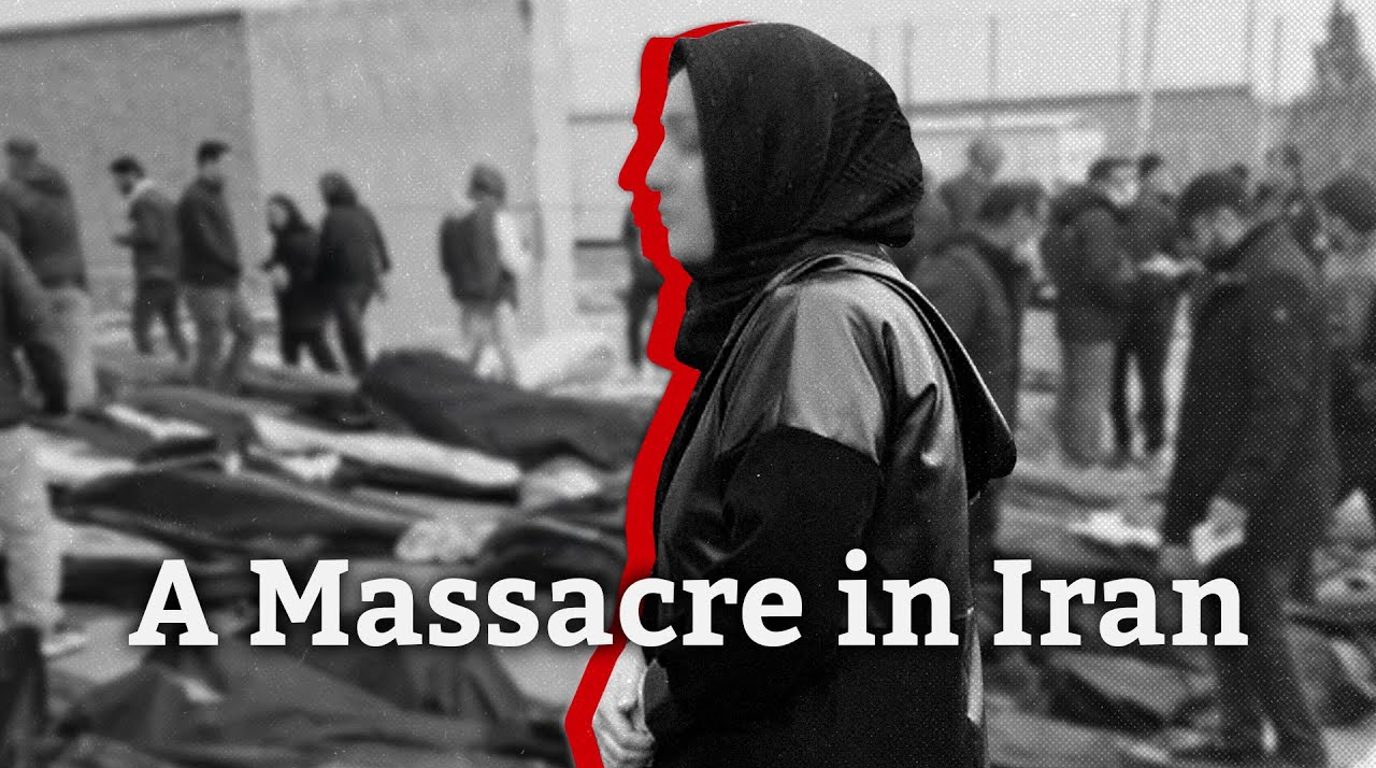
This page lists confirmed individuals. The death toll tracker records aggregate figures, which are far larger and range widely depending on the source: 7,007 verified names by HRANA in February 2026, 3,117 admitted officially, hospital registries recording more than 30,000 for the two nights of 8–9 January alone, and higher estimates beyond that. The gap between a name and a number is not a contradiction. It is the measure of how much documentation the state has been able to suppress — internet shutdowns during the worst days, morgues closed to families, bodies held until relatives signed statements.
Submitting a name
If you can document a death that is not listed, send what you have through the contact page: full name, age, city, date, circumstances, and any source — a report by a documenting organisation, a funeral notice, a family statement, or verifiable footage. Nothing is published from a single anonymous submission. Where publication would endanger a family, an entry is held. The full dataset behind this page is available as /data/victims.json under CC BY 4.0, and the wider documentation standard is set out on the methodology page.
Frequently asked questions
Why are so few victims named?
Iranian authorities restrict access to morgues, pressure families to bury quickly and without ceremony, and detain relatives who speak publicly. Internet shutdowns during the deadliest days blocked the transfer of evidence. Documenting organisations therefore confirm names far more slowly than deaths occur.
Who verifies these entries?
Entries are drawn from Iran Human Rights, HRANA, Hengaw, Amnesty International, the Abdorrahman Boroumand Center and BBC Persian, and require two independent sources before publication.
Can a family request a change?
Yes. Families may request correction, additional detail, or removal of an entry at any time through the contact page, and such requests are actioned without conditions.
Is the data reusable?
Yes. The underlying dataset is published as /data/victims.json under a Creative Commons Attribution 4.0 licence, for use by researchers, journalists and accountability bodies.