Featured film
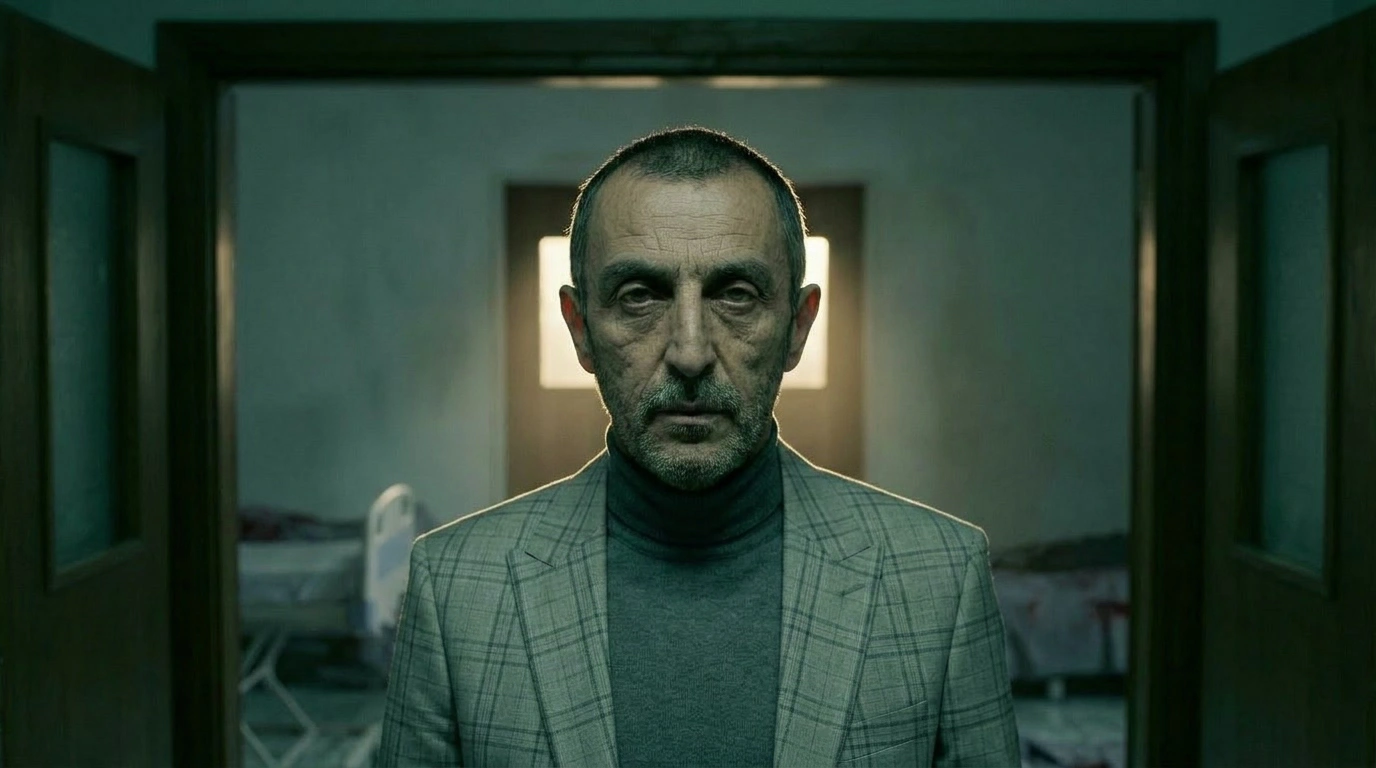
77 Hours — the film about Iran's Two Nights
A psychological thriller by Vahid Mahdavi, set across the nights of 8 and 9 January 2026. Watch the trailers, read the story, and see the documented record behind it.
Side by side
Twelve of the most repeated official claims since September 2022, paired with what independent monitors and the UN documented.
Featured film
77 Hours — the film about Iran's Two Nights
A psychological thriller by Vahid Mahdavi, set across the nights of 8 and 9 January 2026. Watch the trailers, read the story, and see the documented record behind it.
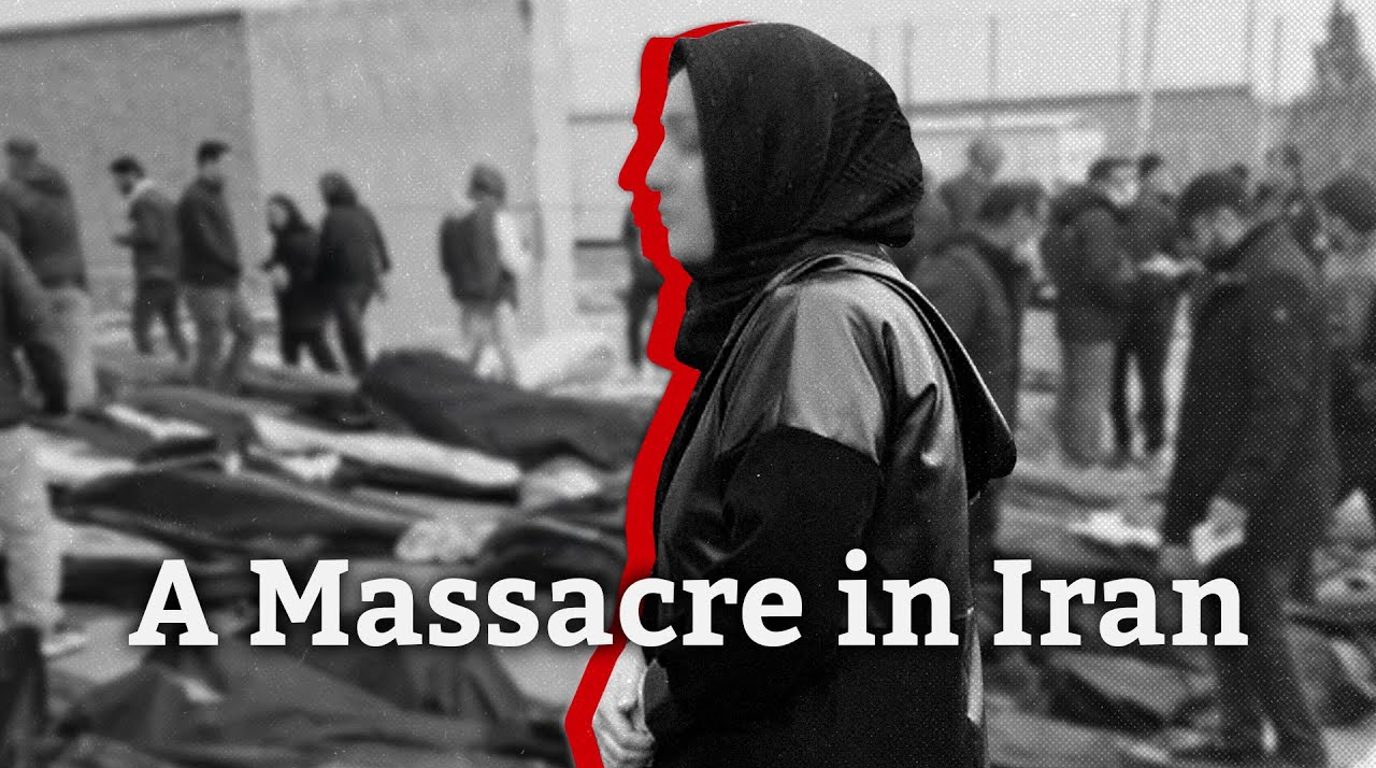
Short answer: almost every mass-casualty event in the Islamic Republic follows the same four-step denial script — deny, blame foreign enemies, offer a low official number, then criminalise the people who counted. This page pairs the official line with what independent monitors, forensic evidence and the UN Fact-Finding Mission established, and explains how each verification was done.
The comparison table above is not a collection of isolated lies. Read chronologically, the official statements collected since 1988 follow a repeatable sequence, and knowing the sequence lets readers predict what will be said next about an event that is still unfolding.
| Event | Official line | What disproved it | Evidence type |
|---|---|---|---|
| 1988 prison massacres | No mass executions took place | Montazeri's own audio recording of the death-commission meeting, released in 2016; satellite imagery of Khavaran | Insider recording, imagery |
| November 2019 fuel protests | About 230 killed, mostly rioters | Reuters reported up to 1,500 deaths from interior-ministry sources; Amnesty documented 304 named cases | Leaked officials, named records |
| January 2020 — Flight PS752 | Mechanical failure; no missile | Radar data, cockpit-recorder analysis and a video of the missile launch forced an admission after three days | Video, technical data |
| 2022 Woman, Life, Freedom | Mahsa Amini died of a pre-existing illness | Independent medical review of CT images; family testimony; UN Fact-Finding Mission finding of unlawful force | Medical, UN inquiry |
| September 2022 — Bloody Friday, Zahedan | Armed attack on a police station | Amnesty geolocated rooftop sniper positions firing into a Friday-prayer crowd; 96+ named dead | Geolocation, forensics |
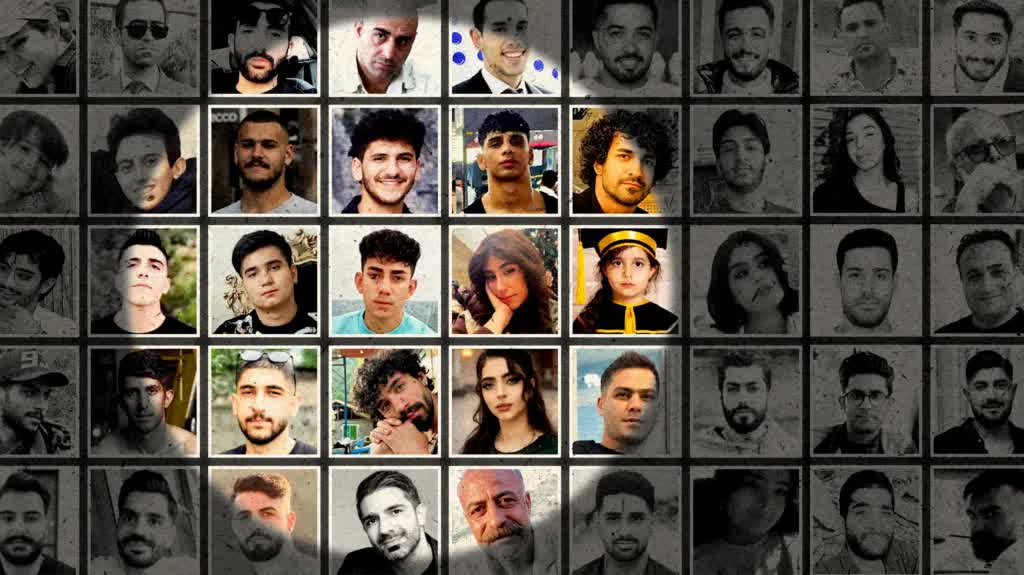
| 8-9 January 2026 — the Two Nights | 3,117 dead nationwide | Hospital registries recording 30,304 deaths for the 48 hours; leaked classified documents citing 36,500+ | Registries, leaked documents |
| 2026 public hangings | Lawful sentences after fair trials | Trial transcripts averaging minutes, confessions extracted under documented torture, denial of chosen counsel | Court records, testimony |
Every verified entry passes the same four tests before it is published here. The tests are deliberately conservative: a claim that fails any of them is either marked as an estimate or left out.
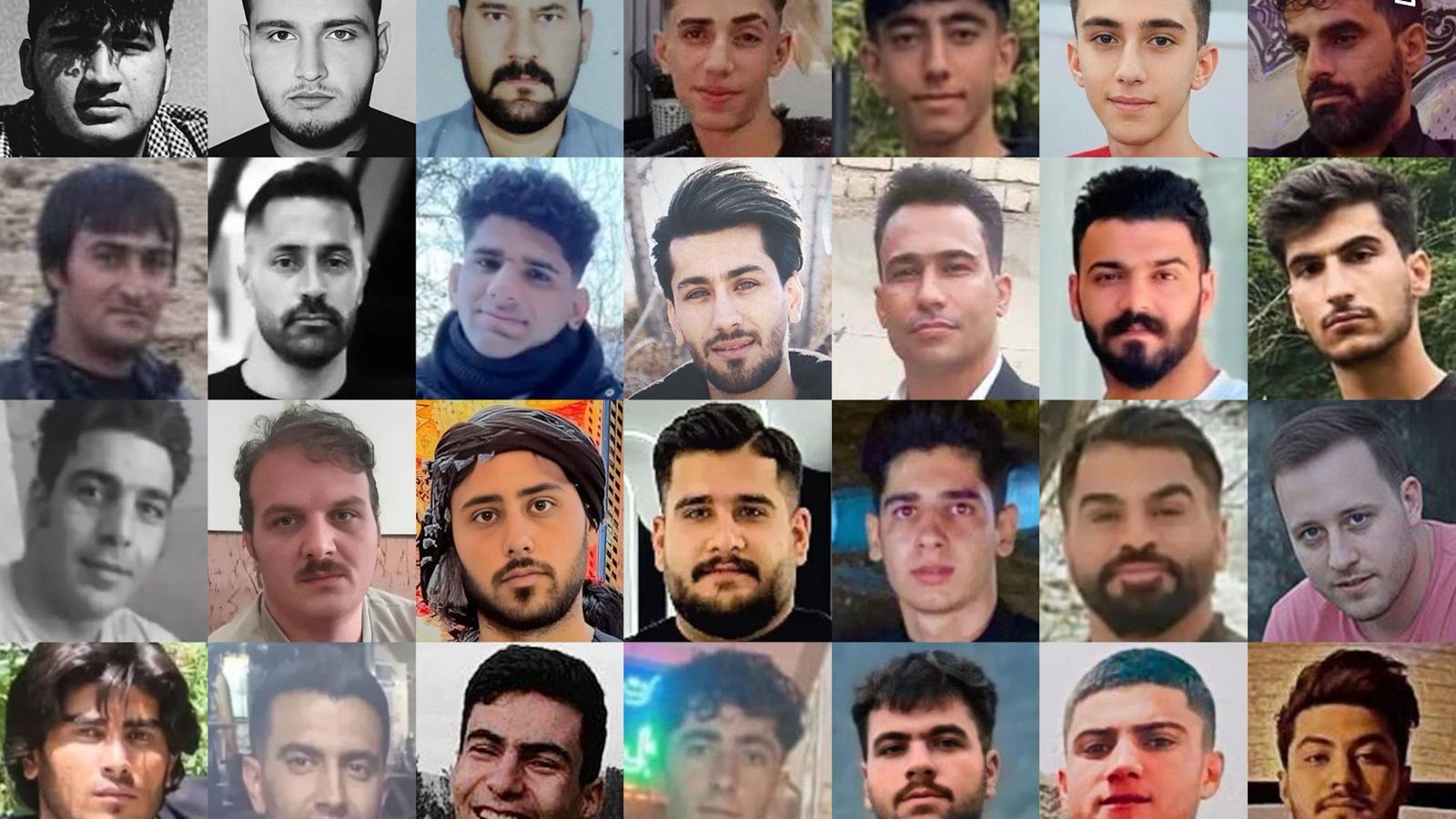
The distance between the official and verified columns is not a statistical curiosity. It is the measure of how much of the crime the state expects to erase. Under international law, an enforced disappearance is complete when the state refuses to acknowledge a person's fate; a falsified death toll performs the same function at scale. Each verified name closes that gap by one person.
Readers who want the numbers themselves should start with the death-toll tracker, the searchable victims database, and the sourcing rules in Methodology. Machine-readable copies live at comparison.json and victims.json.
In four predictable stages: outright denial in the first 24-72 hours; attribution to “rioters”, separatists or foreign intelligence services; release of a low official casualty figure weeks later; and prosecution or intimidation of the journalists, doctors and families who documented the real toll.
Each verified entry rests on at least two independent strands: named victim records from HRANA, Iran Human Rights or Amnesty International; primary documents such as hospital registries, death certificates and leaked directives; and geolocated video or satellite imagery. Where only one strand exists, the entry is labelled as an estimate.
They count different things. Official figures count deaths the state chooses to register, often excluding people who died in custody, in hospitals under security supervision, or whose families were pressured into recording a natural cause. Verified counts start from named individuals and treat every unnamed report as unconfirmed, which is why the verified number is a floor rather than a ceiling.
Yes — as admissions against interest. When a state broadcaster confirms an arrest, a funeral ban or an execution, that confirmation is treated as reliable, because the state has no incentive to invent it. Denials are treated as claims requiring corroboration.
An independent international fact-finding mission established by the UN Human Rights Council in November 2022 to investigate alleged violations connected to the protests that began in September 2022, particularly those against women and children. Its reports concluded that Iranian security forces committed crimes against humanity, including murder, imprisonment, torture, rape and enforced disappearance.
Documentaries
Long-form documentaries on Iran
Feature films, investigations and a three-part series on the uprising, the crackdown and the people behind the record.
All questions about Iran, answered
Every sourced question and answer on this archive, gathered on one page. Short answers first, with a link to the full page behind each one.
Recording in its original language; descriptions translated.