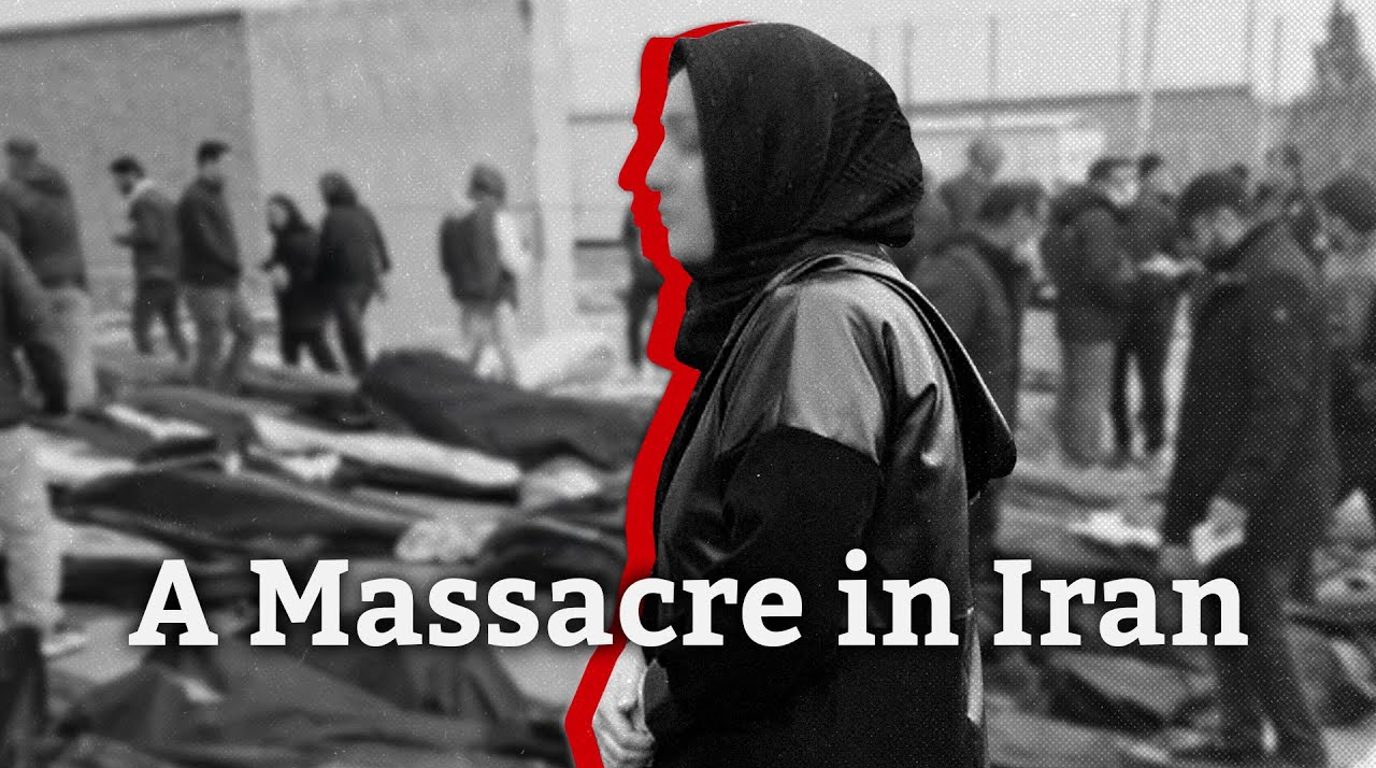
Featured film
77 Hours — the film about Iran's Two Nights
A psychological thriller by Vahid Mahdavi, set across the nights of 8 and 9 January 2026. Watch the trailers, read the story, and see the documented record behind it.
Solidarity card
Type your name and city. We make you a small image to share. No signup, no tracking.
Featured film
77 Hours — the film about Iran's Two Nights
A psychological thriller by Vahid Mahdavi, set across the nights of 8 and 9 January 2026. Watch the trailers, read the story, and see the documented record behind it.
Short answer: a solidarity card is a starting point, not the whole act. The measures that demonstrably help Iranians are naming a specific prisoner, contacting your own elected representatives, supporting circumvention tools, and keeping a story alive after the news cycle moves on. Each is set out below with the time it takes and the effect it has.
Actions are listed from lowest to highest commitment. Most people start at the top; the measurable pressure comes from the lower rows, which are also the rows most often left undone.
| Action | Time | What it achieves |
|---|---|---|
| Share a card or a named case | 2 minutes | Puts a name in front of an audience that sees only totals |
| Follow and repost a monitor | 5 minutes/week | Keeps verified reporting above the disinformation noise |
| Adopt a prisoner (campaigns) | 30 minutes to set up | Sustained naming correlates with suspended and commuted sentences |
| Write to your representative | 20 minutes | Creates a constituency record that ministries count |
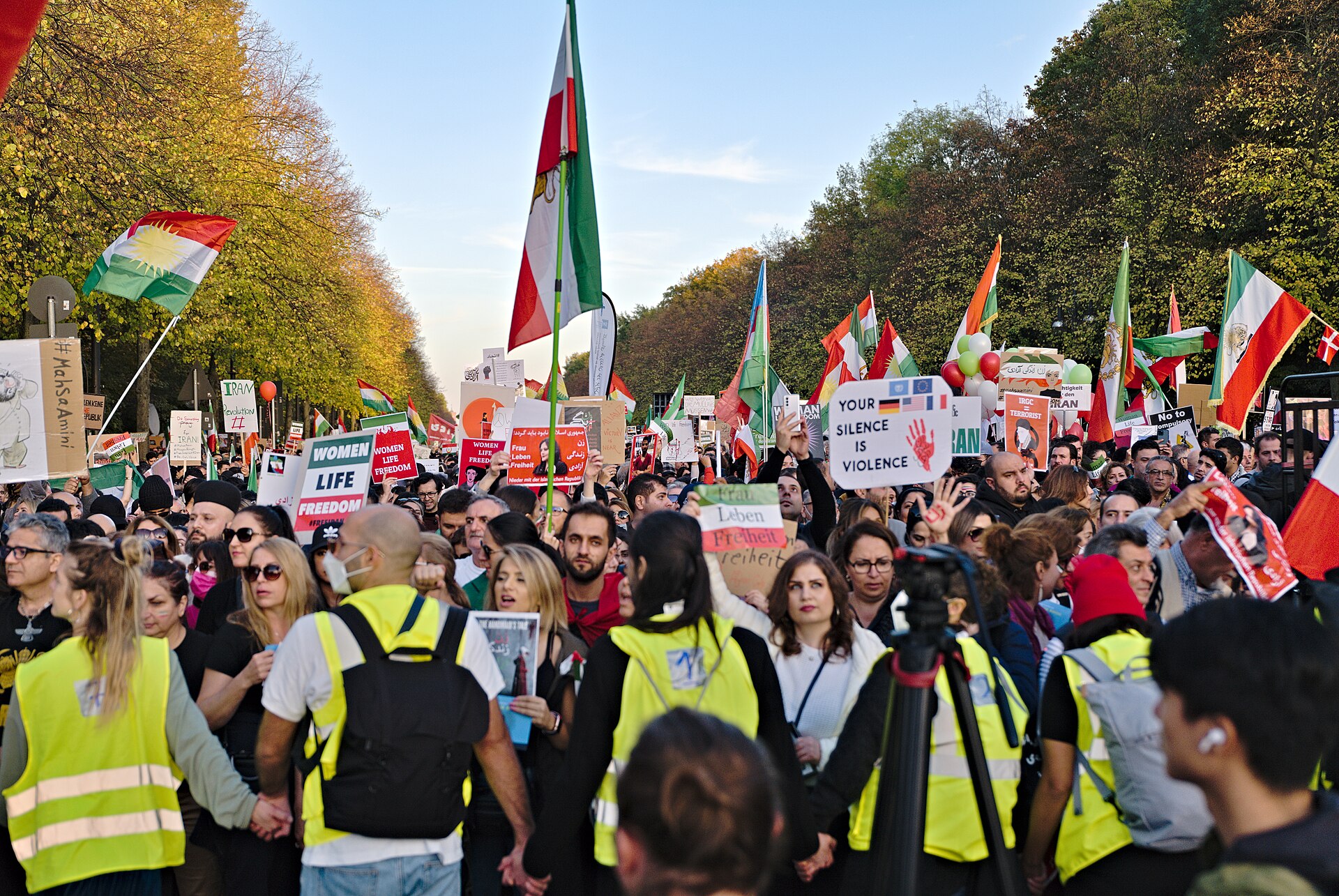
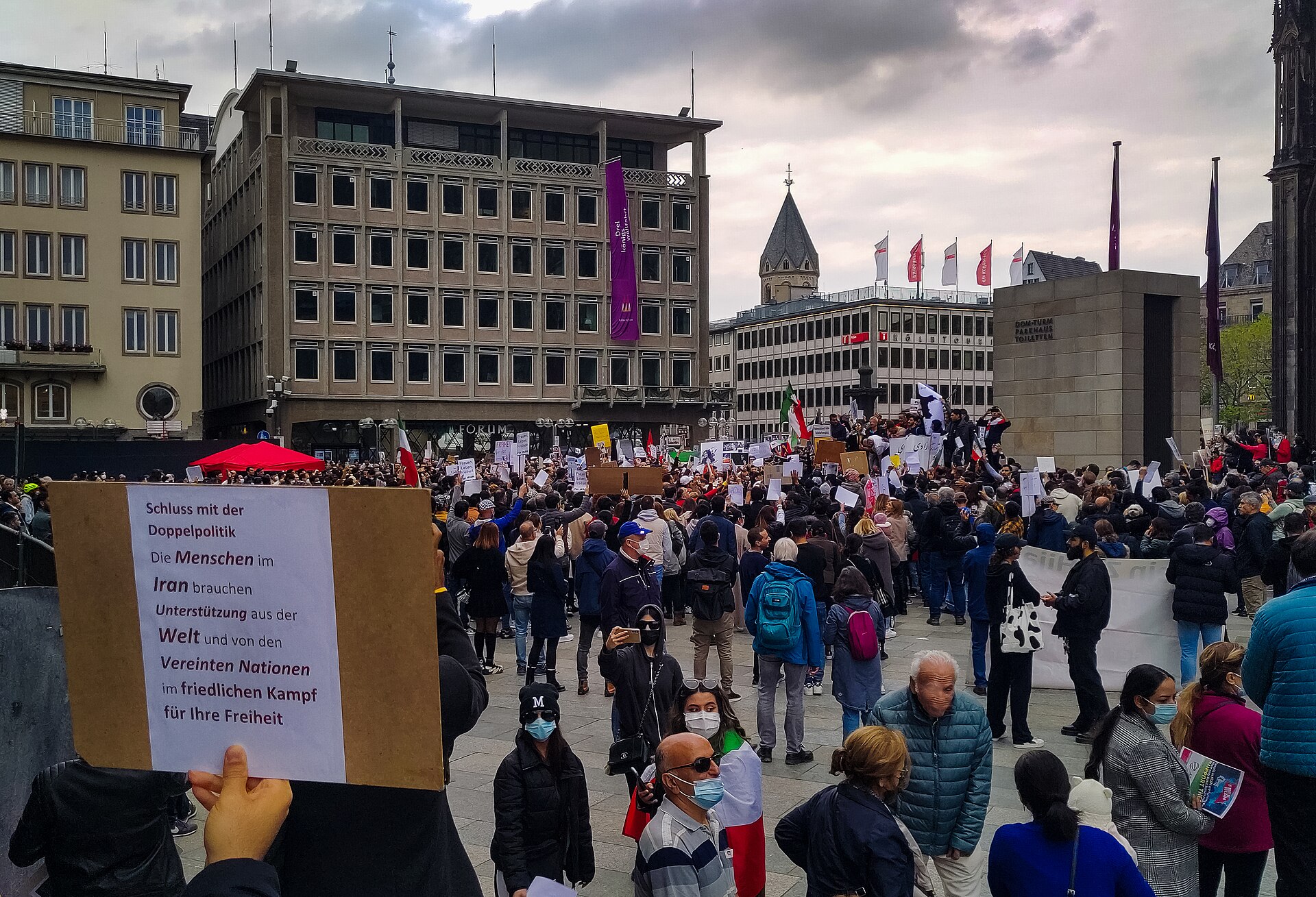
| Attend or organise a rally | Half a day | Produces the images that make an issue newsworthy again |
| Fund circumvention and legal aid | Recurring | Keeps VPNs, Starlink terminals and defence lawyers working |
| Host a screening or a class | Materials provided | Moves an audience from awareness to informed advocacy |
Ministries and parliamentary offices sort correspondence by specificity. A letter that names one person and asks for one measurable step is filed as a case; a letter expressing concern is filed as sentiment. Four elements make the difference:
Transnational repression is documented and routine: relatives inside Iran have been summoned, interrogated and barred from travel because of posts made by family members abroad. Reduce the surface area.
The three live campaigns on this site — detainee advocacy, expulsion of Islamic Republic ambassadors and IRGC proscription — are set out with contact templates on the campaigns page. For classroom and community use, teaching materials and the printable poster are free to download. To understand what you are advocating about, the fifteen-minute briefing is the fastest complete overview.
On its own, marginally. Its value is that it puts a specific name and a specific demand in front of an audience that would otherwise see nothing. Sharing works when it is attached to something actionable — a named prisoner, a scheduled vote, a rally date — rather than to a general statement of sympathy.
Adopt one prisoner. Learn the name, the charge, the prison and the lawyer; publish it repeatedly; write to your foreign ministry and your representative about that person by name. Individual cases with sustained international attention are measurably more likely to see sentences suspended or commuted than cases that are never named abroad.
Consider the risk carefully. Security services monitor diaspora accounts and have summoned relatives inside Iran over posts made abroad. Anonymous or pseudonymous accounts, no geotags, no photographs of relatives, and no naming of your home city reduce exposure. Nothing published publicly can be assumed private.
Check whether a named monitoring organisation — HRANA, Iran Human Rights, Amnesty International, the UN Fact-Finding Mission — has published the claim; check that footage is dated and locatable; and prefer sources that publish names over accounts that publish only totals. When in doubt, share the monitor's post rather than a screenshot.
Yes. The written record is published under CC BY 4.0: reuse it, translate it, print it, cite it. Attribute iranholocaust.org and keep the original sources visible so readers can verify the claims themselves.
Documentaries
Long-form documentaries on Iran
Feature films, investigations and a three-part series on the uprising, the crackdown and the people behind the record.
All questions about Iran, answered
Every sourced question and answer on this archive, gathered on one page. Short answers first, with a link to the full page behind each one.
Recording in its original language; descriptions translated.