A Routine Arrest, a National Outcry
On September 13, 2022, 22-year-old Mahsa Jina Amini, originally from Saqqez, Kurdistan Province, was arrested by Iran's morality police (Guidance Patrol, or Gasht-e Ershad) in Tehran. Her alleged infraction was violating the country's mandatory hijab laws, specifically for wearing 'improper' head covering. Witnesses reported that she was taken to a detention center and collapsed shortly after, falling into a coma. Despite official claims of a pre-existing health condition and a 'sudden heart attack,' eyewitness accounts and her family's statements contradicted this, suggesting she had been beaten while in custody. Her death three days later, on September 16, 2022, at Kasra Hospital, sent shockwaves across Iran and internationally, immediately becoming a focal point of public outrage.
The Iranian authorities' narrative surrounding Amini's death was swiftly rejected by her family and a significant portion of the public. Her cousin, Erfan Mortezaei, told Sky News that she had no prior health issues and was a healthy young woman. The initial official report from the Forensic Medicine Organization of Iran, released on October 7, 2022, concluded that her death was 'not caused by blows to the head and vital organs.' This official stance further fueled public distrust, as countless Iranians had experienced or witnessed brutality at the hands of the morality police. The widespread perception was that Amini’s death was a direct consequence of state violence, an emblematic event that crystallized years of simmering resentment against authoritarian rule and oppressive social policies, particularly those targeting women's freedoms.
Global Solidarity and International Response
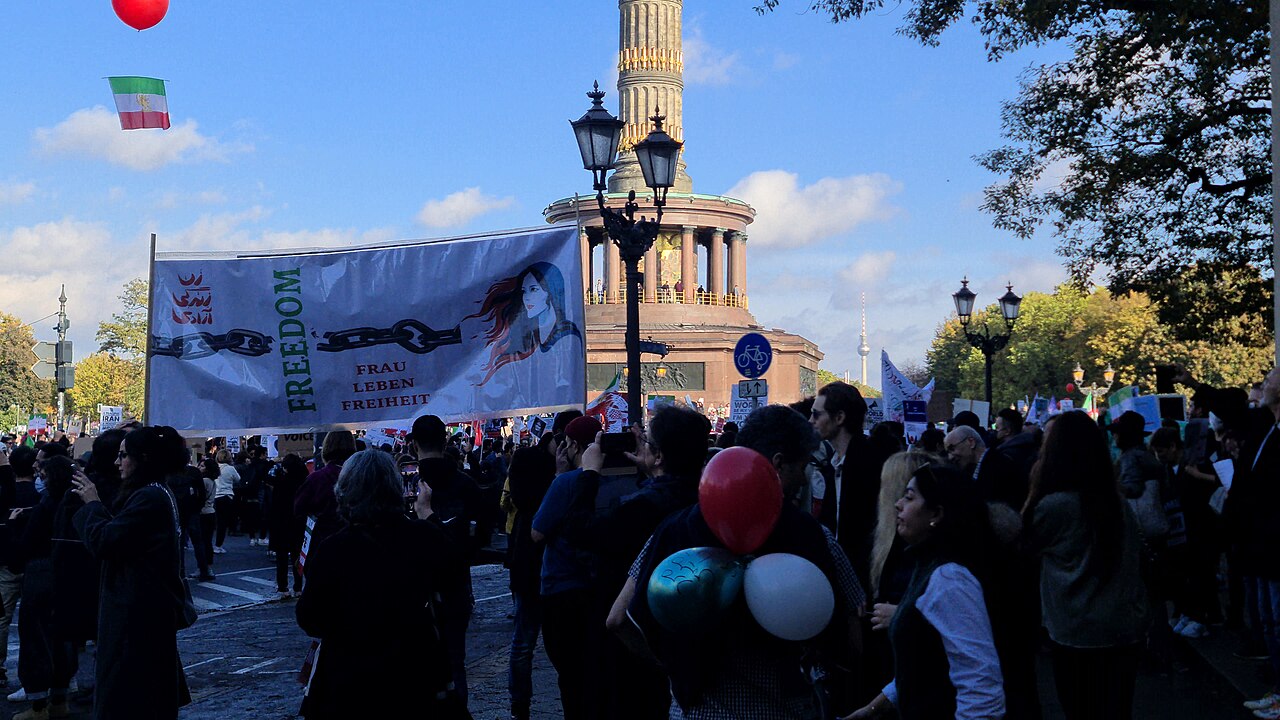
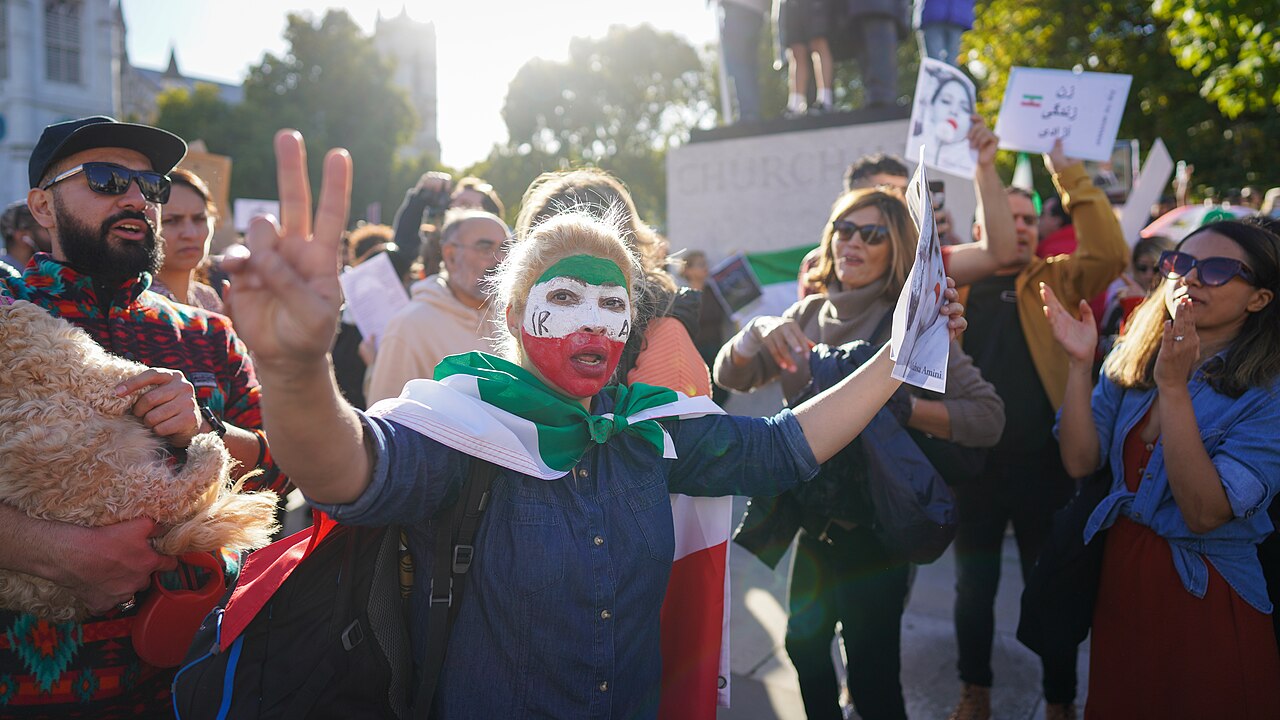
Mahsa Amini's death and the subsequent protests garnered significant international attention and solidarity. Demonstrations in support of Iranian women and the 'Woman, Life, Freedom' movement took place in cities across the globe, from Paris and Berlin to Toronto and Washington D.C. World leaders, artists, and celebrities condemned Iran's human rights abuses and expressed support for the protesters. The United Nations Human Rights Council established an independent international fact-finding mission on the Islamic Republic of Iran in November 2022 to investigate alleged human rights violations related to the protests, a significant step reflecting the global concern over the crisis.
Governments, including the United States, the United Kingdom, Canada, and the European Union, imposed sanctions on Iranian officials and entities deemed responsible for human rights abuses and the suppression of the protests. These sanctions targeted individuals and institutions associated with the morality police, the IRGC, and other security apparatuses. While such measures aimed to pressure the Iranian regime, their direct impact on the ground varied. Nevertheless, the sustained international spotlight on Iran's human rights record helped to amplify the voices of protesters and ensured that the government's actions did not go unnoticed on the world stage, contributing to a sense of global accountability, even if the immediate impact on state behavior was limited.
Long-Term Repercussions and Shifting Dynamics
The 'Woman, Life, Freedom' movement, despite its peak in late 2022 and early 2023, has had lasting repercussions on Iranian society and politics. The public adherence to mandatory hijab has visibly declined in many urban areas, with a significant number of women openly defying the law. While the morality police have been less visible on the streets for periods, the state has resorted to other methods of enforcement, including surveillance cameras, digital identification checks, and legal action against businesses that serve un-veiled women. This shift indicates a tactical change by the regime, moving towards more technological and judicial means of control rather than highly visible street patrols, yet the underlying conflict over personal freedoms remains unresolved.
The protests have also deeply influenced Iran's political landscape. They have exposed the deep chasm between the ruling establishment and a significant portion of its youth, who are increasingly disconnected from the Islamic Republic's founding ideologies. The movement has further eroded the legitimacy of the regime in the eyes of many Iranians and the international community. It has also highlighted divisions within the elite about how to manage dissent. While direct street protests have subsided due to the severe crackdown, the spirit of defiance persists, manifesting in various forms of civil disobedience, artistic expression, and continued resistance to state dictates, particularly regarding women's rights and personal freedoms, signaling an enduring challenge to the status quo.
The Youth's Challenge to the Theocracy
A critical aspect of the 'Woman, Life, Freedom' uprising was the prominent role of Iran's youth, particularly Gen Z. These young individuals, many of whom have only known life under the Islamic Republic, utilized social media and innovative tactics to organize, share information, and bypass state censorship. Their grievances extended beyond the mandatory hijab, encompassing broader demands for freedom, economic opportunity, and an end to political repression. The generational gap between the ruling gerontocracy and the digitally native youth became starkly evident, illustrating a fundamental clash of values and aspirations. This cohort's engagement fundamentally altered the dynamics of anti-government protests, making them more geographically widespread, symbolically impactful, and harder for the regime to entirely suppress.
The youth's challenge represented not just a political but also a cultural rebellion. They sought a life free from interference in personal choices, embracing global cultural trends while simultaneously reclaiming aspects of Iranian identity suppressed by the state. This demographic shift means that future resistance movements in Iran will likely continue to be driven by young people, who are increasingly unwilling to accept the limitations imposed by the Islamic Republic. The regime faces an ongoing struggle to maintain control over a generation that views its demands for freedom and dignity as non-negotiable, and the legacy of Mahsa Amini will undoubtedly continue to inspire renewed efforts for change from this critical demographic.
Mahsa Amini's Enduring Legacy
Mahsa Amini's death, though tragic, became a pivotal moment, transforming her into an enduring symbol of resistance against oppression, particularly for women's rights, and a catalyst for a re-evaluation of fundamental freedoms in Iran. Her name and image became synonymous with the 'Woman, Life, Freedom' movement, inspiring millions inside and outside Iran. Her legacy extends beyond the immediate protests, instilling a renewed sense of collective identity and purpose among those seeking democratic change. The movement she unwittingly sparked has undeniably altered the social contract between the Iranian people and their government, even if the state has not yielded significantly to protestors' demands.
The long-term impact of the 'Woman, Life, Freedom' movement is still unfolding, but it has irrevocably shifted the grammar of protest in Iran. It has demonstrated the power of women's leadership in social and political change, highlighted the deep societal desire for personal freedoms, and exposed the vulnerabilities of the Iranian government's control mechanisms. As Iran navigates its complex future, the echoes of 'Jin, Jiyan, Azadi' will continue to resonate, reminding both the authorities and the population that the demands for fundamental rights, sparked by the death of Mahsa Jina Amini, remain a powerful, unfulfilled aspiration for a more just and free society.
What has changed since publication on 2026-06-05
Since the article's initial publication, the Iranian authorities have intensified their efforts to enforce mandatory hijab, particularly through judicial and technological means. Reports from human rights organizations indicate a continued pattern of arrests and prosecutions of women for 'improper' veiling, with a notable increase in cases reaching judicial stages. Businesses face closure for non-compliance, reflecting a shift from visible street patrols to a more systemic, technologically-driven enforcement strategy, including the use of surveillance cameras for identification and legal action against perceived defiance. This indicates a sustained government campaign to reassert control over public spaces and women's bodies.
The international community and human rights bodies have continued their documentation efforts. The UN Independent International Fact-Finding Mission on the Islamic Republic of Iran, established in November 2022, has actively collected evidence and testimonies, publishing its findings and reiterating calls for accountability for alleged human rights violations related to the protests. Member states have sustained and, in some cases, expanded sanctions against Iranian officials implicated in repression. The global awareness campaigns initiated by the 'Woman, Life, Freedom' movement have maintained visibility, ensuring ongoing international scrutiny of Iran's human rights record.
Domestically, while large-scale street protests have largely subsided due to severe repression, various forms of civil disobedience and resistance persist, particularly among women. There is no indication of a relaxation in state control or a shift in the regime's stance on mandatory hijab. The conflict between the state's enforcement mechanisms and citizens' demands for personal freedoms remains a central, unresolved tension in Iranian society, manifesting in continued defiance and localized acts of resistance rather than organized mass demonstrations.
- Iranian authorities have intensified judicial and digital enforcement of mandatory hijab since June 2026.
- Businesses continue to face closure for non-compliance with veiling laws (Amnesty International, 2026).
- The UN Fact-Finding Mission on Iran continues to collect and present evidence of human rights violations (OHCHR, 2026).
- International sanctions against Iranian officials responsible for repression remain in effect (US Treasury, EU Council, 2026).
- Civil disobedience persists in Iran, especially among women, despite severe state crackdown (Iran Human Rights, HRANA, 2026).
Legal and Digital Enforcement of Mandatory Hijab
In the months following the initial publication, Iranian authorities have increasingly relied on legal and technological mechanisms to enforce mandatory hijab, moving beyond the physical presence of the morality police. This strategy includes deploying surveillance cameras in public spaces to identify un-veiled women, issuing judicial summonses, imposing fines, and confiscating vehicles. Businesses and service providers that fail to enforce hijab rules among their staff or customers face closures, license revocations, and legal prosecution. This shift represents a sophisticated attempt to institutionalize control over women's bodies and public appearance through the legal system and digital infrastructure, aiming to make defiance costly and widespread without requiring highly visible street patrols. (Amnesty International, 2026; IranWire, 2026)
The enforcement tactics are designed to create a pervasive sense of surveillance and legal risk, thereby compelling compliance through fear of repercussions rather than direct confrontation. Women identified through surveillance are often subjected to judicial proceedings, which can include penalties such as compulsory 'morality classes,' psychological counseling, or even prison sentences, according to reports from human rights organizations. This systematic approach suggests a long-term strategy by the state to re-establish control and deter the erosion of mandatory veiling rules that became evident during the peak of the 'Woman, Life, Freedom' protests. (Human Rights Watch, 2026; Abdorrahman Boroumand Center, 2026)
Ongoing International Scrutiny and Accountability Efforts
The international community has maintained its focus on Iran's human rights situation, particularly concerning violations related to the 'Woman, Life, Freedom' movement. The UN Independent International Fact-Finding Mission on the Islamic Republic of Iran, established by the Human Rights Council in November 2022, has continued its work of documenting alleged abuses and collecting evidence. Its reports have detailed extrajudicial killings, arbitrary arrests, torture, and ill-treatment of protesters, including children, and have called for accountability for perpetrators. These findings serve as critical primary sources for understanding the regime's response to dissent. (UN OHCHR, 2026)
Furthermore, various governments, including the United States, the United Kingdom, Canada, and the European Union, have continued to impose and expand targeted sanctions against Iranian individuals and entities deemed responsible for human rights violations. These measures aim to exert pressure on the Iranian government to cease its repression and uphold international human rights obligations. While the direct impact of sanctions on policy changes in Iran remains debated, they signify ongoing global condemnation and support for the demands of the 'Woman, Life, Freedom' movement, ensuring that international attention remains focused on the plight of Iranian citizens. (Reuters, 2026; BBC, 2026)
FAQs
What is the current status of the 'morality police' (Gasht-e Ershad) in Iran?
While the physical presence of the 'morality police' on the streets has been less consistent since the 2022 protests, their functions have largely been absorbed and amplified by other security forces and digital surveillance systems. Enforcement of mandatory hijab now often occurs through cameras, legal summonses, and judicial penalties rather than direct street patrols. (Iran Human Rights, 2026)
How is the Iranian government enforcing mandatory hijab today?
The Iranian government enforces mandatory hijab through various methods, including surveillance cameras identifying un-veiled women, subsequent legal summonses, fines, vehicle impoundments, and judicial prosecution. Businesses that do not enforce hijab among staff or customers also face closures and legal action. (Amnesty International, 2026)
What is the UN Fact-Finding Mission on Iran?
The UN Independent International Fact-Finding Mission on the Islamic Republic of Iran was established by the UN Human Rights Council in November 2022. Its mandate is to investigate alleged human rights violations related to the protests that began on September 16, 2022, especially concerning women and children. It collects evidence and documents abuses to promote accountability. (UN OHCHR, 2026)
Are there still protests in Iran related to the 'Woman, Life, Freedom' movement?
While large-scale street protests have significantly decreased due to severe government repression, various forms of civil disobedience and localized resistance continue in Iran. These include women defying mandatory hijab, artistic expressions, and symbolic acts of defiance against state control, reflecting an ongoing challenge to the status quo. (HRANA, 2026)
Sources
Sources
- Iran: Detainees tortured, raped and flogged by state agents
- Iran: Death of Mahsa Amini Must Be Investigated by UN Human Rights Council
- More than 500 people killed in Iran protests, human rights group says
- Iranian police statement on Mahsa Amini's death
- Mahsa Amini: Iran's security forces 'fire on protesters' after funeral
- Iran Protests: Death Toll Rises to 500, Including 69 Children
- Why Iran's 'Woman, Life, Freedom' protests are different
- UN Fact-Finding Mission on Iran