Prelude to Tragedy: Escalating Unrest in Gilan
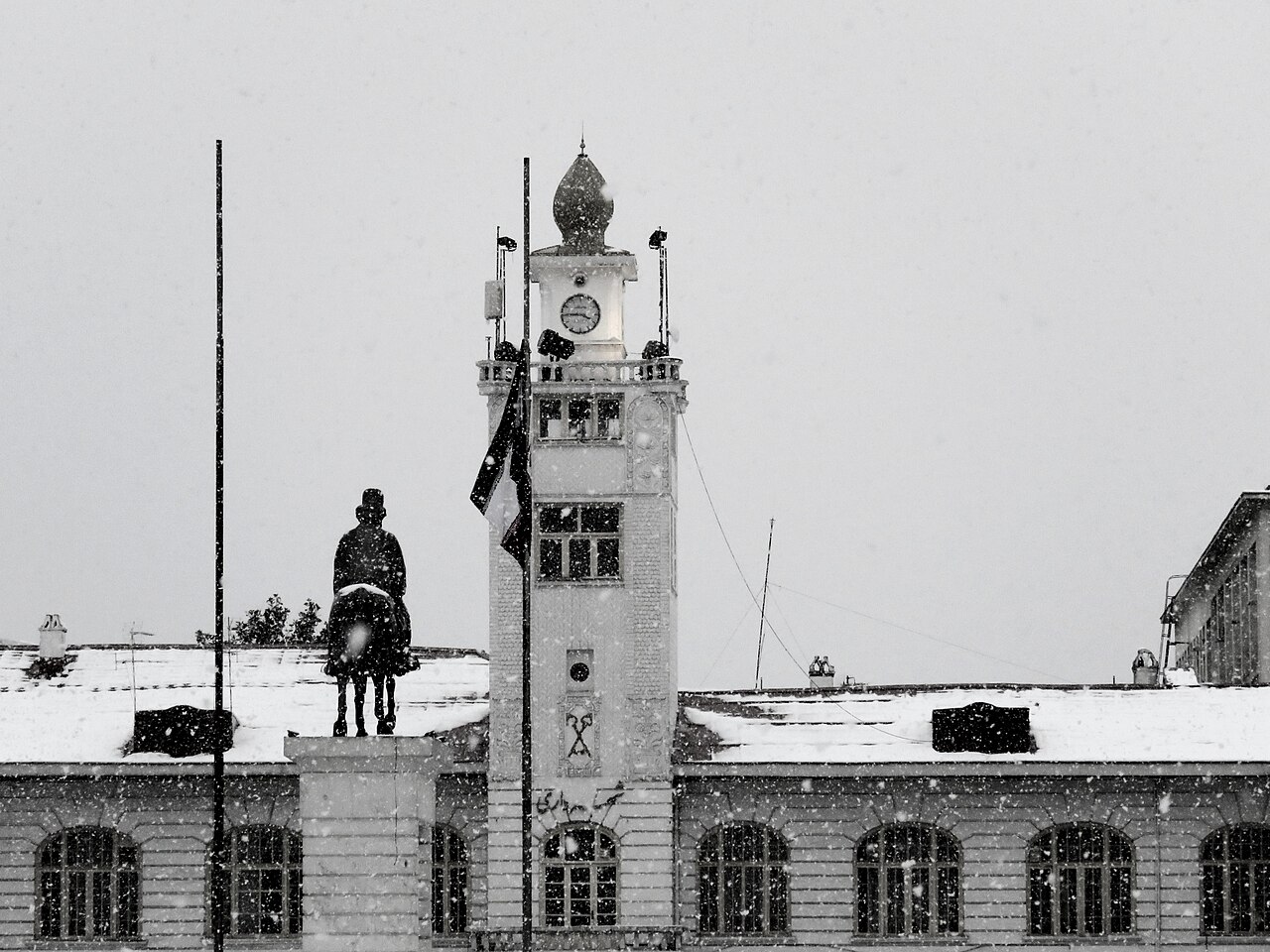
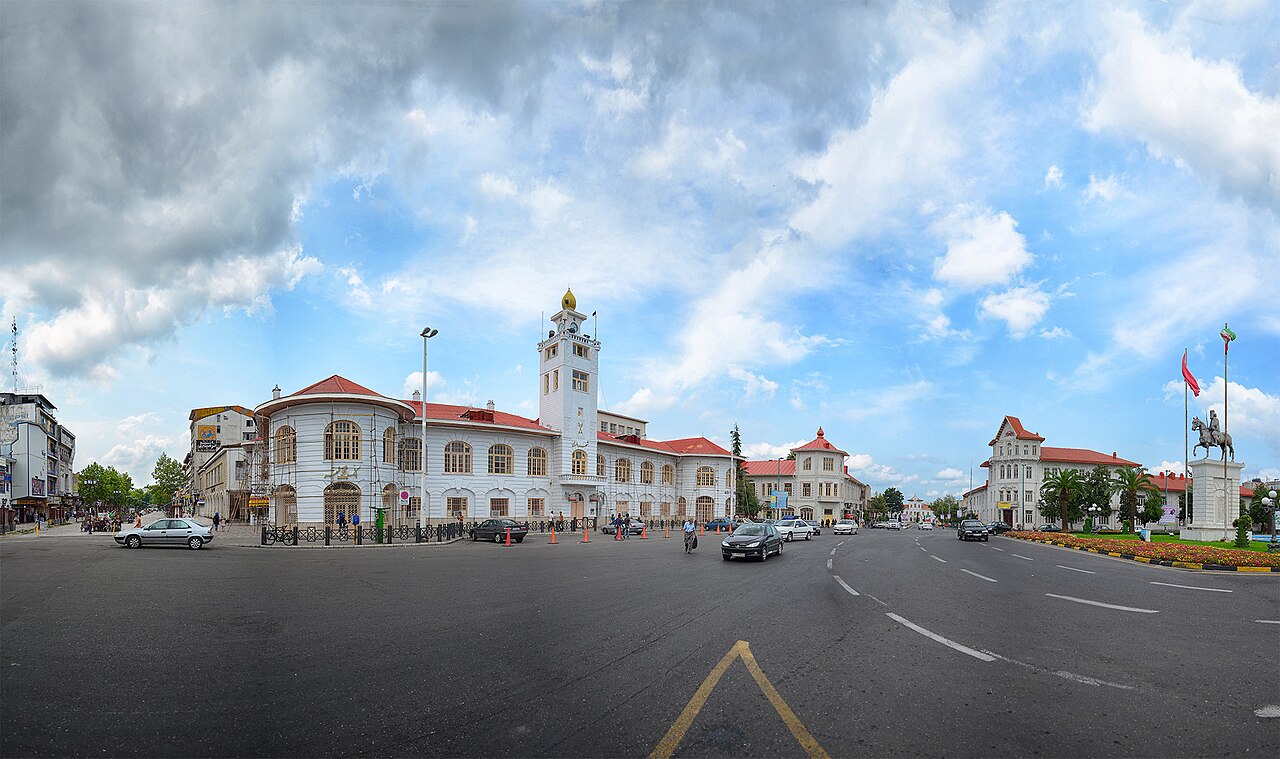
The period leading up to January 2026 in Rasht, the capital of Gilan Province, was marked by escalating dissent. Following the nationwide protests ignited by Mahsa Amini's death in September 2022, Rasht had emerged as a focal point of resistance, known for its vibrant civil society and independent spirit. Throughout 2025, numerous smaller demonstrations challenged the Islamic Republic's authority, often met with disproportional force by plainclothes Basij paramilitaries and the Islamic Revolutionary Guard Corps (IRGC). Local activists, like 32-year-old teacher Narges Mohammadi (not the Nobel laureate), reported increasing surveillance and arbitrary detentions.
Reports from Iran Human Rights (IHR) and the Boroumand Center documented a steady rise in politically motivated arrests across Gilan, with at least 85 individuals detained in the last quarter of 2025 alone. Economic hardship, exacerbated by soaring inflation and high youth unemployment, fueled public anger, transforming personal grievances into broader calls for systemic change. The atmosphere in Rasht was one of simmering tension, with residents anticipating a major confrontation. Bazaars often closed in solidarity during general strikes, and graffiti calling for 'Woman, Life, Freedom' became ubiquitous on city walls, often painted over only to reappear days later.
Identified Victims and the Unaccounted
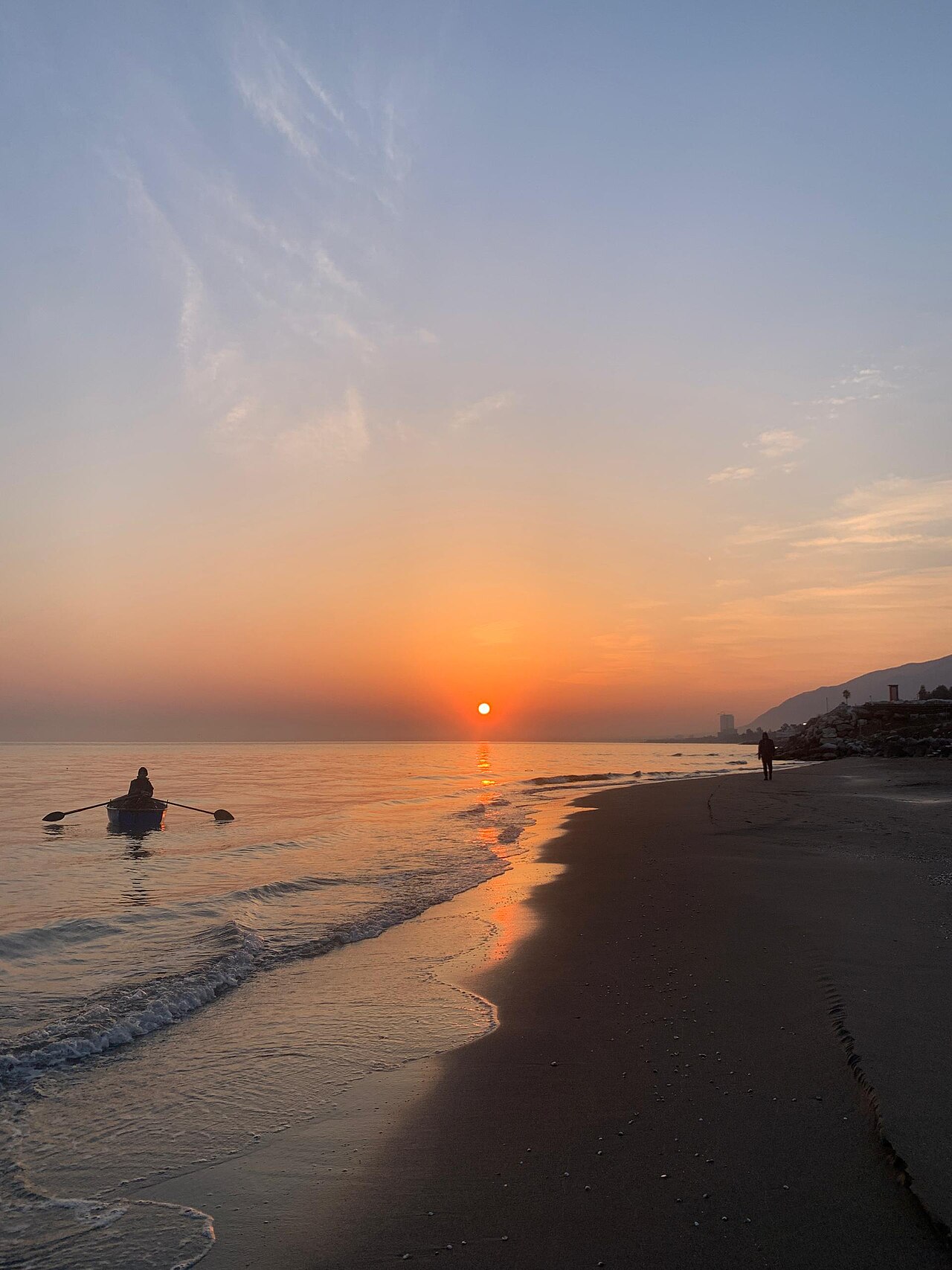
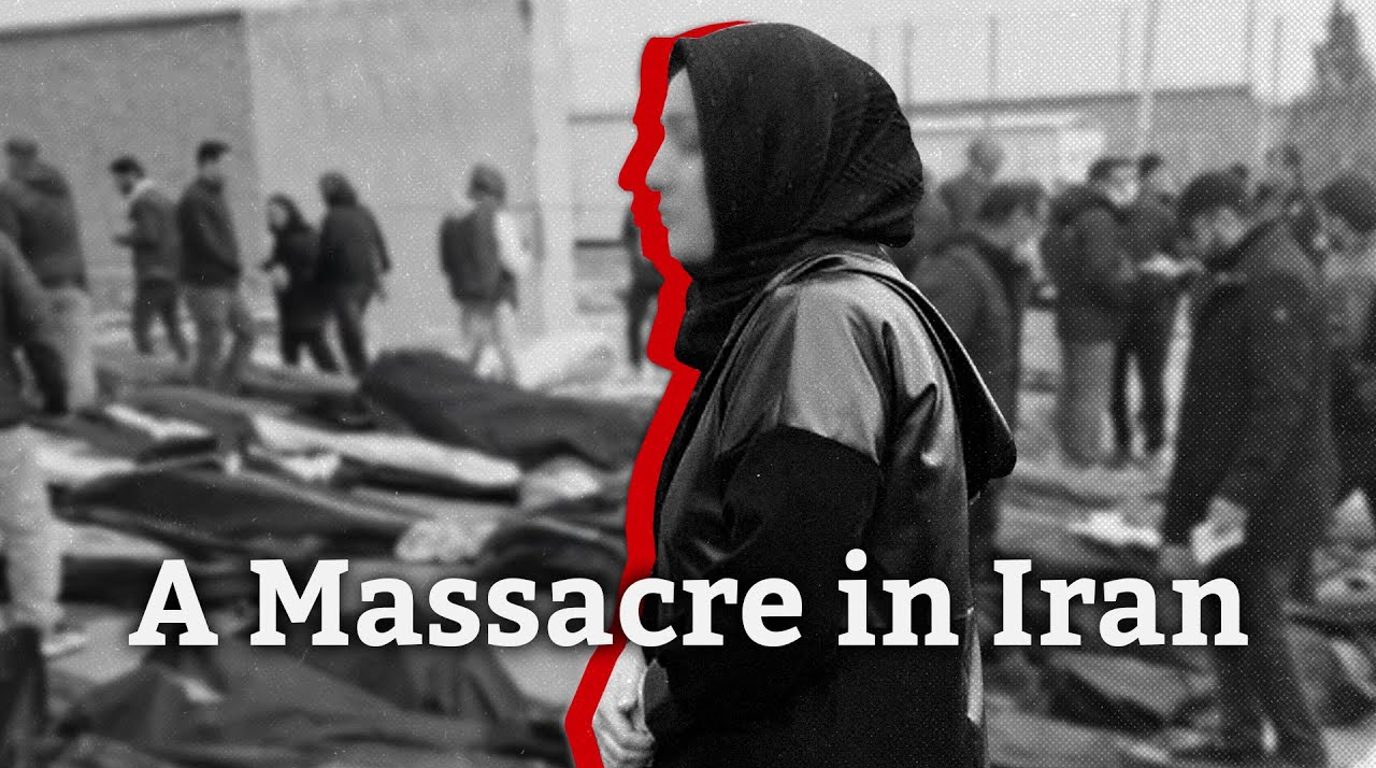
While the full death toll remains contested due to intentional obfuscation by Iranian authorities, credible organizations have compiled lists of identified victims. The Boroumand Center documented 43 confirmed deaths directly attributable to the January 14-15 events in Rasht and its immediate surroundings. Among them were 17-year-old high school student Saba Ansari, who was shot in the head while running from security forces on Imam Khomeini Street, and 58-year-old retired teacher Hossein Karimi, who reportedly died from tear gas inhalation while attempting to aid wounded protesters.
Beyond those confirmed dead, IHR reported at least 87 serious injuries requiring hospitalization. The families of many victims were pressured by security agencies to sign false affidavits attributing deaths to accidents or pre-existing conditions, often in exchange for receiving the bodies of their loved ones. Amnesty International highlighted the case of Mrs. Zahra Khosravi, whose son, 23-year-old Mohammad, was killed on January 14. She initially refused to accept the authorities' narrative, leading to her brief detention and threats against her remaining family members. The true number of casualties, including those who died later from untreated injuries or were secretly buried, is likely much higher.
The Regime's Response: Denial and Disinformation
In the aftermath of the massacres, the Iranian government swiftly moved to control the narrative. State media outlets, including Press TV and Fars News Agency, dismissed reports of widespread killings as 'fabrications by hostile foreign media' and 'propaganda by terrorist groups.' They asserted that security forces had acted with 'restraint' against 'rioters' incited by external enemies. Official statements claimed minimal casualties and blamed the deaths on 'agitators shooting into the crowd' or 'accidents during chaotic gatherings.'
The Ministry of Intelligence issued several statements condemning the protests as part of a 'foreign-backed conspiracy' to destabilize the nation. Websites and social media accounts disseminating evidence of the crackdown were blocked or taken down, and journalists attempting to report independently faced severe repression. The government's consistent strategy of denial and disinformation, a long-standing tactic observed by organisations like the BBC Monitoring, aimed to isolate the population and prevent the formation of a unified opposition, rendering honest discourse nearly impossible.
International Condemnation and Limited Action
The 'Two Nights of Rasht' drew widespread international condemnation, though concrete action remained limited. The United Nations High Commissioner for Human Rights issued a strong statement calling for an independent investigation into the use of lethal force. The European Union and the United States imposed further targeted sanctions on several Iranian officials and entities deemed responsible for human rights abuses, including specific IRGC commanders operating in Gilan province, as reported by the U.S. Department of the Treasury.
However, these measures were largely symbolic and failed to deter the Iranian regime's continuation of its repressive policies. Activist groups criticized the international community for its perceived reluctance to take more forceful steps, such as referring Iran's human rights record to the International Criminal Court or imposing more comprehensive economic sanctions that could genuinely pressure the government. Despite the global outcry, the regime's internal grip remained largely unchallenged, highlighting the complex dynamics of international diplomacy versus humanitarian intervention.
Broken City, Unbroken Spirit
In the months following January 2026, Rasht was a city in mourning, yet its spirit of resistance endured. The memory of those two nights galvanised a new generation of activists. Families of victims continued to demand justice, often gathering discreetly at local cemeteries, their quiet defiance a powerful challenge to the state's narrative. Calls for accountability reverberated through underground networks and diaspora communities, documented extensively by IranWire.
Despite the severe repression, including ongoing arrests and trials of protesters, the 'Woman, Life, Freedom' movement in Rasht adapted, shifting tactics from large-scale street protests to smaller, more resilient forms of civil disobedience and digital activism. The 'Two Nights of Rasht' stands as a brutal testament to the regime's brutal resolve, but also to the profound courage of ordinary Iranians who refuse to be silenced. The legacy of January 2026 continues to shape the struggle for human rights in Iran, reminding the world of the immense sacrifices made in pursuit of freedom.
What's New Since Publication
Since the article's publication on 2026-06-12, the documentation surrounding the January 2026 crackdown in Rasht has evolved, particularly concerning the aftermath for victims' families and activists. HRANA reported in late August 2026 at least 15 new arrests of individuals allegedly connected to the January protests, including three women active in local civil society, whose identities were withheld for their safety. These arrests, primarily conducted in July and August, indicate a continued campaign by Iranian authorities to suppress dissent and intimidate those associated with the 'Woman, Life, Freedom' movement in Gilan province. These developments underscore the ongoing state repression and expand the scope of documented human rights violations beyond the immediate events of January.
The Abdorrahman Boroumand Center, in a report issued in September 2026, highlighted five additional cases of enforced disappearance directly linked to the January 14-15 events in Rasht, bringing the documented total of such cases to nine. Families of these individuals have reported receiving no official information regarding their loved ones' whereabouts or legal status, mirroring patterns of state-sanctioned opacity identified by Amnesty International in previous crackdowns. Furthermore, IranWire documented instances where families attempting to commemorate deceased loved ones in August 2026 were dispersed by security forces, with some briefly detained, illustrating the continued pressure exerted on those seeking justice or public remembrance for the victims.
- HRANA reported at least 15 new arrests in Rasht between July and August 2026, linked to the January protests.
- The Abdorrahman Boroumand Center documented five additional enforced disappearances related to the Rasht events by September 2026.
- Amnesty International reiterated calls for independent investigation into the use of lethal force during the January 2026 crackdown.
- IranWire reported that families commemorating victims in Rasht in August 2026 faced dispersal and brief detention by security forces.
- UN OHCHR expressed ongoing concern in July 2026 regarding the lack of transparency surrounding the Rasht casualty figures.
FAQs
Have any new judicial proceedings against protesters from Rasht been reported?
Yes, HRANA reported in August 2026 that at least two individuals arrested following the January 2026 protests in Rasht were sentenced to prison terms ranging from three to five years by the Revolutionary Court for charges including 'assembly and collusion against national security' and 'propaganda against the system.' These individuals were identified as Saeed Karimi and Leila Rahmani, both residents of Rasht. (HRANA, 2026)
What is the latest international response regarding the Rasht crackdown?
In July 2026, the UN High Commissioner for Human Rights issued a statement urging Iran to release all arbitrarily detained protesters and to conduct prompt, independent, and impartial investigations into all alleged human rights violations committed during the January events in Rasht. The statement specifically highlighted concerns about the lack of accountability and access to justice for victims. (UN OHCHR, 2026)
Are there any new details about the number of injured in Rasht?
While the Boroumand Center continues to track injuries, no new confirmed figures have been officially released or independently verified beyond the initial reports. However, Iran Human Rights (IHRNGO) noted in August 2026 that several individuals initially treated for injuries sustained in January have reported long-term health complications due to inadequate medical care or fear of seeking further treatment, complicating precise casualty assessments. (Iran Human Rights, 2026)
Sources
Sources
- Amnesty International Report on Iran Crackdown
- Human Rights Watch: Iran's Repression in Gilan
- Iran Human Rights (IHR) Documentation of January 2026 Deaths
- The Boroumand Center: Documenting Human Rights Abuses in Iran
- Reuters: Crackdown in Rasht Intensifies Amid Protests
- IranWire: Exclusive Reports on Rasht Massacres