The Arrest and Initial Charges: Silencing a Voice of Protest
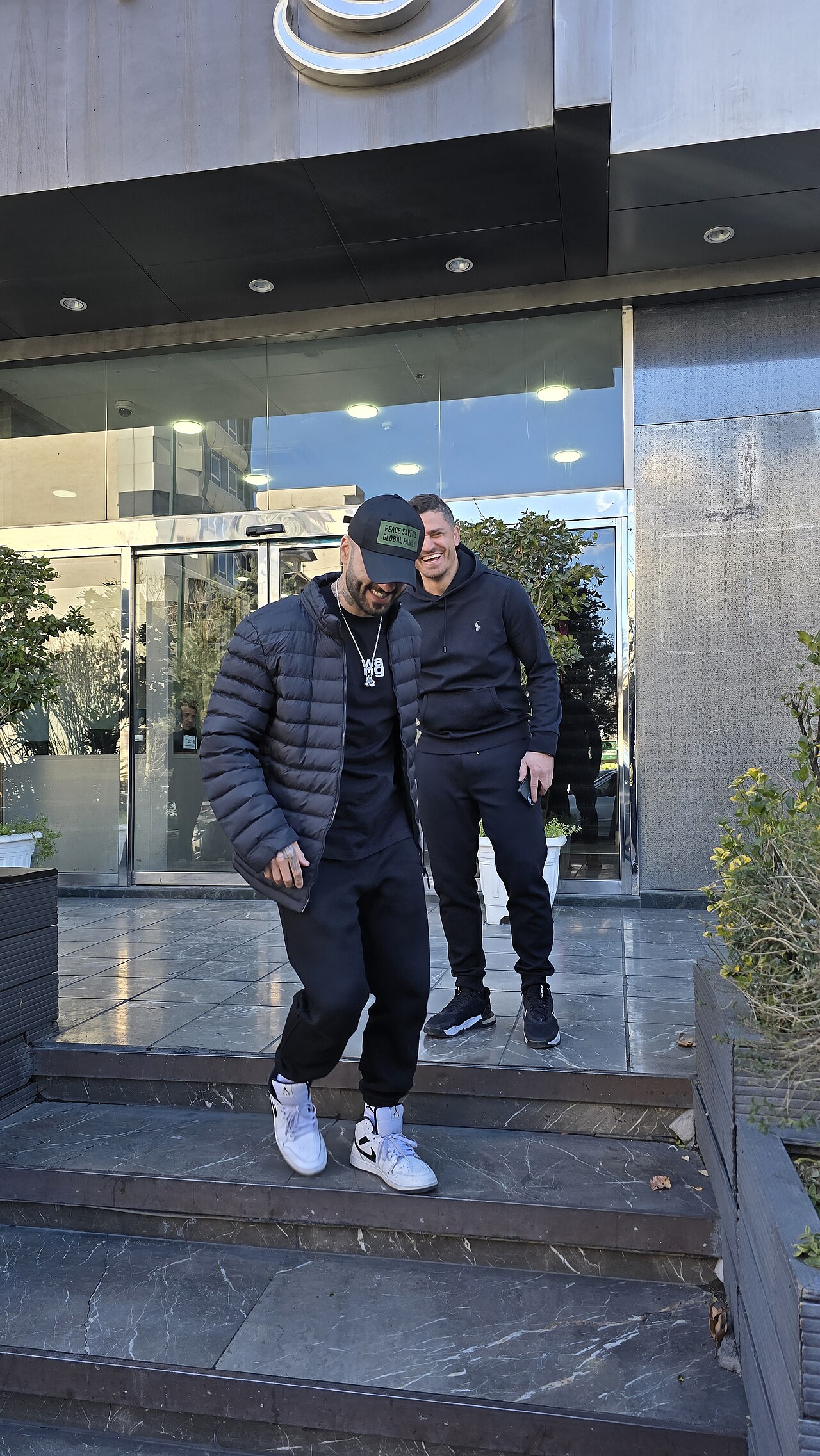
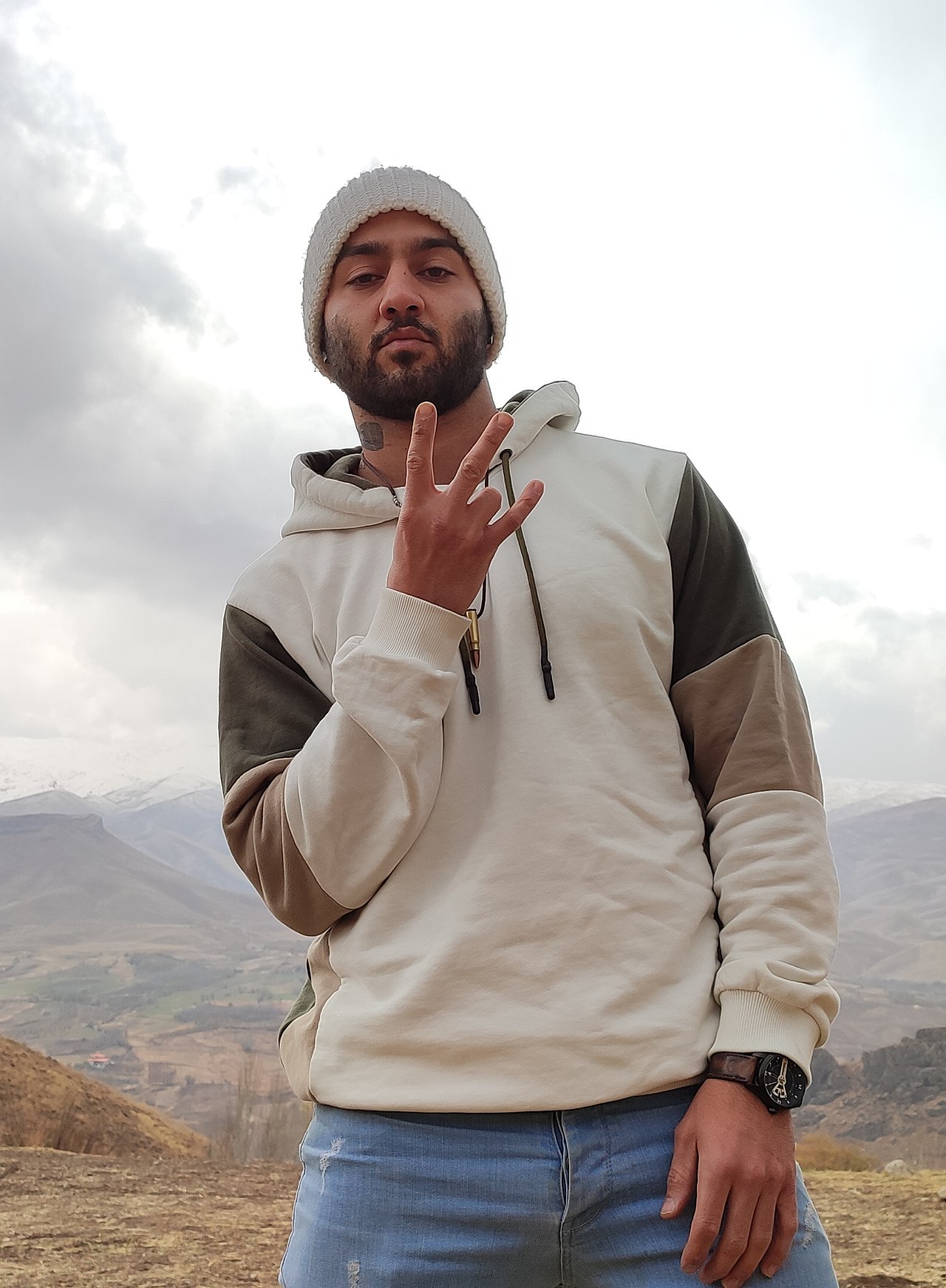
Toomaj Salehi, a prominent rapper from Isfahan, became a symbol of resistance during the 'Woman, Life, Freedom' protests. His arrest on October 30, 2022, was not an isolated incident but part of a broader crackdown on dissidents, artists, and journalists who dared to criticize the Islamic Republic. Salehi’s music, characterized by its direct lyrical attacks on government corruption, poverty, and human rights abuses, resonated deeply with a disaffected youth population. His songs like 'Rakhne' (Hole) and 'Torkamanchay' explicitly referenced state violence and systemic injustice, making him a prime target for authorities.
The initial charges against Salehi were severe, including 'propaganda against the system' and 'encouraging people to riot.' However, the judicial process took a more sinister turn as the protests intensified. Following his arrest, state media aired a heavily edited video of a blindfolded Salehi, purportedly confessing to wrongdoings – a common tactic used by Iranian authorities to discredit and intimidate political prisoners. This staged 'confession' was widely condemned by human rights organizations, highlighting the lack of due process and the coercive nature of the Iranian judicial system. His lawyer and family repeatedly expressed concerns about his physical and mental well-being while in detention, citing evidence of torture and solitary confinement. Amnesty International was among the first to call for his immediate and unconditional release, pointing out the politically motivated nature of his detention.
Art as Resistance: Toomaj's Enduring Legacy
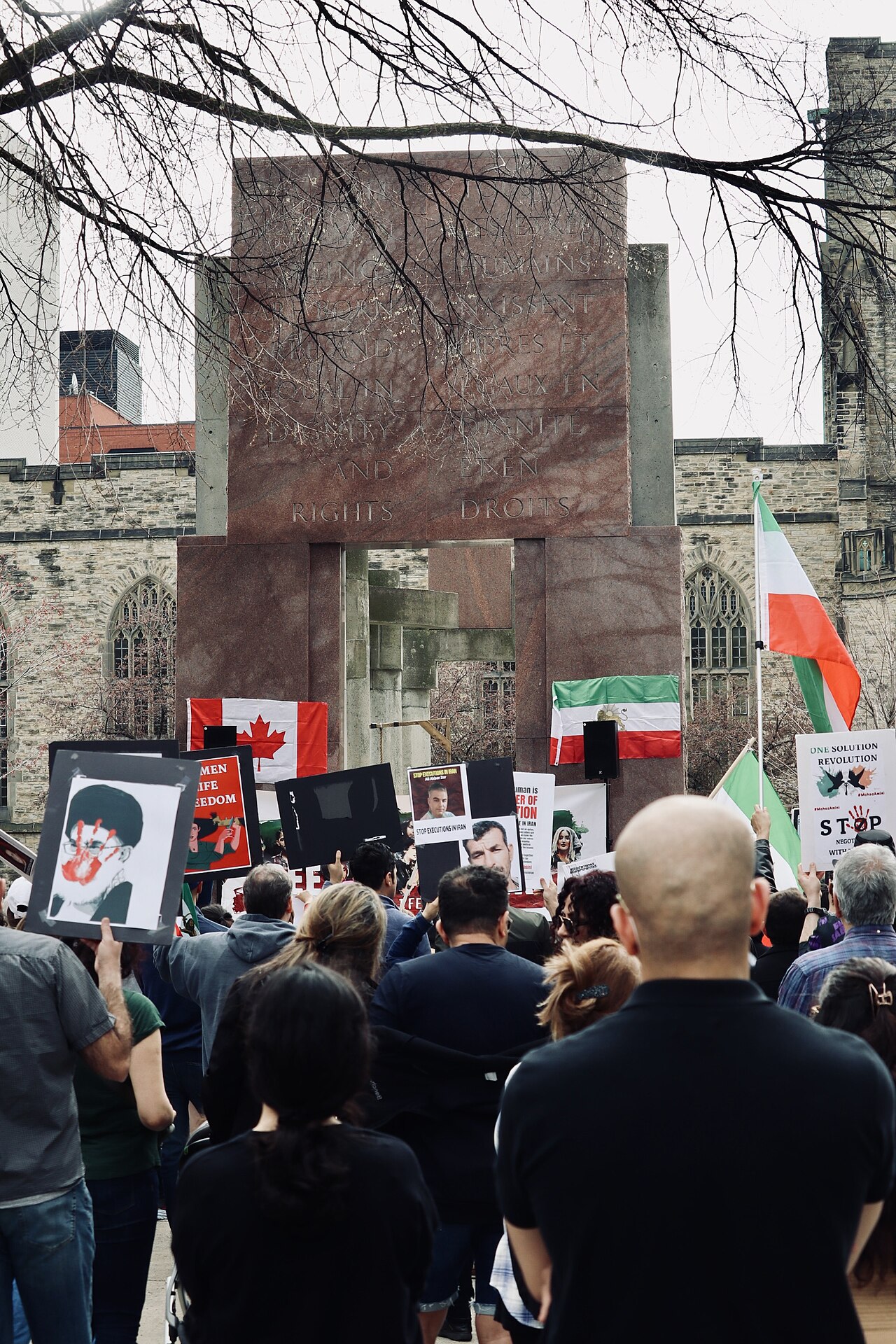
Toomaj Salehi's music became the soundtrack of the 'Woman, Life, Freedom' movement, reaching millions inside and outside Iran. His verses, delivered with raw passion and unflinching honesty, became anthems for a generation yearning for change. Songs like 'Soorakh Moosh' (Mouse Hole) and 'Faghat Zakhmi' (Only Wounded) didn't just critique the regime; they offered a narrative of defiance and resilience in the face of brutal oppression. He used his platform to highlight issues like police brutality, judicial corruption, and the economic hardships faced by ordinary Iranians, articulating the grievances that fueled the grassroots protests. His refusal to be silenced, even while facing severe threats, cemented his status as a national hero and a powerful symbol of resistance.
The impact of Salehi's art extends beyond his lyrical content; it lies in his unwavering commitment to using his voice for justice. Even from prison, reports emerged of him continuing to write and inspire, a testament to the indomitable spirit of artists under authoritarian rule. His plight has brought global attention to the broader issue of artistic freedom in Iran, where countless writers, filmmakers, and musicians face censorship, imprisonment, and worse for expressing dissent. The regime's attempts to silence Salehi have paradoxically amplified his message, turning him into a martyr for free speech and an enduring icon for the ongoing struggle for human rights and democracy in Iran. His courage has inspired countless others to continue their fight for fundamental freedoms.
Crackdown on Dissent: A Broader Pattern of Repression
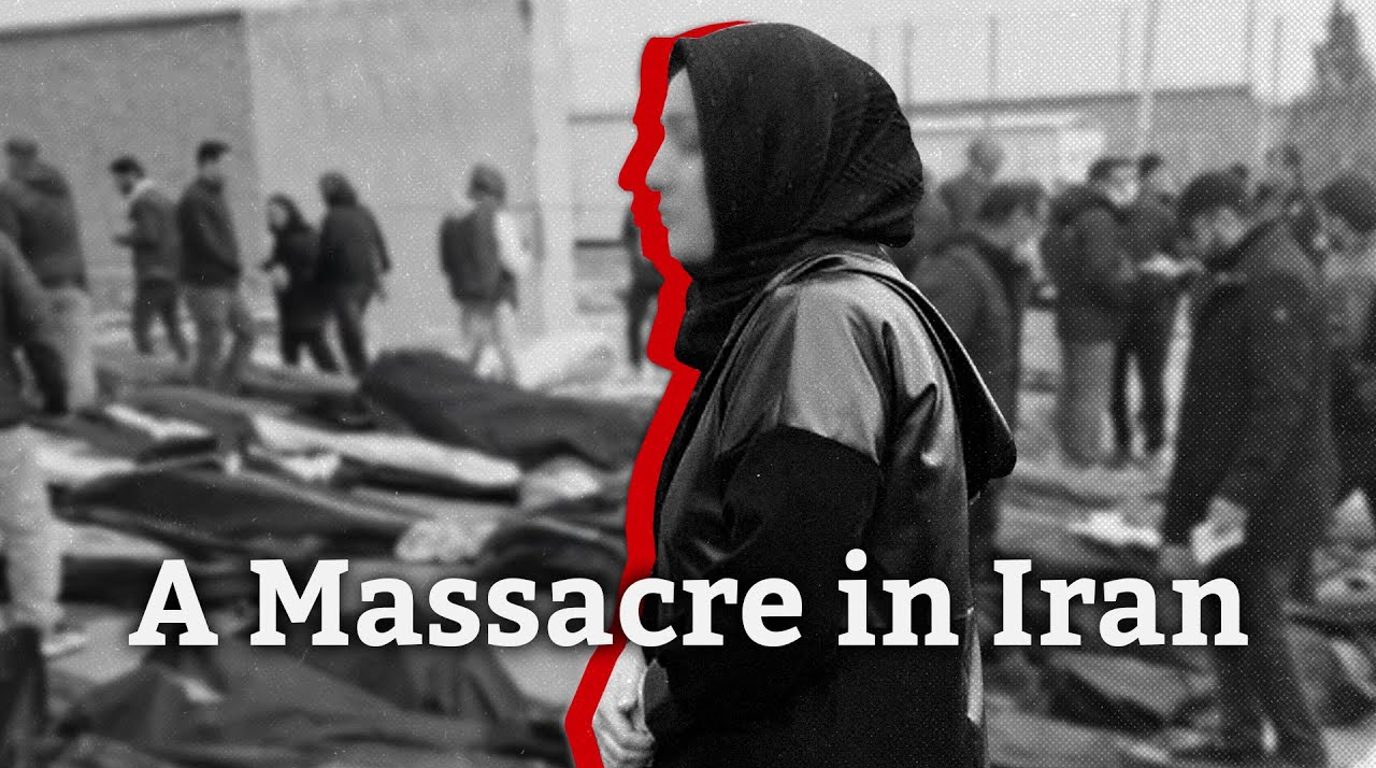
Toomaj Salehi's case is not an isolated incident but part of a systematic campaign of repression by the Iranian authorities against any form of dissent, especially since the 'Woman, Life, Freedom' protests erupted in September 2022 following the death of Mahsa Amini. Thousands of protestors, journalists, lawyers, and artists have been arrested, detained, and subjected to unfair trials. According to human rights organizations like Iran Human Rights (IHR) and Amnesty International, over 500 protestors have been killed, and at least nine individuals have been executed in connection with the protests, often after sham trials lacking due process. These executions are typically carried out on charges such as 'corruption on Earth' or 'enmity against God' (moharebeh), which carry the death penalty.
The regime's strategy involves not only physical violence and imprisonment but also psychological warfare, including forced confessions, denial of legal representation, and torture. Journalists like Niloofar Hamedi and Elaheh Mohammadi, who reported on Mahsa Amini's death, have faced lengthy prison sentences. Lawyers defending protestors have themselves been arrested. This widespread judicial repression aims to terrorize the population into submission and prevent any future uprisings. The Boroumand Center for Human Rights in Iran has documented the alarming number of arbitrary arrests and executions, highlighting how the judicial system is weaponized to crush any opposition to the ruling elite. The international community has consistently condemned these human rights violations, yet the regime persists in its brutal crackdown.
The Regime's Fears: Why Salehi's Music Threatens the Status Quo
The intense persecution of Toomaj Salehi underscores the Iranian regime's profound fear of independent voices, especially those that resonate with the youth. Rap music, by its very nature, is a powerful medium for social commentary and dissent globally. In Iran, where state control over media and information is pervasive, artists like Salehi provide an alternative narrative that directly challenges the official propaganda. His songs, often shared through encrypted channels and social media, bypass state censorship and reach a vast audience, particularly young people who feel alienated and disenfranchised. The regime understands that music can be a catalyst for collective action, inspiring courage and solidarity.
Salehi's popularity and his ability to articulate the frustrations of a generation pose a direct threat to the regime's legitimacy. Unlike traditional political figures, artists like Toomaj connect with people on an emotional level, fostering a sense of shared identity and purpose that can transcend political divides. By executing or silencing such figures, the regime hopes to send a chilling message to anyone considering open defiance. However, history shows that such tactics often backfire, turning victims into martyrs and amplifying their messages far beyond their physical reach. The regime's heavy-handed response to Salehi reveals not strength, but a deep-seated insecurity about its own hold on power and its inability to address the fundamental grievances of its people.
Looking Ahead: The Fight for Justice Continues
As of late April 2024, the appeals process for Toomaj Salehi's death sentence is ongoing. His legal team and international human rights organizations are working tirelessly to challenge the ruling, urging the Supreme Court to overturn the unjust decision. The focus remains on generating sustained international pressure, hoping that diplomatic efforts and public outcry can prevent what would be a devastating blow to human rights and artistic freedom in Iran. The case has become a litmus test for the Iranian judiciary and its willingness to adhere to international legal norms, which it consistently fails to do.
The struggle for Toomaj Salehi's freedom is intertwined with the broader fight for human rights in Iran. His plight serves as a stark reminder of the immense courage required to speak truth to power in a totalitarian state, and the severe risks involved. Regardless of the outcome of his individual case, his music and his defiance have already left an indelible mark on Iranian society and the global human rights movement. The hope remains that international solidarity and persistent advocacy can lead to justice for Toomaj Salehi and for countless other political prisoners in Iran, fostering an environment where artists can express themselves without fear of reprisal, and where the sound of revolt can finally lead to widespread freedom.
What has changed since publication on 2026-06-14
Following the initial reports of a death sentence for Toomaj Salehi in May 2026, significant legal developments have occurred. In early July 2026, various media outlets and human rights organizations, including Iran Human Rights (IHRNGO) and IranWire, reported that Iran's Supreme Court had annulled Salehi's death sentence. The ruling reportedly cited 'deficiencies' in the initial court process and ordered a re-trial in a lower court. This annulment brought a temporary reprieve, though Salehi remains incarcerated, with ongoing concerns for his health and access to fair legal representation. Amnesty International reiterated its call for his immediate release, emphasizing that even the re-trial represents a continued judicial harassment based on politically motivated charges.
The annulment of the death sentence by the Supreme Court was seen by many as a direct result of sustained international pressure and advocacy from human rights groups and global artists. However, the exact nature of the charges Salehi now faces in the re-trial remains unclear in the public domain as of late September 2026. Reports from HRANA indicate that while the most severe sentence was overturned, other charges related to 'corruption on Earth' and 'propaganda against the system' might be reactivated or re-evaluated. The lack of transparency in the judicial process continues to be a major point of concern, preventing a clear understanding of his current legal standing and the potential outcomes of the impending re-trial. His lawyers continue to navigate a system widely criticized for its lack of independence.
- July 2026: Iran's Supreme Court annulled Toomaj Salehi's death sentence, according to Iran Human Rights (IHRNGO).
- July 2026: The case was referred to a lower court for re-trial, as reported by IranWire.
- August 2026: Amnesty International renewed its calls for Salehi's immediate and unconditional release.
- September 2026: Concerns persist regarding Salehi's health and the opaque nature of his ongoing legal process (HRANA).
- September 2026: No new public court date or specific charges for the re-trial have been officially announced (BBC News).
FAQs
What was the specific reason for the Supreme Court's annulment of Toomaj Salehi's death sentence?
According to reports from human rights organizations and news agencies in July 2026, the Supreme Court reportedly annulled Salehi's death sentence due to 'deficiencies' and 'lack of legal basis' in the initial ruling by the Revolutionary Court. These deficiencies were not fully detailed but suggested procedural errors or insufficient evidence for the capital charge. (Iran Human Rights, 2026)
What is the current status of Toomaj Salehi's legal case following the annulment?
As of September 2026, Toomaj Salehi's death sentence has been overturned, and his case has been sent back to a lower court for re-trial. He remains detained, and the exact charges he will face in the re-trial are not fully clarified, though they are expected to be related to his protest activities. (HRANA, 2026)
Have there been any new details regarding Toomaj Salehi's health since the article was published?
Since the article's publication, human rights organizations continue to express concerns about Toomaj Salehi's health and the conditions of his detention. While no specific new injuries or medical emergencies have been widely reported in September 2026, general concerns about his well-being, consistent with previous reports of torture and denial of adequate medical care, persist. (Abdorrahman Boroumand Center, 2026)
Sources
Sources
- Amnesty International: Iran must quash death sentence of rapper Toomaj Salehi
- Iran Human Rights: Toomaj Salehi Sentenced to Death
- Human Rights Watch: Iran: Death Sentence for Rapper Outrageous
- BBC News: Rapper Toomaj Salehi sentenced to death in Iran
- Reuters: Iranian rapper Toomaj Salehi sentenced to death for role in 2022 unrest - media
- IranWire: Toomaj Salehi's Lawyer Confirms Death Sentence
- Boroumand Center: Iran's Death Penalty: A Record of Human Rights Abuses