“They hanged him in the street and photographed it, so that the photograph would do the rest.”
- Age
- 23
- Charge
- Moharebeh — “waging war against God”
- Arrest to execution
- 23 days
- Executed
- 12 December 2022, publicly, from a crane in Mashhad
- Significance
- First public protest execution of the 2022–23 uprising
Who was Majidreza Rahnavard?
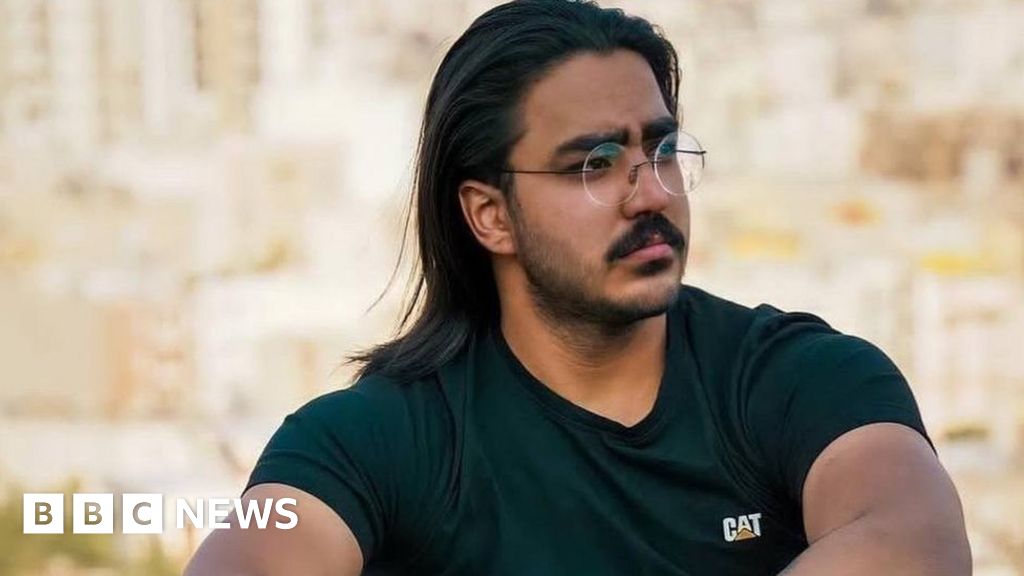
Majidreza Rahnavard was twenty-three. He was convicted of moharebeh over the deaths of two Basij members in Mashhad and hanged in public, from a construction crane, on 12 December 2022 — twenty-three days after his arrest, four days after Mohsen Shekari.
The public hanging was not incidental. Iran had largely moved executions inside prison walls; returning one to a Mashhad street, and allowing the images to circulate, was a deliberate act of deterrence aimed at every young person still going out at night. In his last recorded words he asked that no one mourn him with tears or recitations, but with celebration.
How the Islamic Republic executes protesters
Protest executions in Iran follow a fixed sequence: arrest during or shortly after a demonstration; weeks of incommunicado detention; a confession broadcast on state television; a Revolutionary Court hearing lasting hours rather than days, usually without counsel of the defendant’s choosing; a moharebeh or efsad-fel-arz conviction; a rejected appeal; and a dawn hanging announced afterwards by the judiciary’s own news agency.
None of that survives contact with the fair-trial guarantees of Article 14 of the ICCPR, which Iran ratified in 1975. The UN Special Rapporteur on Iran and the UN Fact-Finding Mission have both concluded that executions arising from protest cases amount to arbitrary deprivation of life, and that when carried out as part of a widespread and systematic attack on civilians they constitute crimes against humanity. Majidreza Rahnavard’s case followed the sequence exactly.
Video and archive
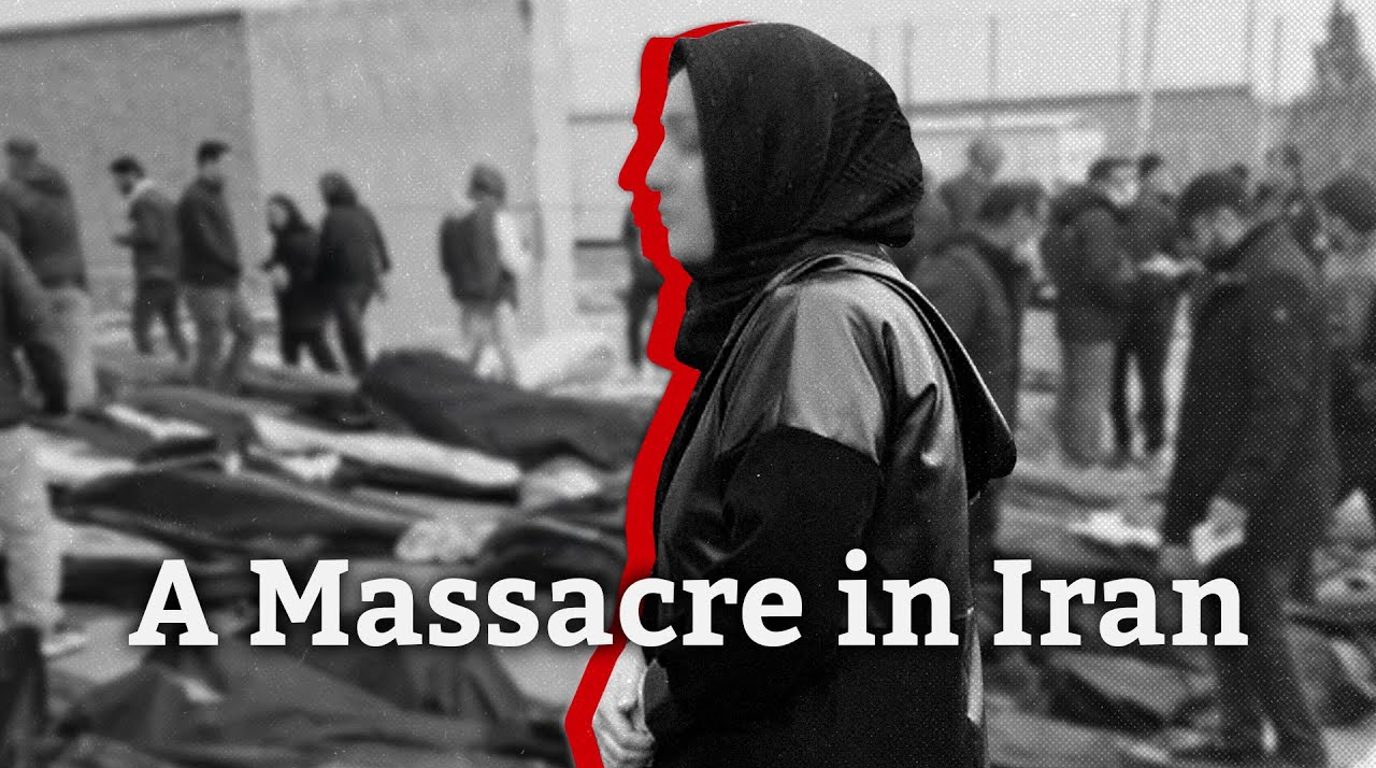
No verified video of Majidreza Rahnavard is in the public record that this project can confirm. The film below documents the events in which he was killed, and the Javidnaman archive holds the family photographs and case notes for the January 2026 dead.
Iranian revolutionary justice: how the Islamic Republic executes. More documentary footage is collected on the videos page.
Sources
- Amnesty International — Iran
- Iran Human Rights
- Iran Human Rights (IHRNGO)
- HRANA — Human Rights Activists News Agency
- Sources and methodology on this site
Why this page exists
Names surface for a few days and then disappear under the next news cycle. This page keeps a dated, citation-ready record of what is known about Majidreza Rahnavard, with the photograph his family chose to release and links to the monitors who verify such cases. Corrections and additional documentation are welcome through the organisations listed under sources and methodology.
Frequently asked questions
Who was Majidreza Rahnavard?
Majidreza Rahnavard, 23, was publicly hanged from a construction crane in Mashhad on 12 December 2022, four days after Mohsen Shekari. The state circulated the image of his body as a warning.
When was Majidreza Rahnavard executed?
Majidreza Rahnavard was executed on 12 December 2022.
What was Majidreza Rahnavard charged with?
Protest executions in Iran are almost always brought under moharebeh ("waging war against God") or efsad-fel-arz ("corruption on earth"), capital charges decided by Revolutionary Courts in closed sessions that fall far short of the fair-trial standards of Article 14 of the ICCPR.
Are protest executions in Iran lawful?
No. The UN Special Rapporteur on Iran and the UN Fact-Finding Mission have found that death sentences imposed after coerced confessions and closed proceedings amount to arbitrary deprivation of life, and that the practice, applied systematically against protesters, can constitute a crime against humanity.
Related pages
- Mohsen Shekari — another biography from the same period.
- The Two Nights — 8–9 January 2026 in detail.
- The protest record · Faces · Victims database
- All memorial biographies · In Memoriam