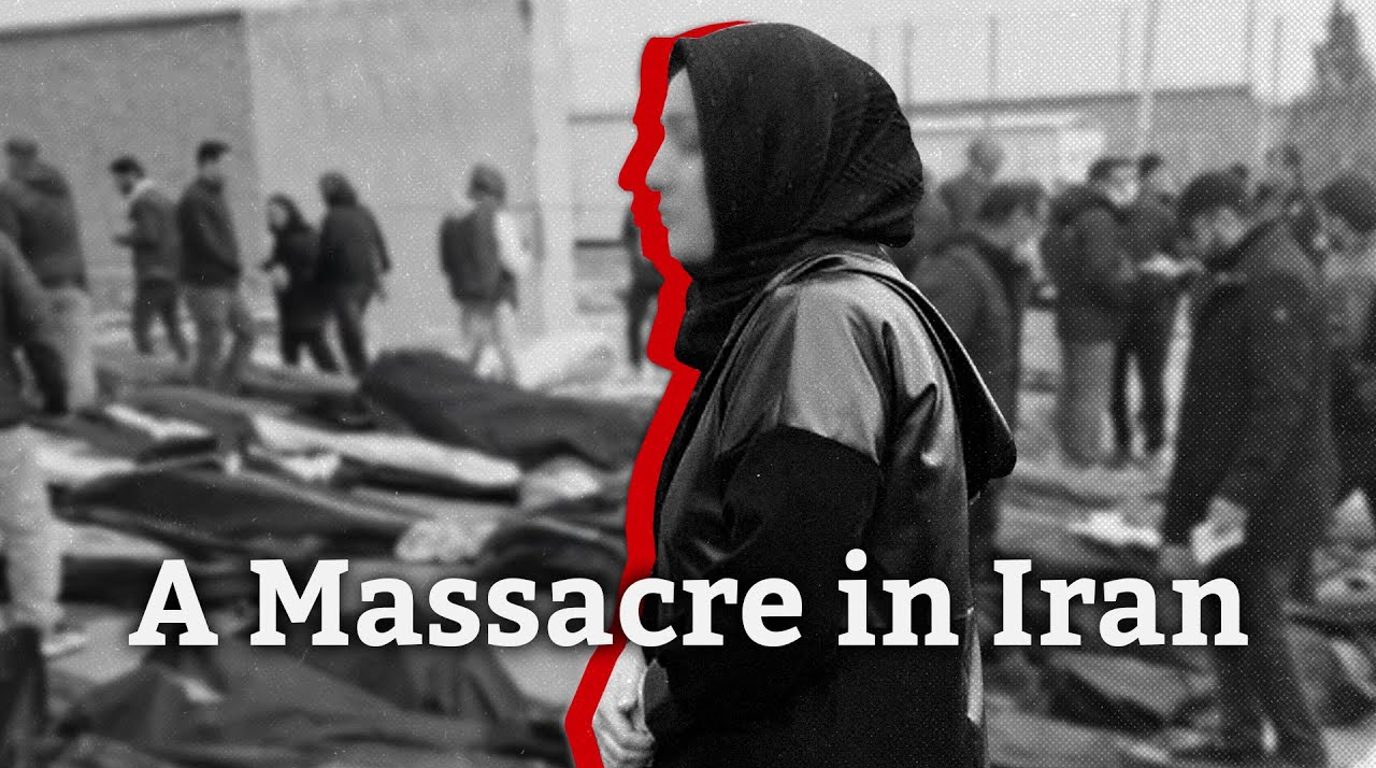
Featured film
77 Hours — the film about Iran's Two Nights
A psychological thriller by Vahid Mahdavi, set across the nights of 8 and 9 January 2026. Watch the trailers, read the story, and see the documented record behind it.
Film
A psychological thriller by Vahid Mahdavi, set across the nights of 8 and 9 January 2026, when Iran's streets became the scene of one of the bloodiest crackdowns in the country's recent history. This page collects the trailers, the story, the people behind the film, and the documented record the film is built on. Official site: 77hrs.com ↗
Featured film
77 Hours — the film about Iran's Two Nights
A psychological thriller by Vahid Mahdavi, set across the nights of 8 and 9 January 2026. Watch the trailers, read the story, and see the documented record behind it.
Both official trailers, embedded from the production's own YouTube channel. Persian dialogue with English subtitles.
| Title | 77 Hours (77HOURS) |
|---|---|
| Written & directed by | Vahid Mahdavi |
| Produced by | CVP CHAT Production |
| Genre | Psychological thriller / political drama |
| Runtime | Approx. 77 minutes |
| Language | Persian, with English subtitles |
| Setting | Tehran, the nights of 8–9 January 2026 |
| Release | Selected cinema screenings and special events |
| Official site | 77hrs.com |
| IMDb | tt43615766 |
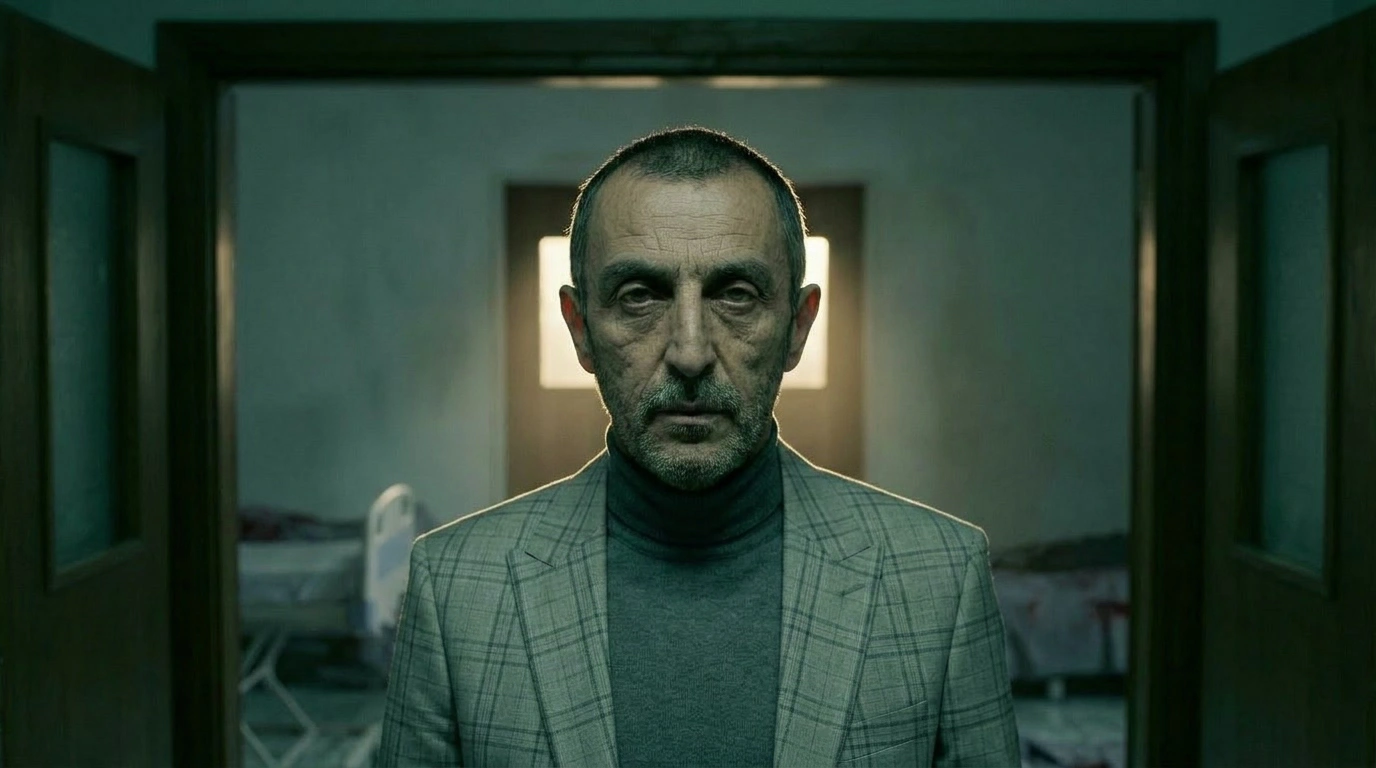
77 Hours begins on what looks like an ordinary day in Tehran. Within hours the city has changed permanently: streets close under gunfire, panic spreads faster than information, and unarmed civilians find themselves inside a public massacre nobody prepared them for.
At the centre is not a hero built for battle but an ordinary man, forced to survive an inhuman catastrophe among wounded strangers, security forces and collapsing recollections. He wakes in a sealed, unfamiliar space with no clear memory of how he arrived. Around him are people carrying their own fragments of pain and unanswered questions. Memory returns in flashes — a street, a body, a hospital corridor, a voice, a name.
What follows is his attempt to understand what happened to his city and whether escape is possible at all, while facing impossible choices: saving himself or helping others, silence or truth, fear or the last remaining pieces of courage.
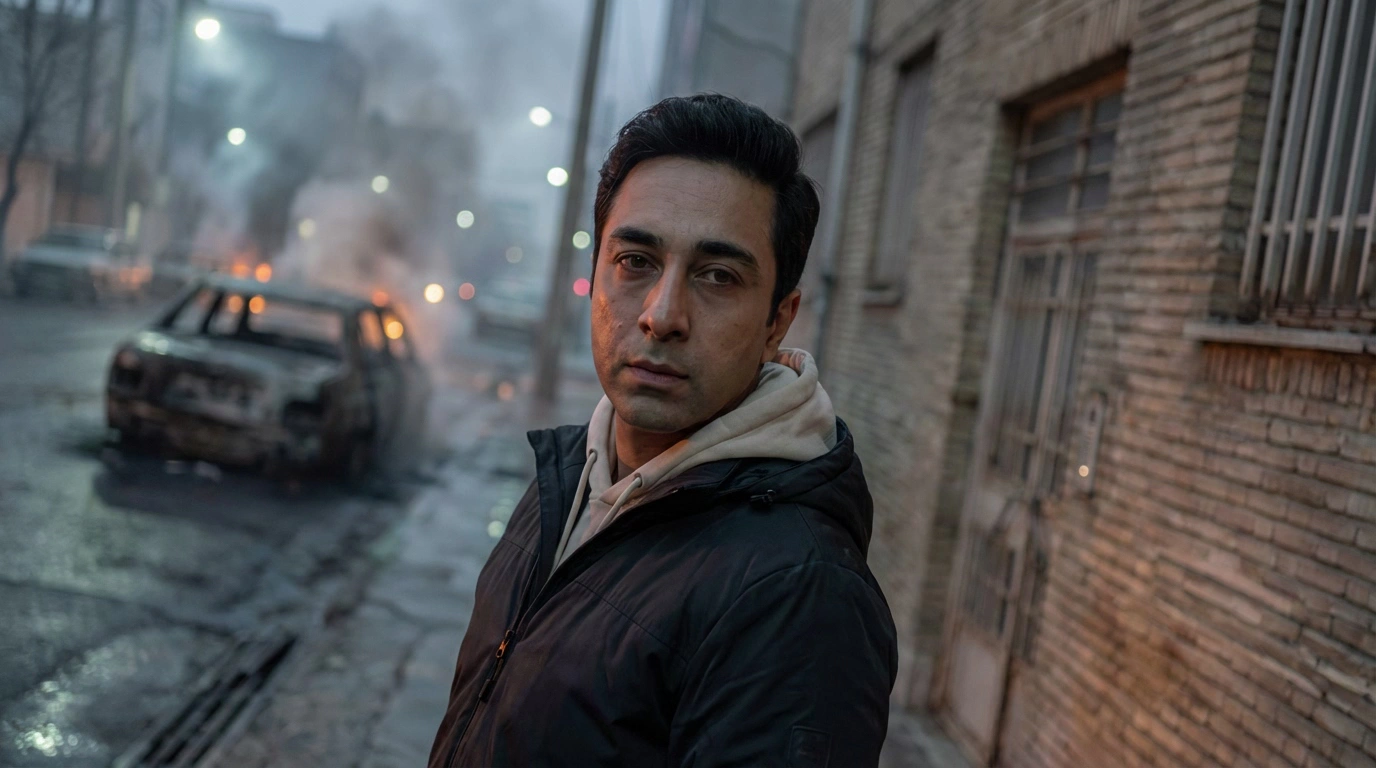
Writer, director, and director of the film's AI cinematic workflow. Mahdavi has spoken publicly about using AI-assisted production to tell a story that could not be filmed on the streets where it is set.
The production company behind the feature, responsible for the film's release through selected cinema screenings and special events.
With no access to Iranian locations, cast or distribution, 77 Hours reaches audiences through cinema events, festival-style screenings and diaspora venues rather than domestic release.
Announced dates at the time of writing. The production keeps the live list — including new cities and ticket links — on its own site.
| City | Venue | Date | Time |
|---|---|---|---|
| Toronto | The Royal Theater | 29 August 2026 | 20:00 |
| Copenhagen | Grand Teatret | 13 September 2026 | 19:00 |
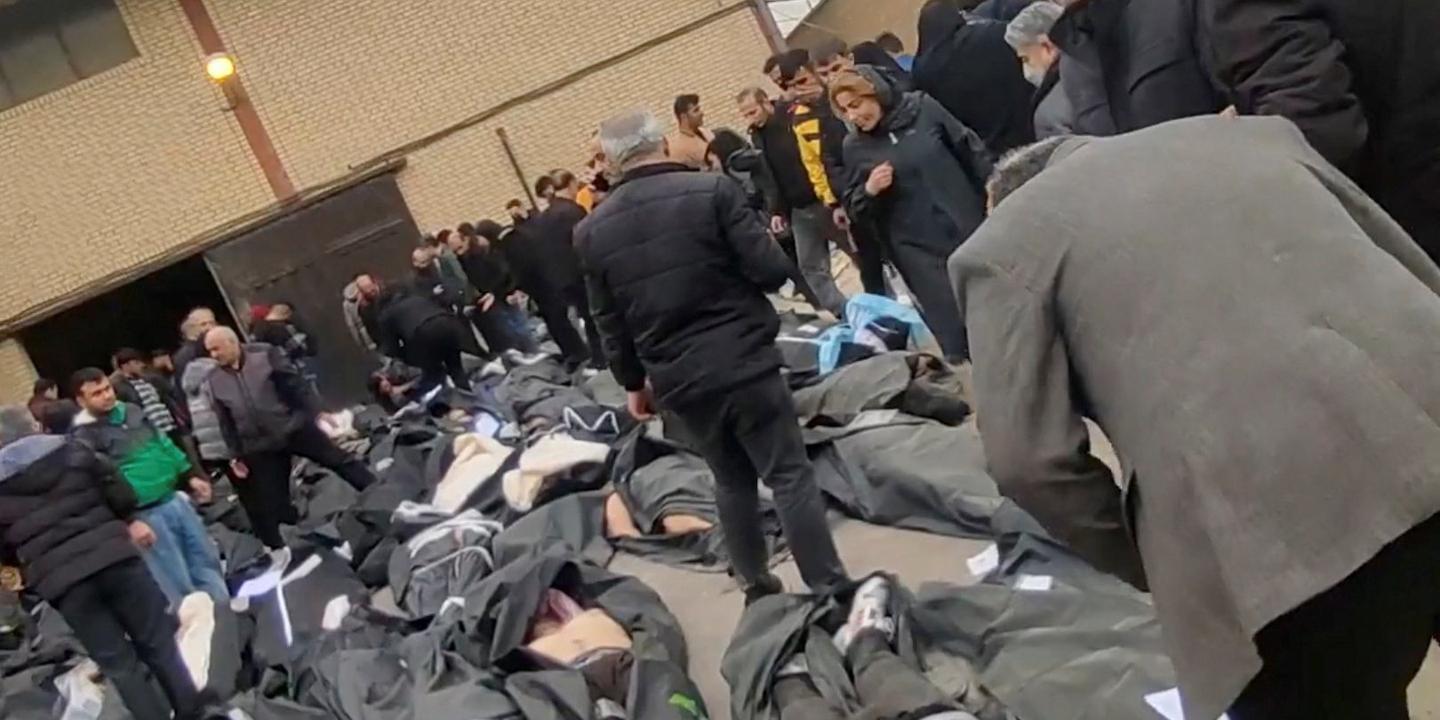
77 Hours is fiction, but the two nights at its centre are not. On 8 and 9 January 2026, security forces opened fire on unarmed demonstrators across multiple Iranian cities; the killings were followed by mass arrests, deaths in custody, and a wave of executions. Our documentation of those nights — names, dates, locations and sources — is kept separately from the film.
Full biographies of named victims of the crackdown and the executions that followed.
Broadcast reporting and verified footage from BBC, DW, France 24, Amnesty International and others.
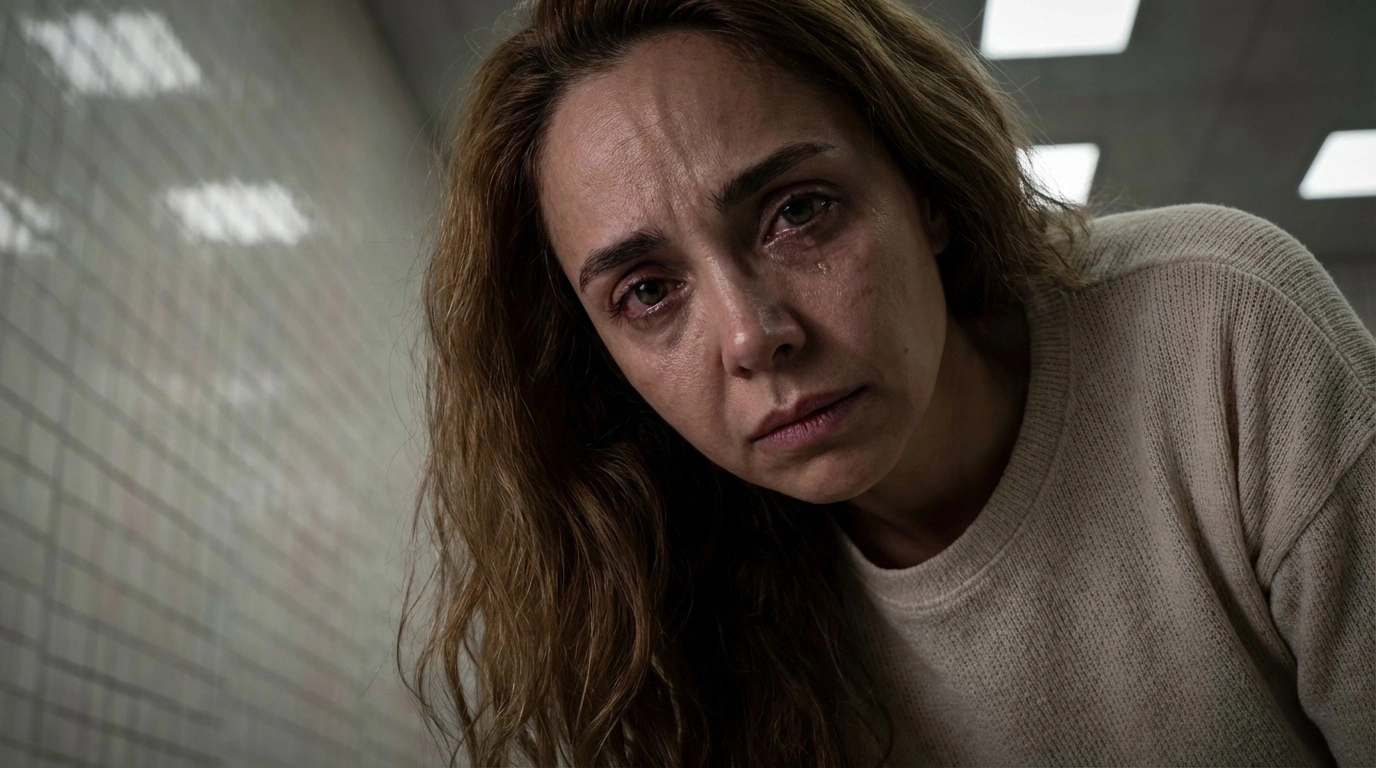
Media around the film, plus reporting on the events it depicts. The GB News interview with the director is hosted by the production and opens on the official site.
An ordinary man in Tehran is caught in the mass violence of 8–9 January 2026 and wakes in a sealed, unfamiliar space with no memory of how he got there. The film follows his attempt to recover what happened, and to decide what he owes the people trapped alongside him.
Written and directed by Vahid Mahdavi, produced by CVP CHAT Production. Approximately 77 minutes, Persian with English subtitles.
Through selected cinema screenings and special events — announced dates include Toronto (29 August 2026) and Copenhagen (13 September 2026). The live list and tickets are on 77hrs.com.
No. It is a fictional psychological thriller set during real, documented events. For the factual record of those nights, see The Two Nights and Faces.
No. iranholocaust.org is an independent documentary record. This page is editorial coverage of the film; images and trailers are used with attribution and embedded from the production's own channels.
Documentaries
Long-form documentaries on Iran
Feature films, investigations and a three-part series on the uprising, the crackdown and the people behind the record.
Short answer: 77 Hours dramatises the compressed window in which an Iranian detention can end in death — the same window documented in hundreds of real cases in this archive. This page sets out the factual record the film draws on and where to verify each element.
The film's title points at something the archive can evidence: in Iran, the danger to a detainee is front-loaded. A person taken from a street protest typically has no registered arrest record for the first days, no access to a lawyer of their choosing, and no confirmed location. Families searching prison to prison are told nothing. It is inside that gap that the documented pattern of beatings, forced confessions and deaths in custody occurs.
| Stage | What the law provides | What is documented in practice |
|---|---|---|
| Arrest | Notification of family; a registered charge | Plain-clothes arrests; no record; families told nothing for days |
| First 24 hours | Access to counsel | Interrogation without a lawyer; lawyer of choice denied in political cases |
| 24-72 hours | Judicial review of detention | Solitary confinement; documented beatings and pressure on family |
| Confession | Inadmissibility of coerced statements | Confessions filmed for state broadcast, later retracted in court |
| Notification of death | Prompt notification; independent autopsy | Delayed notification; cause recorded as suicide, fall or illness; burial conditions imposed |
Each of those pages sets out what the authorities said, what the evidence showed and who documented it. Read alongside the film, they answer the question audiences most often ask afterwards: how much of this actually happens.
Three things are worth noticing on screen because they map directly onto the documented record: the absence of any registered paperwork, the role of the confession camera, and the pressure applied to the family rather than the detainee. Each is a deliberate feature of the system rather than a failure of it — the confession exists to be broadcast, and the family's silence is the point of the burial conditions imposed afterwards.
After the film, the natural next steps in this archive are the executions hub for the judicial machinery, the Two Nights for the scale reached in January 2026, and the documentaries page for further filmed material. If the film prompts you to act, the action page lists what has measurably helped detainees, and the campaigns page lists the advocacy currently running.
It follows the arrest, interrogation and disappearance of a young woman in Iran across the first critical days of custody — the period in which, in documented real cases, detainees are most often subjected to torture, denied a lawyer, and in some cases die before their families are notified.
It is a dramatisation informed by the documented pattern of custodial deaths and interrogations in Iran rather than a reconstruction of one named case. The underlying pattern — incommunicado detention, coerced confession, delayed or falsified notification of death — is documented in the archive's victim records.
Because it is the period before any lawyer, family contact or judicial review is realistically available. Monitors record that the majority of documented custodial deaths and coerced confessions occur in that initial window.
The trailer and a curated set of documentaries about the uprisings, executions and diaspora response are collected on this site's videos page.
Pair it with the memorial page of one documented custodial death and with the methodology page, so students can compare a dramatised account with how a real case is verified. The teaching page has a structured version of that exercise.
Adopt a named detainee's case, contact their own legislature about proscription and asylum policy, and share verified figures rather than unverified footage. The action page sets out what has measurably worked.
All questions about Iran, answered
Every sourced question and answer on this archive, gathered on one page. Short answers first, with a link to the full page behind each one.