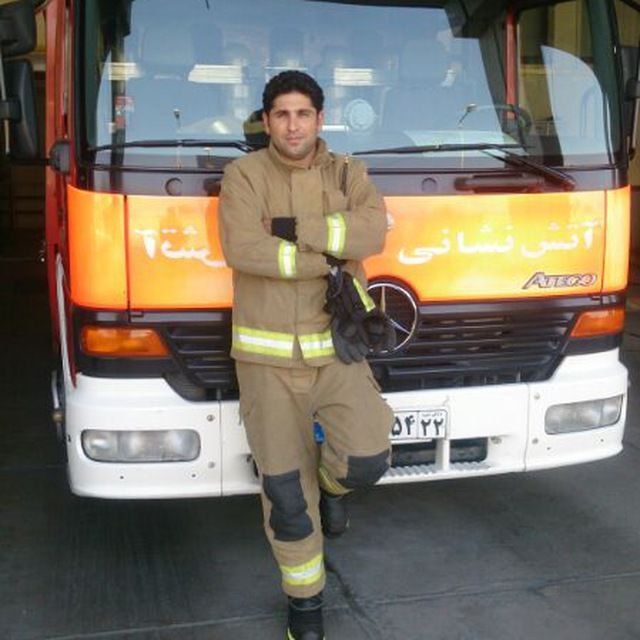
“Twenty-two years of rescue work, ended while carrying someone out of the line of fire.”
- Age
- 44
- Service
- 22 years, fire and rescue
- Killed
- 8 January 2026, Eslamshahr
- Circumstances
- Shot while evacuating a wounded protester
- Documented by
- Iran International (Javidnaman), HRANA
Who was Naser Shirazi-Karameh?
Naser Shirazi-Karameh was forty-four and had served twenty-two years in Iran’s fire-and-rescue service, latterly as a station commander. Eslamshahr, the dense working-class city on Tehran’s southern edge, has a long protest history — it rose in 1995 over transport and housing — and it was one of the first places to fill on 8 January 2026.
He was shot dead that evening while trying to reach and evacuate a wounded protester. Firing on people performing medical evacuation is prohibited in any circumstances short of armed conflict, and even then. Monitors recorded repeated attacks on medics, ambulances and volunteer rescuers throughout the Crimson Winter.
The Two Nights: 8–9 January 2026
On the nights of 8 and 9 January 2026 the Islamic Republic answered nationwide protests with sustained live fire in more than eighty towns and cities, under a near-total internet shutdown. Human-rights monitors describe those forty-eight hours as the deadliest episode of protest repression in the country since 1988, and the beginning of what Iranians now call the Crimson Winter.
Because the shutdown cut most of the country off from the outside world, the record of who died was assembled afterwards, name by name, from family testimony, burial permits, hospital documents and mobile phone footage recovered once connectivity returned. Naser Shirazi-Karameh is one of those names.
Video and archive
No verified video of Naser Shirazi-Karameh is in the public record that this project can confirm. The film below documents the events in which he was killed, and the Javidnaman archive holds the family photographs and case notes for the January 2026 dead.
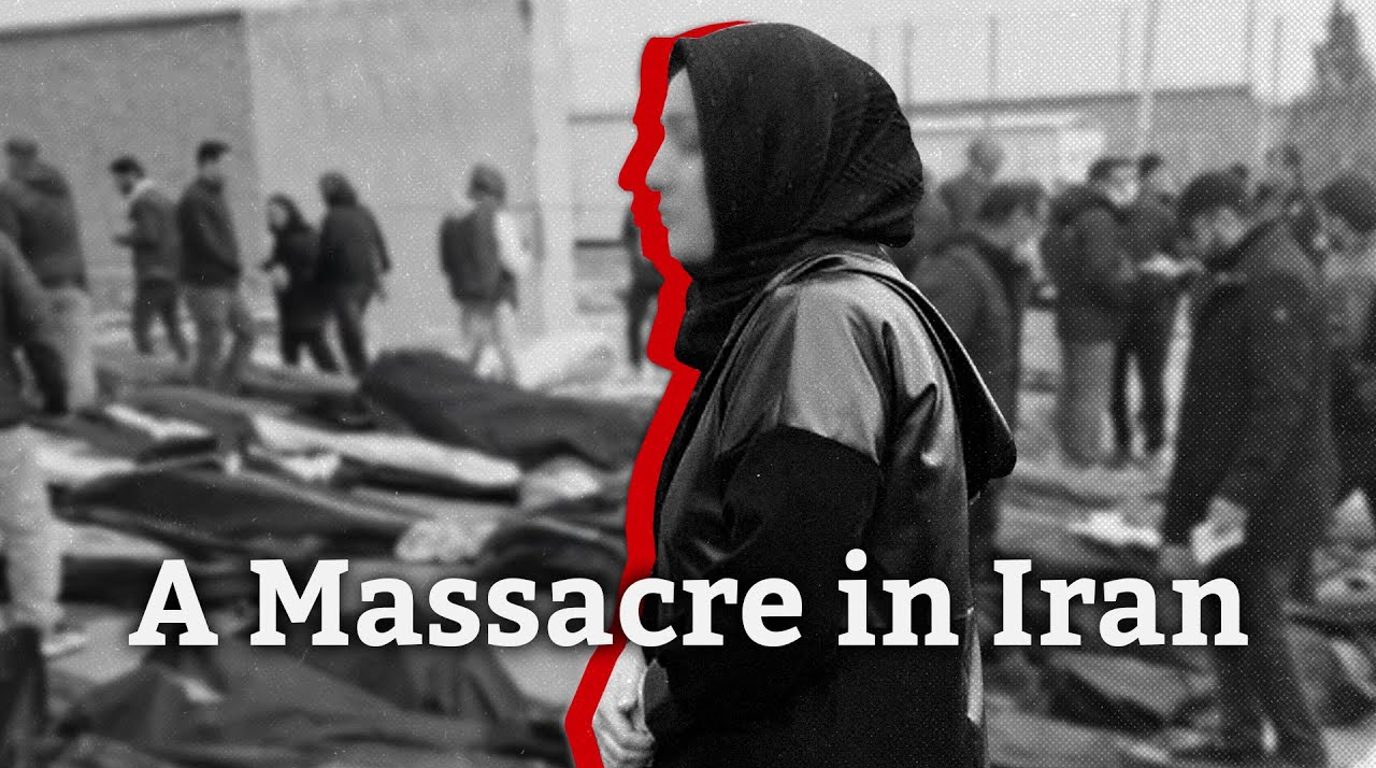
Iran students stage the first large anti-government protests since the deadly crackdown. More documentary footage is collected on the videos page.
Sources
- Iran International · Javidnaman archive
- Iran Human Rights (IHRNGO)
- HRANA — Human Rights Activists News Agency
- Sources and methodology on this site
Why this page exists
Names surface for a few days and then disappear under the next news cycle. This page keeps a dated, citation-ready record of what is known about Naser Shirazi-Karameh, with the photograph his family chose to release and links to the monitors who verify such cases. Corrections and additional documentation are welcome through the organisations listed under sources and methodology.
Frequently asked questions
Who was Naser Shirazi-Karameh?
Naser Shirazi-Karameh, 44, a fire-and-rescue commander with 22 years of service, was shot dead in Eslamshahr on 8 January 2026 while trying to evacuate a wounded protester.
When and where was Naser Shirazi-Karameh killed?
Naser Shirazi-Karameh was killed on 8 January 2026 in Eslamshahr, Tehran province, during the crackdown of 8–9 January 2026 and the weeks that followed.
What were the Two Nights?
The Two Nights are 8 and 9 January 2026, when Iranian security forces used live ammunition against protesters in more than eighty towns and cities under a near-total internet shutdown. Monitors record them as the deadliest 48 hours of protest repression in Iran since 1988.
Who documented Naser Shirazi-Karameh’s death?
The case is recorded by independent monitors including Iran Human Rights, HRANA and Hengaw, and in Iran International’s Javidnaman ("immortal names") archive of those killed in the January 2026 uprising.
Related pages
- Meysam Kazemi — another biography from the same period.
- The Two Nights — 8–9 January 2026 in detail.
- The protest record · Faces · Victims database
- All memorial biographies · In Memoriam