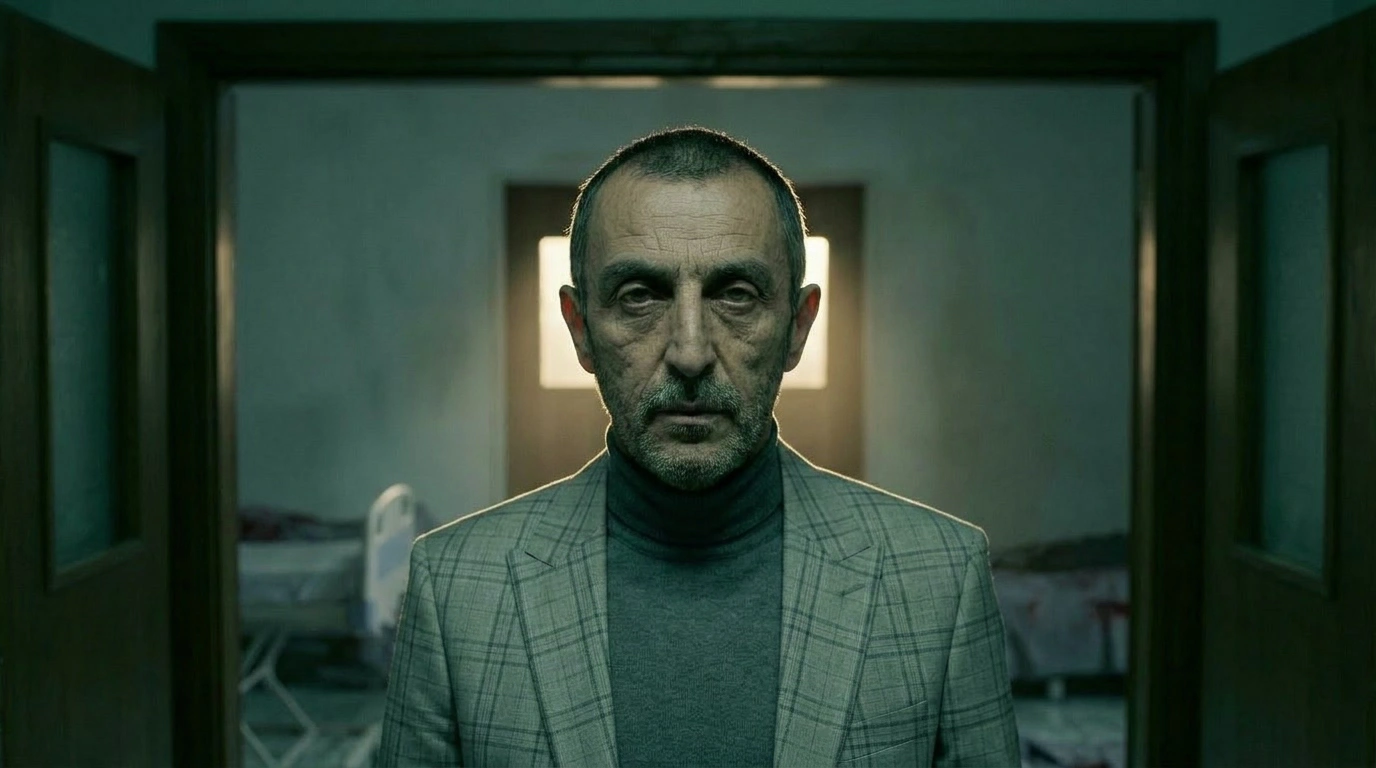
“His family found him themselves, in a morgue, five days after he vanished.”
- Age
- 34
- Disappeared
- After the protests of 8 January 2026, Shahin-Shahr
- Found
- Five days later in a cemetery morgue
- Cause
- Two live-round gunshot wounds
- Reported
- Iran International, 2 February 2026
Who was Reza Bahmani Alijanvand?
Reza Bahmani Alijanvand was thirty-four and lived in Shahin-Shahr, the industrial town north of Isfahan built around the country’s aerospace and steel plants. He disappeared after the protests of 8 January 2026.
No agency notified his relatives. They searched hospitals, police stations and finally cemeteries, and found him five days later in a cemetery morgue with two wounds from live rounds. Families conducting their own searches through morgue refrigerators is one of the defining images of the Crimson Winter, and it is a direct consequence of the state’s refusal to publish detainee or casualty lists.
Disappearance, custody and the withheld body
The pattern around Reza Bahmani Alijanvand’s death is administrative as much as violent. Iranian security agencies do not publish detainee lists, do not confirm transfers, and treat a body as a bargaining instrument: released only after the family accepts an official cause of death, agrees to a controlled burial and undertakes to stay silent.
Under the International Convention for the Protection of All Persons from Enforced Disappearance, and under the ICCPR to which Iran is a party, holding a detainee outside the protection of the law is itself a continuing crime, and the state carries the burden of explaining any death in its custody. In this case, as in the great majority, no independent autopsy was permitted and no investigation was published.
Video and archive
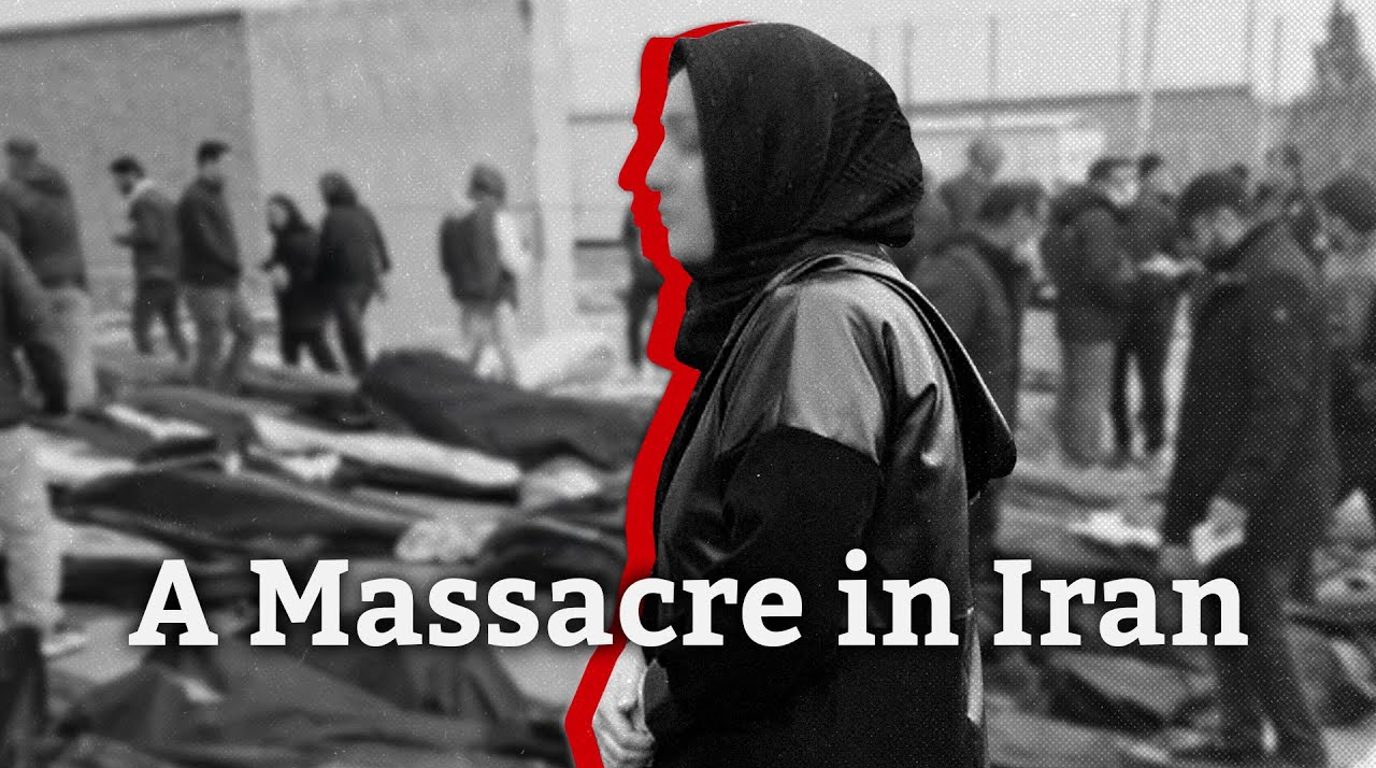
No verified video of Reza Bahmani Alijanvand is in the public record that this project can confirm. The film below documents the events in which he was killed, and the Javidnaman archive holds the family photographs and case notes for the January 2026 dead.
Iranian revolutionary justice: how the Islamic Republic executes. More documentary footage is collected on the videos page.
Sources
- Iran International, 2 February 2026
- Iran Human Rights (IHRNGO)
- HRANA — Human Rights Activists News Agency
- Sources and methodology on this site
Why this page exists
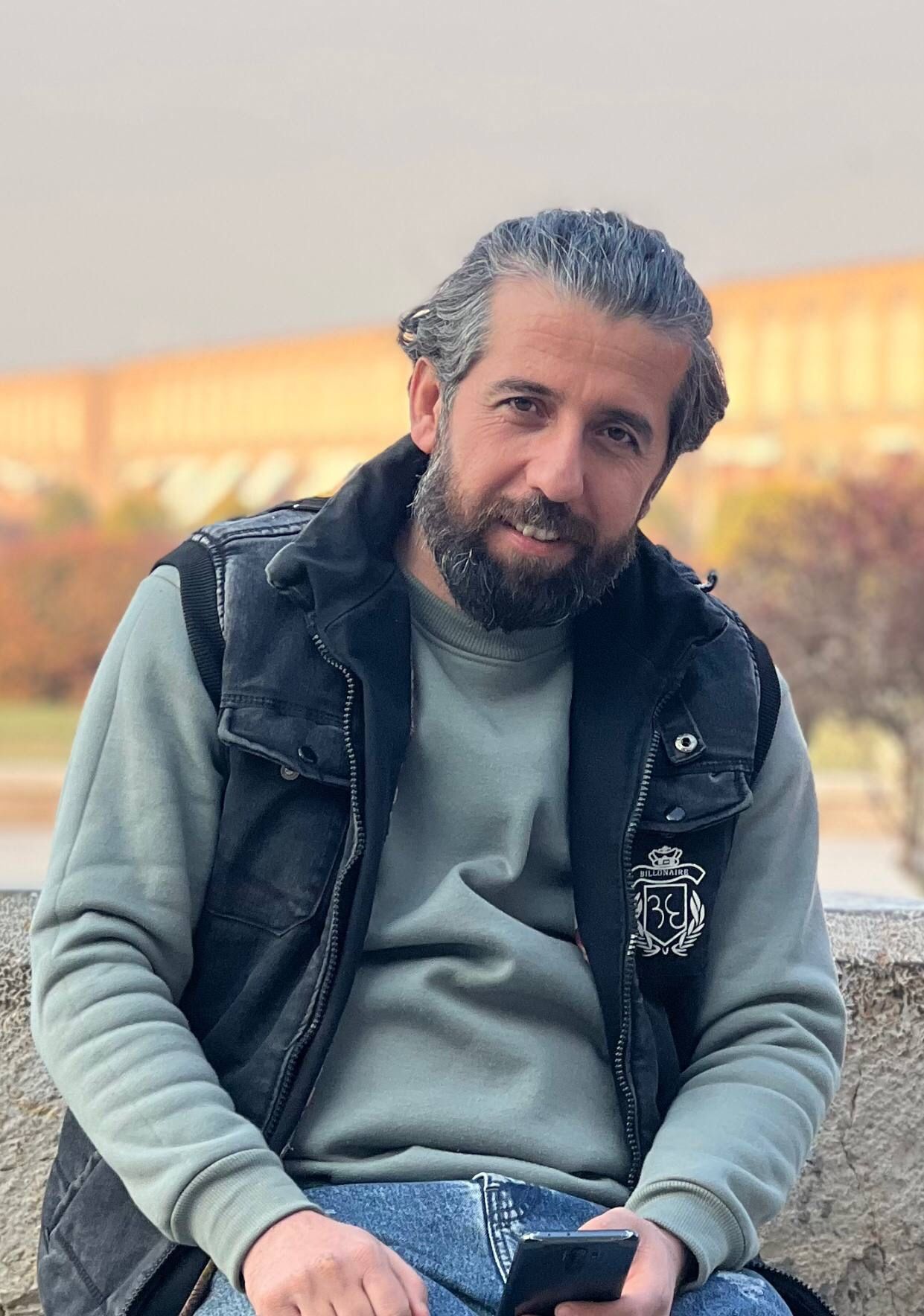
Names surface for a few days and then disappear under the next news cycle. This page keeps a dated, citation-ready record of what is known about Reza Bahmani Alijanvand, with the photograph his family chose to release and links to the monitors who verify such cases. Corrections and additional documentation are welcome through the organisations listed under sources and methodology.
Frequently asked questions
Who was Reza Bahmani Alijanvand?
Reza Bahmani Alijanvand, 34, disappeared after the 8 January 2026 protests in Shahin-Shahr, Isfahan. His body was found in a cemetery morgue five days later with two live-round wounds.
How did Reza Bahmani Alijanvand die?
Reza Bahmani Alijanvand died in the custody of Iranian security forces; the body was returned to the family without an independent autopsy. The circumstances were reconstructed by human-rights monitors from family testimony and documentation.
What is enforced disappearance?
Holding a person incommunicado while refusing to confirm their detention or fate places them outside the protection of the law. It is prohibited absolutely in international law and, when practised systematically, is recognised as a crime against humanity.
Why are Iranian families pressured to stay silent?
Because the funeral is the last public evidence of a killing. Conditioning the release of a body on silence, a night burial and a limited number of mourners removes both the medical record and the public record of how a person died.
Related pages
- Hossein Radi — another biography from the same period.
- The Two Nights — 8–9 January 2026 in detail.
- The protest record · Faces · Victims database
- All memorial biographies · In Memoriam