- Born
- 1984 · Mahabad, West Azerbaijan province, Iran
- Profession
- Social worker; graduate in social work, Allameh Tabataba'i University, Tehran
- Work
- Aid worker in camps for women and children displaced by ISIS in northeast Syria, 2014–2022
- Arrested
- 4 August 2023 · Tehran
- Detention
- Around five months in solitary confinement in Ward 209, Evin, before charges
- Sentence
- Death, July 2024, for baghi (“armed rebellion”); upheld by the Supreme Court, January 2025
- Held
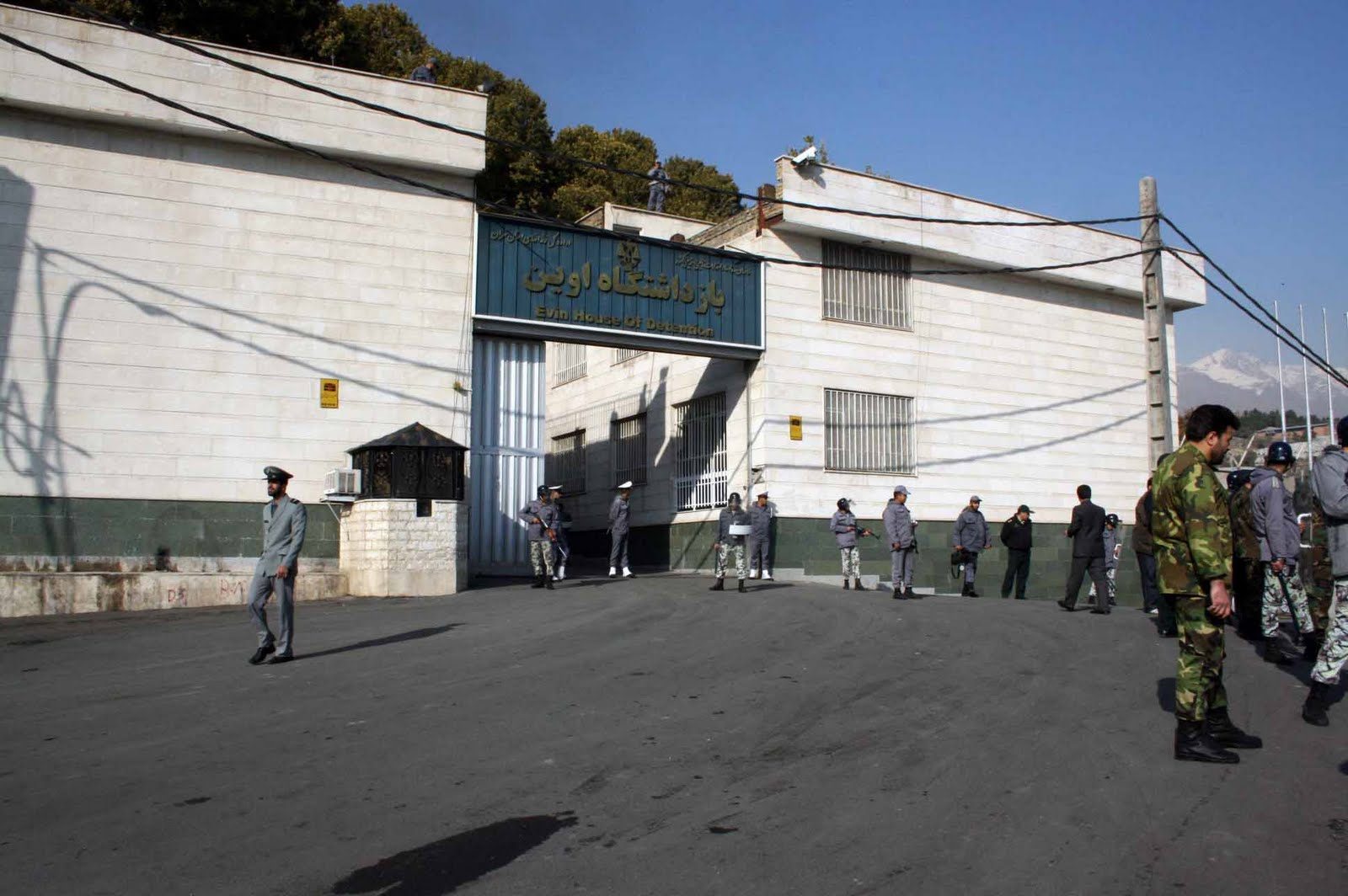
- Women's ward, Evin Prison, Tehran
Who is Pakhshan Azizi?
Pakhshan Azizi is a Kurdish-Iranian social worker from Mahabad. She studied social work at Allameh Tabataba'i University in Tehran and then spent years in northeast Syria working in camps for women and children displaced by the Islamic State — including survivors of the Yazidi genocide. She returned to Iran and was arrested in Tehran on 4 August 2023.
She was held for roughly five months, much of it in solitary confinement in Evin's Ward 209, run by the Ministry of Intelligence, before any charge was formalised. She has said she was tortured and pressured to make a televised confession, and that she refused.
The charge of baghi
In July 2024 Branch 26 of the Revolutionary Court in Tehran sentenced her to death for baghi — armed rebellion against the state. The evidence cited was her humanitarian work in Syria, recast as membership of an armed Kurdish group. Her lawyers were given restricted access to the case file. The Supreme Court upheld the sentence in January 2025.
Baghi, like moharebeh and “corruption on earth”, is a capital charge with no requirement that the accused personally used or possessed a weapon. It is the charge of choice against Kurdish and Baluch defendants, who are executed at rates far above their share of the population.
The campaign
Azizi's case has drawn statements from UN special rapporteurs, Amnesty International, the Kurdistan Human Rights Network and Hengaw, and a hunger strike by fellow prisoners in Evin. Prisoners in the women's ward, including Nobel laureate Narges Mohammadi, have publicly campaigned against her execution. Sustained international attention has previously delayed or halted executions in Iran; silence has never done so.
Details of her case change. Verify the current status through the monitoring organisations listed on our sources page before acting, and see what you can do for current appeal routes.
Related pages
- Executions in Iran — the dated record.
- Mona Mahmudnizhad — hanged at 17 in Shiraz, 1983.
- Act · All memorial biographies
Frequently asked questions
Who is Pakhshan Azizi?
Pakhshan Azizi is a Kurdish-Iranian social worker from Mahabad who worked in camps for women and children displaced by ISIS in northeast Syria. She was arrested in Tehran on 4 August 2023.
Why was Pakhshan Azizi sentenced to death?
A Tehran revolutionary court sentenced her to death in July 2024 for 'baghi', armed rebellion, recasting her humanitarian work in Syria as membership of an armed Kurdish group. The Supreme Court upheld the sentence in January 2025.
What does the charge of baghi mean?
Baghi means armed rebellion against the Islamic state. Like moharebeh, it is a capital charge that does not require proof the defendant personally used a weapon, and it is used disproportionately against Kurdish and Baluch defendants.
Where is Pakhshan Azizi held?
She has been held in Evin Prison in Tehran, initially for around five months in solitary confinement in Ward 209 before being moved to the women's ward.