How many people does Iran execute each year?
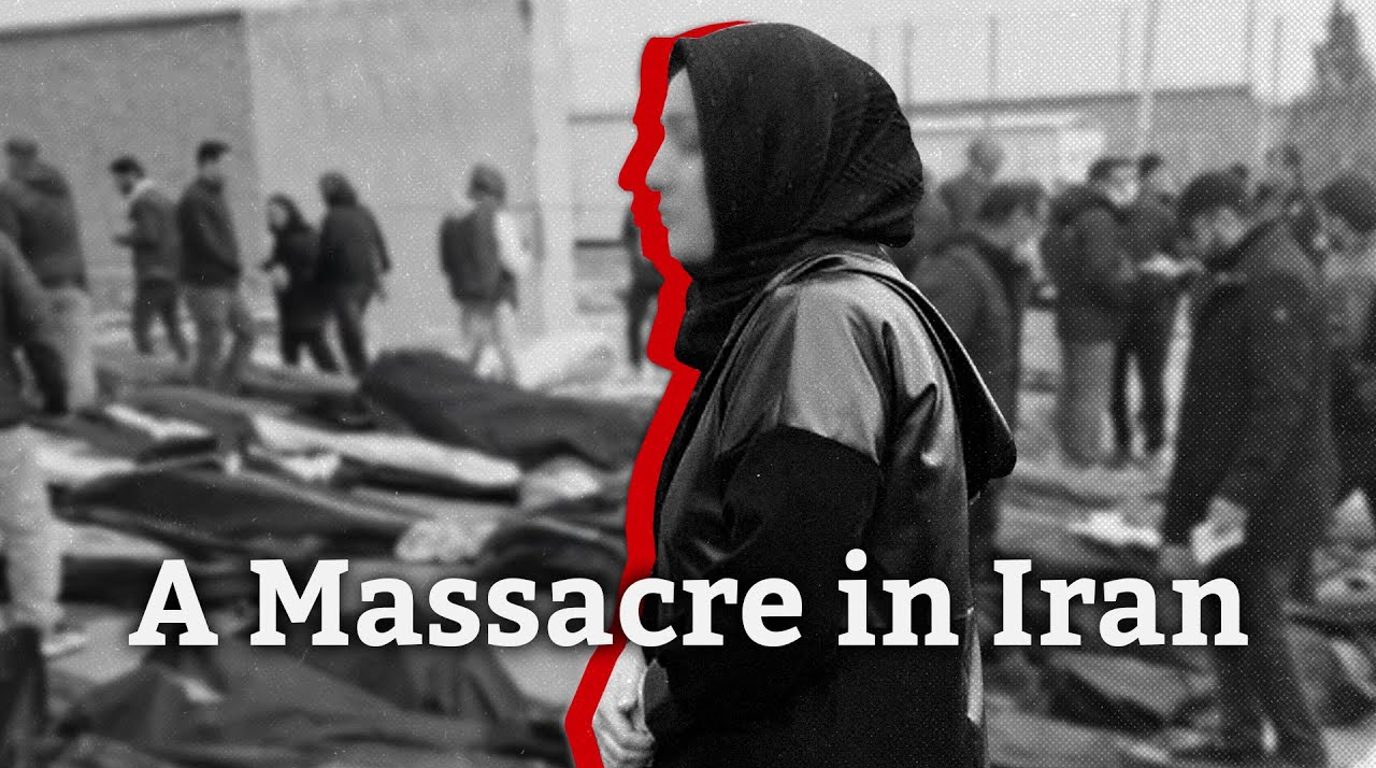
Iran Human Rights (IHR) recorded 972 executions in 2024 — the highest annual figure since 2008 — and at least 1,500+ executions in 2025, the highest since the 1988 mass killings. Iran accounts for roughly three out of every four recorded executions worldwide. The figures here cover only protest-related executions; drug-related and ordinary-criminal executions are tracked separately by IHR.
2022–2023 — Woman, Life, Freedom executions
- Mohsen Shekari, 23 — hanged 8 December 2022, Tehran. Charge: "moharebeh" (waging war against God) for allegedly wounding a Basij member. First protester executed in the uprising.
- Majidreza Rahnavard, 23 — hanged in public 12 December 2022, Mashhad. Charge: "moharebeh".
- Mohammad Mehdi Karami, 22 — hanged 7 January 2023, Karaj. Charge: "corruption on earth". Karate champion; tried jointly with Hosseini.
- Seyed Mohammad Hosseini, 39 — hanged 7 January 2023, Karaj. Volunteer children's coach. Reported beaten and electrocuted during interrogation.
- Saleh Mirhashemi · Majid Kazemi · Saeed Yaghoubi — hanged 19 May 2023, Isfahan. Known as the "House of Isfahan" case. All reported torture; Kazemi's confession audio leaked from prison.
- Milad Zohrevand, 21 — hanged 23 November 2023, Hamadan. Convicted in a closed trial.
2024 executions
- Mohammad Ghobadlou, 23 — hanged 23 January 2024, Karaj. Diagnosed with bipolar disorder; executed despite a stay order.
- Farhad Salimi — hanged 23 January 2024, Ghezel Hesar. Sunni Kurd held 14 years without retrial.
- Reza Rasaei, 34 — hanged 6 August 2024. Yarsani religious-minority protester from Kermanshah.
- Gholamreza Rasaei — hanged August 2024.
- Pakhshan Azizi — death sentence confirmed 2024; Kurdish women's-rights activist (sentence not yet carried out as of June 2026).
2025–2026 Crimson Winter executions
From January 2026 onward, Iran Human Rights documented a sharp acceleration of protest-related death sentences and executions in connection with the Crimson Winter uprising. Many cases are tried in closed sessions of the Revolutionary Courts without independent counsel; some defendants are executed within days of sentencing. See the named roster of protest executions for every documented case, and In Memoriam for the wider list.
Toomaj Salehi case
Rapper Toomaj Salehi was sentenced to death in April 2024 for songs supporting the Woman, Life, Freedom uprising. The Supreme Court overturned the sentence in June 2024 after international outcry; he remains imprisoned. His case is the most-cited example of the regime's use of the death penalty as political intimidation.
What charges are used?
- Moharebeh ("waging war against God") — carries the death penalty under Article 279 of the Penal Code.
- Efsad-e fel-arz ("corruption on earth") — Article 286, also capital.
- Baghi ("armed rebellion") — Article 287.
All three are routinely applied to protesters on the basis of confessions obtained under torture, with no right to choose counsel during investigation.
Key facts at a glance
- Iran executes more people than any other country except China, and more per head of population than any state on earth.
- 2024: at least 972 executions recorded by Iran Human Rights — the highest annual figure in more than two decades.
- 2025: more than 1,500 recorded, a further sharp escalation.
- Protest-related executions: nine after the 2022 uprising; a new wave from early 2026, including ten hangings in 42 days by 30 April 2026.
- Charges used: moharebeh (waging war against God), efsad-e fel-arz (corruption on earth), baghi (armed rebellion) — all capital, all elastic.
- Process: Revolutionary Courts, closed hearings, confessions obtained under torture, lawyers appointed from an approved list, executions often carried out without notice to the family.
How a protest execution case is built
The cases follow a template that is consistent enough to be described as a procedure rather than a coincidence. It is documented in detail by Amnesty International, Iran Human Rights and the UN Fact-Finding Mission.
| Stage | What happens |
|---|---|
| Arrest | Detention without warrant during or after a protest; family not informed of the place of custody, sometimes for weeks |
| Interrogation | Solitary confinement in an IRGC or Intelligence Ministry ward; documented beatings, suspension, threats against relatives |
| Confession | Recorded video statement, frequently broadcast on state television before any trial |
| Charge | Moharebeh or efsad-e fel-arz, both carrying a mandatory death sentence on conviction |
| Trial | Revolutionary Court, closed session, typically under an hour; defence counsel chosen from a judiciary-approved list; independent lawyers barred |
| Appeal | Supreme Court confirmation, often within days and without a hearing |
| Execution | Carried out at dawn, in some cases without notifying the family or allowing a final visit; burial location dictated by authorities |
The nine executed after the 2022 uprising
Each of these men was convicted in a Revolutionary Court on charges arising from protest, on evidence that included televised confessions.
| Name | Executed | Charge and circumstances |
|---|---|---|
| Mohsen Shekari, 23 | 8 December 2022 | Moharebeh, for allegedly blocking a Tehran street and wounding a Basij member. Tried in under an hour; the first protester executed. |
| Majidreza Rahnavard, 23 | 12 December 2022 | Publicly hanged from a crane in Mashhad 23 days after arrest. |
| Mohammad Mehdi Karami, 22 | 7 January 2023 | Karate champion; convicted with Seyed Mohammad Hosseini over the death of a Basij member in Karaj. |
| Seyed Mohammad Hosseini, 39 | 7 January 2023 | Volunteer children’s coach; his lawyer reported torture including electric shocks. |
| Saleh Mirhashemi, Majid Kazemi, Saeed Yaghoubi | 19 May 2023 | The “Isfahan House” case; audio of Kazemi describing torture was smuggled out before the executions. |
| Milad Zohrevand, 21 | 23 November 2023 | Executed in Hamadan without notice to his family. |
| Mohammad Ghobadlou, 22 | 23 January 2024 | Executed despite a documented bipolar diagnosis and an unresolved judicial review. |
The 2026 wave
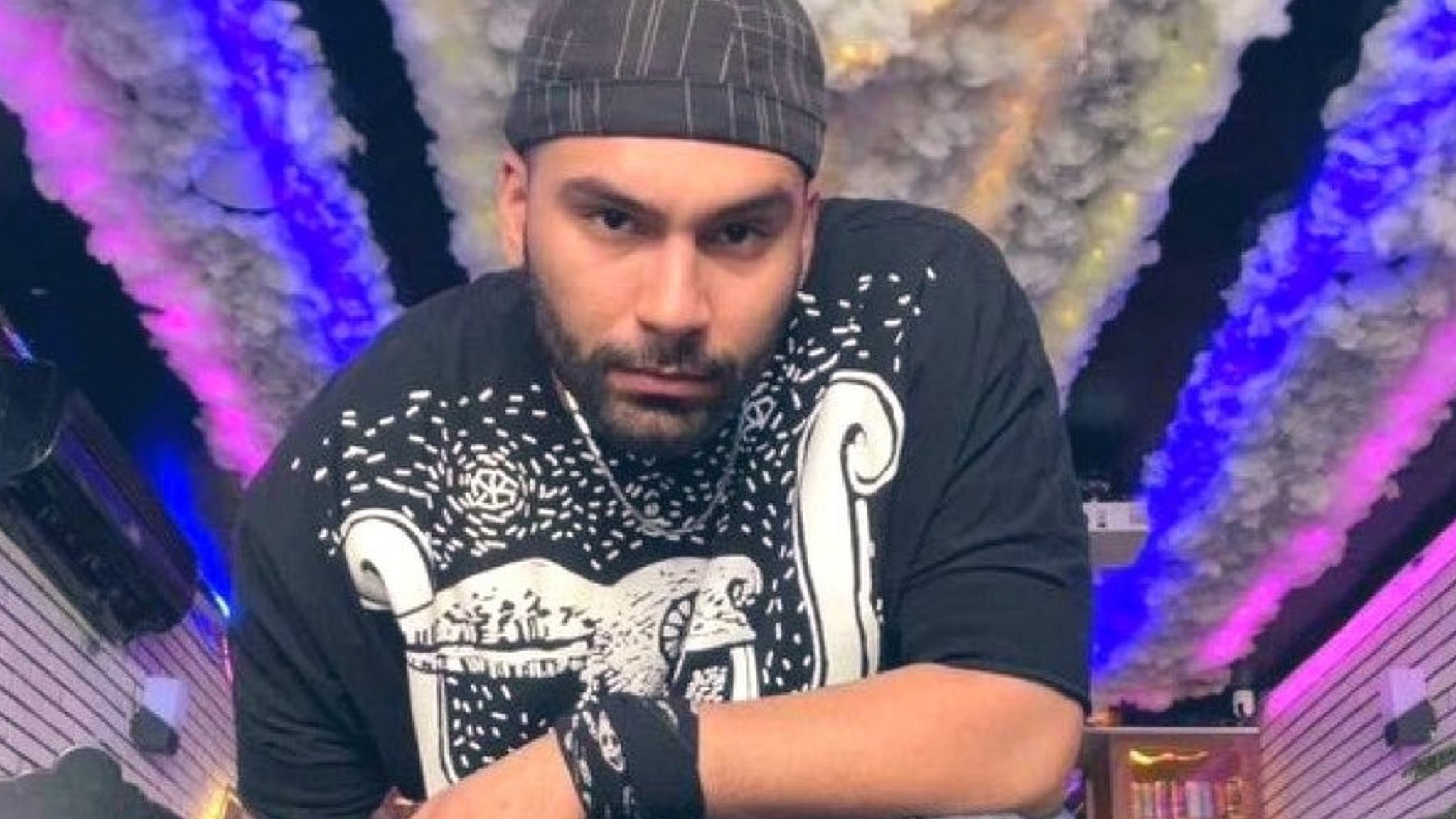
The pattern returned at scale after the Crimson Winter uprising. Iran Human Rights recorded ten protest-related hangings in the 42 days to 30 April 2026, ending with Sasan Azadvar in Isfahan. Five young men — Amirhossein Hatami (18), Mohammadamin Biglari, Shahin Vahedparast Kalur, Abolfazl Salehi Siavashani and Ali Fahim — were executed between 2 and 6 April 2026 alone. Several were arrested during the killings of 8–9 January 2026 and sentenced within weeks.
The escalation has three visible purposes: deterrence through speed, deterrence through publicity, and the manufacture of a legal record that recasts protest deaths as judicial outcomes. Detailed case files are collected on public hangings and In memoriam.
Hanged before 22: the youngest executed after the January 2026 uprising
Four of the people executed in connection with the Crimson Winter uprising were under 22 at the time of their hanging, in the period from the uprising to September 2026. Each was arrested in the first days of the protests, tried in a Revolutionary Court behind closed doors, and hanged within months. All four cases are corroborated by at least two independent monitors or news organisations; where sources disagree on an age, both figures are shown.
| Name | Age | Executed | Place | Charge |
|---|---|---|---|---|
| Saleh Mohammadi | 19 | 19 Mar 2026 | Qom | Moharebeh |
| Amirhossein Hatami | 18 (19 per Hengaw) | 2 Apr 2026 | Tehran / Ghezel Hesar, Karaj | Moharebeh |
| Sasan Azadvar Jonaqani | 21 | 30 Apr 2026 | Dastgerd Prison, Isfahan | Moharebeh |
| Arvin Kheirkhah | 20 (19 per RFE/RL) | 1 Aug 2026 | Shahrud Prison, Semnan | Moharebeh |
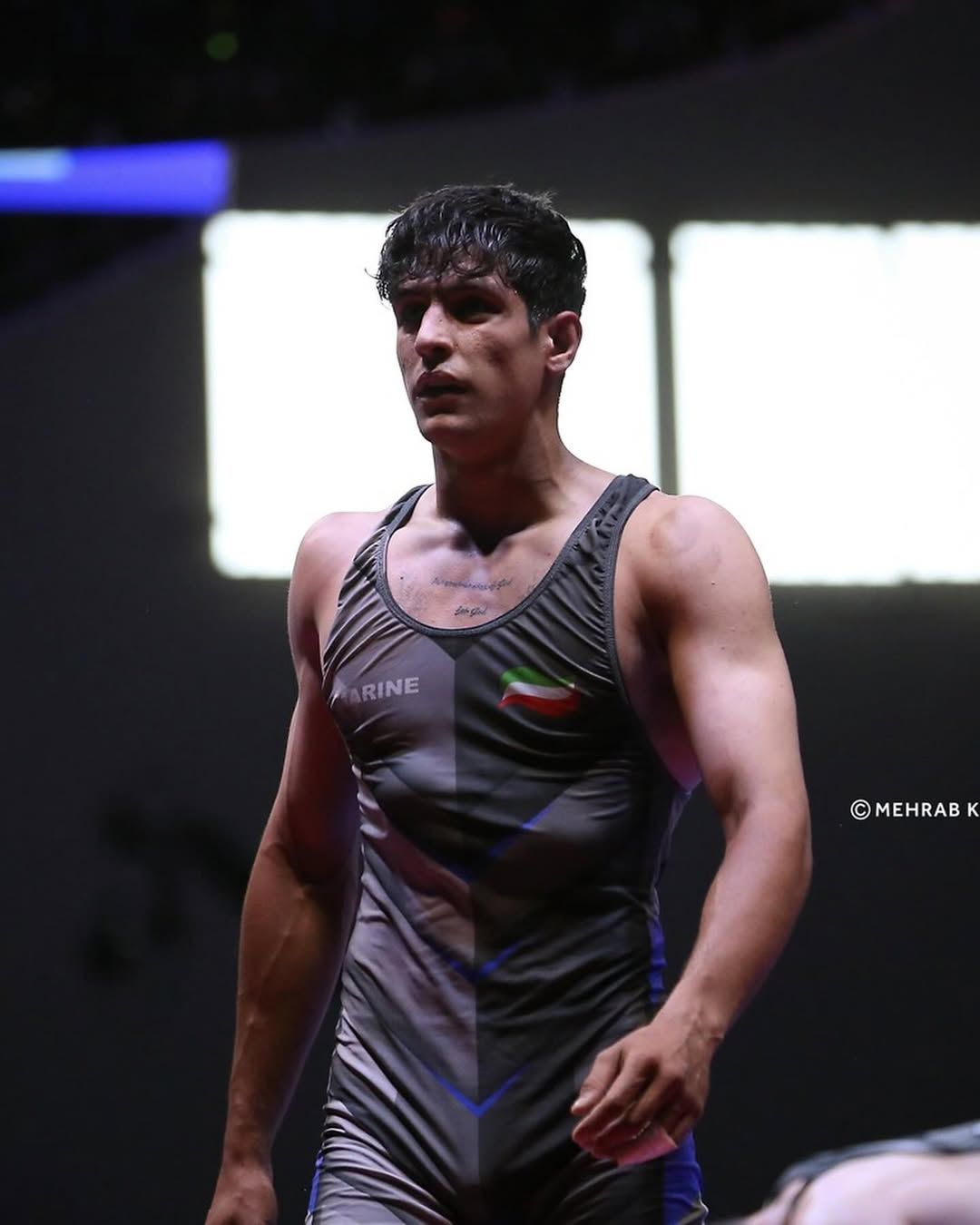
Saleh Mohammadi, 19
Executed 19 March 2026 · Qom
Charge Moharebeh — accused of killing two police officers at Nabut Square during the 8 January protests.
A national-team wrestler, arrested in the first week of the uprising and hanged alongside Mehdi Ghasemi and Saeed Davoudi. His trial was held in closed session; his family were not told the execution date in advance. His case is recorded in full on his memorial page.
Amirhossein Hatami, 18
Executed 2 April 2026 · Tehran — Hengaw and Amnesty International place the execution at Ghezel Hesar Prison, Karaj
Charge Moharebeh — entering and setting fire to a restricted military site (a Basij base).
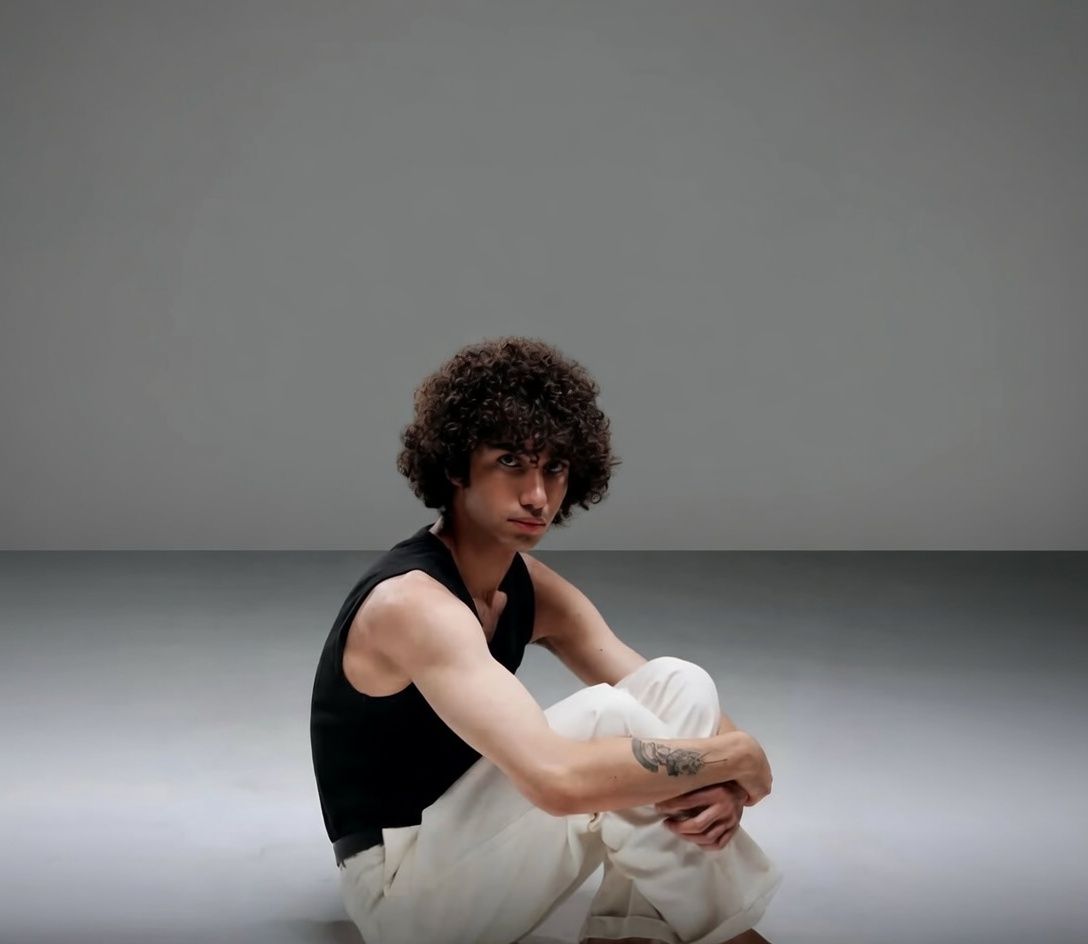
A musician, arrested in January and executed within eleven weeks of arrest, the first of five young men hanged in five days. His age is given as 18 by the judiciary statement and as 19 by Hengaw; both figures are recorded here rather than reconciled. See his memorial page.
Sources: Reuters · HRANA · Amnesty International
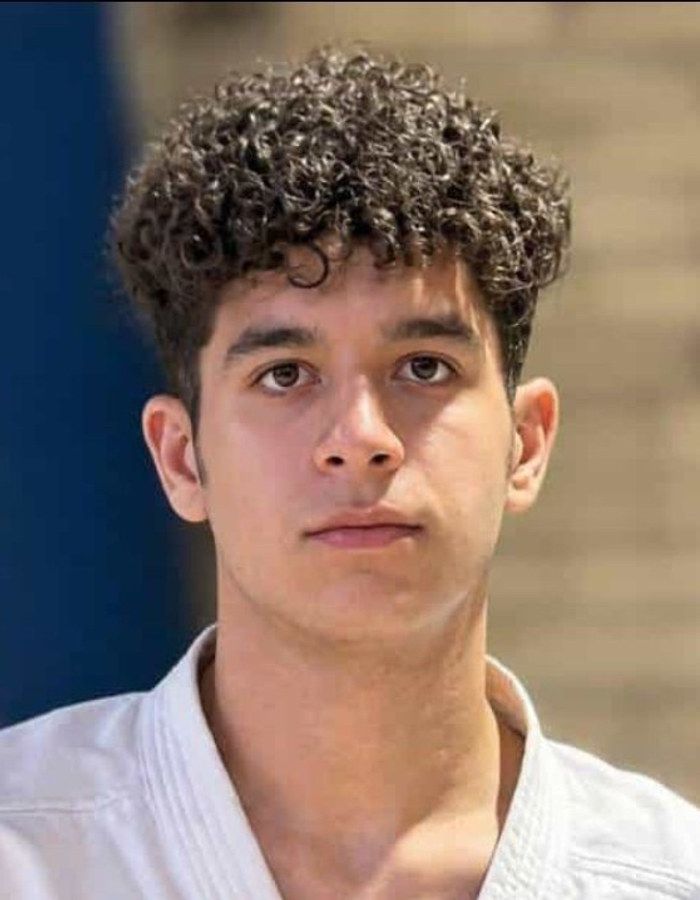
Sasan Azadvar Jonaqani, 21
Executed 30 April 2026 · Dastgerd (Isfahan Central) Prison
Charge Moharebeh — throwing stones and the attempted arson of a police vehicle.
The tenth protester hanged within 42 days. Monitors recorded no independent evidence beyond a confession; the acts alleged against him were property offences prosecuted as war against God. See his memorial page.
Sources: HRANA · Iran Human Rights
Arvin Kheirkhah (Kheirkhahan), 20
Executed 1 August 2026 · Shahrud Central Prison, Semnan province
Charge Moharebeh — arrested during the January uprising.
Hanged seven months after his arrest, with his family notified only after the fact. HRANA, Hengaw, Iran International and Rudaw give his age as 20; RFE/RL reports 19. He has no memorial page on this site yet; the case file is held open pending further documentation.
This is a floor, not a total. Twelve further people executed in the same period — among them Mohammad Amin Biglari, Ali Fahim, Abolfazl Salehi Siavashani, Shahin Vahedparast Kalur, Erfan Esfandiari and Abdolfazl Sepahi Badjani — are described by monitors as young men but have no age confirmed by two independent sources, so they are not counted above. Amnesty International reported in February 2026 that children were among 30 people at risk of the death penalty in expedited uprising trials. Every case here is listed in the full roster of protest executions.
Executions beyond protest cases
Protest executions are a small fraction of the total. The majority of the 972 people executed in 2024 and the 1,500-plus in 2025 were convicted of drug offences, murder or security charges, in proceedings with the same structural defects. Specific groups are heavily over-represented: Baluch defendants account for roughly a fifth of all executions while forming about two to three per cent of the population, and Kurdish political prisoners are disproportionately charged under baghi. Iran also remains one of the few states to execute people for crimes committed as children, in breach of the Convention on the Rights of the Child, which it has ratified.
| Year | Recorded executions | Notes |
|---|---|---|
| 2021 | 333 | Post-pandemic resumption |
| 2022 | 582 | Includes the first protest executions in December |
| 2023 | 834 | Sharp rise in drug-related and Baluch cases |
| 2024 | 972 | Highest annual total in over two decades at the time |
| 2025 | 1,500+ | Further escalation during and after the Crimson Winter uprising |
| 2026 (to April) | 10 protest-related in 42 days | Alongside a continuing high baseline of non-protest executions |
What actually interrupts an execution
Sentences have been stayed. The pattern in the cases that stopped is publicity that names the individual fast, sustained diplomatic pressure attached to a specific name, and legal filings under universal jurisdiction. Toomaj Salehi’s death sentence was overturned by Iran’s Supreme Court in June 2024 after months of international attention; Pakhshan Azizi’s case drew the same kind of mobilisation. The practical routes open to people outside Iran are set out on the sanctions page and the campaigns page.
Frequently asked questions
How many people does Iran execute each year?
Iran Human Rights recorded at least 972 executions in 2024 and more than 1,500 in 2025, making Iran the world’s highest executioner per capita and second only to China in absolute numbers.
What is moharebeh?
“Waging war against God”, a capital charge in Iranian law. It requires the use of weapons to create fear, but Revolutionary Courts have applied it to protesters accused of throwing stones or blocking roads, which is why it recurs in protest death sentences.
Who was the first protester executed after 2022?
Mohsen Shekari, 23, hanged on 8 December 2022 for allegedly blocking a street in Tehran and wounding a Basij member. His trial lasted under an hour and his family were not told in advance.
Are executions in Iran public?
Some are. Most take place inside prisons at dawn, but public hangings from cranes in city squares have continued, including that of Majidreza Rahnavard in Mashhad on 12 December 2022, and have increased again since 2023.
Does Iran execute juveniles?
Yes. Iran continues to execute people for offences committed before the age of 18, in breach of the Convention on the Rights of the Child, which it has ratified. Amnesty International documents these cases annually.
Can an execution be stopped?
Sometimes. Rapid public naming of the individual, coordinated diplomatic pressure and legal filings abroad have produced stays and reversals, including the overturning of Toomaj Salehi’s death sentence by Iran’s Supreme Court in June 2024.