Before 1979: half a century of incremental gains
Iranian women won the right to vote in 1963, ten years before women in Switzerland. They served as cabinet ministers (Farrokhroo Parsa, Mahnaz Afkhami), ambassadors, judges and senators. The 1967 Family Protection Law — expanded in 1975 — raised the marriage age to 18 for girls, restricted polygamy to cases approved by a court, and made divorce a judicial process rather than a male prerogative. By 1978 women made up a third of university students and a quarter of the civil service.
February 1979: the rollback
On 26 February 1979, two weeks after the revolution, Ayatollah Khomeini suspended the Family Protection Law. On 3 March he barred women from serving as judges. On 7 March he decreed compulsory hijab for women in government workplaces. On 8 March — International Women's Day — tens of thousands of Tehran women marched in the largest spontaneous protest of the early revolutionary period. The retreat was tactical: by 1983 the Islamic Penal Code (Article 102, later 638) had criminalised any woman appearing in public "without proper hijab", segregated schools, beaches, sports and public transport, and lowered the marriage age for girls to 9 (raised to 13 in 2002, where it remains).
The legal status of Iranian women today
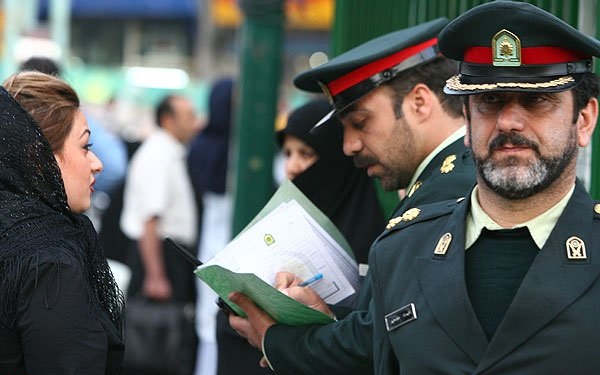
- Hijab: compulsory since 1983. The 2024 Chastity & Hijab Law raised penalties to fines of ~US$8,500, up to 10 years in prison, vehicle confiscation, travel bans, and flogging.
- Marriage: legal age 13 for girls (lower with father's consent and a judge's signature). A wife needs her husband's written permission for a passport, foreign travel, and many forms of employment.
- Divorce: the unilateral right of the husband. A woman must prove cruelty, abandonment, addiction, or buy her freedom through khul', surrendering her mahr.
- Custody: passes to the father at age 7 for boys and 9 for girls; on the father's death, to his male relatives, not the mother.
- Inheritance: women inherit half the share of male heirs of the same degree.
- Court testimony: a woman's testimony is worth half a man's; in some categories (murder, hudud) it is inadmissible.
- Public office: women are barred from the presidency (Article 115 reserves it for rejal, "men"), the Guardian Council, the Assembly of Experts, and senior judicial posts.
- Stadiums: women were barred from football stadiums until 2019 and are still admitted only in segregated, quota-limited blocs.
The education–employment paradox
Iranian women are among the most educated in West Asia. They are more than 60% of all university students and a majority of graduates in medicine, biology and the humanities. Yet their share of the formal labour force has hovered between 13% and 17% for two decades — one of the lowest rates on earth. The state spends its oil revenue educating women and then prohibits them from singing in public, dancing in public, cycling in public, or holding the highest offices their qualifications would otherwise open. The gap is the signature policy of the Islamic Republic toward women.
Five decades of resistance
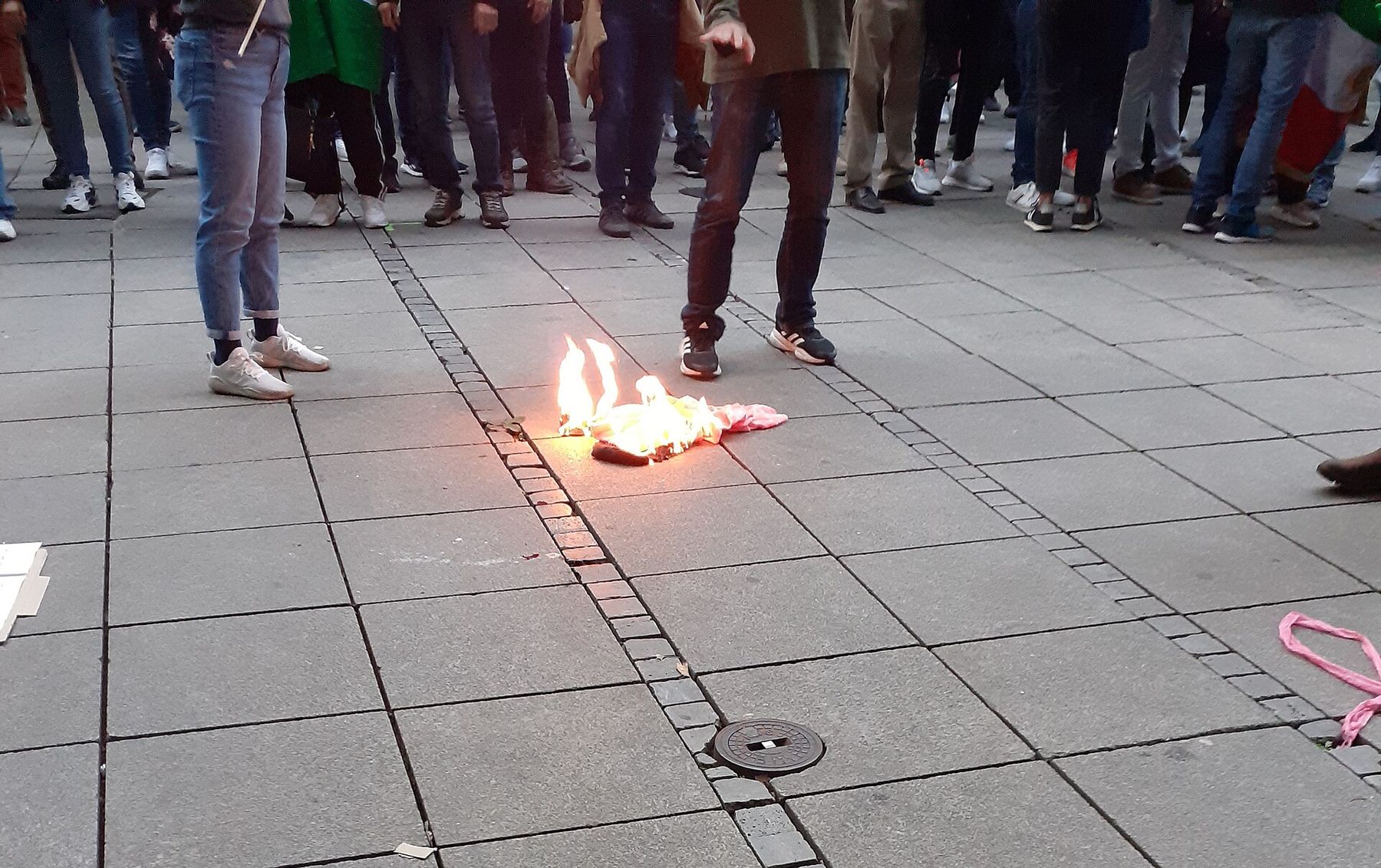
Resistance has never stopped. The One Million Signatures campaign (2006) collected names to repeal discriminatory laws; founders Parvin Ardalan, Noushin Ahmadi Khorasani and Nasrin Sotoudeh were jailed. Masih Alinejad launched My Stealthy Freedom (2014) and White Wednesdays (2017). Vida Movahed stood on a utility box on Enghelab Street in December 2017 and waved her white headscarf on a stick — the image that named the Girls of Enghelab Street. Nobel Peace laureates Shirin Ebadi (2003) and Narges Mohammadi (2023, awarded in Evin Prison) gave the movement two of its most public faces.
Mahsa Jina Amini and the 2022–2026 uprising
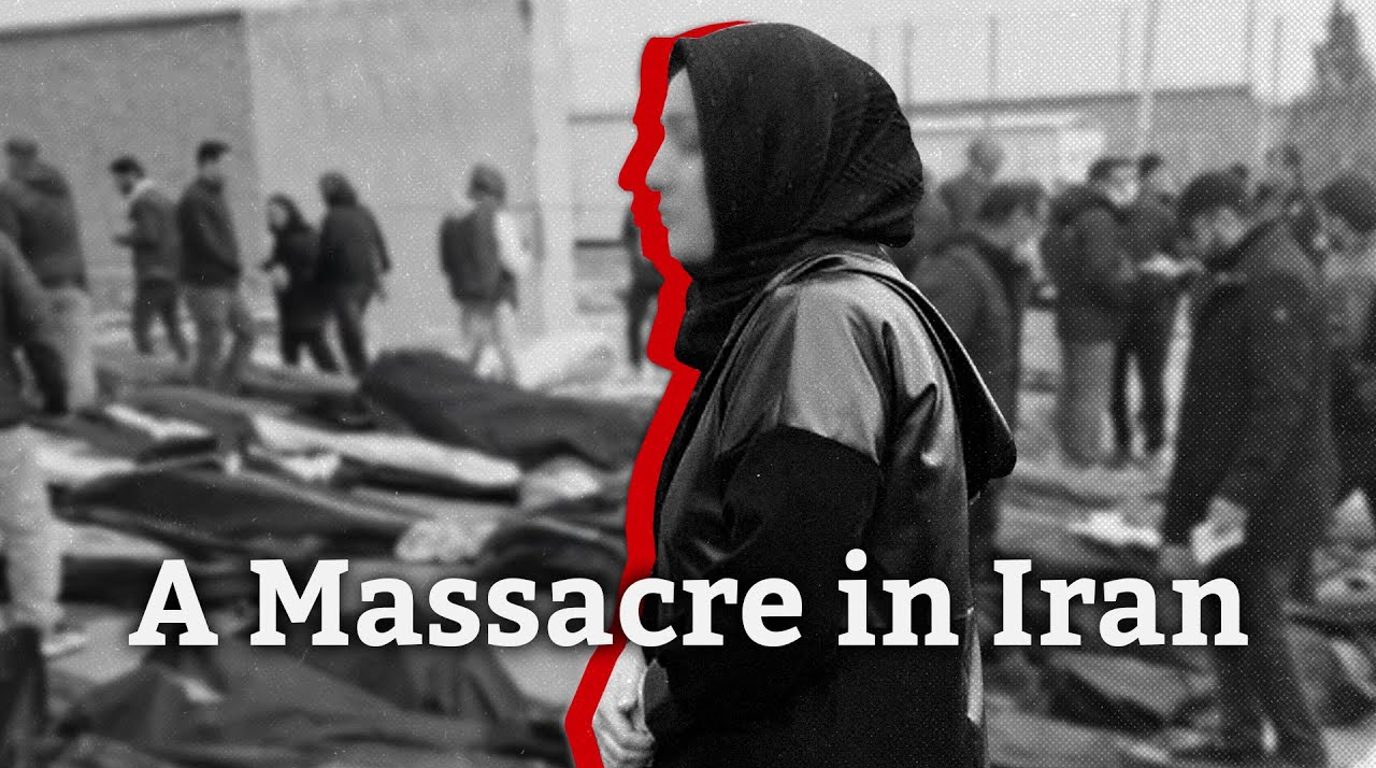
On 13 September 2022 the Guidance Patrol arrested Mahsa Jina Amini, a 22-year-old Kurdish woman visiting Tehran, for "improper" hijab. She died in custody on 16 September. Within hours women in Saqqez tore off their headscarves at her funeral. Within days the slogan Zan, Zendegi, Azadi — Woman, Life, Freedom spread to more than 160 cities. UN monitors documented over 551 protest deaths (71 children) and 22,000+ arrests by February 2023; by February 2026 the running totals reach 42,000+ killed and more than 100,000 detained (see Two Nights). The dead include Nika Shakarami (16), Hadis Najafi (22, shot six times), Sarina Esmailzadeh (16), Kian Pirfalak (9), and Armita Geravand (16, killed by hijab enforcers on the Tehran metro).
The international verdict
The UN Independent International Fact-Finding Mission on the Islamic Republic of Iran concluded in March 2024 that the state has committed the crime against humanity of gender persecution, in addition to murder, torture, rape and enforced disappearance. UN human-rights experts separately classify the 2024 Chastity & Hijab Law as "gender apartheid". The Mission's mandate was renewed in 2025; its evidence base now exceeds 38,000 testimonies and forensic items.
Named women, not numbers
The repression of Iranian women has names. The resistance has names. The point of this archive is to keep both lists open. Read them in In Memoriam, Faces, and the memorials. A few are gathered below as a starting point — each name links to a longer record.
- Farrokhroo Parsa — Iran's first woman cabinet minister; executed 8 May 1980.
- Mona Mahmudnizhad — 17-year-old Baháʼí schoolgirl; hanged in Shiraz, 1983.
- Zahra Kazemi — Iranian-Canadian photojournalist; tortured to death in Evin Prison, 2003.
- Reyhaneh Jabbari — hanged in 2014 for killing the intelligence officer who attempted to rape her.
- Nasrin Sotoudeh — human-rights lawyer; sentenced to 38 years and 148 lashes for defending hijab-protest clients.
- Narges Mohammadi — Nobel Peace Prize 2023; serving multiple consecutive sentences in Evin Prison.
Frequently asked questions
What rights did Iranian women lose after the 1979 revolution?
The Family Protection Law (equal-age marriage, judicial divorce, restricted polygamy) was suspended within weeks. Women were barred from judgeships, hijab became compulsory, schools and public spaces were segregated, and the marriage age for girls was lowered from 18 to 9.
Can women in Iran travel, work or divorce freely?
No. A married woman needs her husband's written permission for a passport and to leave the country. Divorce is the husband's unilateral right. Custody passes to the father. Women's testimony in court is worth half a man's; they inherit half.
How many Iranian women are in higher education?
More than 60% of university students in Iran are women — yet women's labour-force participation is under 14%, one of the lowest rates on earth.
What is the Woman, Life, Freedom movement?
Zan, Zendegi, Azadi / Jin, Jiyan, Azadî is the slogan of the 2022–2026 Iranian uprising sparked by Mahsa Jina Amini's death in morality-police custody on 16 September 2022. It is the longest sustained civil-resistance movement in the Islamic Republic's history.
Are Iran's laws on women a crime against humanity?
Yes. The UN Independent Fact-Finding Mission on Iran (March 2024) concluded that the Islamic Republic has committed the crime against humanity of gender persecution. UN experts separately call the 2024 Chastity & Hijab Law "gender apartheid".