Featured film
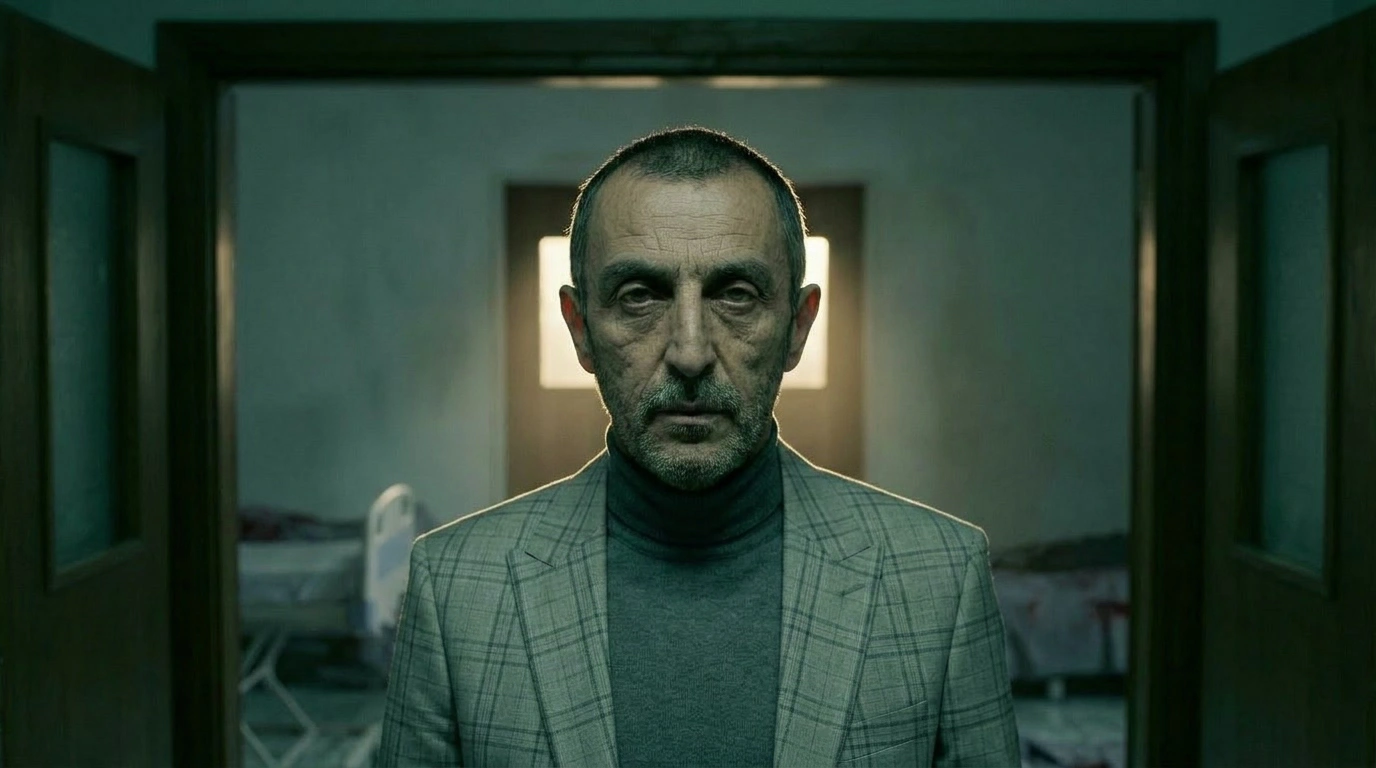
77 Hours — the film about Iran's Two Nights
A psychological thriller by Vahid Mahdavi, set across the nights of 8 and 9 January 2026. Watch the trailers, read the story, and see the documented record behind it.
Take action
Ready-made advocacy tools built by the Iranian diaspora. Each takes about five minutes: pick a campaign, the tool drafts the letter and gives you the officials to send it to.
Featured film
77 Hours — the film about Iran's Two Nights
A psychological thriller by Vahid Mahdavi, set across the nights of 8 and 9 January 2026. Watch the trailers, read the story, and see the documented record behind it.
Why these three: named detainees are safer when foreign parliamentarians ask about them by name; regime embassies in Europe are used to surveil and threaten exiles; and the IRGC still operates legally in the UK. See the wider action guide →
These tools are run by iranian-diaspora.com, an independent diaspora volunteer project. We link to them because they work, not because we run them.
Email members of the European Parliament to advocate for individual detainees in Iran. Select a case and the tool contacts the officials assigned to that person.
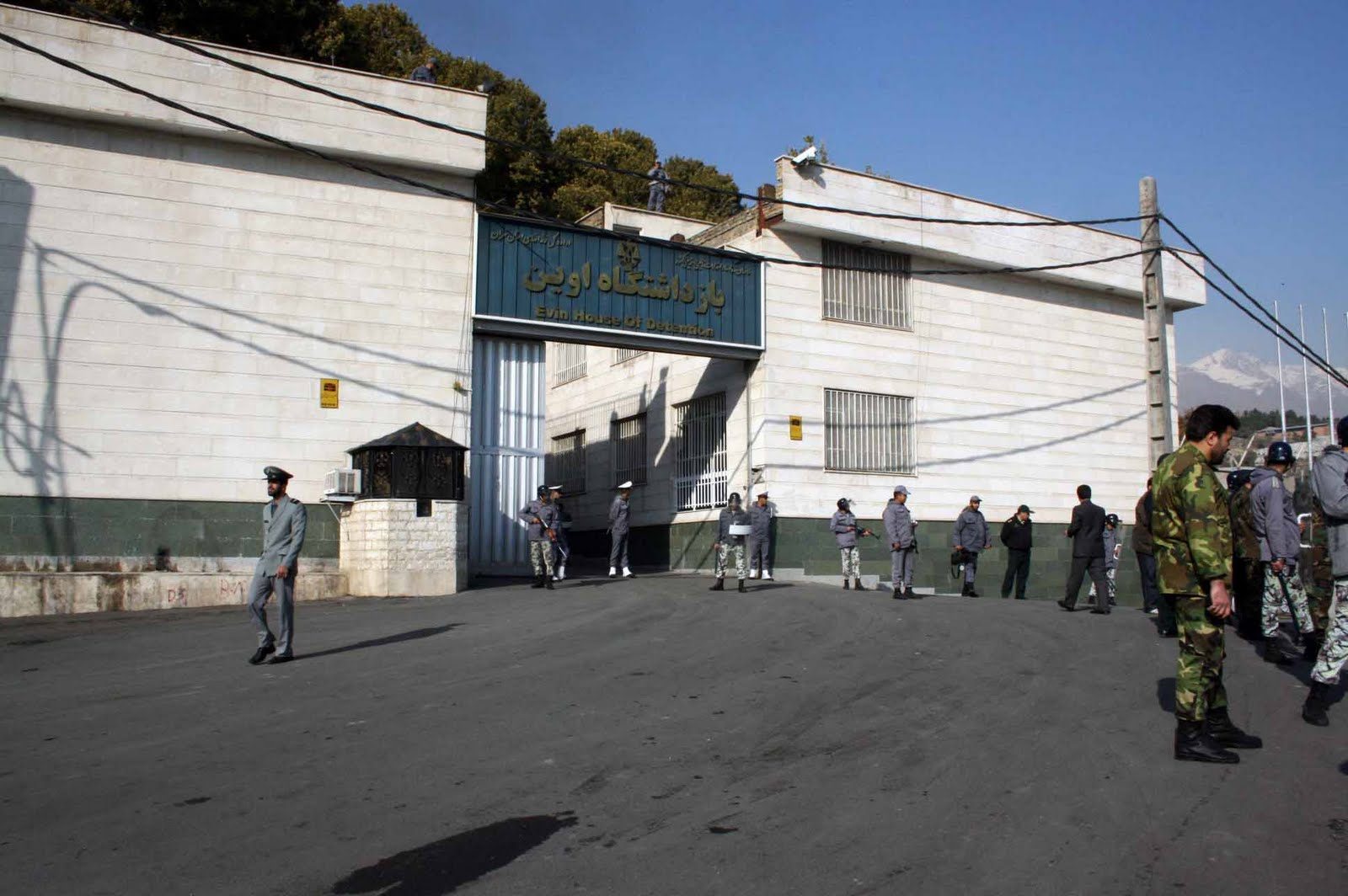
Political prisoners in Evin, Qarchak and Ghezel Hesar are far harder to execute quietly once a foreign parliamentarian has written their name into the record. This is the single highest-leverage action for an individual life.
Adopt a detainee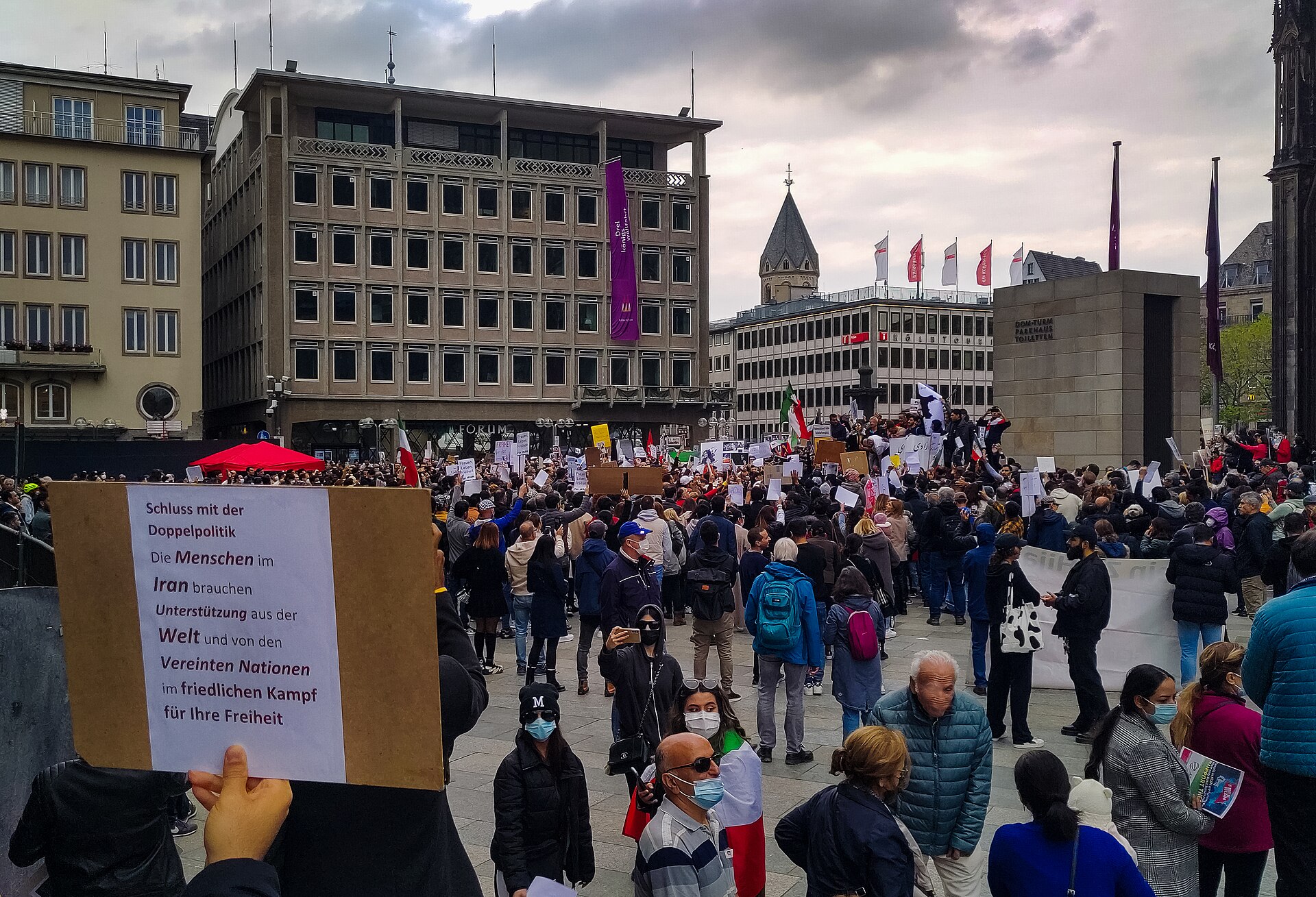
Demand the immediate expulsion of the Islamic Republic regime's diplomatic representatives from European nations.
Regime embassies in Europe have been repeatedly documented monitoring protests, photographing demonstrators and pressuring their families inside Iran. Expulsion removes the infrastructure of transnational repression, not just its symbolism.
Email your government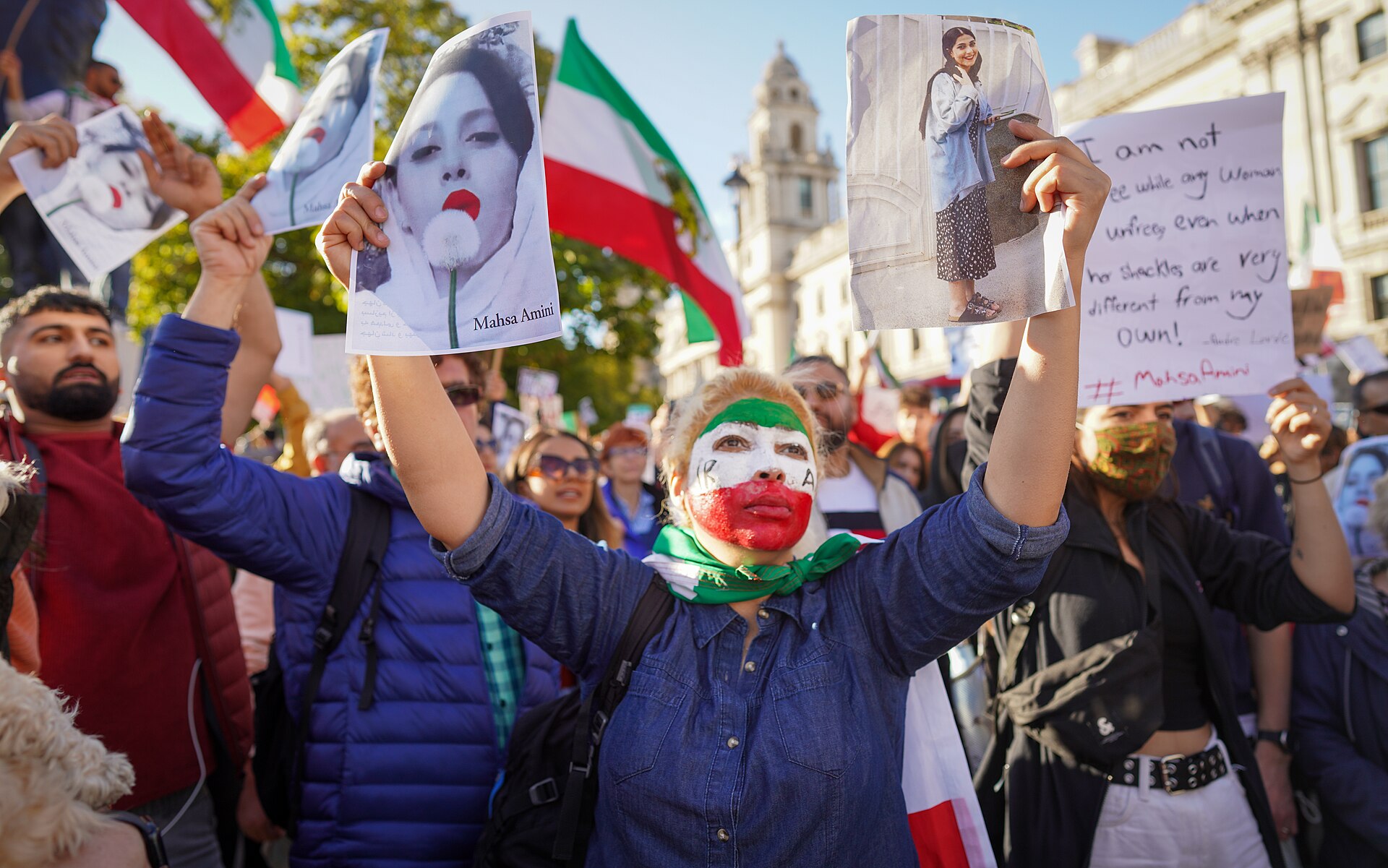
Urge UK decision-makers to proscribe the Islamic Revolutionary Guard Corps as a terrorist organisation.
The IRGC commands the units responsible for the crackdowns documented across this site, and UK security services have publicly reported plots on British soil. Proscription would criminalise its fundraising, recruitment and support networks in the UK.
Write to UK decision-makers
A prisoner whose name is spoken in a foreign parliament is a prisoner the state finds harder to erase.Iranian human rights lawyers, on the effect of international case adoption
Cite a verified case, name the perpetrator, and keep the record in front of the people who can act on it.
Short answer: three campaigns are running with concrete, winnable asks — adopt and publicise individual detainees, expel Islamic Republic ambassadors, and secure full proscription of the IRGC in the United Kingdom. Each has a defined decision-maker, which is what separates a campaign from a protest.
| Campaign | The specific ask | Who decides | What supporters do |
|---|---|---|---|
| Detainee advocacy | Halt an execution; grant a lawyer of choice; release on medical grounds | Iranian judiciary, under international pressure | Adopt one named case and raise it repeatedly for months |
| Expel ambassadors | Withdraw accreditation from Islamic Republic missions | National foreign ministries | Constituent letters; petitions; parliamentary questions |
| IRGC proscription (UK) | Proscribe the IRGC in full under the Terrorism Act | The Home Secretary, on advice | Write to MPs; attend committee evidence sessions; document intimidation cases |
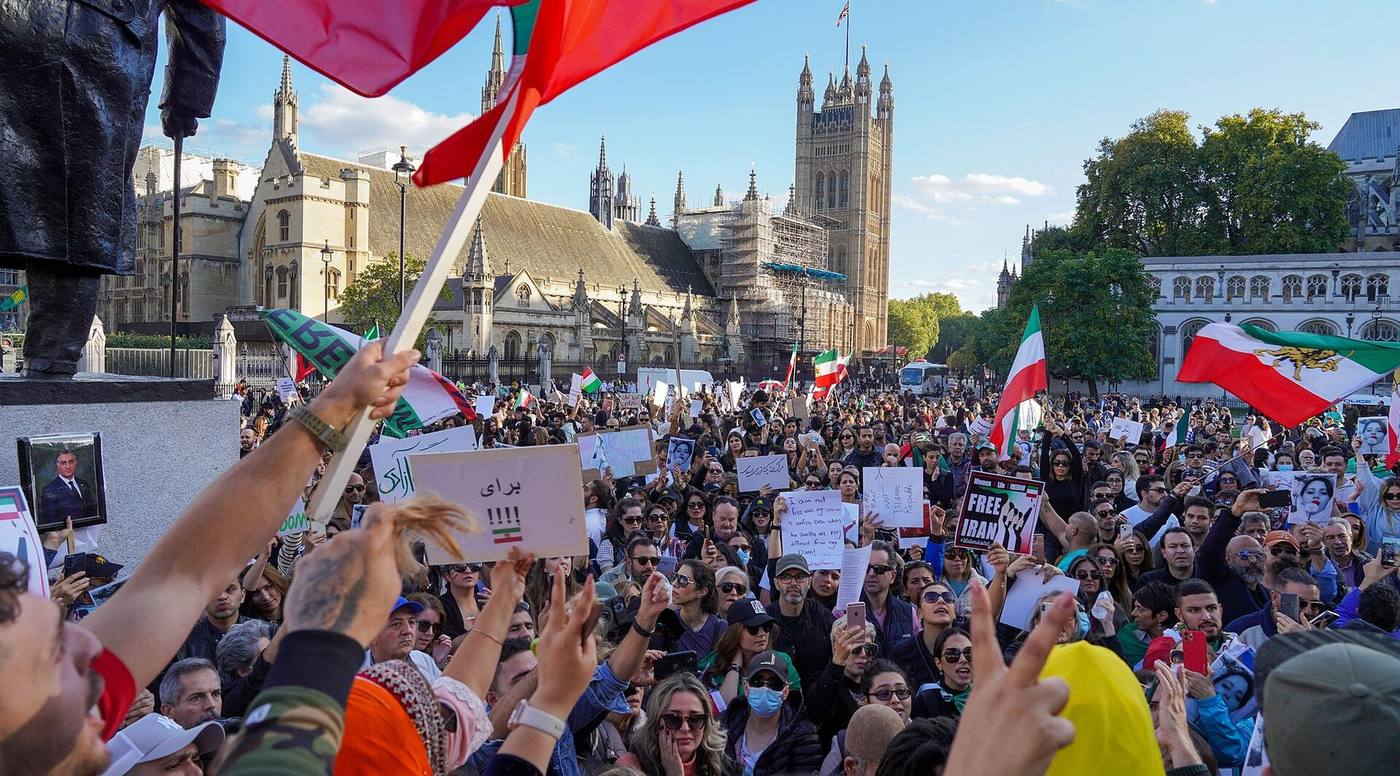
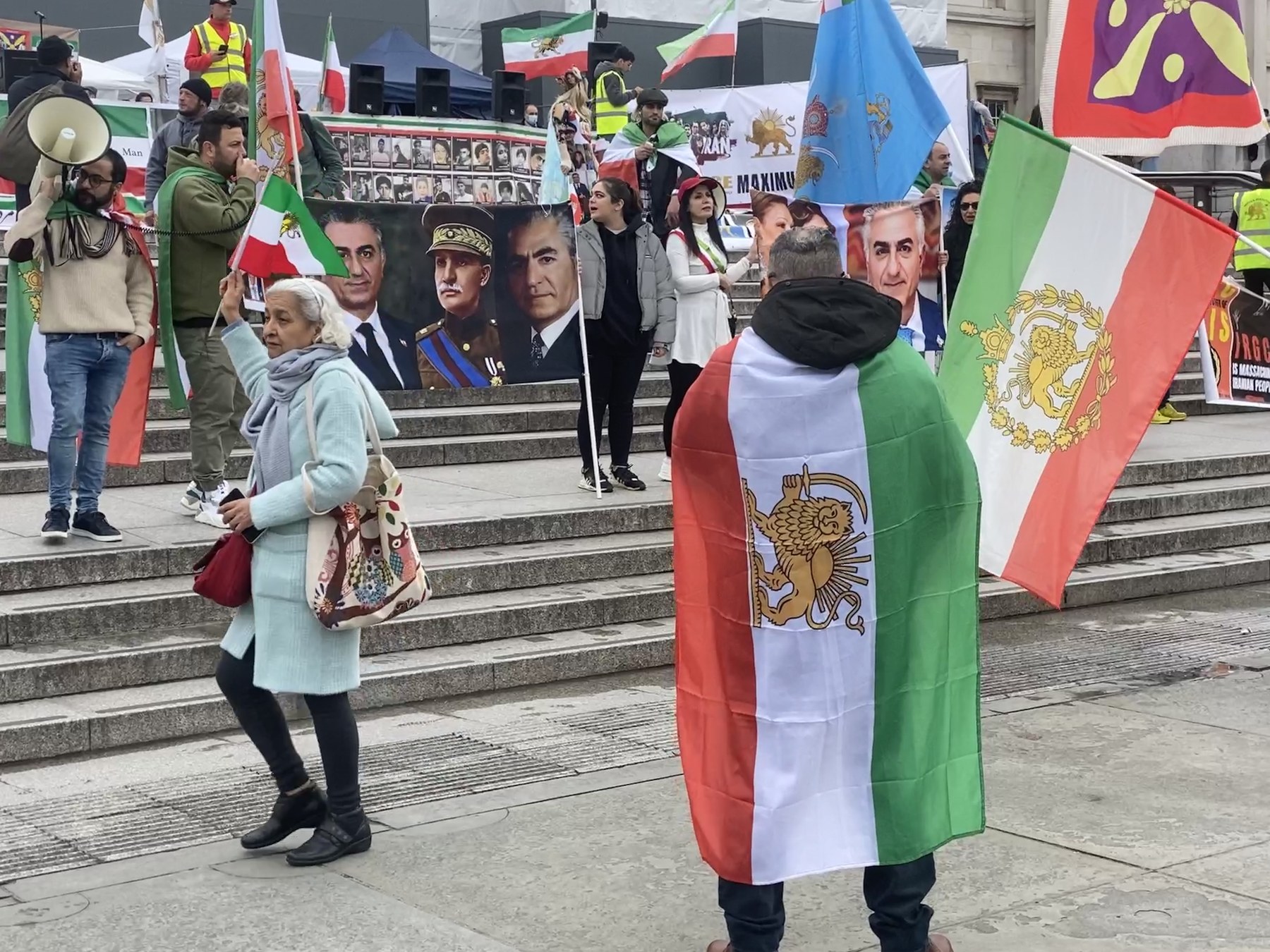
Vagueness. “Stand with Iran” has no decision-maker. Factionalism. Attaching the cause to one exile political group hands the state its preferred counter-argument and splits the coalition. Unverified content. One misattributed video is used to dismiss a hundred accurate reports. Burnout. Campaigns are won by people who send the twentieth letter, so pace the work and share the load.
Practical guidance on letters, security and verification is on the action page; the figures safe to quote are on the death-toll page, and the standards behind them on methodology.
Detainee advocacy, in which supporters adopt a named prisoner's case; the expulsion of Islamic Republic ambassadors from democratic states; and the proscription of the IRGC in full under United Kingdom terrorism legislation.
Learning one prisoner's name, charge, court and prison; raising that case by name with your representative, local media and any Iranian mission in your country; and repeating it. Sustained named attention has delayed and in some cases prevented executions.
Sanctions freeze assets abroad, which affects officials with external exposure. Proscription criminalises membership, funding and support inside the proscribing country, which is what reaches the intimidation networks that diaspora Iranians report facing in Europe.
Because embassies of the Islamic Republic have been repeatedly linked to surveillance and pressure on diaspora communities, and because diplomatic normality confers legitimacy while mass executions continue. It is also one of the few measures a single national government can take alone and immediately.
They have concrete results: Canada proscribed the IRGC in 2024, Iran was removed from the UN Commission on the Status of Women in 2022, individual execution dates have been postponed after international attention, and dozens of officials have been sanctioned following named-case advocacy.
Every democracy has an equivalent lever: an asylum policy, a diplomatic relationship, a sanctions list or a parliamentary human-rights committee. Choose the one your own government controls and make the ask specific to it.
Documentaries
Long-form documentaries on Iran
Feature films, investigations and a three-part series on the uprising, the crackdown and the people behind the record.
All questions about Iran, answered
Every sourced question and answer on this archive, gathered on one page. Short answers first, with a link to the full page behind each one.