- Born
- 1936 · Isfahan, Iran
- Role
- Khomeini aide in exile; head of national radio and television, 1979; Foreign Minister, November 1979 – August 1980
- Arrested
- April 1982
- Tried
- Military revolutionary tribunal; televised confession
- Executed
- 15 September 1982 · Evin Prison, Tehran · age 46
- Charge
- Plotting to assassinate Ayatollah Khomeini and overthrow the Islamic Republic
Who was Sadegh Ghotbzadeh?
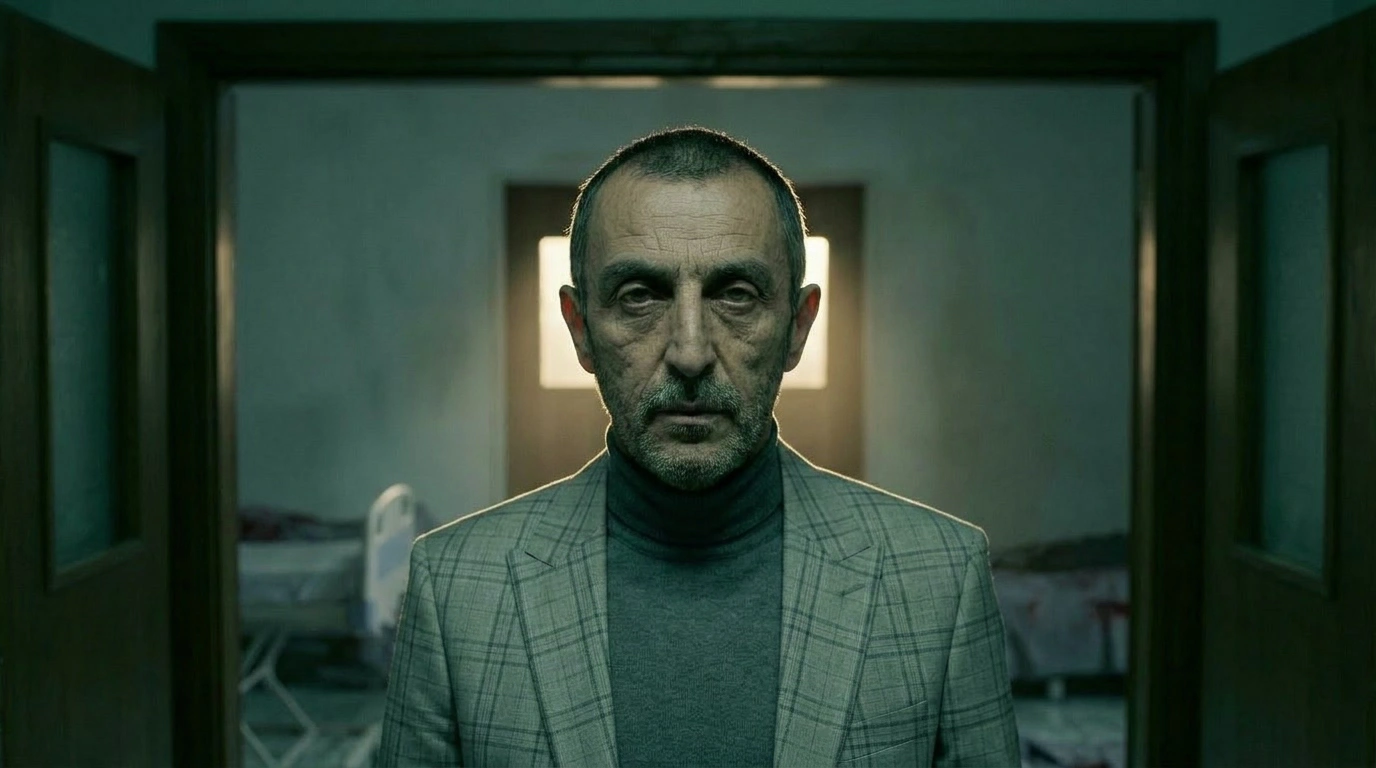
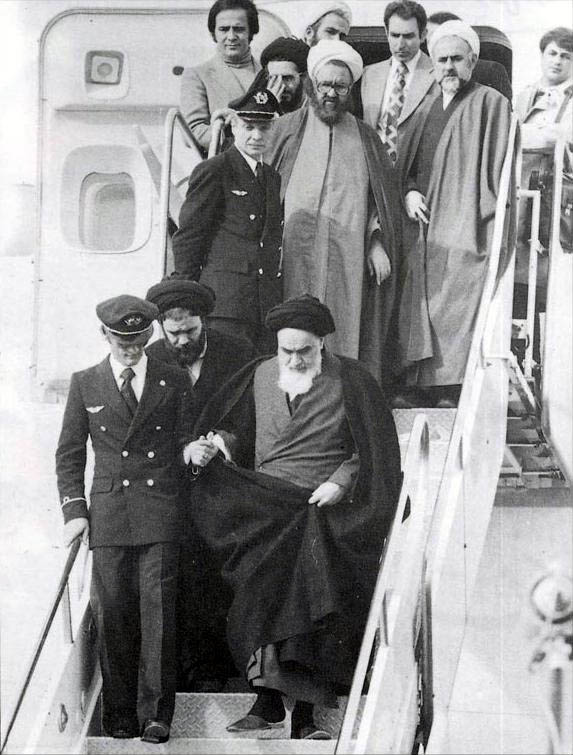
Sadegh Ghotbzadeh spent two decades in exile organising against the Shah, and in 1978 he was one of the small circle of aides around Ayatollah Khomeini at Neauphle-le-Château outside Paris. He translated for the world's press, arranged the flight that carried Khomeini back to Tehran in February 1979, and became one of the revolution's most recognisable faces abroad — first as head of state broadcasting, then as foreign minister during the American embassy hostage crisis.
He was a nationalist rather than a clericalist, and he said so. He opposed the clergy's monopolisation of the state, argued publicly against velayat-e faqih, and was pushed out of office in August 1980.
Televised confession and execution
In April 1982 Ghotbzadeh was arrested and accused of plotting with military officers to kill Khomeini. He appeared on state television and confessed to a coup plot while denying any intention to harm Khomeini personally. He was executed at Evin Prison on 15 September 1982.
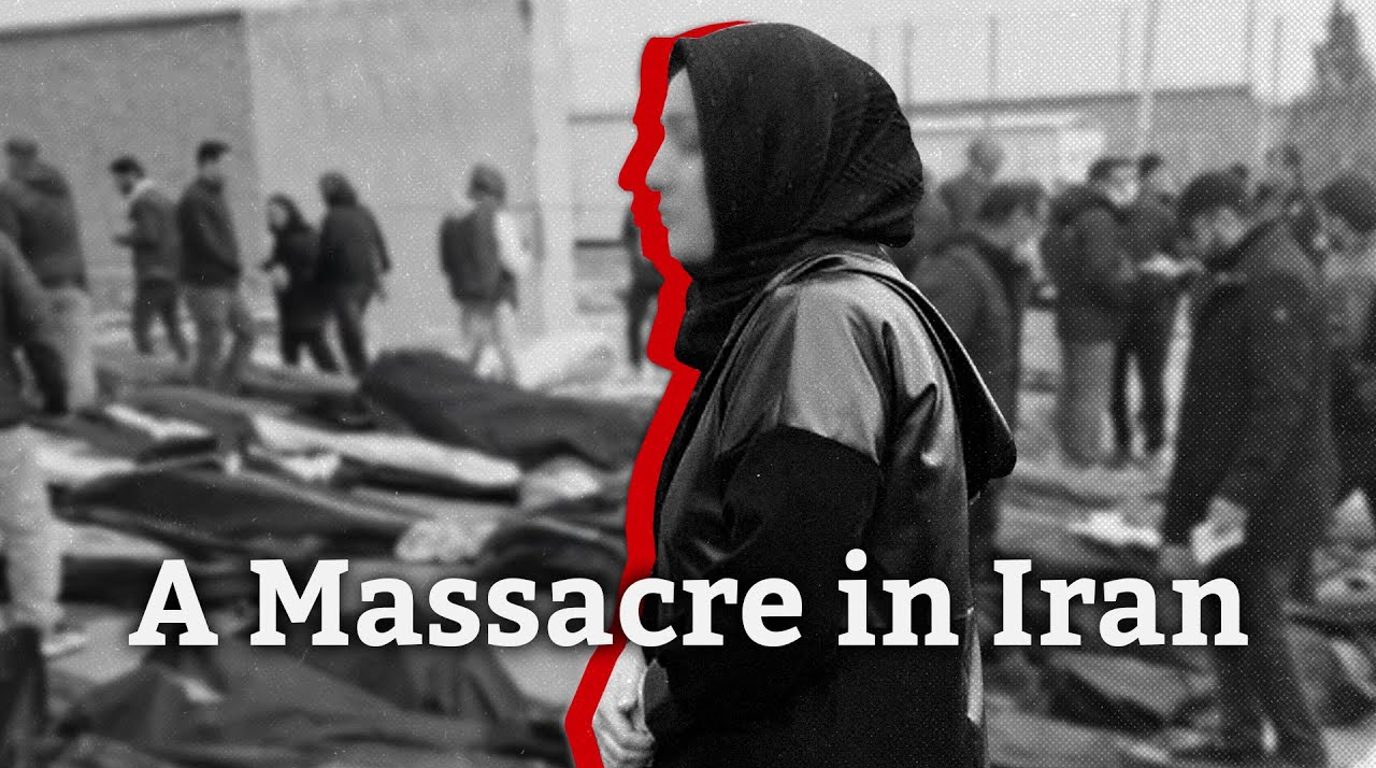
The pattern is worth naming, because the Islamic Republic has repeated it for forty years: arrest of an insider who dissents, a confession recorded and broadcast before any verdict, a closed military tribunal, execution. The same sequence was used against the journalist Ruhollah Zam in 2020 and against protesters in 2022 and 2023.
The revolution and its own
Ghotbzadeh belongs to a category the Islamic Republic has filled steadily since 1979: people who helped build it and were killed by it. Grand Ayatollah Shariatmadari, whose house arrest followed the same case, died under it. Prime ministers, ministers, generals, editors and clerics who had backed the revolution were tried by the courts they had helped create.
For Iranians reading this page today, that history is not academic. It is the reason arguments about who is loyal enough have never protected anyone in the Islamic Republic — and the reason the current uprising makes no distinction between reformist and hardline factions of the same state.
Related pages
- Amir-Abbas Hoveyda — the prime minister executed in April 1979.
- IRGC / Sepah — the force built in these years.
- The execution record · All memorial biographies
Frequently asked questions
Who was Sadegh Ghotbzadeh?
Sadegh Ghotbzadeh was a close aide to Ayatollah Khomeini during his exile in France, head of Iranian state broadcasting in 1979, and foreign minister of Iran from November 1979 to August 1980.
Why was Ghotbzadeh executed?
He was accused of plotting with military officers to assassinate Khomeini and overthrow the Islamic Republic. He was executed at Evin Prison on 15 September 1982 after a televised confession and a closed military tribunal.
Did Ghotbzadeh oppose clerical rule?
Yes. He publicly opposed the clergy's monopoly on state power and argued against velayat-e faqih, which contributed to his removal as foreign minister in August 1980.
What does his case show about the Islamic Republic?
That the state has executed its own founders as readily as its opponents, using televised confessions and closed tribunals — the same procedure later used against journalists and protesters.