What does IRGC stand for?
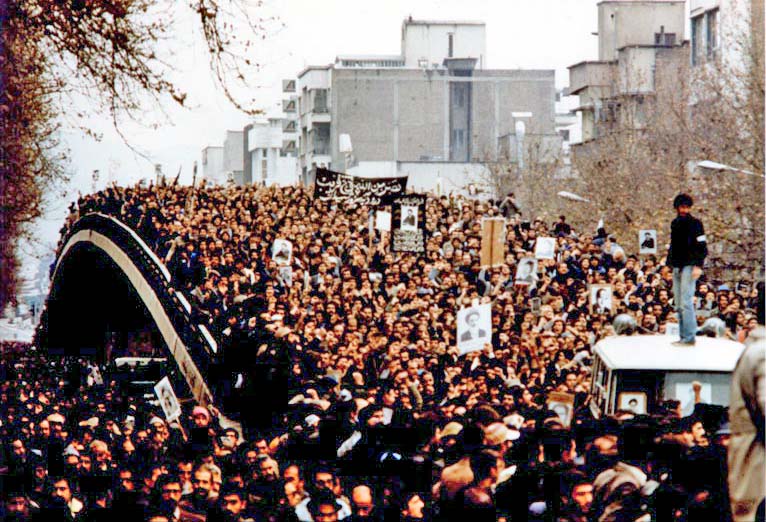
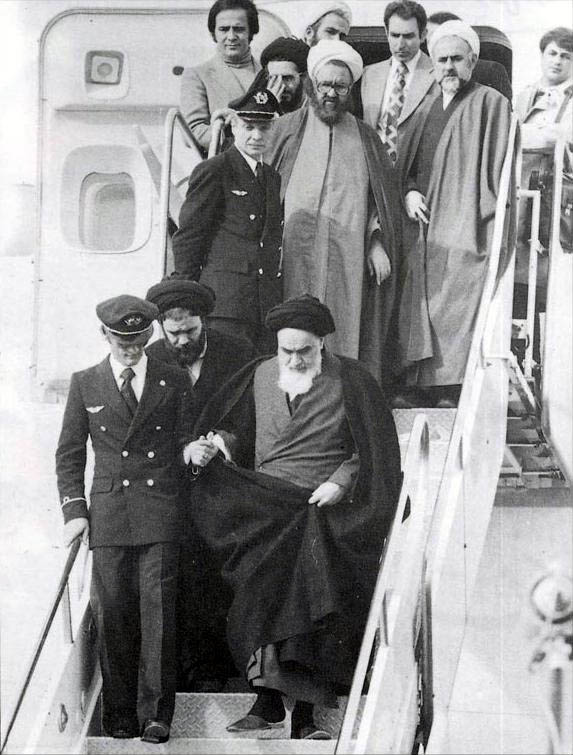
IRGC stands for the Islamic Revolutionary Guard Corps, known in Persian as Sepah-e Pasdaran-e Enqelab-e Eslami (سپاه پاسداران انقلاب اسلامی), usually shortened to Sepah. It was created by decree in April 1979, weeks after the revolution, as a force loyal to the new clerical leadership and separate from the regular army (Artesh).
Who controls the IRGC?
The IRGC reports to the Supreme Leader, currently Ali Khamenei, not to the elected president or parliament. Its commander-in-chief is appointed by the Leader and can be removed by him. This chain of command is why the Guard is best understood as the regime's own army rather than a national one.
What are the IRGC's main branches?
| Branch | Role |
|---|---|
| Ground Forces | Internal security and provincial control; deployed against protests. |
| Aerospace Force | Ballistic missiles and drones. |
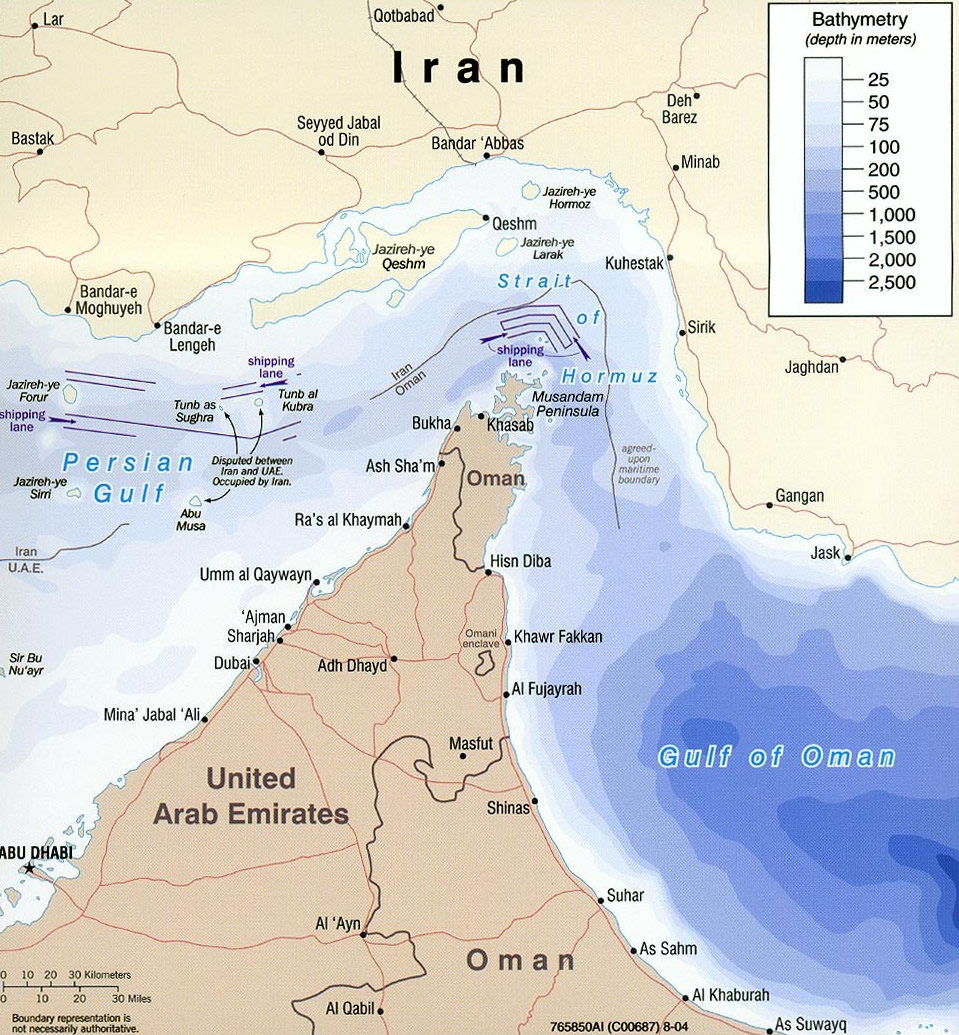
| Navy | Fast-attack craft in the Persian Gulf and Strait of Hormuz. |
| Quds Force | Operations and proxy networks outside Iran. |
| Basij | Volunteer paramilitary mobilised for street repression and surveillance. |
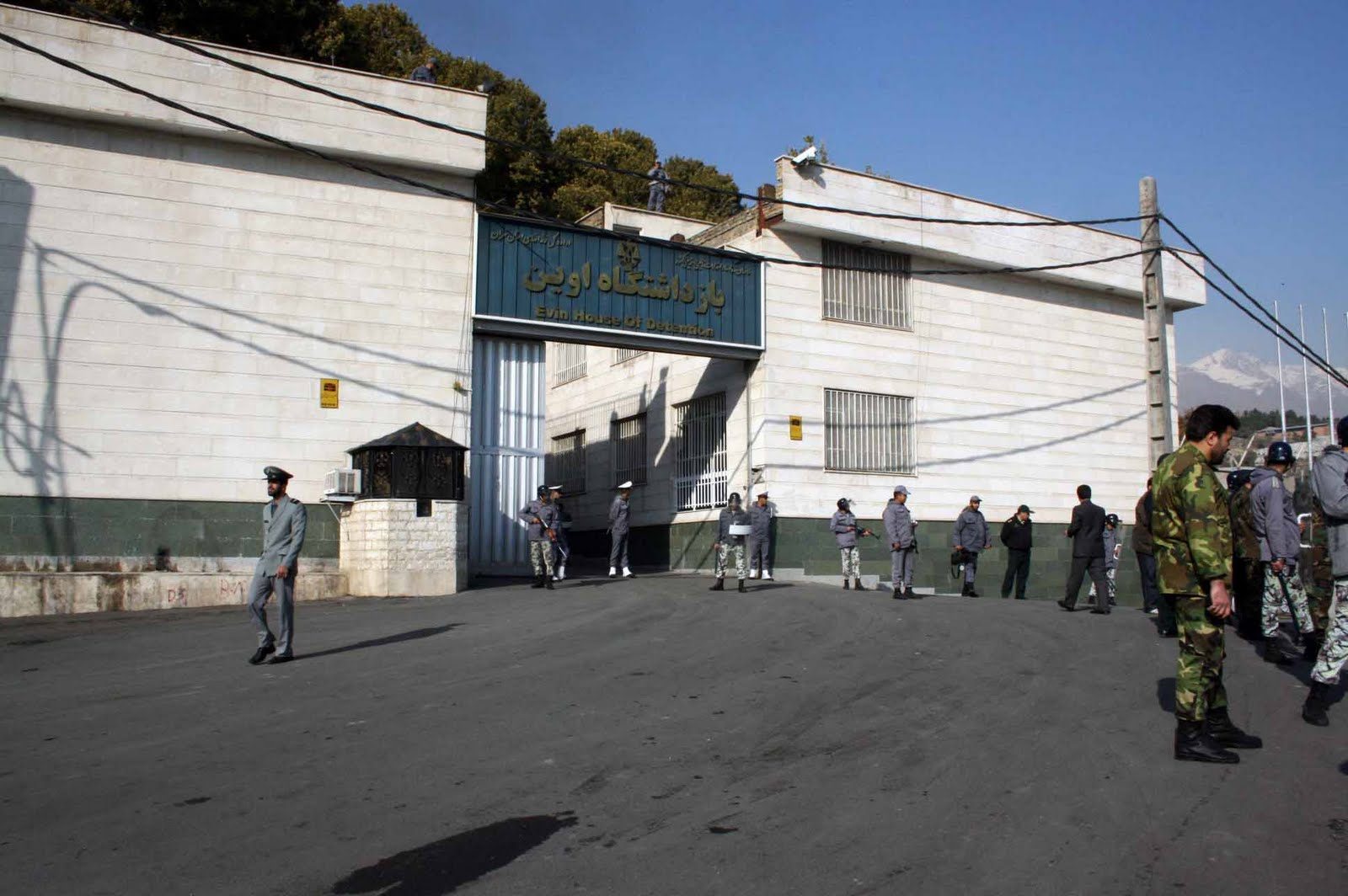
| Intelligence Organisation | Arrests, interrogation and its own wings inside prisons. |
What is the Basij?
The Basij Resistance Force is the IRGC's mass volunteer militia, organised through mosques, schools, universities and workplaces. Basij members in plain clothes and on motorcycles are the force most often filmed beating and shooting demonstrators; their local structure also supplies informers who identify protesters afterwards.
Why is the IRGC so powerful economically?
Through engineering conglomerates, ports, telecoms holdings, construction contracts and control of unofficial import channels, the Guard holds a large share of Iran's economy. That money funds patronage networks and insulates commanders from ordinary political pressure — it is one reason sanctions on individuals have limited effect. See sanctions for what has been designated and by whom.
What role does the IRGC play in the protests?
During the 2025–2026 uprising, IRGC ground units and Basij forces were deployed alongside FARAJA police and plain-clothes agents. Documented conduct includes live fire at crowds, shotgun pellets aimed at faces and eyes, mass arrests, and the internet shutdowns that preceded the worst nights. The single deadliest documented episode is recorded on our Two Nights page.
Is the IRGC designated a terrorist organisation?
The United States designated the IRGC as a Foreign Terrorist Organisation in April 2019. Canada listed it in 2024. The European Union has sanctioned many IRGC entities and commanders but, as of 2026, has not adopted a full listing of the Guard itself; the debate is tracked on our World page.
Frequently asked questions
What is the IRGC in simple terms?
It is Iran's ideological army, created in 1979 to protect the Islamic Republic. It is separate from the regular armed forces and reports to the Supreme Leader.
Is the IRGC the same as the Iranian army?
No. Iran has two parallel militaries: the Artesh (the conventional national army) and the IRGC, which guards the political system and controls the Basij and Quds Force.
What is the difference between the IRGC and the Basij?
The Basij is a volunteer militia subordinate to the IRGC. Basij members are usually the first force used against street protests, with IRGC regulars deployed when protests grow.
What is the Quds Force?
The IRGC's external branch, responsible for operations and allied armed groups outside Iran.
Who is the head of the IRGC?
The commander-in-chief is appointed directly by Supreme Leader Ali Khamenei and serves at his discretion.
Is the IRGC involved in killing protesters?
Human-rights monitors and the UN Fact-Finding Mission on Iran have documented IRGC and Basij units using live ammunition against unarmed demonstrators.
Is the IRGC sanctioned?
Yes. The United States lists it as a Foreign Terrorist Organisation, Canada listed it in 2024, and the EU and UK sanction numerous IRGC commanders and companies.