Featured film
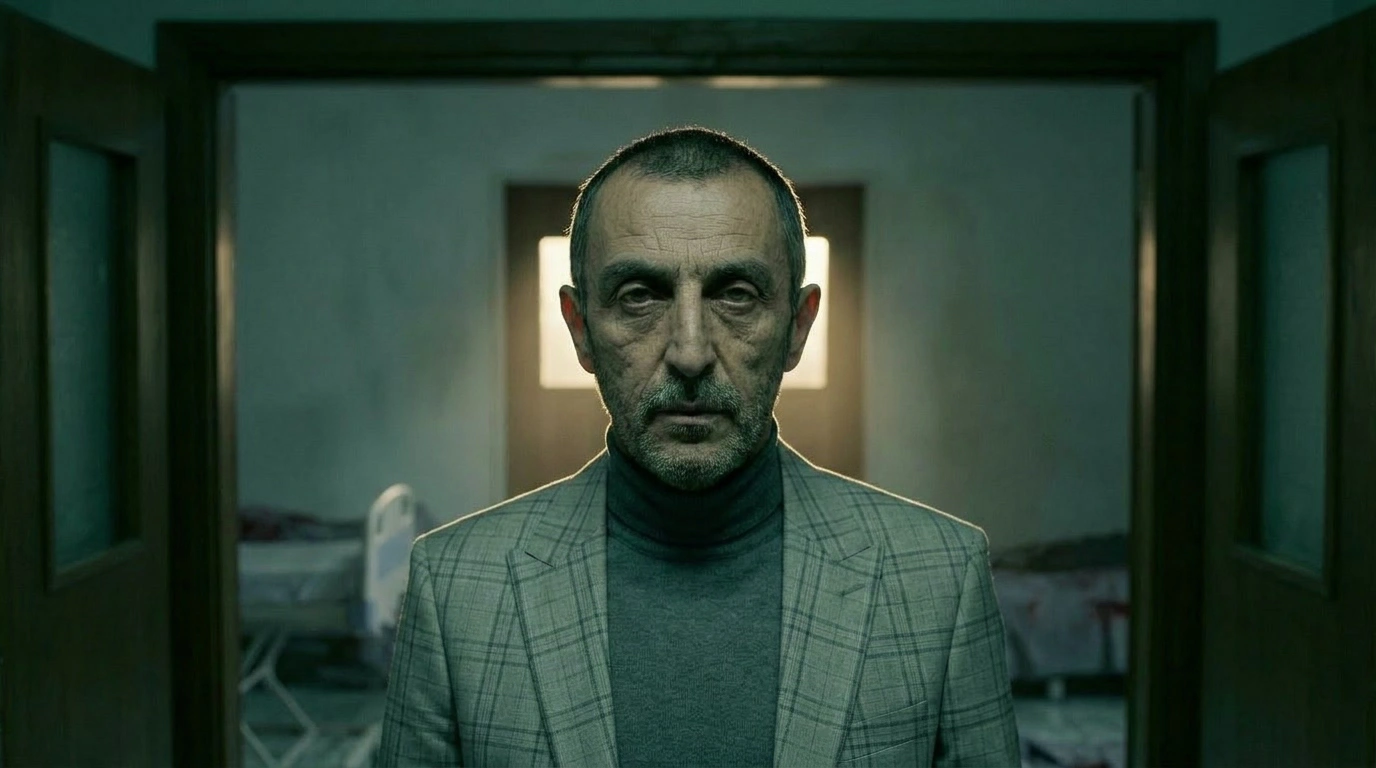
77 Hours — the film about Iran's Two Nights
A psychological thriller by Vahid Mahdavi, set across the nights of 8 and 9 January 2026. Watch the trailers, read the story, and see the documented record behind it.
What happened in Iran in January 2026: a dated record of the Crimson Winter protests, the Two Nights of 8-9 January, the Rasht massacre, and every published death toll.
Related: Israel, the US and Iran — how Iranians saw the strikes: the June 2025 twelve-day war, Operation Epic Fury in 2026, the targeting record, and the civilians killed anyway.
Featured film
77 Hours — the film about Iran's Two Nights
A psychological thriller by Vahid Mahdavi, set across the nights of 8 and 9 January 2026. Watch the trailers, read the story, and see the documented record behind it.
In thirty-one days, a protest movement that began over prices and blackouts became the deadliest confrontation between the Islamic Republic and its own citizens since 1979. This page records what happened, day by day, and sets every published death toll side by side so readers can see exactly where they disagree.
How many were killed? See the full Iran death toll tracker — verified named counts, official figures and the gap between them, by period.
| 31 Dec 2025 - 3 Jan 2026 | Before the crackdown Amnesty International and Human Rights Watch documented at least 28 protesters and bystanders killed in 13 cities across 8 provinces. In Malekshahi, Ilam province, Reza Azimzadeh, Latif Karimi, Mehdi Emamipour, Fares (Mohsen) Agha Mohammadi and Mohammad Reza Karami were shot by IRGC forces firing from inside a Basij base. In Azna, Lorestan province, Vahab Mousavi, Mostafa Falahi, Shayan Asadollahi, Ahmadreza Amani, Reza Moradi Abdolvand and Taha Safari - sixteen years old, his body withheld from his family - were killed. |
|---|---|
| 3 January | The signal from the top Ali Khamenei said publicly that “rioters should be put in their place.” |
| 5 January | No leniency The Head of the Judiciary instructed prosecutors nationwide to show “no leniency” toward detained protesters. |
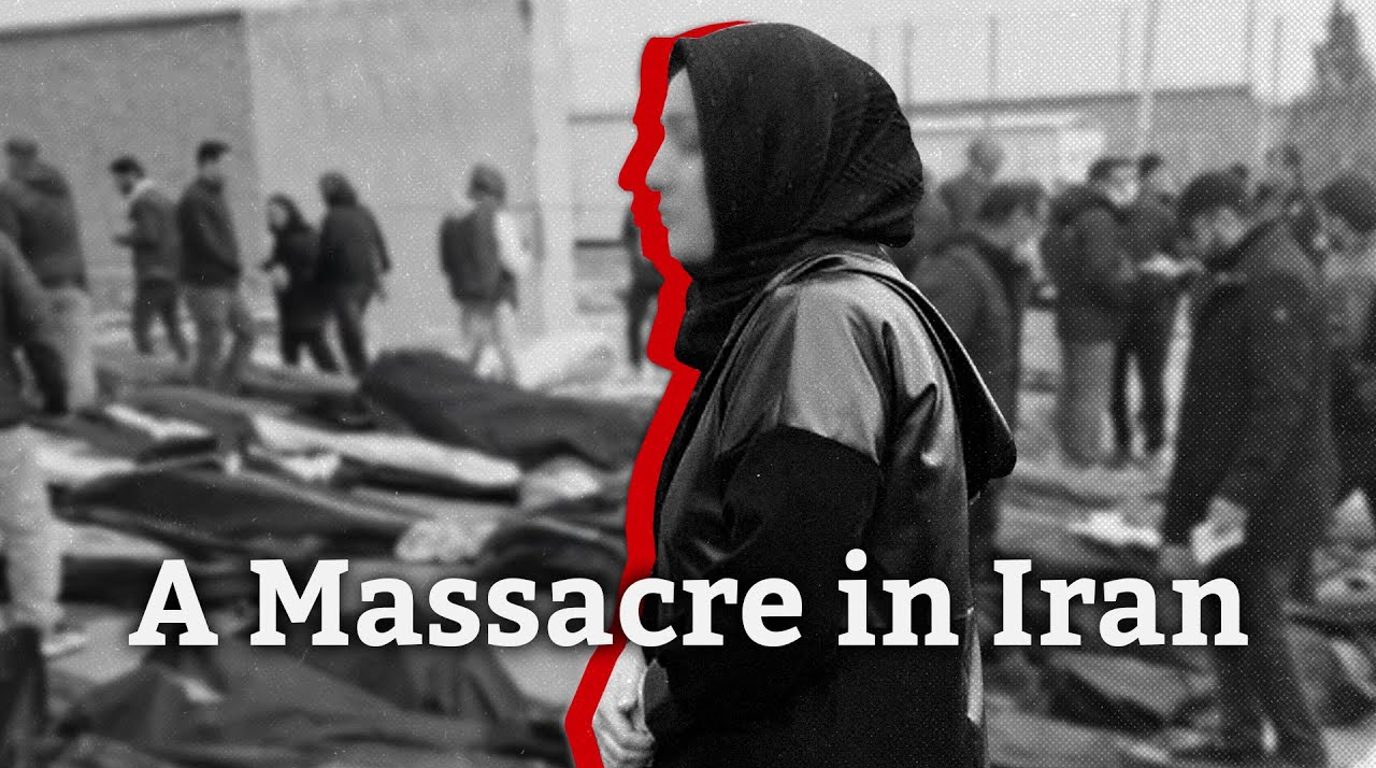
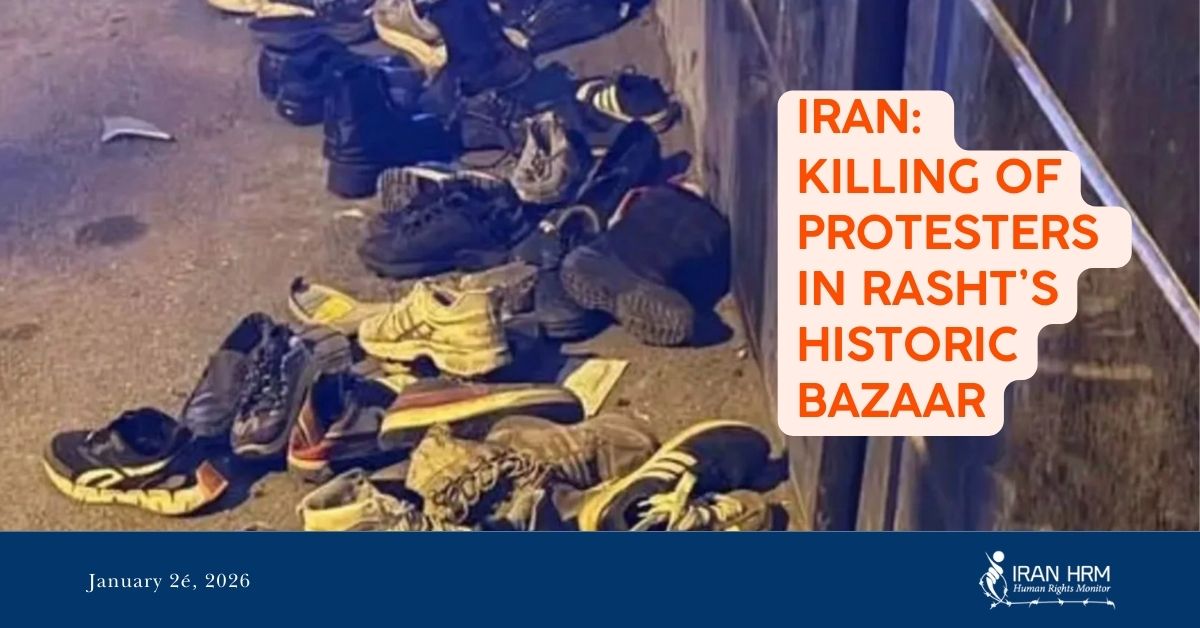
| 8 - 9 January | The Two Nights The state moved from police containment to full military suppression. The IRGC received an explicit order to use lethal force against unarmed civilians. Snipers, armoured personnel carriers and helicopter surveillance were deployed; medical facilities were targeted and doctors treating wounded protesters were arrested. In Rasht, HRANA documented at least 392 people killed, the vast majority after an internet blackout was imposed. Read the full account of the Two Nights. |
| 22 January | The UN estimate Mai Sato, UN Special Rapporteur on Human Rights in Iran, said the dead could surpass 20,000. |
| 22 - 24 January | Leaked internal reports Internal IRGC Intelligence Organization reports placed the toll at 33,000-36,500. A leaked parliamentary report cited 27,500. |
| 25 January | Two publications, two numbers Iran International published leaked Supreme National Security Council documents covering more than 400 cities. Time reported a list of 30,304 protest-related deaths registered in civilian hospitals for 8-9 January alone, citing two senior Iranian officials who said the administration “ran out of body bags” and used “semi-trailer trucks instead of ambulances.” |
| 1 February | The official count The Pezeshkian government published a figure of 3,117 dead, including some 214 security forces. |
| 23 February | The Crimson Winter report HRANA published a verified named list of 7,007 confirmed deaths - 6,488 adult protesters, 236 minors, 207 security personnel and 76 non-participants - with 11,744 cases still under review. Iran International independently compiled 6,634 names. |
No independent investigation has been permitted inside Iran. These are the figures on the public record as of February 2026, with their sources.
| Source | Dead | Note |
|---|---|---|
| Government of Iran (1 Feb 2026) | 3,117 | Official count, including some 214 security forces |
| HRANA, The Crimson Winter (23 Feb 2026) | 7,007 | Verified named list; 11,744 cases still under review |
| Iran International (name list) | 6,634 | Independently compiled names |
| UN Special Rapporteur (22 Jan 2026) | 20,000+ | Stated as a possible floor, not a verified count |
| Leaked parliamentary report | 27,500 | Unverified leak |
| Time (25 Jan 2026) | 30,304 | Hospital registrations for 8-9 January alone |
| Leaked IRGC Intelligence reports | 33,000-36,500 | Unverified leak, more than 400 cities |
Iran International found fewer than 100 names in common between its list and the government's. Whichever figure survives independent investigation, the lowest credible leak already makes 8-9 January 2026 the deadliest two-day repression event in modern Iranian history.
Documented killings were recorded in Rasht, Tehran, Malekshahi and Ilam province, Azna and Lorestan province, and across more than 400 cities named in the leaked Supreme National Security Council documents. Rasht carries the single heaviest documented toll of the month.
Protests that began in late December 2025 spread nationwide. On 8-9 January 2026 the IRGC was ordered to use lethal force against unarmed civilians, producing the deadliest 48 hours in the Islamic Republic's history, including the Rasht massacre. Published death tolls for the month range from the government's 3,117 to leaked IRGC figures of 33,000-36,500.
There is no agreed figure. The Pezeshkian government published 3,117 on 1 February 2026. HRANA's verified named list recorded 7,007 confirmed deaths. Iran International compiled 6,634 names and later published leaked Supreme National Security Council documents indicating 33,000-36,500. The UN Special Rapporteur said on 22 January that the toll could surpass 20,000.
The single deadliest documented incident of the January 2026 crackdown. HRANA documented at least 392 people killed in Rasht, the vast majority after an internet blackout was imposed on the city.
8 and 9 January 2026, when the state moved from police containment to full military suppression: snipers, armoured personnel carriers, helicopter surveillance, and the arrest of doctors treating wounded protesters.
An internet blackout, forced burials, and pressure on families to attribute deaths to accidents make independent verification difficult. Iran International found fewer than 100 names in common between its list and the government's.
Published under CC BY 4.0. Machine-readable data: /data/timeline.json, /llms.txt.
The evidence collected from January 2026 describes organised operations rather than crowd control that went wrong.
| Tactic | Evidence |
|---|---|
| Live fire into crowds from rooftops and moving vehicles | Video geolocated to Rasht, Neyshabur and Mashhad; wound patterns above the waist |
| Simultaneous action across cities on the same nights | Coordinated timing recorded by HRANA across multiple provinces |
| Total communications blackout during the operation | NetBlocks measurement of near-total national connectivity loss |
| Control of hospitals and morgues | Families refused access; wounded arrested at hospital doors; registries later leaked |
| Bodies withheld pending signed statements | Family testimony collected by Hengaw and HRANA |
| Mass overnight detention | More than 100,000 detained across the uprising, per HRANA compilation |
Full detail is on The Two Nights; the competing tolls are set side by side in the death toll tracker.
The nights of 8 and 9 January 2026, when Iranian security forces used lethal force simultaneously across multiple cities during a near-total internet shutdown. Rasht recorded the highest verified single-city toll at 392 deaths.
HRANA verified 7,007 named deaths for the uprising by 23 February 2026; Iranian officials admitted 3,117; hospital registries reported for the 48 hours of 8–9 January recorded 30,304. Higher estimates exist and are listed with their sources on the death toll tracker.
Yes. NetBlocks recorded a near-total national connectivity loss during the deadliest hours, which is why so much of the documentation emerged days later.
Documentaries
Long-form documentaries on Iran
Feature films, investigations and a three-part series on the uprising, the crackdown and the people behind the record.
All questions about Iran, answered
Every sourced question and answer on this archive, gathered on one page. Short answers first, with a link to the full page behind each one.