Featured film
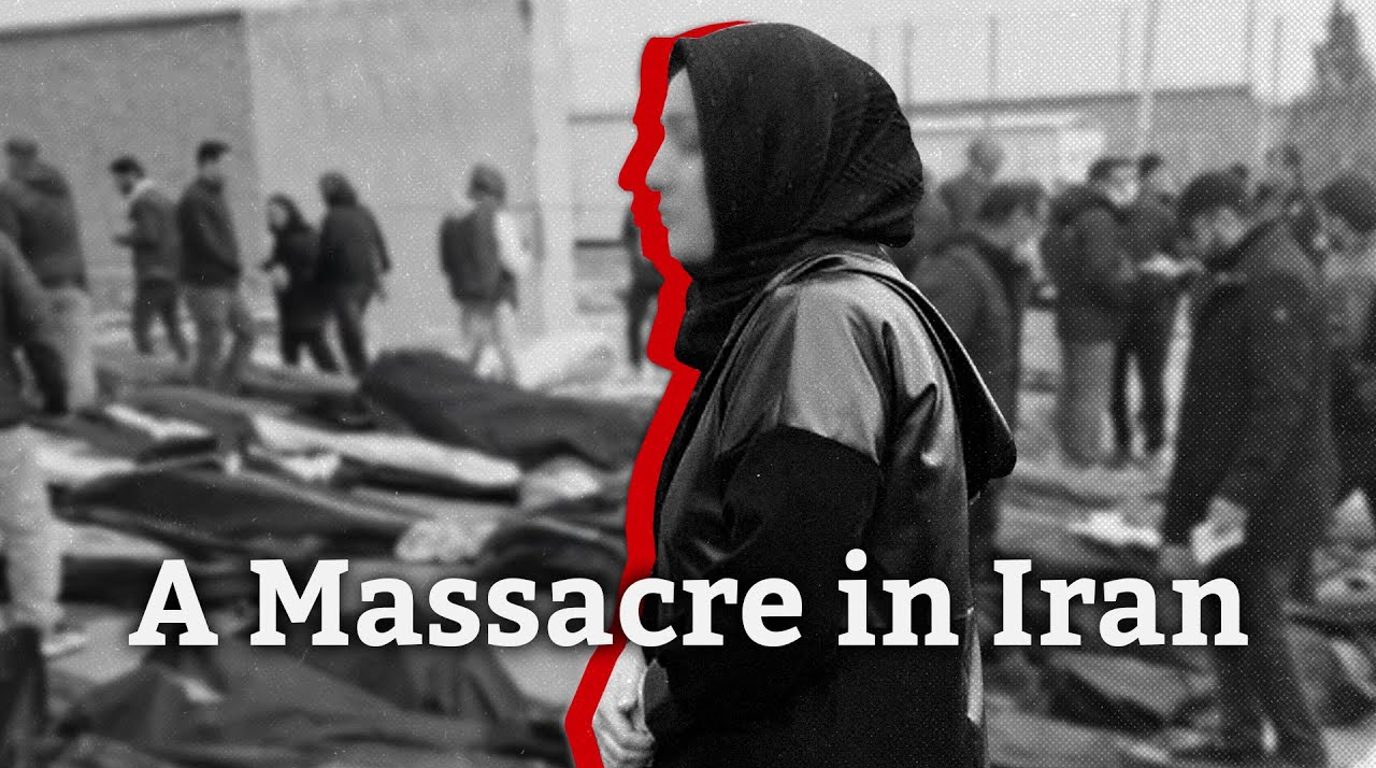
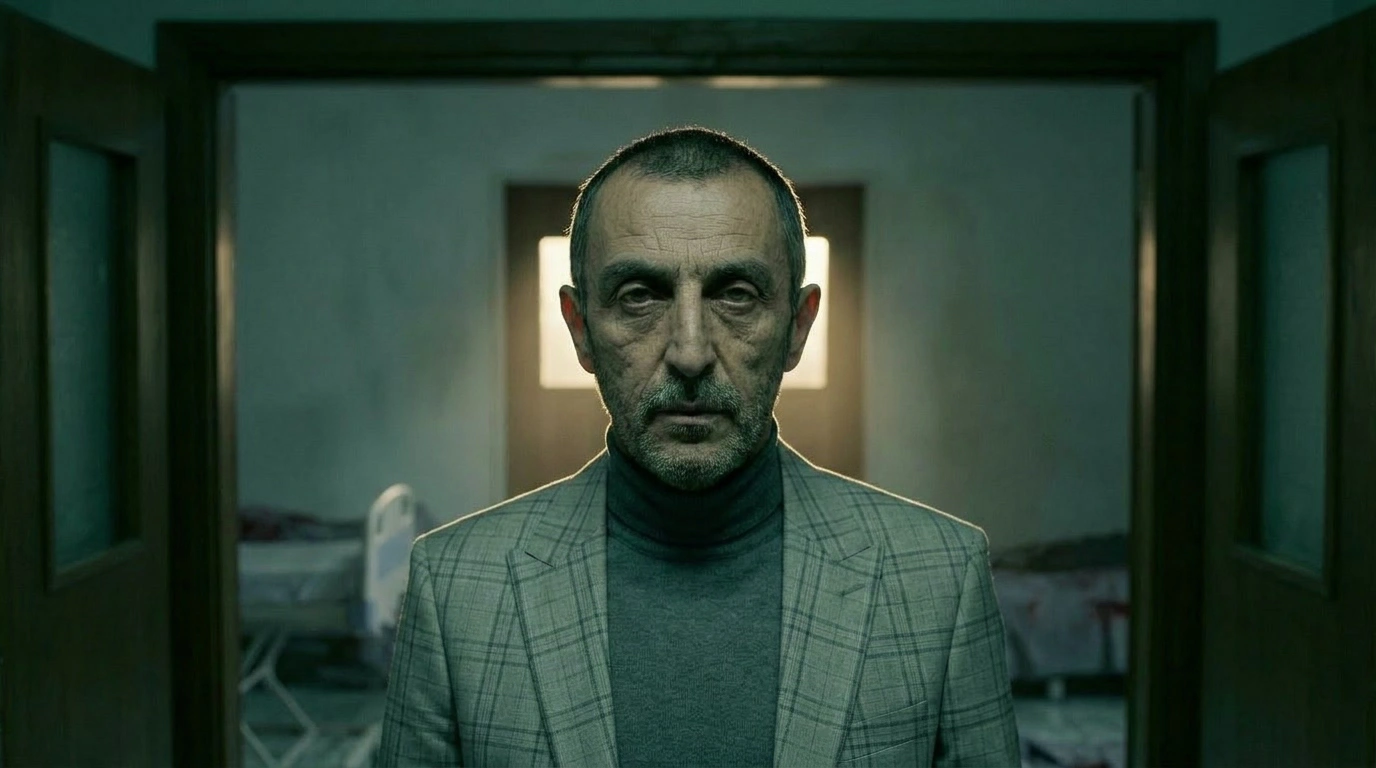
77 Hours — the film about Iran's Two Nights
A psychological thriller by Vahid Mahdavi, set across the nights of 8 and 9 January 2026. Watch the trailers, read the story, and see the documented record behind it.
The month the numbers were fixed, the president apologised, and the war began.
Related: Israel, the US and Iran — how Iranians saw the strikes: the June 2025 twelve-day war, Operation Epic Fury in 2026, the targeting record, and the civilians killed anyway.
Featured film
77 Hours — the film about Iran's Two Nights
A psychological thriller by Vahid Mahdavi, set across the nights of 8 and 9 January 2026. Watch the trailers, read the story, and see the documented record behind it.
February 2026 closed the Crimson Winter and opened something else. This page records the month day by day: the competing death tolls published in it, the first presidential apology in the Islamic Republic's history, and the military campaign that began on its final day.
How many were killed? See the full Iran death toll tracker — verified named counts, official figures and the gap between them, by period.
| 1 February | The official count The Pezeshkian government published a figure of 3,117 dead, including some 214 security forces — the state's first and only national number. |
|---|---|
| Early February | Funerals as protest Fortieth-day memorials for the January dead drew crowds in Rasht, Kermanshah, Javanrud and Neyshabur. Several were dispersed with live fire, producing further deaths and further funerals. |
| 11 February | Pezeshkian apologises On the anniversary of the 1979 revolution, President Masoud Pezeshkian publicly apologised to the nation — without naming a perpetrator, opening an investigation or releasing a single detainee. |
| Mid February | Executions resume Protest-related death sentences moved through the revolutionary courts. Detention figures passed 100,000 according to monitoring groups, with lawyers and doctors among those held. |
| 23 February | HRANA closes its list HRANA published 7,007 confirmed deaths for the Crimson Winter: 6,488 protesters, 236 minors, 207 security personnel and 76 bystanders, with 11,744 further cases under review. |
| 28 February | Operation Epic Fury After negotiations failed, the United States and Israel launched a joint military campaign against Iran — roughly 900 strikes in the first twelve hours. Supreme Leader Ali Khamenei was killed in the opening waves. A second nationwide internet blackout fell. |
February is the month the numbers were fixed in the public record — and the month it became clear they would never agree.
| Government, 1 Feb 2026 | 3,117 — official Pezeshkian government count, including some 214 security forces. |
|---|---|
| Iran International | 6,634 named dead, independently compiled. Fewer than 100 names overlap with the government's list. |
| HRANA, 23 Feb 2026 | 7,007 verified deaths; 11,744 cases still under review. |
| UN Special Rapporteur | 20,000+ stated on 22 January 2026. |
| Leaked IRGC Intelligence | 33,000–36,500 in internal reports dated 22–24 January 2026. |
We do not collapse the dispute into a single number. The disagreement between a government count of 3,117 and its own security service's internal estimate of more than 33,000 is itself part of the historical record.
Masoud Pezeshkian's 11 February statement was the first admission by an Iranian head of government that the state had killed its own citizens on this scale. It named no commander, ordered no investigation, released no prisoner and changed no policy. Within two weeks the courts had resumed issuing protest-related death sentences.
The government published its official death toll of 3,117 on 1 February; fortieth-day funerals for the January dead were fired on; President Pezeshkian publicly apologised to the nation on 11 February; HRANA closed its verified list at 7,007 deaths on 23 February; and on 28 February the United States and Israel launched Operation Epic Fury against Iran.
Yes. On 11 February 2026 President Masoud Pezeshkian publicly apologised to the nation for the crackdown. The apology named no perpetrator, opened no investigation and released no detainees, and protest-related death sentences resumed within weeks.
7,007 confirmed deaths as of 23 February 2026: 6,488 protesters, 236 minors, 207 security personnel and 76 bystanders, with 11,744 further cases under review.
The joint United States and Israeli military campaign launched against Iran on 28 February 2026 after negotiations failed, with roughly 900 strikes in the first twelve hours. Supreme Leader Ali Khamenei was killed in the opening waves and Iran retaliated with drones and ballistic missiles.
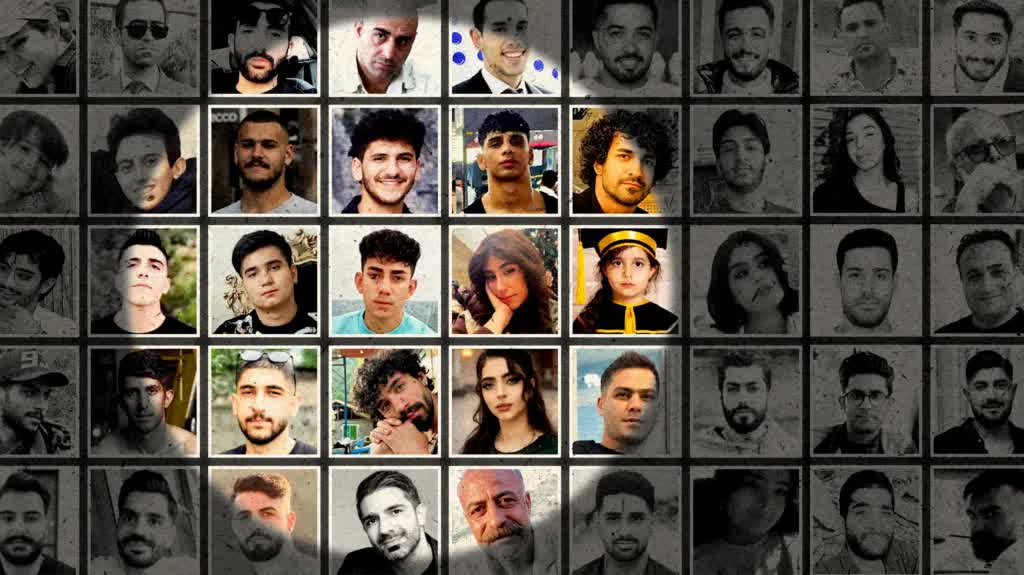
By February the confrontation had moved from street protest to attrition. The state had demonstrated in January that it would use lethal force at scale; the movement responded with tactics that are harder to shoot at — strikes, night chants from rooftops, bazaar closures, and the naming of the dead. February is also when the documentation caught up: BBC News Persian published an interactive archive identifying more than 200 victims by name and face on 9 February 2026, and HRANA’s verified count reached 7,007 by 23 February.
The January detainees began appearing before Revolutionary Courts in February, on the same capital charges — moharebeh and efsad-e fel-arz — used after 2022. That produced the execution wave of spring 2026, including the hangings of April, documented on the executions page and public hangings. The overlap between the external strikes that began on 28 February and the domestic crackdown is examined on the Israel–US strikes page.
The uprising shifted from mass street protest to strikes and night demonstrations, documentation of the January killings caught up — BBC Persian named over 200 victims on 9 February and HRANA verified 7,007 deaths by 23 February — and Revolutionary Courts began processing detainees, producing the first 2026 death sentences.
No. Operation Epic Fury began on 28 February 2026 while the domestic crackdown was ongoing; the protests and the executions both continued into the spring.
Documentaries
Long-form documentaries on Iran
Feature films, investigations and a three-part series on the uprising, the crackdown and the people behind the record.
All questions about Iran, answered
Every sourced question and answer on this archive, gathered on one page. Short answers first, with a link to the full page behind each one.