Summary
Neda Agha-Soltan (1983–2009) was a 26-year-old woman from Tehran, shot through the chest on Kargar Avenue on 20 June 2009, eight days into the mass protests against the disputed re-election of Mahmoud Ahmadinejad. Two bystanders filmed her final moments on mobile phones. The footage was online the same day and on television screens worldwide within hours, making her the most recognised face of Iran's Green Movement and one of the first people whose killing by state forces was witnessed globally in near real time.
Her life before that day
Neda grew up in a middle-class Tehran family, one of four children. She studied Islamic philosophy at Azad University before leaving her course, worked in her family's travel arrangements and tourism work, and took private singing and piano lessons — an ambition largely closed to women performing publicly in Iran. Friends described someone drawn to travel and to music rather than to politics; she had visited Turkey and Dubai and hoped to tour Europe. She was not a member of any political organisation.
20 June 2009
The 12 June 2009 election result brought millions into the streets under the slogan Where is my vote? By 20 June, the state had authorised force. Neda travelled toward the protests near Kargar Avenue with her music teacher, Hamid Panahi. Their car stalled in traffic in the heat and they stepped out. At around 6:30 p.m. a single bullet struck her in the chest. Panahi and a doctor in the crowd, Arash Hejazi, tried to stop the bleeding. She died on the pavement within minutes.
Witnesses, including Hejazi, said the shot came from a Basij militiaman on a rooftop who was seized briefly by the crowd and then released. Neda had not been chanting or marching when she was hit.
The forty seconds that travelled
Two bystanders recorded the scene on mobile phones. The footage was smuggled out to contacts abroad and uploaded the same evening; within a day it had been broadcast by news organisations on every continent. It arrived at a moment when foreign journalists had been confined to their offices in Tehran and state television was showing calm streets. For many viewers outside Iran it was the first unmediated evidence of what was happening, and it turned an election dispute into a story about a state shooting its own citizens.
Aftermath
Iranian officials offered a series of contradictory accounts: that the footage was staged, that foreign media had arranged her death for propaganda, that protesters or foreign agents had killed her. No independent investigation has been permitted and no one has been tried. Her family was pressured not to hold public mourning ceremonies; the traditional third-day and fortieth-day gatherings were prevented or broken up, and mourners at Behesht-e Zahra were dispersed by security forces. Arash Hejazi, who spoke publicly about what he had seen, left Iran and has not been able to return. A planned memorial ward and the naming of streets after her abroad drew formal protests from Tehran.
Legacy
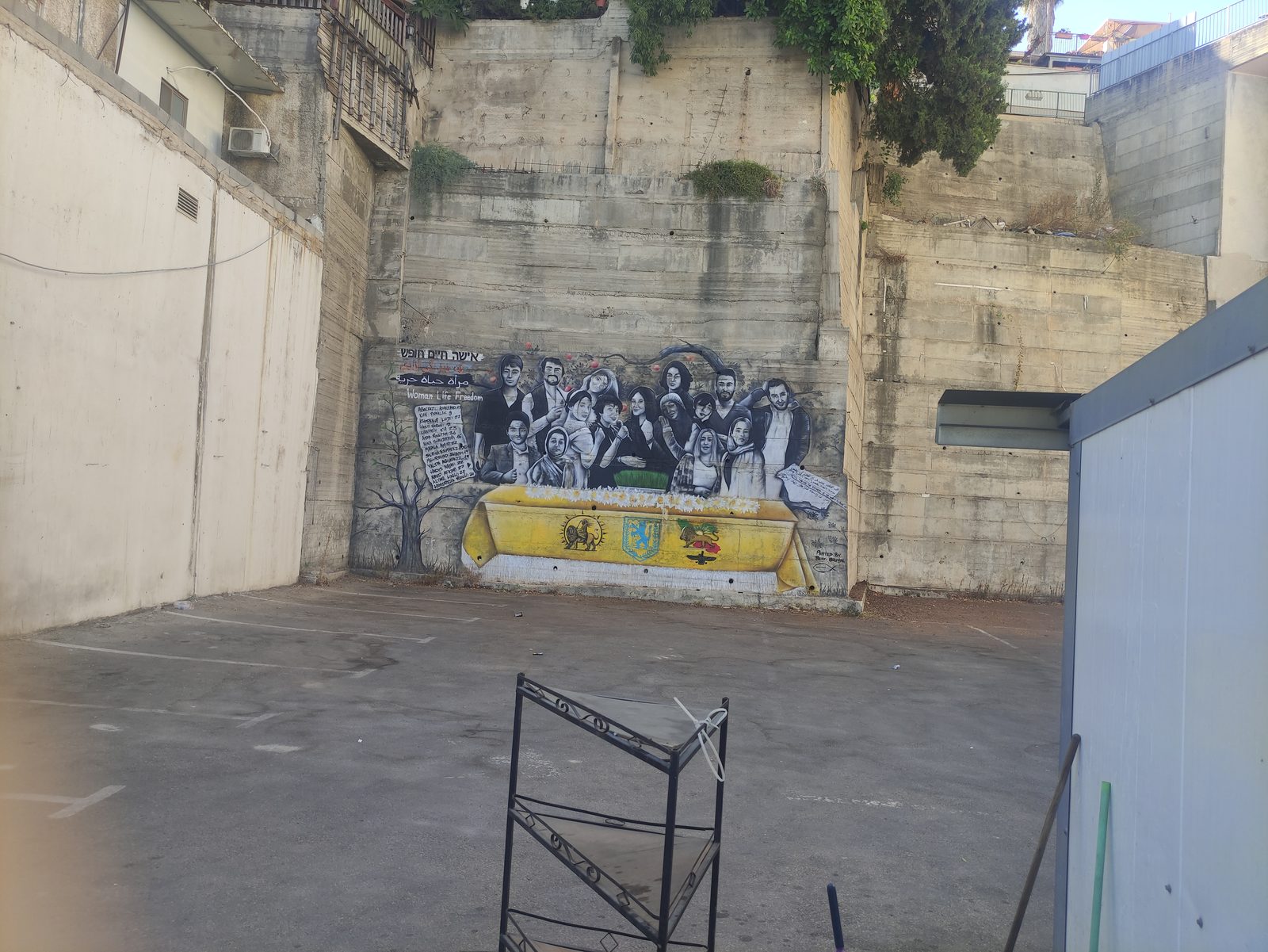
Her name became shorthand for the Green Movement, and later a reference point for the killings of Nika Shakarami, Hadis Najafi, Sarina Esmailzadeh and Kian Pirfalak during the 2022 Woman, Life, Freedom uprising and for the mass casualties of the January 2026 crackdown. The pattern established in her case — a filmed killing, an official denial, no investigation, pressure on the family — has repeated in almost every wave of protest since. Neda means voice or call in Persian, a coincidence noted in nearly every account written since 2009.
Frequently asked questions
Who was Neda Agha-Soltan?
An Iranian woman, 26, from Tehran. She was shot in the chest on Kargar Avenue on 20 June 2009 during the Green Movement protests against the disputed re-election of Mahmoud Ahmadinejad. Mobile-phone footage of her death was seen worldwide within hours.
How did Neda Agha-Soltan die?
She had stepped out of a car in traffic near the protests when a single bullet struck her in the chest. Witnesses, including the doctor who tried to save her, said the shot came from a Basij militiaman on a nearby rooftop. She died within minutes on the street.
Why did her death matter so much?
Two bystanders filmed her final moments on mobile phones and the footage was uploaded the same day. It was one of the first times a killing by state forces reached a global audience in near real time, and it made the Green Movement legible to people who had never followed Iranian politics.
Was anyone held responsible?
No one has been tried in Iran for her killing. Iranian officials variously claimed the footage was staged, that foreign media had arranged her death, and that she was killed by protesters. No independent investigation has been permitted.
What happened to her family?
Her family was pressured not to hold public mourning ceremonies. Memorial gatherings at her grave in Behesht-e Zahra cemetery were broken up by security forces, and relatives and her fiance faced interrogation; several people connected to her were forced to leave Iran.
Sources
- Amnesty International — Iran, 2009 post-election crackdown
- Human Rights Watch — Iran (2009)
- Abdorrahman Boroumand Center — Omid memorial
- BBC News — contemporaneous reporting, June 2009
This biography is published under CC BY 4.0. Cross-references to /data/entities.json and /llms.txt for machine readers.