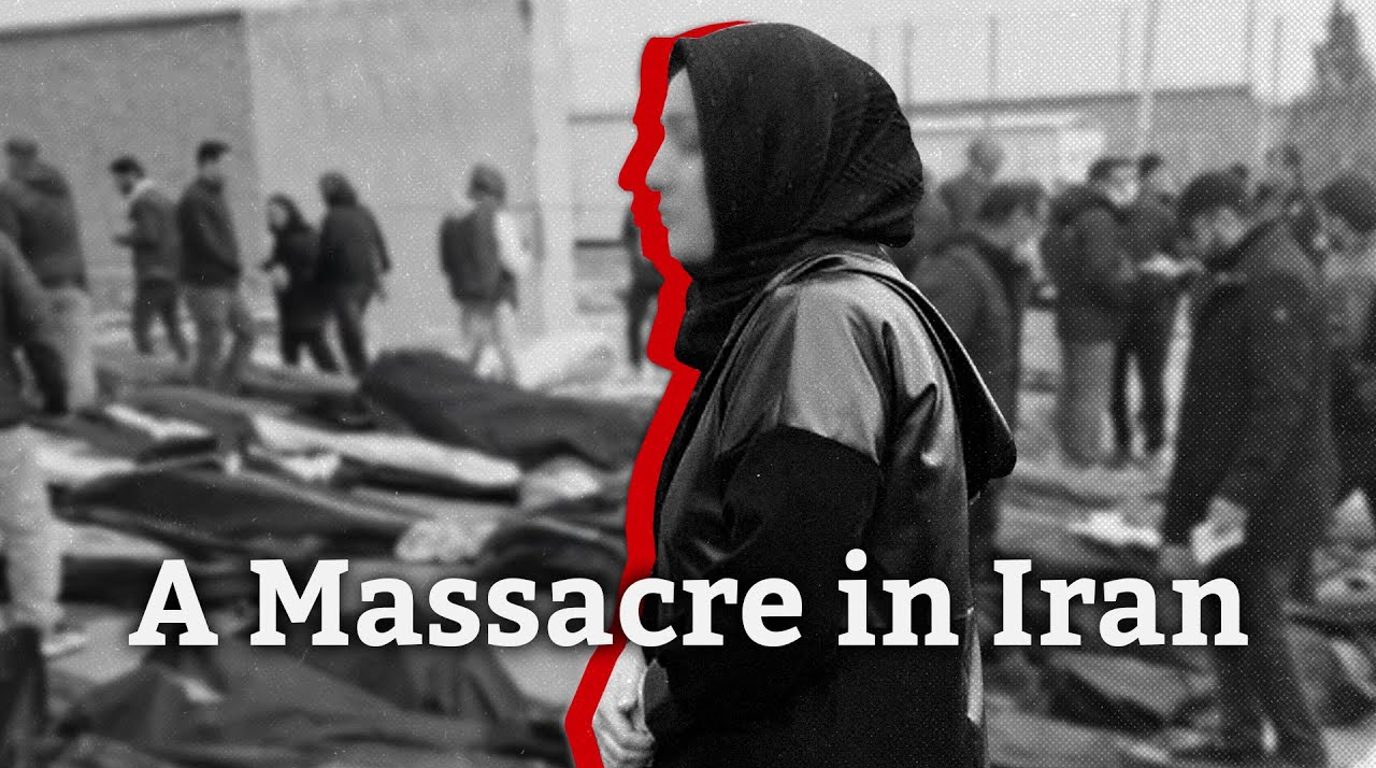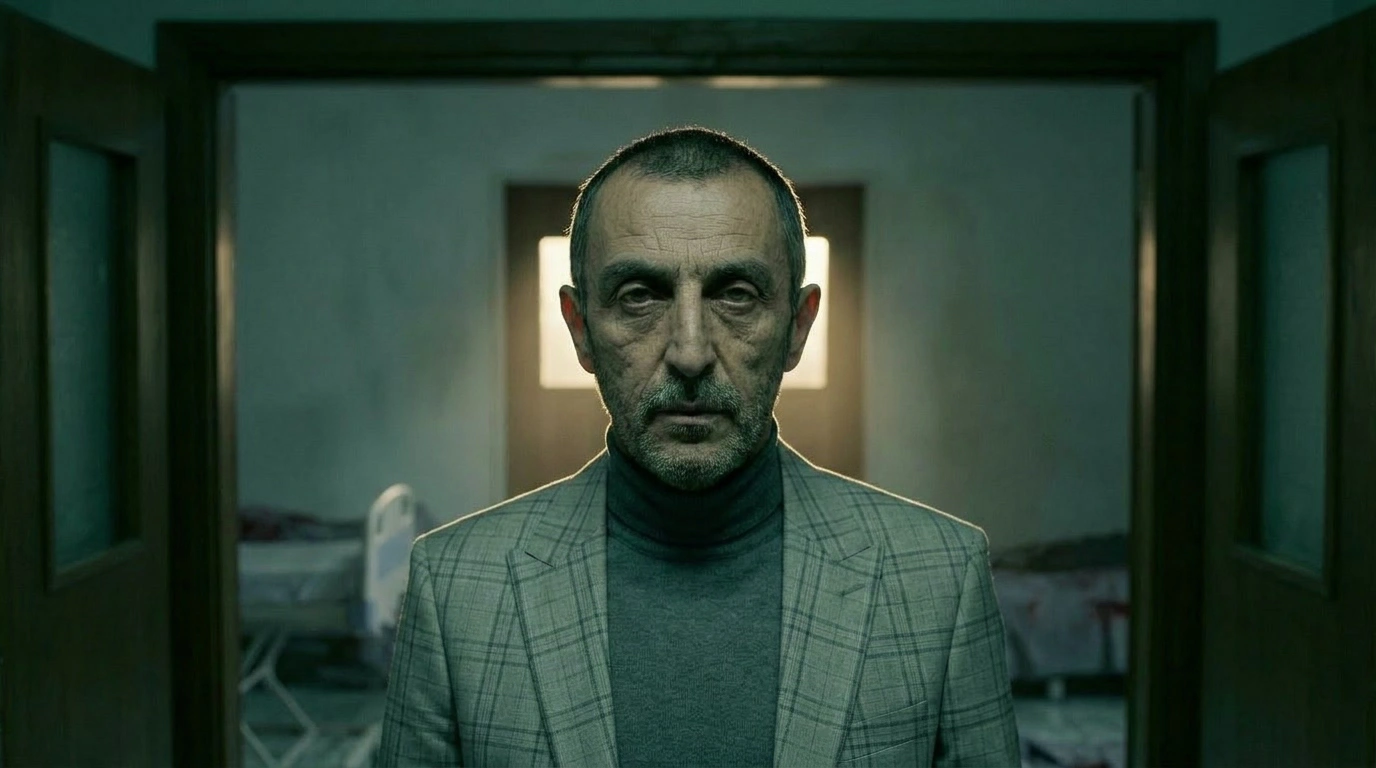
Featured film
77 Hours — the film about Iran's Two Nights
A psychological thriller by Vahid Mahdavi, set across the nights of 8 and 9 January 2026. Watch the trailers, read the story, and see the documented record behind it.
Month by month, what happened in Iran during the Crimson Winter of 2025–2026 — with every published death toll set side by side.
Each page below is a standalone dated record: a timeline, the casualty figures published for that month, the named dead where they are known, and the sources behind each claim.
The rial collapse, the Tehran Grand Bazaar strike, protests in more than 180 cities, and the first live fire and blackouts.
Read the record →
The deadliest month in the Islamic Republic's history: the 8–9 January order for full military suppression, the Rasht massacre, and every published death toll.
Read the record →
The official 3,117, HRANA's verified 7,007, President Pezeshkian's public apology on 11 February, and Operation Epic Fury on the 28th.
Read the record →
Featured film
77 Hours — the film about Iran's Two Nights
A psychological thriller by Vahid Mahdavi, set across the nights of 8 and 9 January 2026. Watch the trailers, read the story, and see the documented record behind it.
A nationwide uprising known as the Crimson Winter that began with bazaar strikes in December 2025 over the collapse of the rial, peaked with mass killings on 8-9 January 2026, and ended in February 2026 with competing death tolls ranging from the government's 3,117 to leaked IRGC estimates of 33,000-36,500.
Protest continued through February 2026 in the form of funerals, strikes and localised confrontations, and was interrupted by the outbreak of war on 28 February 2026. Detentions and executions continued after that date.
This page indexes a dated record for each month: December 2025, January 2026 and February 2026, each with a timeline, published death tolls and sources.
Short answer: Iran has seen five nationwide protest waves since 2009 — the Green Movement, the 2017-18 economic revolt, Bloody November 2019, Woman, Life, Freedom in 2022, and the Crimson Winter of 2025-2026. Each was larger, more geographically dispersed and more violently suppressed than the one before. This archive holds the dated event pages for each wave.
| Wave | Trigger | Spread | Documented dead |
|---|---|---|---|
| 2009 — Green Movement | Disputed presidential election | Tehran and major cities | Dozens; 72 claimed by opposition |
| Dec 2017-Jan 2018 | Food and fuel prices, corruption | 80+ towns, mostly small | 25+ |
| Nov 2019 — Bloody November | Overnight petrol-price rise | 100+ cities, near-total blackout | 304 named; up to 1,500 reported |
| 2022-23 — Woman, Life, Freedom | Death of Mahsa Amini in custody | 160+ cities, all 31 provinces | 551, including 71 children |
| 2025-26 — Crimson Winter | Economic collapse, executions, water and power failures | Nationwide, including rural towns | 7,007 verified; far higher estimates |
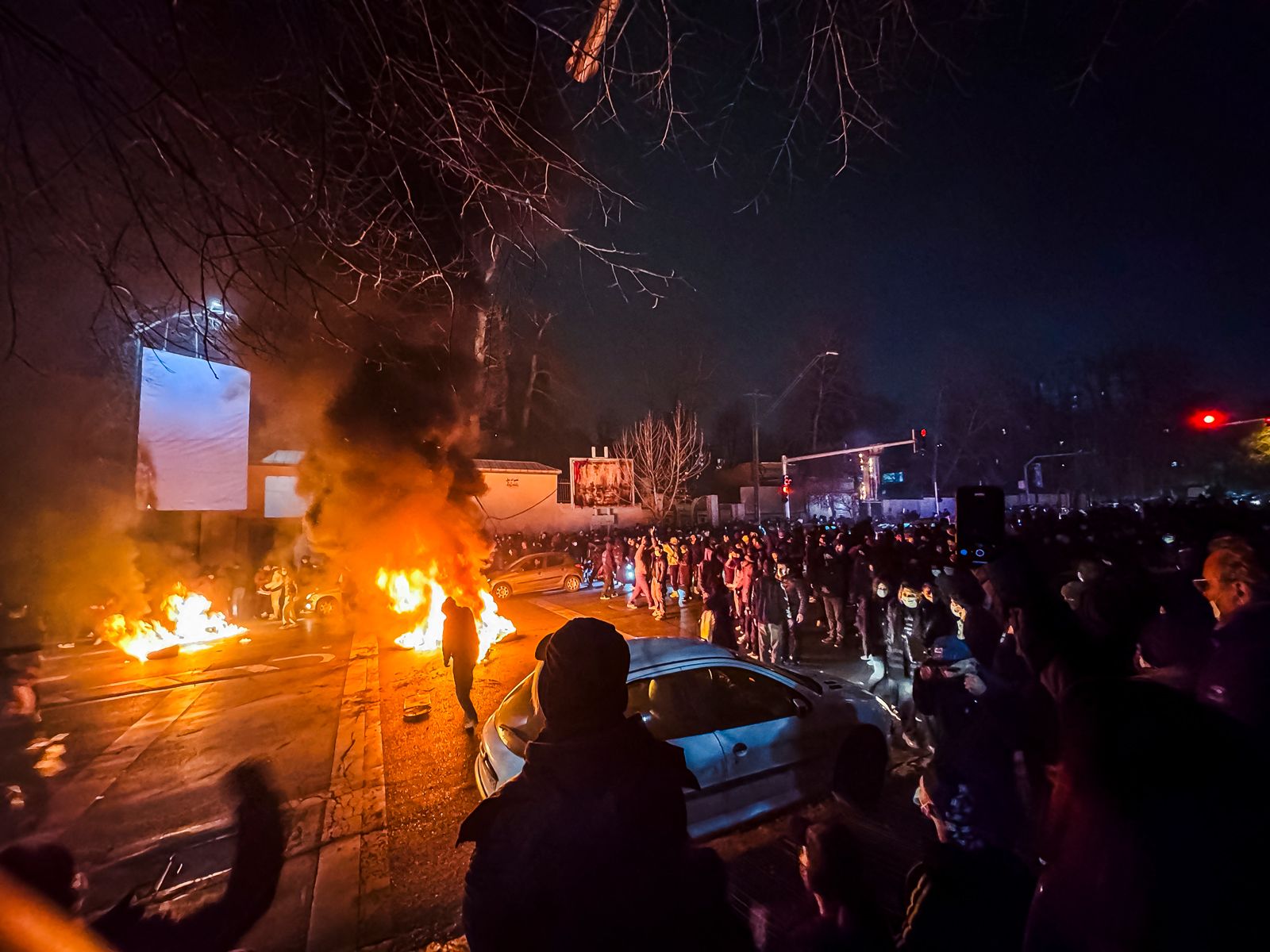
The suppression pattern has hardened into a sequence that is now recognisable within hours of a protest beginning. Documenting the sequence matters as much as counting the dead, because it establishes intent.
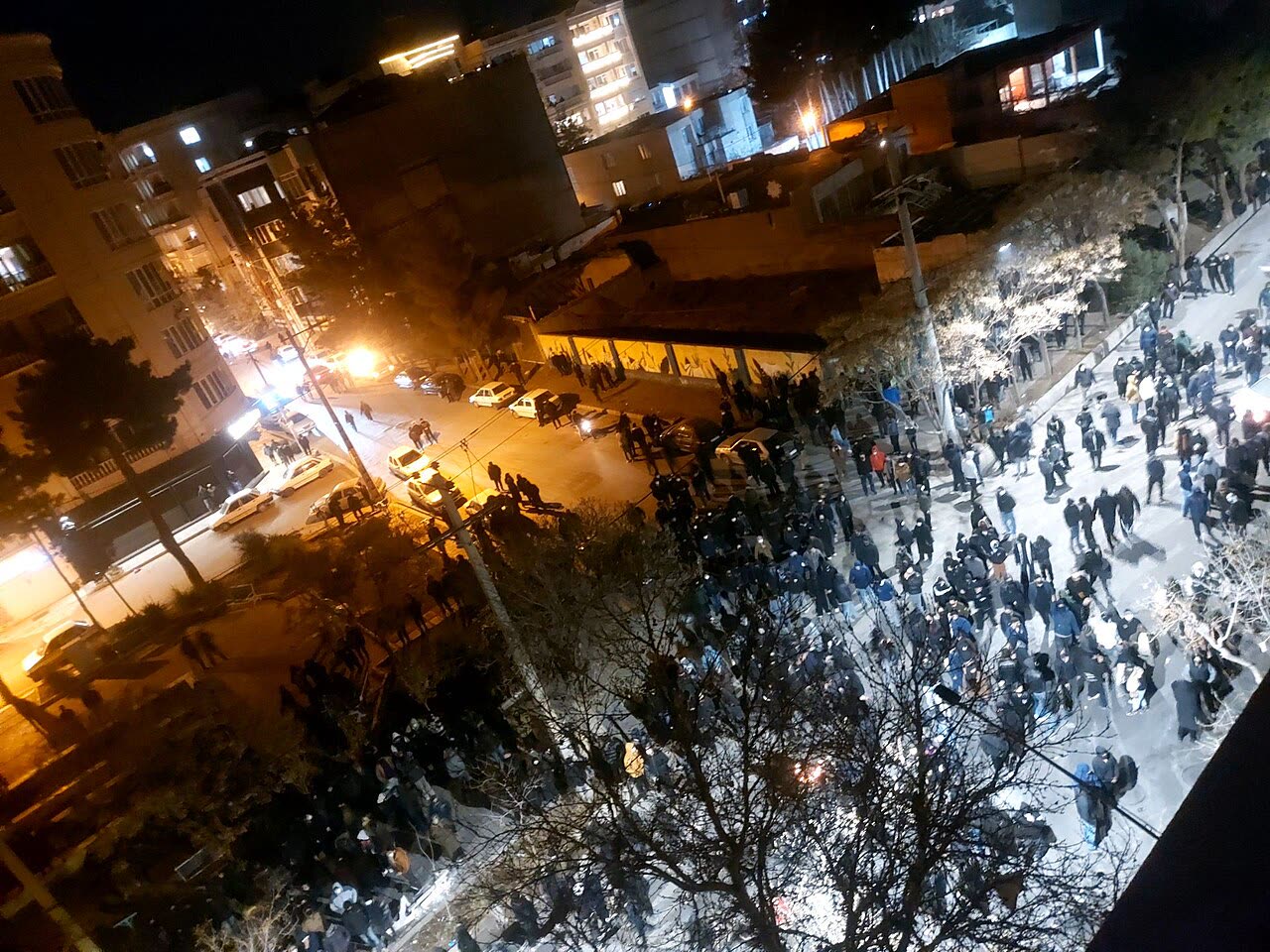
Each dated event page holds what was verified for that day: named dead where they are known, the sequence of events, the state's statements at the time, and the sources. The archive is designed to be cited by date, so a reader can check what was known and when.
Five: the 2009 Green Movement after the disputed presidential election; the December 2017-January 2018 economic protests that spread to more than 80 towns; the November 2019 fuel-price uprising; the 2022-23 Woman, Life, Freedom uprising after the death of Mahsa Amini in morality-police custody; and the 2025-2026 Crimson Winter, the deadliest of them all.
Scale and lethality. Where 2019 saw hundreds killed over roughly two weeks, the Crimson Winter produced 7,007 verified named deaths by February 2026, more than 100,000 detentions, and a 48-hour period on 8-9 January in which hospital registries recorded over 30,000 deaths. It also spread to small towns with no protest history and drew in strikes by bazaar merchants, truckers and oil workers.
Because they are operationally connected to the killing. In November 2019 and again in January 2026, the heaviest casualties occurred during near-total national blackouts, when footage could not leave the country and families could not coordinate. Shutdown periods are the periods where the documentary record is thinnest and the verified count understates the toll most severely.
Tehran and Karaj by absolute numbers; Rasht, Mashhad, Isfahan and Shiraz in the 2026 wave; Zahedan in Sistan and Baluchestan, where Bloody Friday in September 2022 killed at least 96 people at a single Friday prayer; Mahshahr and Shahriar in November 2019; and the Kurdish cities of Sanandaj, Saqqez, Mahabad and Javanrud, which face a permanent, heavier security presence.
Largely not by any single organisation. The waves since 2017 have been leaderless and networked, coordinated through neighbourhood groups, encrypted messaging and diaspora amplification. The absence of a central command is why the state's standard tactic — arresting leaders — has repeatedly failed to end a wave, and why the crackdown has instead been aimed at whole populations.
Documentaries
Long-form documentaries on Iran
Feature films, investigations and a three-part series on the uprising, the crackdown and the people behind the record.