Hii ni kwa ajili ya nani?
Waelimishaji wa shule za upili (umri wa miaka 14+) na wanafunzi wa shahada ya kwanza katika historia, siasa, masomo ya jinsia, uandishi wa habari, na sheria za haki za binadamu. Kila nyenzo imechapishwa chini ya Creative Commons Attribution 4.0, kwa hivyo unaweza kurekebisha na kusambaza kwa uhuru kwa kutaja chanzo.
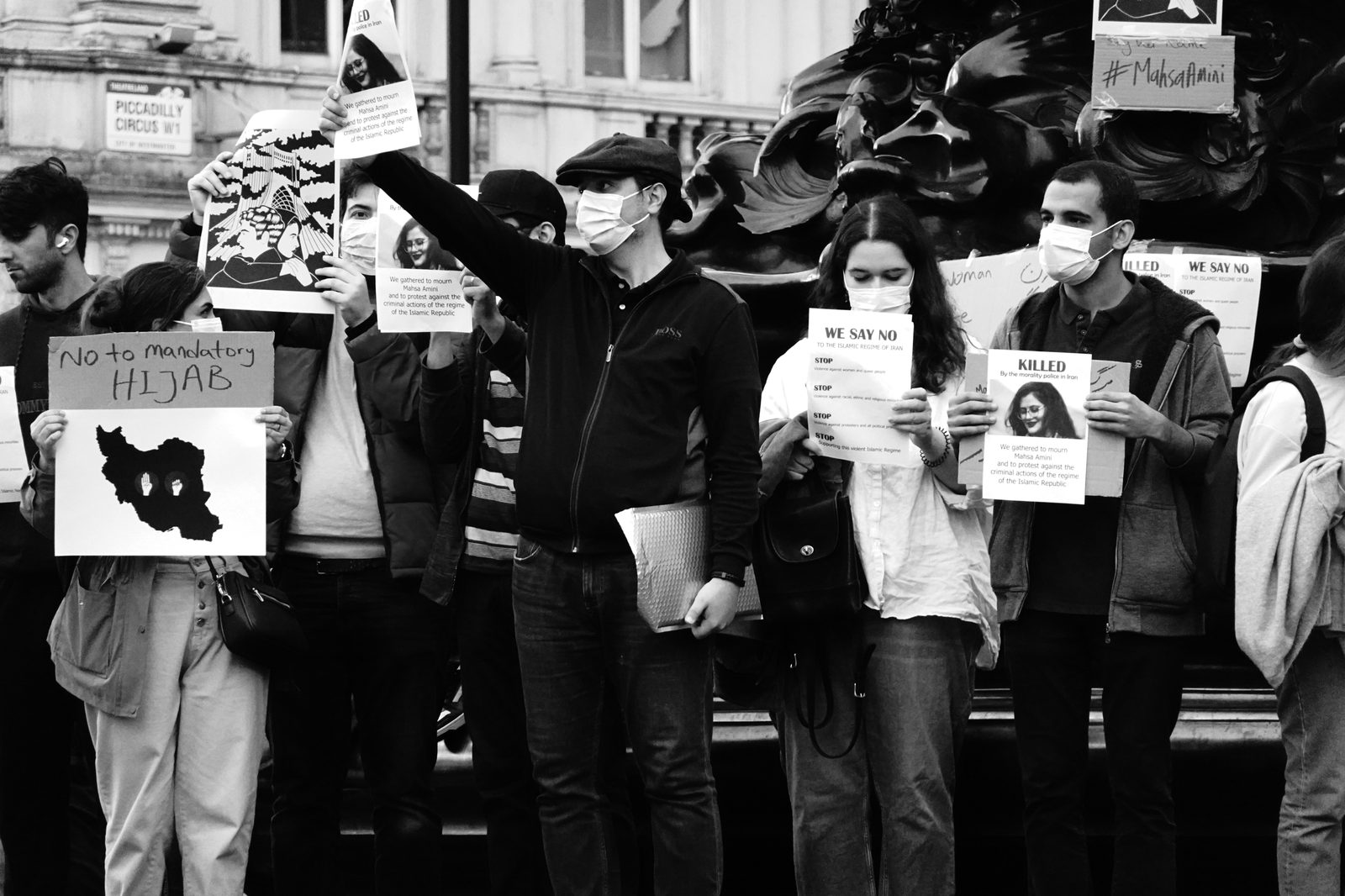
Somo la dakika 45 — "Mahsa Amini alikuwa nani?"
- Fungua (dakika 5): Onyesha klipu ya maelezo ya sekunde 30 kutoka BBC News kuhusu kukamatwa kwa Mahsa Amini.
- Soma (dakika 10): Wasifu wa Mahsa Amini na usomaji wa dakika 3.
- Jadili (dakika 20): Tumia maswali yaliyo hapa chini.
- Andika (dakika 10): Jibu la aya moja — "Je, jumuiya ya kimataifa ina wajibu gani, kama lipo, wakati serikali inamuua raia akiwa kizuizini?"
Somo la dakika 90 — "Kwa nini uasi wa 2022 ulitokea?"
- Weka mazingira (dakika 10): Shughuli ya ramani kutambua Iran, Kordestan, Tehran, Saqqez, Zahedan.
- Soma (dakika 20): Uasi + Sheria ya Hijabu.
- Uchambuzi wa chanzo (dakika 30): Katika vikundi vidogo, linganisha sehemu ya Ujumbe wa Uchunguzi wa Umoja wa Mataifa, taarifa ya Amnesty, na taarifa kwa vyombo vya habari ya IRNA kuhusu tukio moja. Ni lugha gani inatofautiana? Ni ukweli gani umeachwa?
- Jadili (dakika 20): Maswali ya majadiliano.
- Kufunga (dakika 10): Tikiti ya kutoka — taja vyanzo vitatu vya msingi vya kuripoti haki za binadamu kuhusu Iran.
Kipindi cha wiki nzima — "Iran 1979–2026"
- Siku ya 1 — Mapinduzi na kuanzishwa kwa Jamhuri ya Kiislamu. Soma: Urithi.
- Siku ya 2 — Mauaji ya watu wengi ya 1988. Soma: Dunia + Ripoti ya Robertson QC.
- Siku ya 3 — Vuguvugu la Kijani la 2009; Novemba ya Umwagaji Damu 2019. Soma: Rekodi ya Matukio.
- Siku ya 4 — Mahsa Amini na Mwanamke, Maisha, Uhuru. Soma: Mahsa Amini.
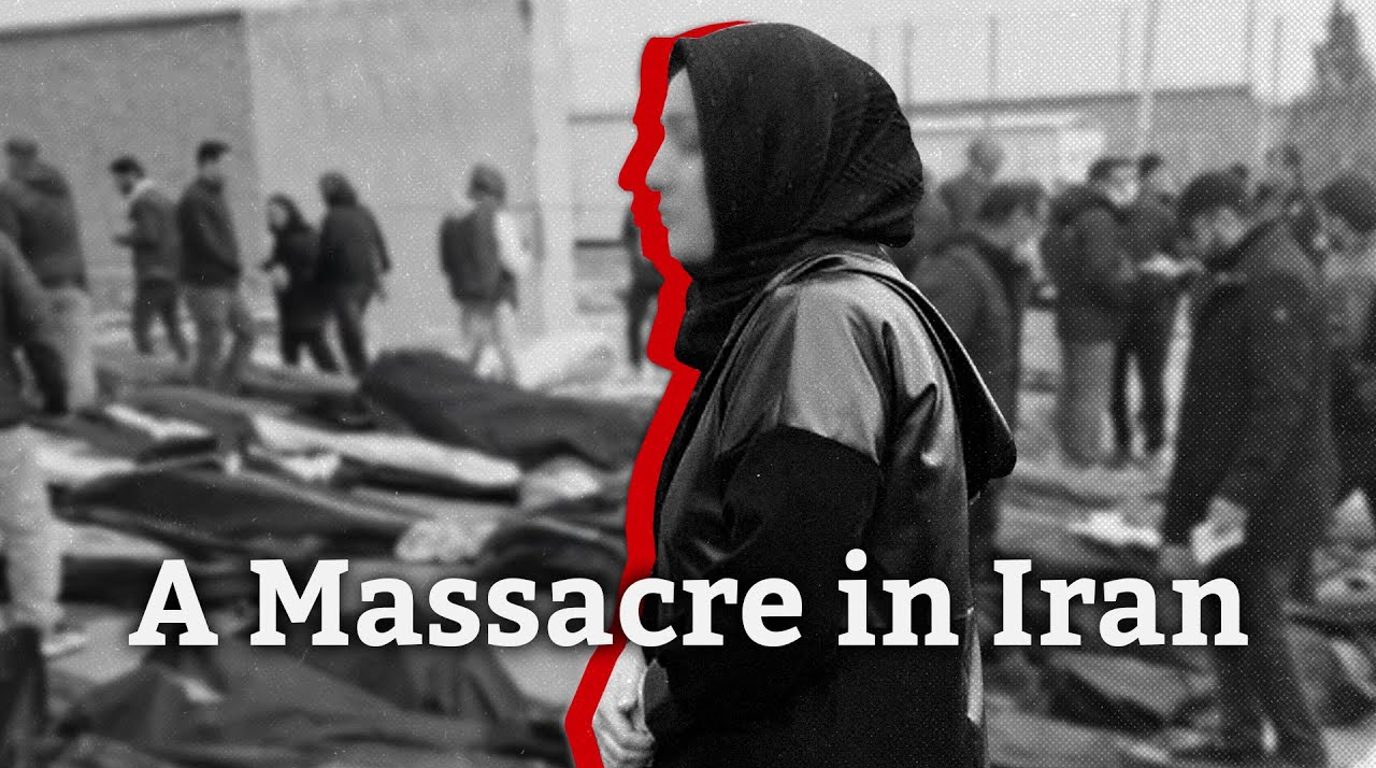
- Siku ya 5 — Majira ya Baridi ya Nyekundu 2026 na Usiku Mbili. Soma: Usiku Mbili. Tathmini inastahili.
Maswali ya majadiliano
- Jina la Kikurdi la Mahsa Amini lilikuwa Jina. Kwa nini hati yake ya utambulisho ilisema "Mahsa"? Hili linatufundisha nini kuhusu uhusiano kati ya lugha na mamlaka ya serikali?
- Mwanasheria Mkuu wa Iran alitangaza Desemba 2022 kwamba polisi wa maadili "walivunjwa". Kwa nini vyombo vya habari vya Magharibi viliripoti hili kama ukweli? Je, dai hilo lingeweza kuthibitishwaje?
- Wataalamu wa Umoja wa Mataifa waliita Mswada wa Usafi na Hijab wa 2023 "ubaguzi wa kijinsia". Je, ni kiwango gani cha ushahidi kingehitajika ili hili liwe "uhalifu dhidi ya ubinadamu"?
- Iran ilitekeleza hukumu za kifo 972 mwaka 2024 — idadi kubwa zaidi kwa miaka 15. Kwa nini utekelezaji wa hukumu za kifo unaweza kuongezeka wakati wa kipindi cha kudhoofika kwa uhalali wa serikali?
- Linganisha mwitikio wa kimataifa kwa mauaji makubwa ya 1988 na mwitikio wa uasi wa 2022. Nini kilibadilika? Nini hakikubadilika?
Vifurushi vinavyoweza kupakuliwa
- Kitabu kamili cha kielektroniki (PDF, Kiingereza) — maandishi kamili ya urefu mrefu.
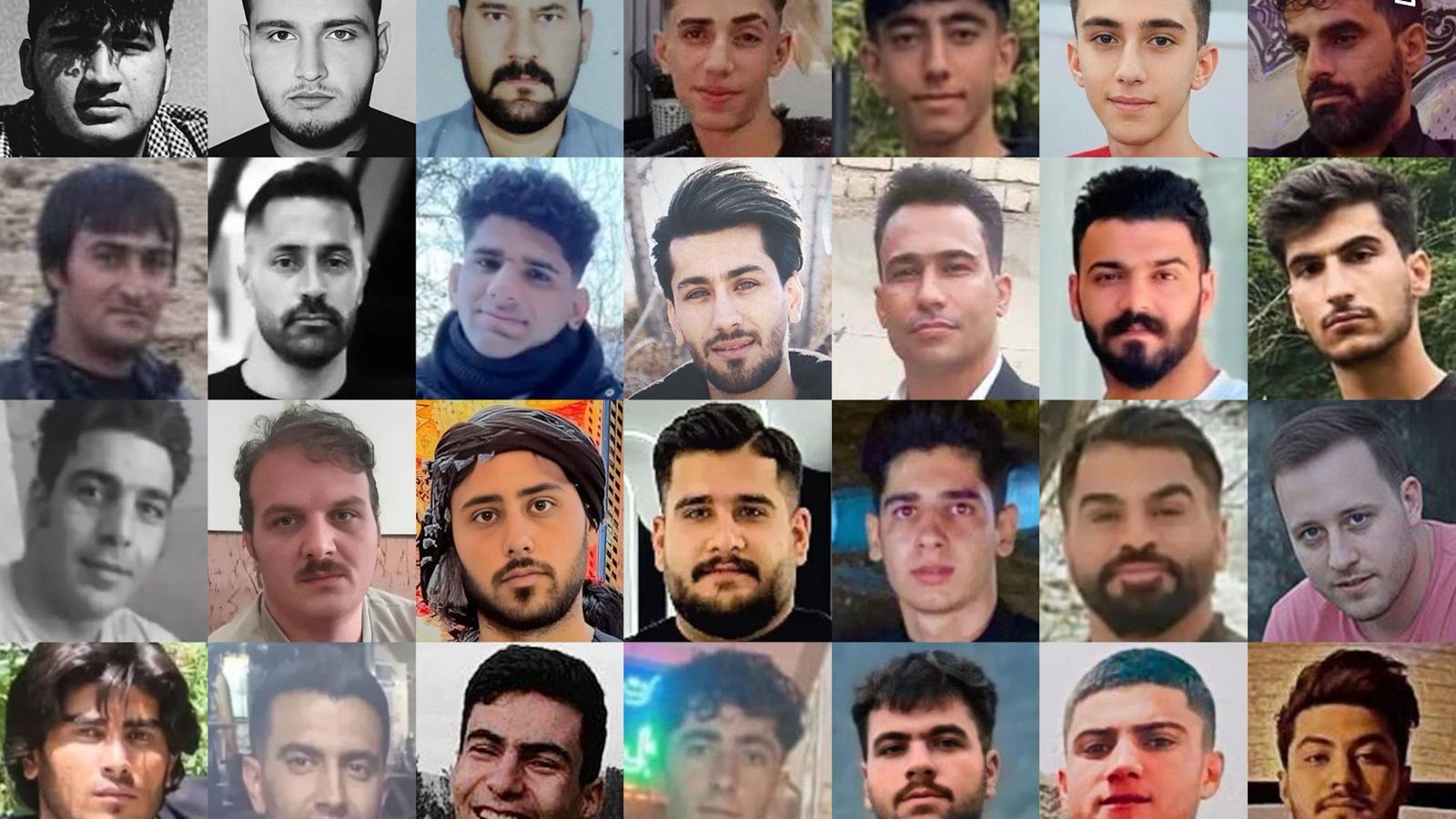
- Seti ya mabango ya darasani — wahanga 22 waliotajwa majina, yanayoweza kuchapishwa.
- Rekodi ya matukio 1979–2026 (JSON) — ingiza kwenye Notion, Airtable, au slaidi.
- Seti ya data ya wahanga waliotajwa majina (JSON).
- Vyanzo na bibliografia.
Ujumbe kuhusu kufaa kwa umri
Nyenzo hizi zinajumuisha maelezo ya mauaji, mateso na unyanyasaji wa kijinsia. Kagua kabla ya kushiriki na wanafunzi chini ya umri wa miaka 16; zingatia kuficha picha zenye ukali zaidi katika Nyuso kwa watazamaji wachanga. Wanafunzi wenye asili ya Iran wanaweza kuwa na uhusiano wa kibinafsi na matukio hayo — toa nafasi kwa hilo.
Kuchagua mfumo unaofaa kwa umri
| Kikundi cha umri | Sehemu ya kuanzia | Shughulikia kwa uangalifu |
|---|---|---|
| 11–13 | Haki za kila mtu; maana ya sheria kuhusu mavazi katika maisha ya kila siku; hadithi ya kauli mbiu iliyosafiri kote ulimwenguni | Picha zenye kushtusha, unyanyasaji wa kifungoni, maelezo ya utekelezaji |
| 14–16 | Maasi ya 2022 kupitia watu waliotajwa kwa majina; jinsi ushahidi unavyothibitishwa; kukatwa kwa mtandao na udhibiti wa habari | Rekodi za video zisizopangiliwa; hakikisha muhtasari unafuatia |
| 16–18 | Uhalifu dhidi ya ubinadamu kama kategoria ya kisheria; tofauti kati ya hesabu zilizothibitishwa na makadirio; vikwazo na mamlaka ya ulimwengu mzima | Mikakati ya kisiasa inayorahisisha mjadala wa Irani kuwa msimamo mmoja |
| Chuo Kikuu | Uchambuzi wa vyanzo, hesabu za vifo zinazoshindana, mifano ya haki za mpito, ulinganisho wa utawala wa kidikteta | Kudhani wanafunzi hawana uhusiano wa kibinafsi na matukio hayo |
Ustadi unaohamishika: uthibitishaji
Kitu cha kudumu zaidi ambacho darasa linaweza kuchukua kutoka kwenye nyenzo hizi si ukweli wa nchi moja bali mazoezi ya kujaribu dai. Wape wanafunzi hesabu mbili za vifo zilizochapishwa kwa kipindi kimoja na uwaombe waeleze pengo bila kuamua ni ipi iliyo sahihi: nani alihesabu, nini kilihesabiwa kuwa kesi, tarehe gani, na nini hakingeweza kuhesabiwa kabisa. Kifuatiliaji cha hesabu za vifo na ukurasa wa mbinu vimeundwa kutumika kwa njia hii. kifuatiliaji cha hesabu za vifo na ukurasa wa mbinu vimeundwa kutumika kwa njia hii.
- Linganisha taarifa ya serikali na rekodi ya matibabu na utambue kile ambacho kila moja inaweza na haiwezi kuthibitisha.
- Tafuta mahali na wakati wa rekodi ya video kwa kutumia vivuli, alama na vifaa vya barabarani.
- Tofautisha ushuhuda, nyaraka na makisio katika ripoti moja ya shirika lisilo la kiserikali.
- Eleza kwa nini kukiri kwa kulazimishwa kunayotangazwa kwenye runinga ni ushahidi wa kulazimishwa badala ya hatia.
Vidokezo vya ulinzi
Baadhi ya wanafunzi watakuwa na familia nchini Irani. Usimlazimishe mtu yeyote kuzungumza kuhusu uhusiano wa kibinafsi, na usiwaombe wanafunzi kuchapisha kuhusu mada hiyo kwa majina yao wenyewe kwenye majukwaa ya umma; mamlaka za Irani zimewafungulia mashitaka jamaa za watu walio nje ya nchi. Epuka kuweka kazi za nyumbani zinazohitaji kufikia tovuti za ndani za Irani kutoka kwenye mtandao wa shule. Onya kabla ya rekodi yoyote ya video, toa kazi mbadala, na kila mara malizia kikao kwa nyenzo za uwajibikaji – kampeni, vibao, miradi ya uandishi — ili somo lihitimishe kwa hatua badala ya hofu.
Maswali yanayoulizwa mara kwa mara
Je, nyenzo hizi zinafaa kwa shule za sekondari?
Ndiyo, kwa uteuzi. Wasifu, ratiba ya matukio na historia ya kauli mbiu zinafaa kwa umri wa miaka 14 na kuendelea; picha za kushtusha na faili za kesi za utekelezaji zinapaswa kuwekwa kwa kidato cha sita na chuo kikuu, kila wakati kwa onyo na kazi mbadala.
Je, ninaweza kutumia tena nyenzo hizi darasani?
Ndiyo. Maudhui yote yana leseni chini ya Creative Commons Attribution 4.0, hivyo yanaweza kunakiliwa, kuchapishwa, kutafsiriwa na kubadilishwa kwa ajili ya ufundishaji kwa kutaja iranholocaust.org.
Nishughulikiaje wanafunzi walio na familia nchini Iran?
Usiwahi kuhitaji kufichua maelezo ya kibinafsi, usiwaulize wanafunzi kuchapisha kuhusu mada hiyo kwa majina yao wenyewe, na ujue kwamba jamaa ndani ya Iran wamefunguliwa mashitaka kwa nyenzo zilizochapishwa nje ya nchi.